Problem-Solving Skills Normal Matching Worksheets for Ages 4-6
5 filtered results
-
From - To
Enhance your child's early learning journey with our Problem-Solving Skills Normal Matching Worksheets designed specifically for ages 4-6. These engaging worksheets encourage critical thinking and help develop essential cognitive abilities through fun and interactive matching exercises. Kids will enhance their observation and reasoning skills as they connect related images, numbers, and concepts, making learning both enjoyable and effective. Our colorful and age-appropriate activities foster independence, creativity, and a love for learning. Perfect for homeschooling, classroom use, or supplemental practice, these worksheets support your child’s growth and build a solid foundation for future academic success. Explore our resources and watch your child thrive!
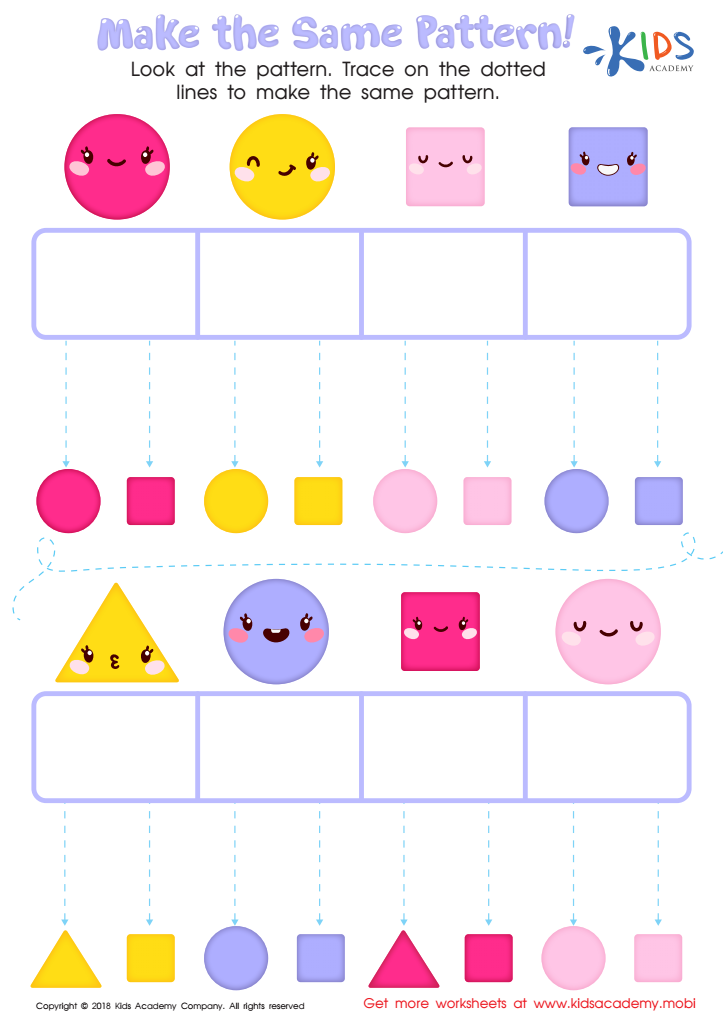
Make the Same Pattern Worksheet
 Assign to My Students
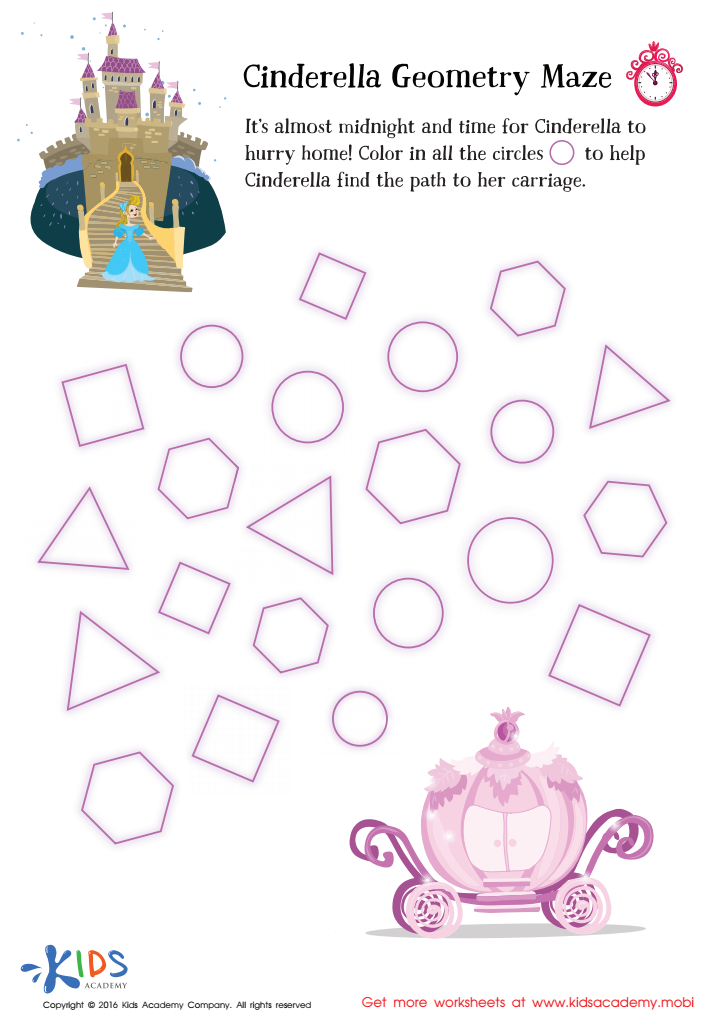
Cinderella Geometry Maze Worksheet
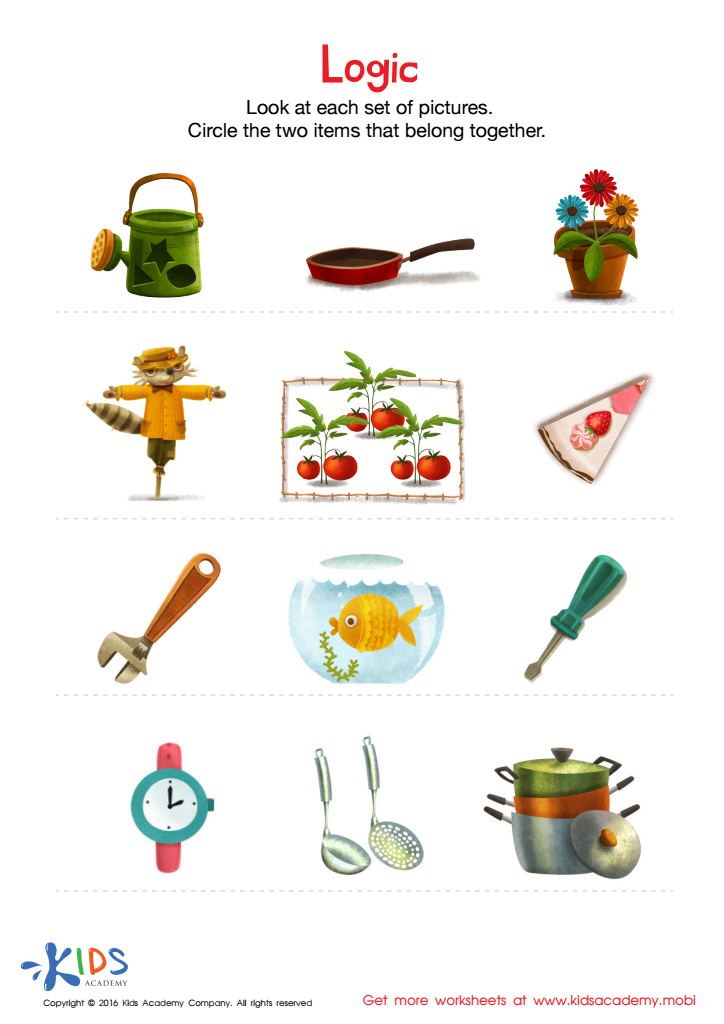
Logic Game Sorting Worksheet
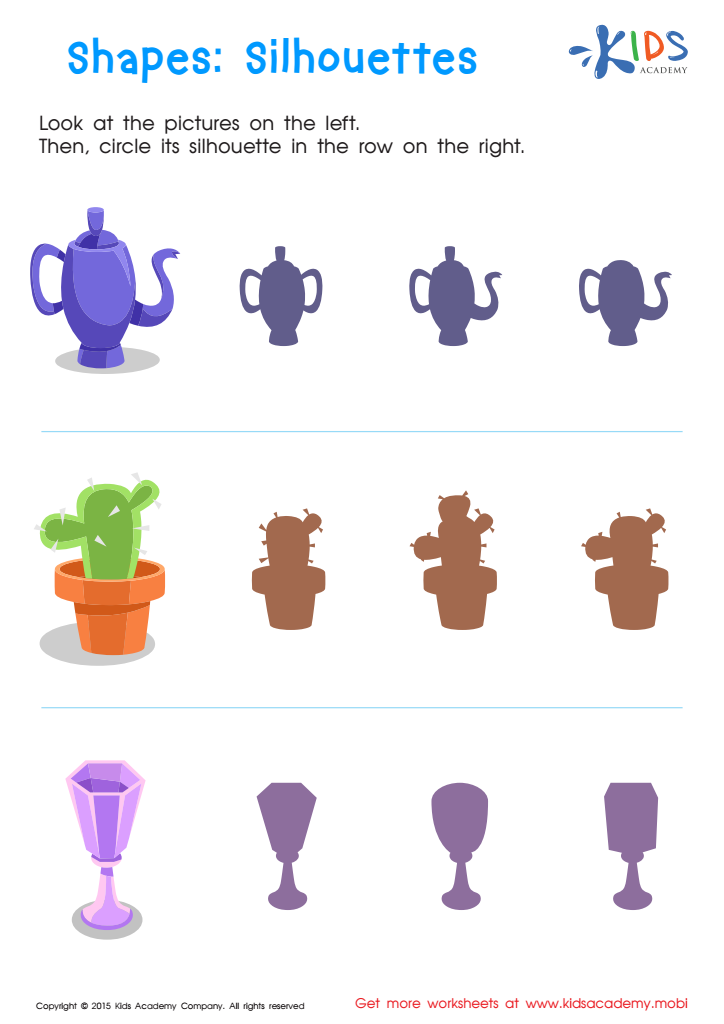
Silhouettes – Shapes Worksheet
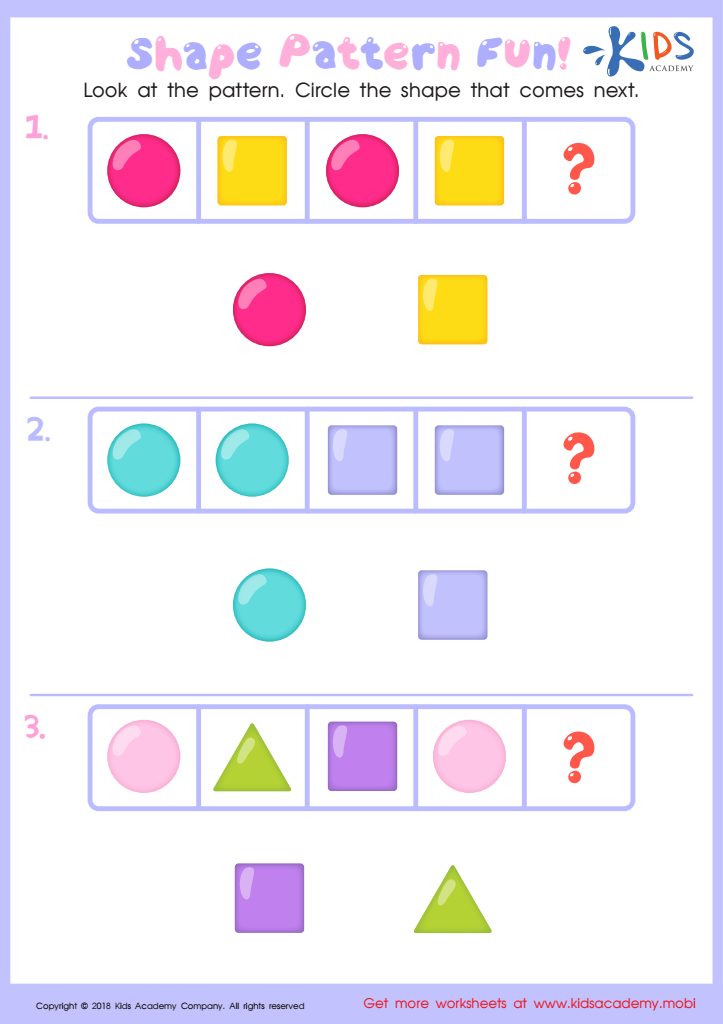
Shape Pattern Fun Worksheet







Problem-solving skills and normal matching during early childhood, particularly for ages 4-6, are crucial for a child's cognitive development. During these formative years, children begin to develop the ability to recognize patterns, categorize objects, and think critically, which are vital components of problem-solving. Teachers and parents should prioritize these skills to foster independent thinking and adaptability in young learners.
Engaging children in activities that promote normal matching—where they identify similarities and differences—encourages them to make cognitive connections between concepts. For instance, matching related colors, shapes, or sizes enhances their observational skills and boosts their memory retention. This stage is not just about academic readiness; it builds foundational life skills such as perseverance and creativity.
By nurturing these problem-solving abilities, caregivers also prepare children for future academic challenges and social interactions. As they learn to navigate obstacles, children develop resilience and confidence, essential attributes for lifelong success. In essence, investing time and resources to support problem-solving skills in early years leads to well-rounded individuals equipped to face challenges, ultimately benefiting their performance in school and their interactions with the world around them.








