Reading comprehension Normal Science Worksheets for Ages 4-6
47 filtered results
-
From - To
Explore our Reading Comprehension Normal Science Worksheets for Ages 4-6 and inspire your little learners with the wonders of science! These engaging worksheets are designed to develop early reading skills while introducing fundamental scientific concepts. Each activity integrates simple science topics with age-appropriate reading passages, enhancing both comprehension and curiosity. Perfect for home or classroom use, our worksheets support young readers in building vocabulary, understanding basic experimentation, and fostering a love for learning. Discover the joy of scientific exploration effortlessly blended with essential literacy practice at Kids Academy today!
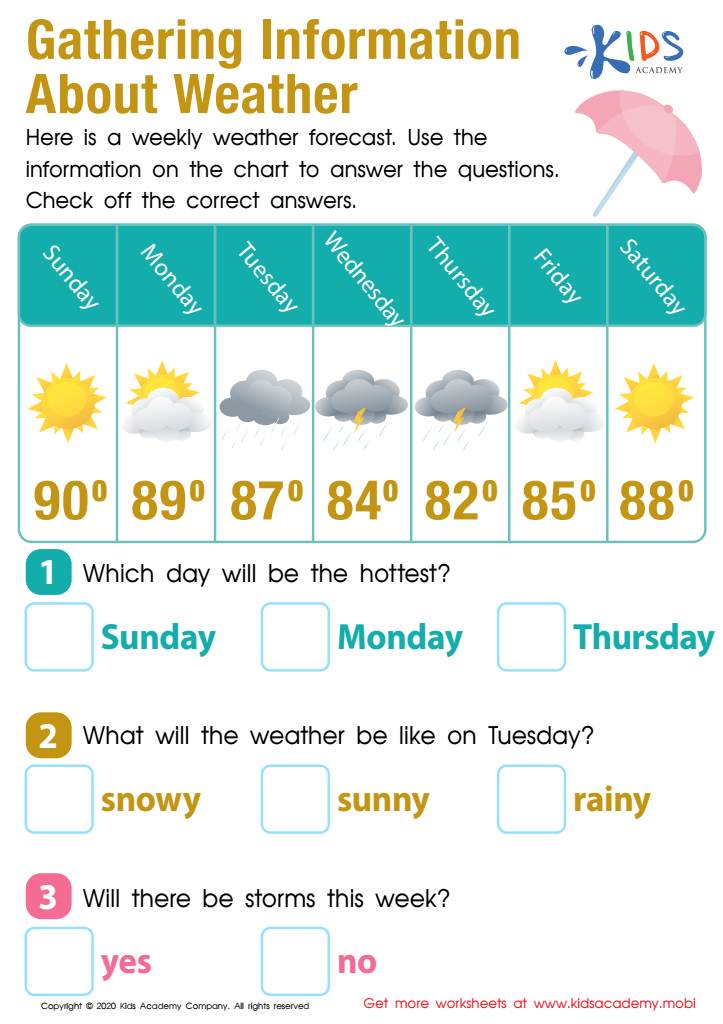
Gathering Information About the Weather Worksheet
 Assign to My Students
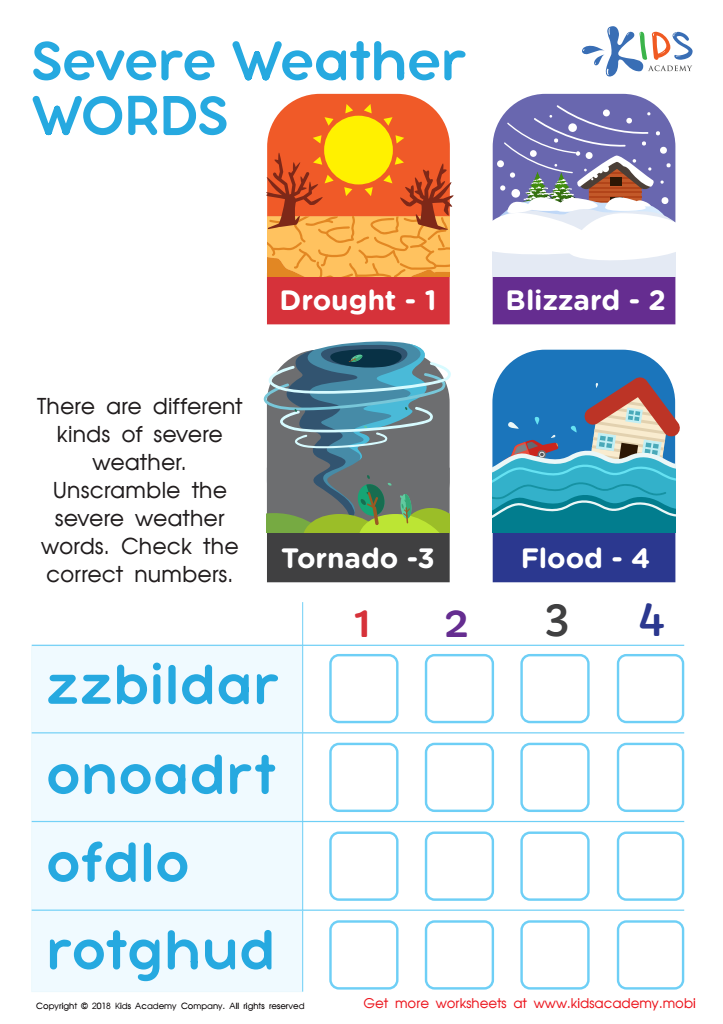
Severe Weather Words Worksheet
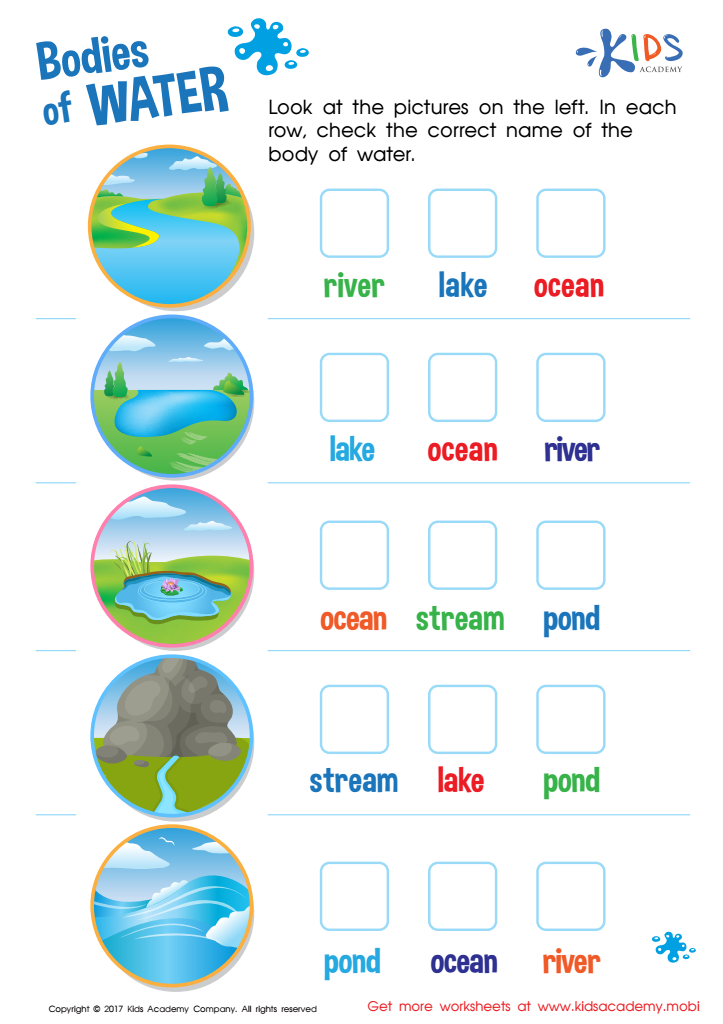
Bodies of Water Worksheet
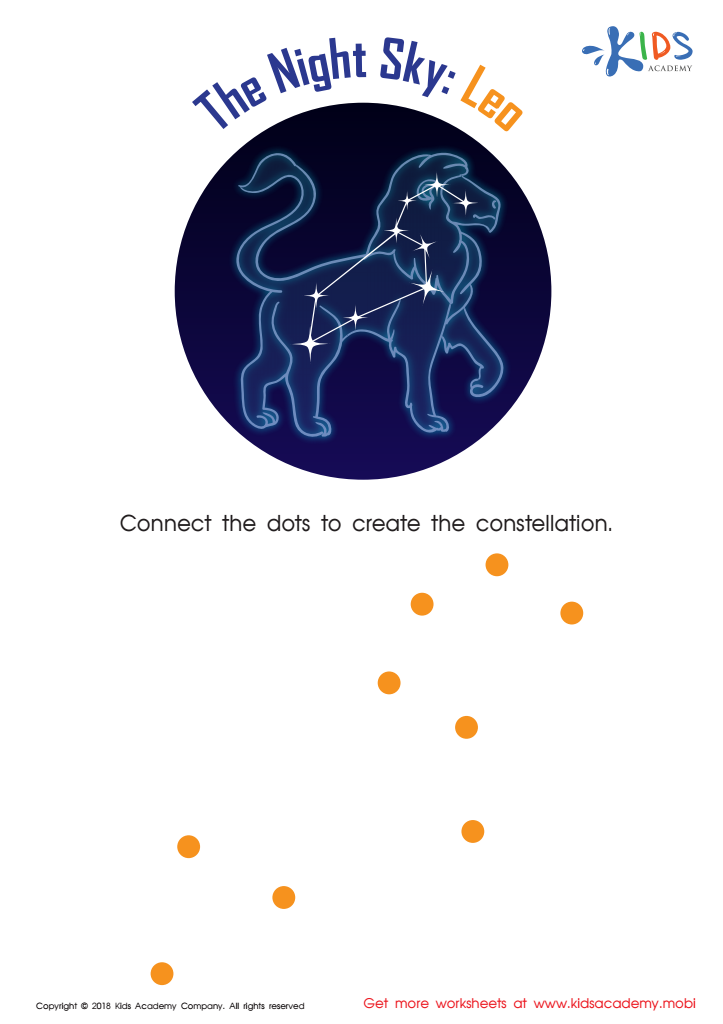
The Night Sky: Leo Worksheet
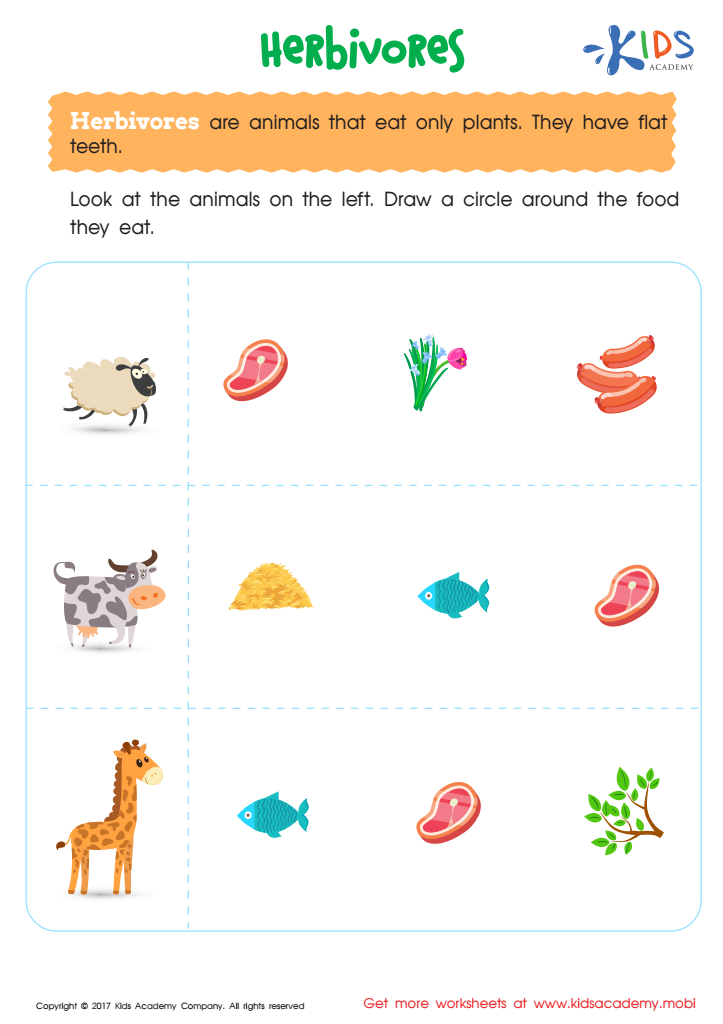
Herbivores Printable
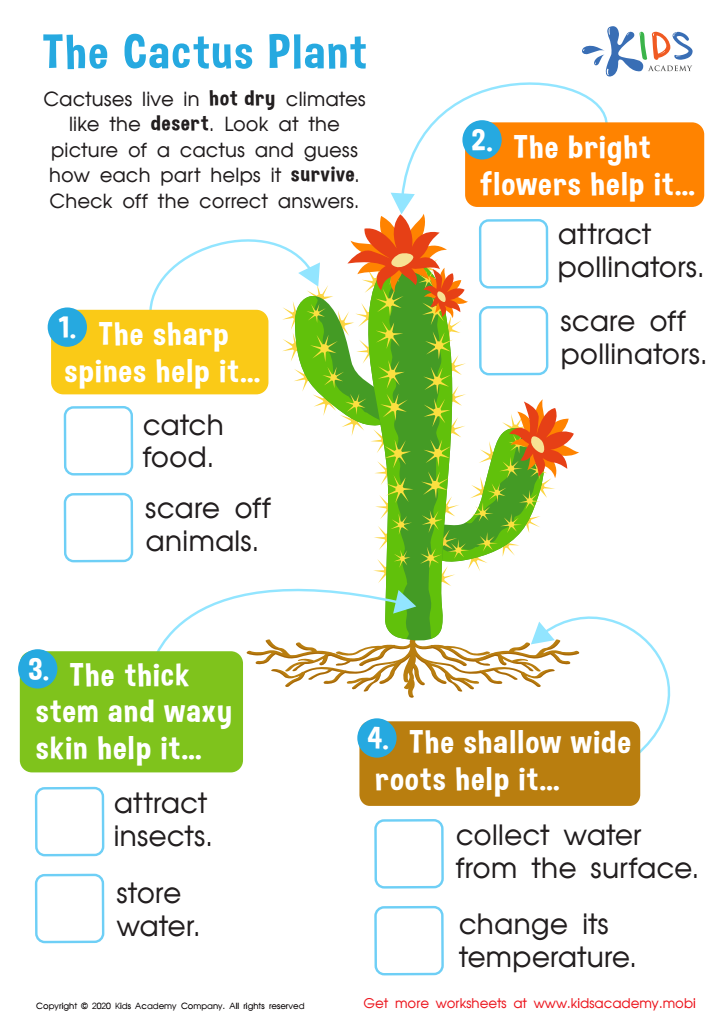
The Cactus Plant Worksheet
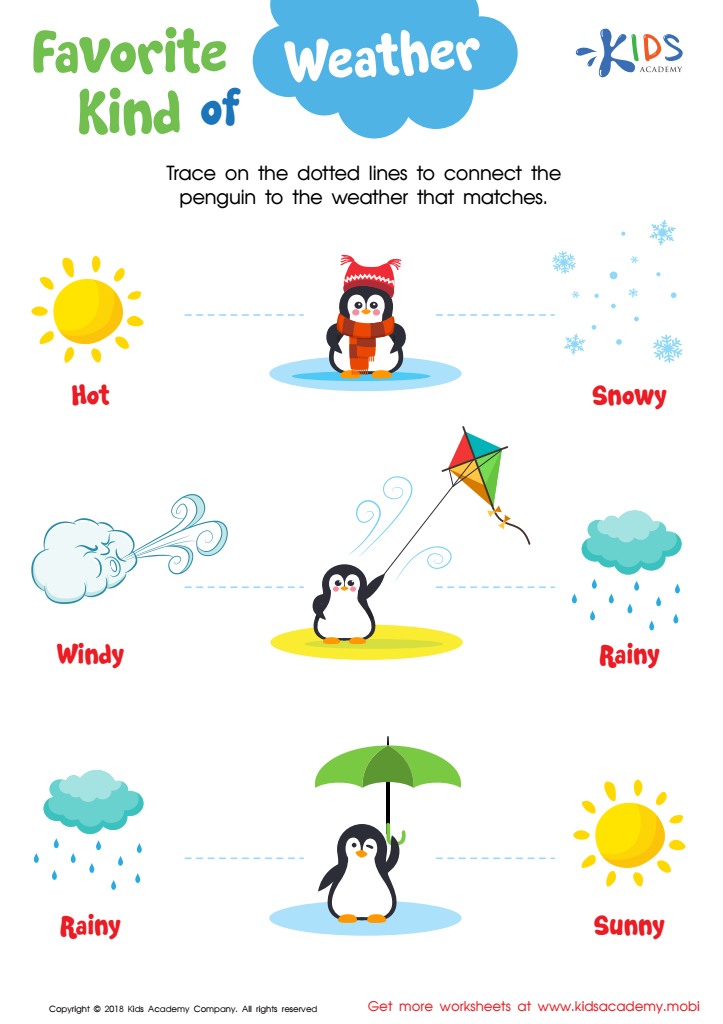
Favorite Kind of Weather Worksheet
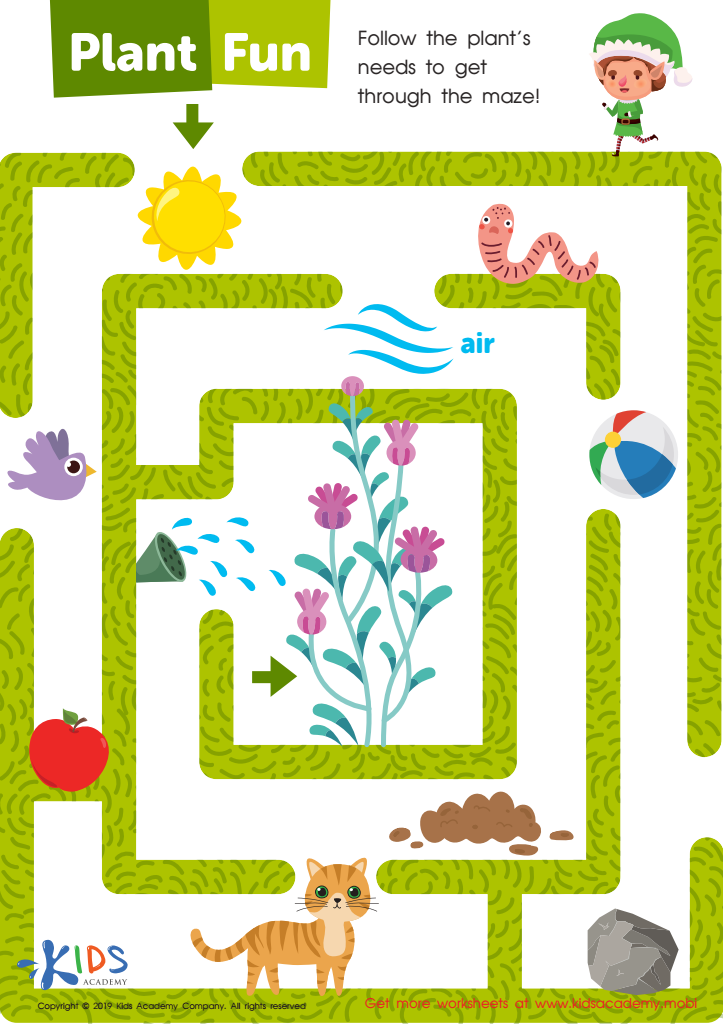
Plant Fun Worksheet
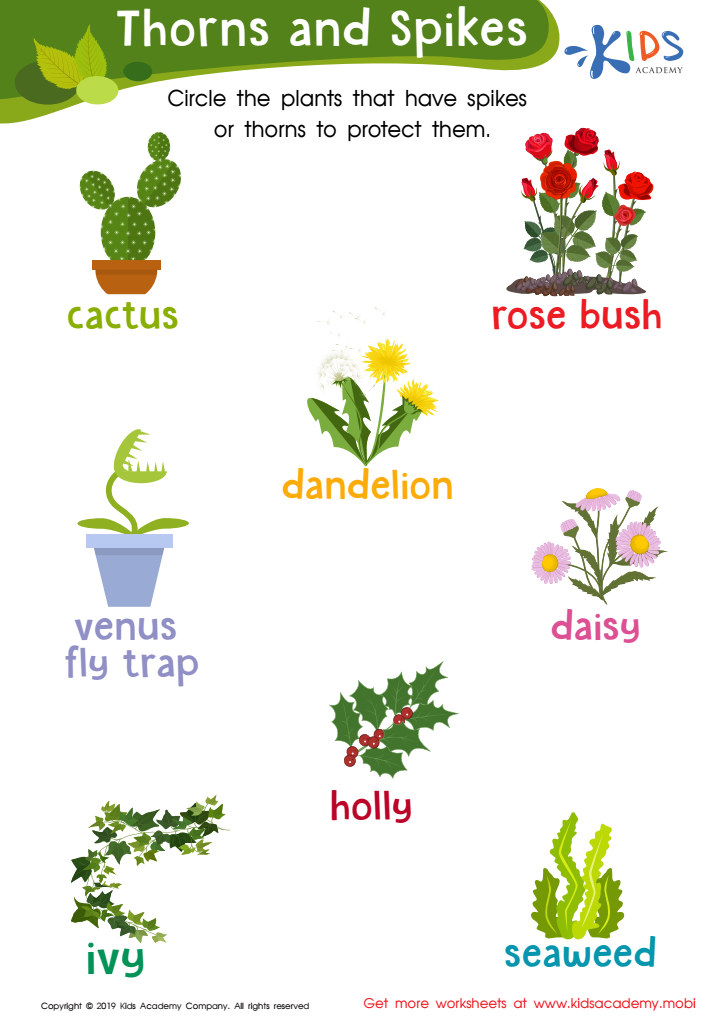
Thorns and Spikes Worksheet
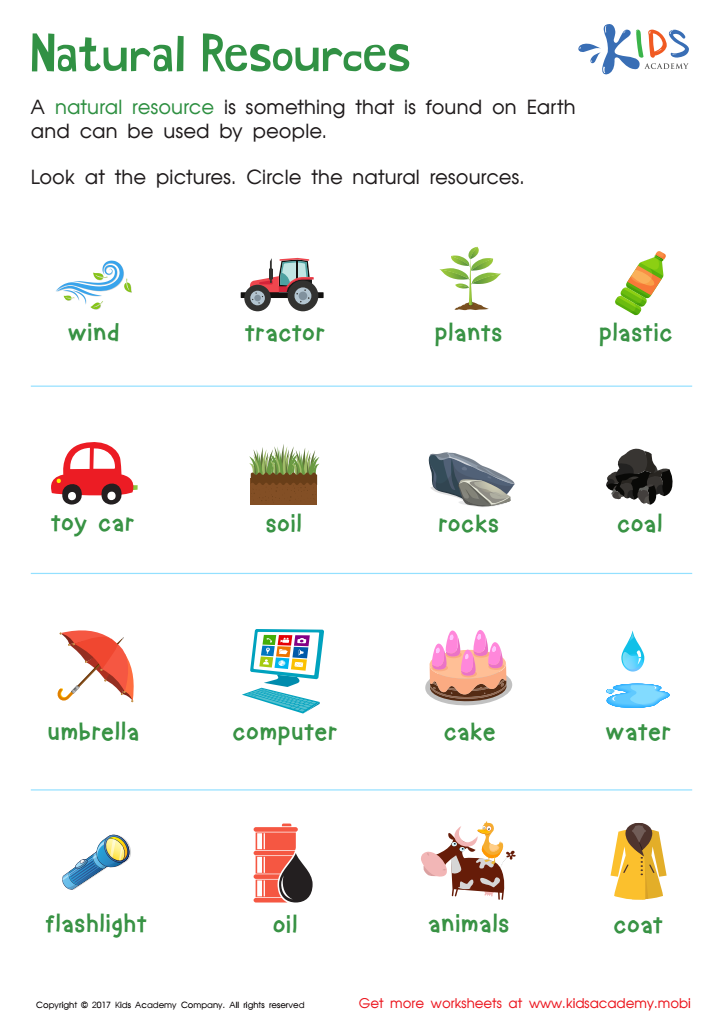
Natural Resources Worksheet
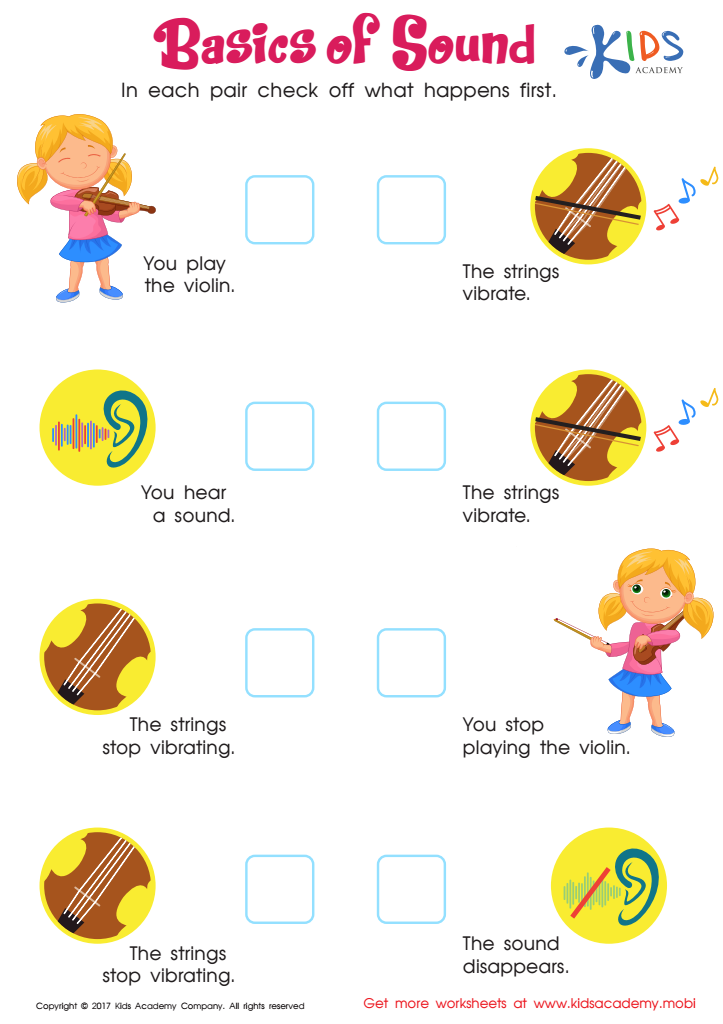
Basics Of Sound Worksheet
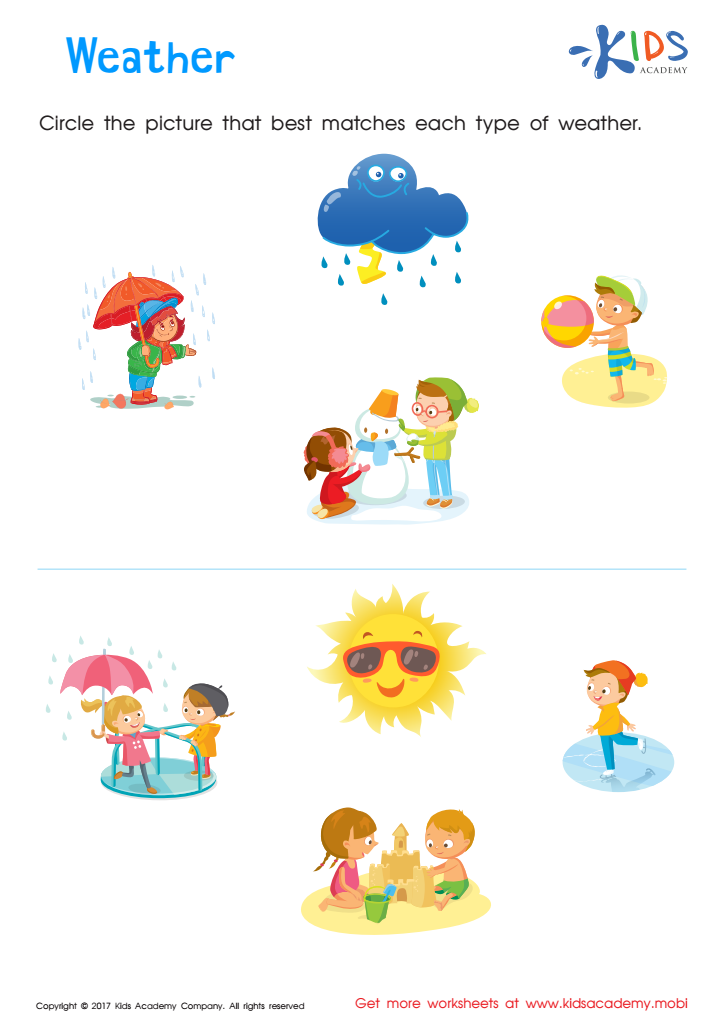
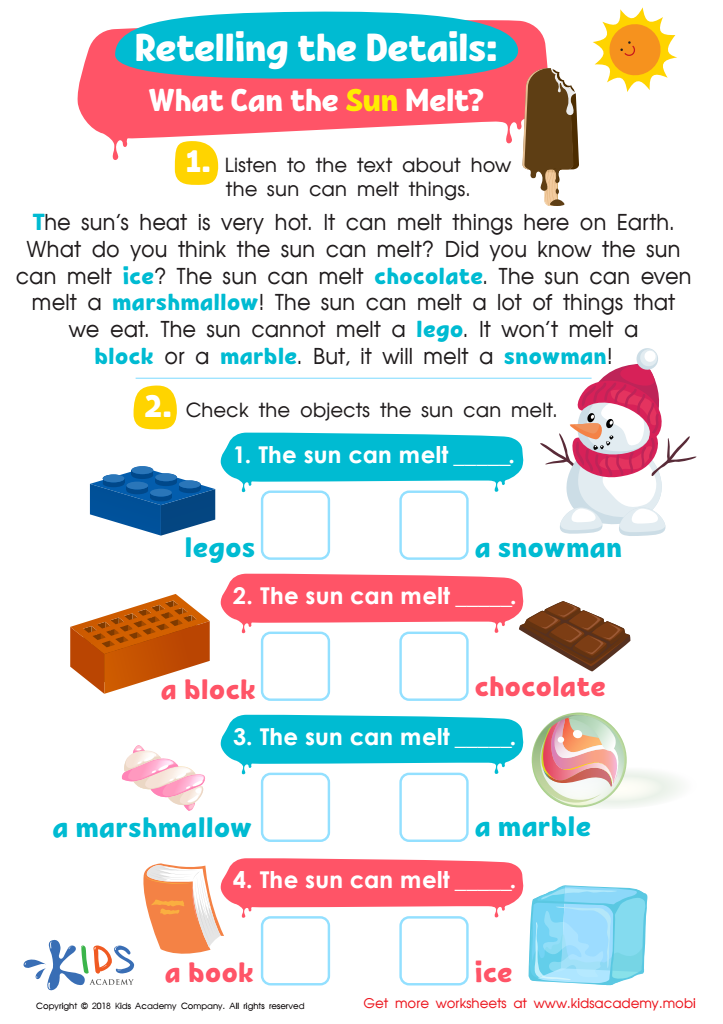
Retelling the Details: What Can the Sun Melt? Worksheet
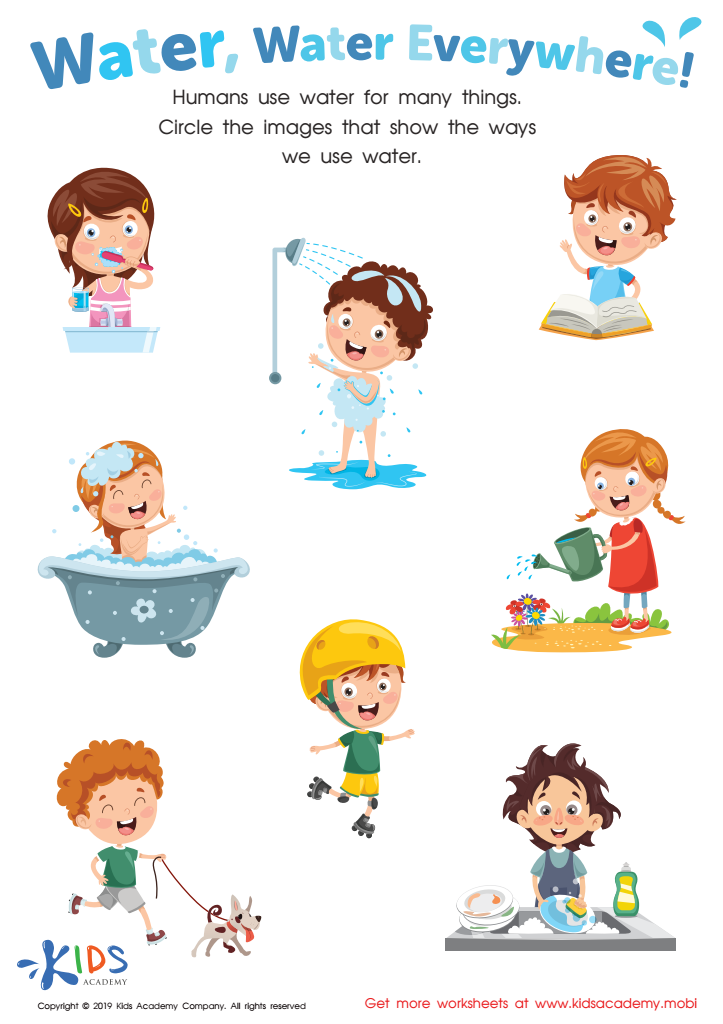
Water, Water Everywhere! Worksheet
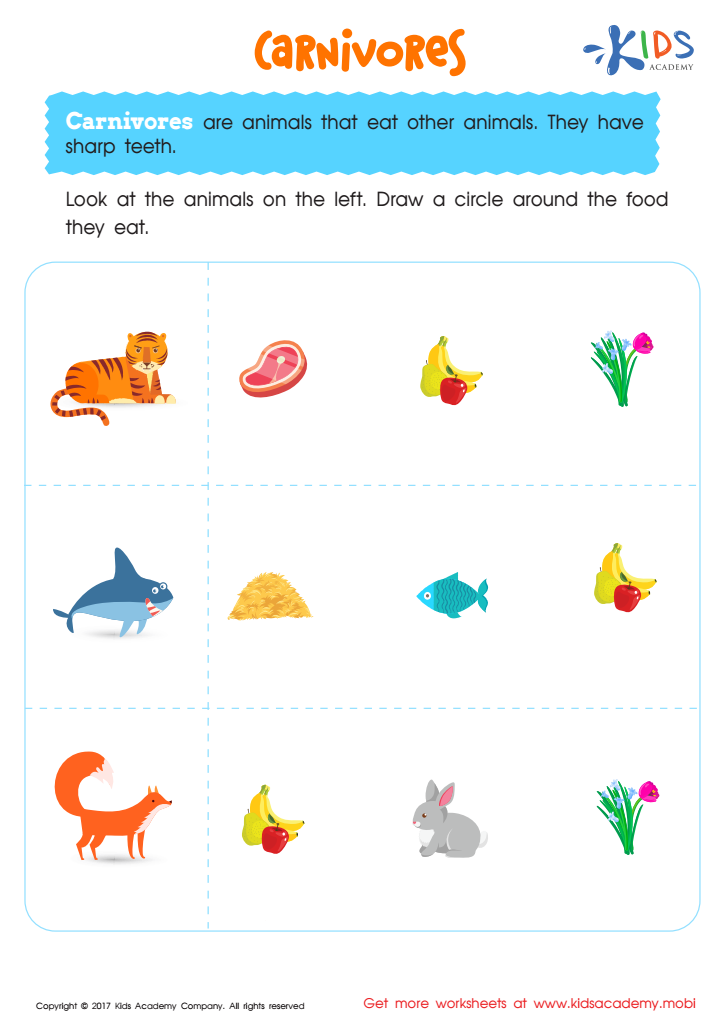
Carnivores Worksheet
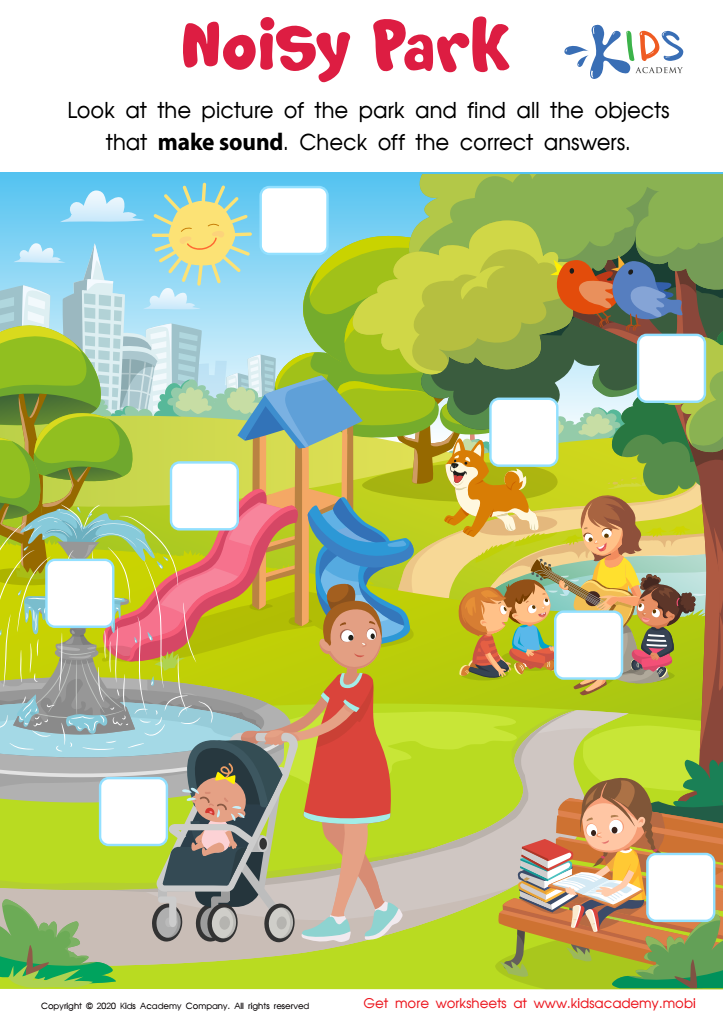
Noisy Park Worksheet
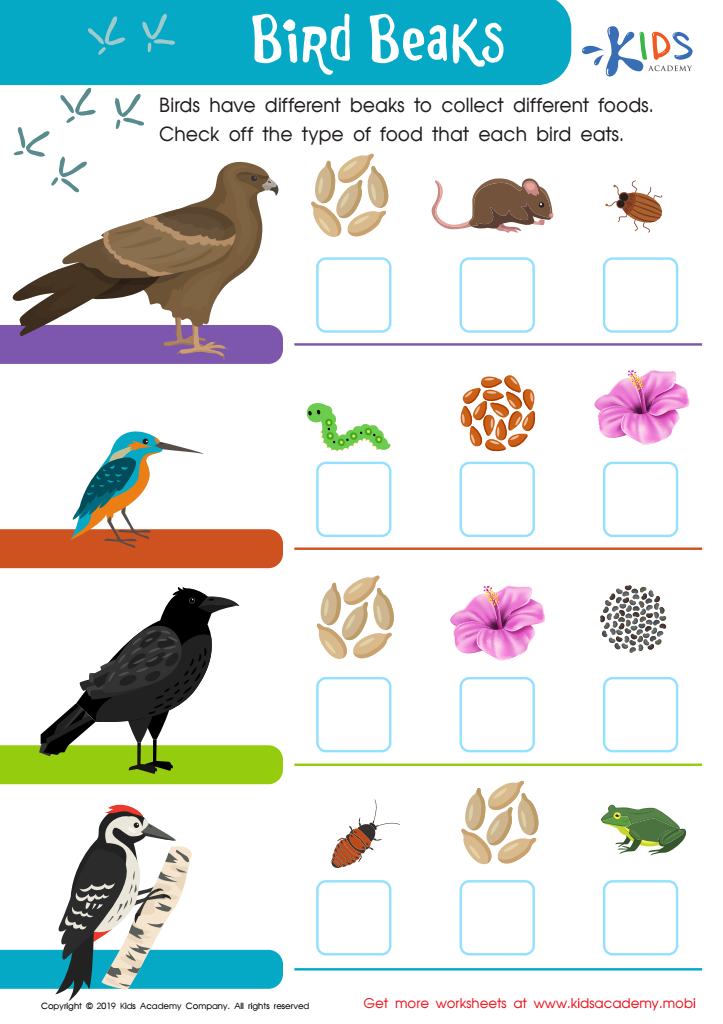
Bird Beaks Worksheet
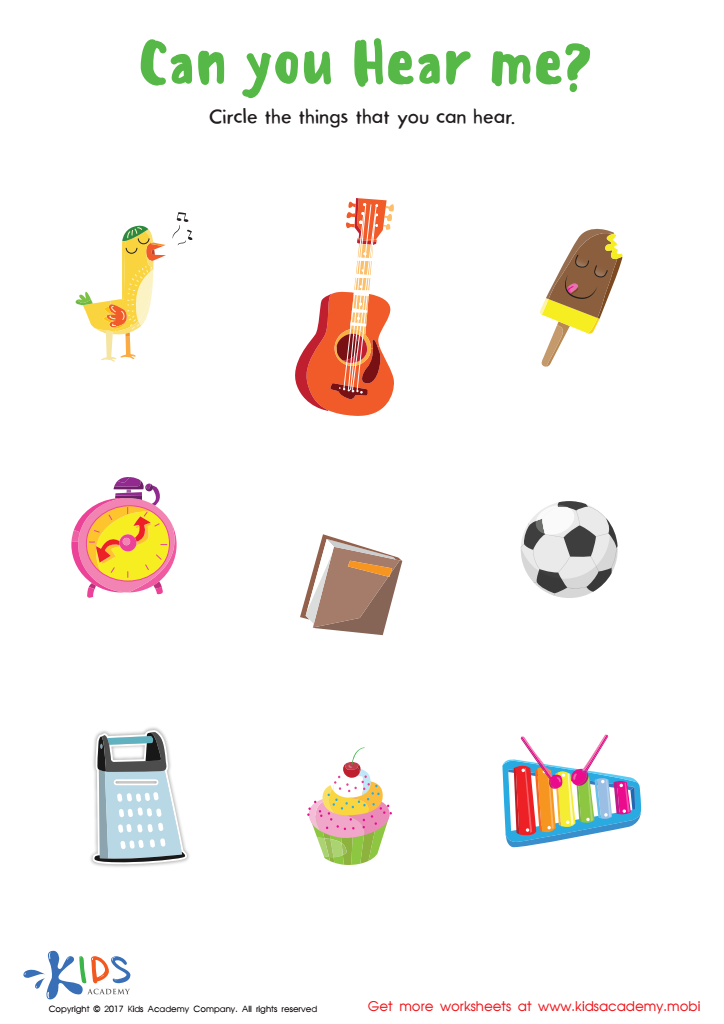
Can You Hear Me Worksheet
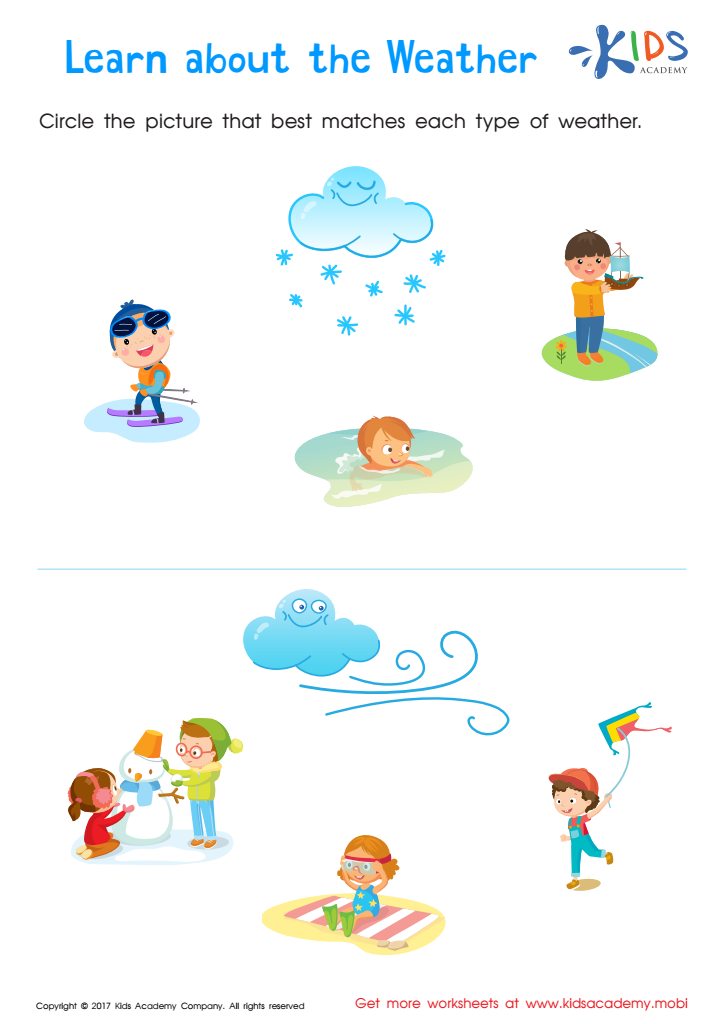
About the Weather Printable
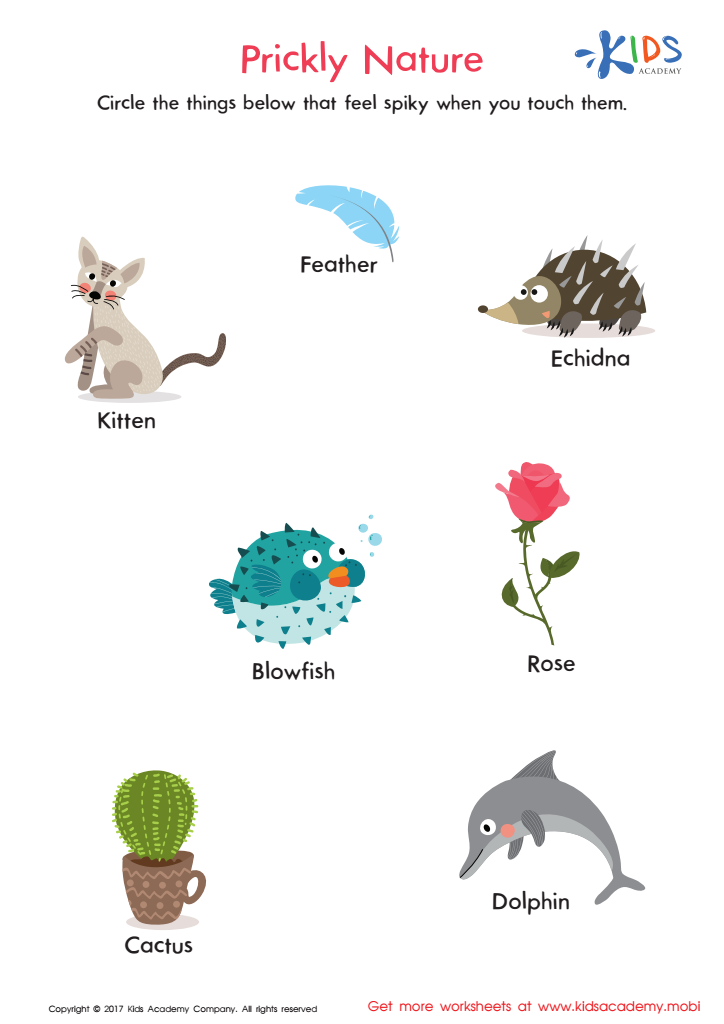
Prickly Nature Worksheet
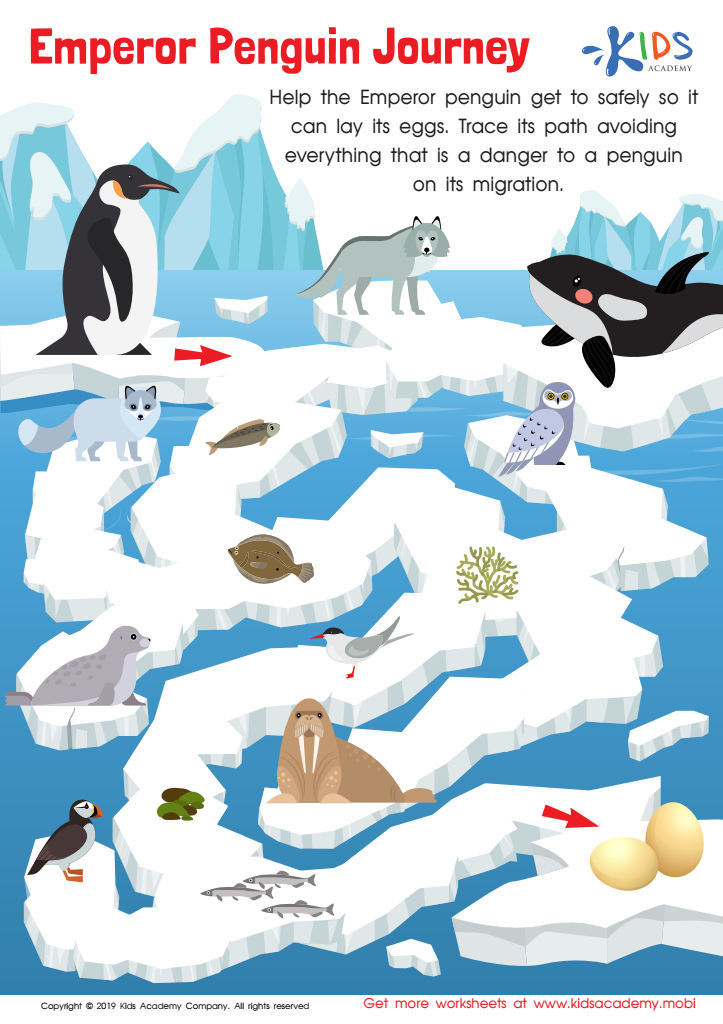
Emperor Penguin Journey Worksheet
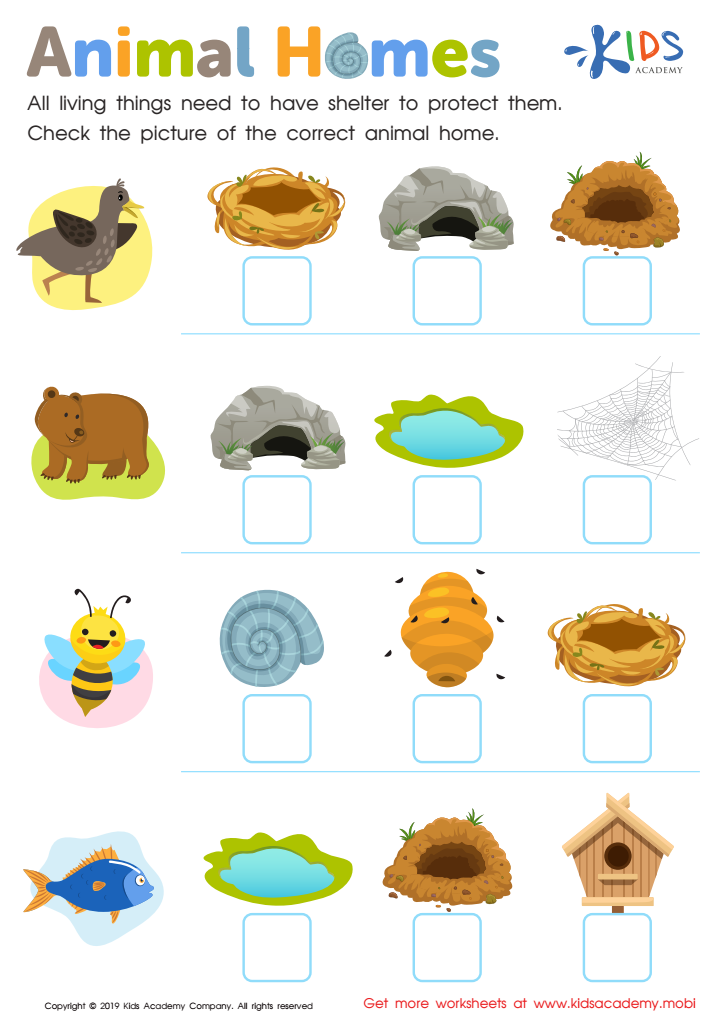
Animal Homes Worksheet
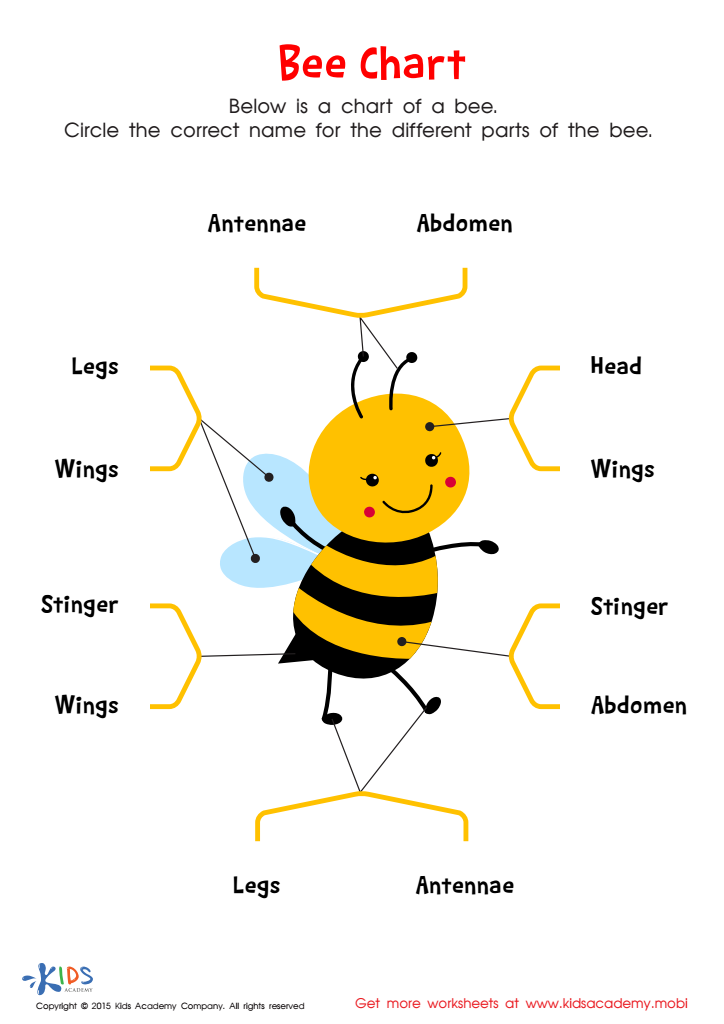






Reading comprehension is an essential skill that lays the foundation for future learning, and introducing it early in life fosters a lifelong love for reading and learning. For children aged 4-6, early exposure to reading comprehension, particularly in normal science, is crucial due to several reasons.
Firstly, reading comprehension in science helps young children build key literacy skills. When children engage with simple scientific texts, they learn to understand and interpret information, a skill that is transferrable to all subjects. This early familiarity with reading comprehension will enhance their vocabulary, critical thinking, and analytical skills.
Secondly, instilling an interest in science at a young age nurtures curiosity and problem-solving abilities. Scientific texts often introduce children to the world around them, encouraging them to ask questions and seek answers.
Thirdly, early exposure to scientific concepts can demystify complex ideas and promote a more profound understanding of everyday phenomena. This foundational knowledge prepares children for more advanced scientific concepts, making them more likely to succeed in future science education.
Ultimately, parents and teachers investing time in reading comprehension for ages 4-6 not only improve literacy skills and scientific understanding but also encourage a more curious, informed, and intellectually active generation. The benefits extend beyond academics, supporting overall cognitive development and lifelong learning habits.







