Normal Beginning Sounds Worksheets for Ages 4-7
13 filtered results
-
From - To
Discover our collection of Normal Beginning Sounds Worksheets designed especially for children ages 4 to 7! These engaging resources help young learners master the foundational skills of phonics by focusing on the initial sounds of words. With colorful illustrations and fun activities, kids will confidently identify letters and their corresponding sounds. Ideal for classroom use or homeschooling, our worksheets encourage early literacy development while keeping kids entertained. Help your child build their reading confidence as they explore the magic of letters and sounds! Browse our selection today and give your little ones a head start on their reading journey.
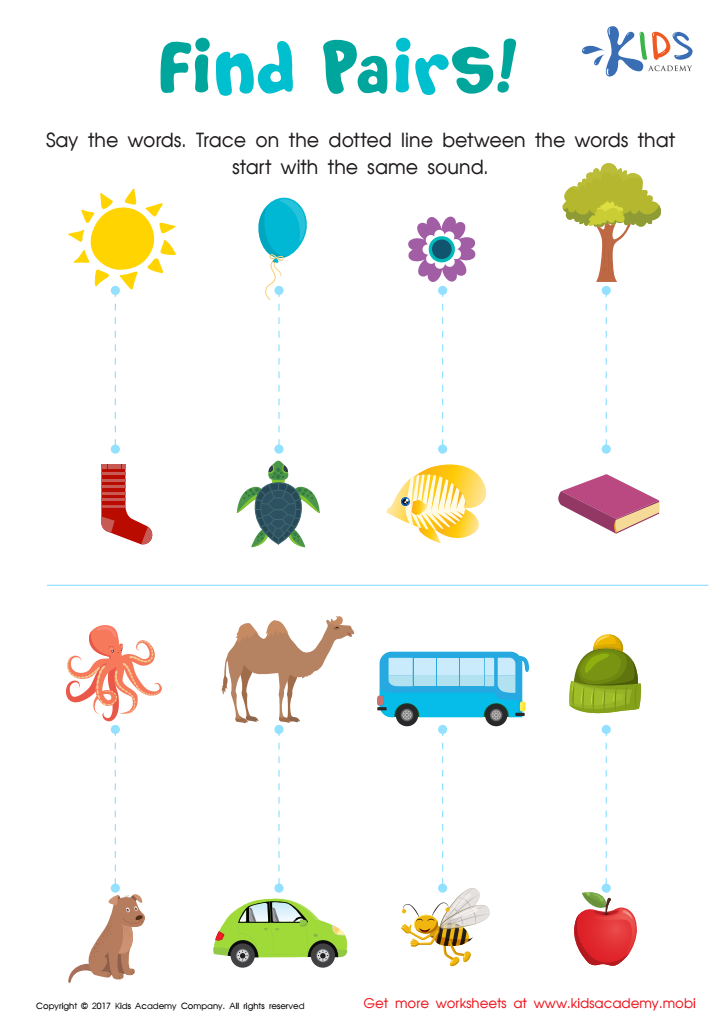
Beginning Sound: Find Pairs Worksheet
 Assign to My Students
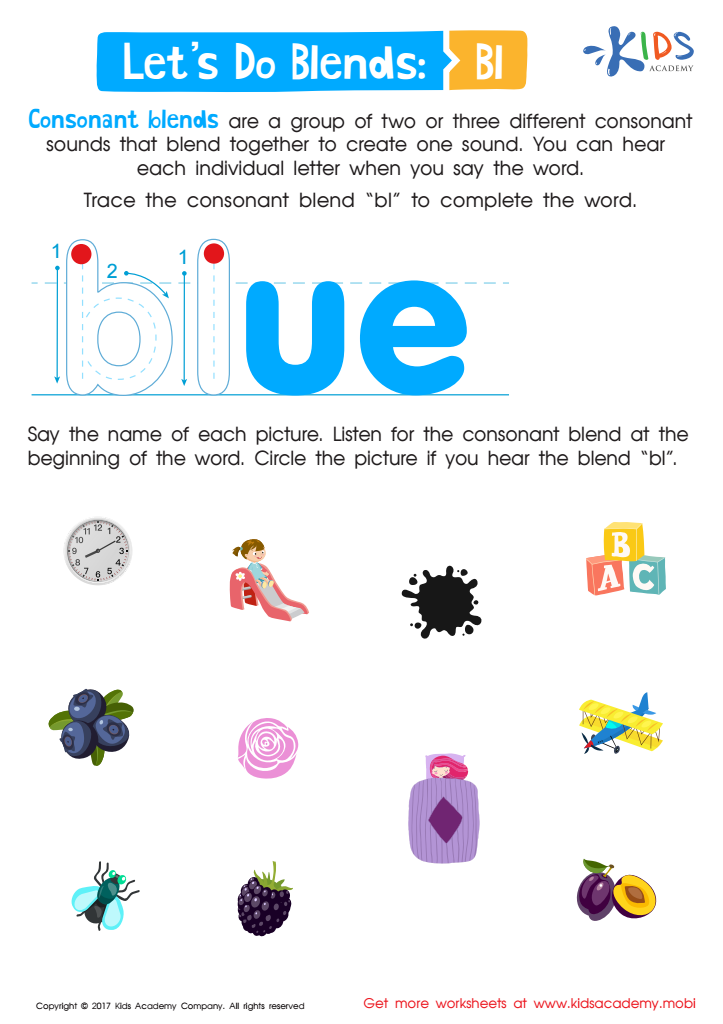
Beginning Blends: "Bl" Words Worksheet
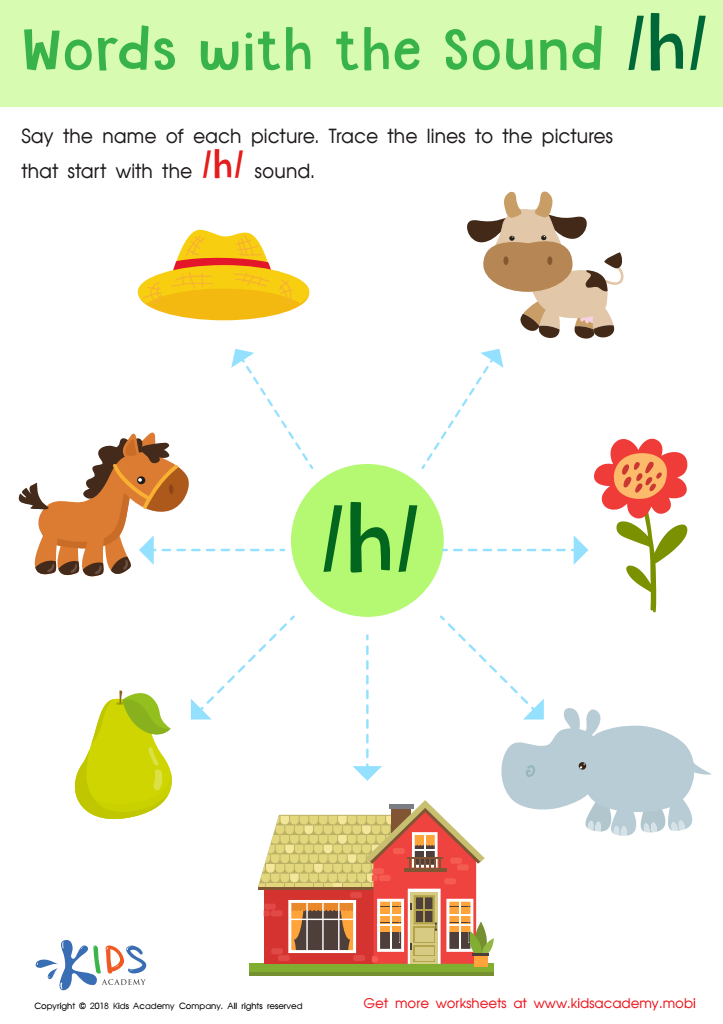
Words with sound h Reading Worksheet
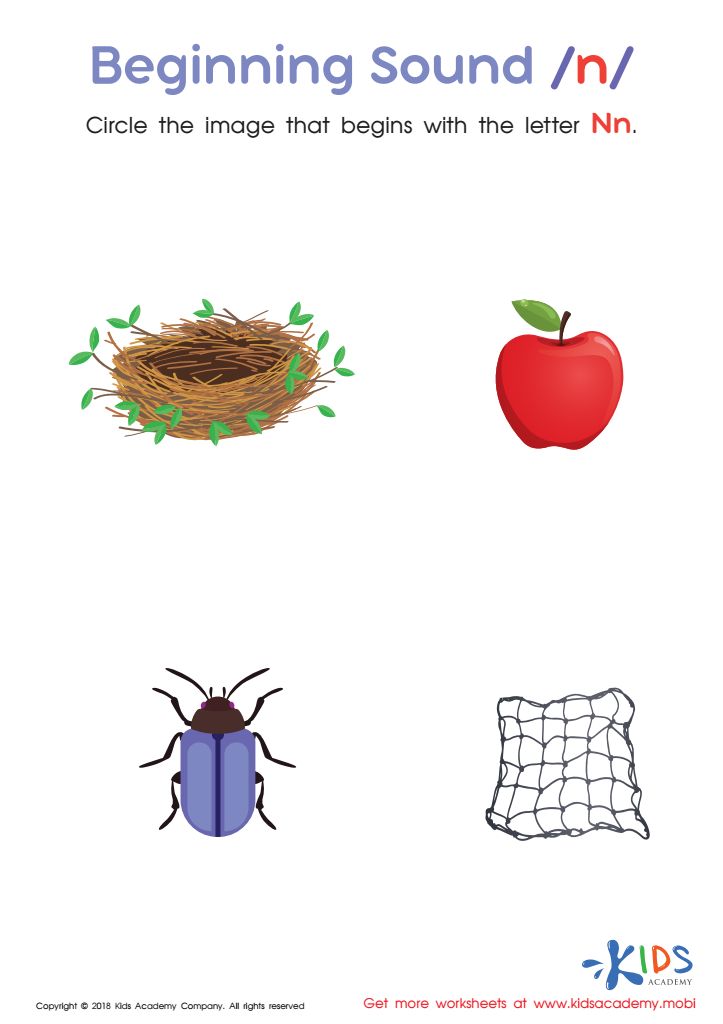
Beginning Sound «n» Worksheet
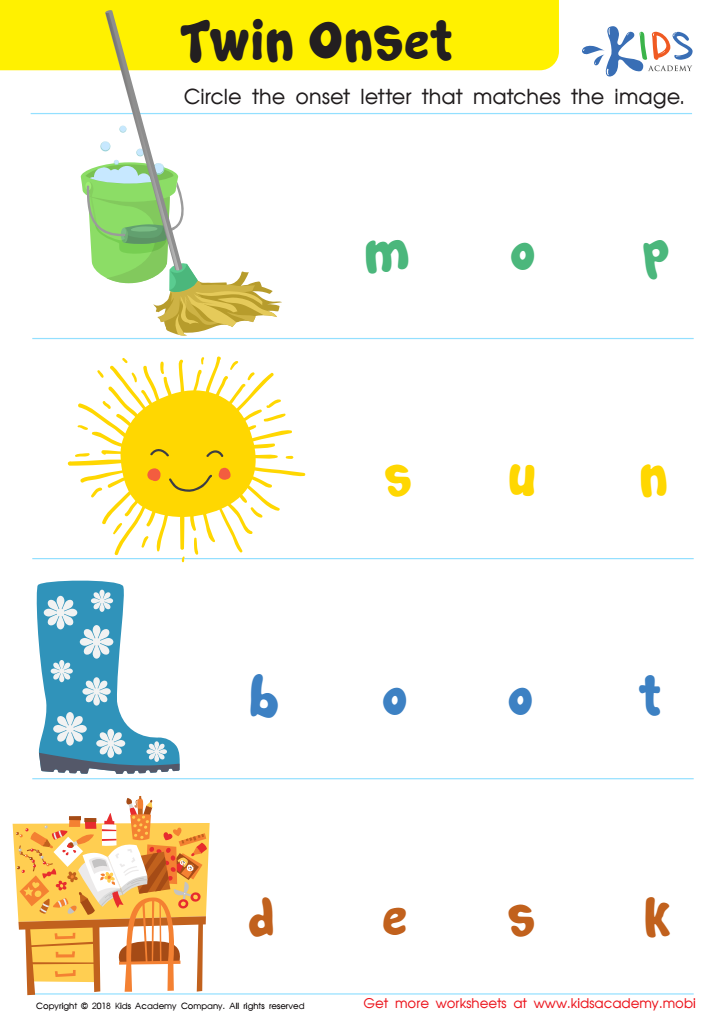
Twin Onset Worksheet
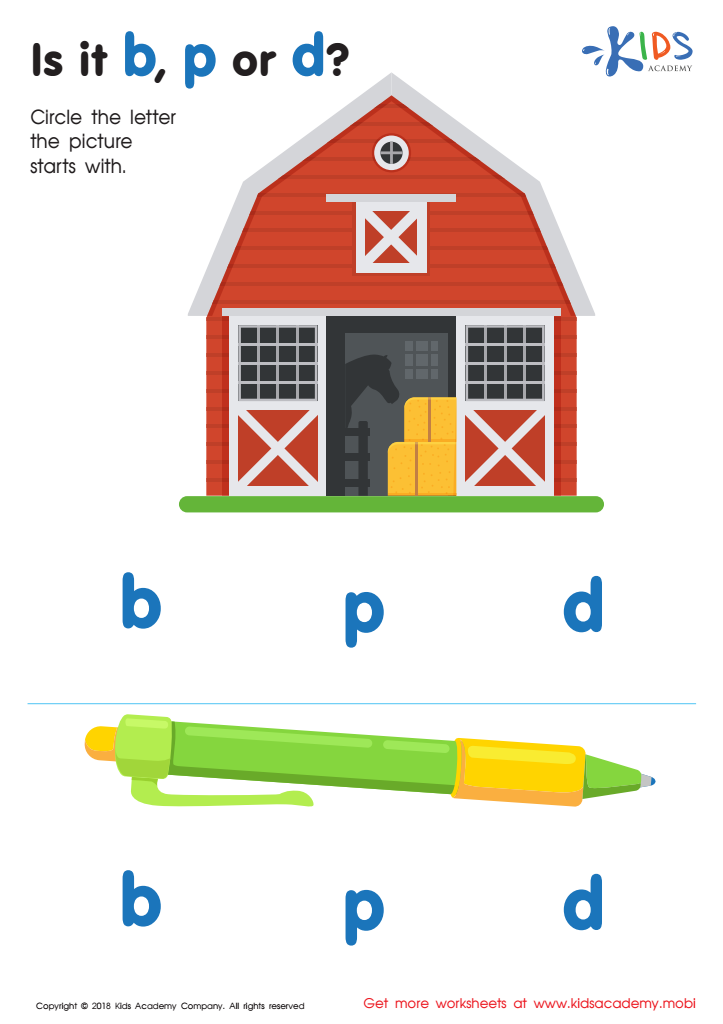
Is it b, p or d? Worksheet
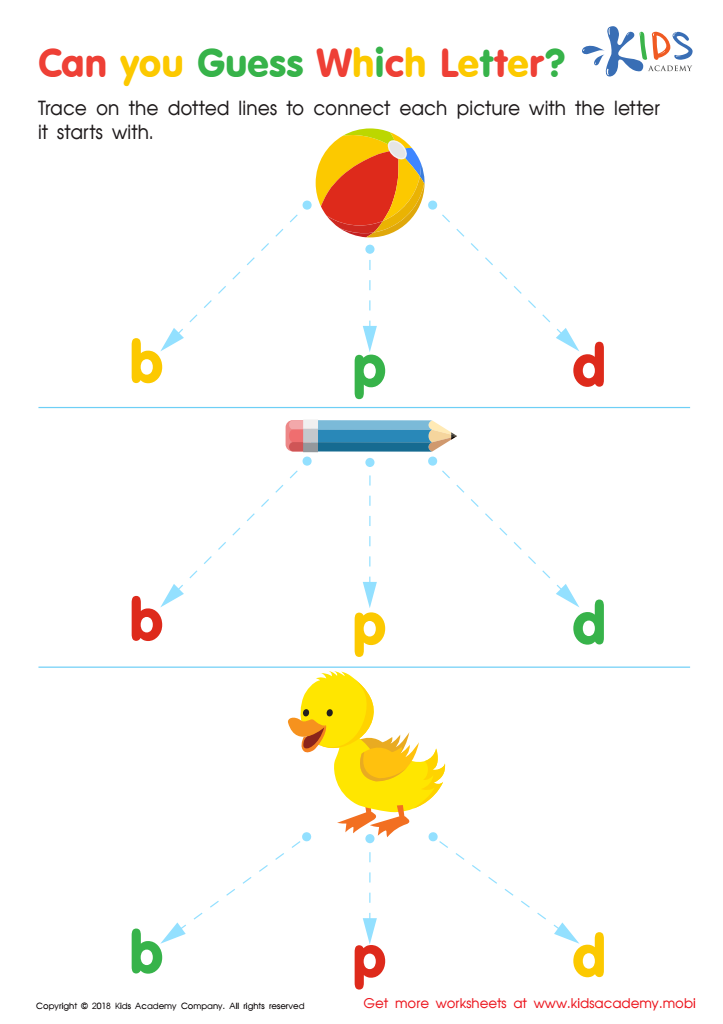
Can you Guess Which Letter? Worksheet
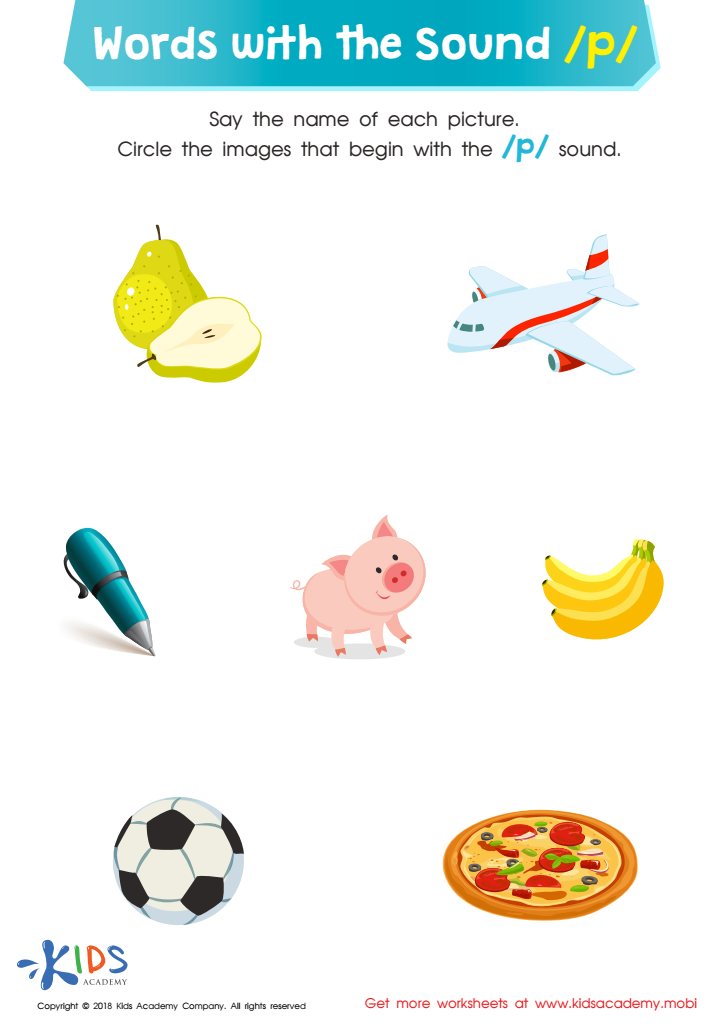
Words with sound p Reading Worksheet
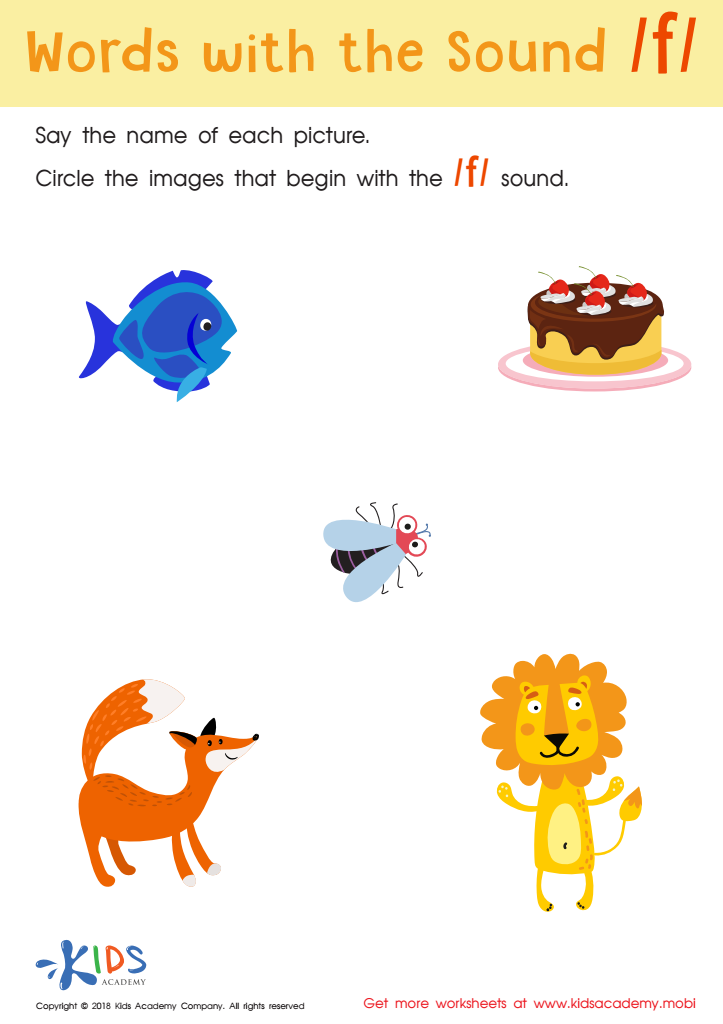
Words with sound f Reading Worksheet
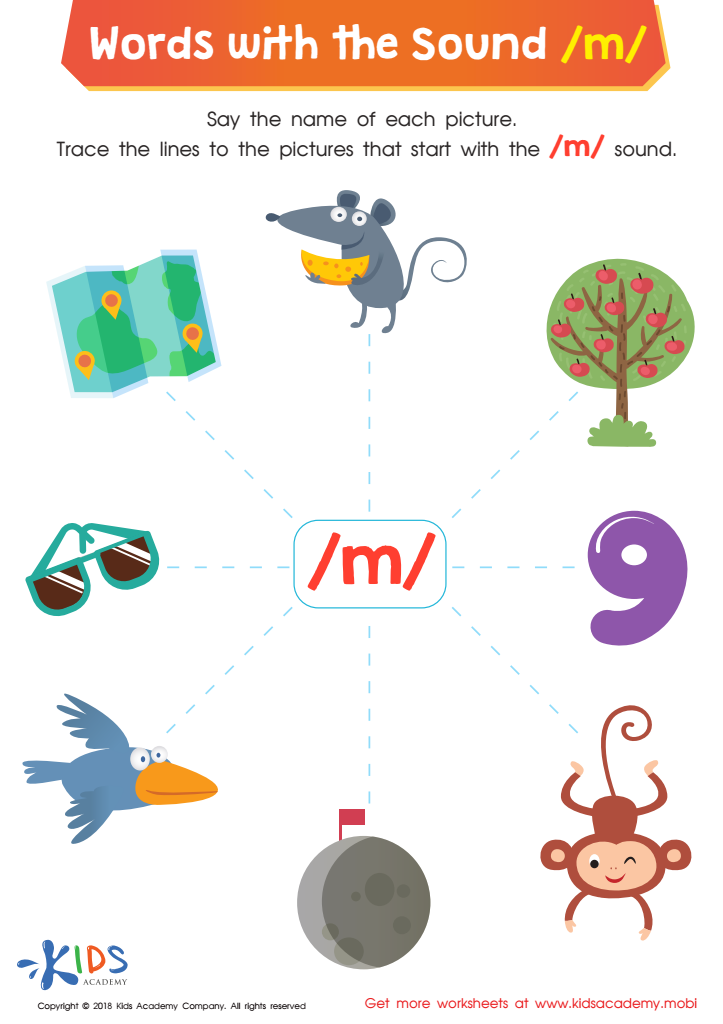
Words with Sound M Reading Worksheet
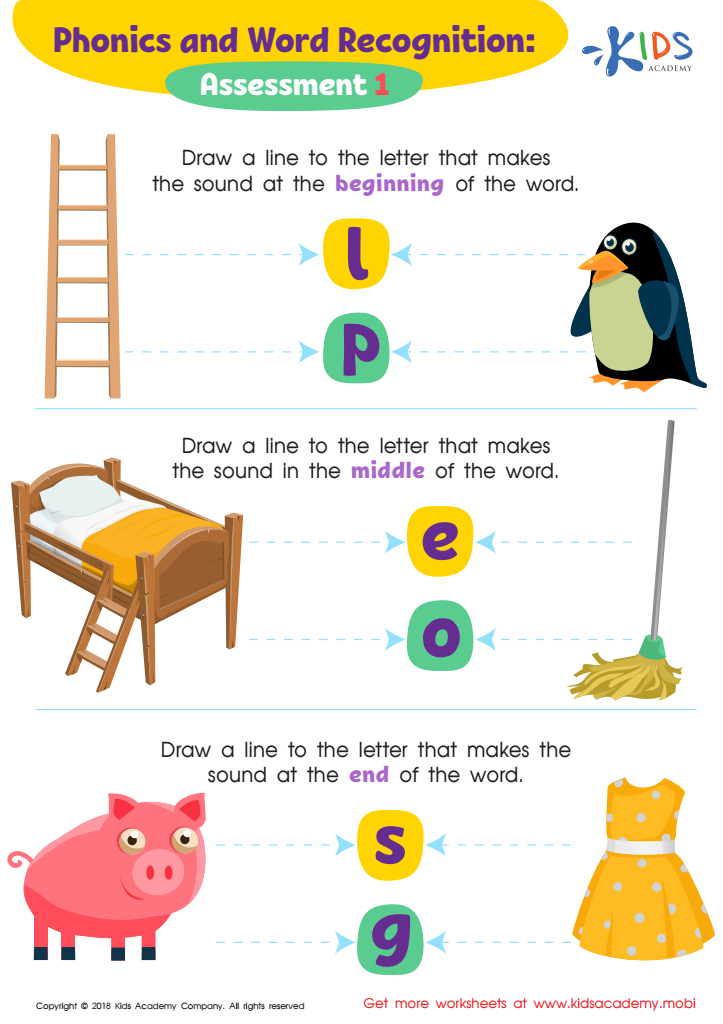
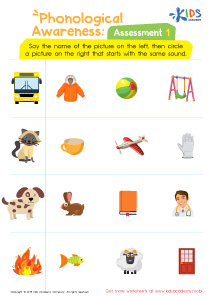
Phonics and Word Recognition: Assessment 1 ELA Worksheet
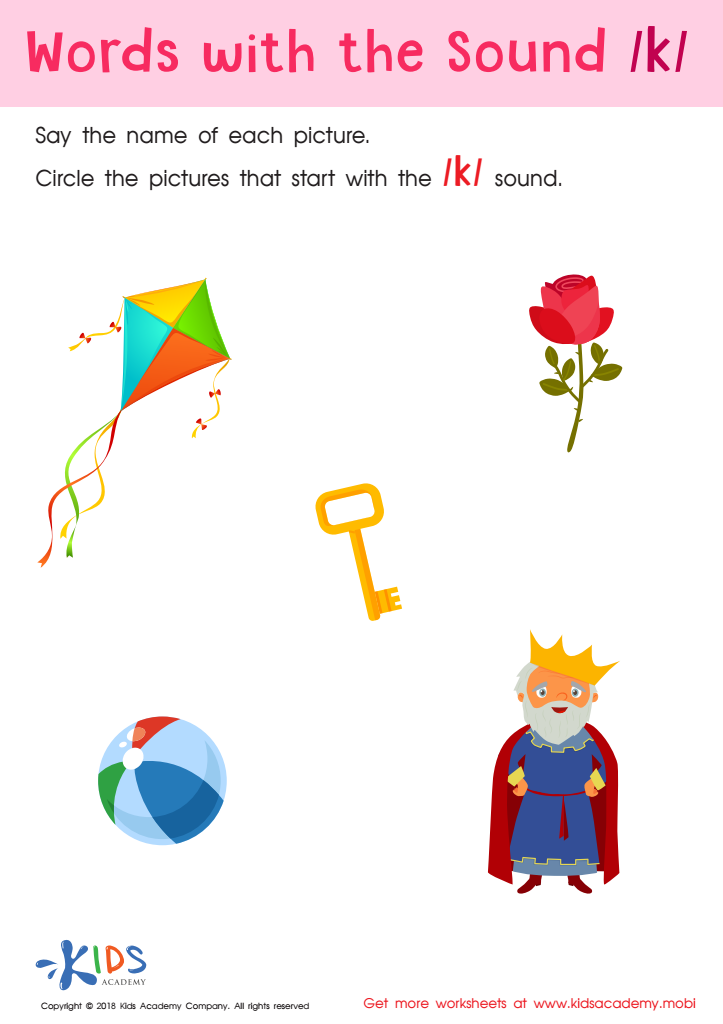
Words with sound k Reading Worksheet
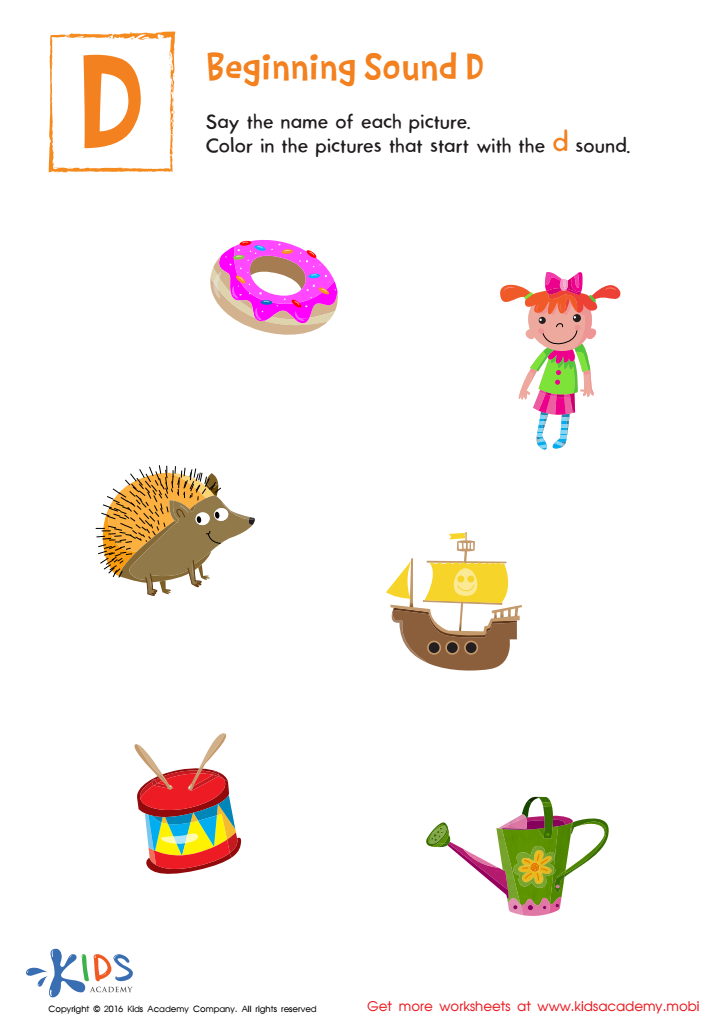
Beginning Sound D Worksheet








Normal beginning sounds, or initial sounds, are essential building blocks in early literacy development for children aged 4 to 7. Understanding these sounds helps young learners recognize and manipulate phonemes, which are the individual sounds in words. This skill is crucial as it lays the foundation for reading and writing proficiency. When children can identify the initial sounds of words, they are more equipped to decode unfamiliar words, enhancing their reading fluency and comprehension.
Moreover, mastering beginning sounds fosters vocabulary development and phonemic awareness. Children who can differentiate sounds can explore language more deeply, allowing them to experiment with rhymes and build their own vocabulary. Engaging with beginning sounds in playful contexts such as games or songs can increase motivation and interest in reading.
For parents and teachers, promoting knowledge of normal beginning sounds supports a child’s overall academic success and self-confidence in literacy tasks. It encourages proactive learning experiences and forms a secure base for continued language acquisition. By prioritizing these sounds in educational settings, adults can facilitate a child's journey toward becoming proficient readers and writers, ensuring that language mastery becomes an enjoyable and attainable goal. Engaging with beginning sounds also creates bonding opportunities through shared activities and exploration of language together.