Normal Color Words Worksheets for Ages 4-7
8 filtered results
-
From - To
Explore our engaging Normal Color Words Worksheets designed specifically for children aged 4-7! These fun and interactive resources help young learners identify and understand color vocabulary while enhancing their English language skills. Filled with vibrant visuals and age-appropriate activities, these worksheets encourage creative expression and make learning enjoyable. Perfect for ESL classrooms or at-home learning, our comprehensive set of materials promotes language development through playful exercises. Whether you're focusing on basic recognition or sentence formation, our color words worksheets provide essential practice to build confidence and proficiency in English. Download now and inspire a love for learning in your little ones!
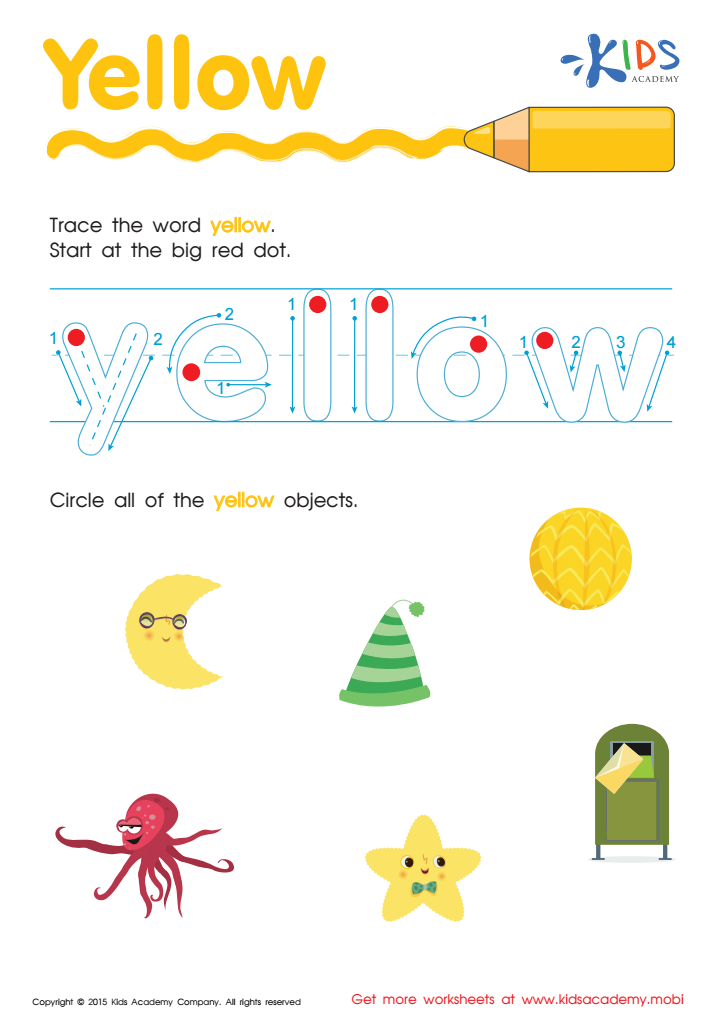
Yellow Tracing Color Words Worksheet
 Assign to My Students
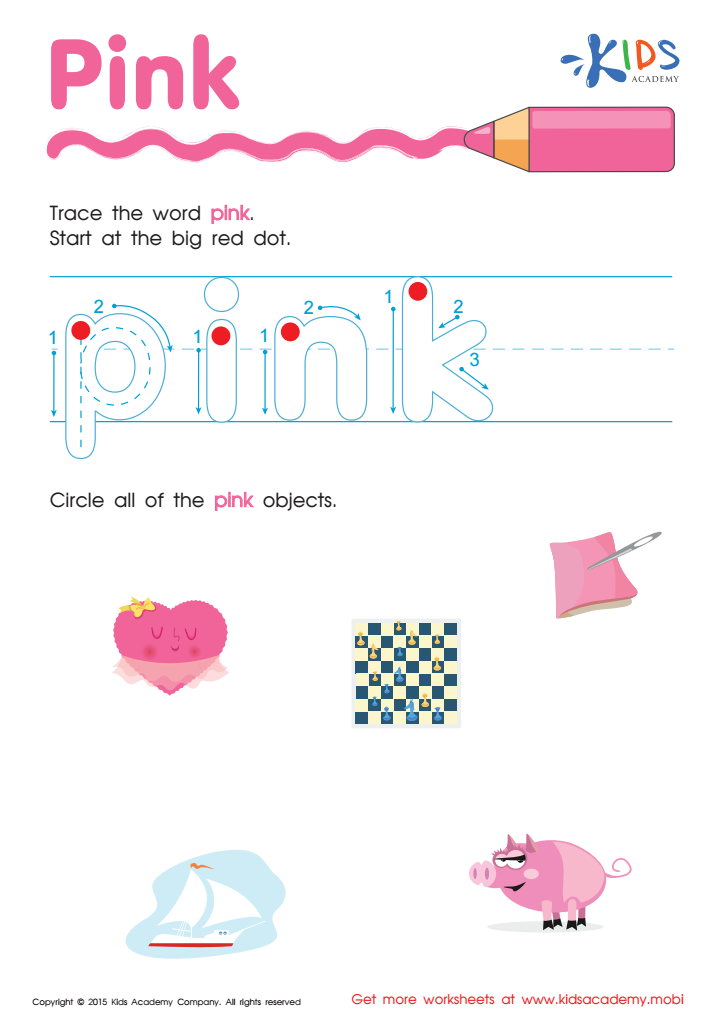
Pink Tracing Color Words Worksheet
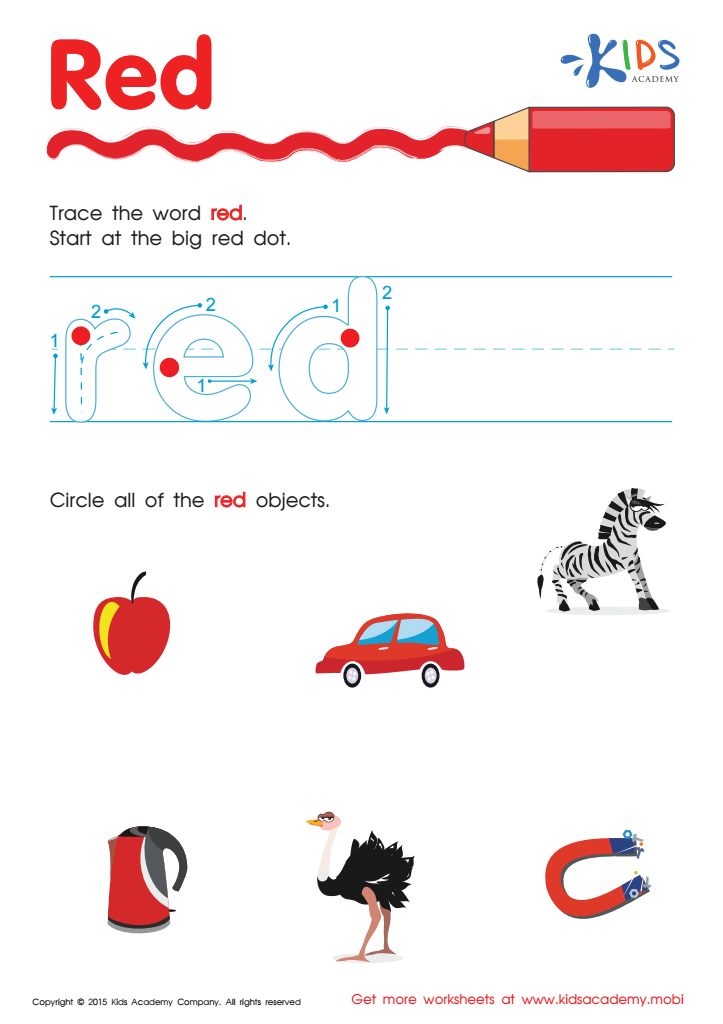
Red Tracing Color Words Printable
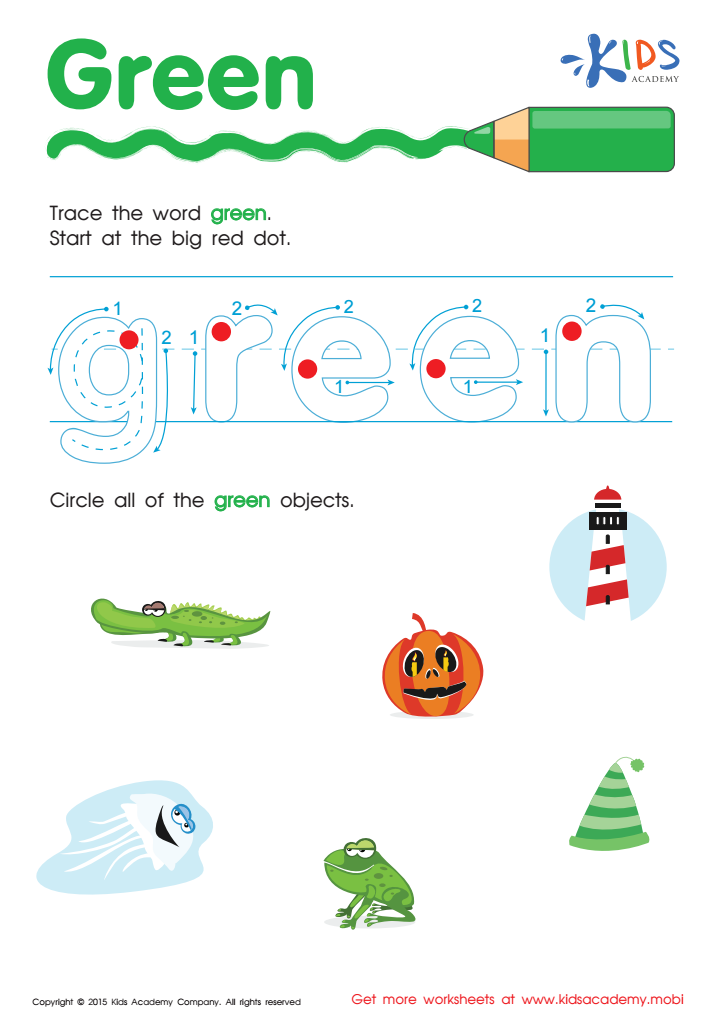
Green Tracing Color Words Worksheet
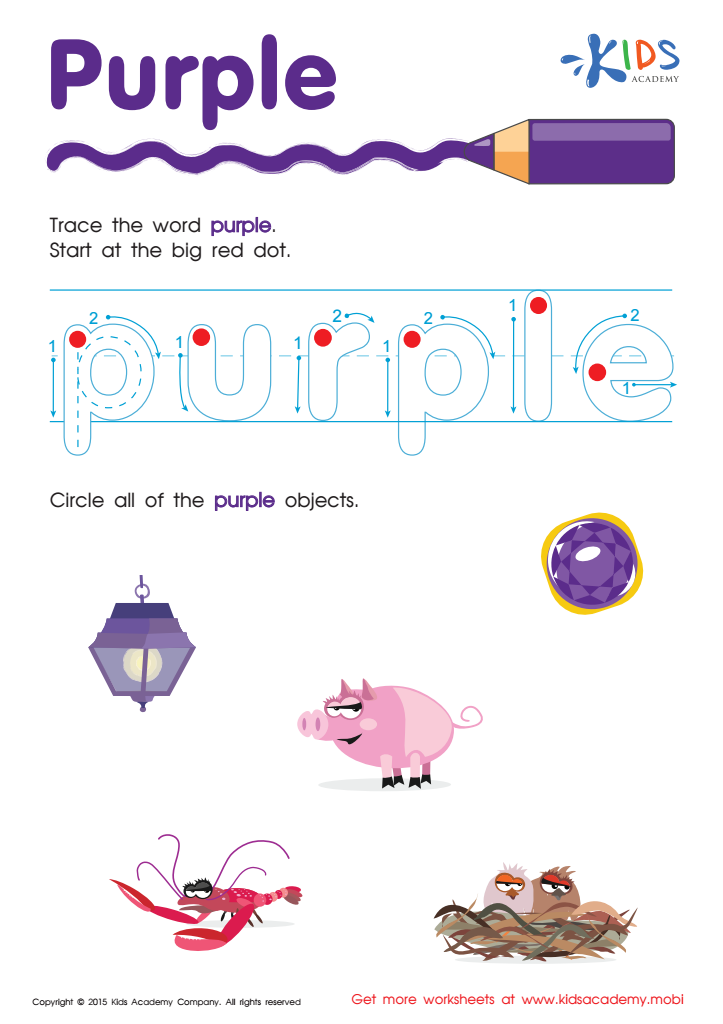
Purple Tracing Color Words Worksheet
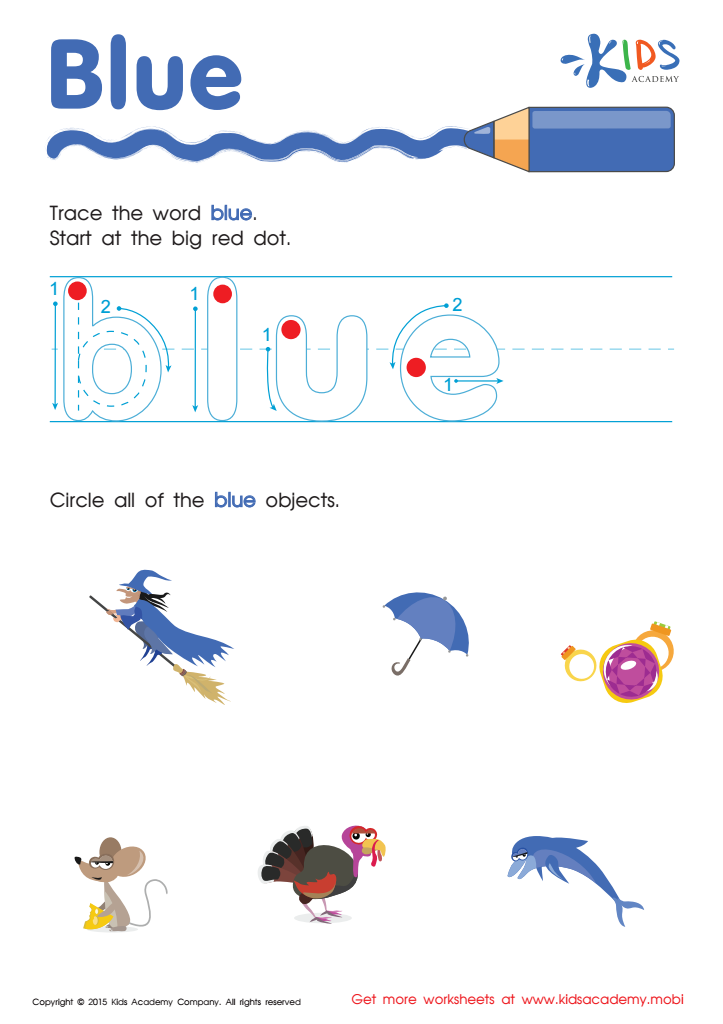
Blue Tracing Color Words Printable
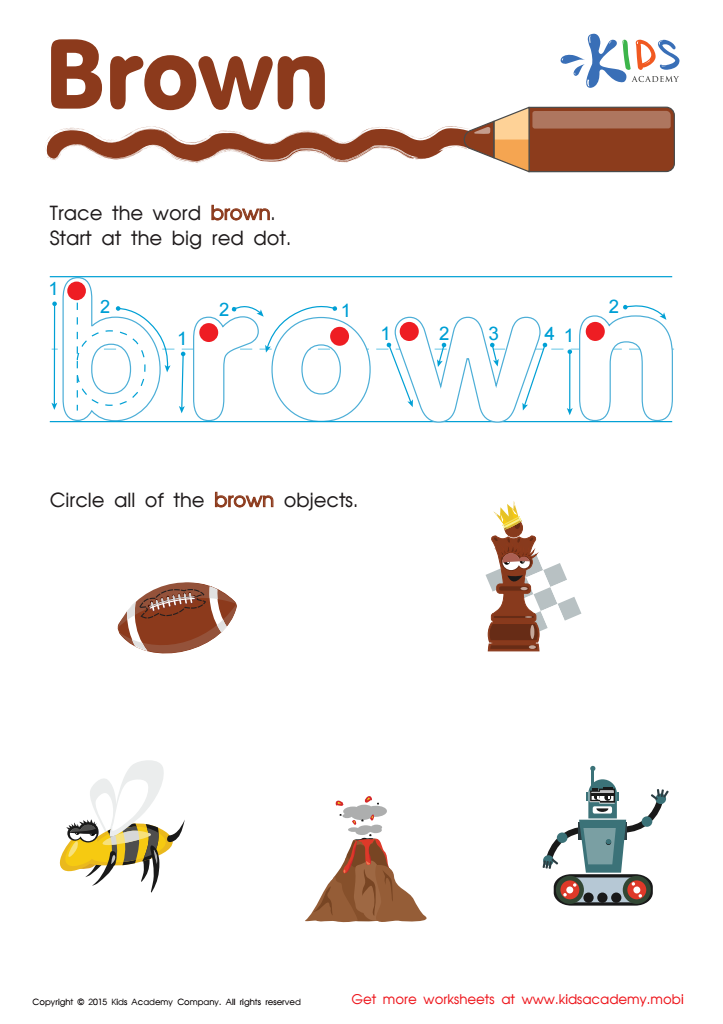
Brown Tracing Color Words Worksheet
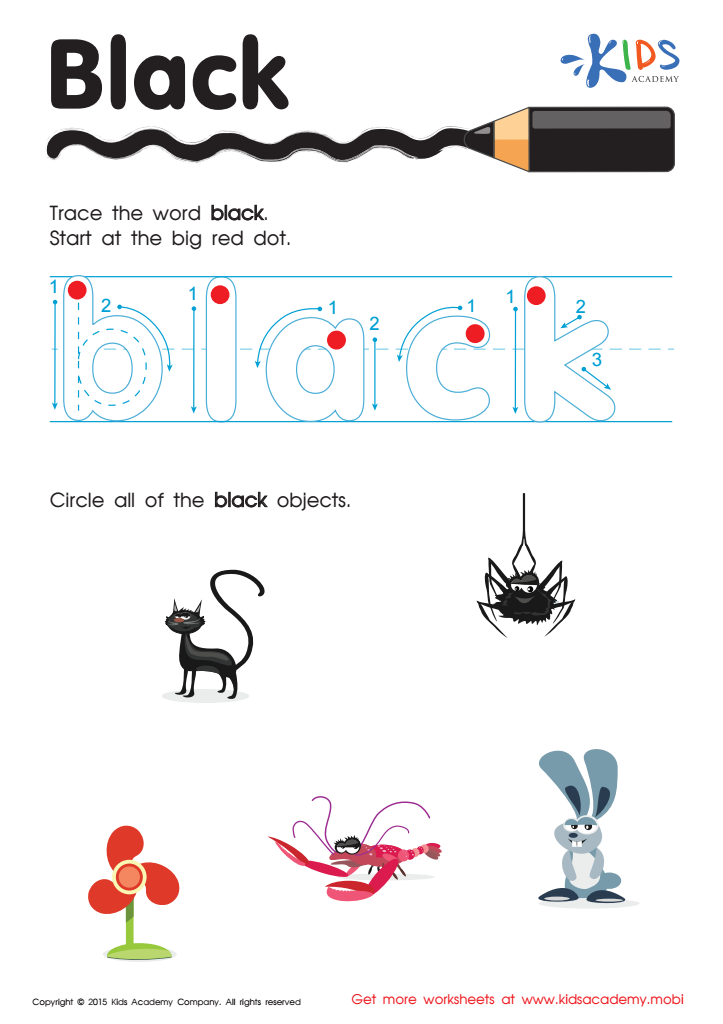
Black Tracing Color Words Printable



Parents and teachers should pay attention to Normal Color Words for children aged 4-7 because mastering color vocabulary plays a crucial role in early childhood development. At this stage, kids are eager to explore the world around them, and colors are fundamental descriptors that help them make sense of their environment. By learning color words, children enhance their expressive language skills, allowing them to articulate their thoughts and feelings more effectively. This foundational vocabulary also facilitates their cognitive development, improving their abilities to categorize and differentiate objects.
Furthermore, color words are often integrated into various learning activities, from art and storytelling to math and nature exploration. Engaging with color in these contexts helps reinforce critical thinking and problem-solving skills. For example, teachers can use colors in patterns and sorting exercises to lay the groundwork for understanding more abstract concepts later on.
Moreover, learning colors can boost social interactions; children often discuss colors with peers, enhancing their collaborative play and communication skills. Supporting children in their understanding of normal color words empowers them with confidence and creativity, paving the way for deeper learning experiences as they grow. Ultimately, fostering color vocabulary leads to a multifaceted developmental benefit for young learners.








