Phonics Skills Normal Worksheets for Ages 4-7 - Page 3
60 filtered results
-
From - To
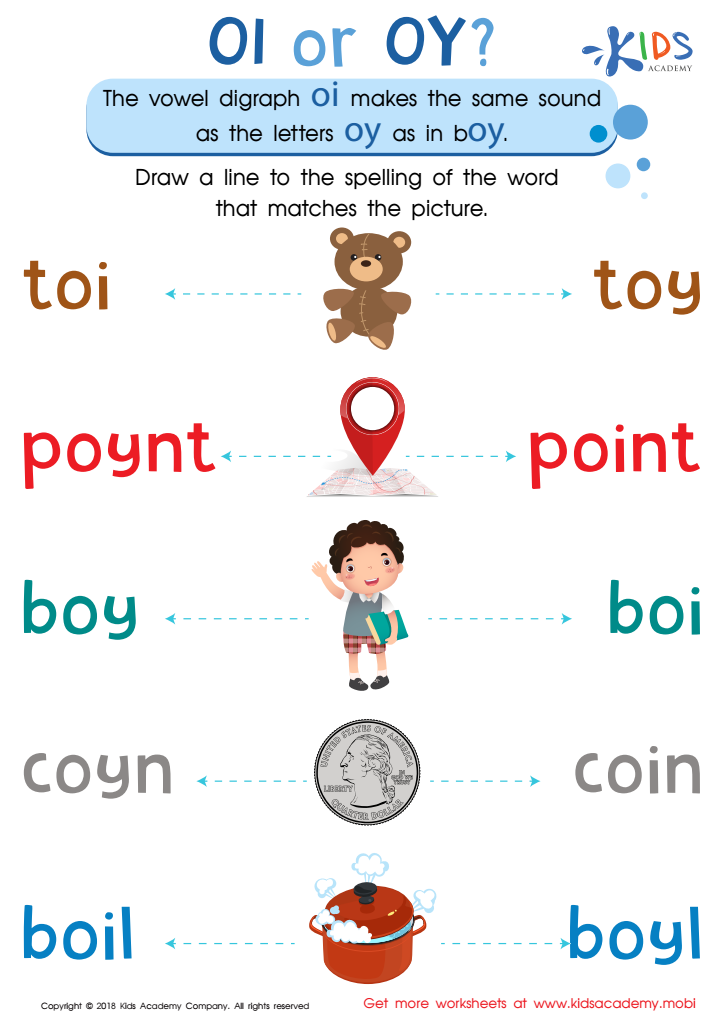
Reading: OI and OY Worksheet
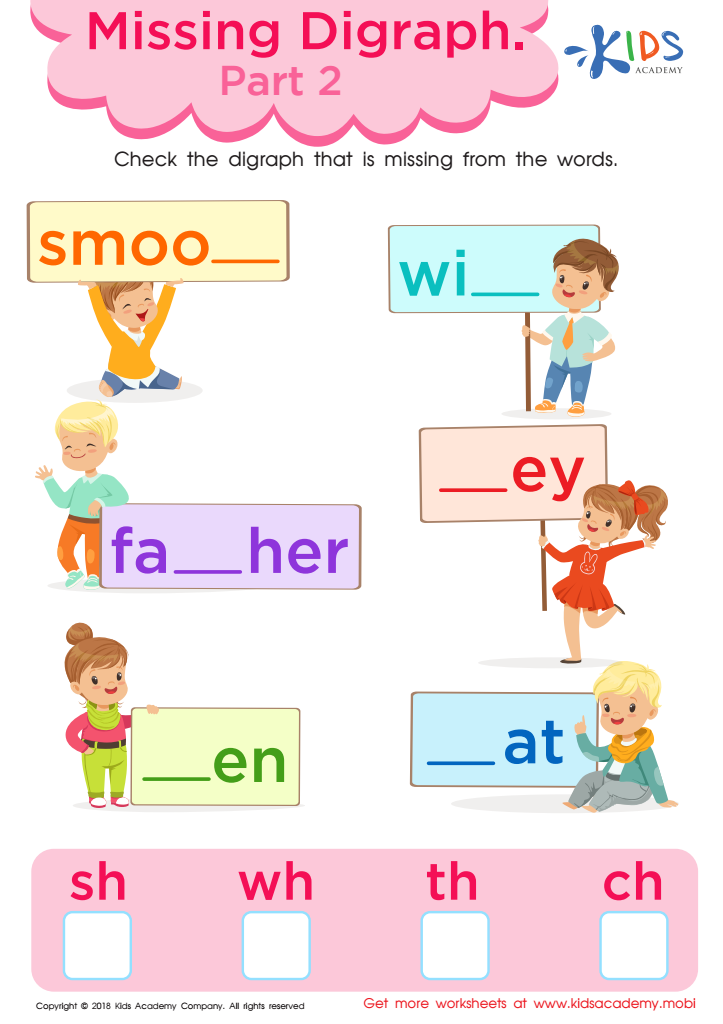
Missing Digraph: Part 2 Worksheet
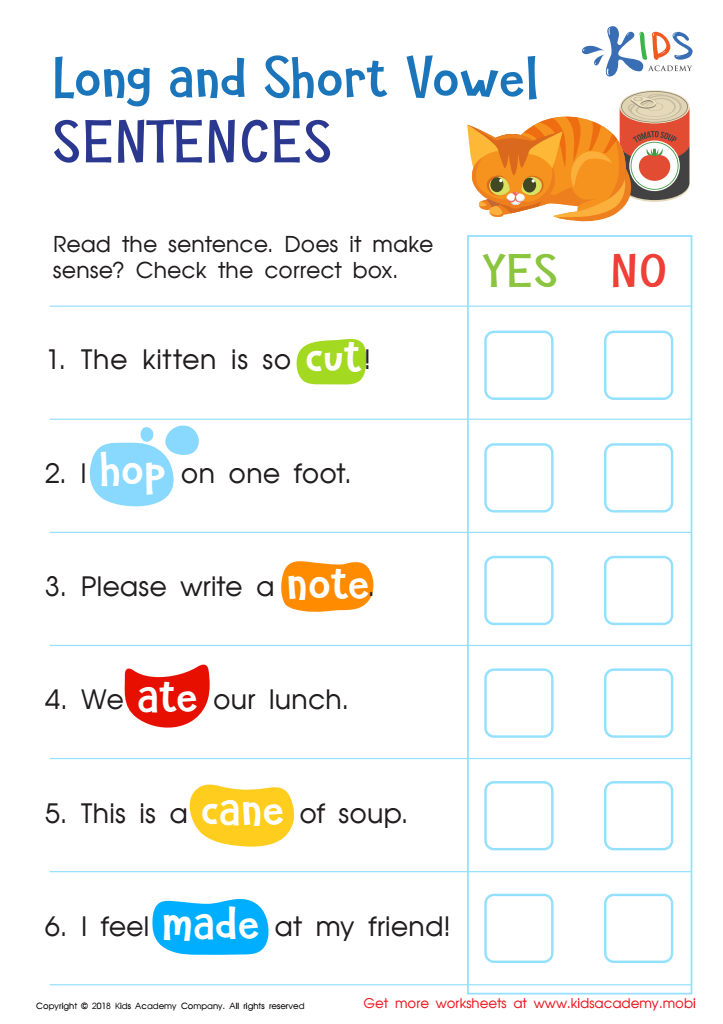
Long and Short Vowel Sentences: Assessment Worksheet
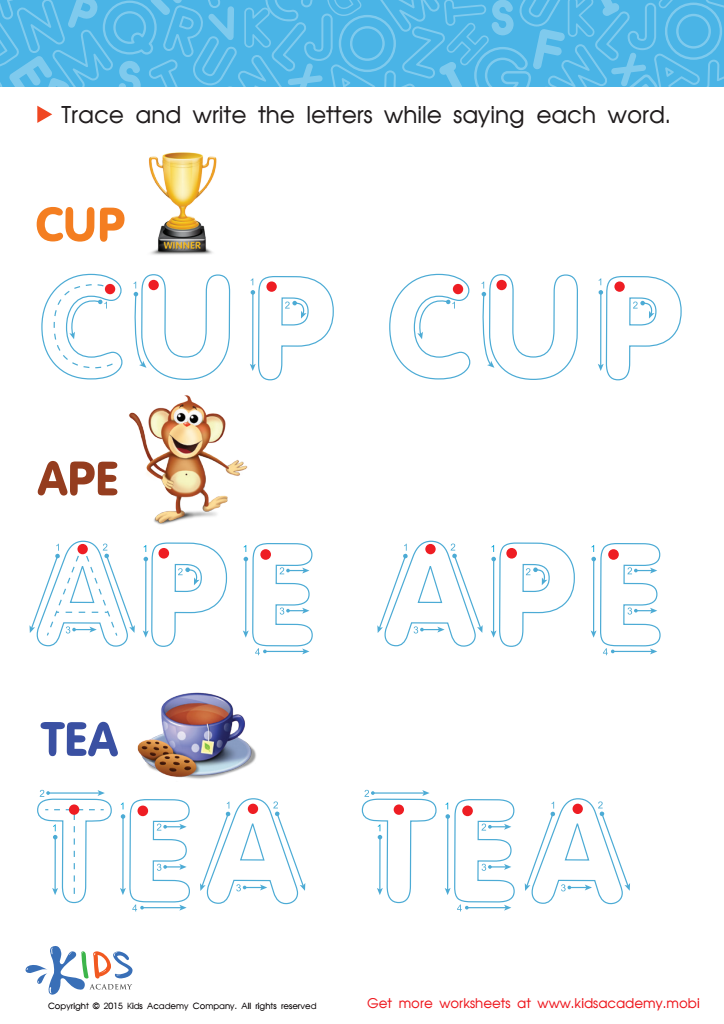
A Cup, an Ape and Tea Spelling Worksheet
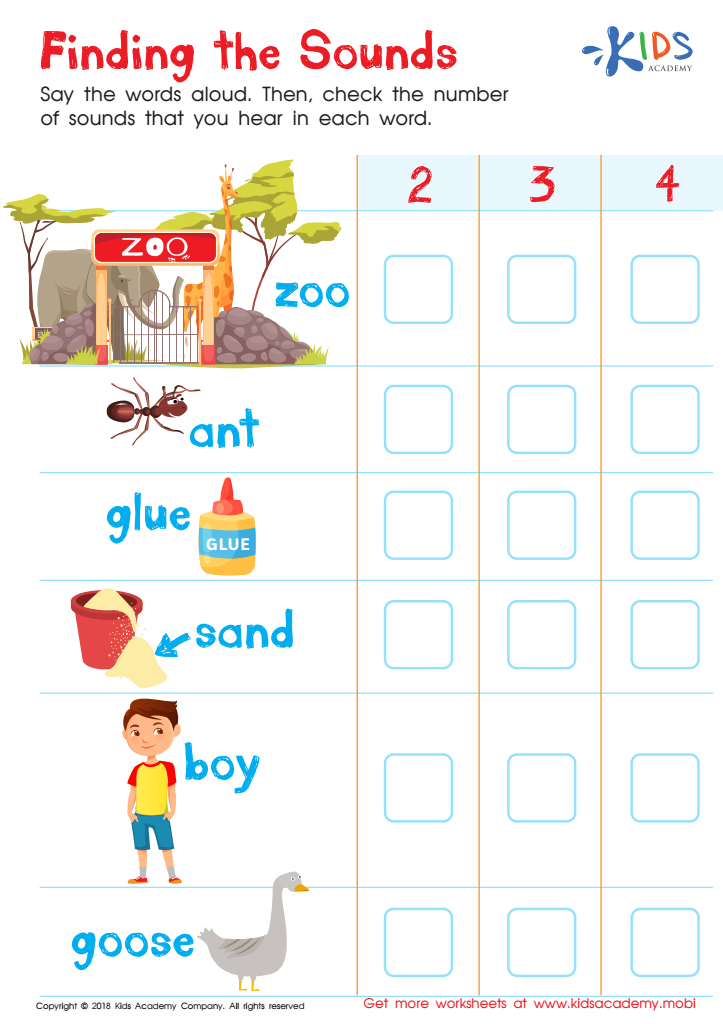
Finding the Sounds Worksheet
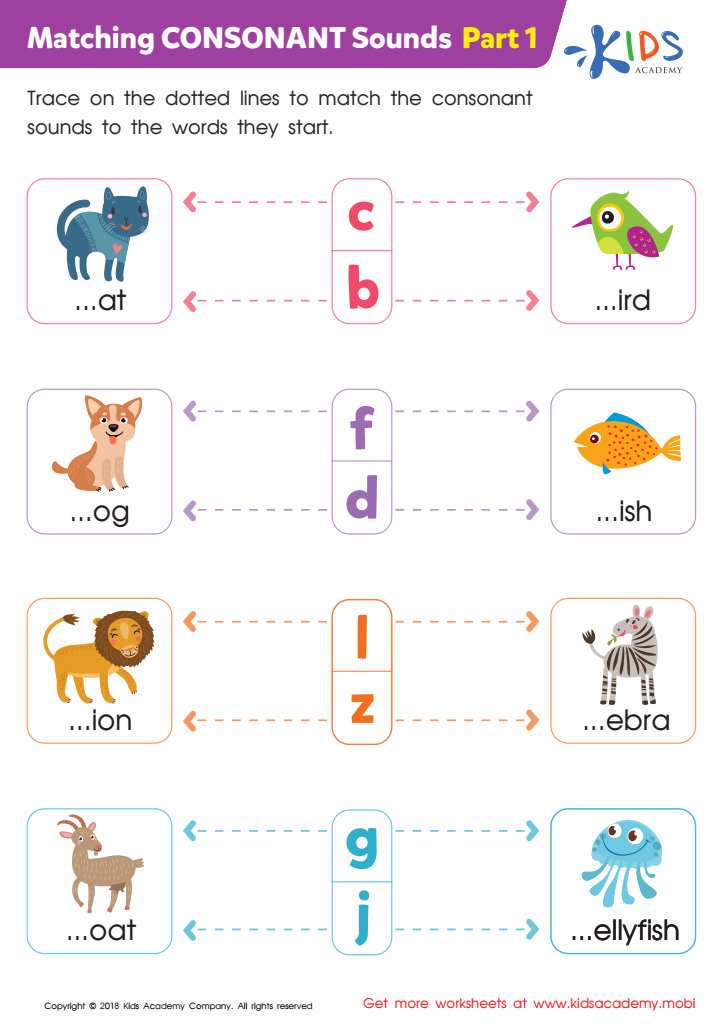
Matching Consonant Sounds: Part 1 Worksheet
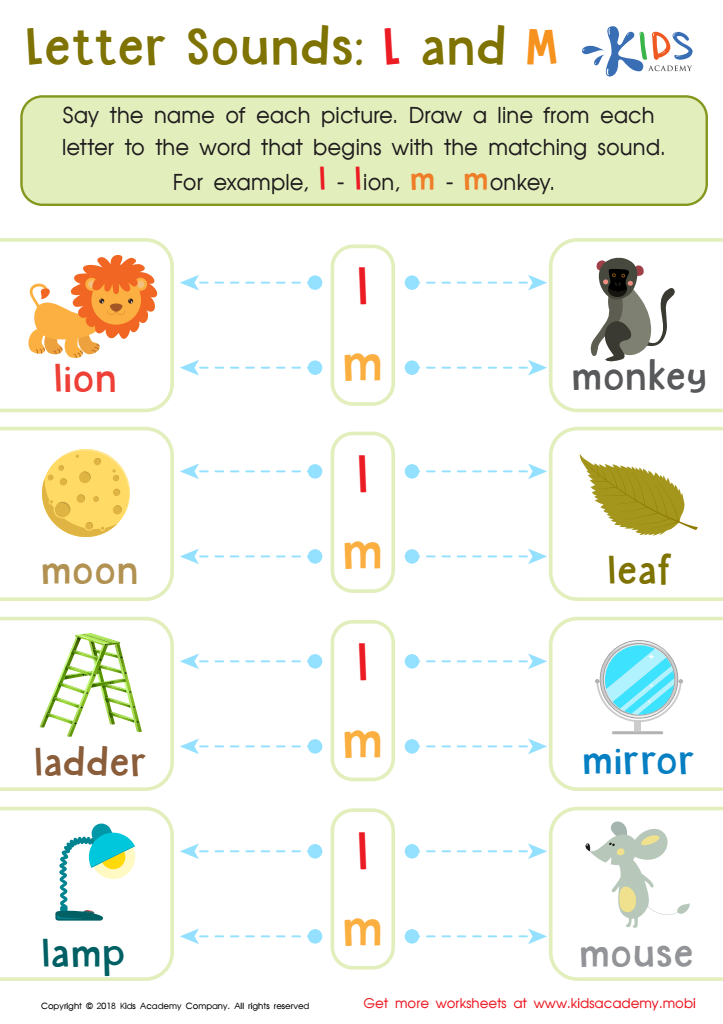
Letter l and M Sounds Worksheet
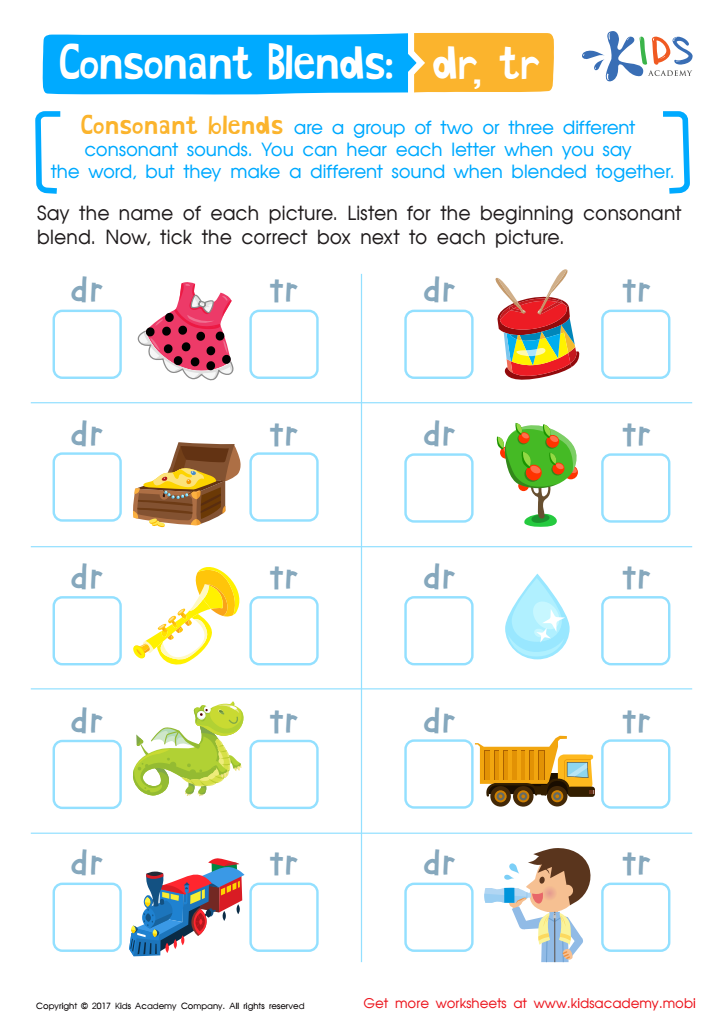
Consonant Blends: "Dr" and "Tr" Printable
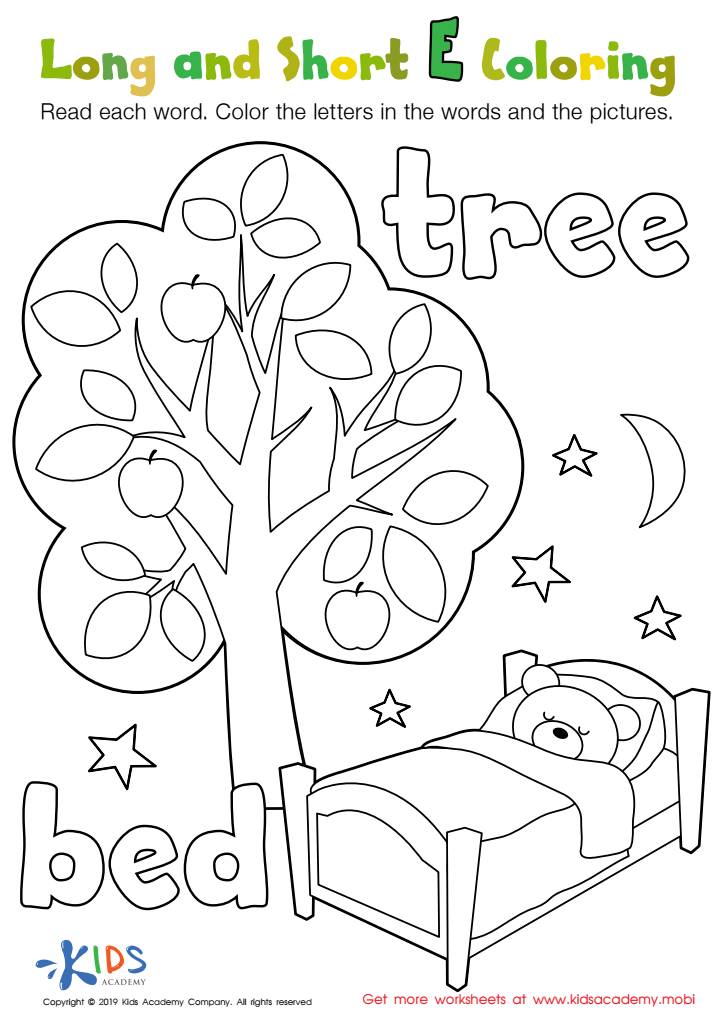
Long and Short E Worksheet
 Assign to My Students
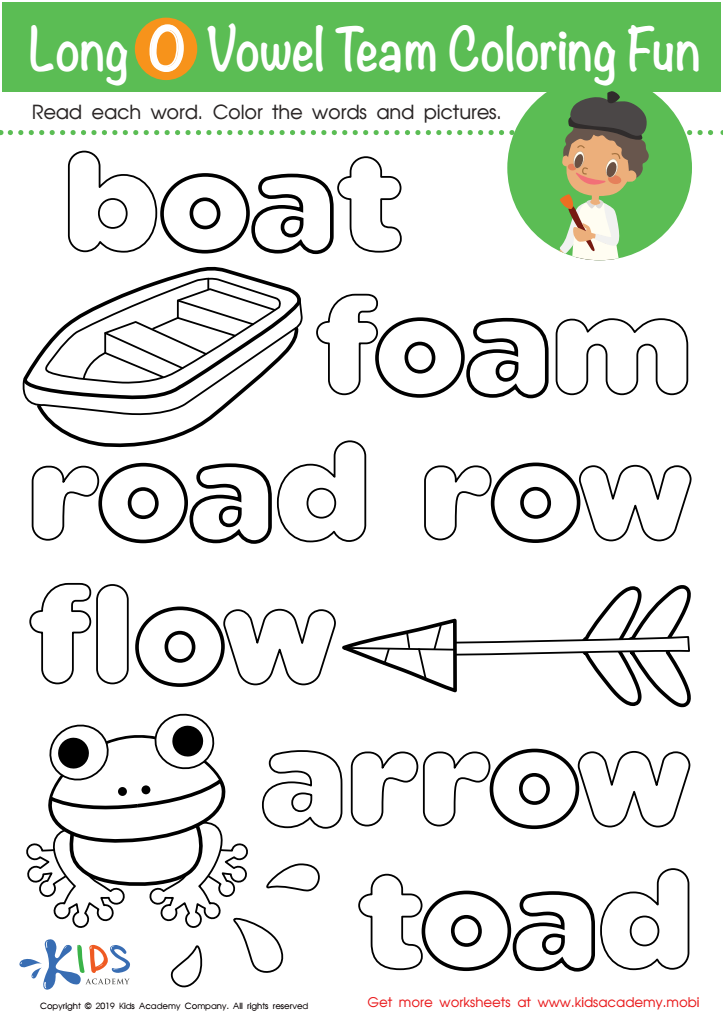
Long O Vowel Team Coloring Worksheet
Assign to My Students
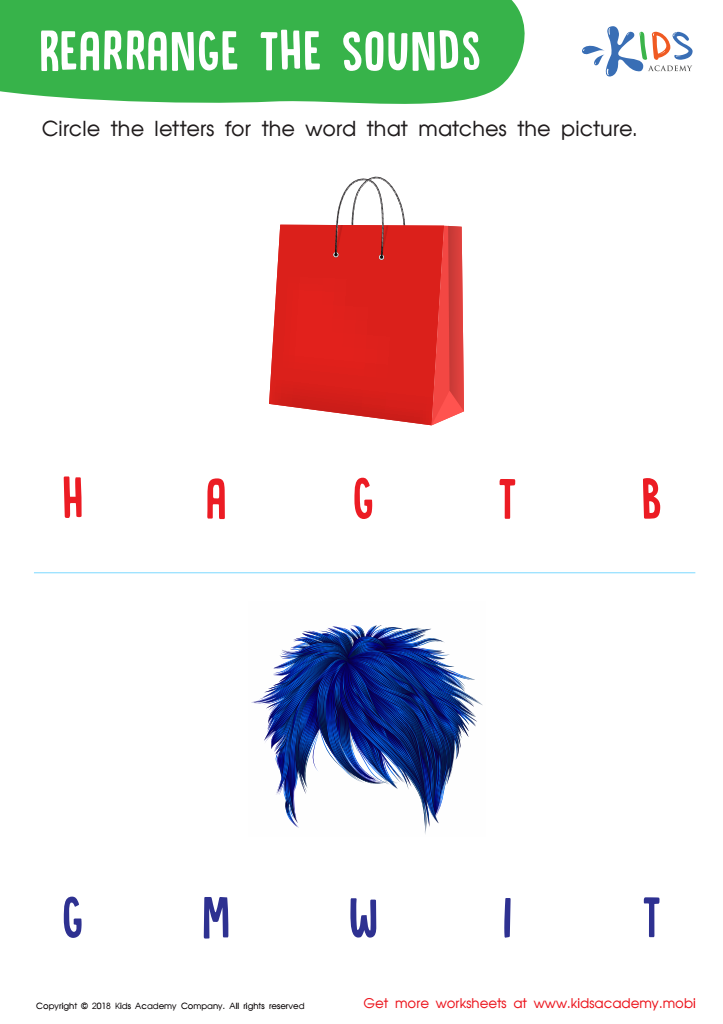
Rearrange the Sounds Worksheet
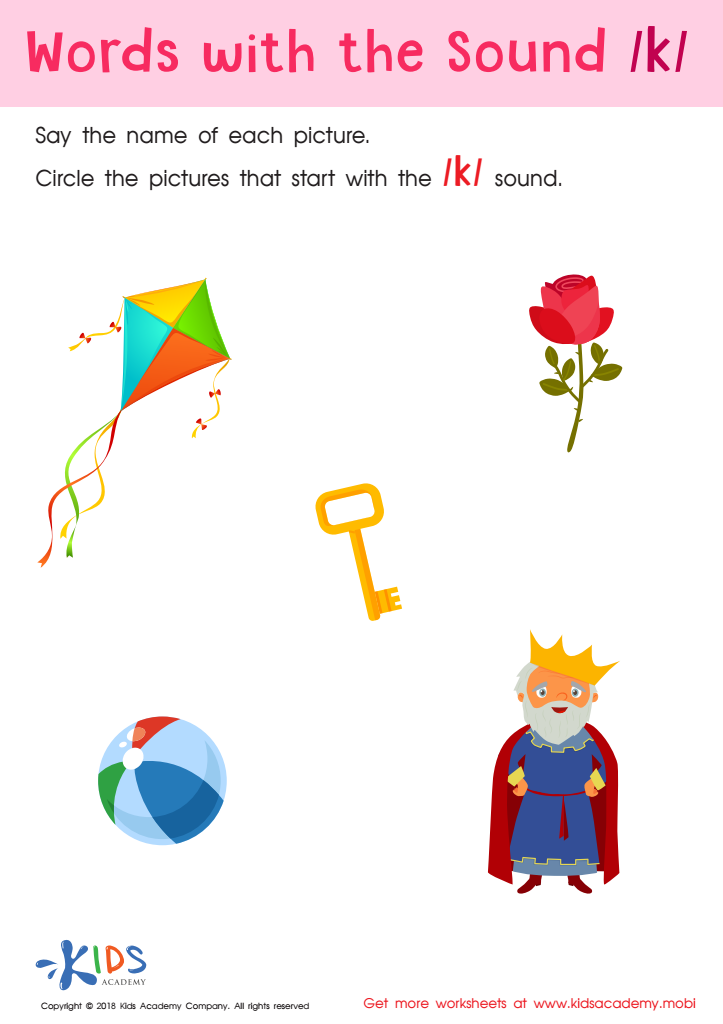
Words with sound k Reading Worksheet








Phonics skills are foundational for children aged 4-7 as they are in the prime stage of language and literacy development. During these early years, children are highly receptive to learning the relationship between letters and sounds, which is crucial for effective reading and writing skills. Phonics instruction helps children decode new words, enhances their reading fluency, and builds confidence in their ability to read independently. It aids in developing other literacy skills such as spelling and comprehension, forming a strong basis for future educational achievements.
Parents and teachers should prioritize phonics because it is scientifically proven to be one of the most effective methods for teaching reading. By understanding phonics, children can break down complex words into manageable parts, making it easier for them to understand and retain new vocabulary. Early phonics proficiency can also reduce the risk of literacy-related difficulties later in life, promoting overall academic success.
Neglecting phonics education may result in struggles with reading that can affect a child's self-esteem and academic performance across various subjects. By caring about and actively nurturing phonics skills in the 4-7 age range, parents and teachers set children on a path toward lifelong learning and literacy confidence.








