Problem-Solving Skills Normal Worksheets for Ages 4-7 - Page 4
86 filtered results
-
From - To

 Assign to My Students
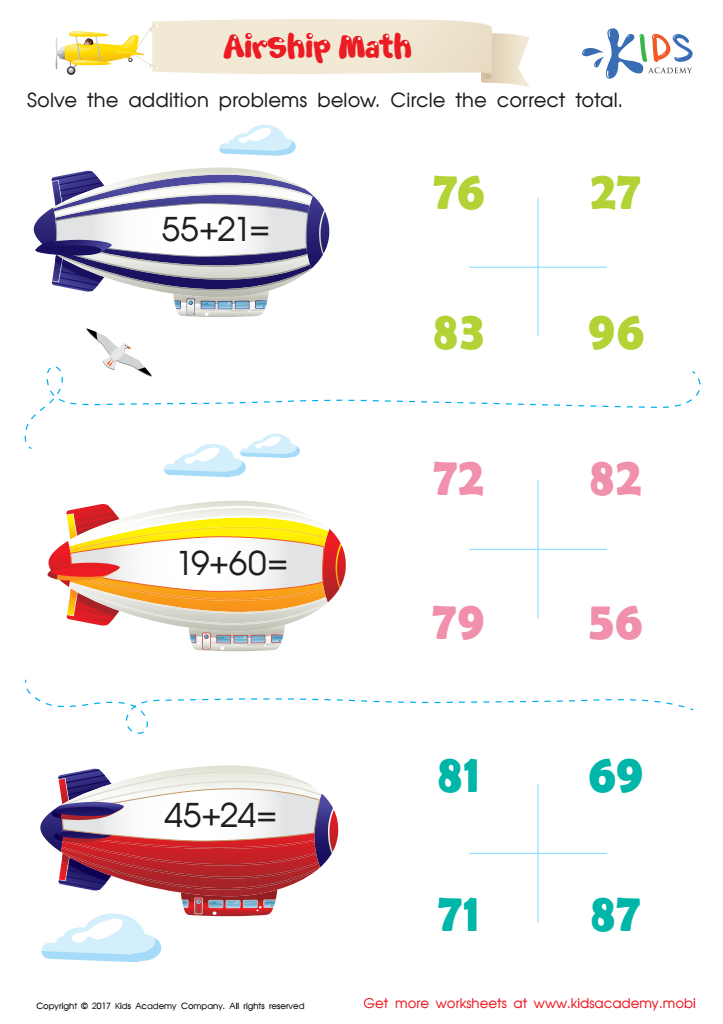
Airship Math Addition Printable
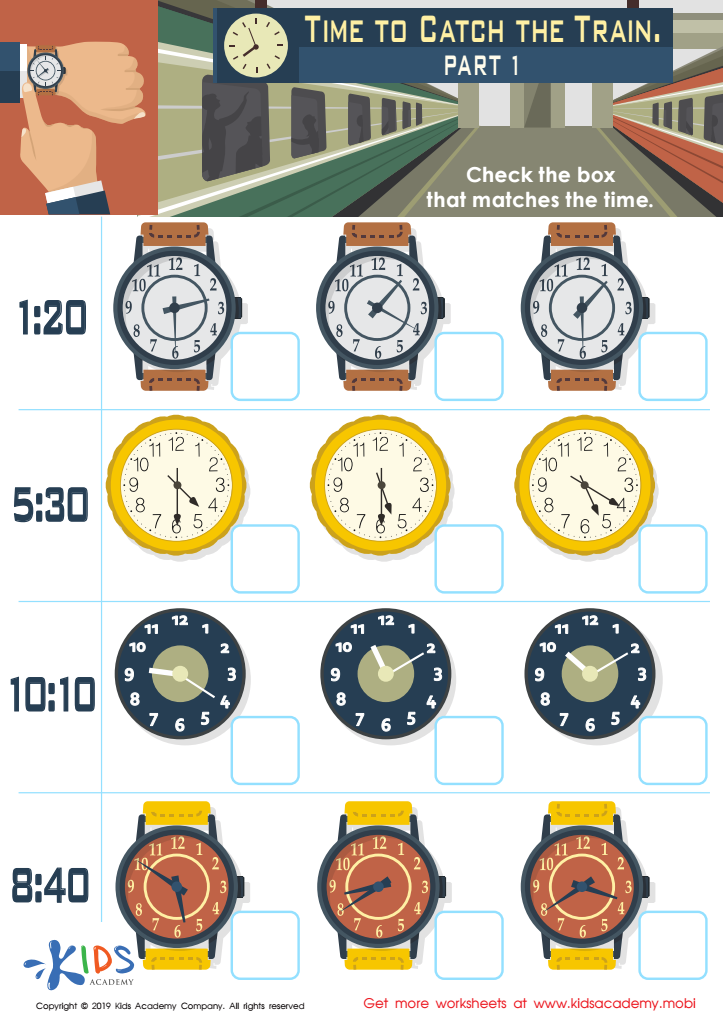
Time to Catch the Train Part 1 Worksheet
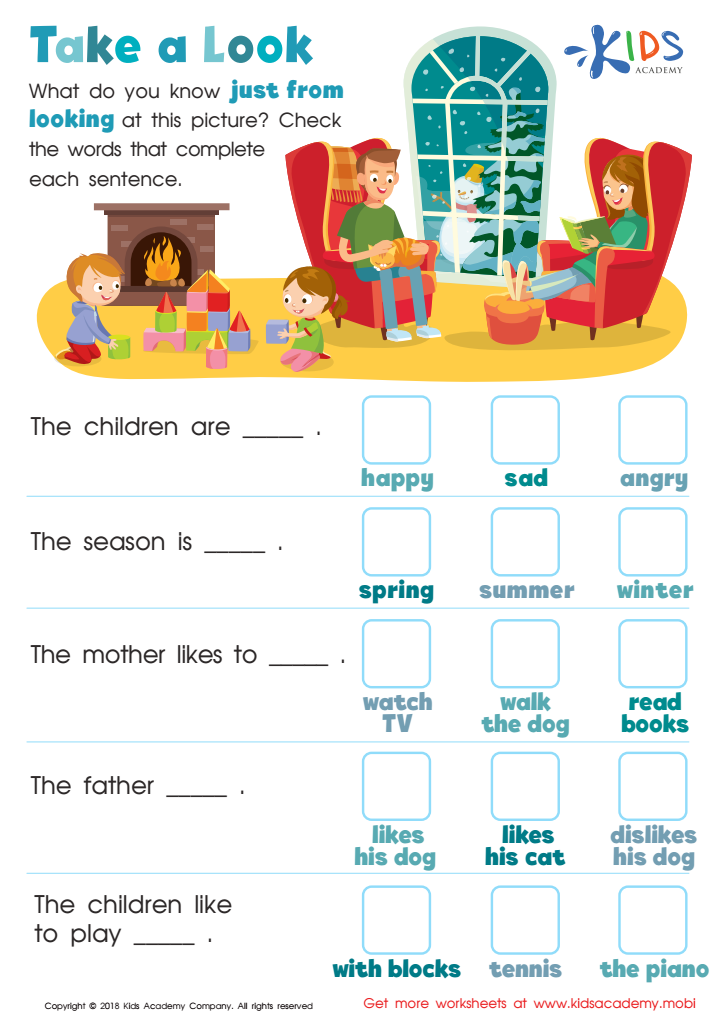
Take a Look - Part 1 Worksheet
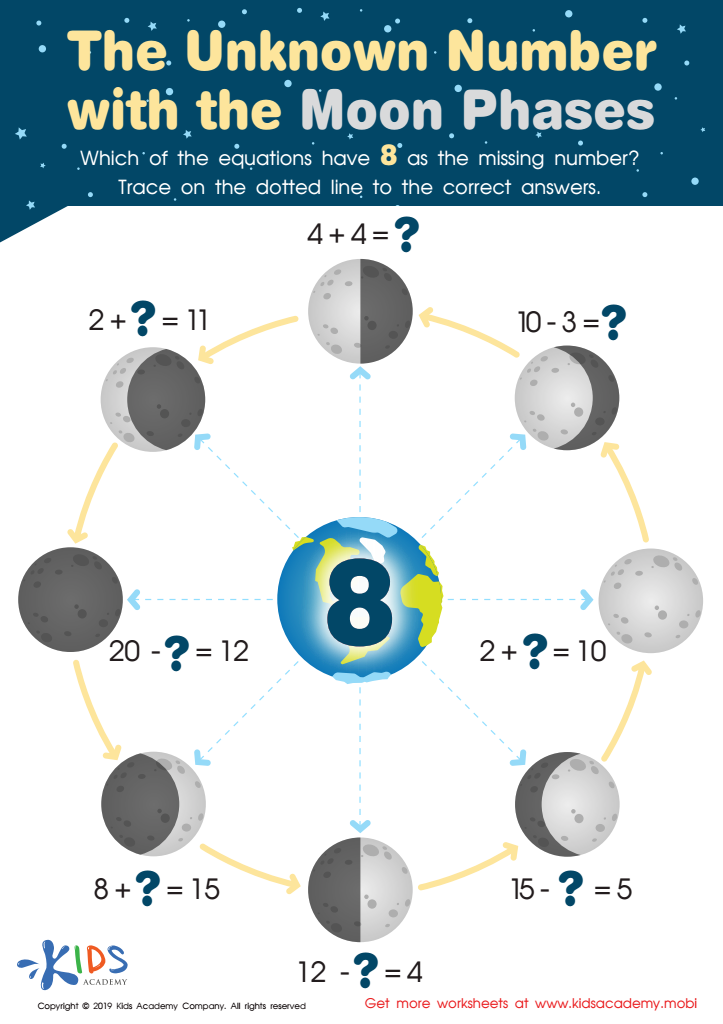
The Unknown Number with the Moon Phases Worksheet
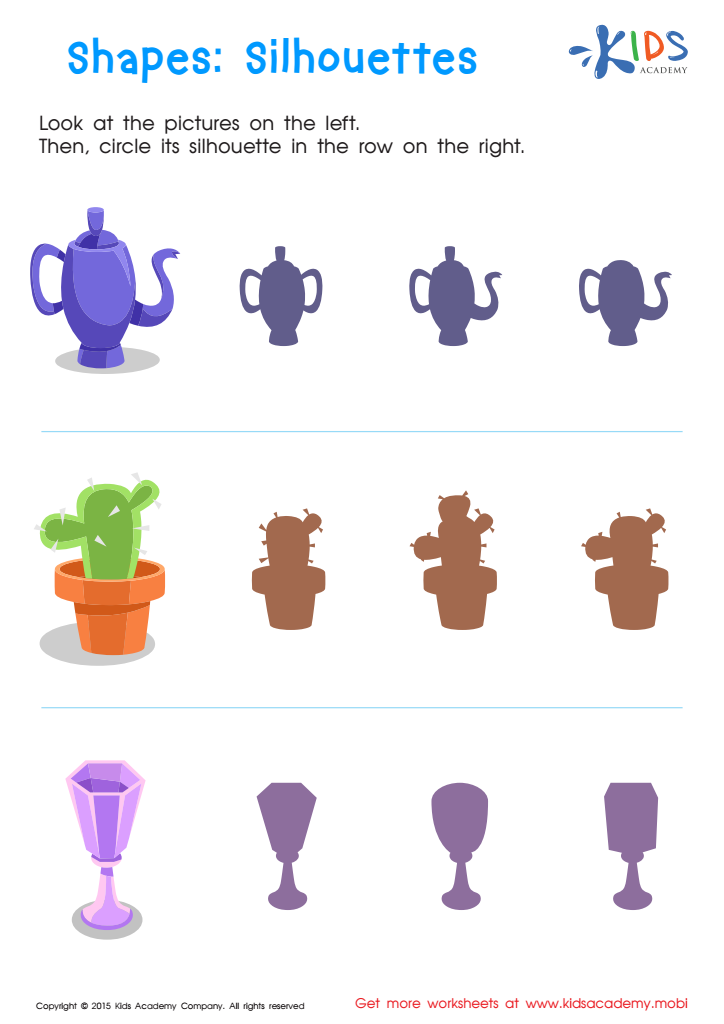
Silhouettes – Shapes Worksheet
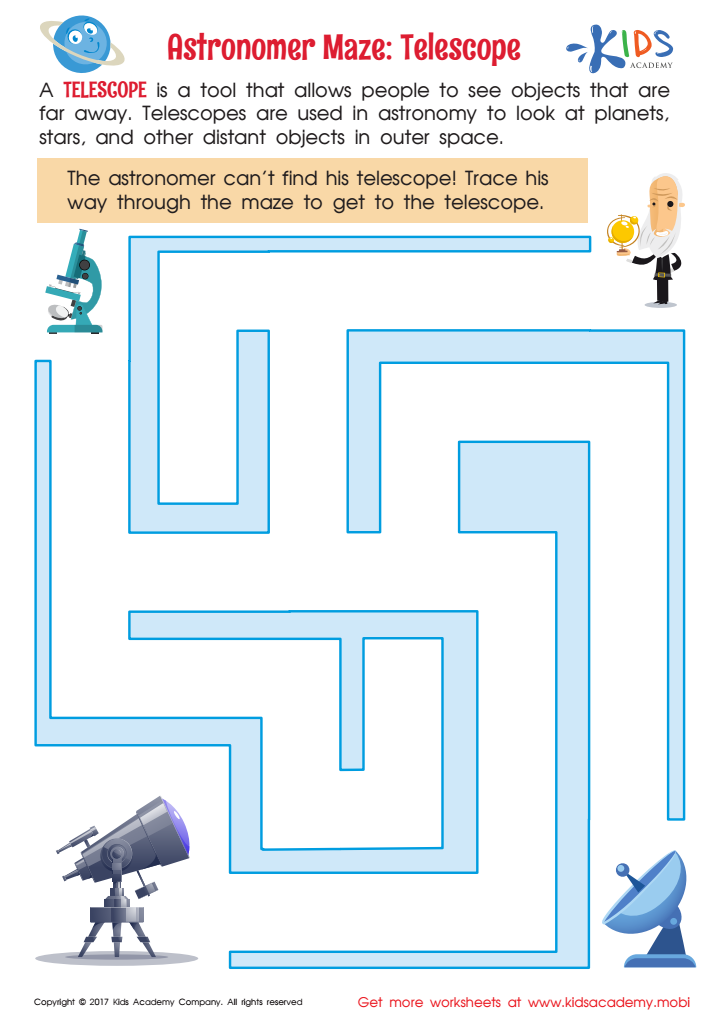
Astronomer Maze: Telescope Worksheet
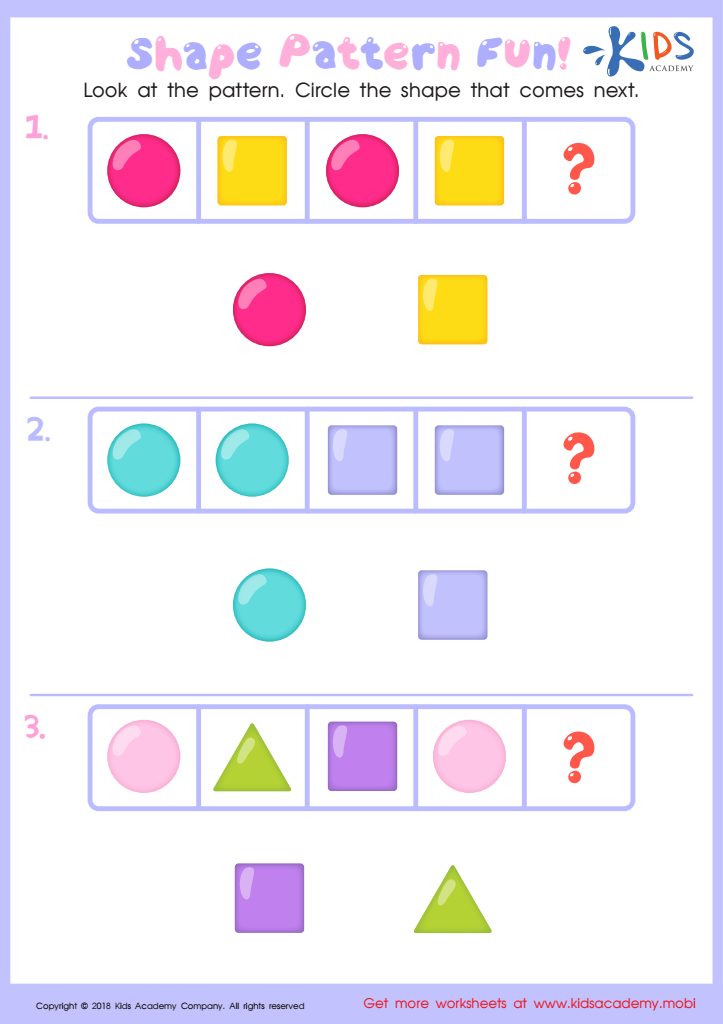
Shape Pattern Fun Worksheet
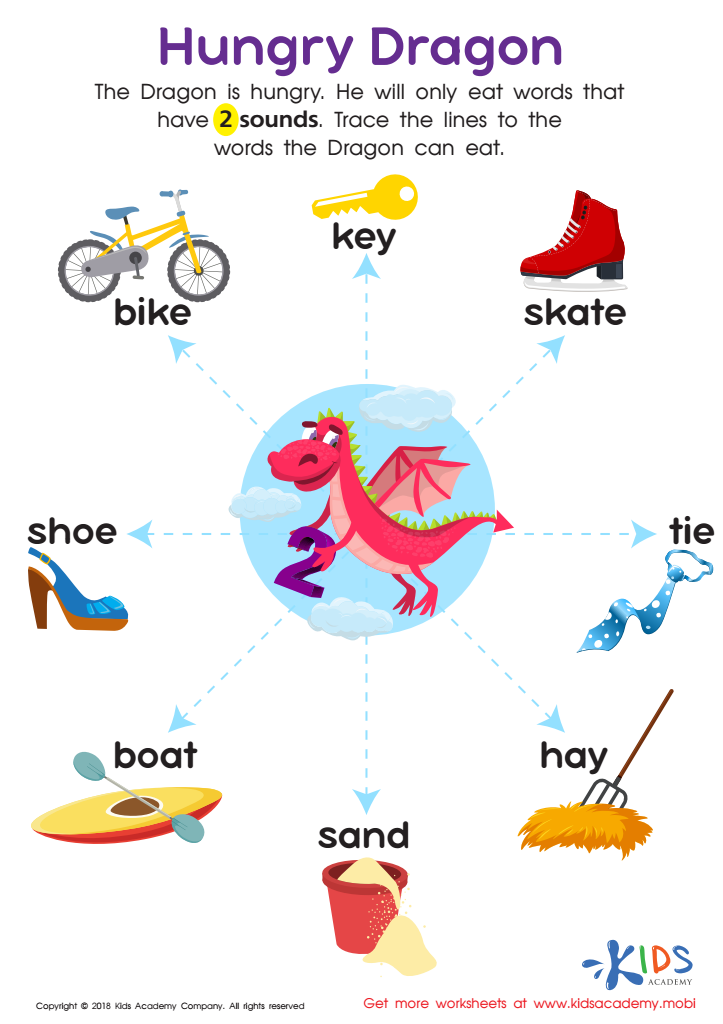
Hungry Dragon Worksheet
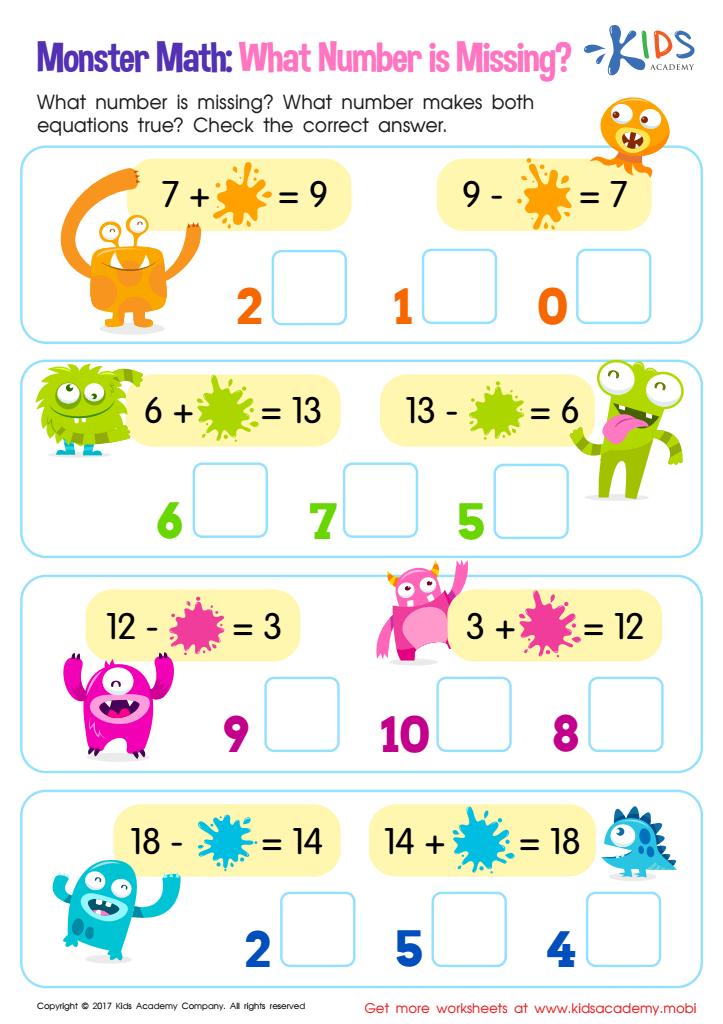
Missing Number: Monster Math Worksheet
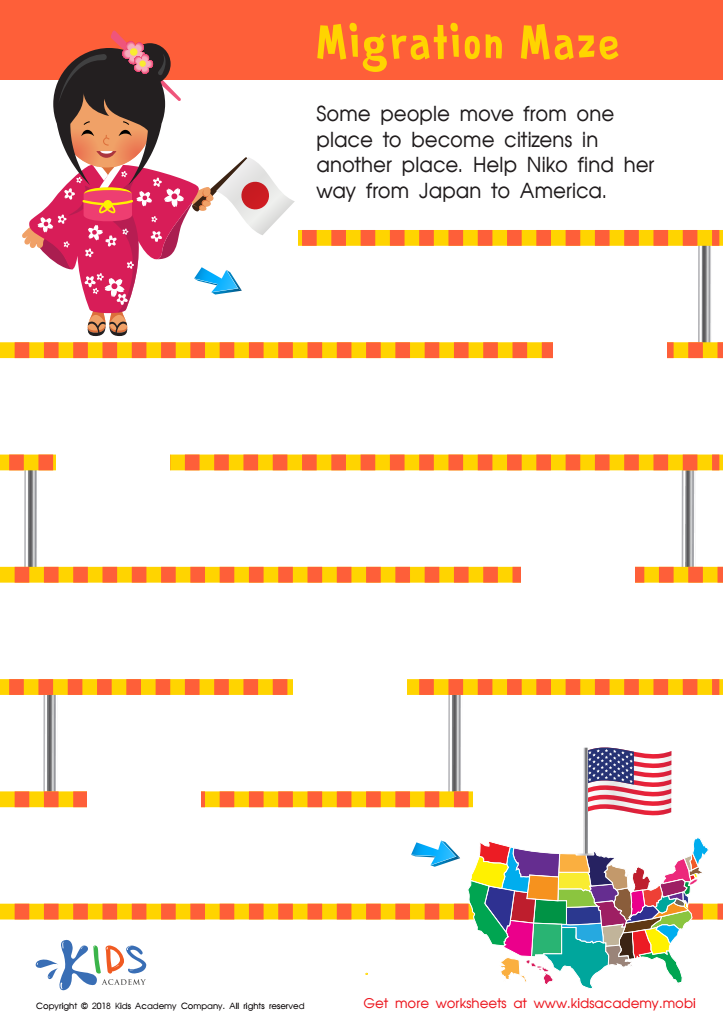
Migration Maze Worksheet
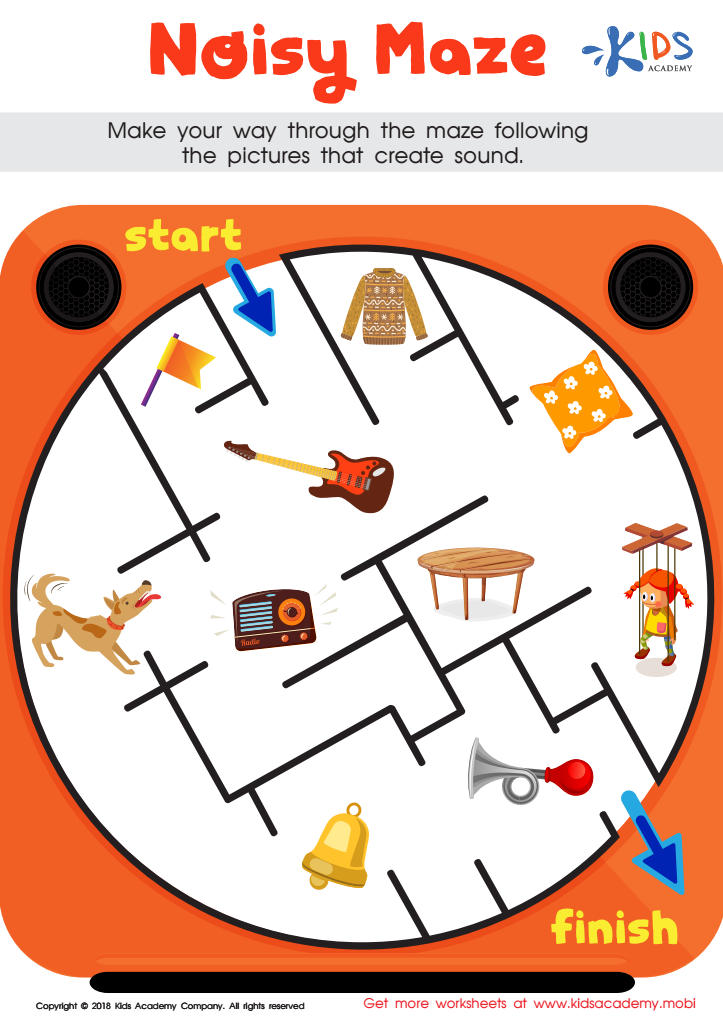
Noisy Maze Worksheet
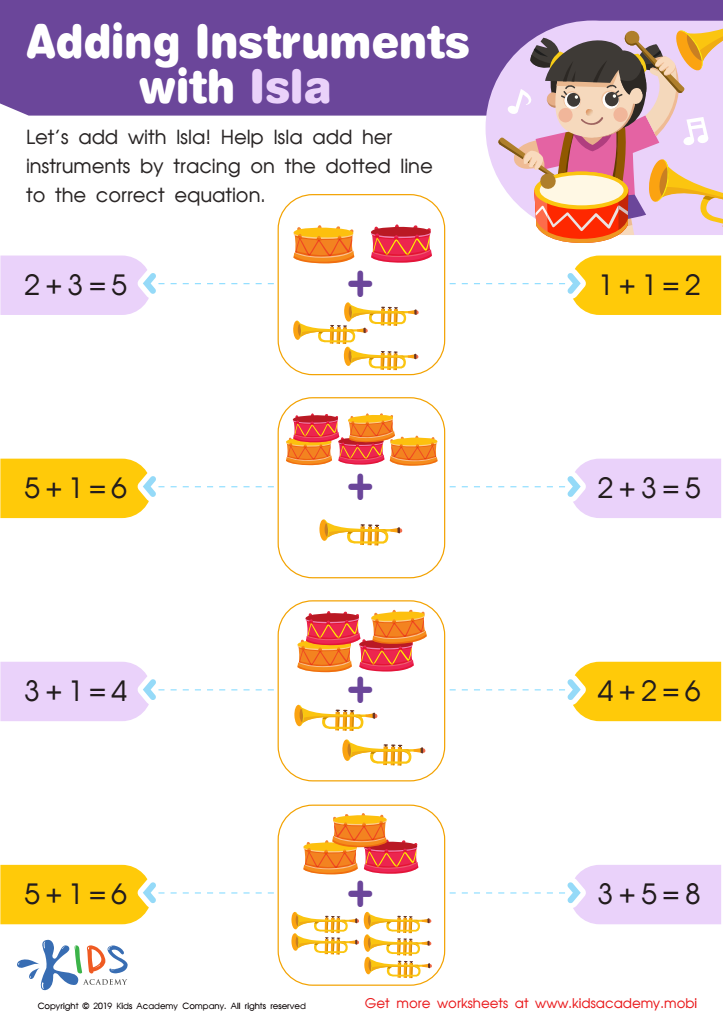
Adding Instruments with Isla Worksheet
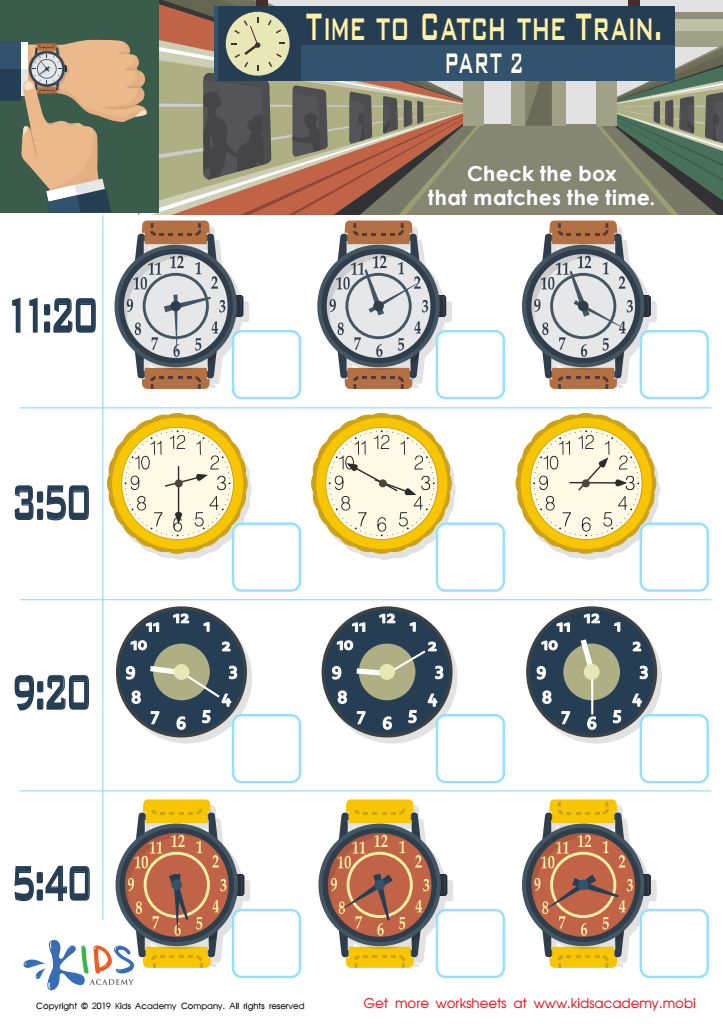
Time to Catch the Train Part 2 Worksheet








Problem-solving skills are crucial for young children, as they form the bedrock for cognitive and social development. For children aged 4-7, being able to solve problems empowers them to become independent thinkers and enhances their ability to navigate everyday challenges. At this developmental stage, kids encounter numerous social, emotional, and intellectual hurdles, such as resolving conflicts with peers, understanding new concepts, or accomplishing simple tasks like tying their shoelaces.
When parents and teachers invest time in nurturing these skills early on, they help children build critical thinking and resilience. Problem-solving exercises teach kids how to approach a situation from different angles, consider potential solutions, and make informed decisions. This fosters a mindset of curiosity and creativity rather than frustration or defeat.
Moreover, proficient problem-solving abilities are linked to improved academic performance. Children who can tackle challenges in subjects like math or science feel more confident and motivated in their learning journey. Socially, these skills enable kids to communicate better, work collaboratively, and empathize with others, all key components of emotional intelligence.
In essence, emphasizing problem-solving from a young age lays the groundwork for well-rounded, capable individuals who can handle life's complex scenarios with assurance and adaptability.








