
Counting skills Normal Addition Facts Worksheets for Ages 4-7
5 filtered results
Difficulty Level
Grade
Age
-
From - To
Subject
Activity
Standards
Boost your child's math skills with our Normal Addition Facts Worksheets, specially designed for ages 4-7. These engaging worksheets focus on counting skills to help young learners grasp basic addition concepts effortlessly. Through fun and interactive exercises, children will practice counting objects, adding numbers, and identifying sums, laying a solid foundation for their future math success. Perfect for both classroom and at-home learning, these worksheets are an excellent resource to enhance your child's understanding and foster a love for mathematics. Start building essential addition skills today with our expert-crafted counting worksheets!
Favorites
With answer key
Interactive
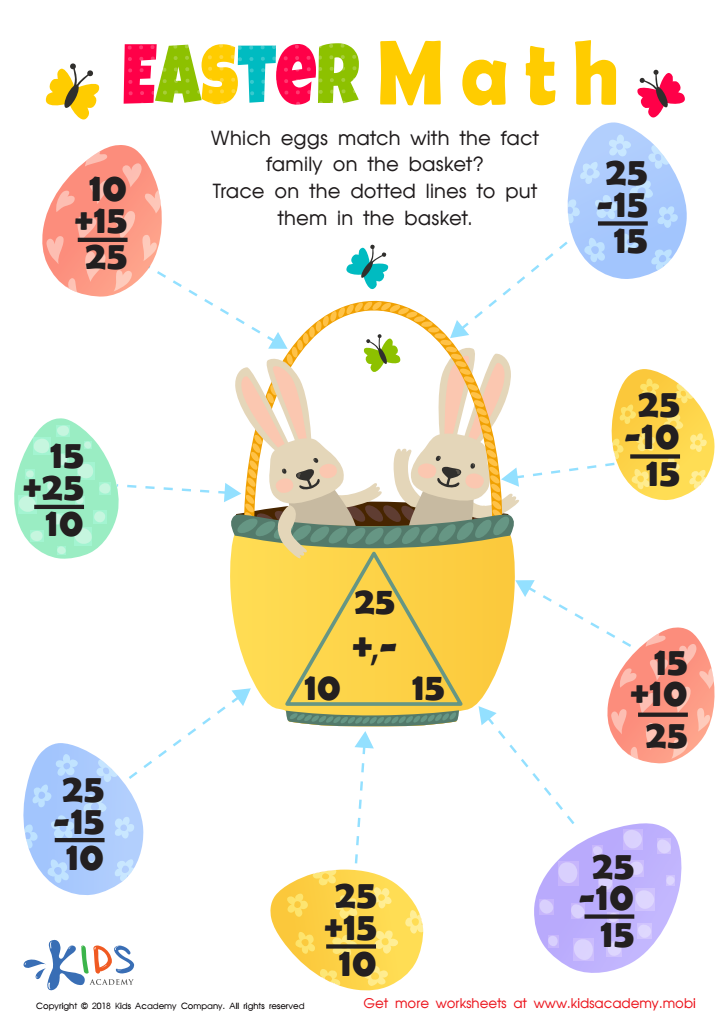
Fact Families: Easter Math Worksheet
Kids will love this vibrant PDF packed with Easter math fun! Match facts with the colorful eggs, add and subtract multiples of five to boost automaticity, and have a blast with the bunny friends!
 Assign to My Students
Fact Families: Easter Math Worksheet
Worksheet
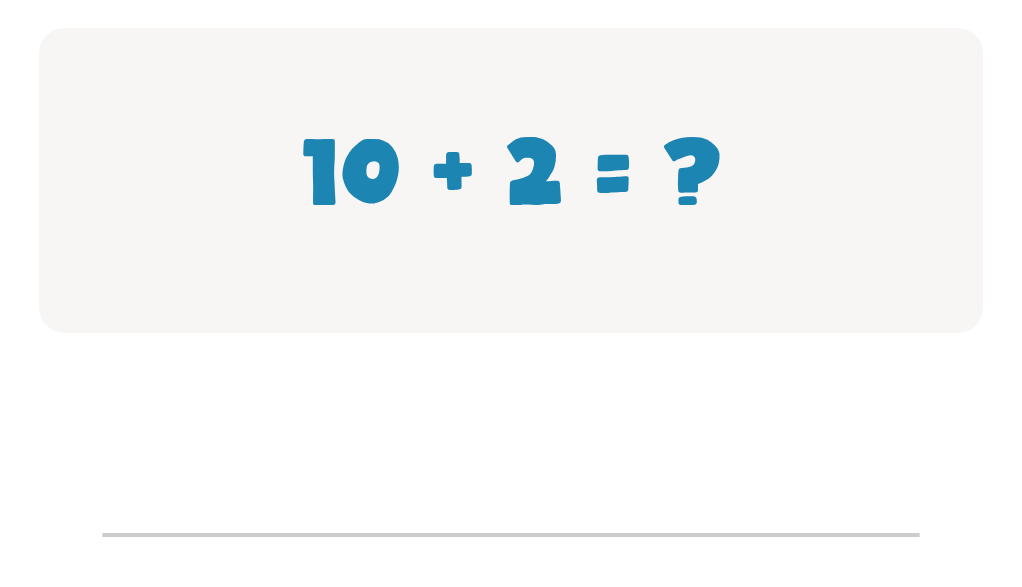

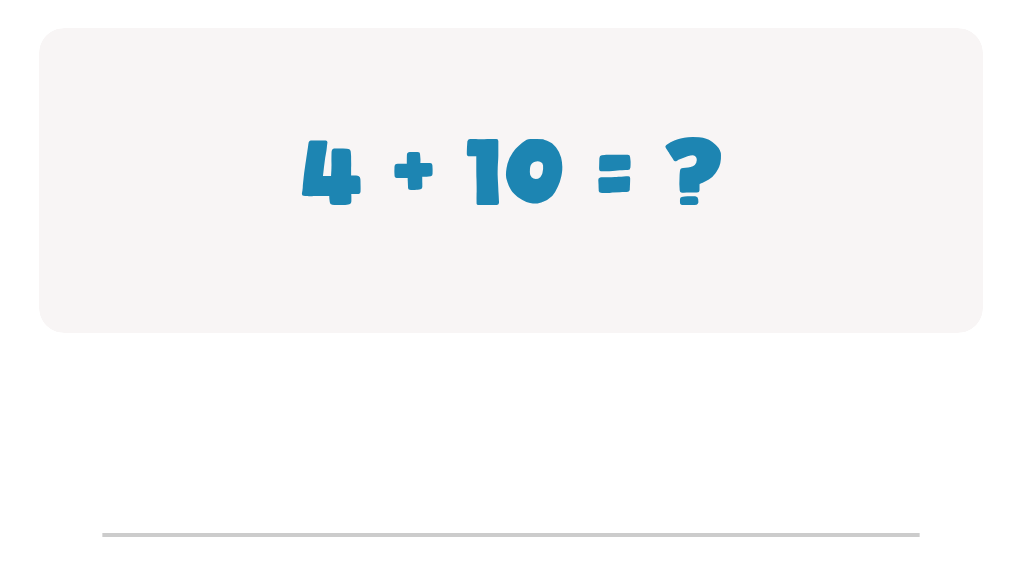
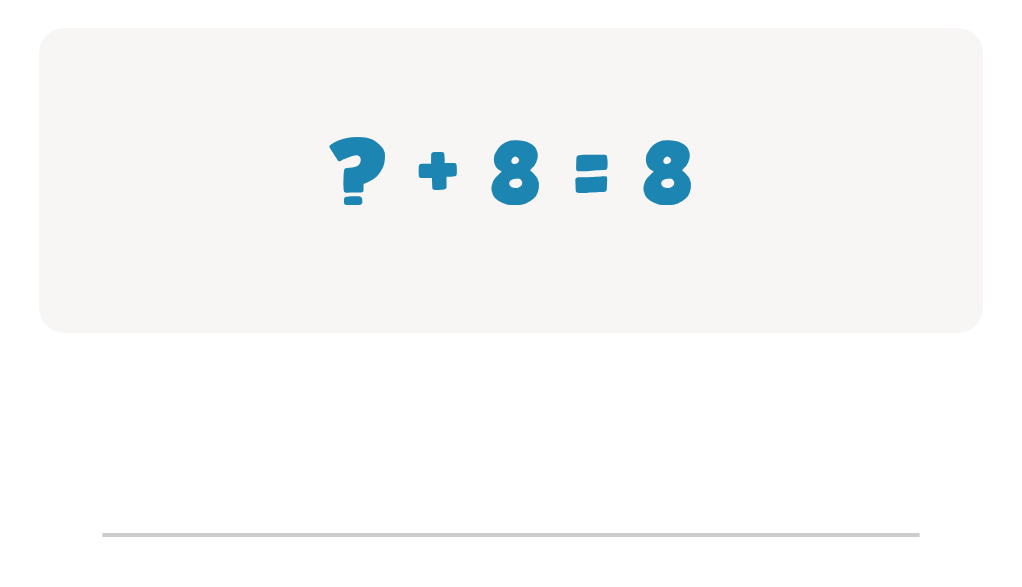
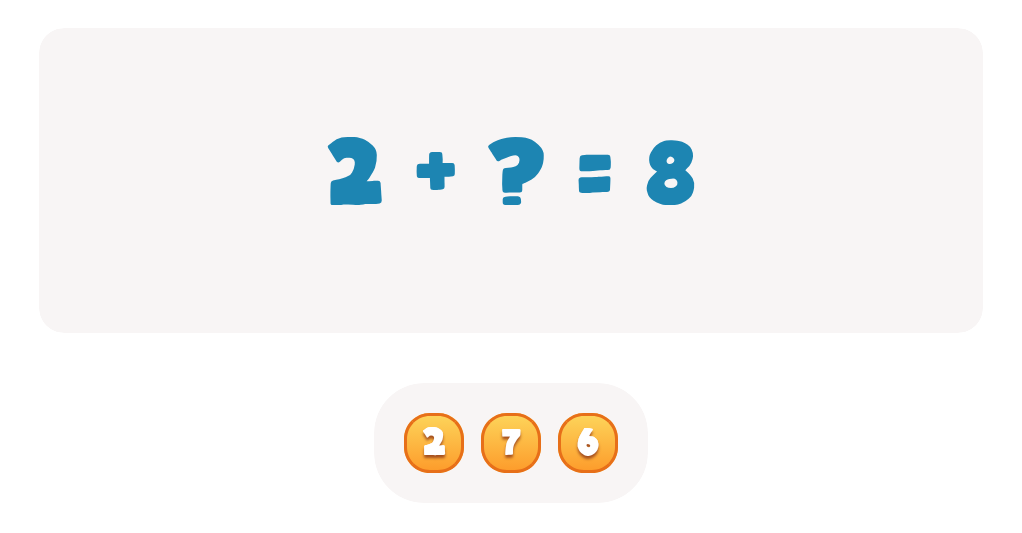
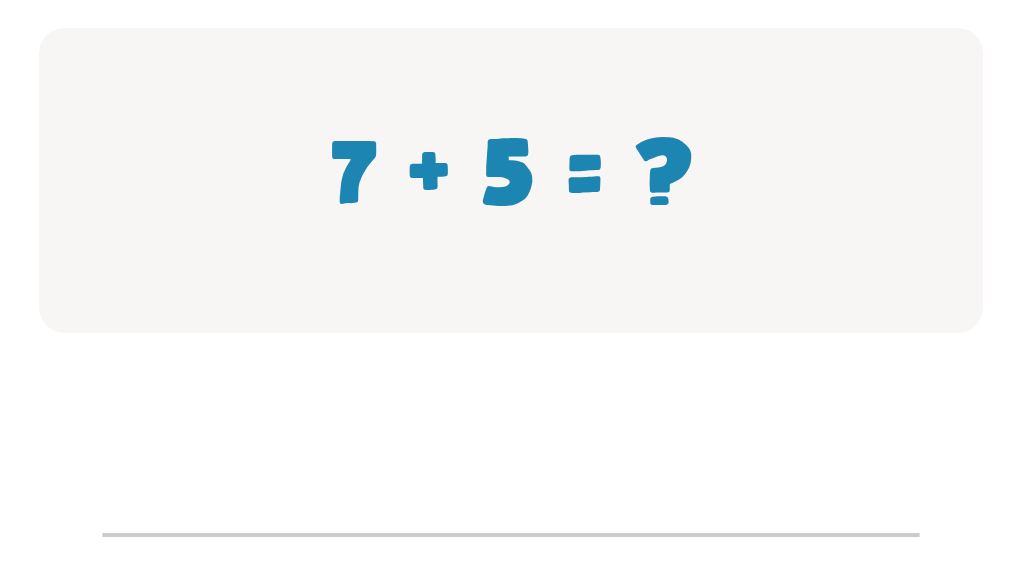
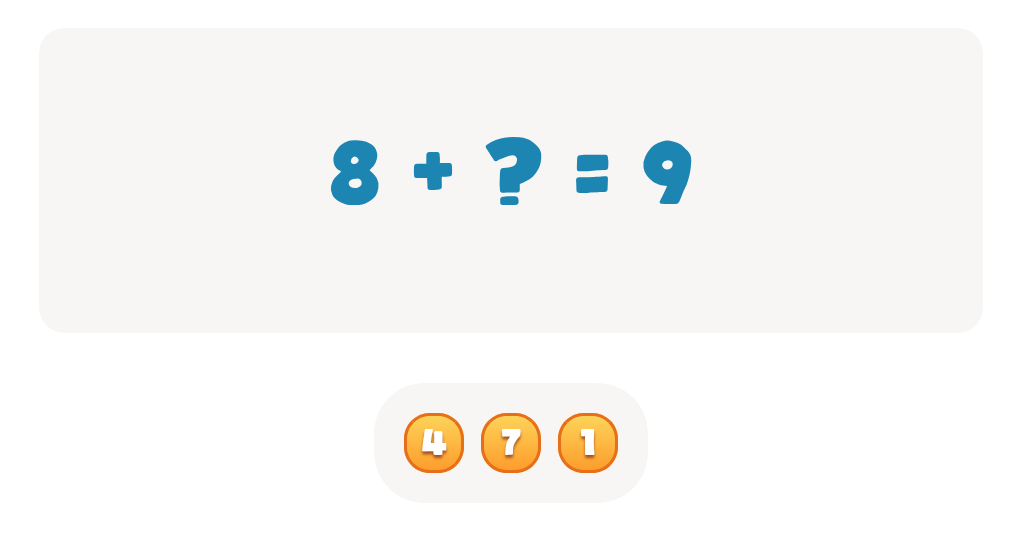

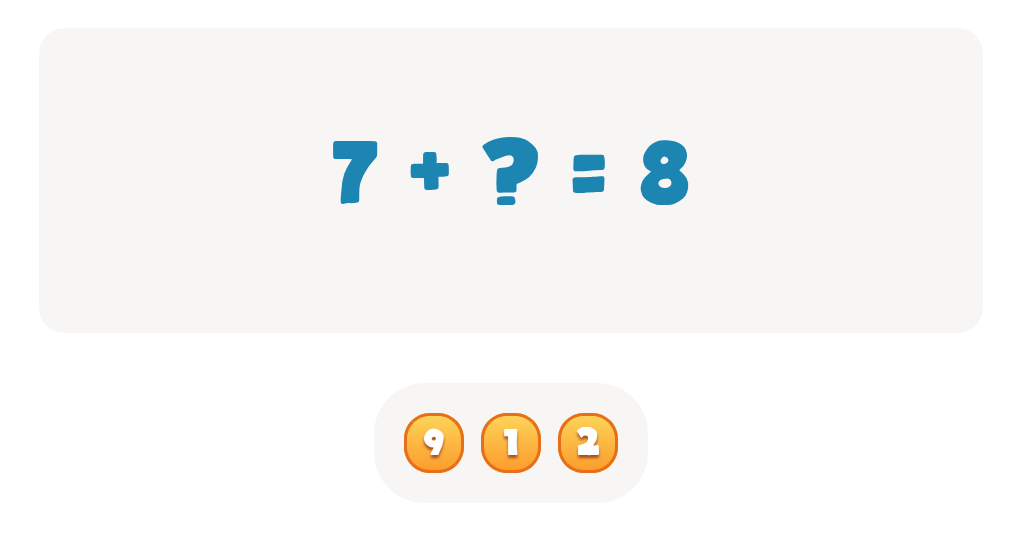
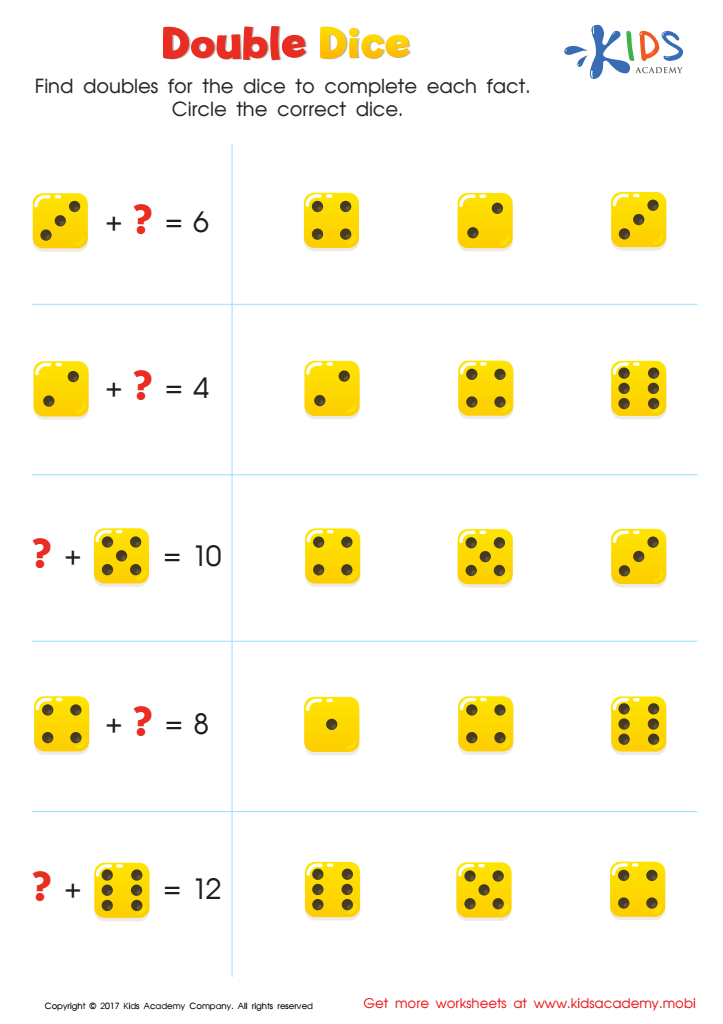
Addition Facts: Double Dice Worksheet
Are you looking for ways to make maths more engaging for kids? Maths can be a bore, but by teaching kids from an early age that it can be fun, they won't struggle with it. This worksheet is a great way to start: your child needs to identify the number on the left dice and find its double on the right. The sum of the two dice is also given.
Addition Facts: Double Dice Worksheet
Worksheet
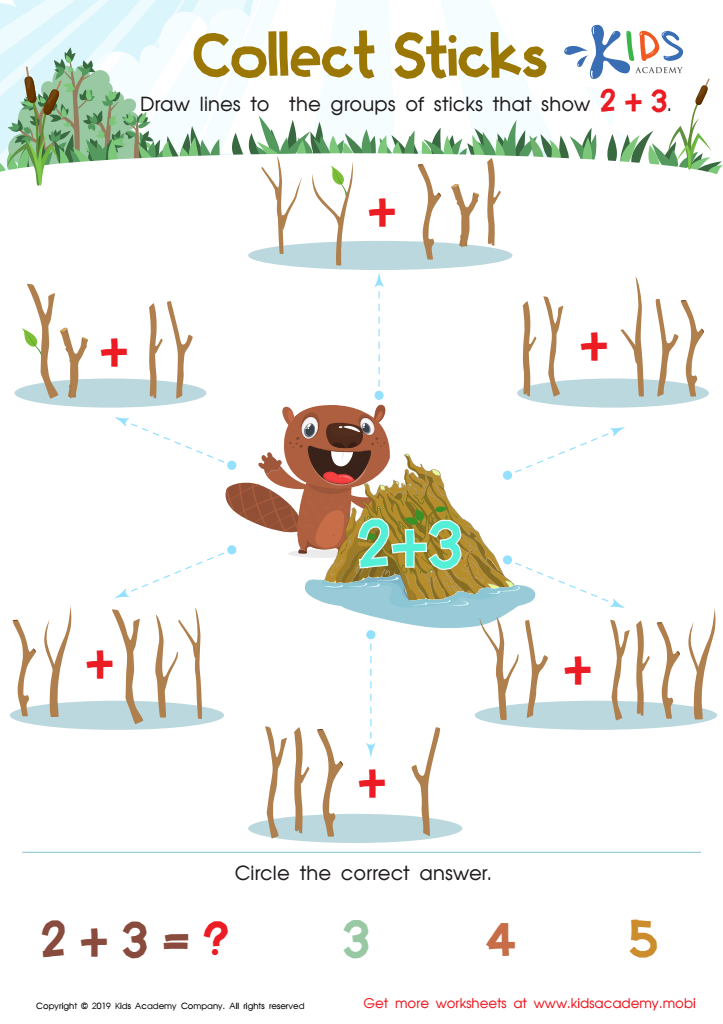
Collect Sticks Worksheet
Let math be fun for your kids with a simple and colorful worksheet exercise. Addition and subtraction can be daunting, but you can make it enjoyable with exercises like this one. Get them to draw lines to the groups of sticks that show 2+3 and watch them light up.
Collect Sticks Worksheet
Worksheet
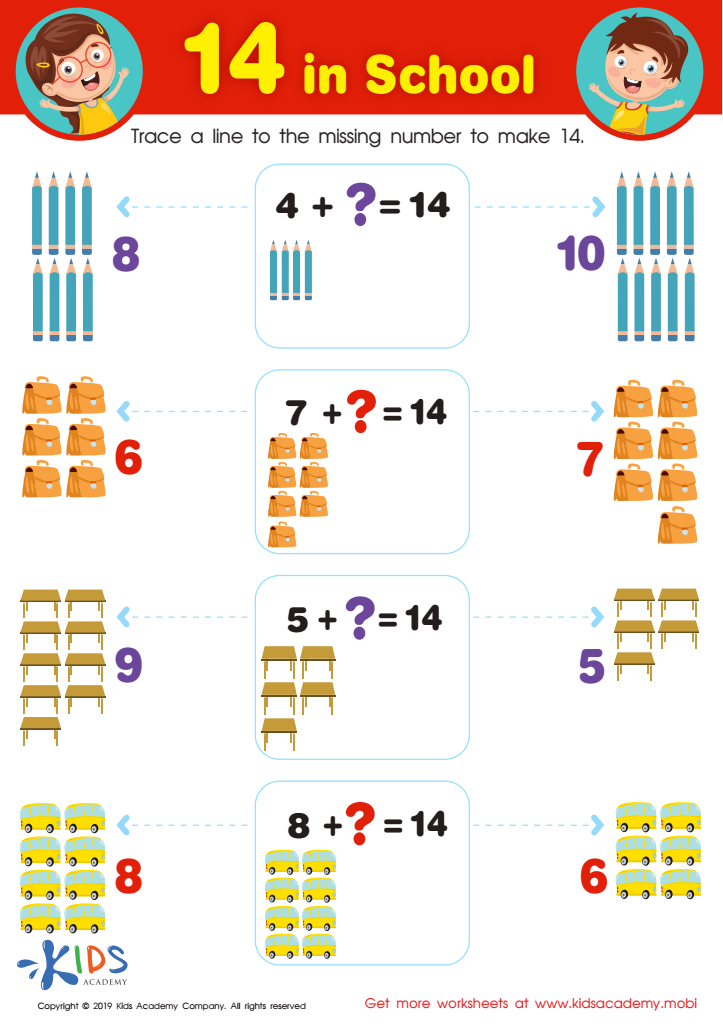
14 in School Worksheet
Remind your kids that adding different sets of numbers can give the same total (e.g. 2+3=5, 4+1=5). Ask them for more examples. Afterwards, work through the exercise. Help them count the objects and trace a line to the missing number that makes the total 14.
14 in School Worksheet
Worksheet
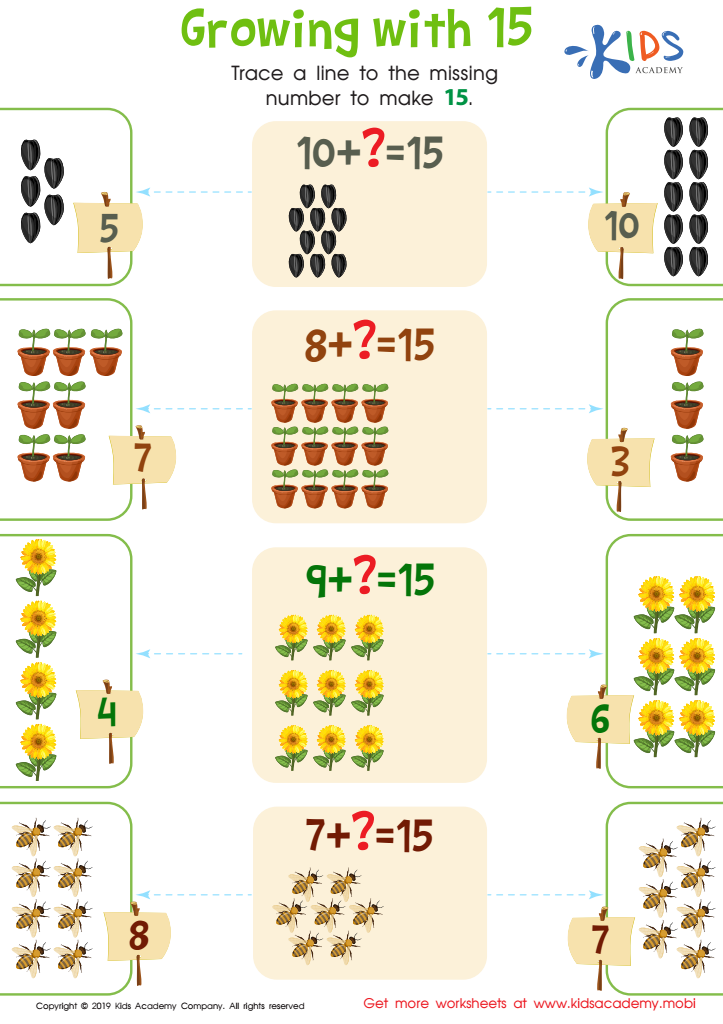
Growing with 15 Worksheet
Remind your kids that adding different sets of numbers can give the same total (e.g. 2+3=5, 4+1=5). Test their understanding by asking them for more examples. Move onto the worksheet: count objects, then trace the line to the number making a total of 15.
Growing with 15 Worksheet
Worksheet
Join Kids Academy for Free
Who is primarily going to use this learning content?








Counting skills and basic addition facts are foundational to a child's early math development and have a significant impact on their future academic success. For children ages 4-7, mastering these skills helps build a solid understanding of numbers, patterns, and the relationships between them. Parents and teachers should prioritize these early math skills for several compelling reasons.
First, proficiency in counting and addition forms the basis for more complex mathematical concepts. Without a strong grasp of these basics, children may struggle with multiplication, division, and more advanced problem-solving later on. Early success in math can build confidence, fostering a positive attitude toward the subject.
Second, developing counting skills enhances cognitive abilities such as memory, concentration, and logical thinking. These cognitive benefits extend beyond math, contributing to improved performance in other academic areas, including reading and science.
Additionally, early math skills are often predictive of overall academic achievement. Research has shown that children who enter elementary school with strong counting and addition abilities are more likely to excel not only in mathematics but also in their general educational development.
Lastly, these skills are practical and relevant in everyday life. Children who can count accurately and perform simple additions are better equipped to handle daily tasks, from counting their toys to understanding basic concepts like time and money.
Therefore, a focus on counting skills and normal addition facts provides children with essential tools that will benefit them across various aspects of their lives.








