Normal Reading Non-Fiction Worksheets for Ages 4-7
48 filtered results
-
From - To
Discover engaging non-fiction worksheets designed for early readers aged 4-7 at Kids Academy. Our expertly crafted activities help young learners explore the world through fascinating facts and real-world concepts. These worksheets promote critical thinking, comprehension, and vocabulary skills, providing a solid foundation for future learning. Each printable is tailored to captivate young minds with age-appropriate themes and interactive tasks, making reading fun and educational. Perfect for use at home or in the classroom, our non-fiction reading worksheets are an essential resource for nurturing curious and confident readers. Visit Kids Academy to inspire a lifelong love of learning today!
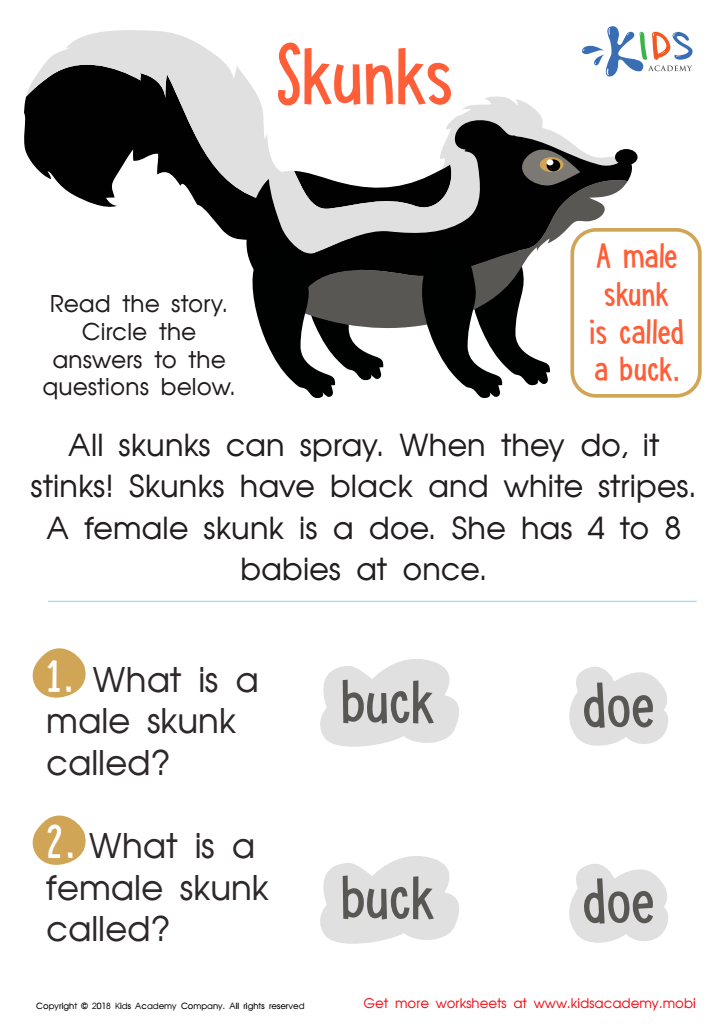
Skunks Worksheet
 Assign to My Students
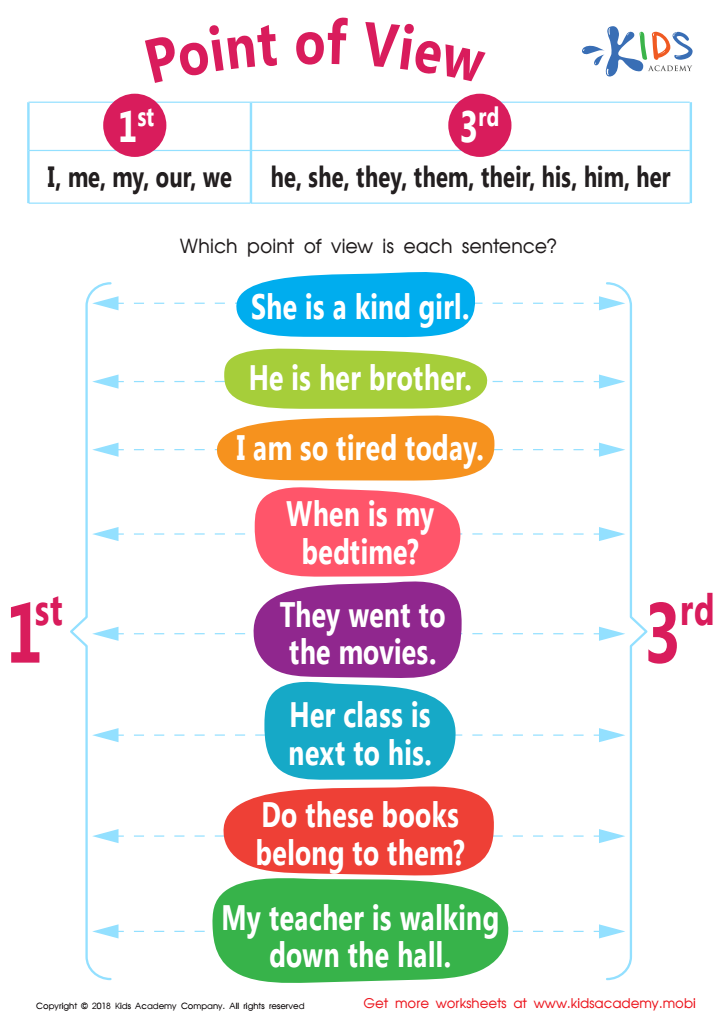
Point of View Worksheet
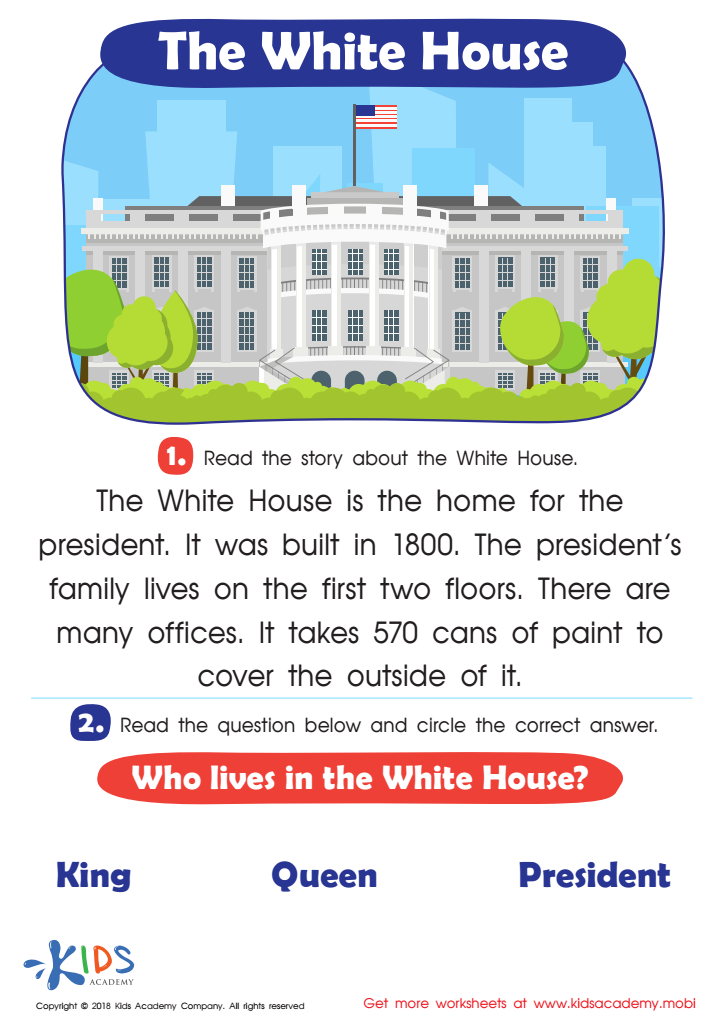
White House Worksheet
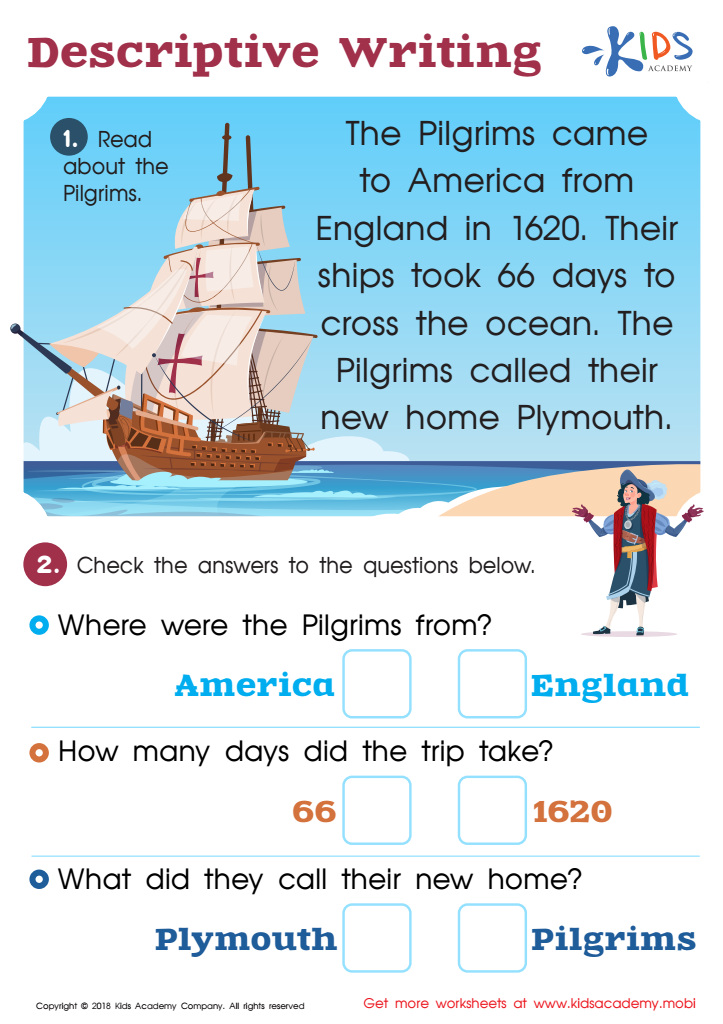
Descriptive Writing Worksheet: Part 1
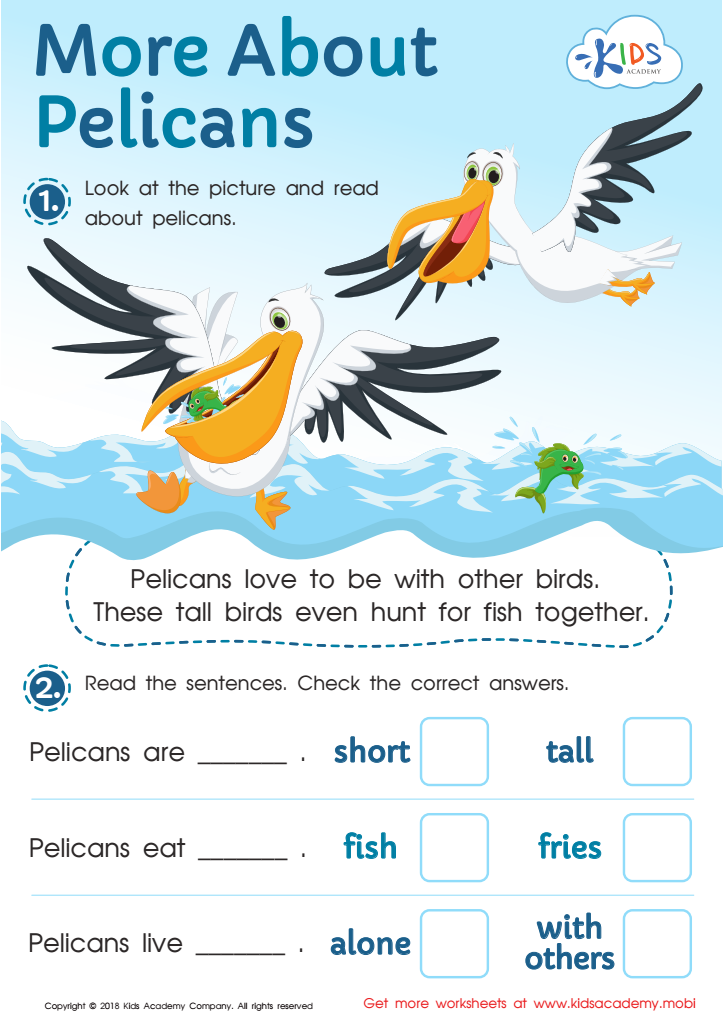
More About Pelicans Worksheet
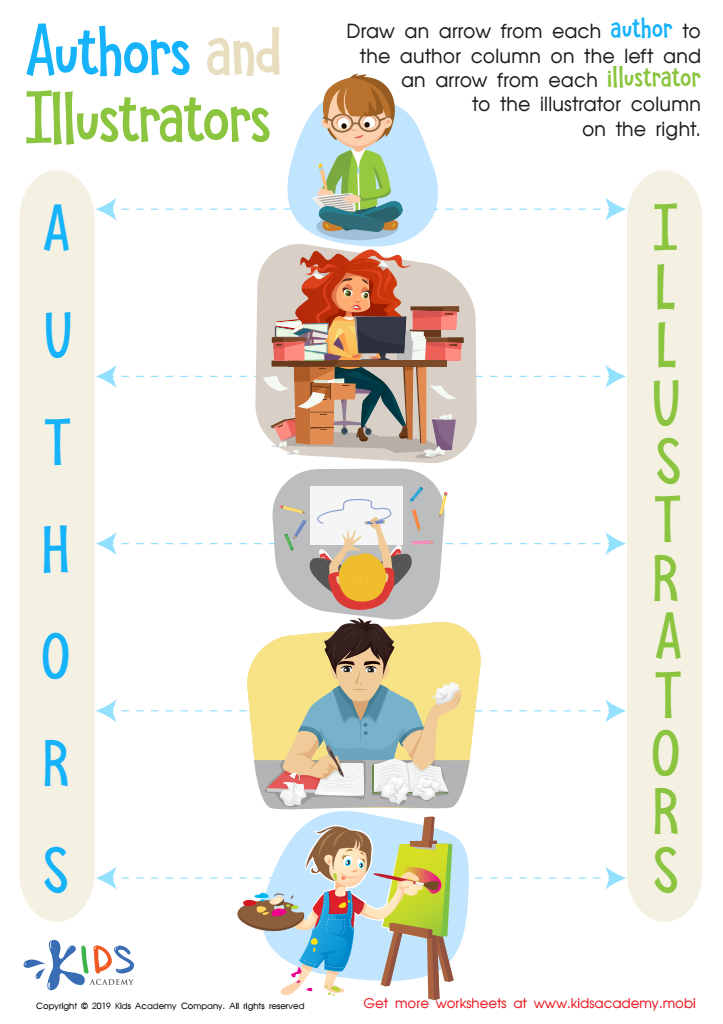
Authors and Illustrators Worksheet
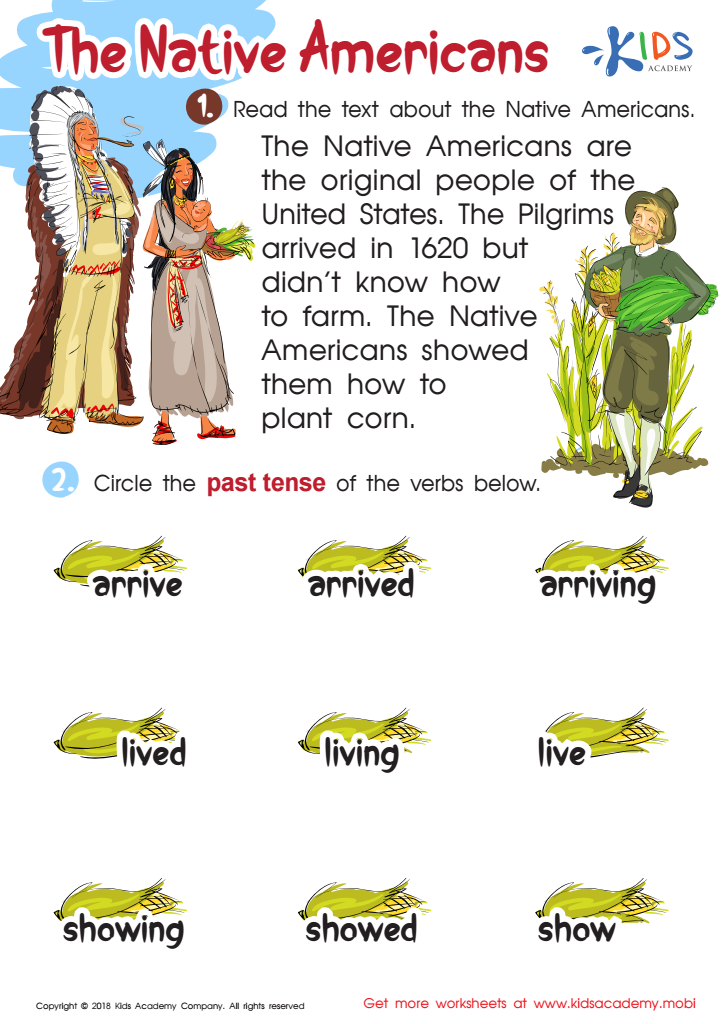
The Native Americans Worksheet
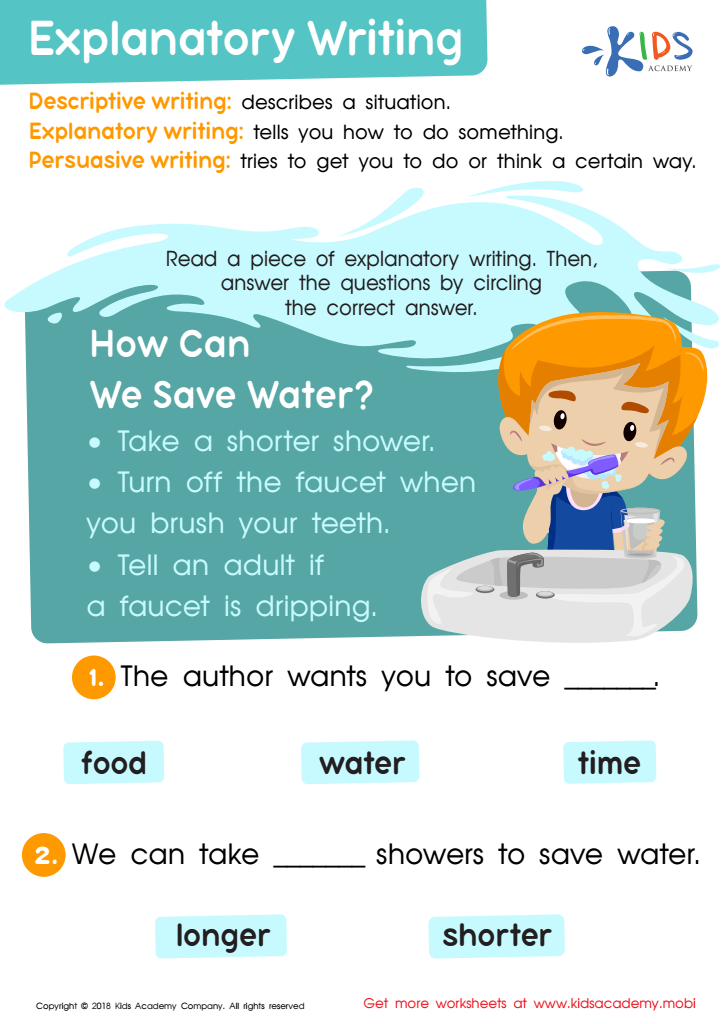
Explanatory Writing Worksheet
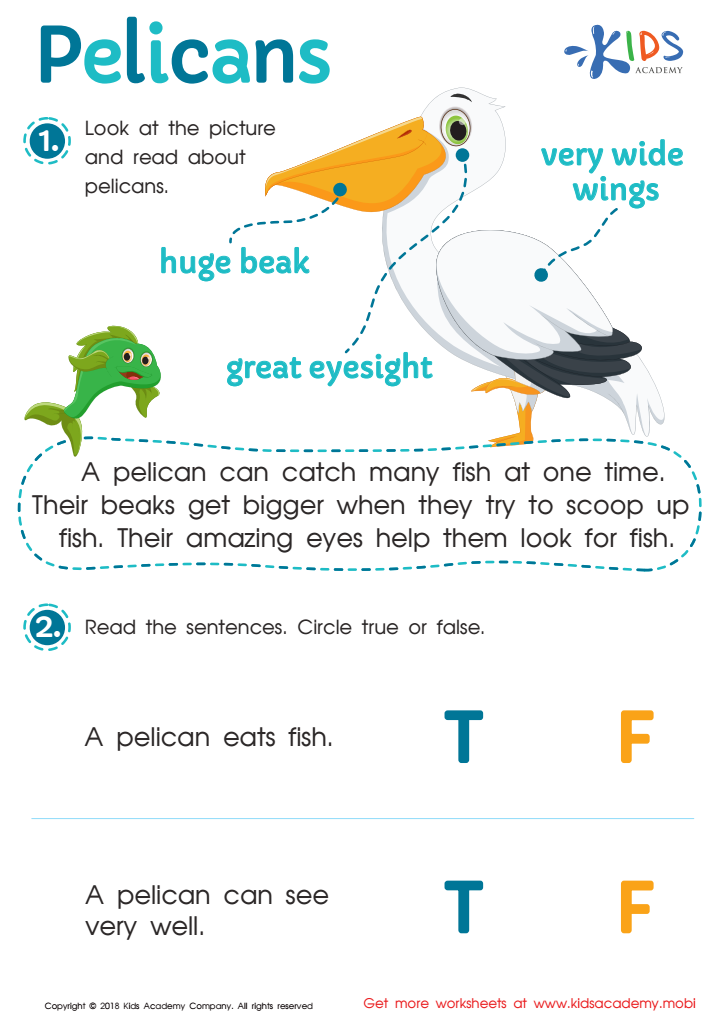
Pelicans Worksheet
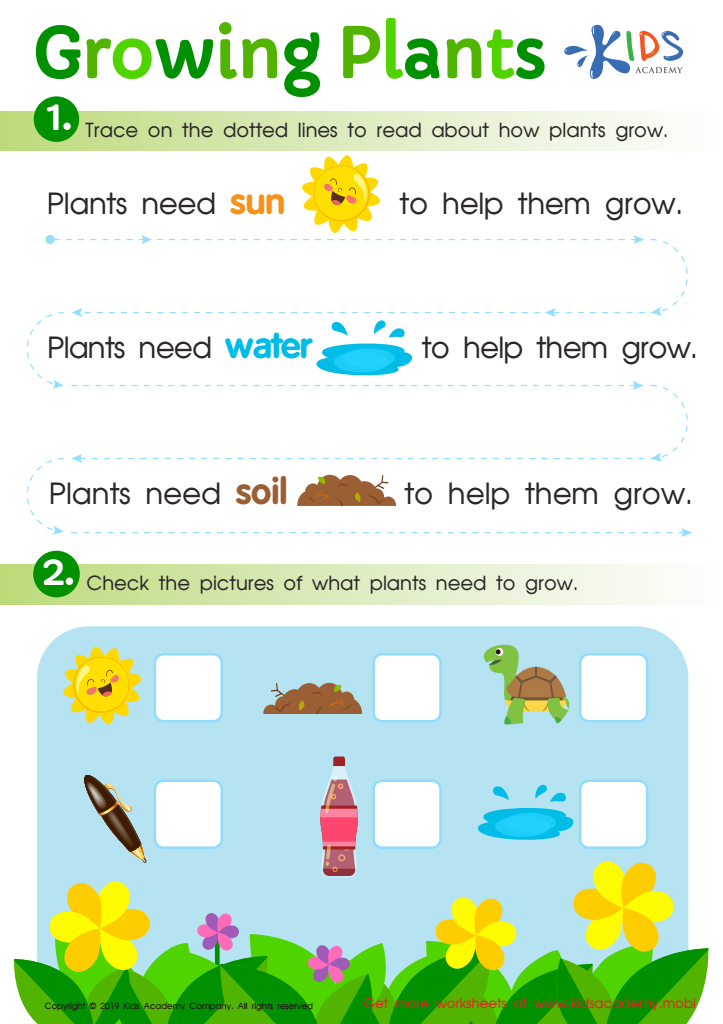
Growing Plants Worksheet
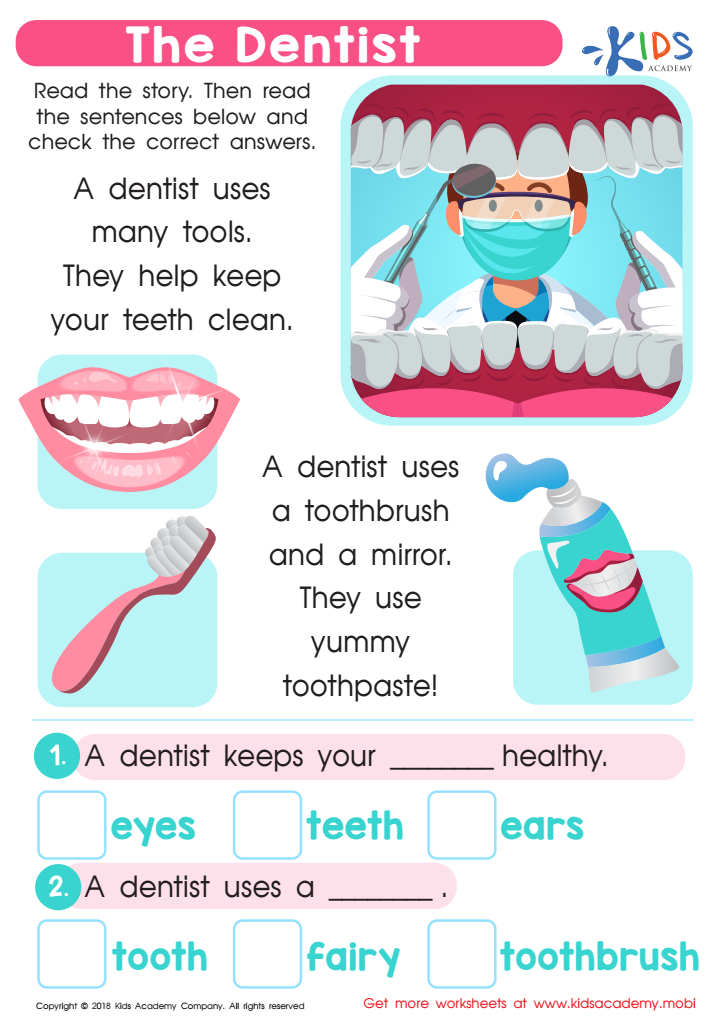
The Dentist Worksheet
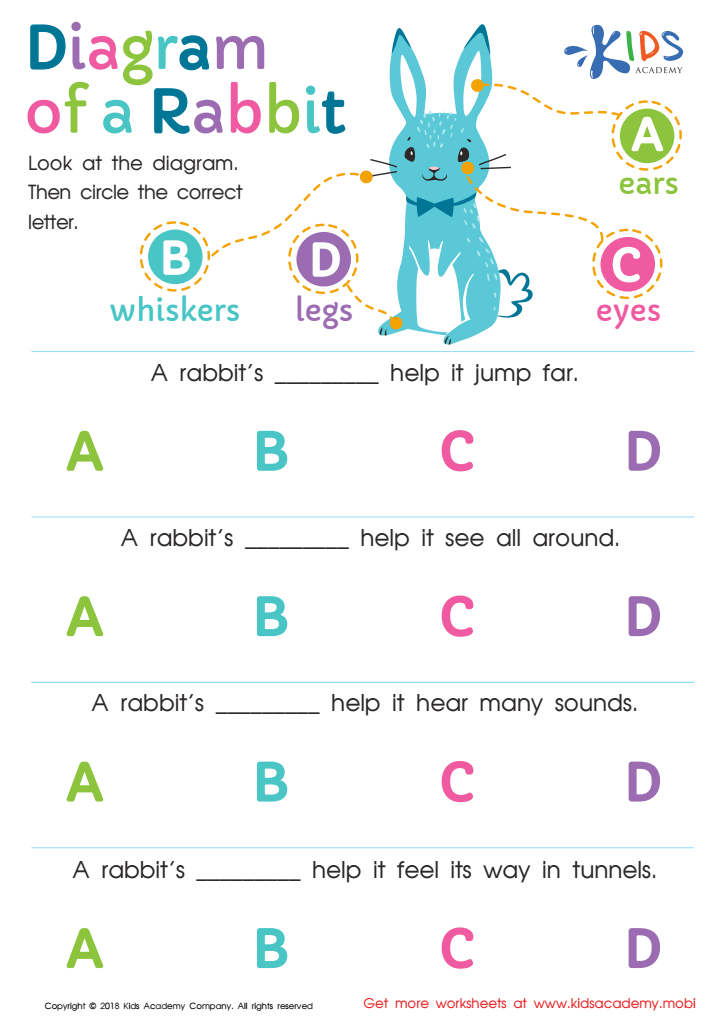
Diagram of a Rabbit Worksheet
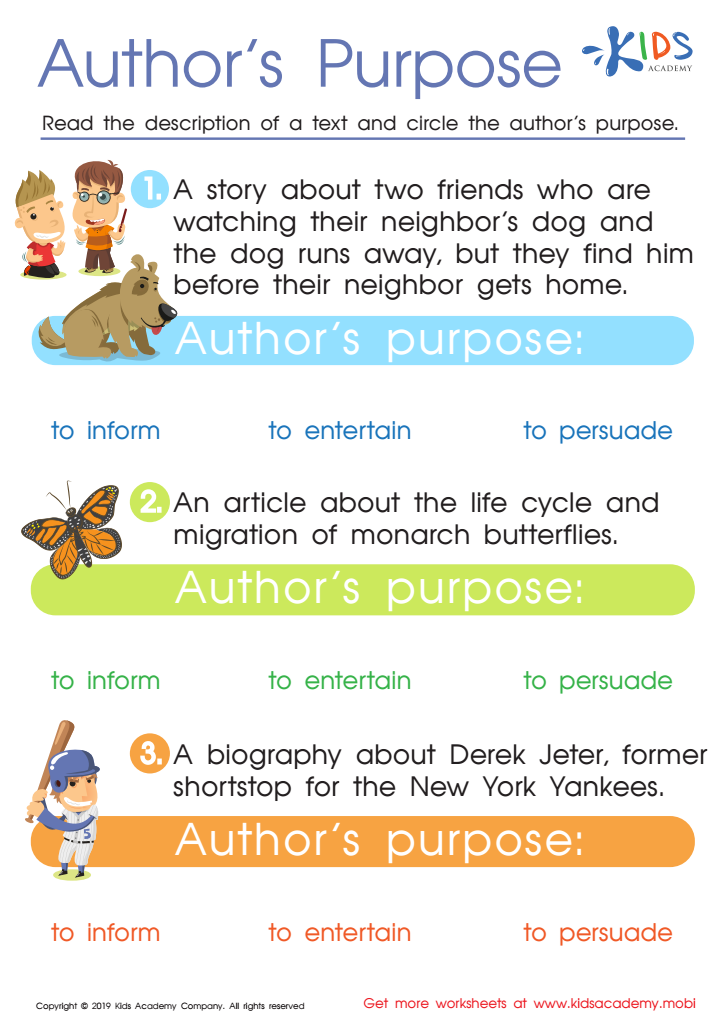
Author's Purpose Worksheet
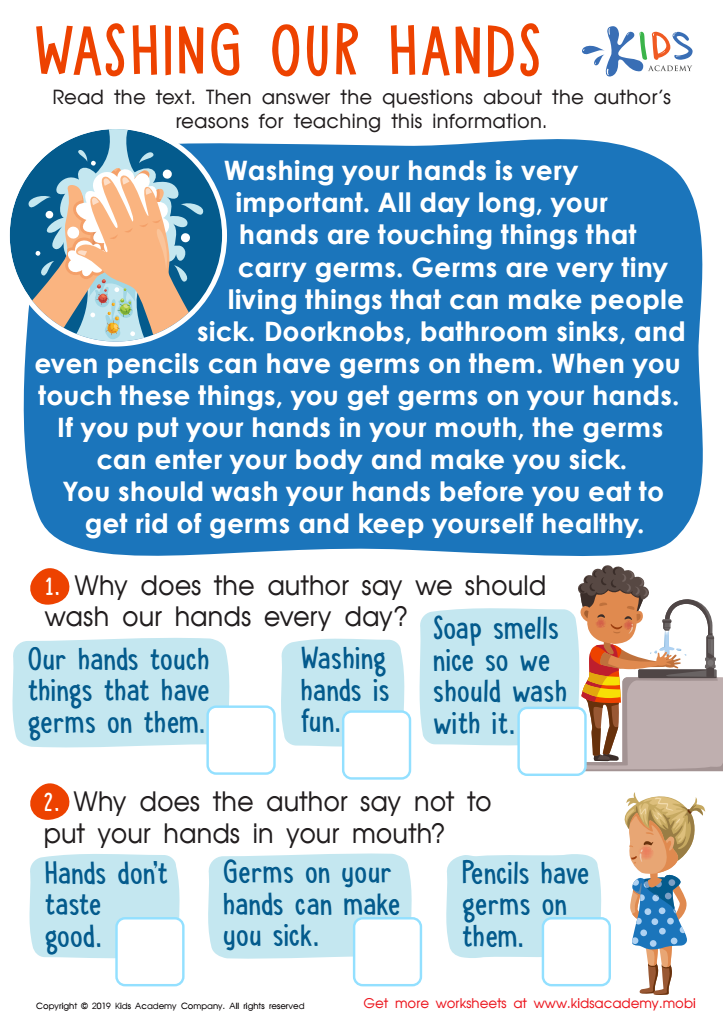
Washing Our Hands Worksheet
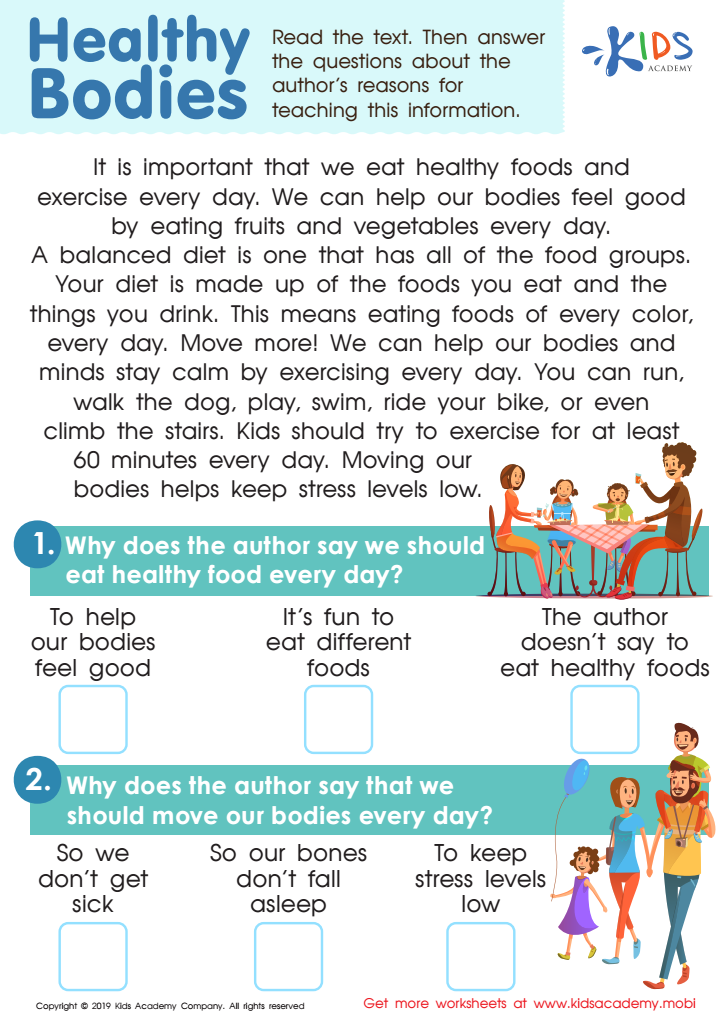
Healthy Bodies Worksheet
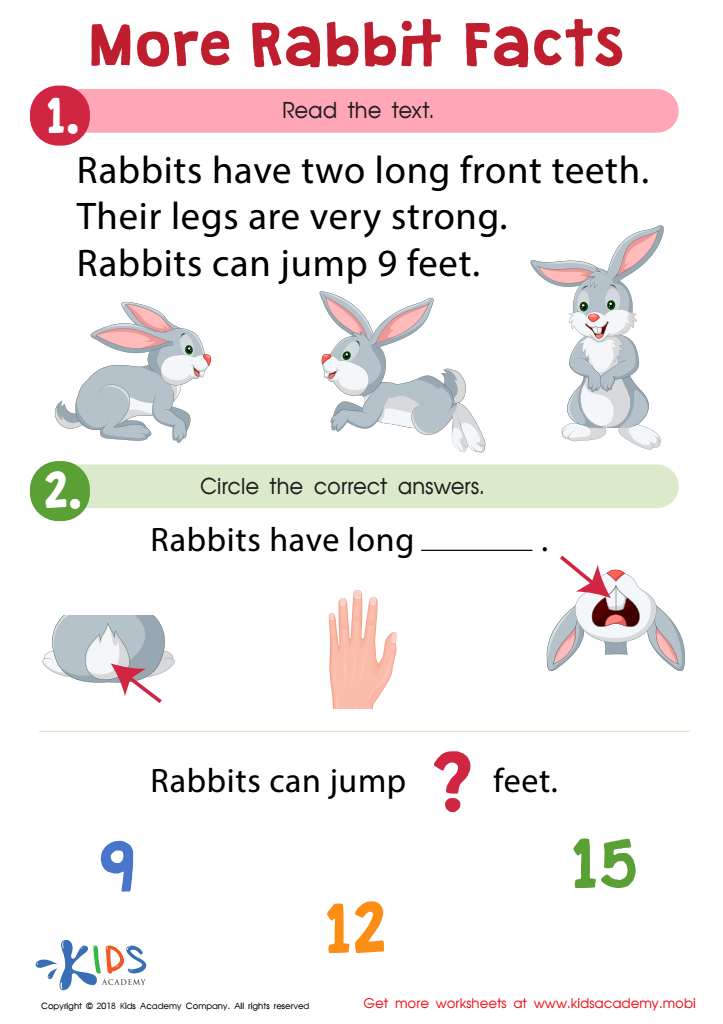
More Rabbit Facts Worksheet
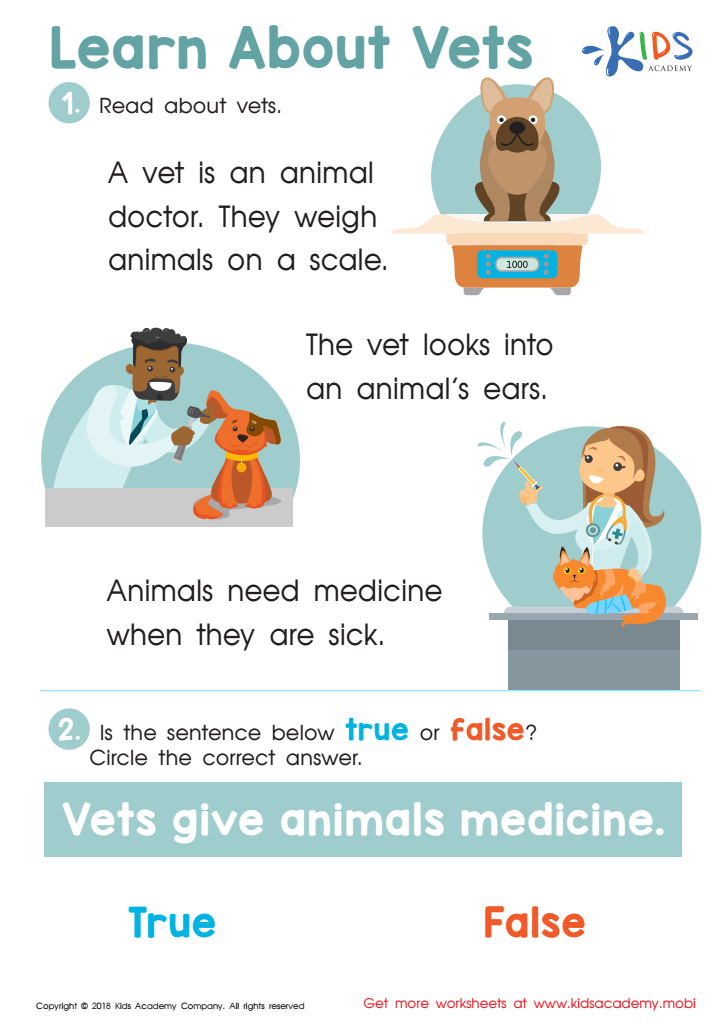
Learn About Vets Worksheet
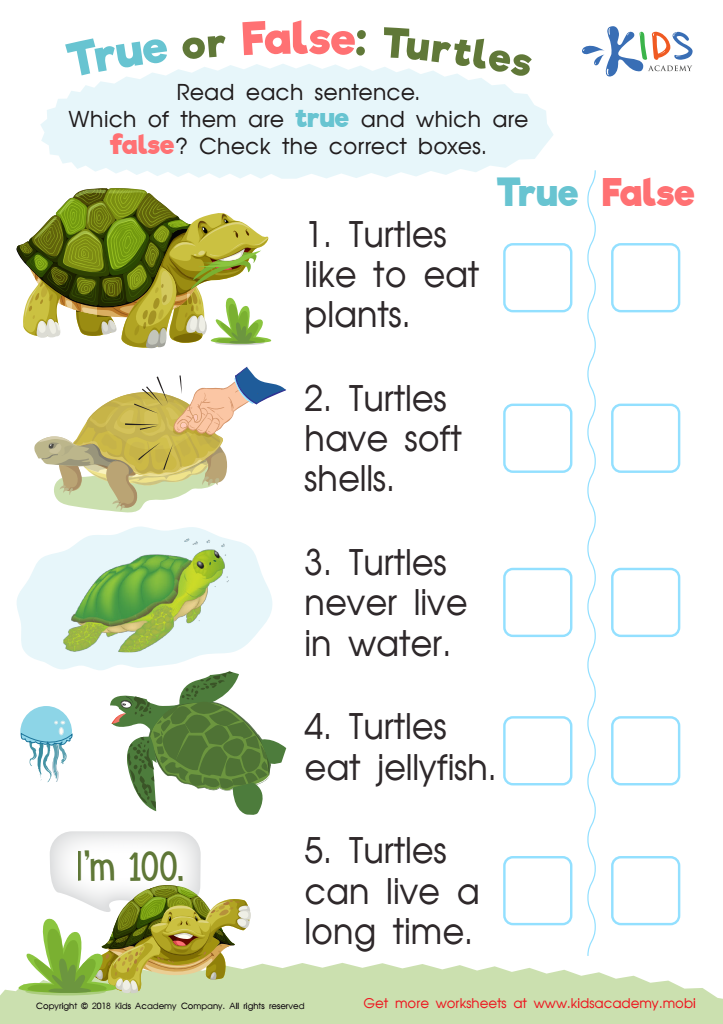
True or False: Turtles Worksheet
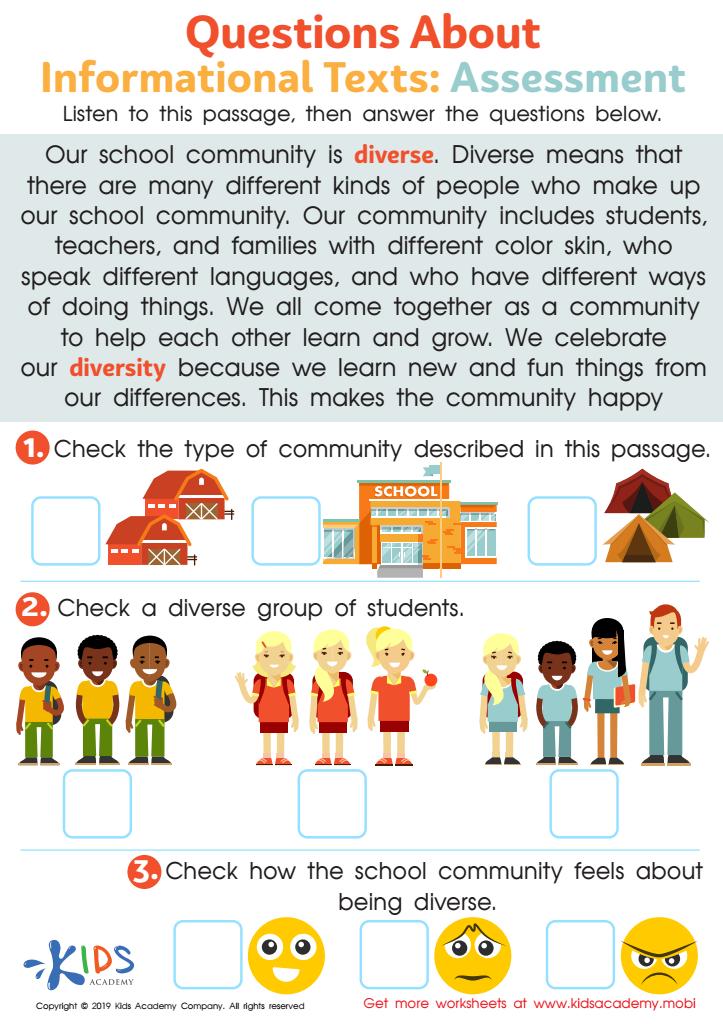
Questions About Informational Texts: Assessment 1 Worksheet
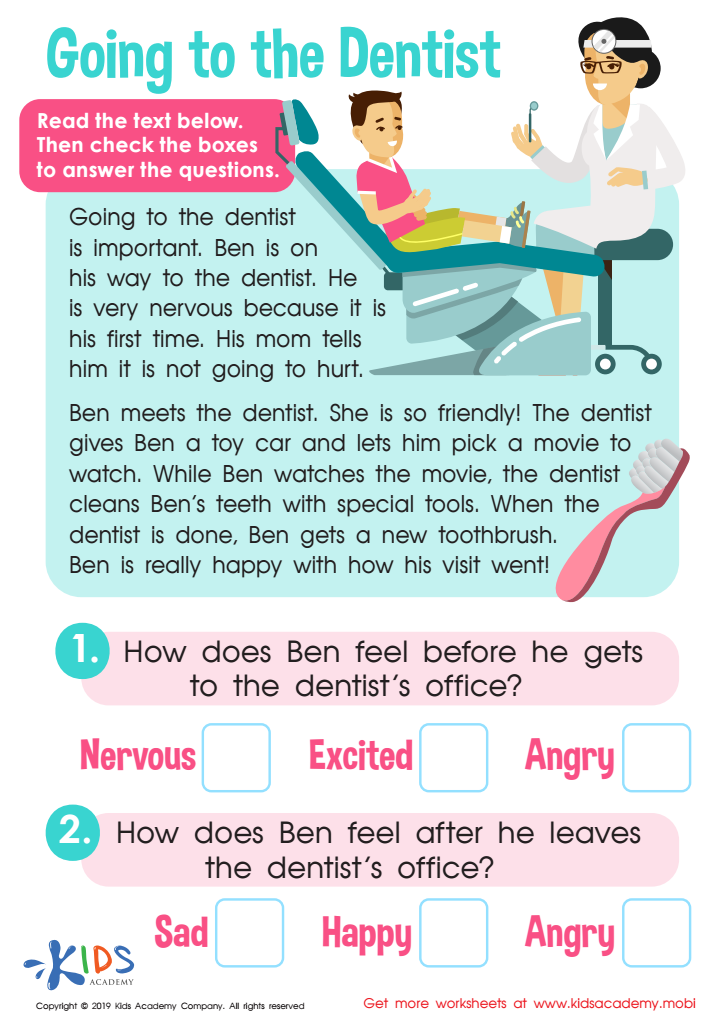
Going to the Dentist Worksheet
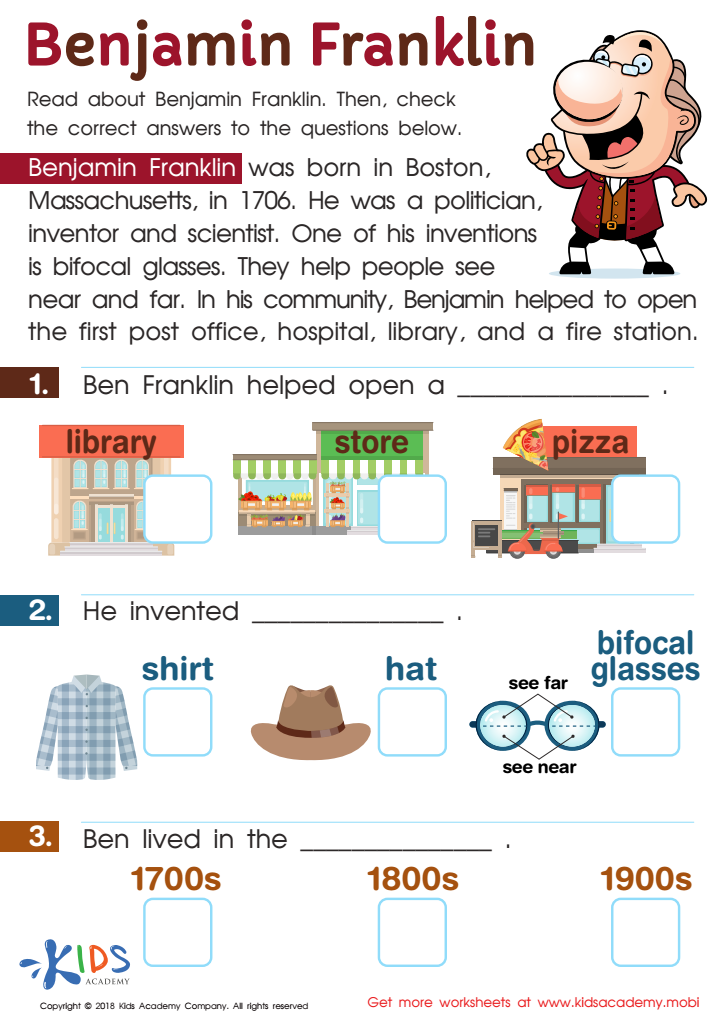
Benjamin Franklin Worksheet
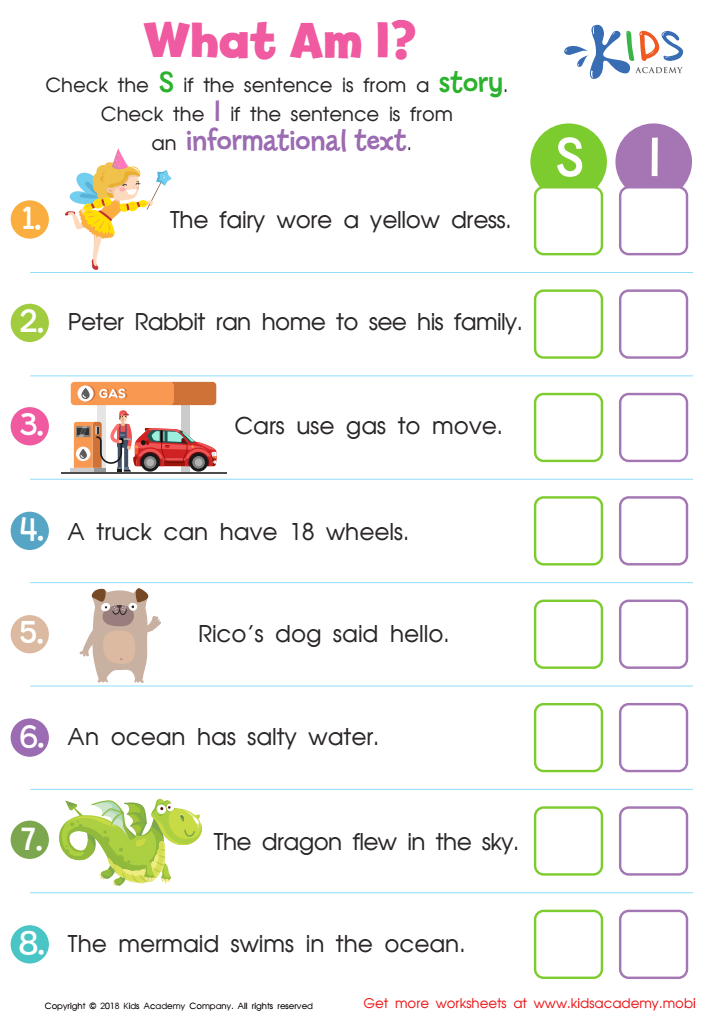
What Am I? Worksheet
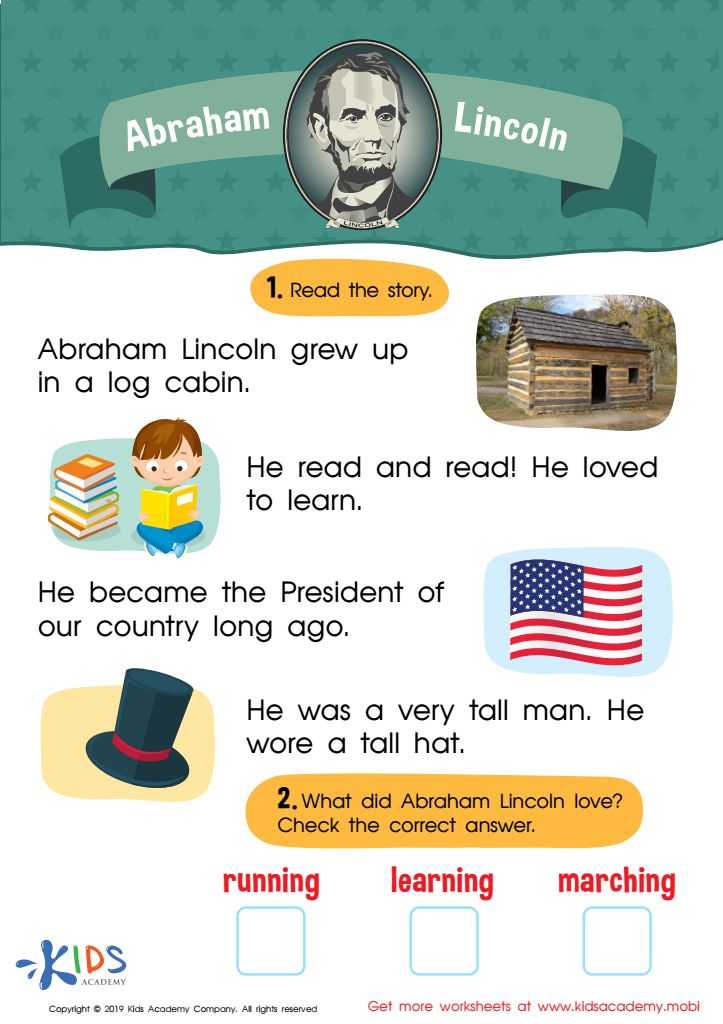
Abraham Lincoln Worksheet
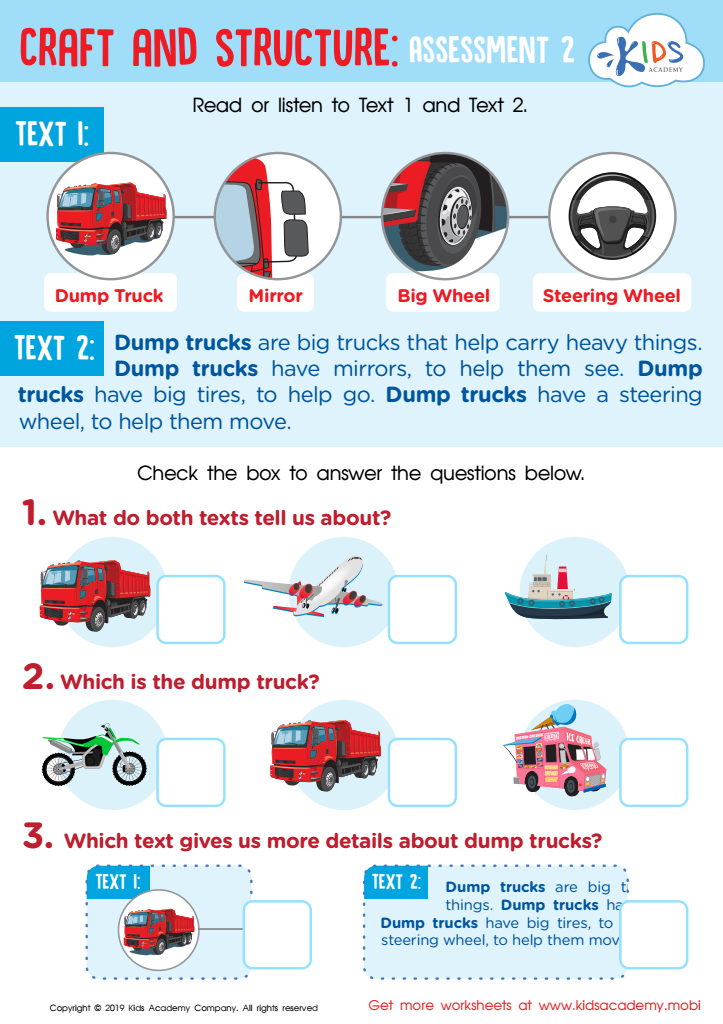
Craft and Structure: Assessment 2 Worksheet








Reading non-fiction books to children aged 4-7 is incredibly beneficial for several reasons, and both parents and teachers should recognize its importance. First, non-fiction books expose children to real-world knowledge and broaden their understanding of various topics, ranging from animals and nature to basic science and history. This early exposure lays the groundwork for future learning and fuels curiosity about the world around them.
Additionally, non-fiction texts often introduce new vocabulary that young children may not encounter in everyday conversations or fictional stories. This helps in enriching their language skills and improves their comprehension abilities. Understanding different text structures, such as factually accurate diagrams, charts, and sequential explanations, is another skill developed through non-fiction reading and prepares kids for later academic challenges.
Furthermore, reading factual content can boost critical thinking and observational skills. Children learn to differentiate between facts and opinions, evaluate information, and ask insightful questions. Such skills are vital for becoming informed and inquisitive individuals.
Lastly, non-fiction reading can tap into children's existing interests, such as dinosaurs, space, or vehicles, making reading an exciting and engaging activity. When parents and teachers prioritize non-fiction, they not only foster a love for reading but also lay a strong educational foundation that supports lifelong learning and curiosity.