Normal Life Science Worksheets for Ages 4-7
17 filtered results
-
From - To
Discover engaging Normal Life Science Worksheets for children aged 4-7, designed to spark curiosity and foster a love for science! Our carefully crafted worksheets introduce young learners to essential life science concepts through fun and interactive activities. Covering topics such as plants, animals, ecosystems, and human body basics, these resources aim to enhance critical thinking and observational skills. Perfect for homeschooling or classroom use, our worksheets promote hands-on learning while supporting early childhood development. With colorful illustrations and age-appropriate content, these life science activities are perfect for inspiring little scientists. Explore our collection today and transform learning into an exciting adventure!
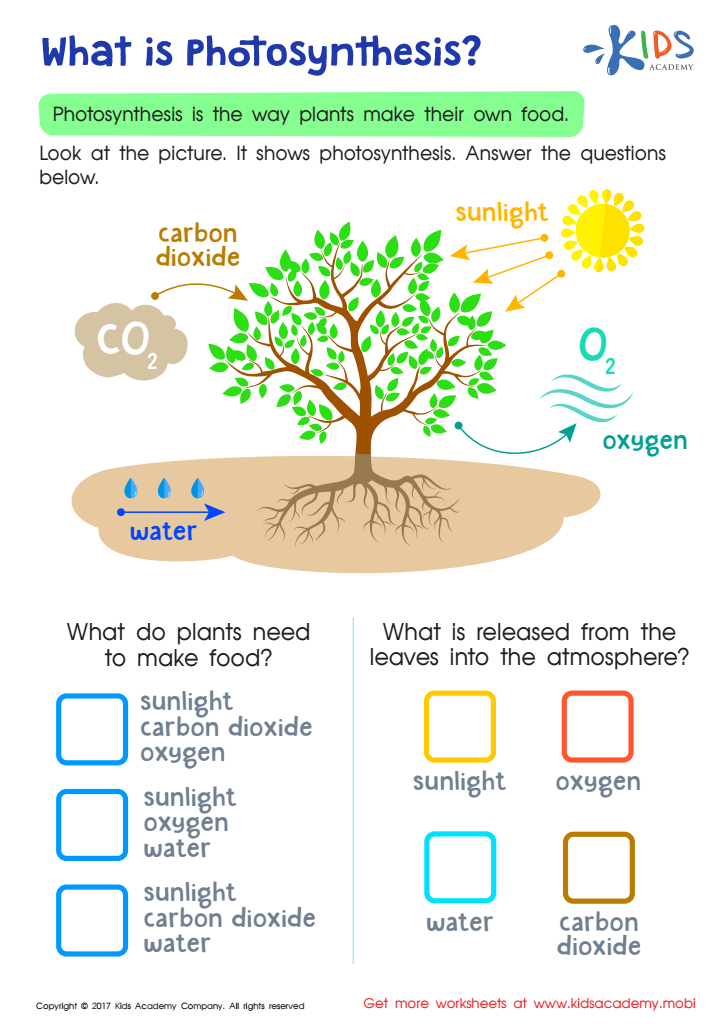
What is Photosynthesis Printable
 Assign to My Students
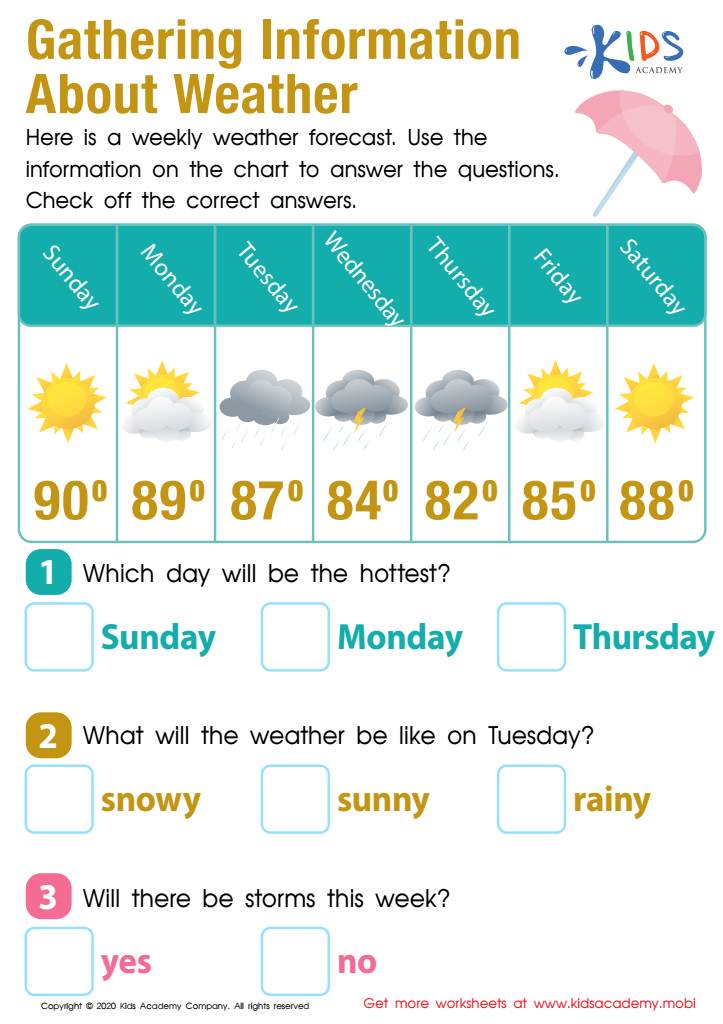
Gathering Information About the Weather Worksheet
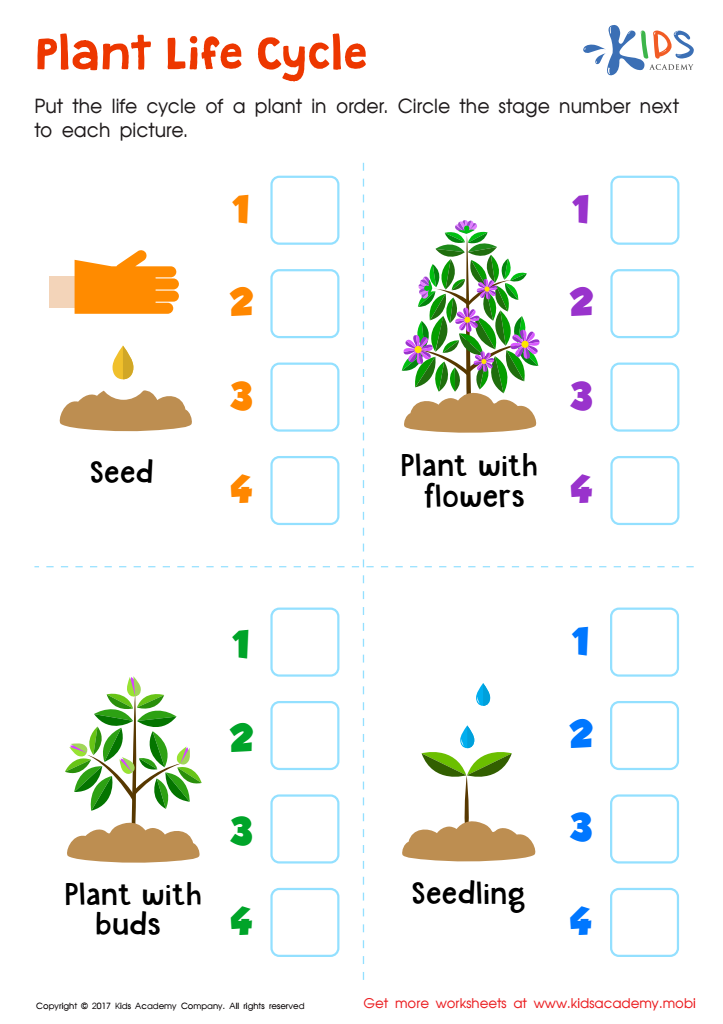
Plant Life Cycle Printable
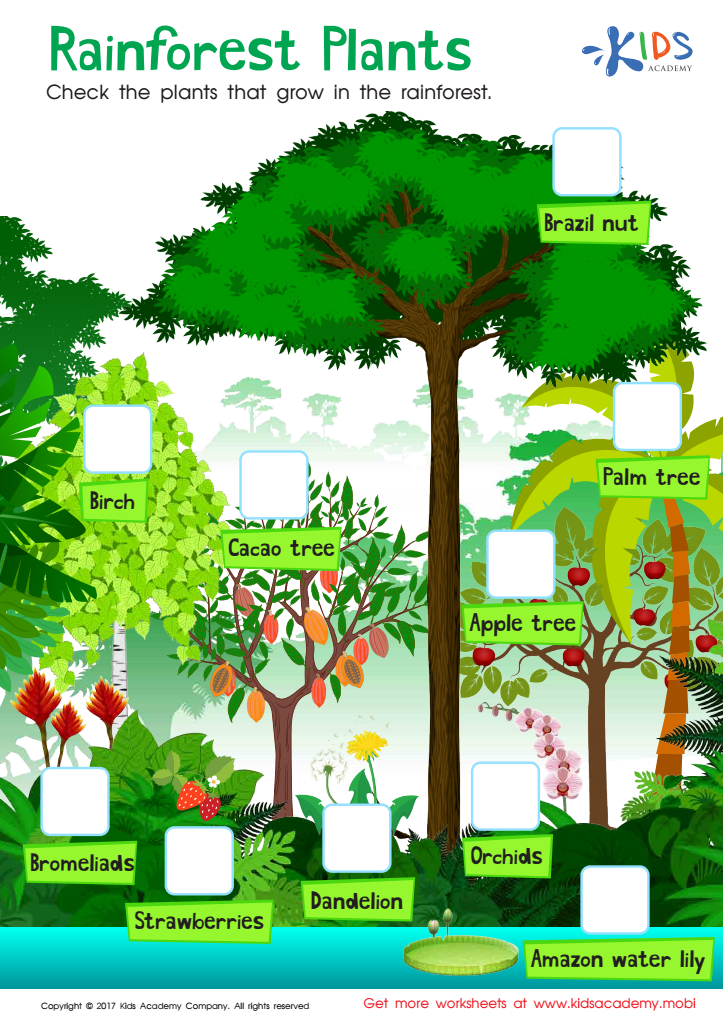
Rainforest Plants Worksheet
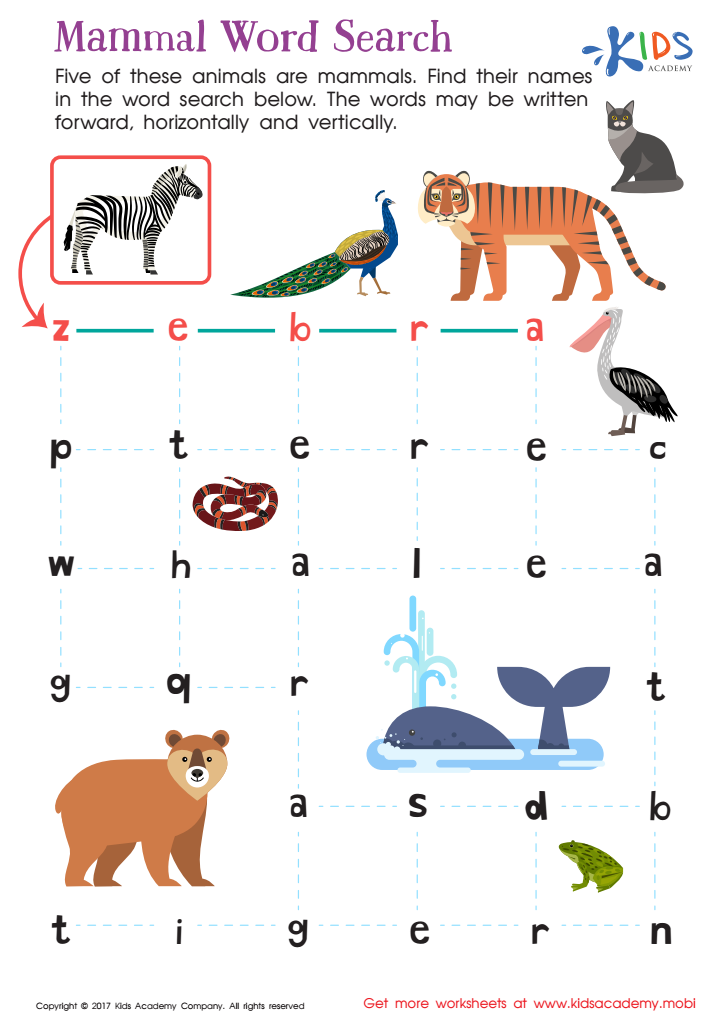
Printable Mammal Word Search
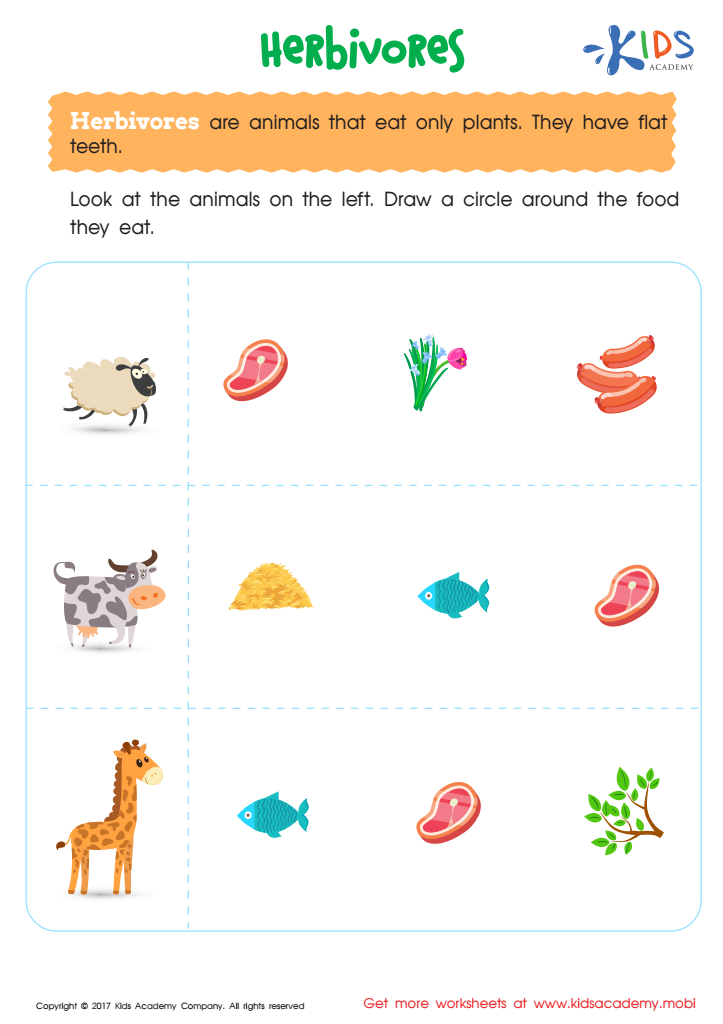
Herbivores Printable
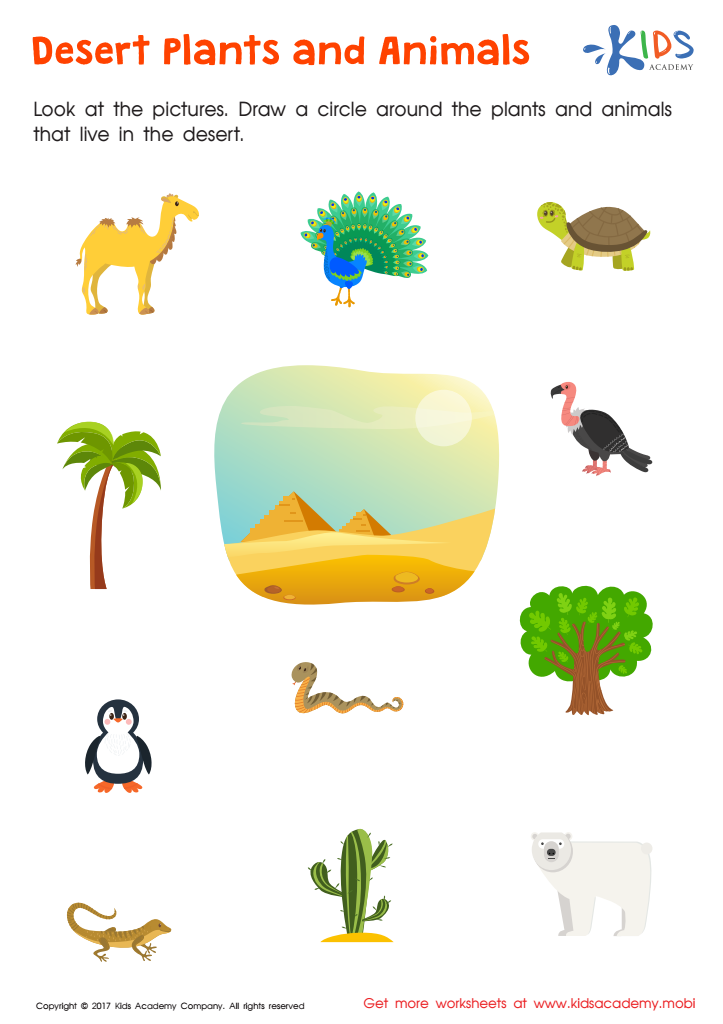
Desert Plants Animals Printable
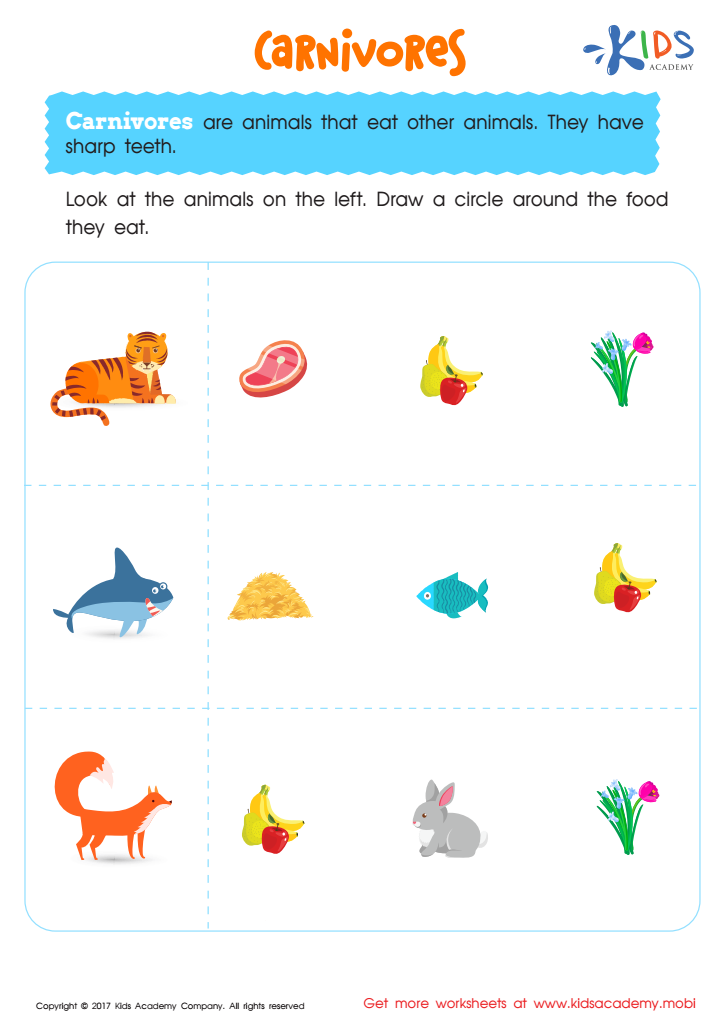
Carnivores Worksheet
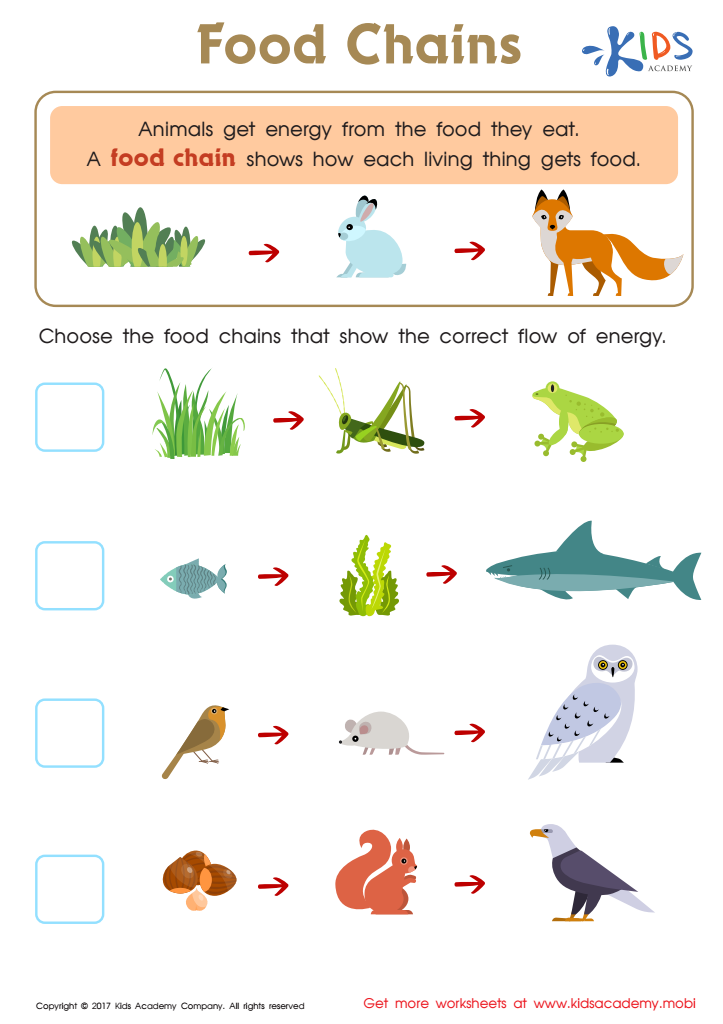
Food Webs and Food Chains Worksheet
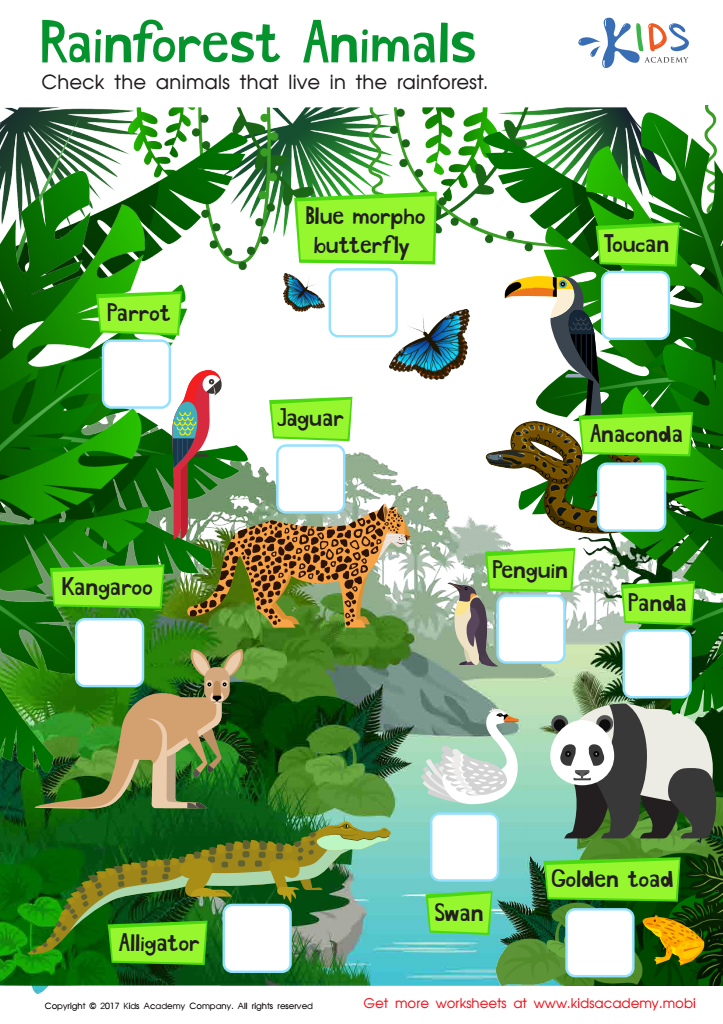
Rainforest Animals Worksheet
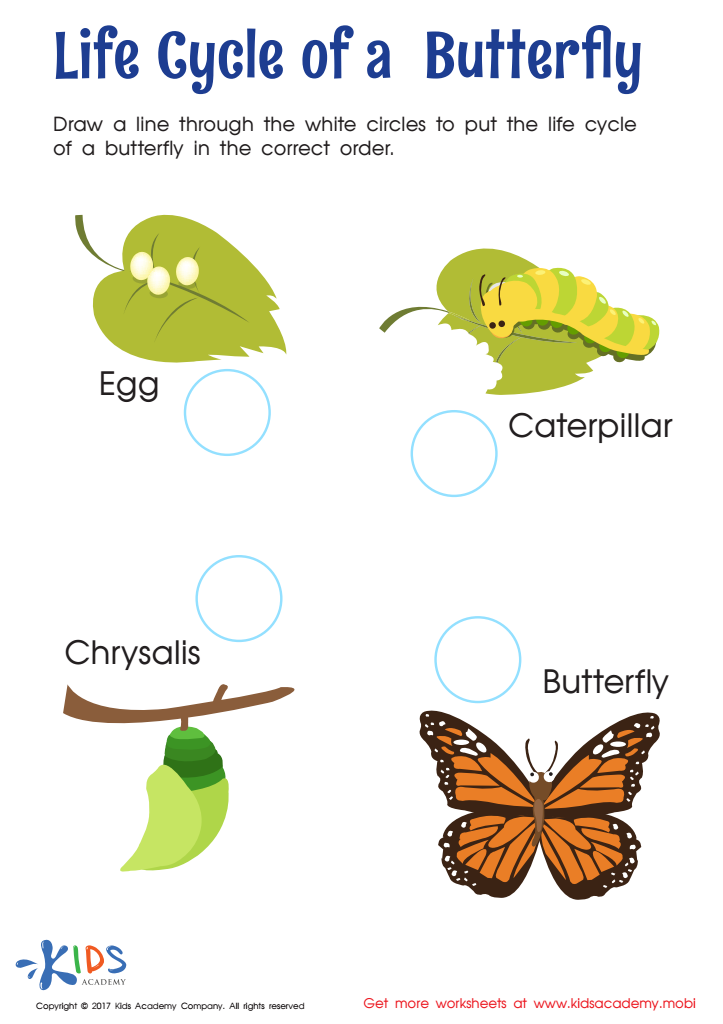
Life Cycle of Butterfly Worksheet
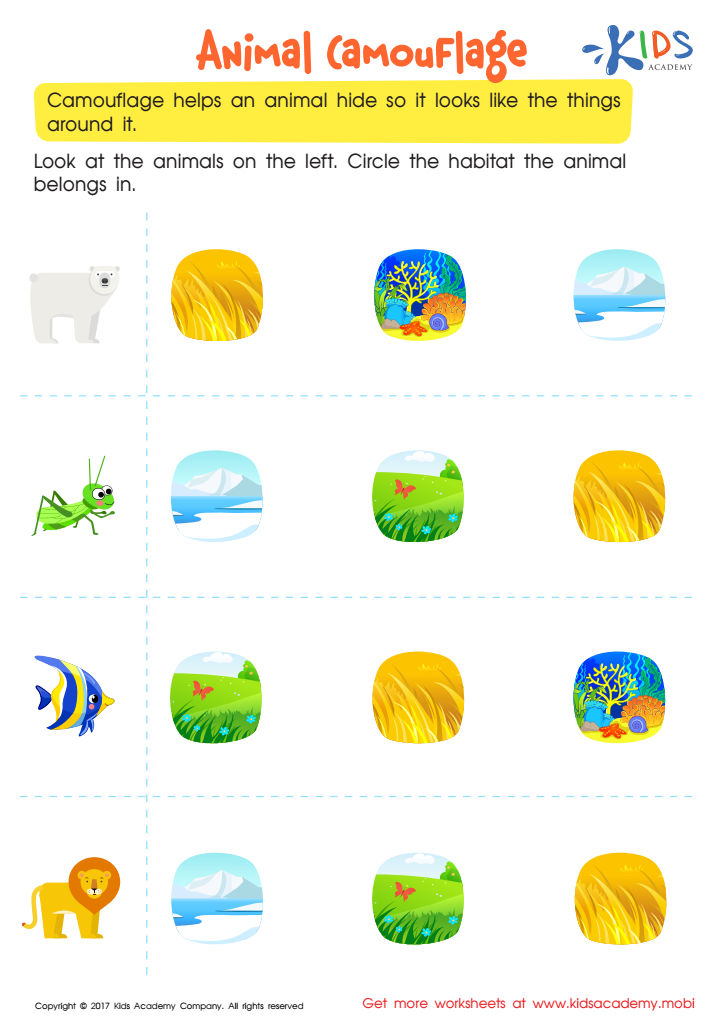
Animal Camouflage Worksheet
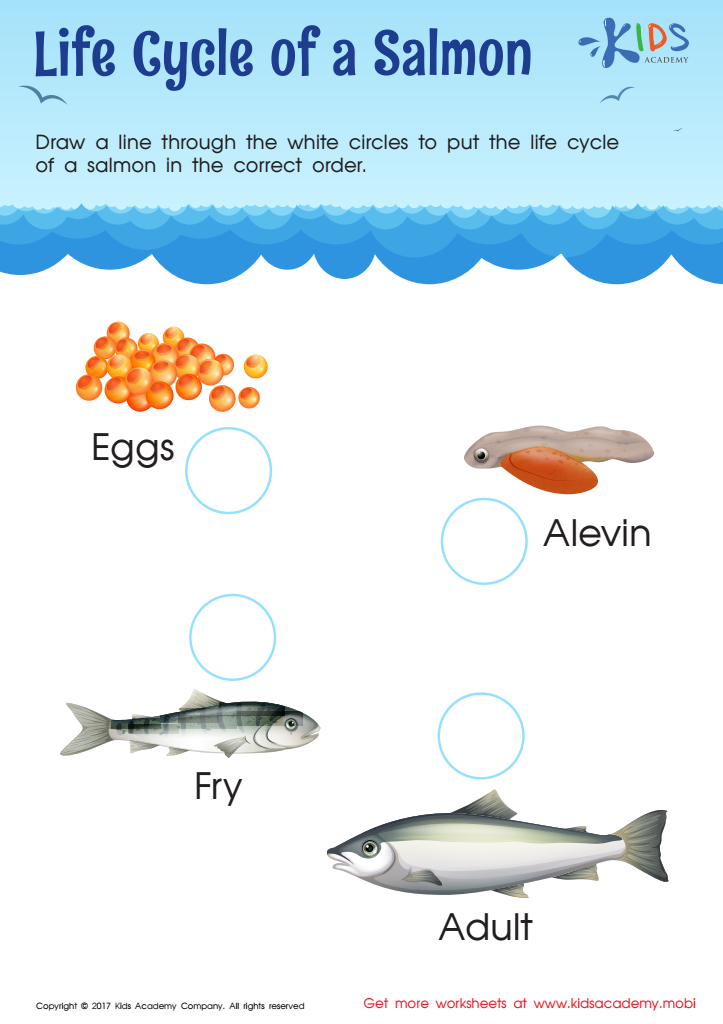
Cycle Of Salmon Worksheet
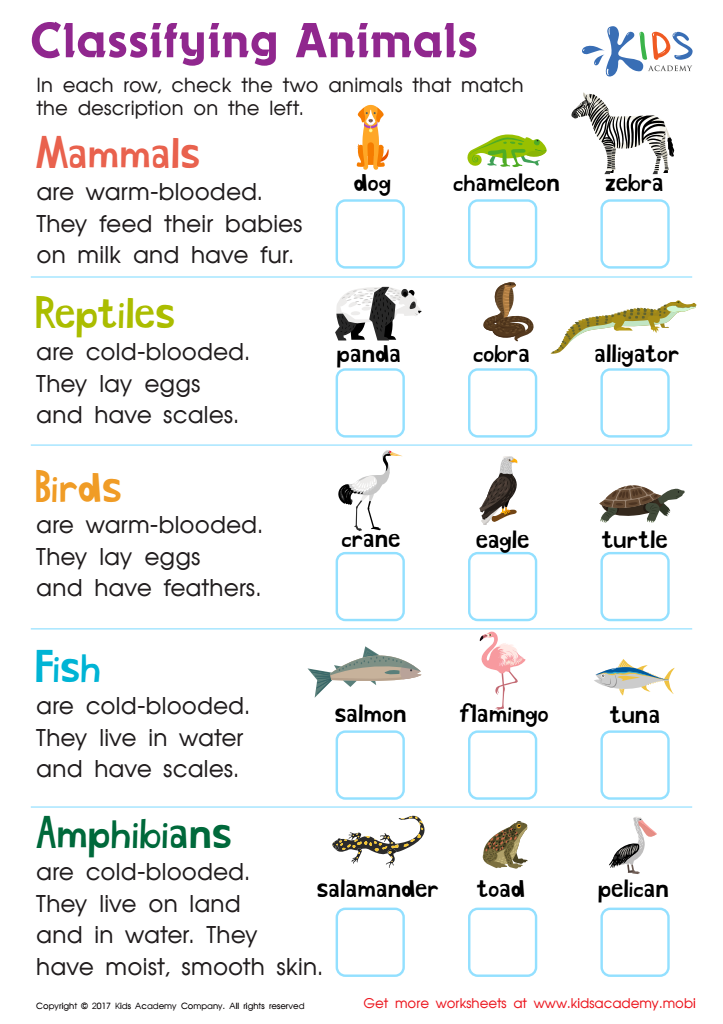
Classifying Animals Worksheet
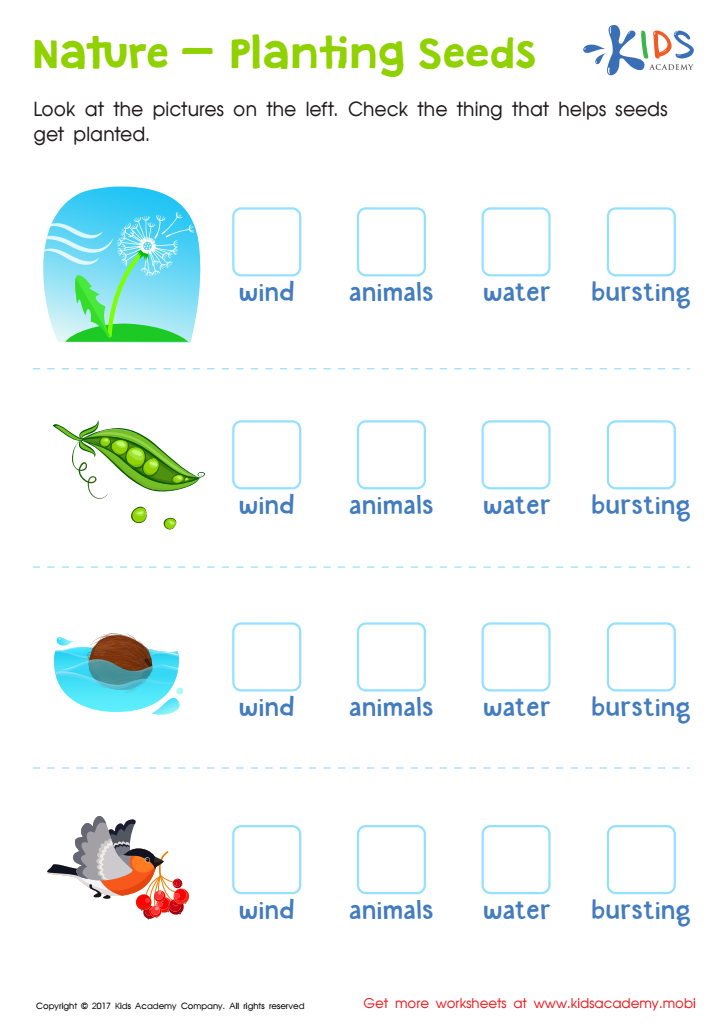
Nature Planting Seeds Worksheet
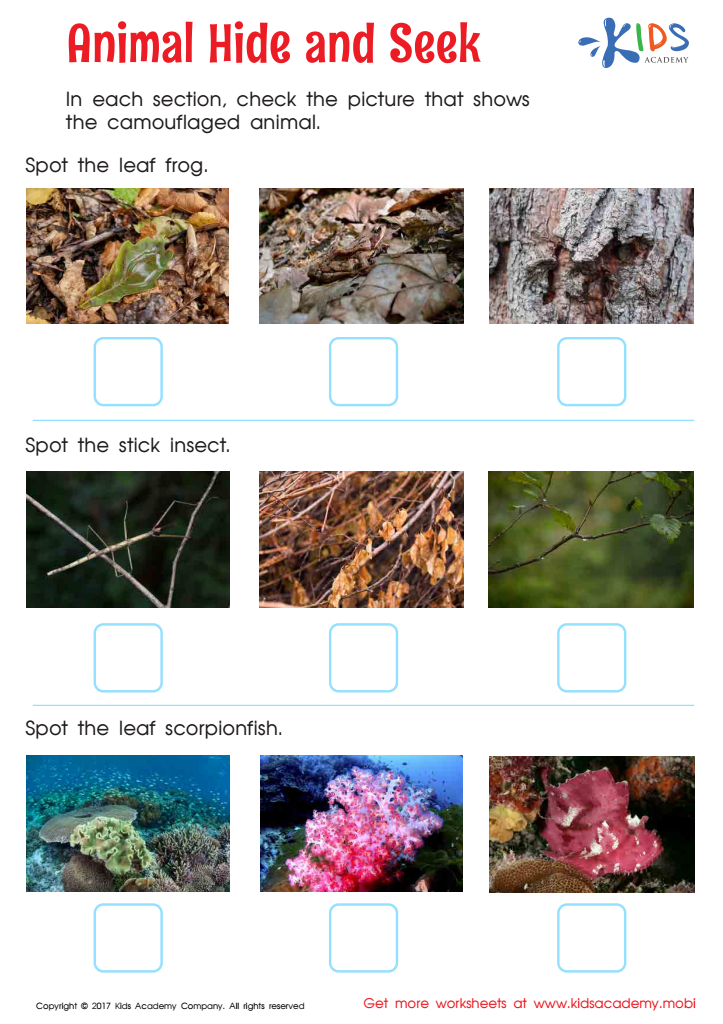
Animal Hide and Seek Worksheet
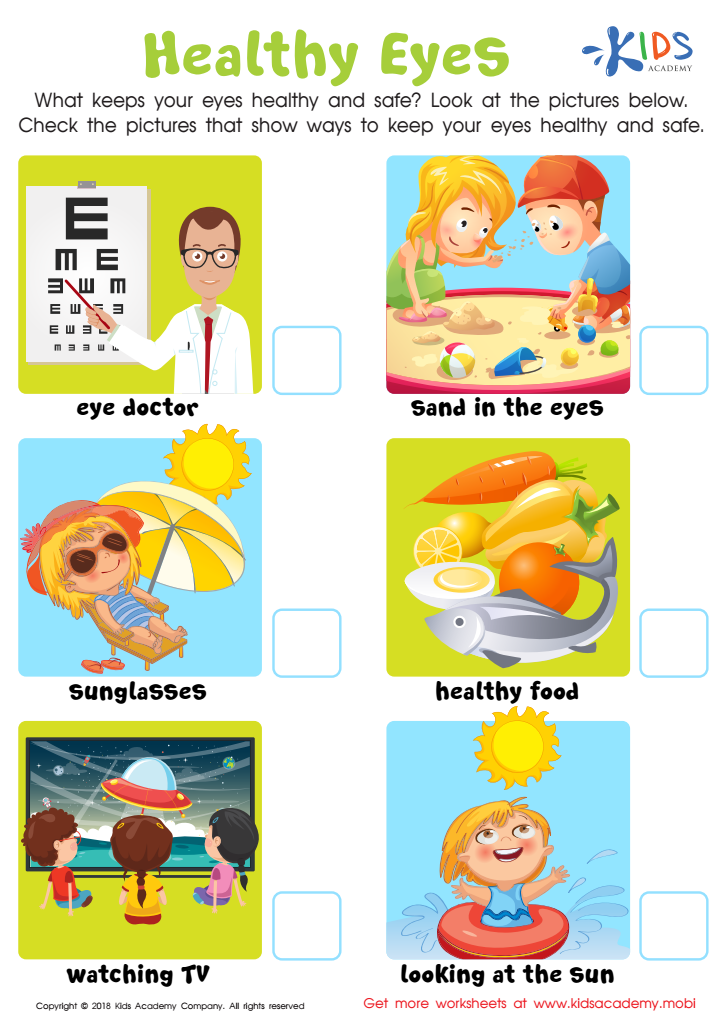
Healthy Eyes Worksheet







Parents and teachers should prioritize Normal Life Science for children aged 4-7 because it lays a critical foundation for understanding the world around them. At this developmental stage, children's innate curiosity about living things, their environments, and how they interact is at an all-time high. Life science engages this curiosity, encouraging exploration and critical thinking as children learn about plants, animals, and human life.
Early exposure to life sciences cultivates a sense of wonder and respect for nature. It promotes inquiry-based learning, allowing children to ask questions, develop hypotheses, and discover answers through observation and experimentation. Such experiences help develop essential skills in problem-solving and analytical thinking that will be vital throughout their education.
Furthermore, learning about life science can foster emotional and social growth. Understanding ecosystems, biodiversity, and the importance of caring for the environment can instill values of empathy, responsibility, and sustainability. As these children grow, they become more informed citizens who appreciate the importance of conservation and stewardship in everyday life.
In summary, integrating Normal Life Science into the curriculum for young children encourages curiosity, nurtures critical thinking, and builds a foundation for responsible global citizenship, making it an essential component of their early education.








