Normal Geography Worksheets for Ages 4-7 - Page 2
46 filtered results
-
From - To
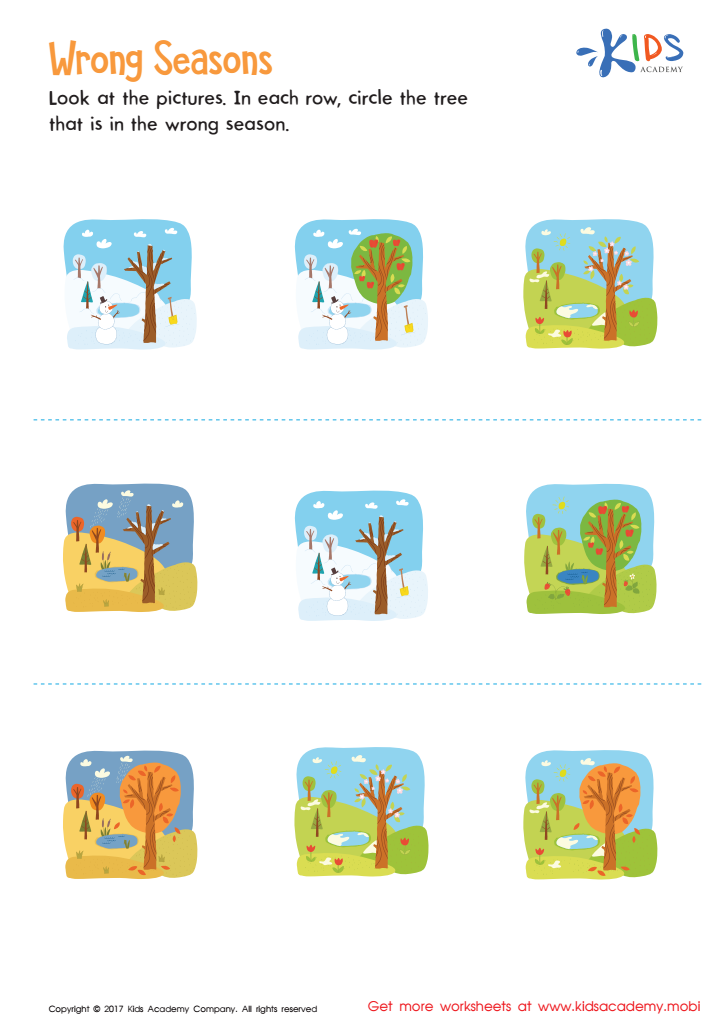
Wrong Seasons Worksheet
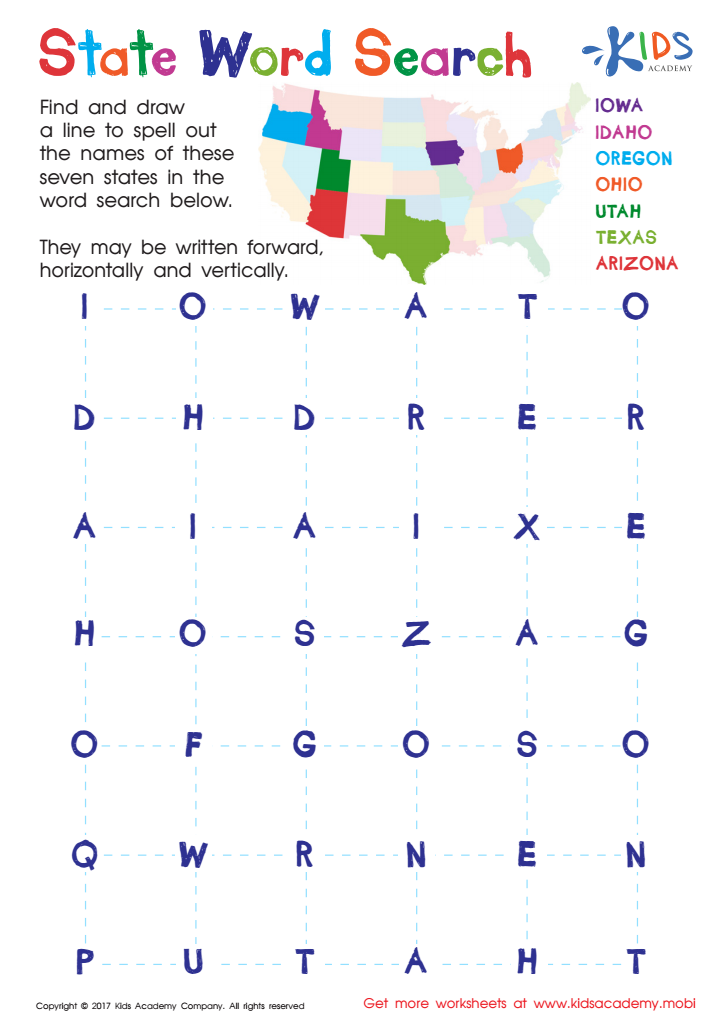
State Word Search Worksheet
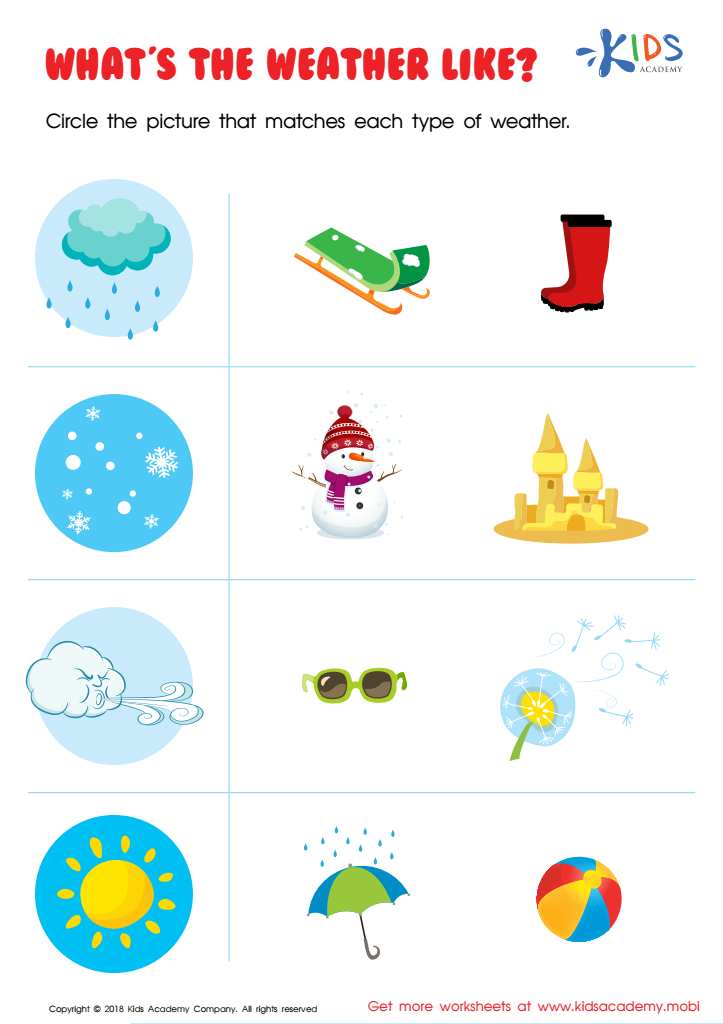
What's the Weather Like? Worksheet
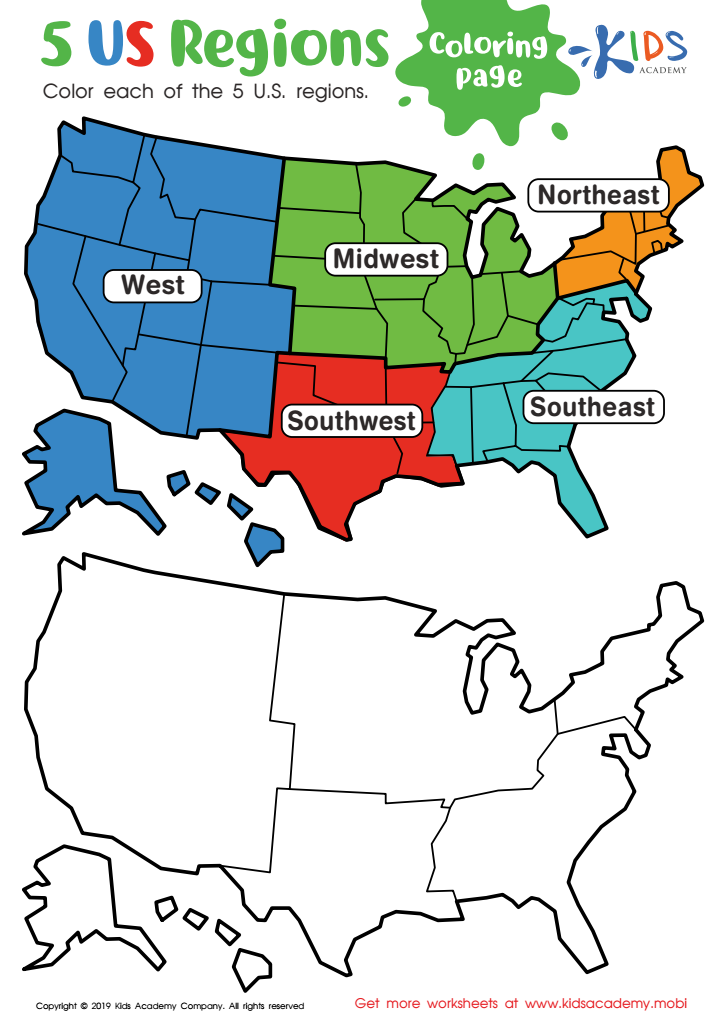
US Regions Coloring Page Worksheet
 Assign to My Students
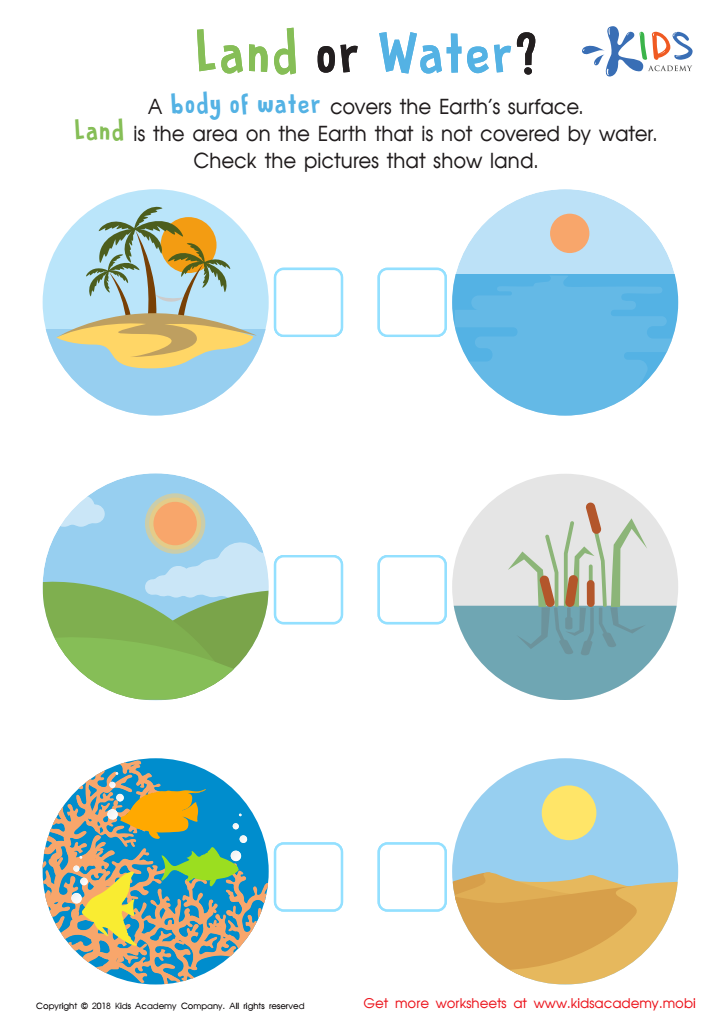
Land or Water Worksheet
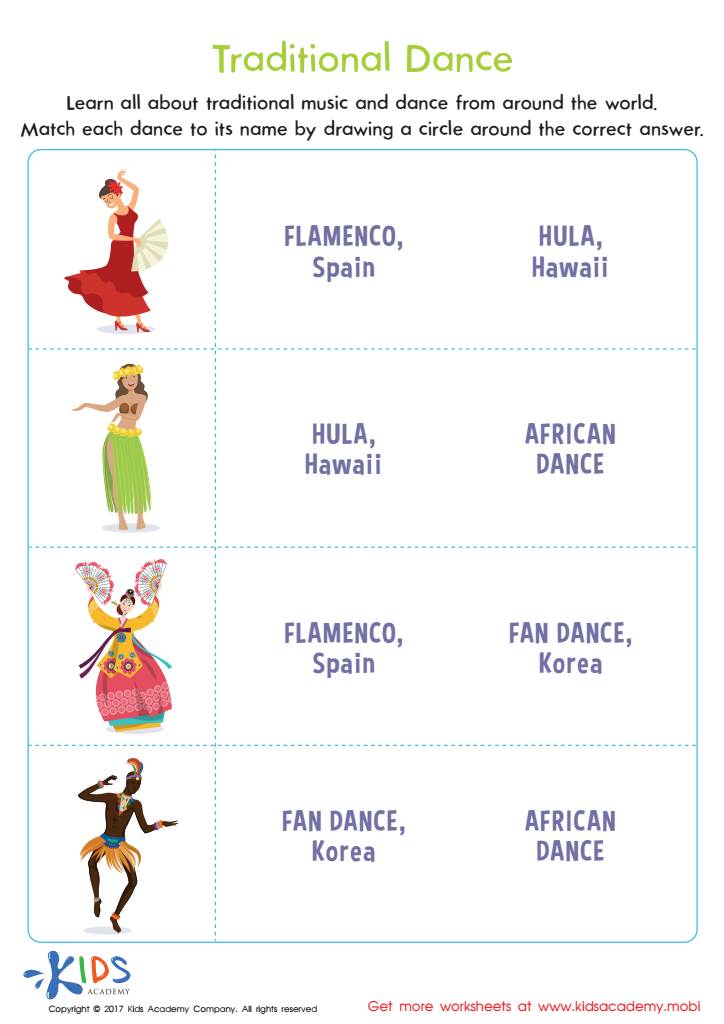
Traditional Dance Printable
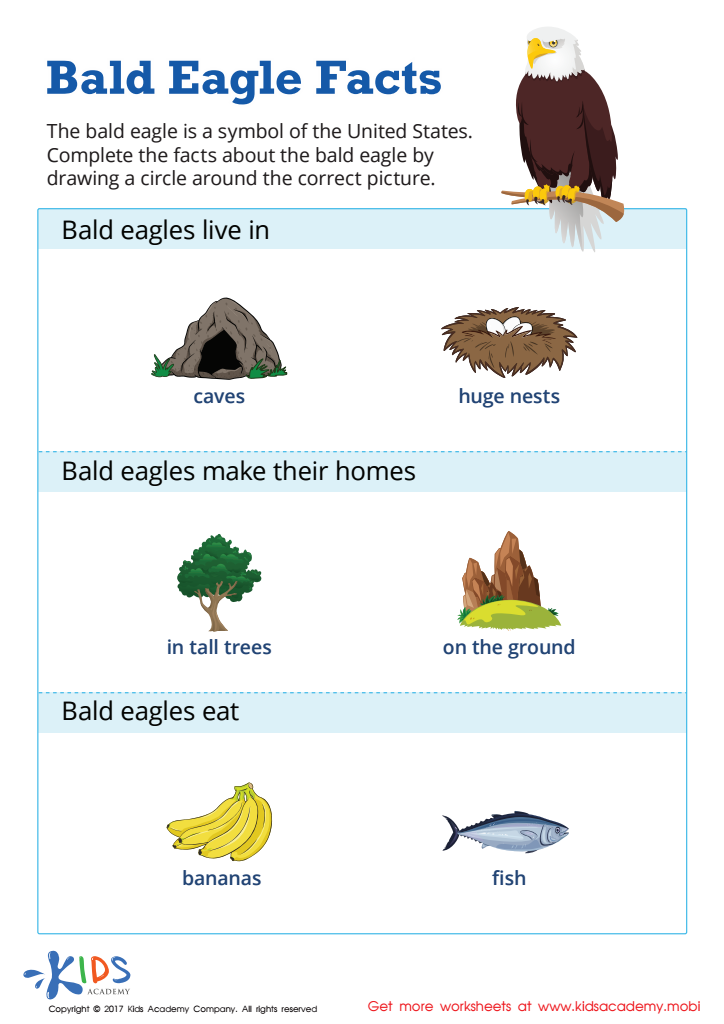
Bald Eagle Facts Worksheet
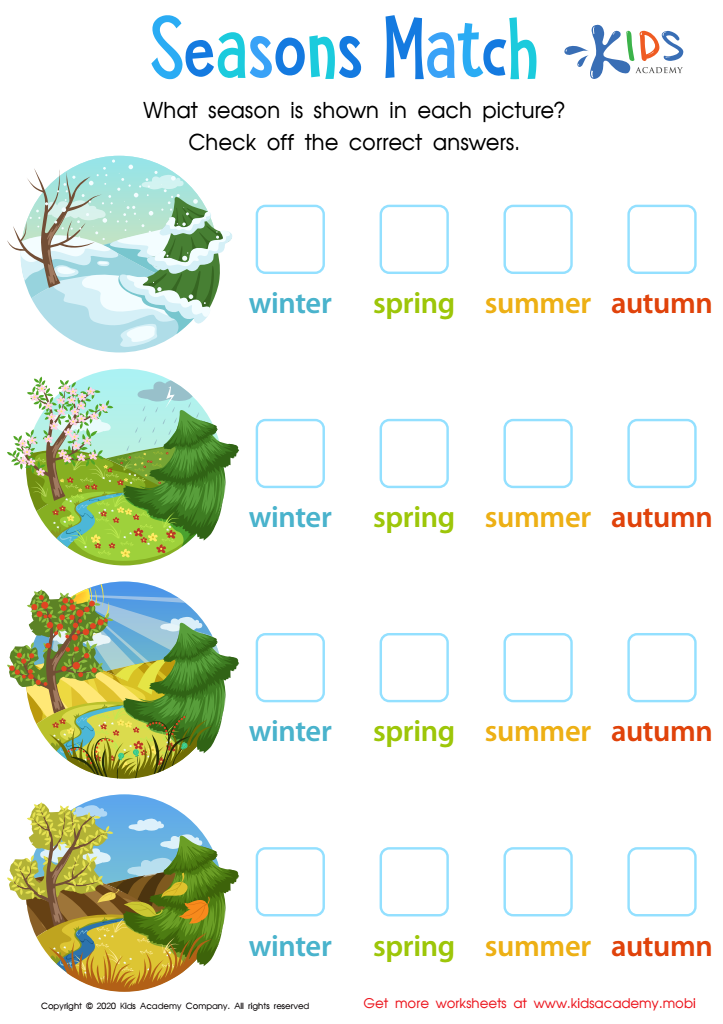
Seasons Match Worksheet
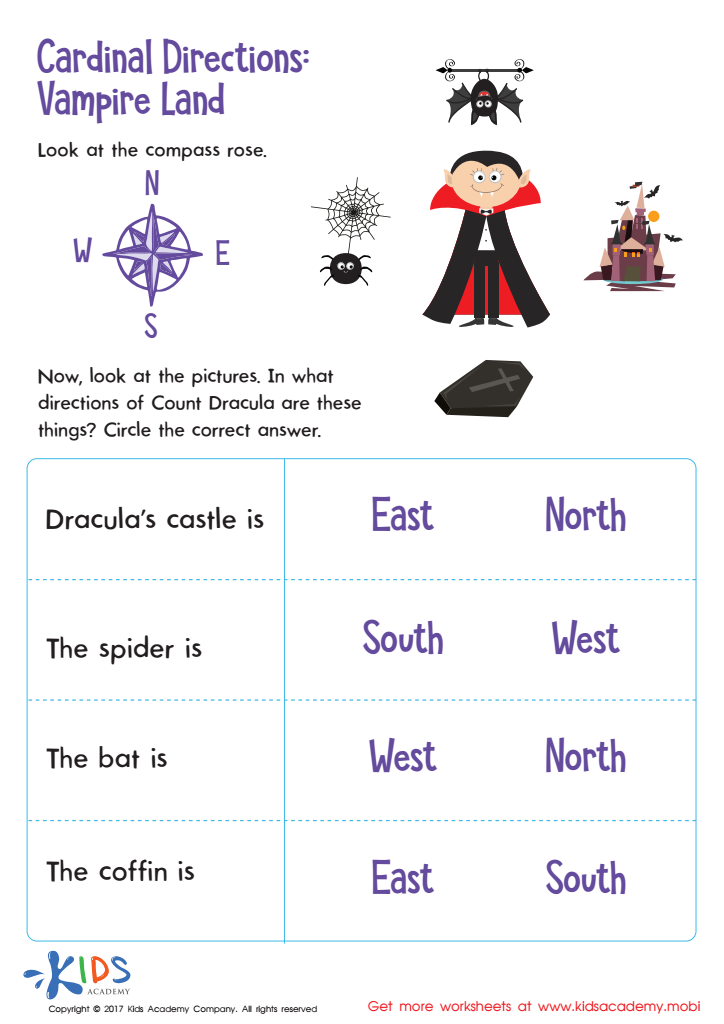
Cardinal Directions Printable
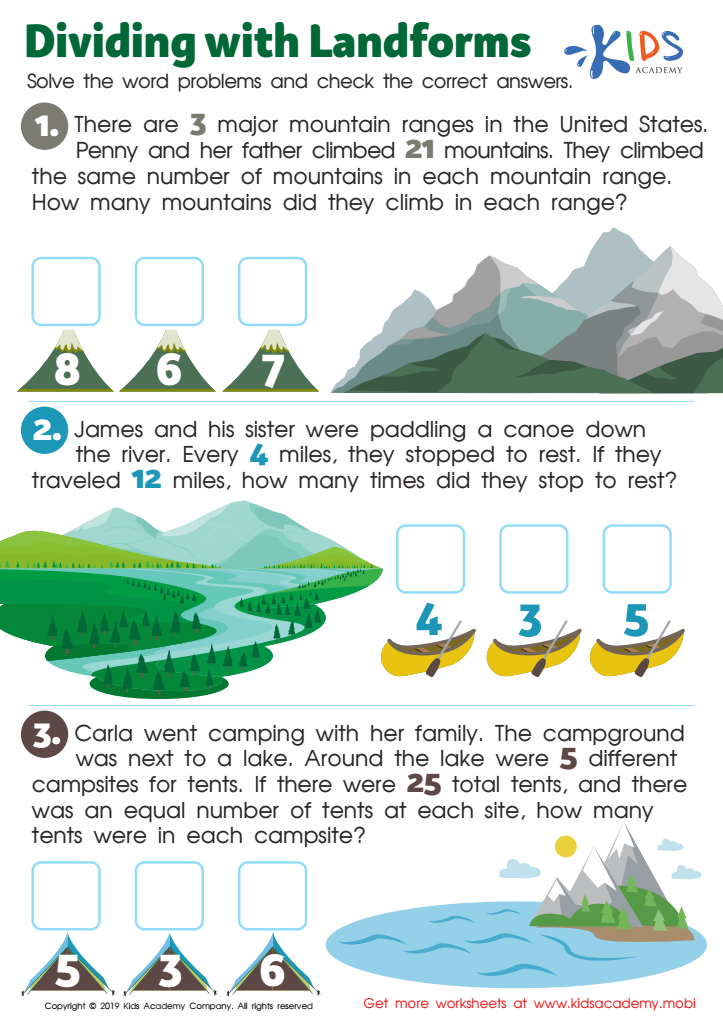
Dividing with Landforms
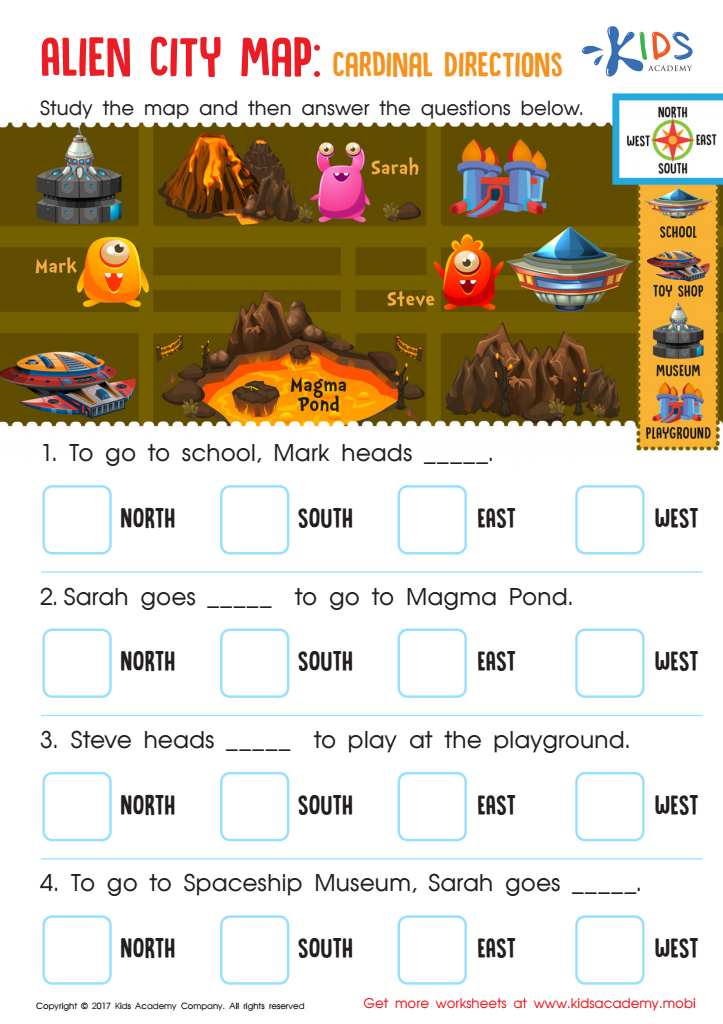
Alien City Map: Cardinal Directions Worksheet
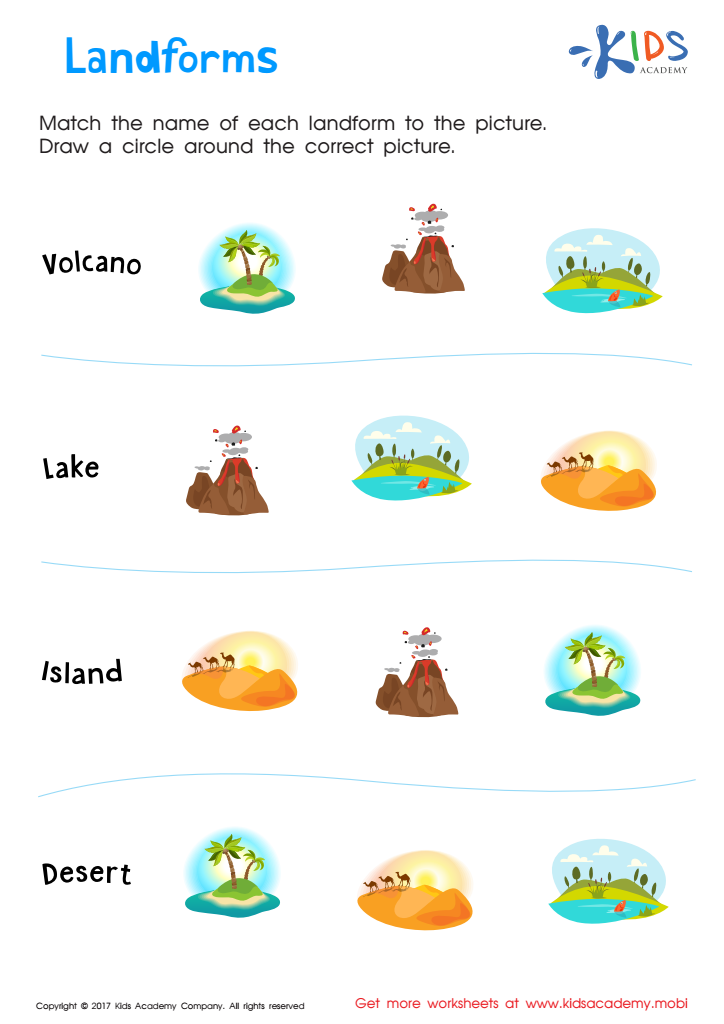
Landforms Printable
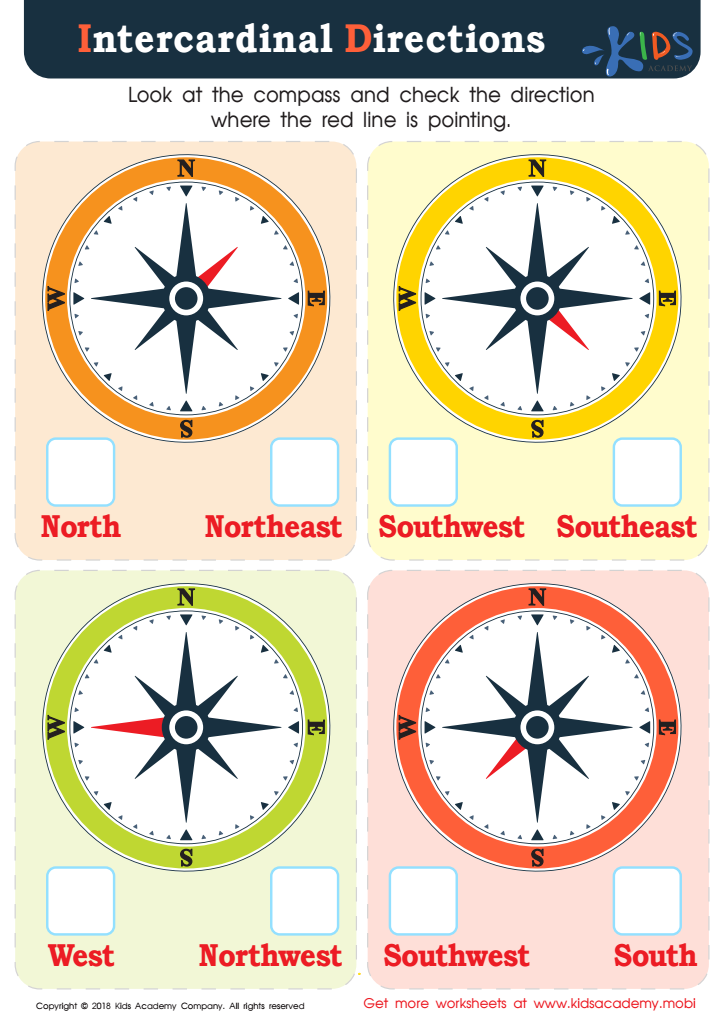
Intercardinal Directions Worksheet
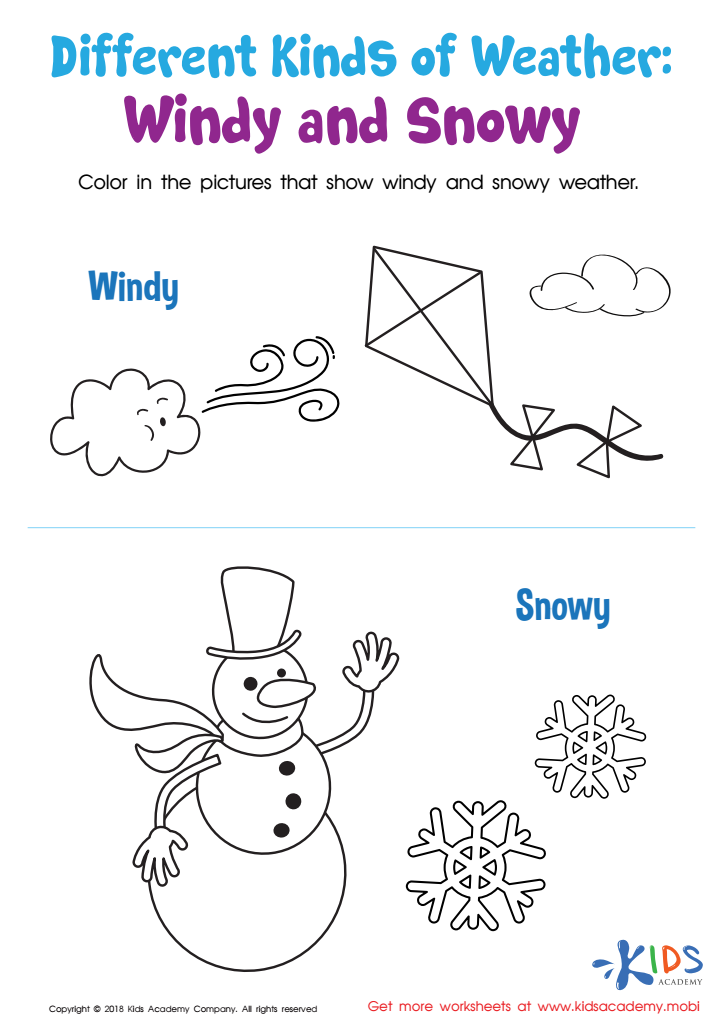
Different Kinds of Weather: Windy and Snowy Worksheet
Assign to My Students
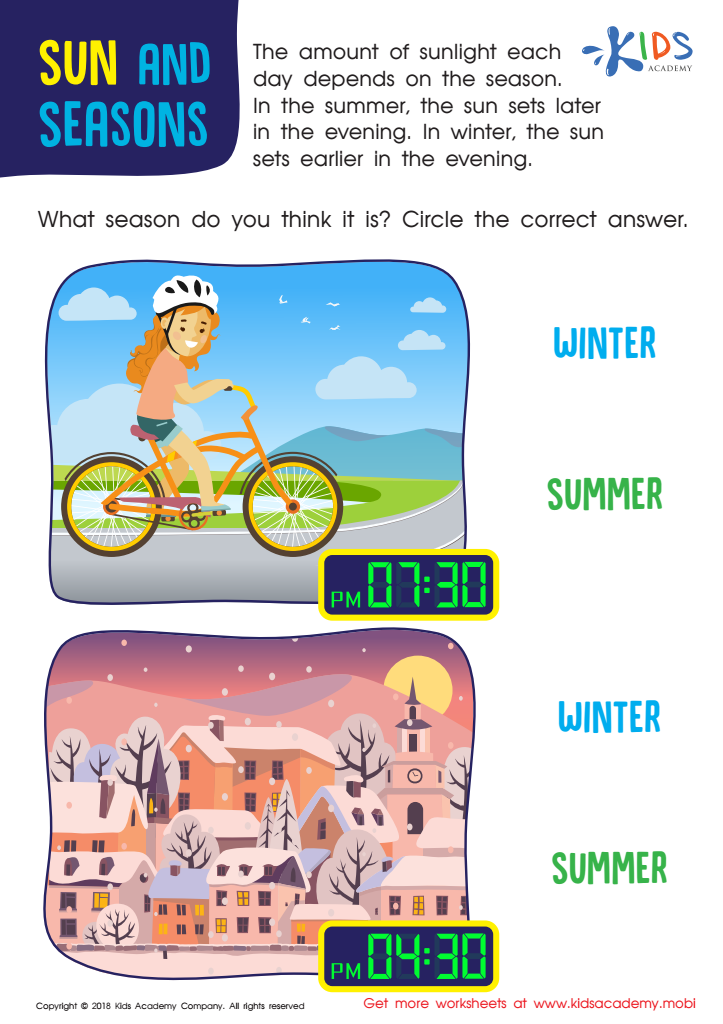
Sun and Seasons Worksheet
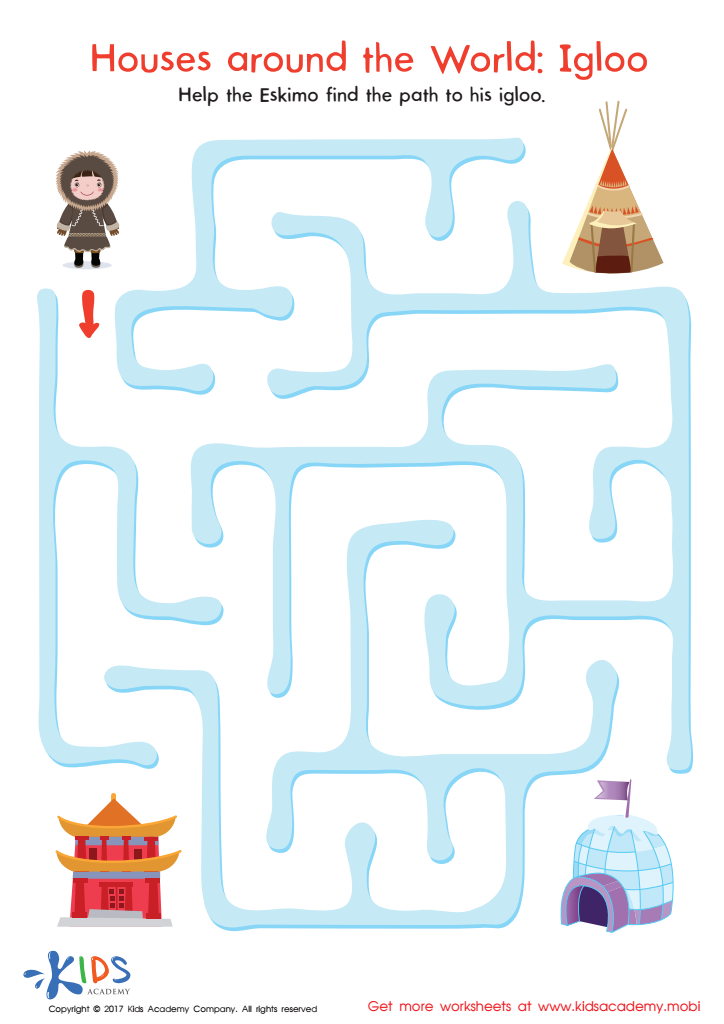
Houses Around the World: Igloo Printable
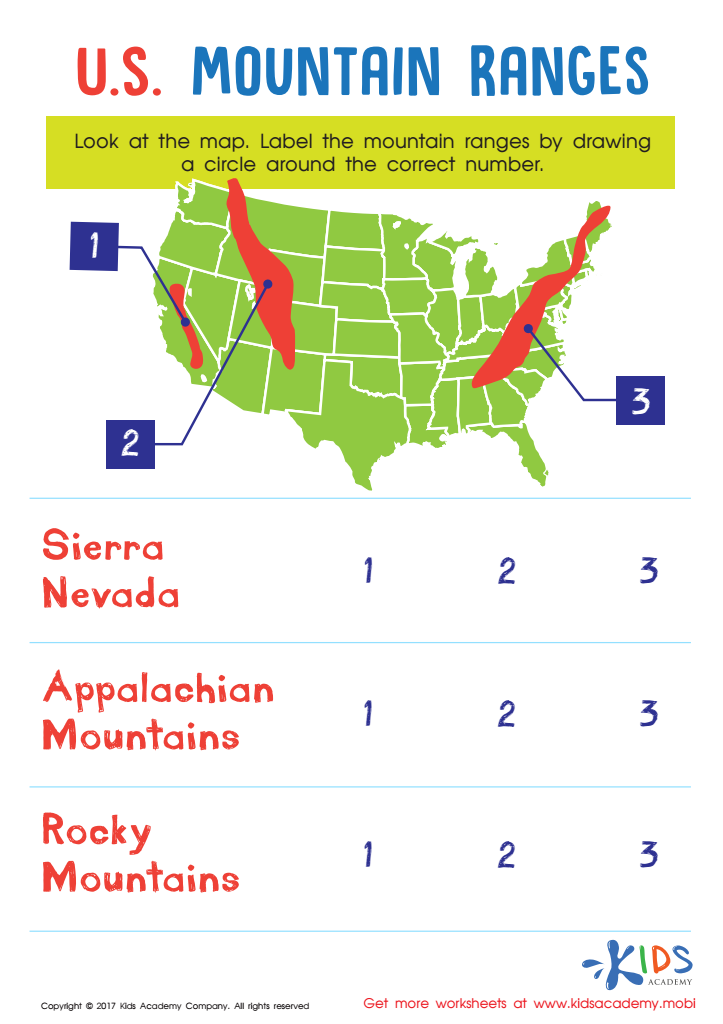
US Mountain Ranges Worksheet
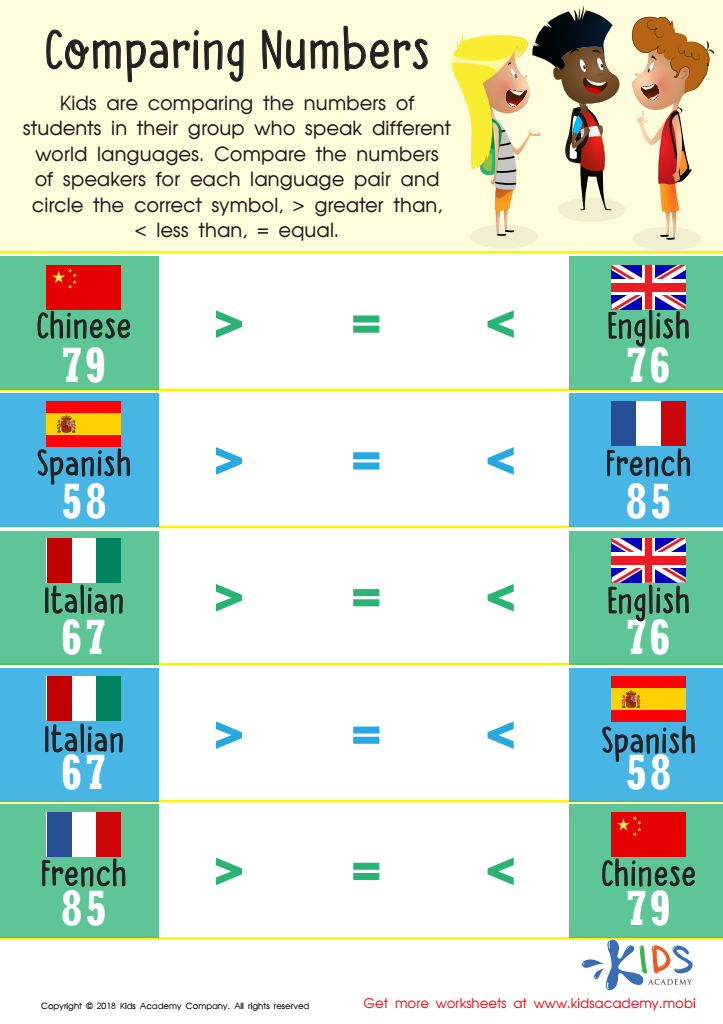
Comparing Numbers Worksheet for 1st Grade
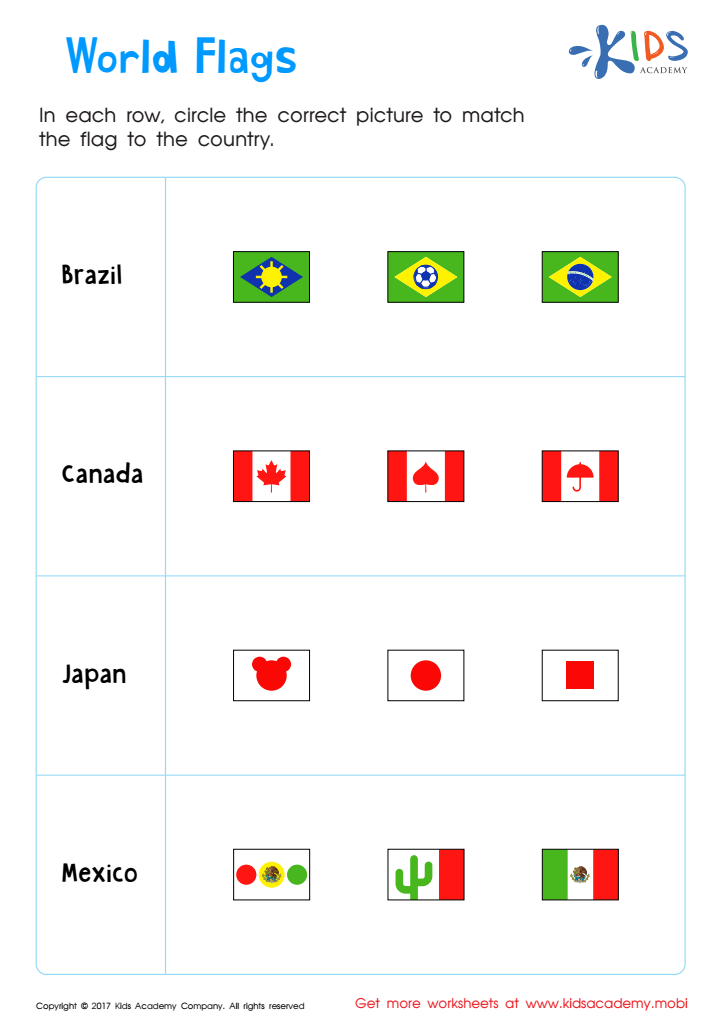
World Flags Printable
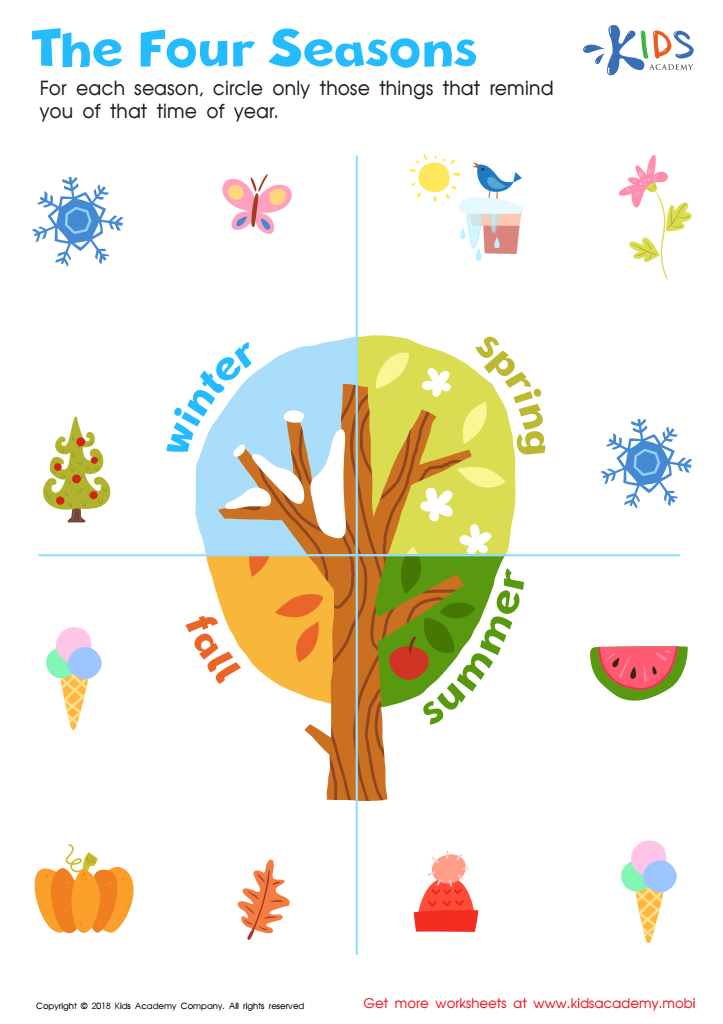
The Four Seasons Worksheet
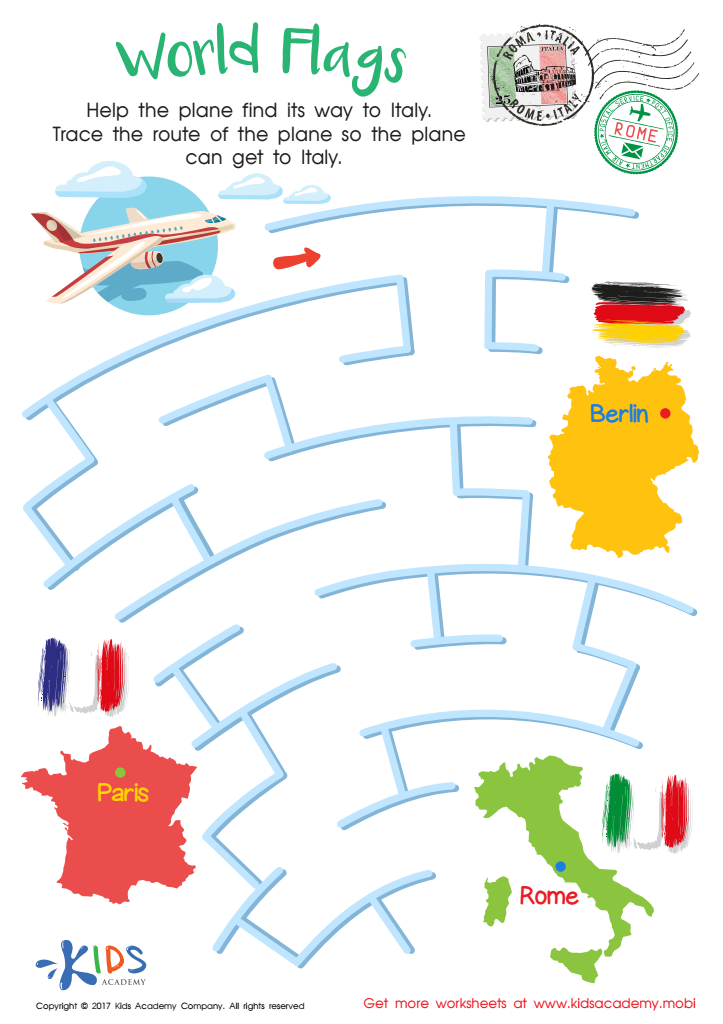
World Flags Maze Worksheet
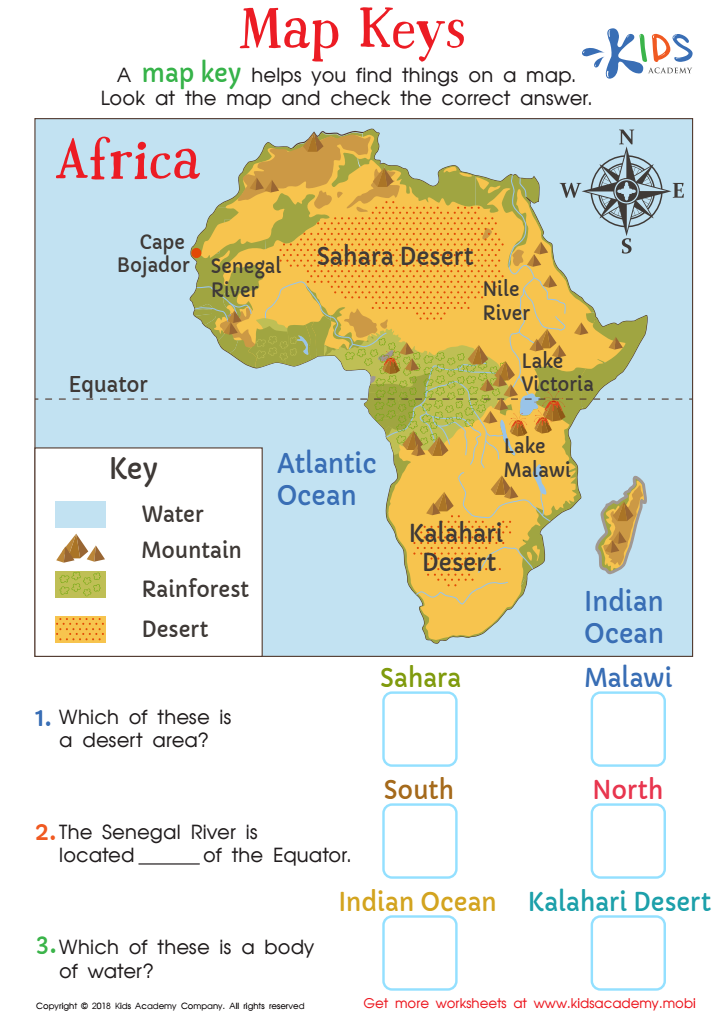
Map Keys Worksheet



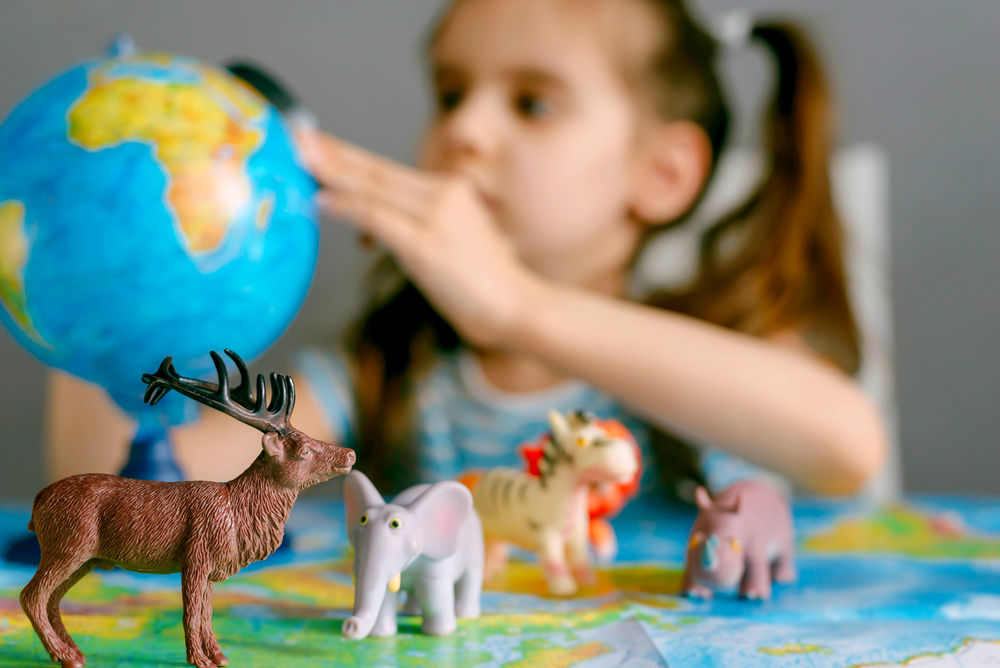



Normal geography for children aged 4-7 is crucial as it lays the foundation for a broad understanding of the world. At this age, children are naturally curious and easily absorb new information. Introducing basic geography helps them understand their place in the world and appreciate the diversity of our planet.
Geography for young children involves simple concepts like recognizing continents, oceans, and the country they live in. These basics nurture a sense of identity and belonging. For parents and teachers, this understanding enhances the child's contextual knowledge supporting other learning areas, such as history, culture, and environmental science.
Teaching geography can also enhance cognitive skills. It boosts spatial thinking by helping children visualize and navigate spaces, and promotes problem-solving skills by introducing them to basic map-reading. Additionally, early exposure to different places and cultures fosters empathy and tolerance, encouraging children to appreciate cultural differences and similarities.
Moreover, engaging geography lessons can be fun and interactive, using maps, globes, puzzles, and digital tools which can captivate children’s imaginations and inspire a lifelong passion for learning. By prioritizing geography, parents and teachers help lay a foundational understanding that supports cognitive development while nurturing a well-rounded worldview in their young learners.








