Sound Association Normal Alphabet Worksheets for Ages 4-8
23 filtered results
-
From - To
Enhance your child's literacy skills with our engaging Sound Association Normal Alphabet Worksheets, designed for ages 4-8! These printable resources offer a fun and interactive way for young learners to connect sounds with corresponding letters, fostering phonemic awareness and beginning reading skills. Each worksheet features colorful images and easy-to-follow activities that encourage children to identify and match sounds to letters. Perfect for homeschooling, classroom use, or extra practice at home, these worksheets make learning the alphabet exciting and enjoyable. Watch your child's confidence soar as they develop vital skills for early literacy and build a strong foundation for future academic success!
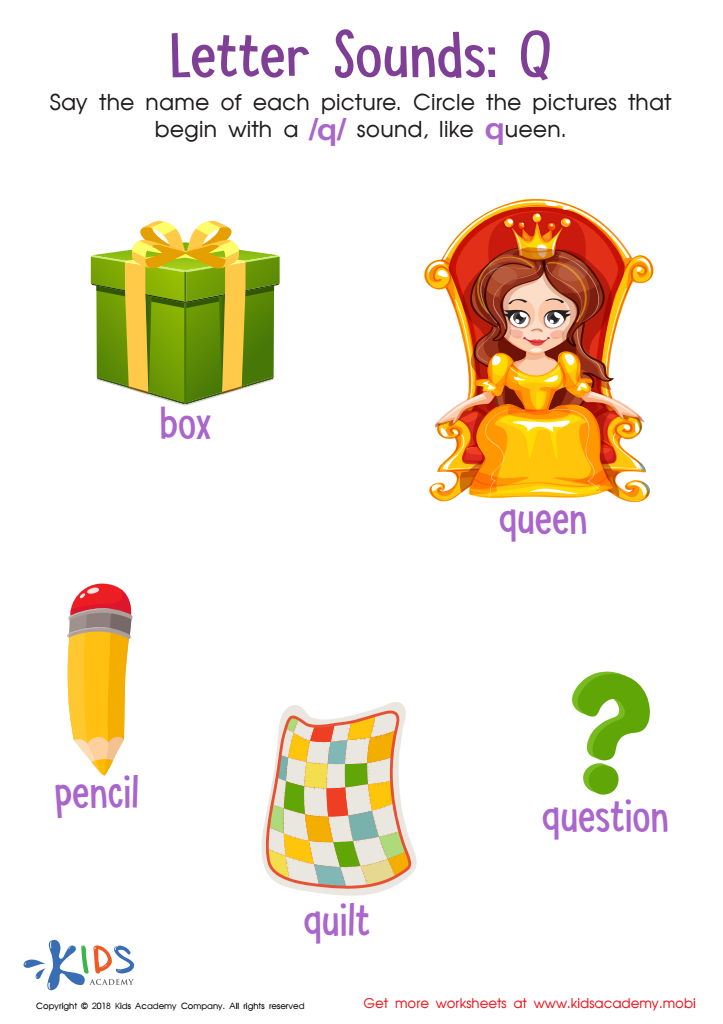
Letter Q Sounds Worksheet
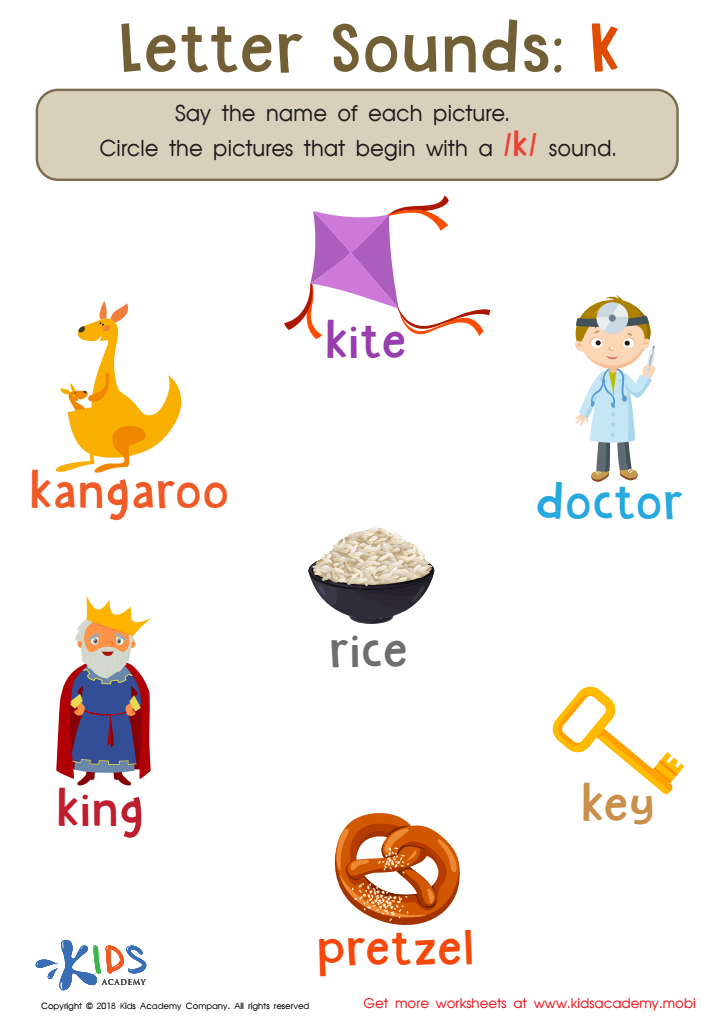
Letter K Sounds Worksheet
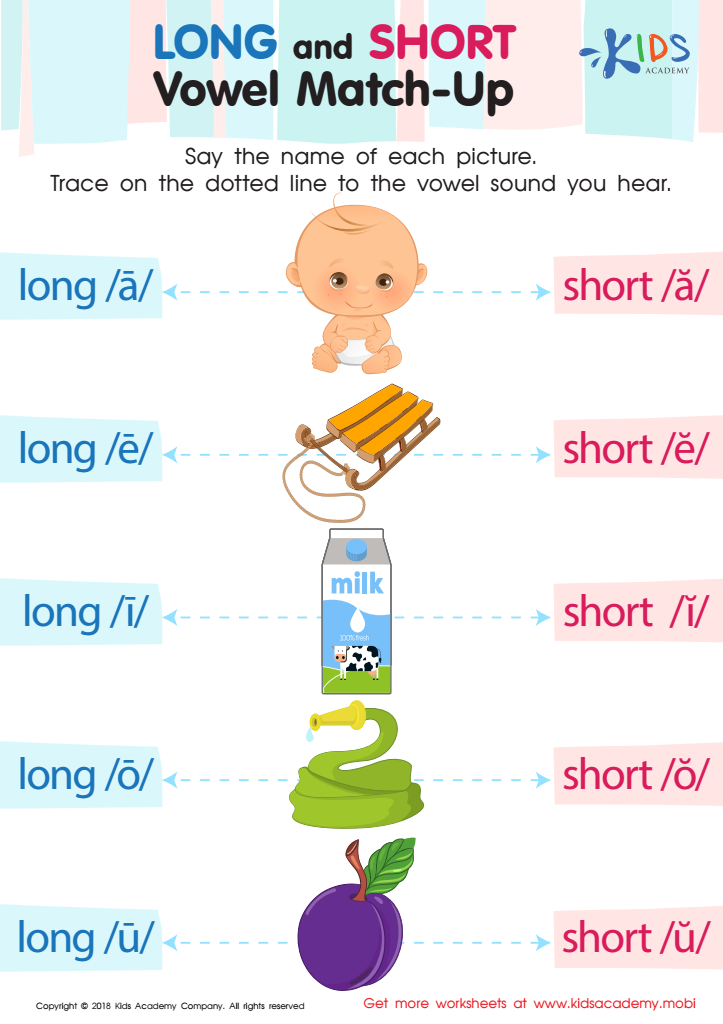
Long and Short Vowel Match up Reading Worksheet
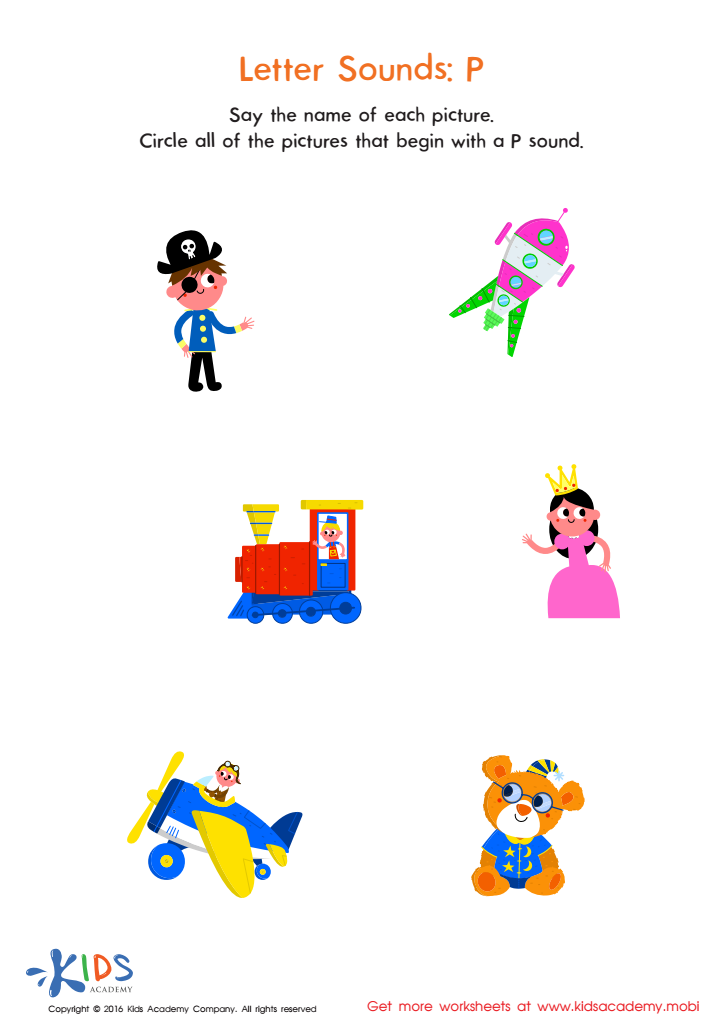
Letter P Sound Worksheet
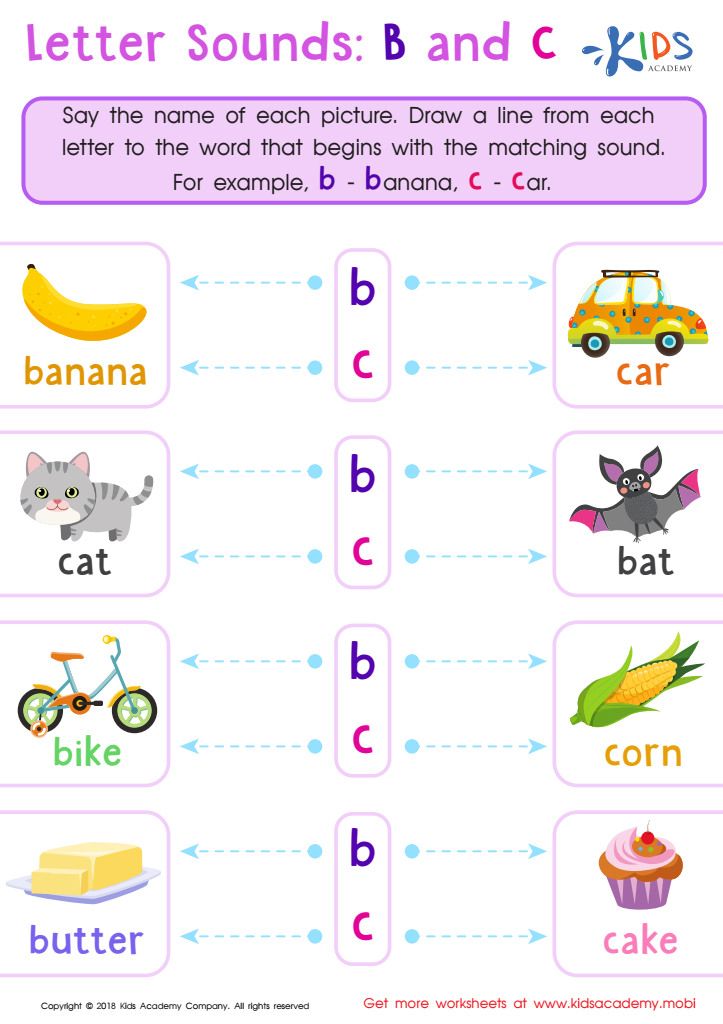
Letter B and C Sounds Worksheet
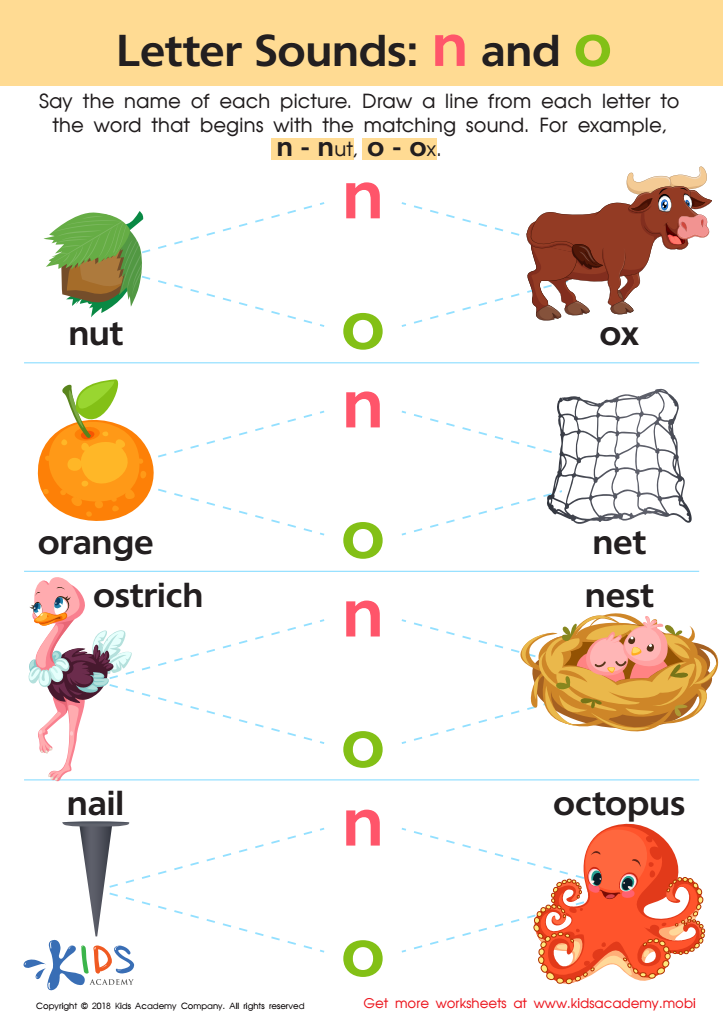
Letter N and O Sounds Worksheet
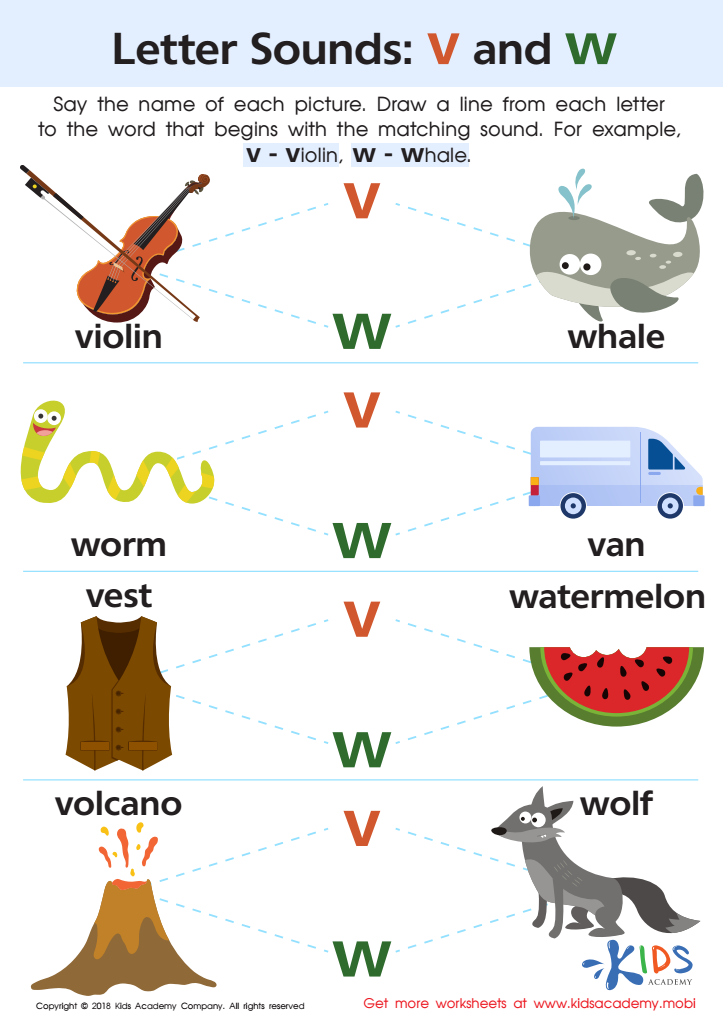
Letter V and W Sounds Worksheet
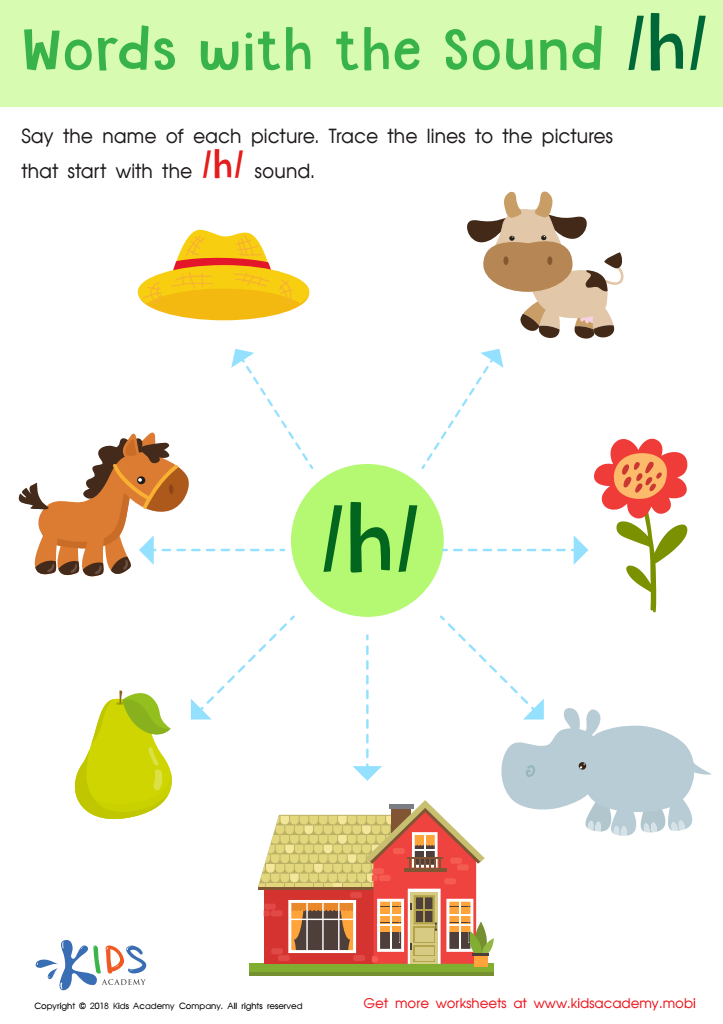
Words with sound h Reading Worksheet
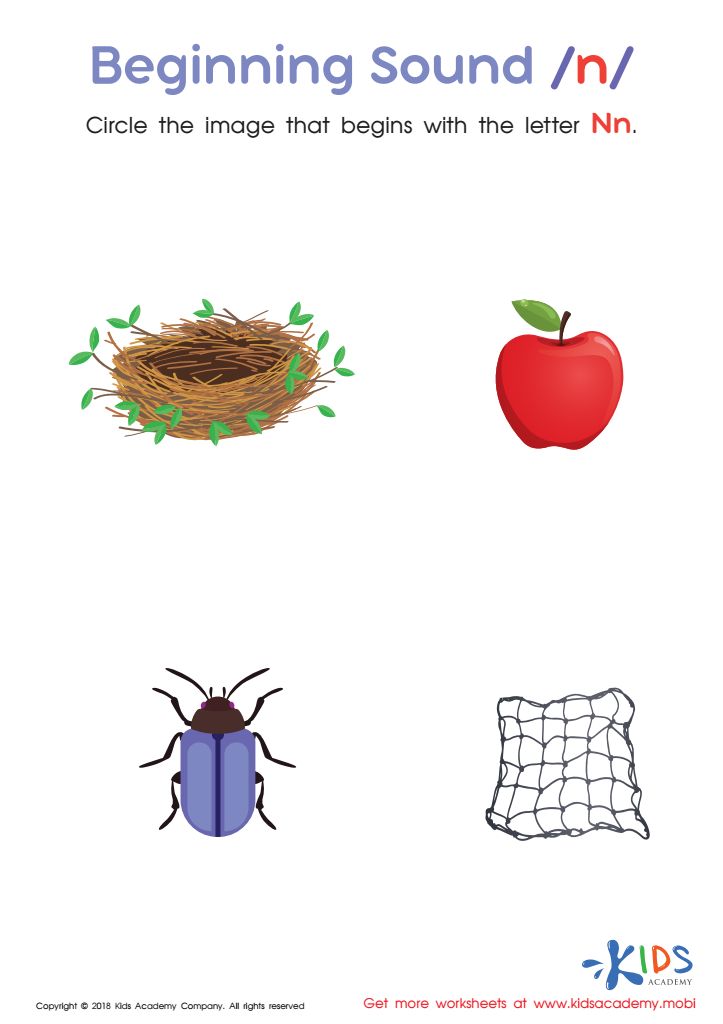
Beginning Sound «n» Worksheet
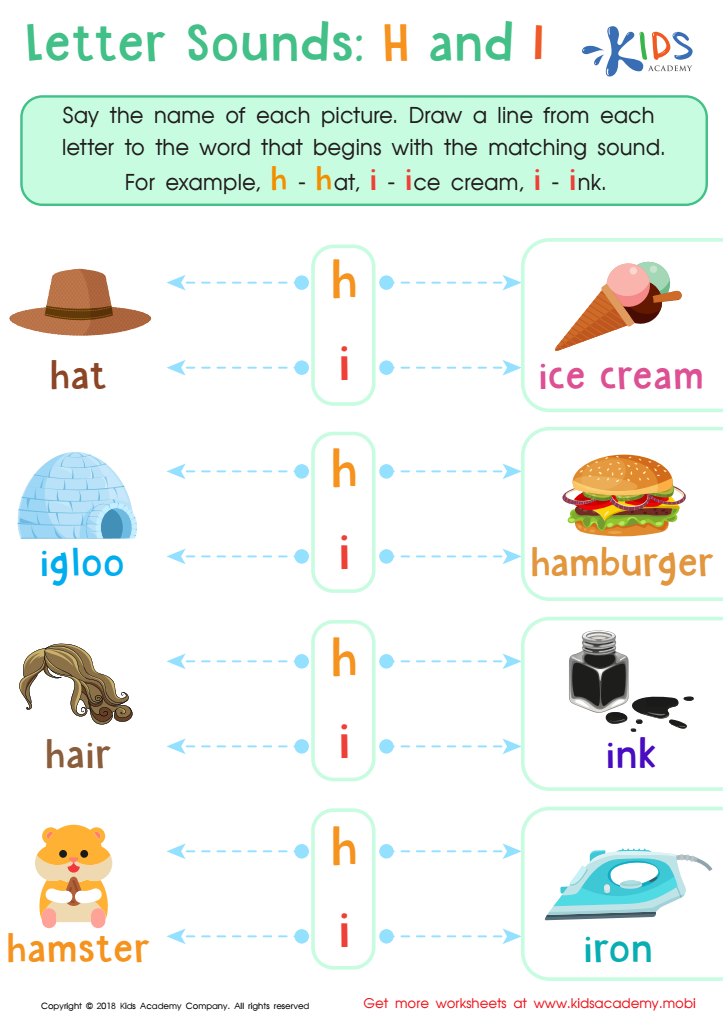
Letter H and I Sounds Worksheet
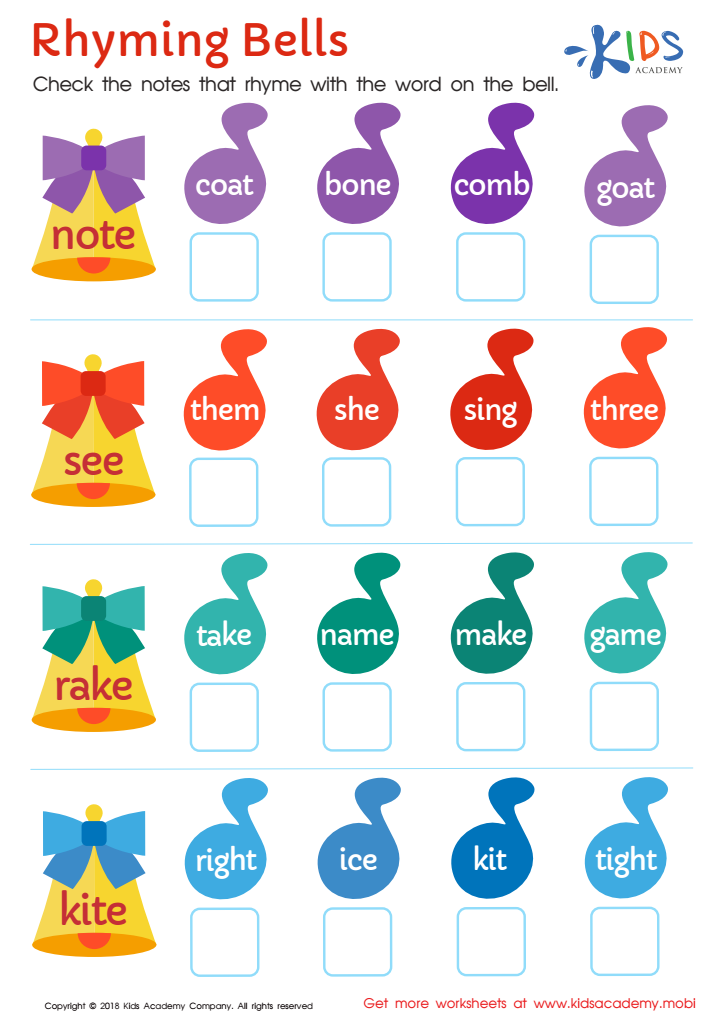
Rhyming Bells Worksheet
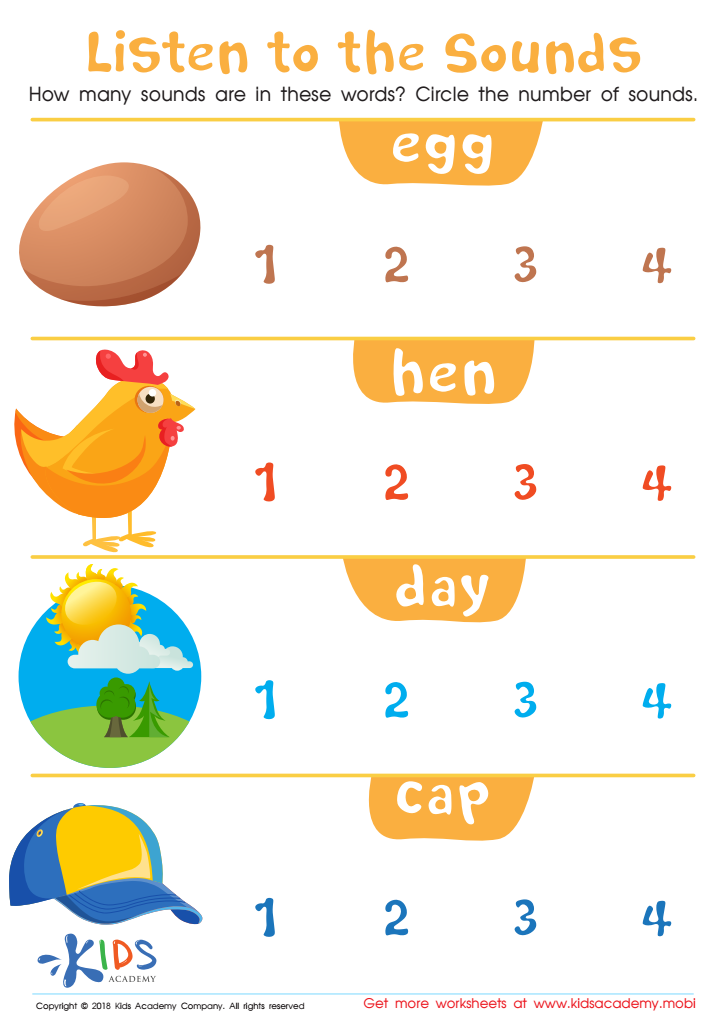
Listen to the Sounds Worksheet
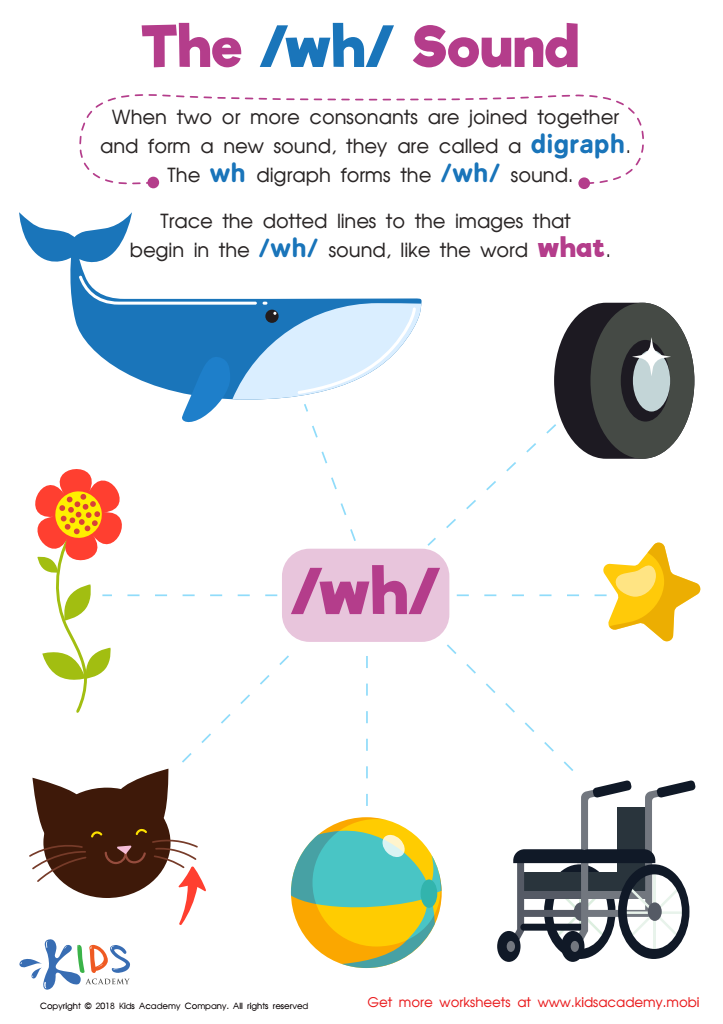
The /wh/ Sound Worksheet
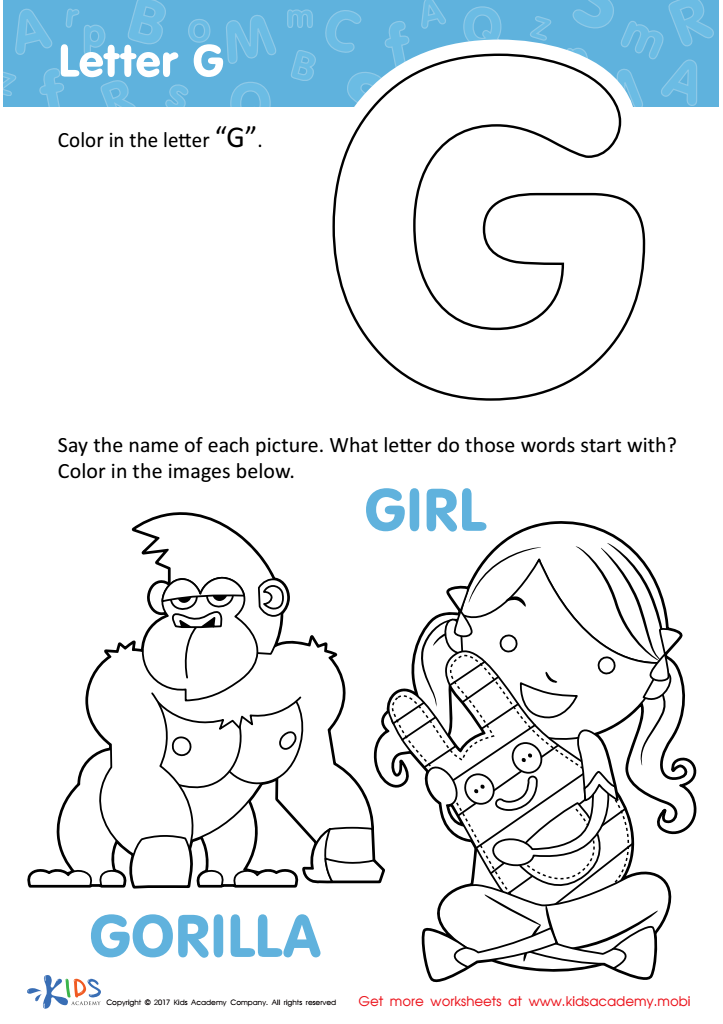
Letter G Coloring Sheet
 Assign to My Students
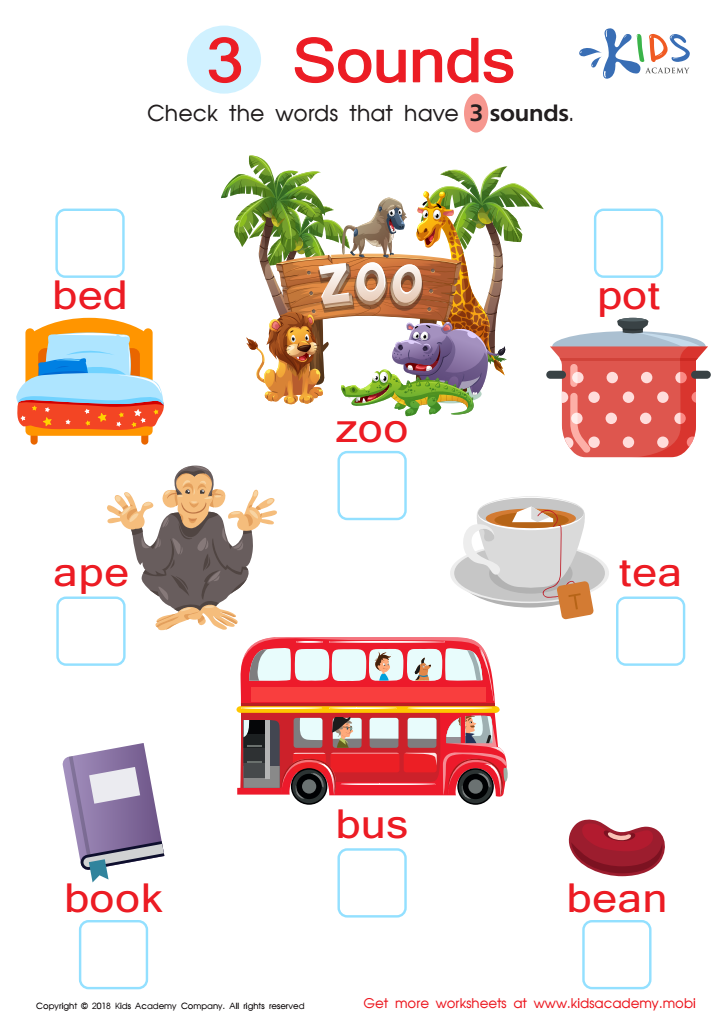
3 Sounds Worksheet
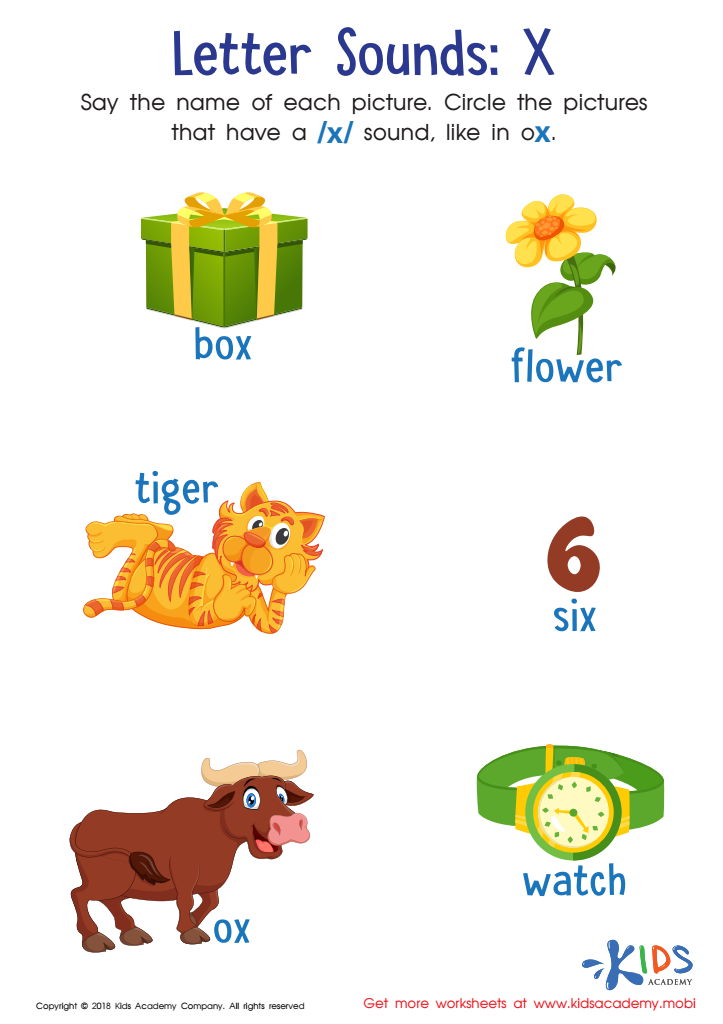
Letter X Sounds Worksheet
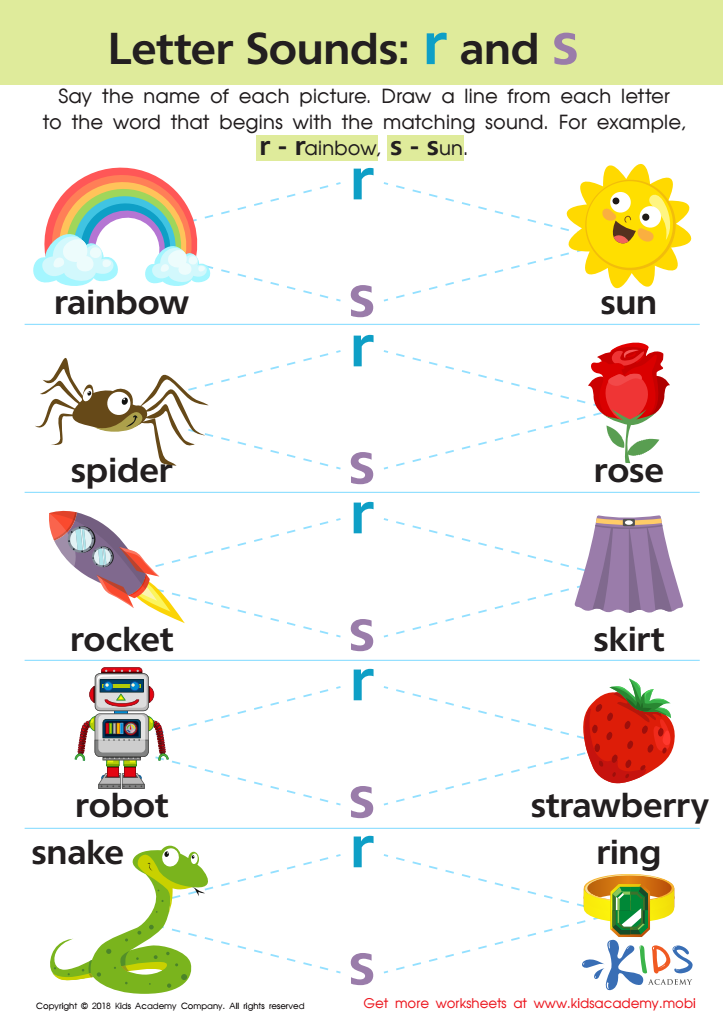
Letter R and S Sounds Worksheet
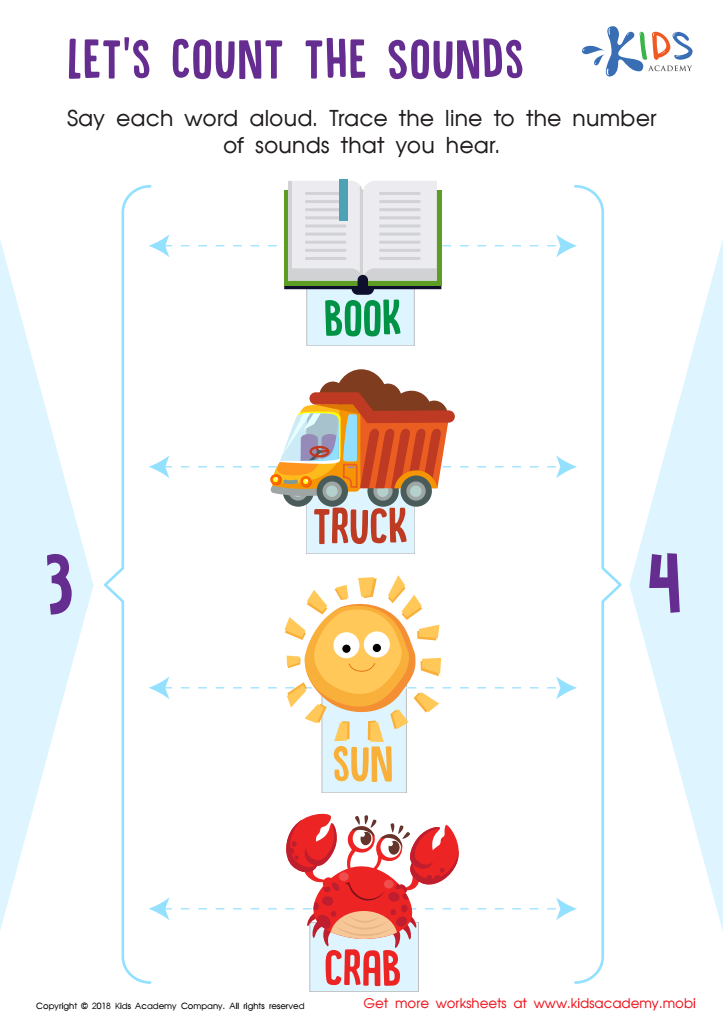
Let's Count the Sounds Worksheet
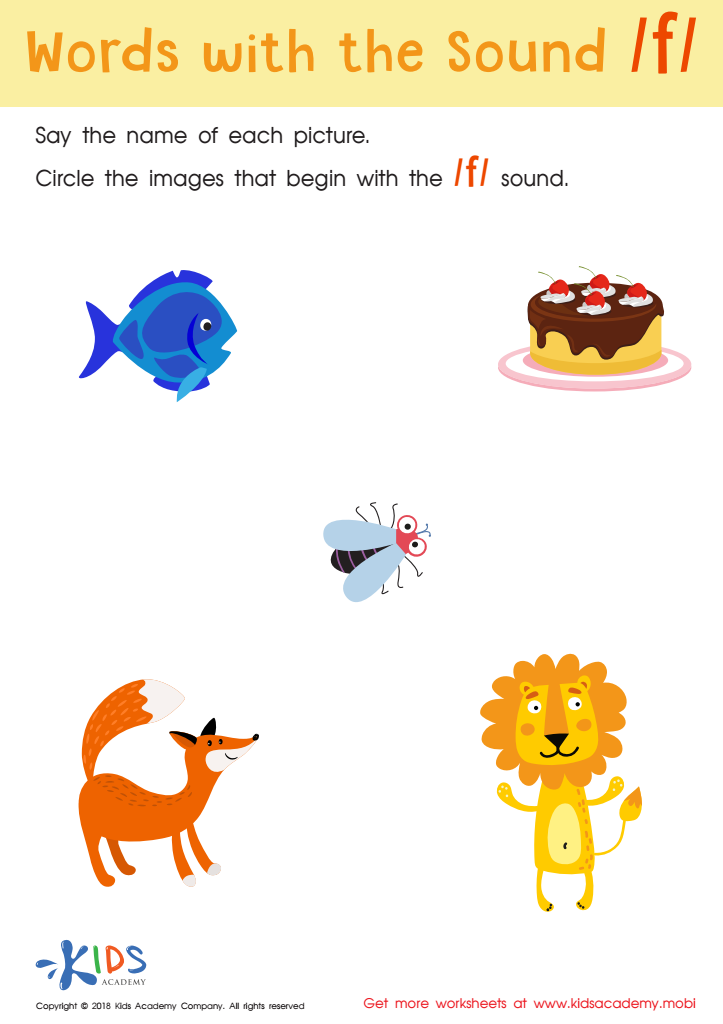
Words with sound f Reading Worksheet
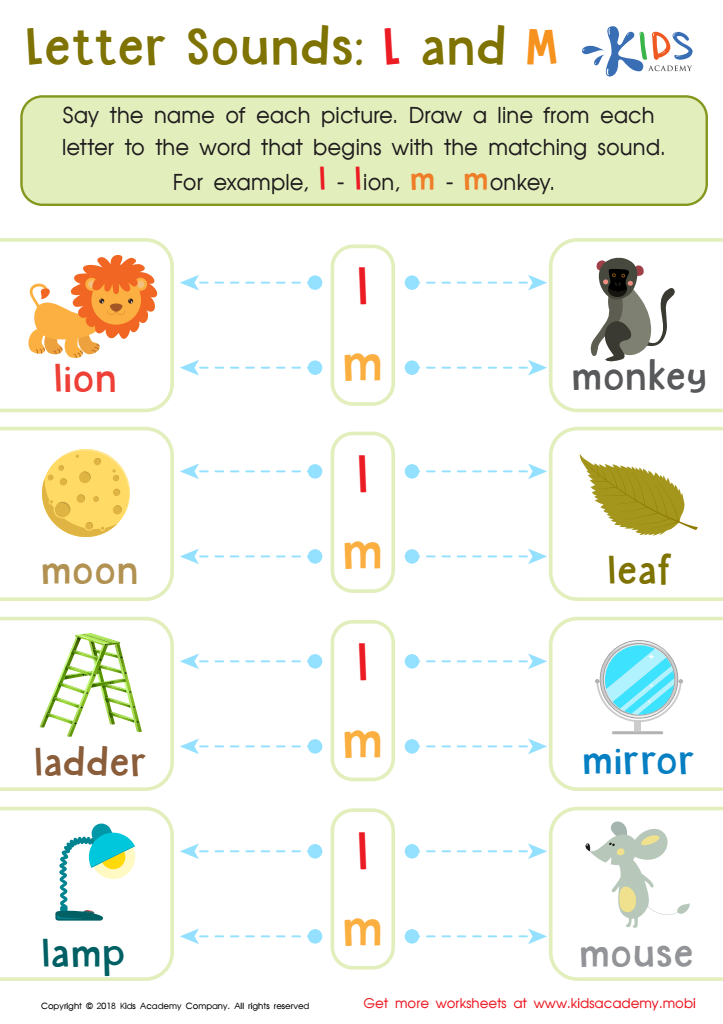
Letter l and M Sounds Worksheet
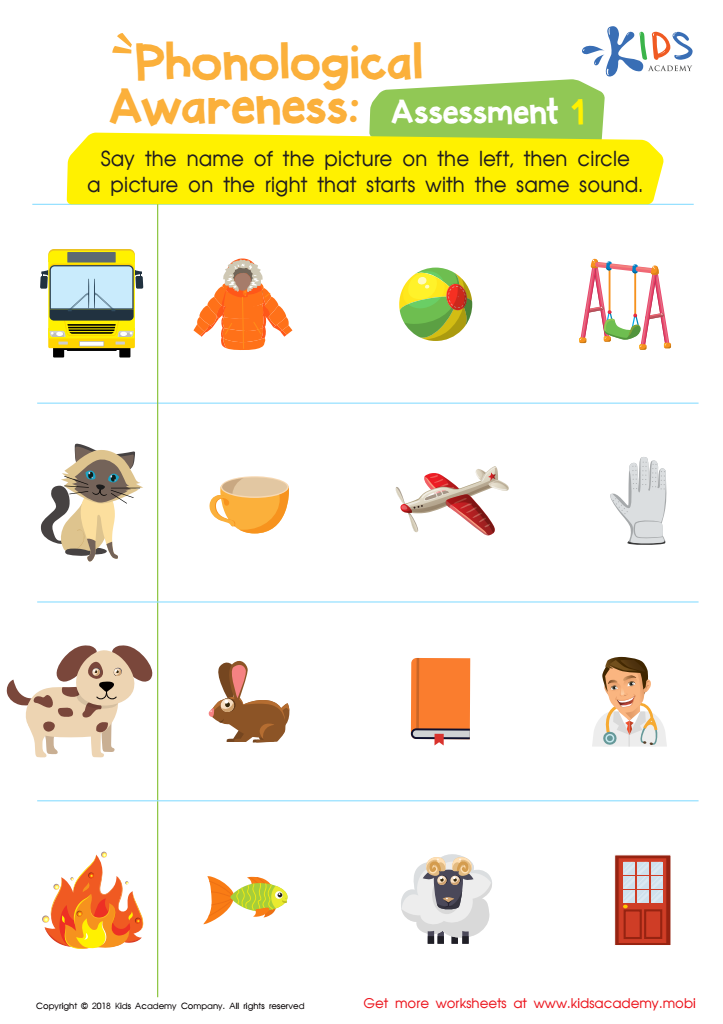
Phonological Awareness: Assessment 1 Worksheet
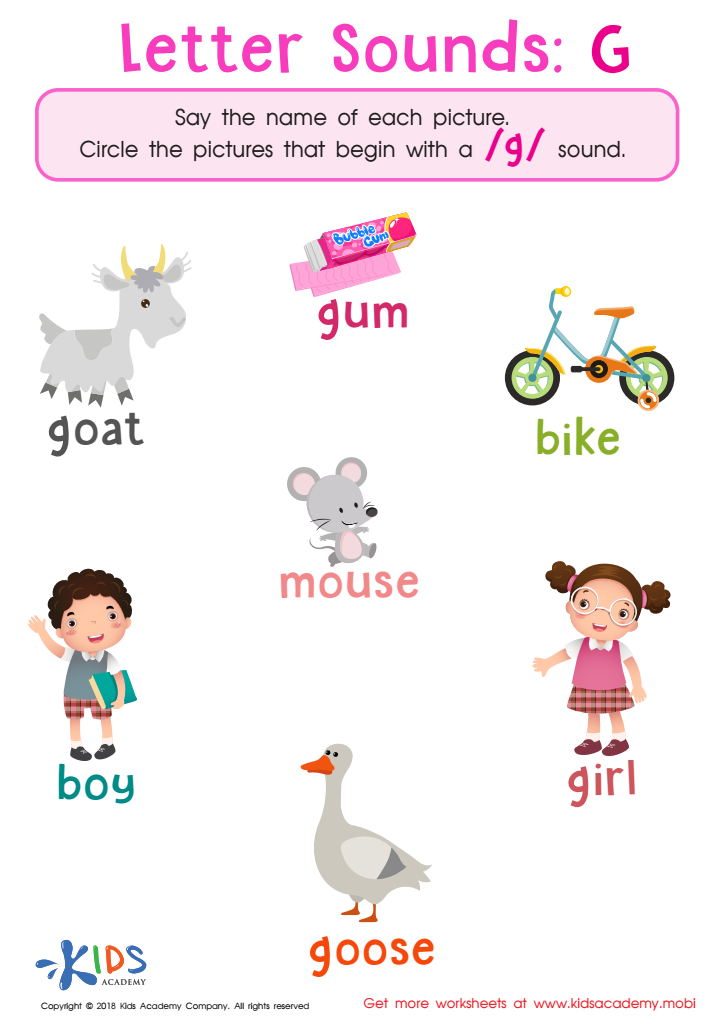
Letter G Sounds Worksheet
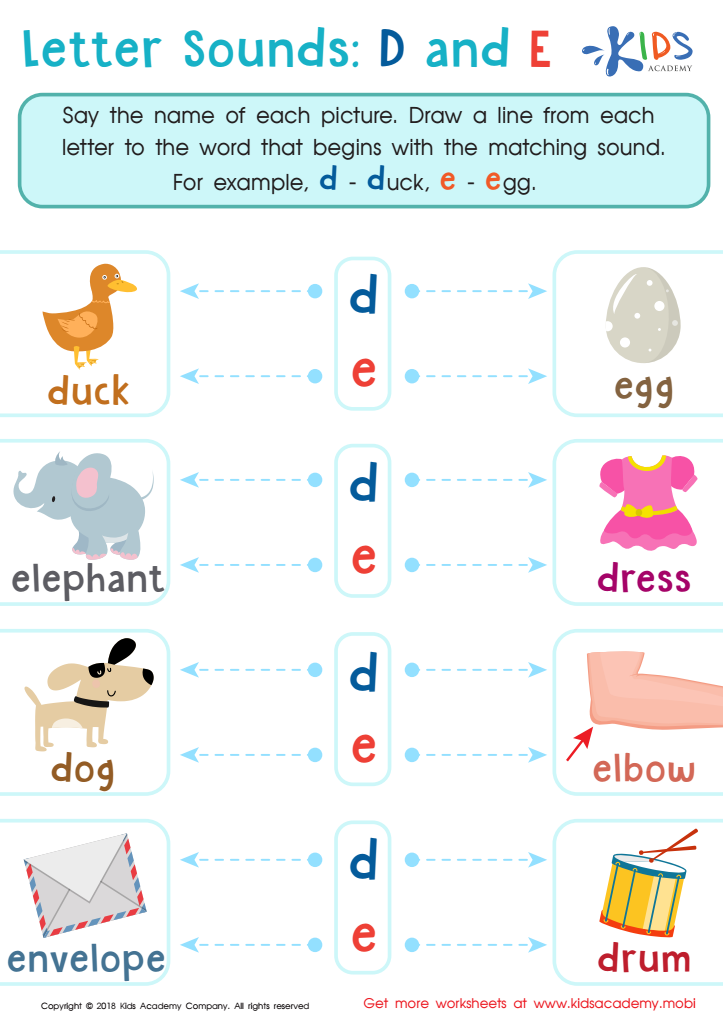
Letter D and E Sounds Worksheet







Sound Association Normal Alphabet (SANA) is crucial for parents and teachers of children aged 4-8, as it forms the foundation for literacy development. During these formative years, children are developing their phonemic awareness—the ability to hear and manipulate sounds in words—which is essential for reading and writing. SANA helps children learn to associate letters with their corresponding sounds, making the process of decoding words more intuitive and enjoyable.
Furthermore, having a solid understanding of sound-letter relationships fosters confidence in children's reading abilities. As they encounter new words, their ability to sound them out independently encourages a love for reading and enhances vocabulary acquisition. This foundational skill is linked to later academic success, as proficient readers are more likely to excel in various subjects.
Parents and teachers should also recognize that incorporating SANA into everyday learning can promote engagement and motivation. Through playful and interactive activities focused on sound association, children can develop their linguistic skills in a fun and supportive environment. Ultimately, nurturing these skills during this critical period will prepare children for lifelong literacy and learning. Prioritizing SANA not only benefits individual children but contributes positively to their academic and personal growth.







