Sound recognition Normal Alphabet Worksheets for Ages 4-8
11 filtered results
-
From - To
Enhance early literacy skills with our Sound Recognition Normal Alphabet Worksheets, specially designed for children aged 4-8. These engaging worksheets make learning letters and sounds fun and interactive, helping kids connect phonetic sounds with their corresponding letters. Each activity promotes sound recognition through colorful illustrations and engaging exercises, ensuring a delightful learning experience. Perfect for both classroom use and at-home practice, these worksheets support key developmental skills necessary for reading readiness. Encourage curiosity and boost confidence in young learners as they master the alphabet with our thoughtfully crafted resources. Discover a world of learning that ignites a passion for reading at an early age!
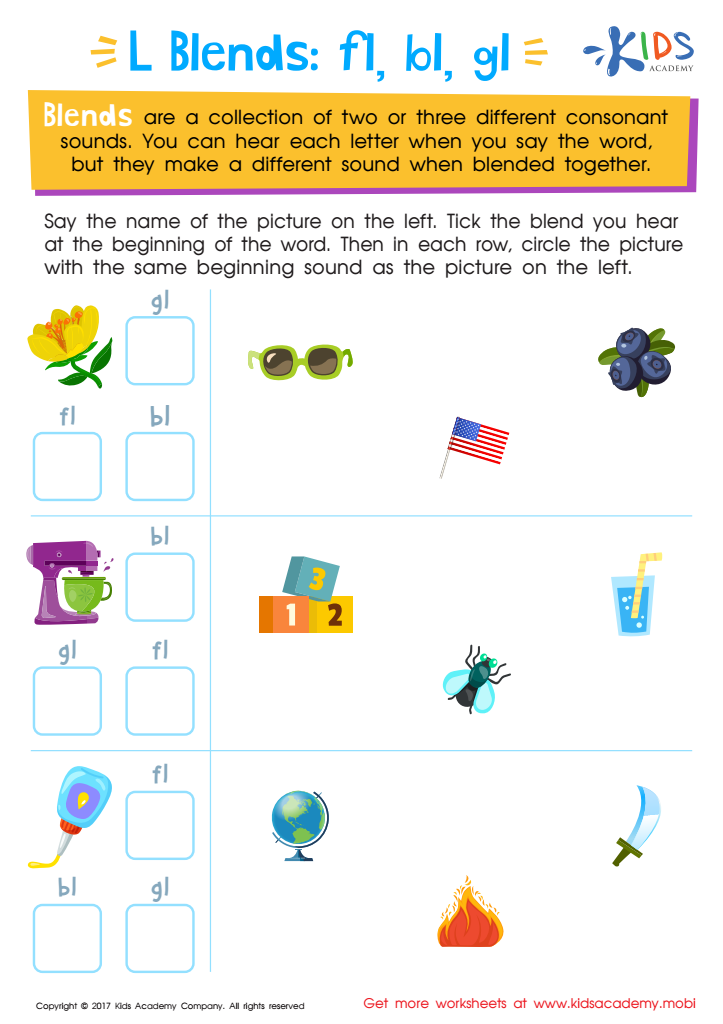
Blending Consonants: "Fl", "Bl" and "Gl" Printable
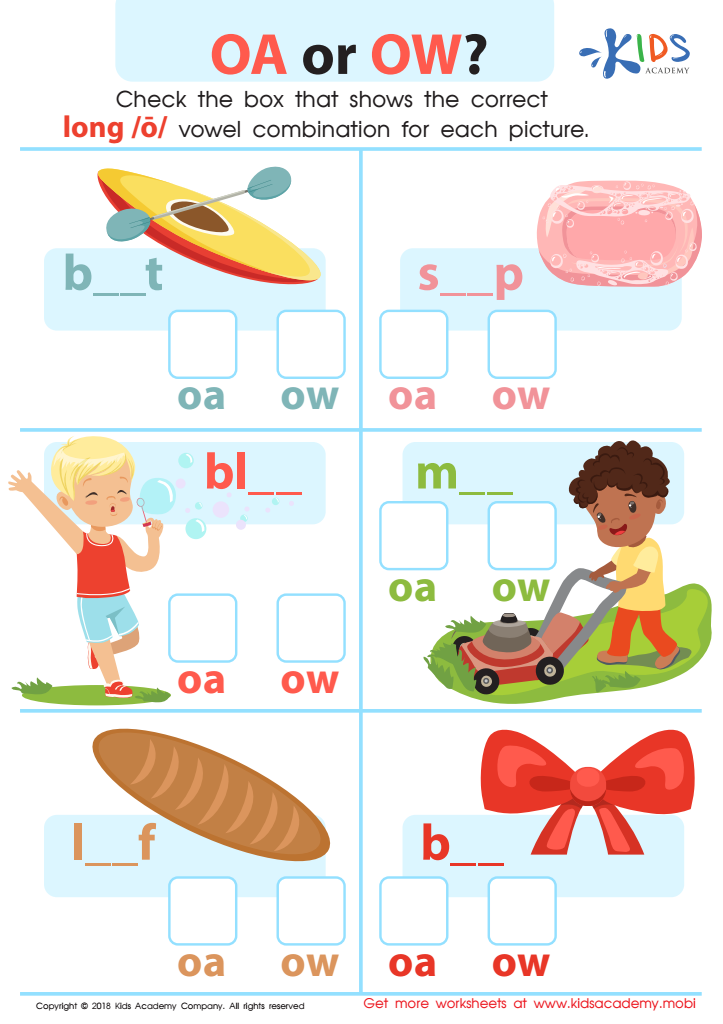
Reading: OA or OW Worksheet
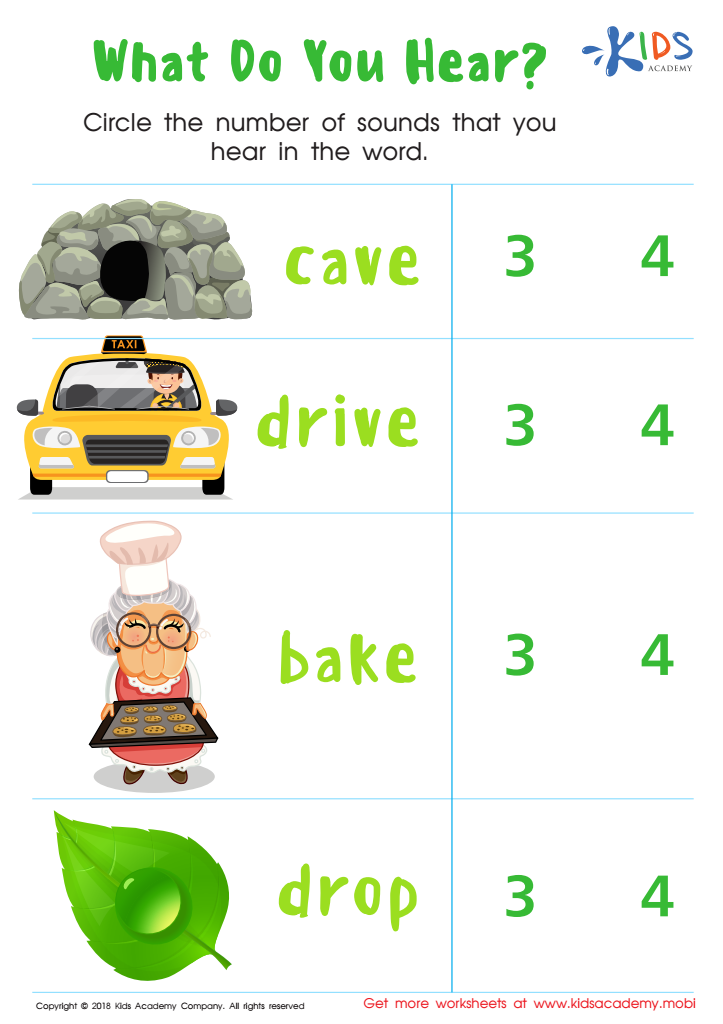
What Do You Hear? Worksheet
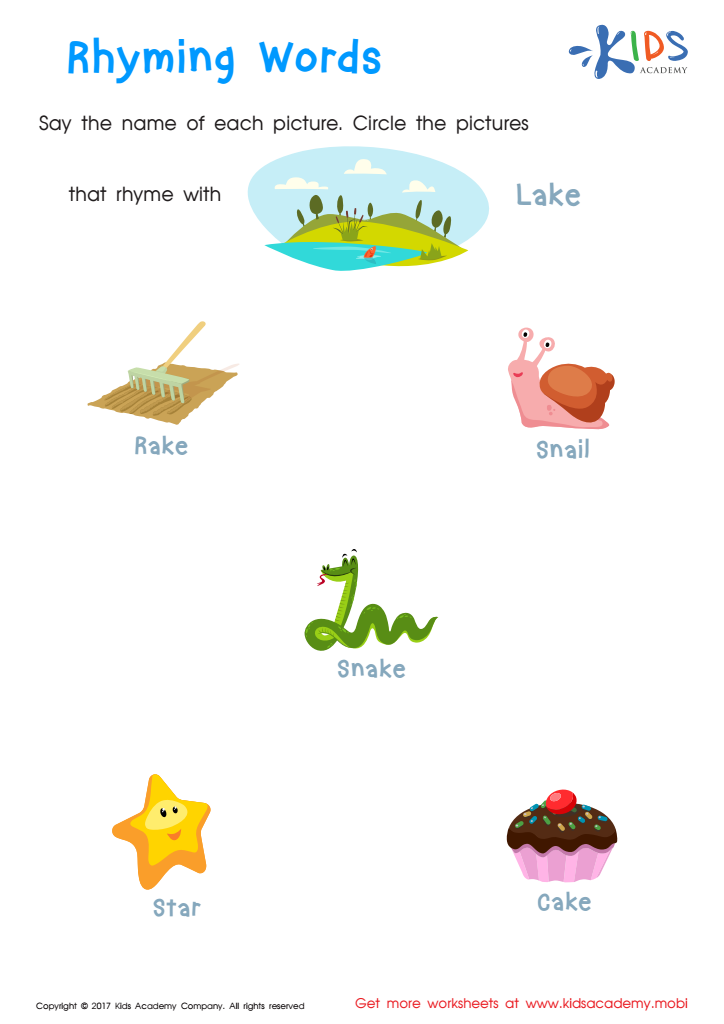
Rhyming Words Rhyming Worksheet
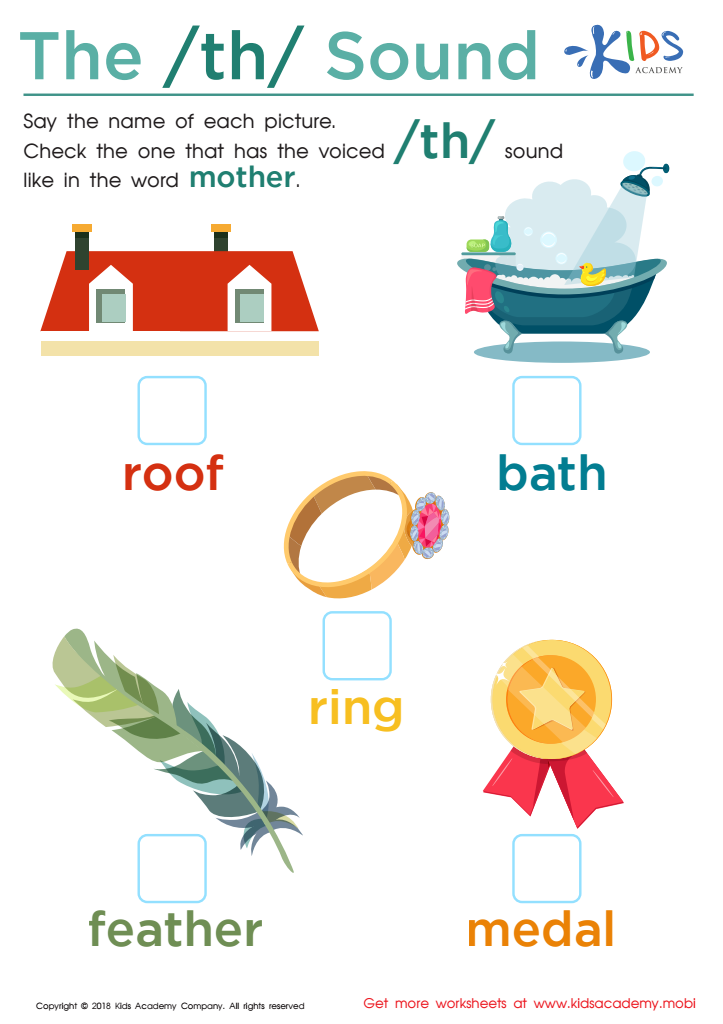
The /th/ Sound Worksheet
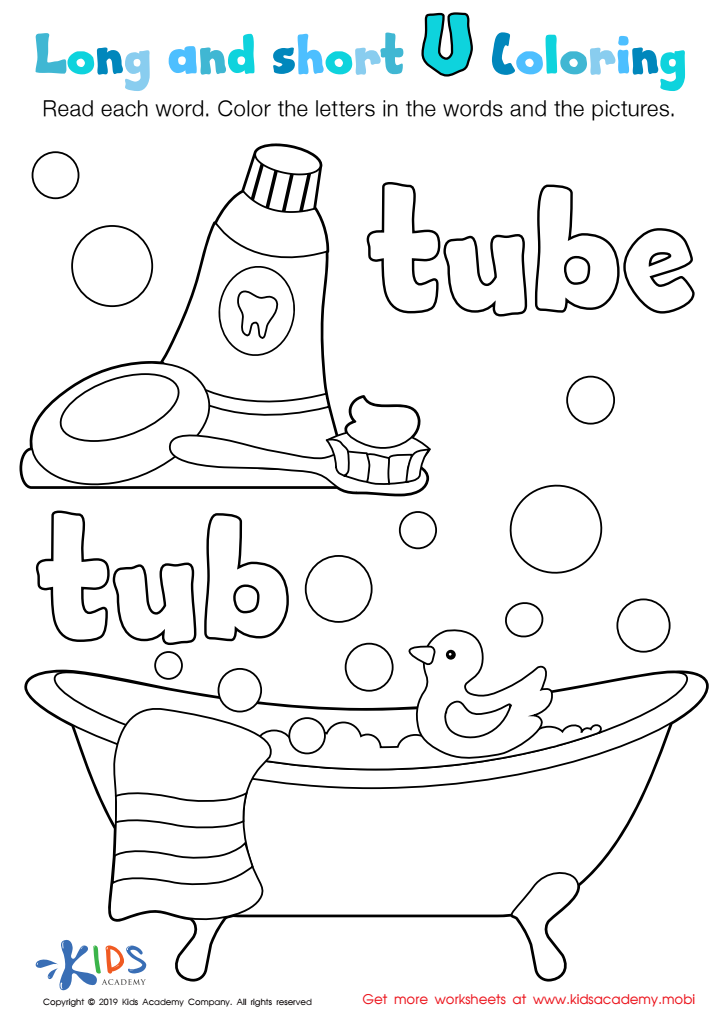
Long and Short U Worksheet
 Assign to My Students
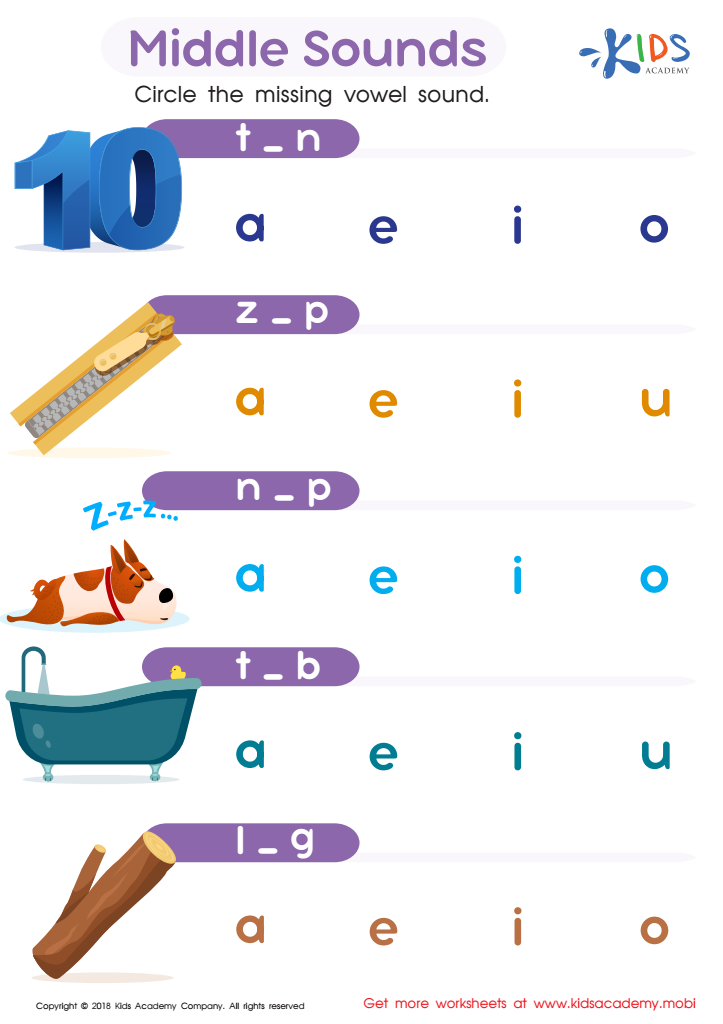
Middle Sounds Worksheet
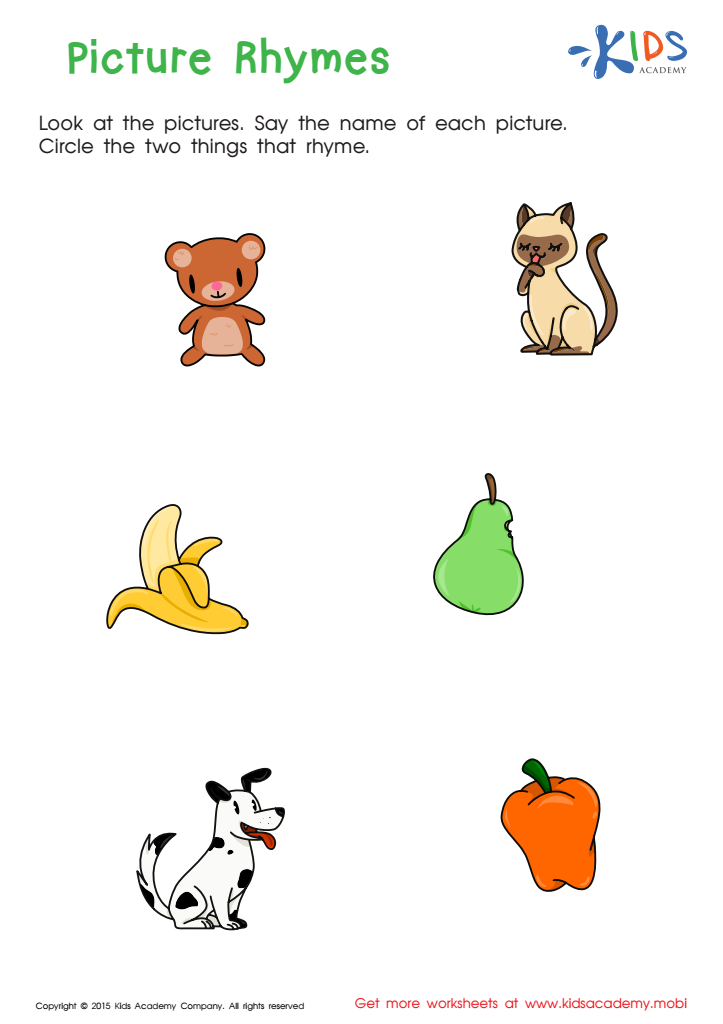
First Words: Picture Rhymes Worksheet
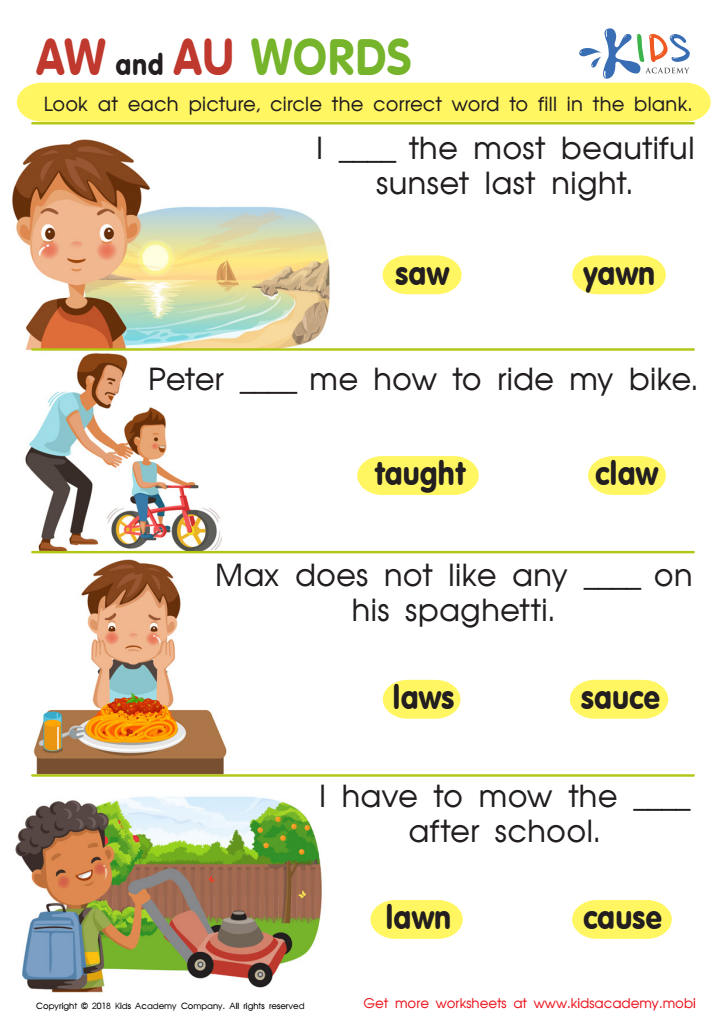
Reading: AW and AU Words Worksheet
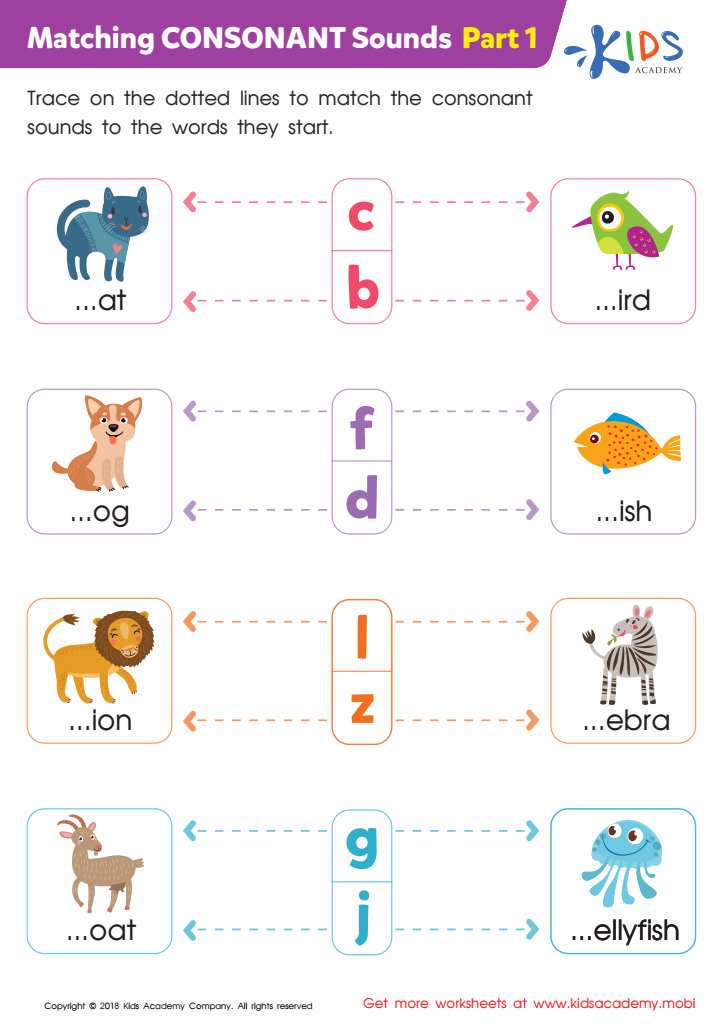
Matching Consonant Sounds: Part 1 Worksheet
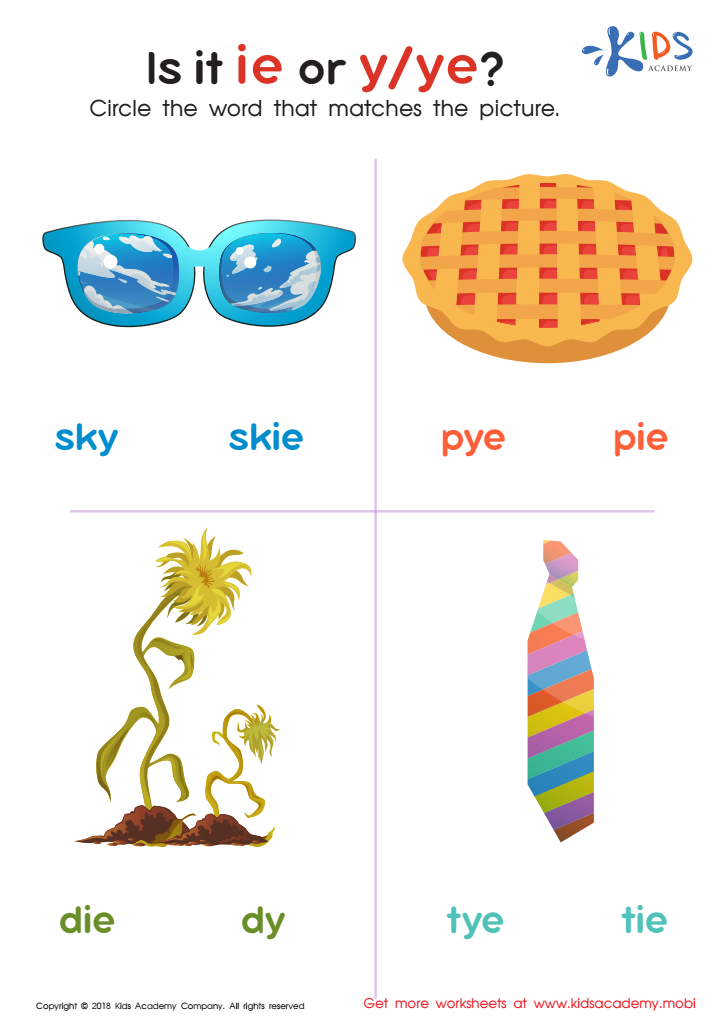
Is It IE or Y/Ye? Worksheet








Sound recognition and understanding the normal alphabet is crucial for children aged 4-8, as it serves as the foundation for their literacy development. At this stage, children are beginning to connect spoken sounds with written letters, a skill essential for reading and writing. By recognizing sounds, children enhance phonemic awareness, which allows them to break down words into individual sounds, ultimately aiding in decoding and spelling.
Parents and teachers should care deeply about this aspect of learning because it directly influences children's academic success and confidence in literacy skills. Mastery of sound recognition enables children to read simple texts, comprehend basic narratives, and engage with written material, unlocking a world of knowledge. Furthermore, sound recognition can encourage a love for reading, nurturing creativity and imagination.
In the increasingly digital age, the ability to read and write is paramount for navigating everyday life. By fostering skills in sound recognition and the normal alphabet, parents and teachers can empower children not just for immediate educational success but also instill a lifelong passion for learning. Additionally, strong literacy skills enhance communication abilities, paving the way for future academic achievements and social interactions, ultimately contributing to a child's holistic development.







