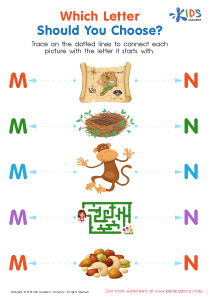
Letter recognition Normal Lowercase/Small Letters Worksheets for Ages 4-8
10 filtered results
-
From - To
Discover our engaging "Letter Recognition Normal Lowercase/Small Letters Worksheets" designed specifically for children aged 4-8! These worksheets provide a fun and interactive way for young learners to master the recognition of lowercase letters. Each activity is thoughtfully created to enhance letter identification skills through tracing, matching, and colorful illustrations that capture kids' attention. Perfect for classroom use or at-home learning, these resources support early literacy development while making learning enjoyable. Help your child build a strong foundation in reading and writing with our comprehensive collection. Start your educational journey today with our printable worksheets that spark creativity and learning!
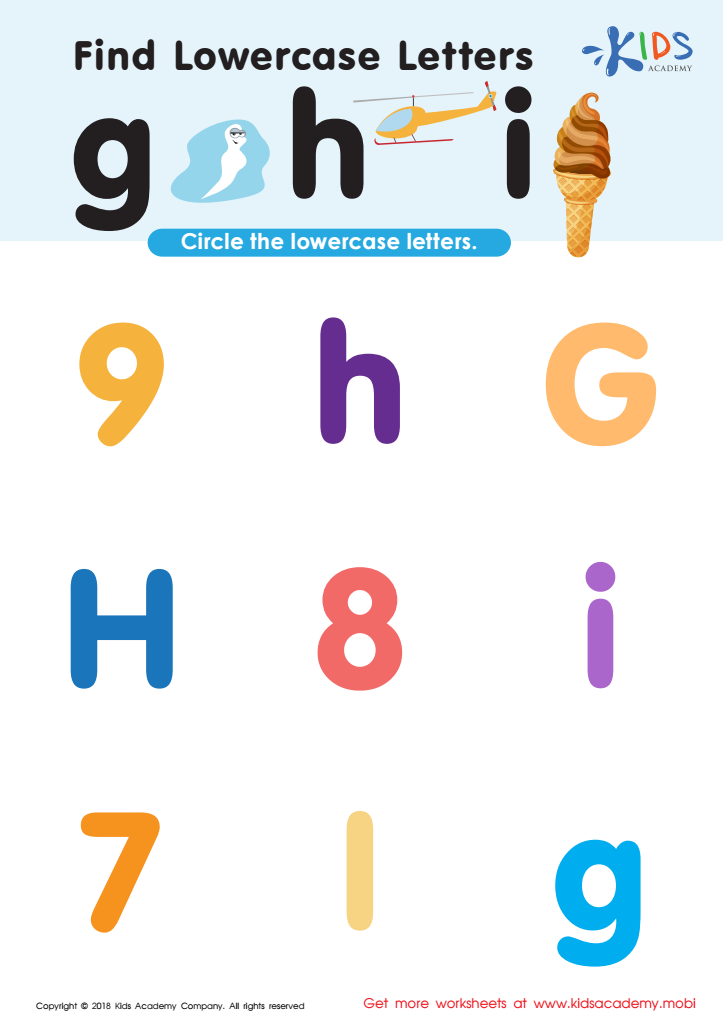
Find Lowercase Letters g h i Worksheet
 Assign to My Students
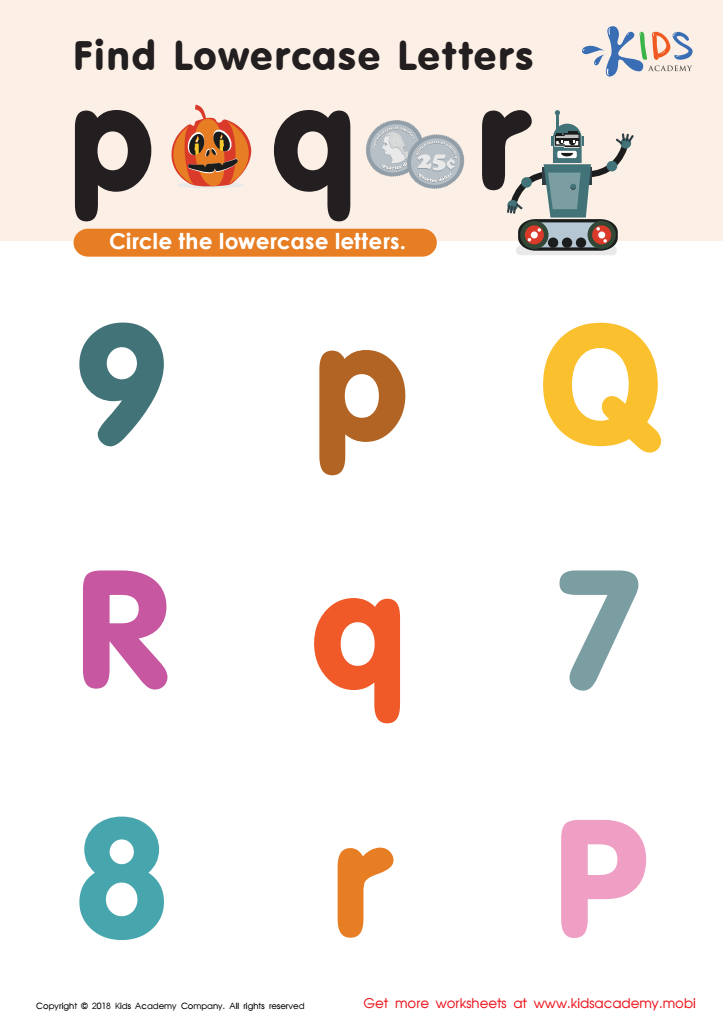
Find lowercase Letters p q r Worksheet
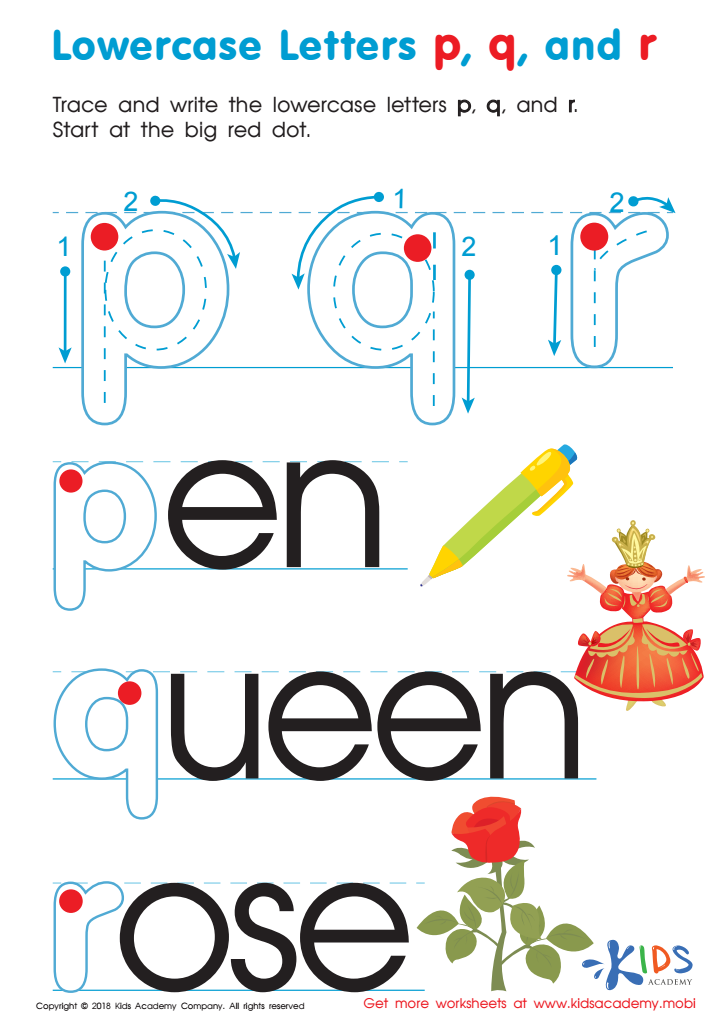
Lowercase Letters p q r Worksheet
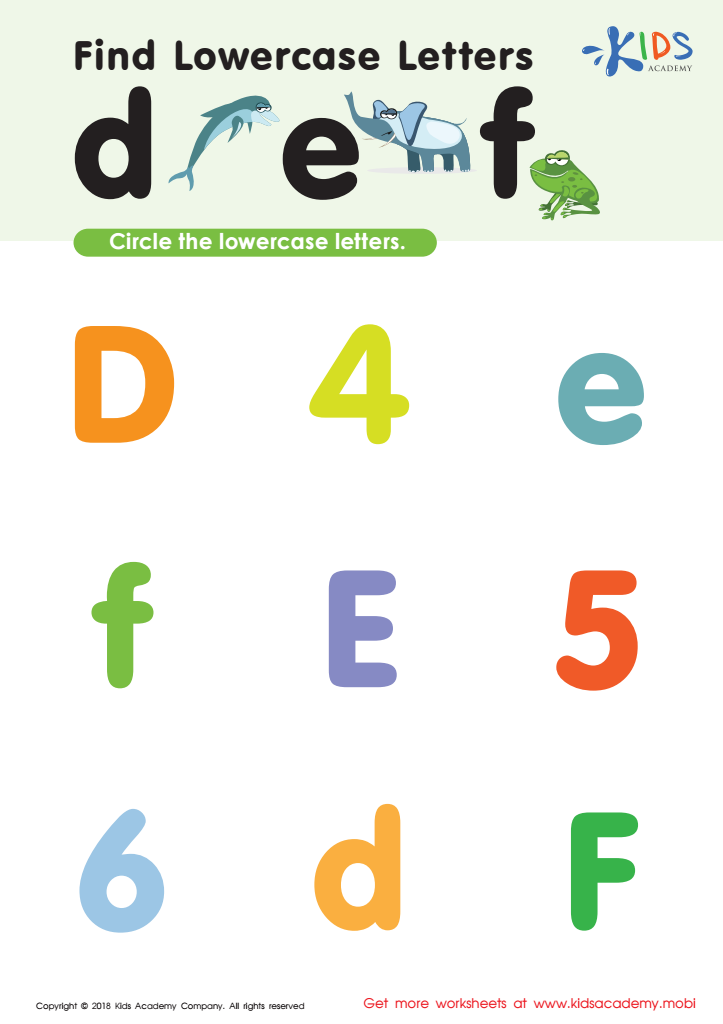
Find Lowercase Letters d e f Worksheet
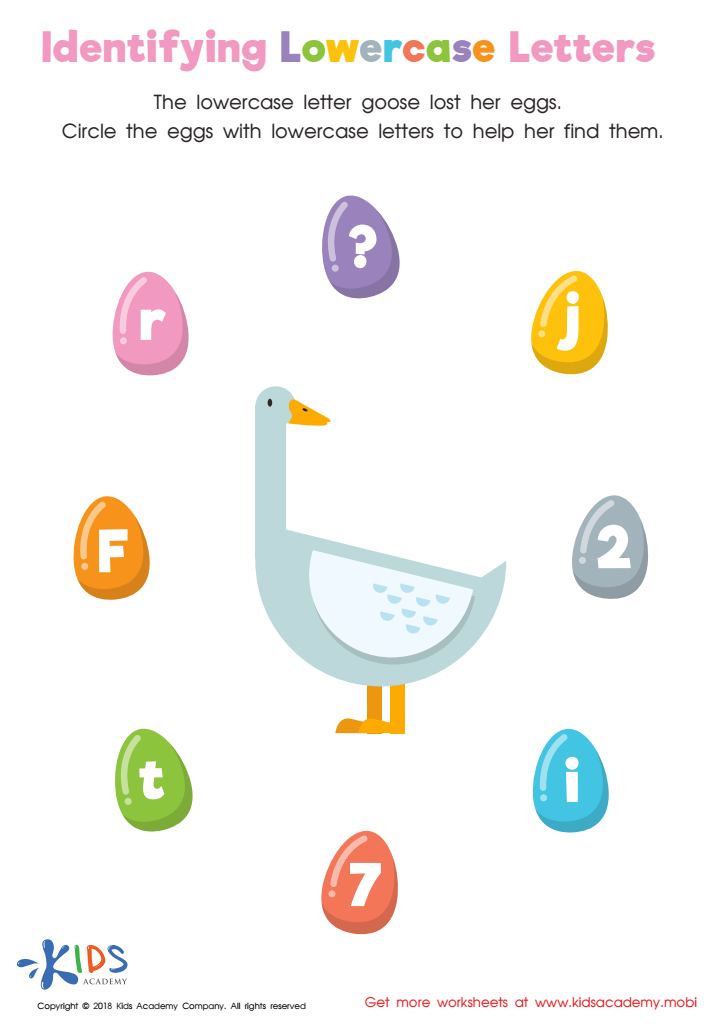
Identifying Lowercase Letters Worksheet
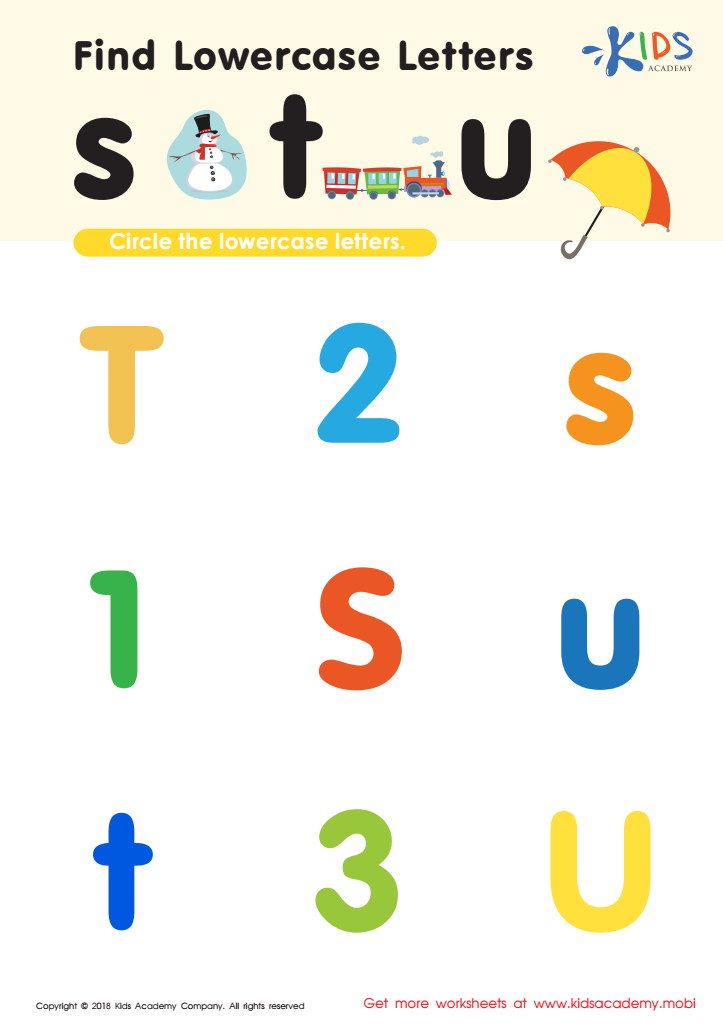
Find lowercase Letters s t u Worksheet
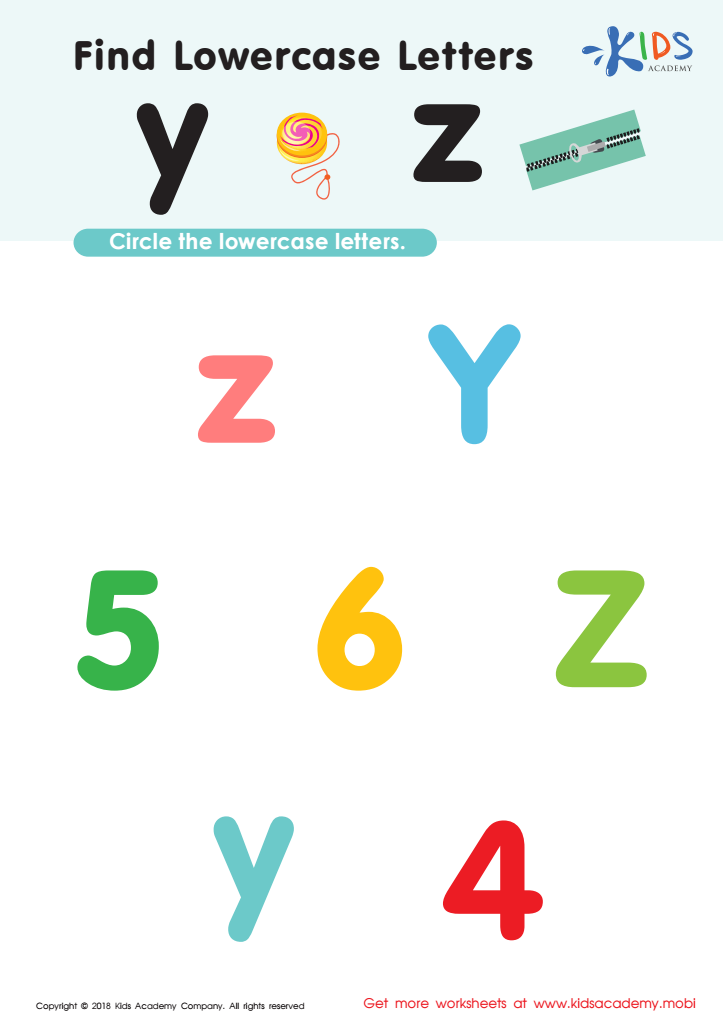
Find Lowercase Letters y z Worksheet
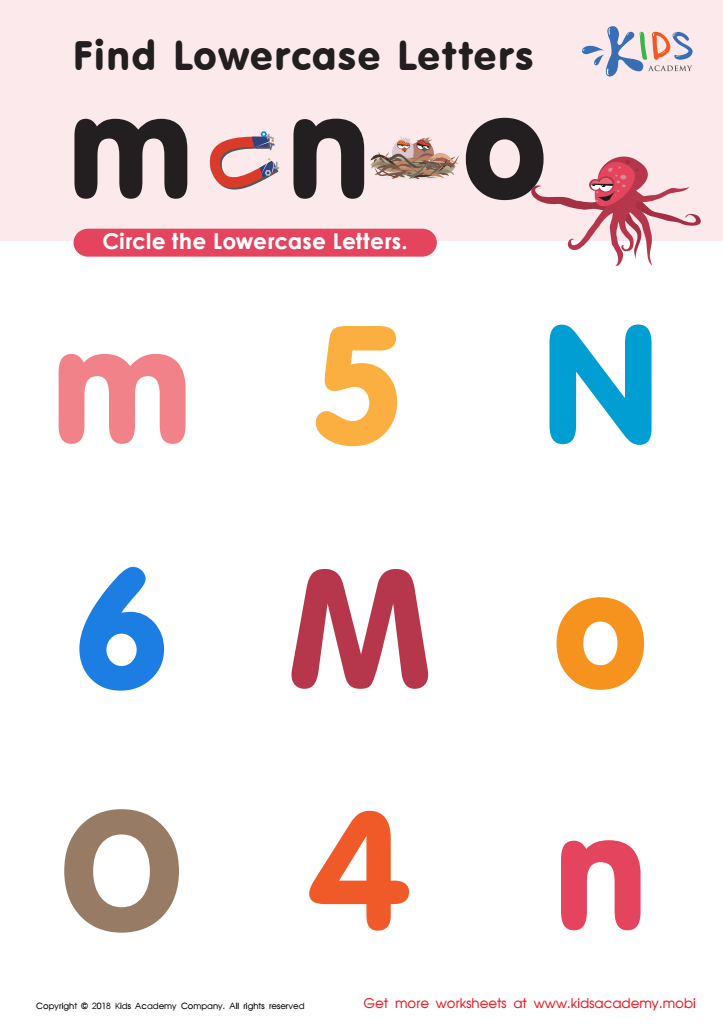
Find Lowercase Letters m n o Worksheet
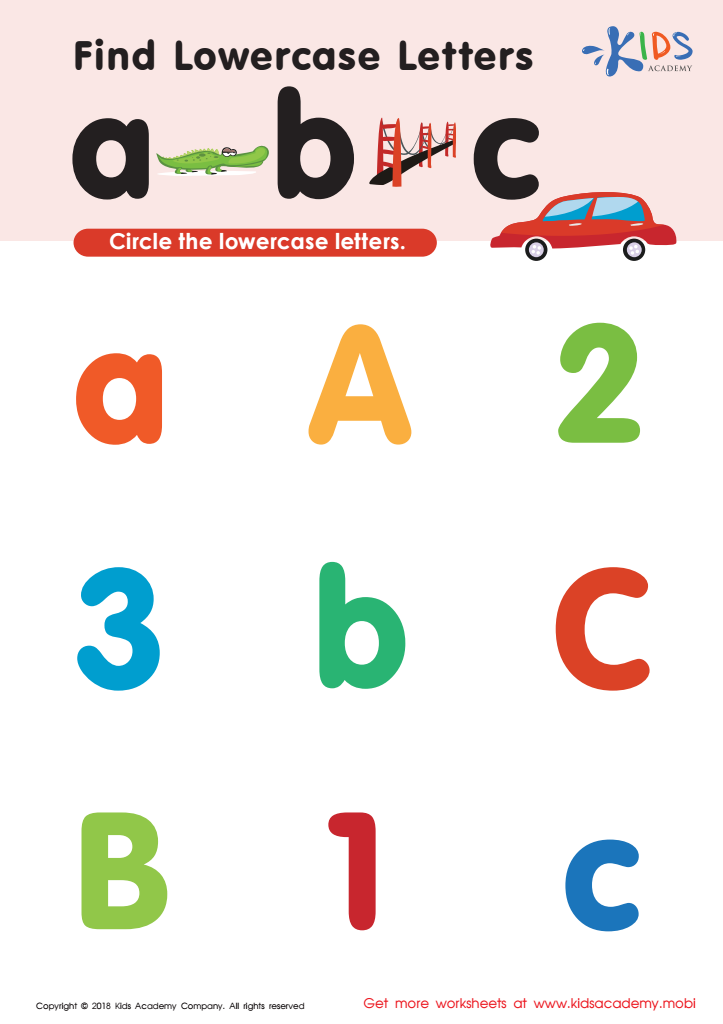
Find lowercase letters a b c Worksheet
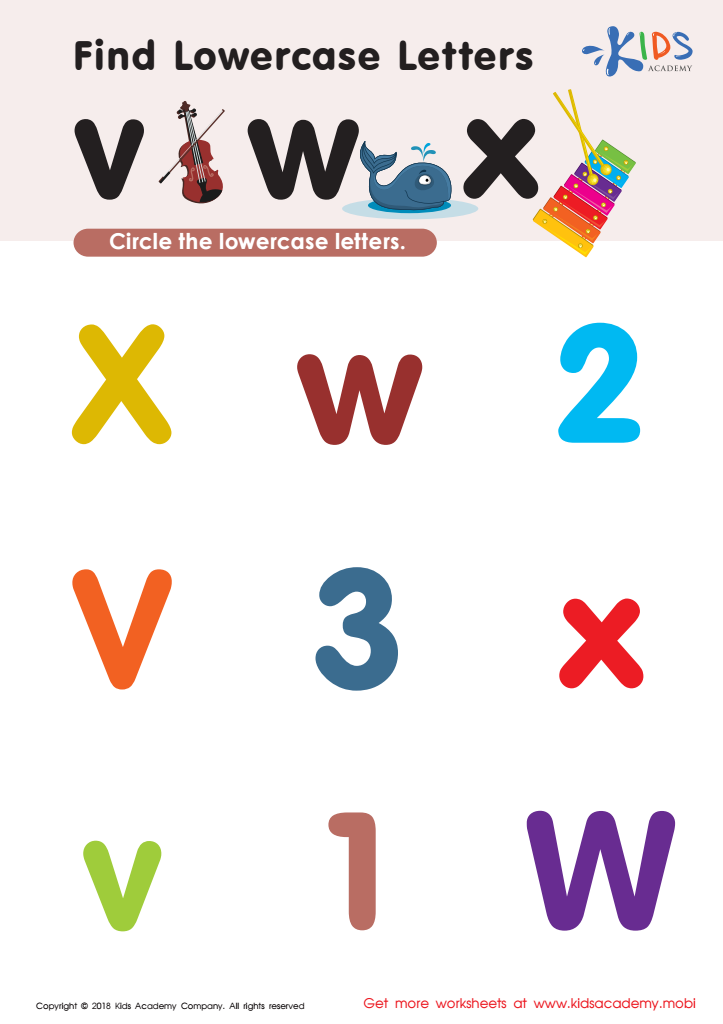
Find Lowercase Letters v w x Worksheet


Letter recognition, particularly of lowercase letters, is a critical component of early literacy development for children ages 4-8. This foundational skill not only assists in reading but also enhances spelling, writing, and overall communication abilities. Understanding lowercase letters is essential since most printed texts are written in this format, and early exposure helps children differentiate between uppercase and lowercase letters correctly.
For parents and teachers, prioritizing lowercase letter recognition fosters a child's confidence and motivation to engage with reading materials. Mastery of these letters sharpens their phonemic awareness, aids in sounding out words, and strengthens their vocabulary. Furthermore, recognizing lowercase letters forms the basis for developing writing skills, as children begin to form words and sentences, contributing to their overall academic performance.
Engaging with children in fun and interactive ways—like games, books, and hands-on activities—can significantly aid in reinforcing these skills. Ultimately, when parents and teachers actively support letter recognition, they equip children with the tools they need for lifelong learning and literacy success. Ensuring that kids can effortlessly identify lowercase letters empowers them in their educational journey, setting them up for future achievements in reading and writing.