Cognitive Development Normal Phonics Worksheets for Ages 4-8
6 filtered results
-
From - To
Unlock your child’s potential with our engaging Cognitive Development Normal Phonics Worksheets, designed specifically for ages 4-8. These interactive worksheets foster early literacy through phonics, improving reading and comprehension skills in a fun and accessible way. Your child will explore letters, sounds, and words, enhancing their cognitive abilities while building a strong foundation for future learning. Perfect for home or classroom use, our resources cater to various learning styles, ensuring every child can thrive. Watch as they gain confidence, develop critical thinking skills, and cultivate a love for reading. Start nurturing your child's cognitive development today with our comprehensive phonics worksheets!
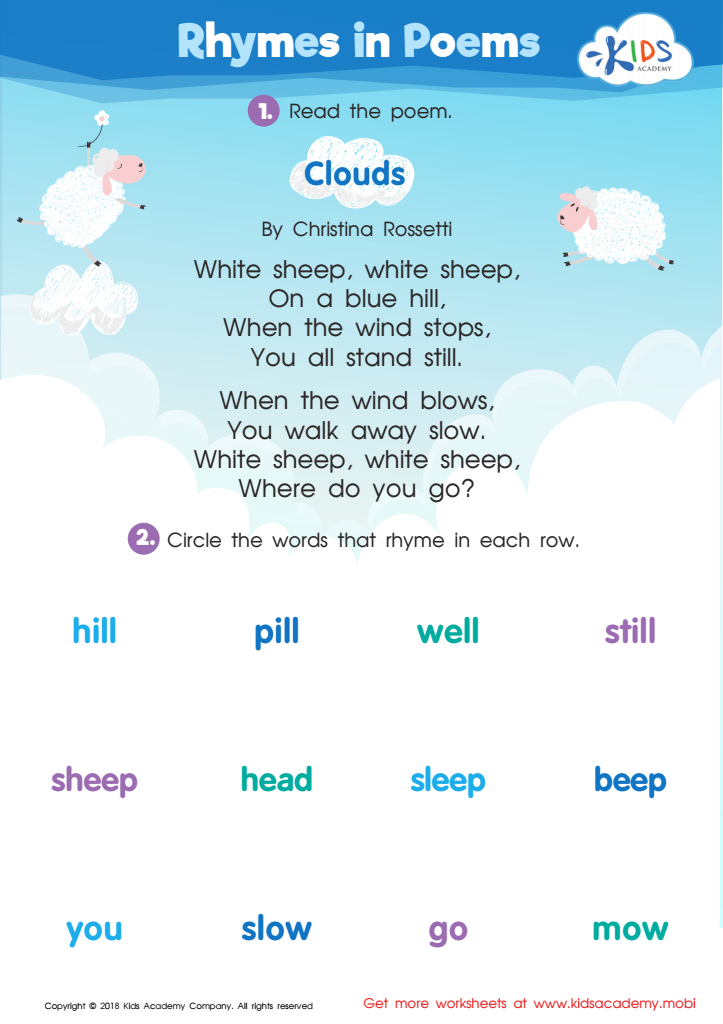
Rhymes in Poems Worksheet
 Assign to My Students
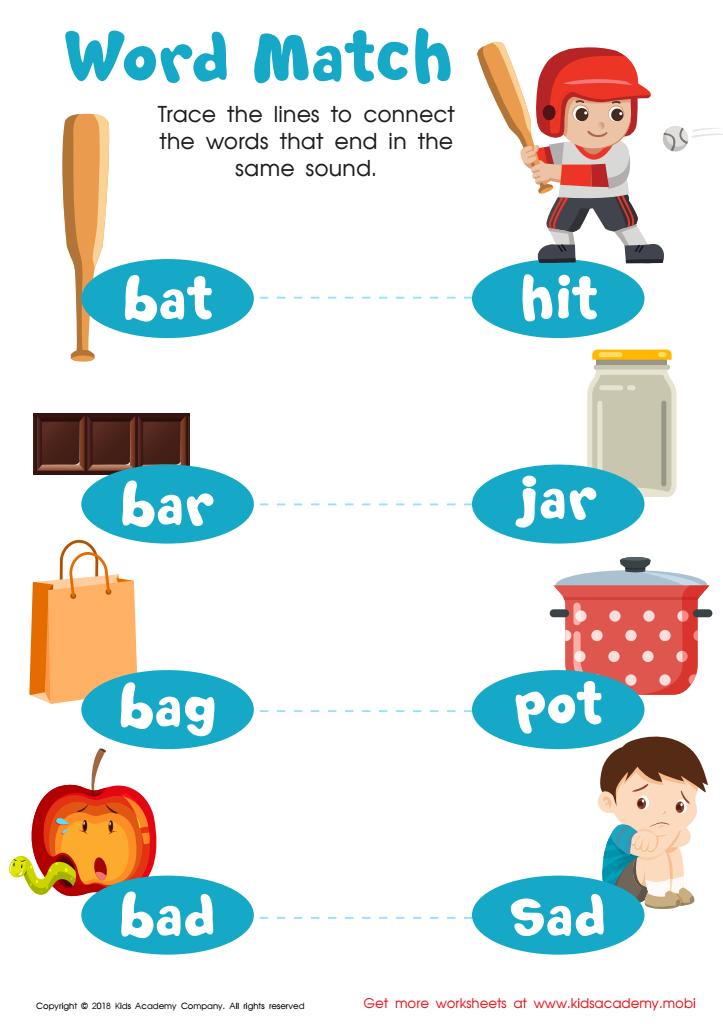
Word Match Reading Worksheet
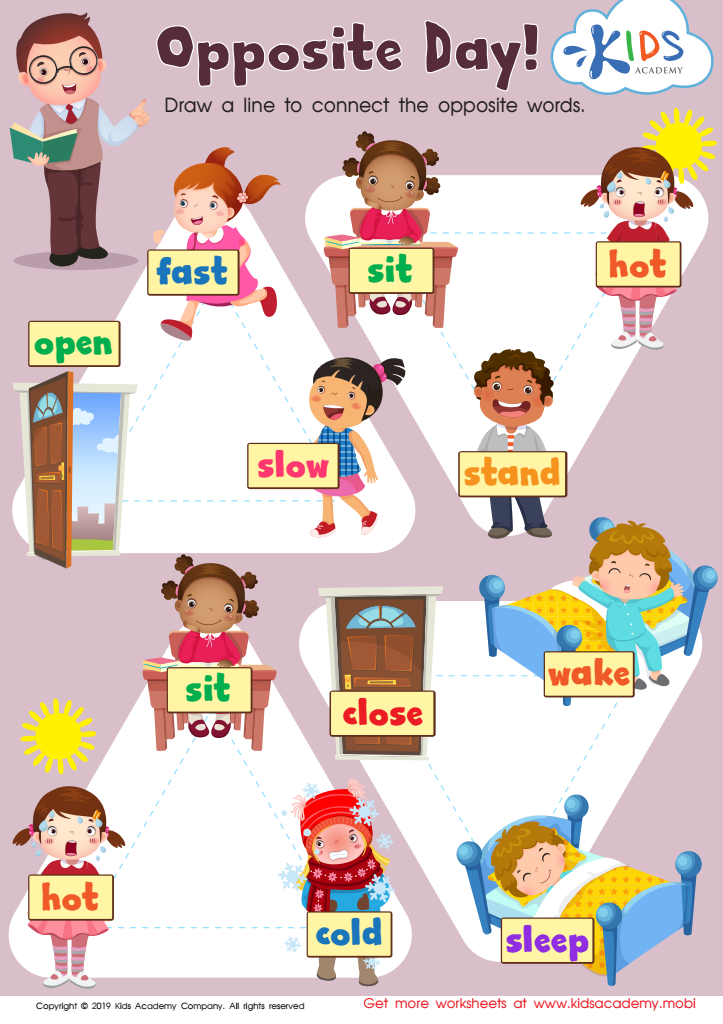
Opposite Day Worksheet
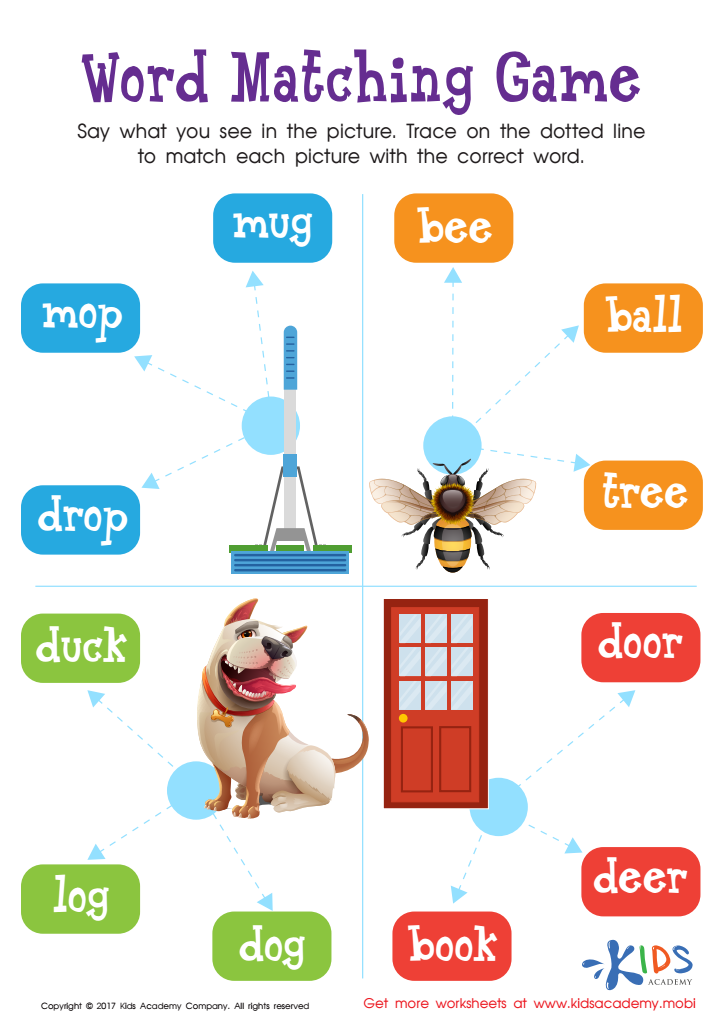
Word Matching Game Worksheet
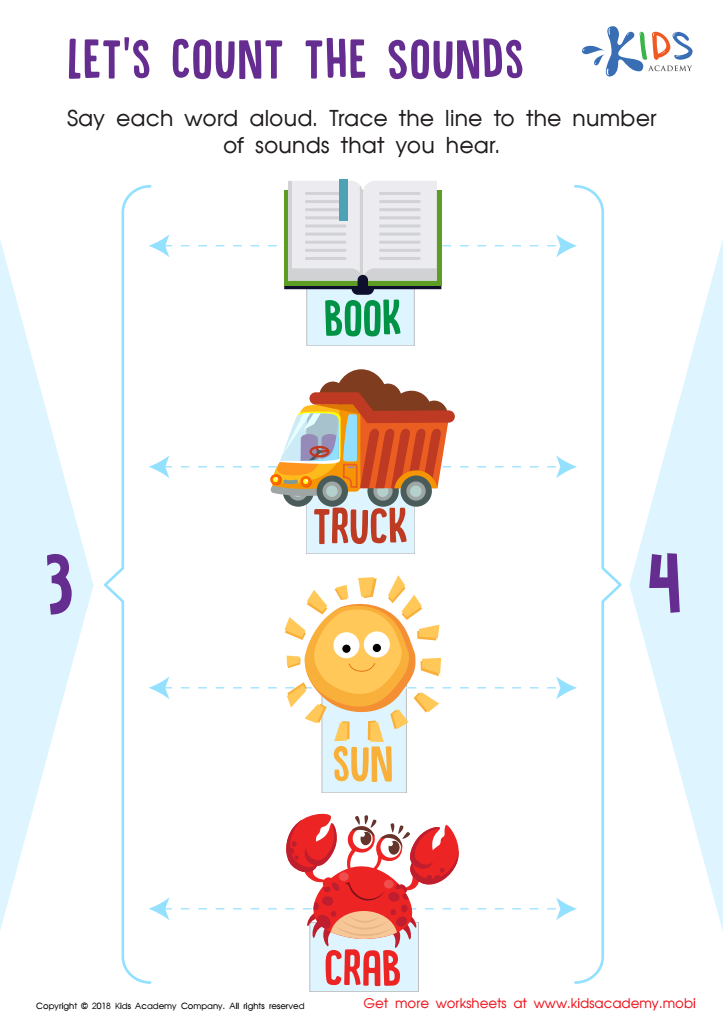
Let's Count the Sounds Worksheet
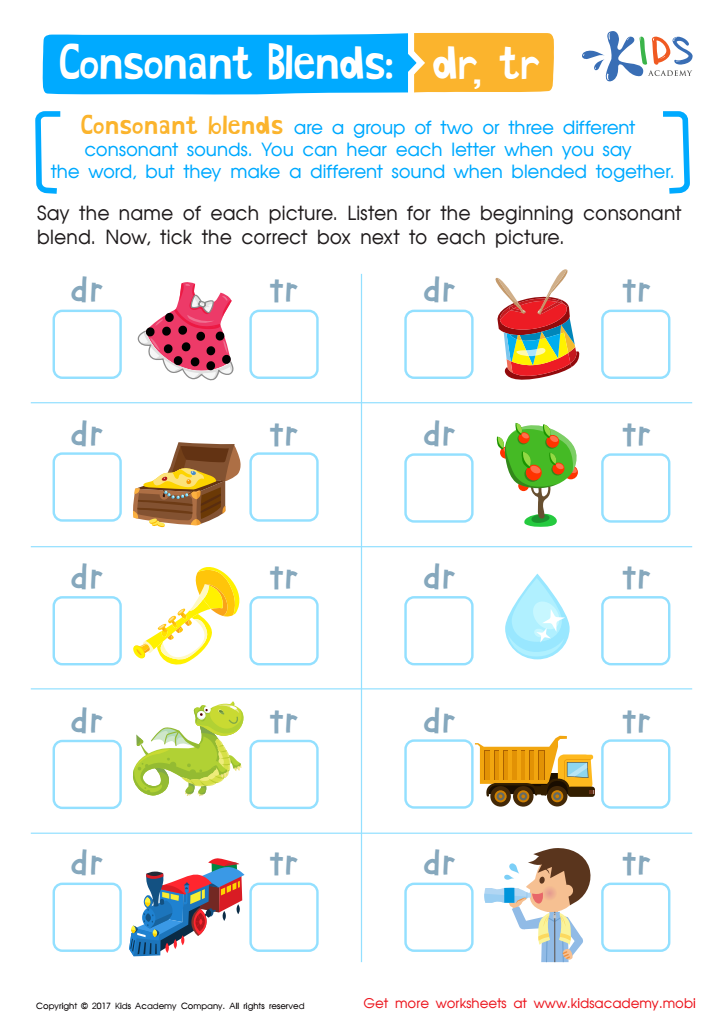
Consonant Blends: "Dr" and "Tr" Printable








Cognitive development is crucial for children aged 4-8, particularly in relation to literacy skills like phonics. At this stage, children are developing critical thinking, problem-solving abilities, and foundational communication skills that set the stage for future academic success. Phonics, the relationship between letters and sounds, plays a vital role in helping young learners decode words, which directly impacts their ability to read fluently and comprehend text.
Parents and teachers should prioritize cognitive development through phonics because it encourages active engagement. When children learn phonics, they gain confidence in their reading abilities, fostering a love for books and storytelling. This linguistic knowledge forms the building blocks for more complex literacy skills, influencing overall cognitive growth. Understanding phonics also supports children's ability to express their thoughts clearly and navigate academic challenges effectively.
Moreover, strong phonics instruction has been shown to improve not only reading skills but also spelling, writing, and language comprehension. Ultimately, investing in cognitive development via normal phonics practices enhances children's educational journey, leading to lifelong learning and critical thinking abilities essential for their future success. By recognizing the importance of phonics, parents and teachers can effectively prepare children for the challenges and opportunities that lie ahead in their academic lives.







