Vocabulary expansion Normal Phonics Worksheets for Ages 4-8 - Page 2
43 filtered results
-
From - To
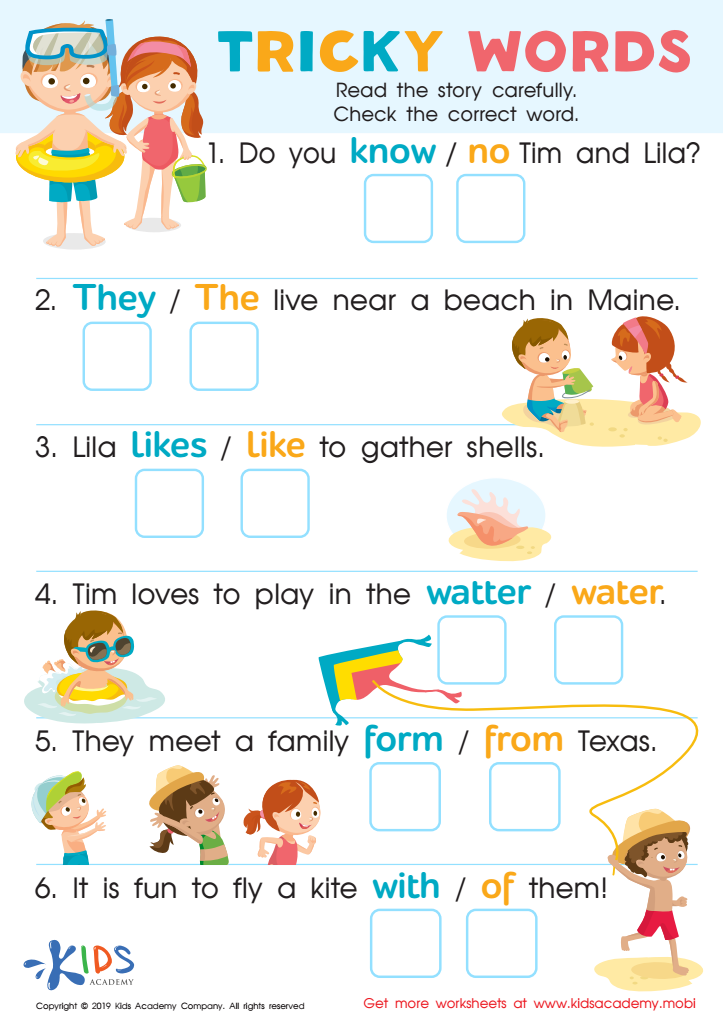
Tricky Words Worksheet
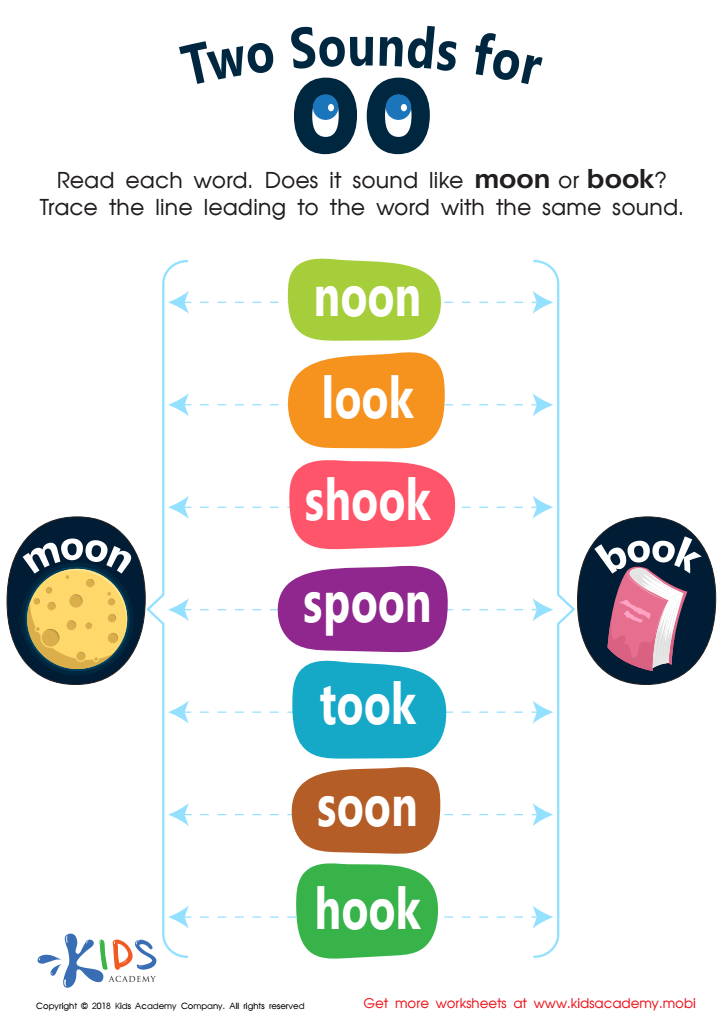
Two Sounds for OO Worksheet
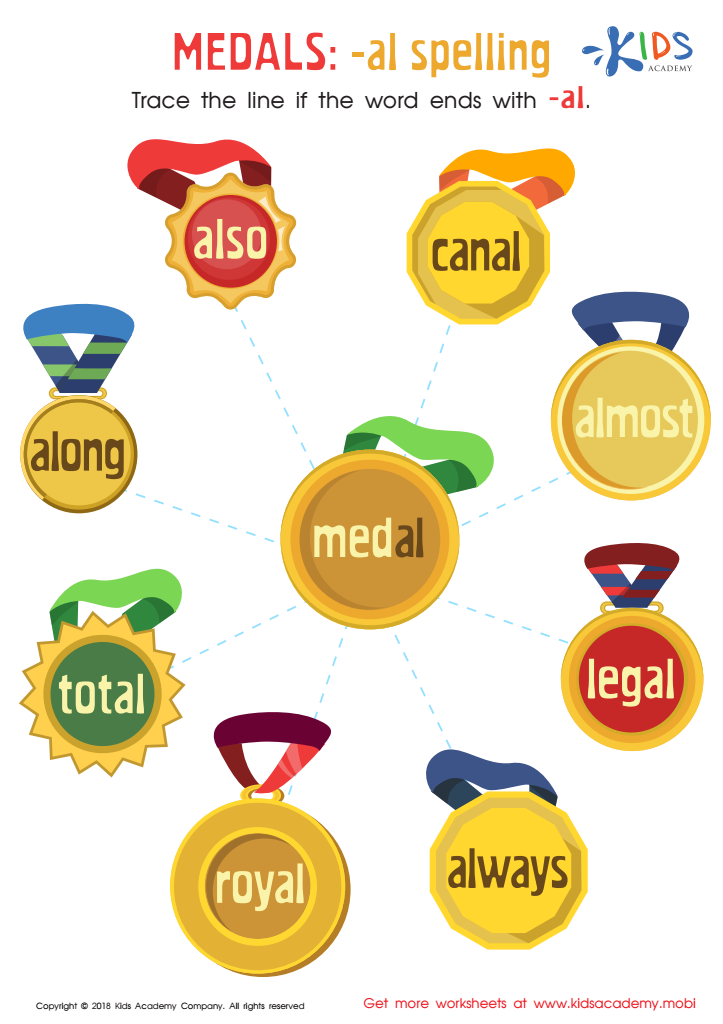
Medals: Al Spelling Worksheet
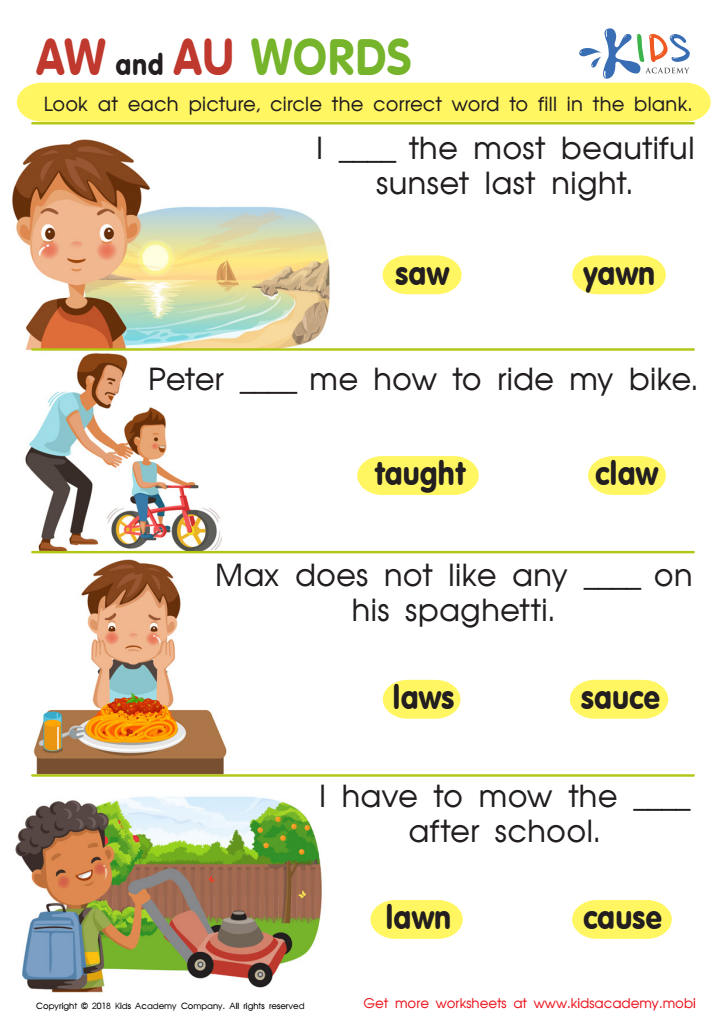
Reading: AW and AU Words Worksheet
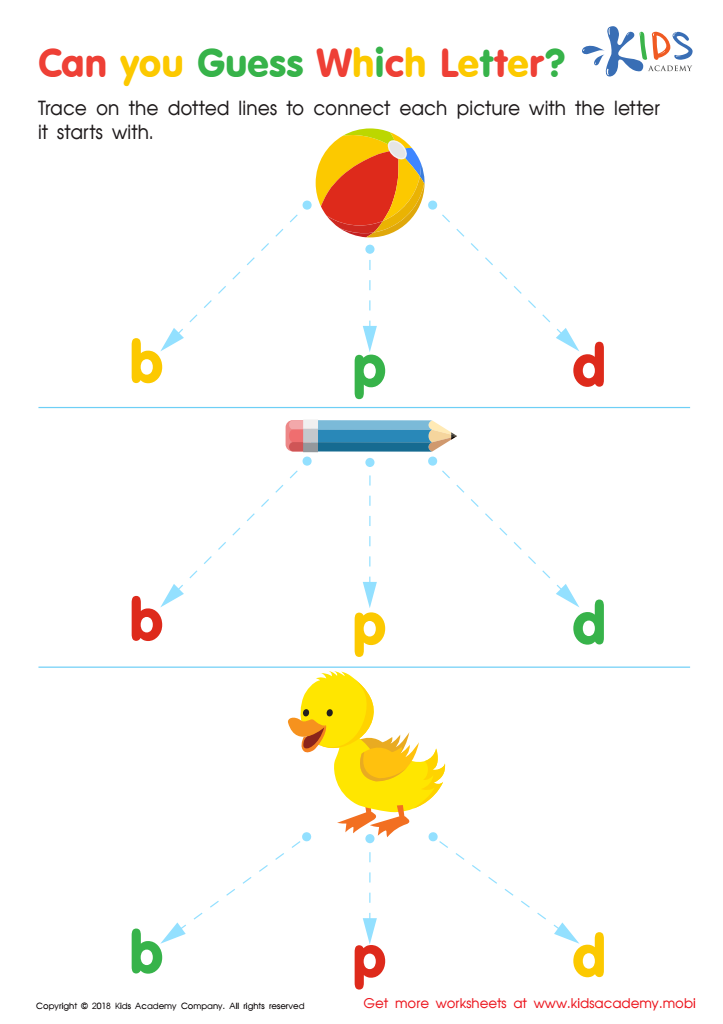
Can you Guess Which Letter? Worksheet
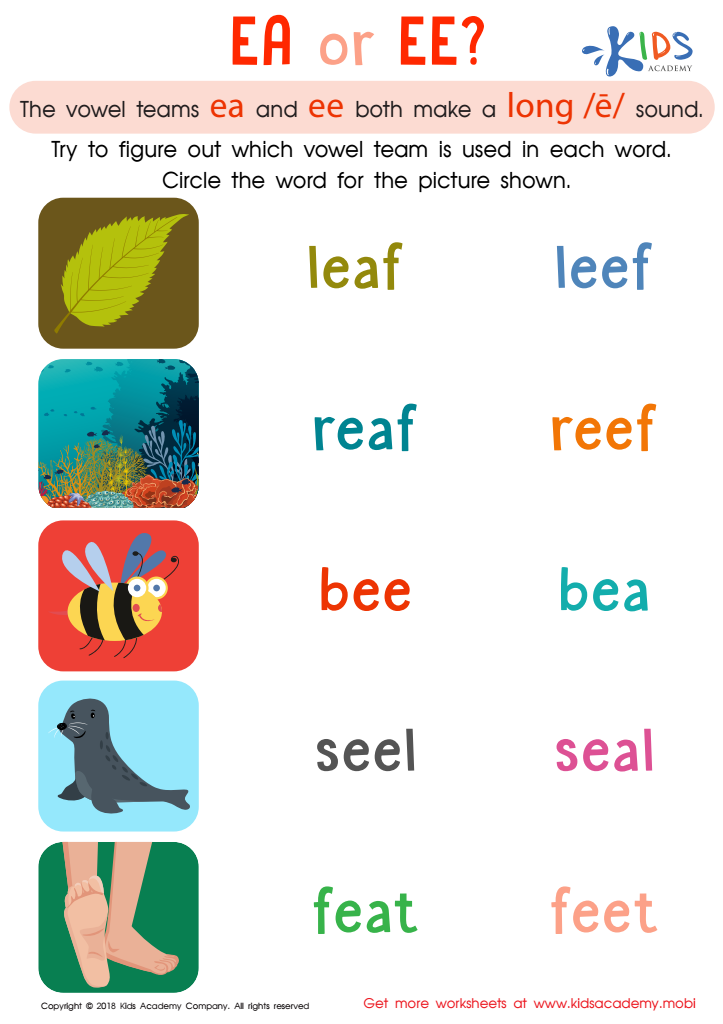
Reading: EA and EE Worksheet
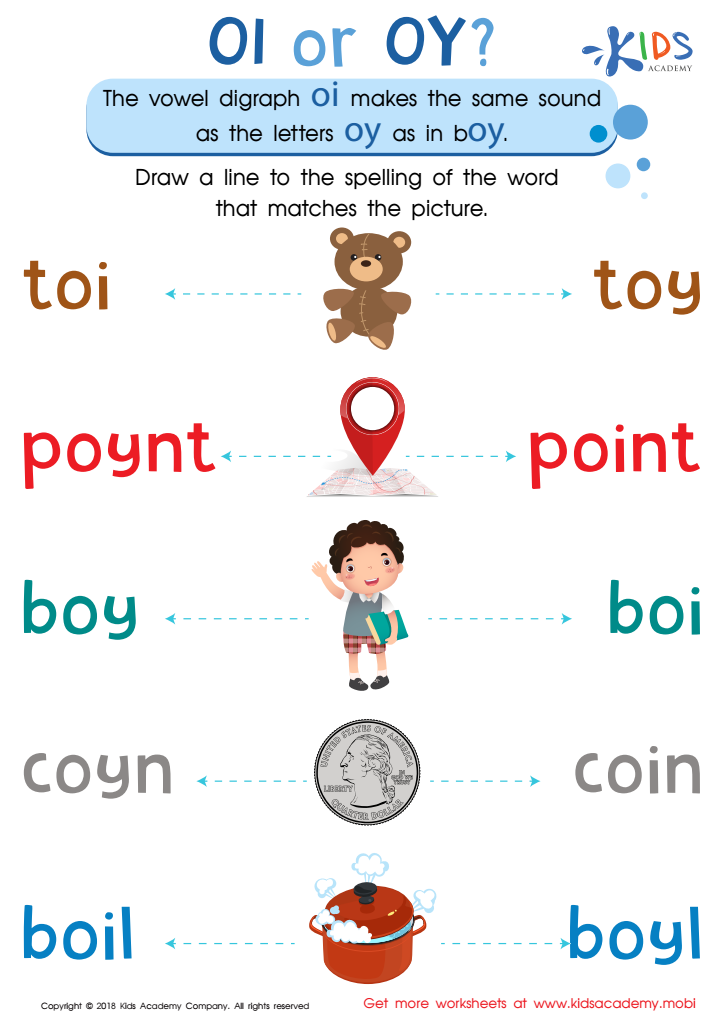
Reading: OI and OY Worksheet
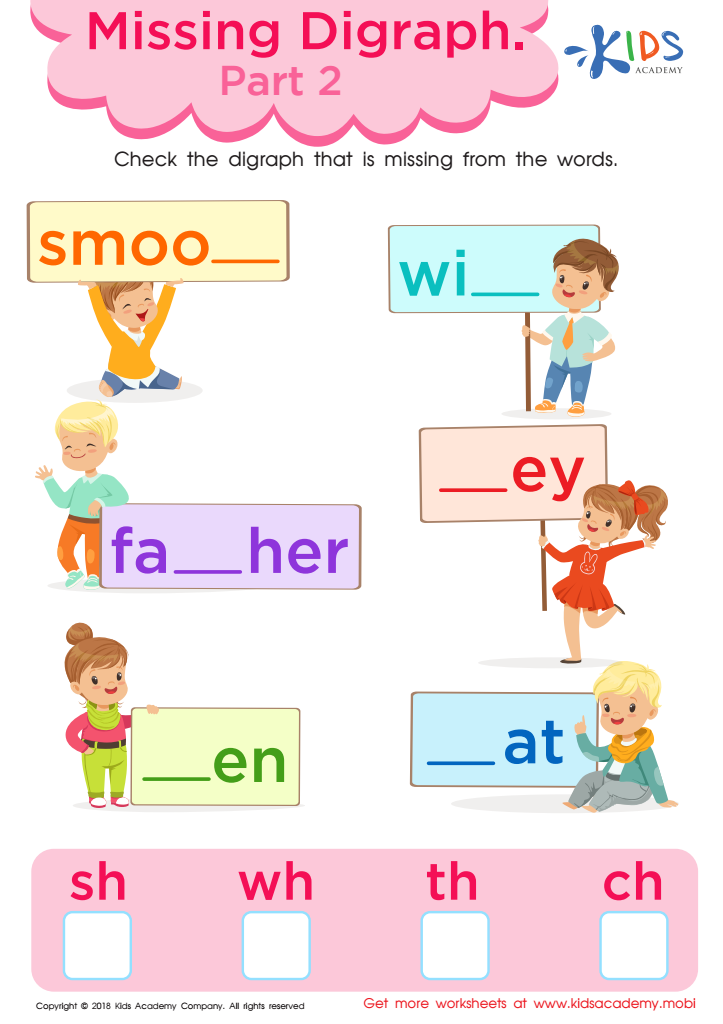
Missing Digraph: Part 2 Worksheet
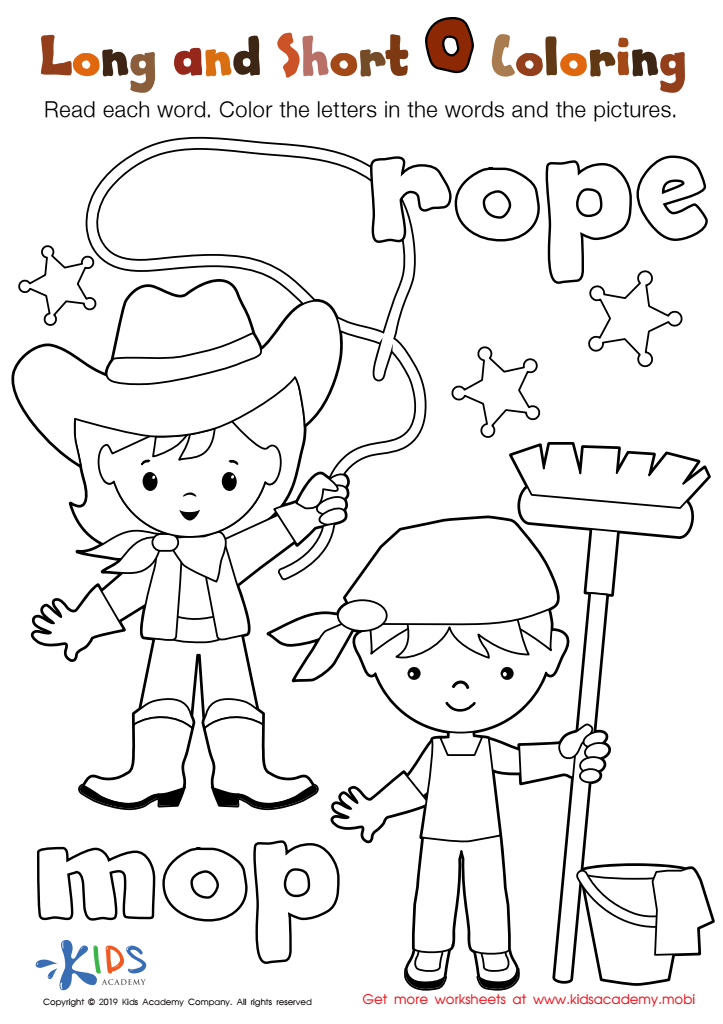
Long and Short O Worksheet
 Assign to My Students
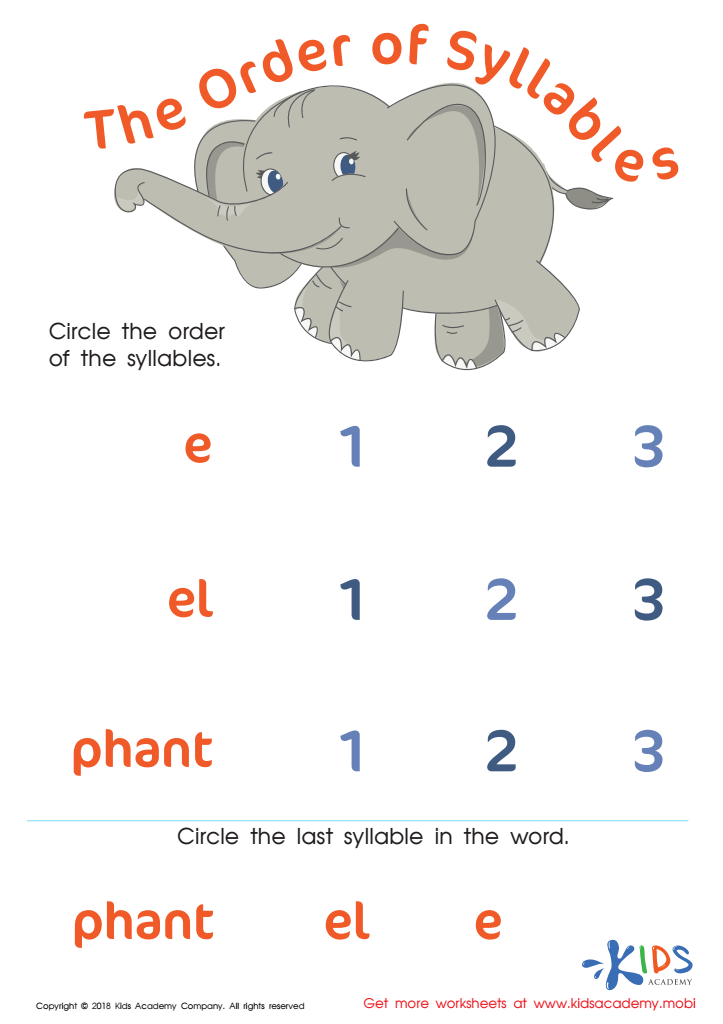
The Order of Syllables Worksheet
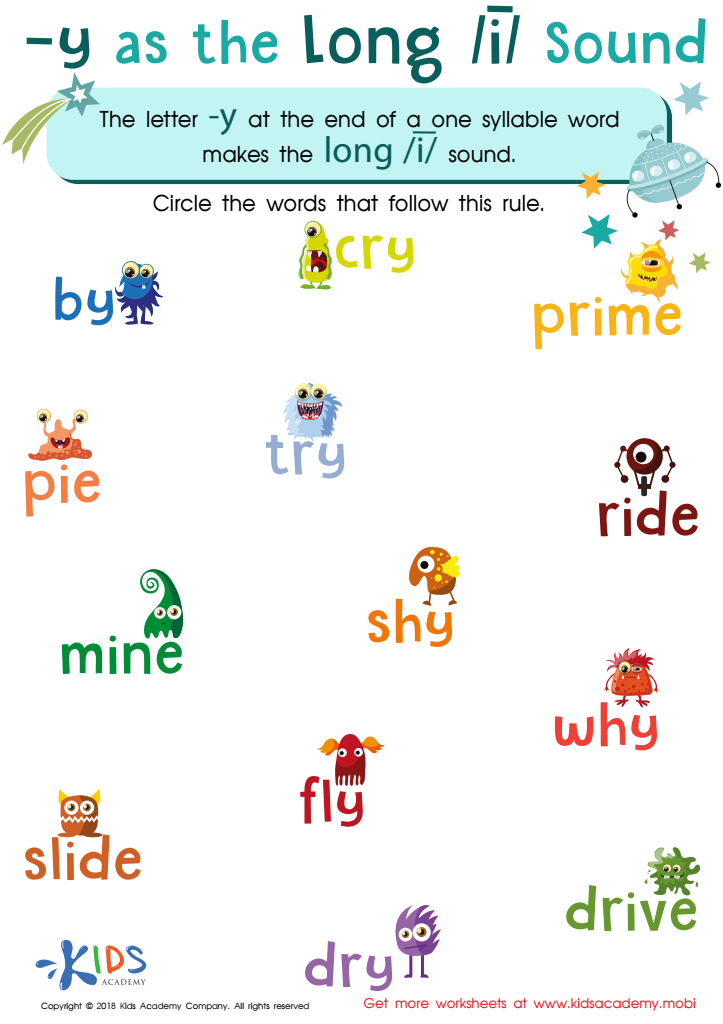
Reading: Y as Long I Worksheet
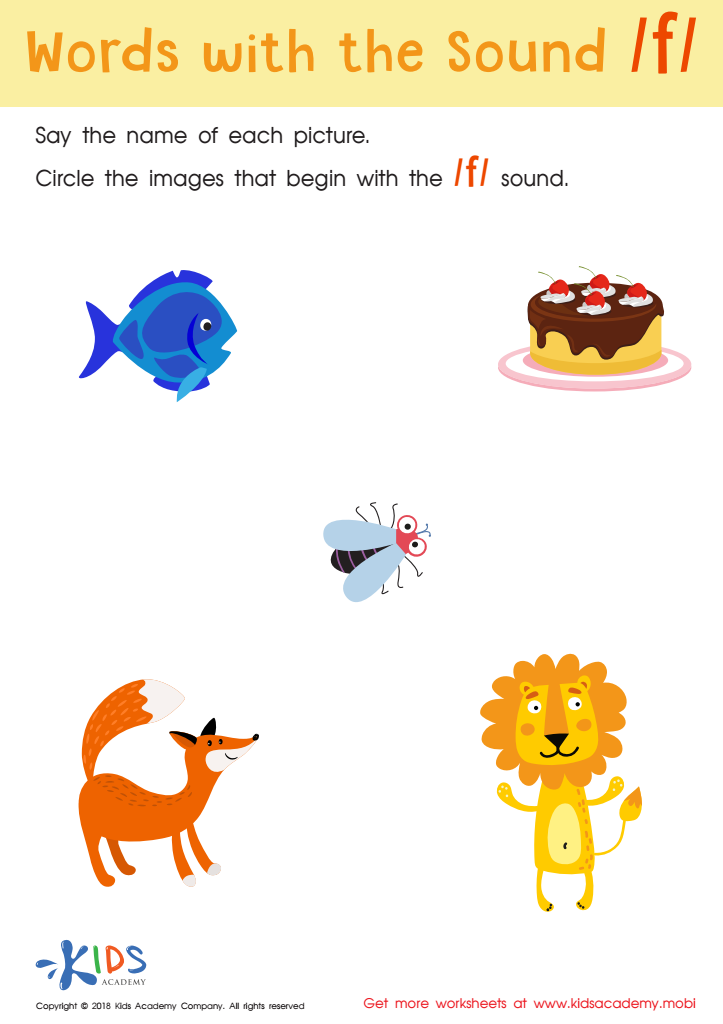
Words with sound f Reading Worksheet
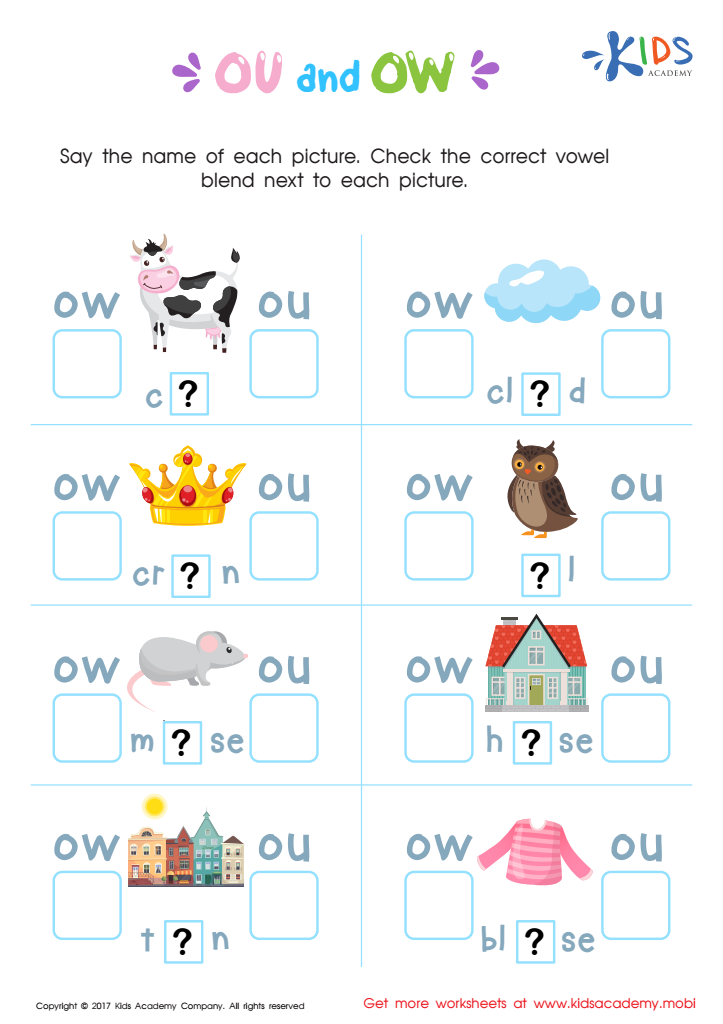
OU and OW Words Worksheet
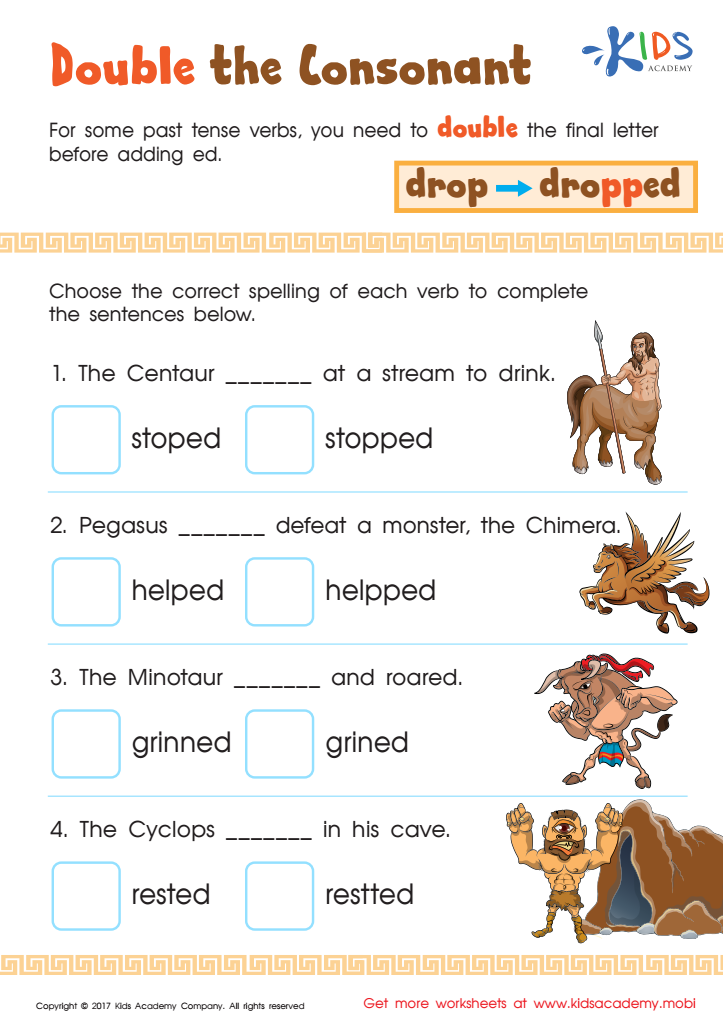
Double Consonant Spelling Worksheet
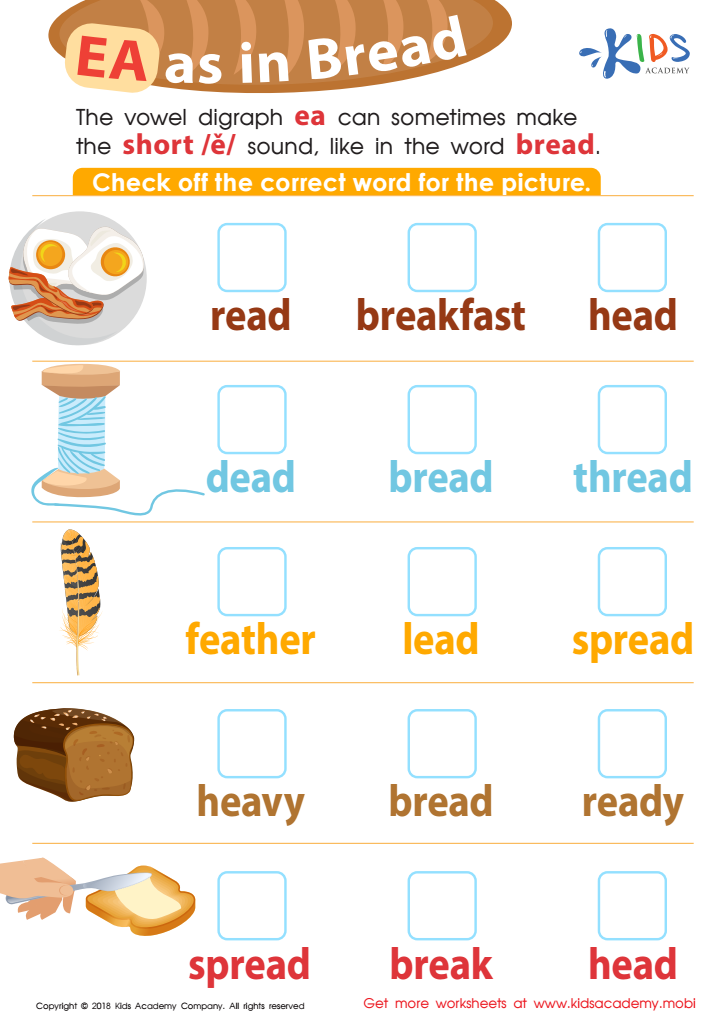
Reading: EA as in Bread Worksheet
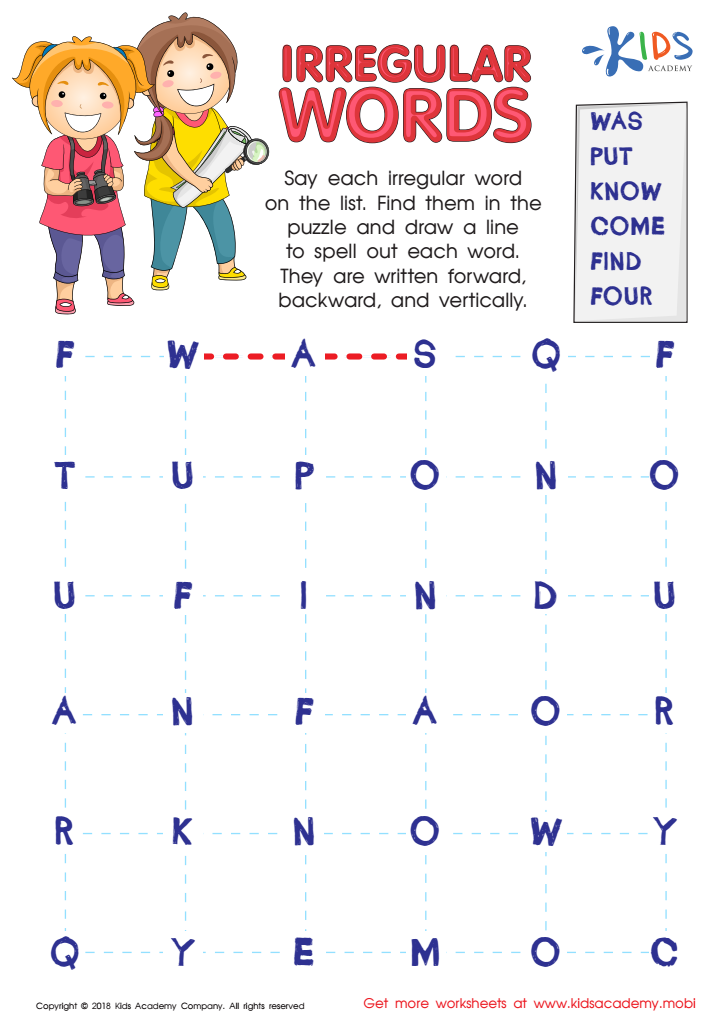
Irregular Words Worksheet
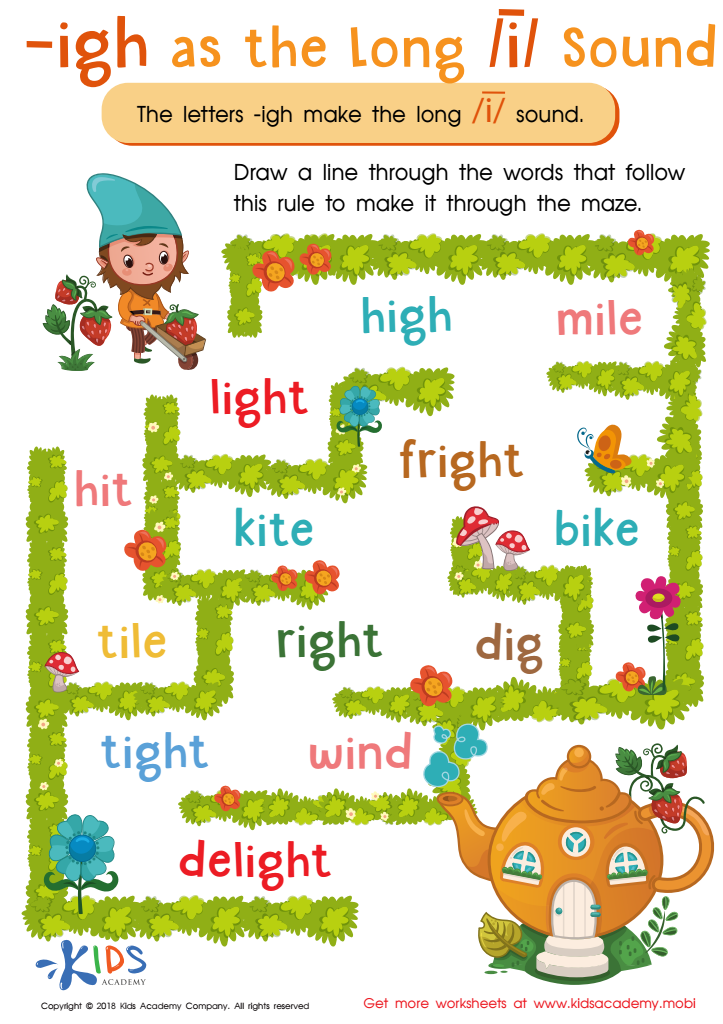
Reading: IGH as Long I Worksheet
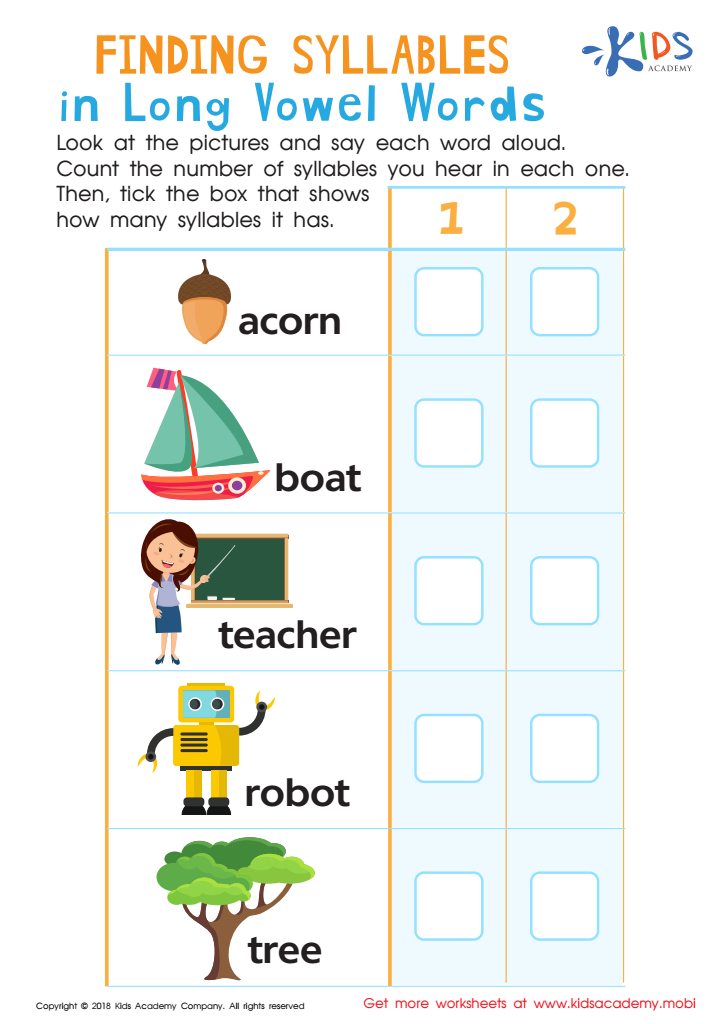
Finding Syllables in Long Vowel Words Worksheet
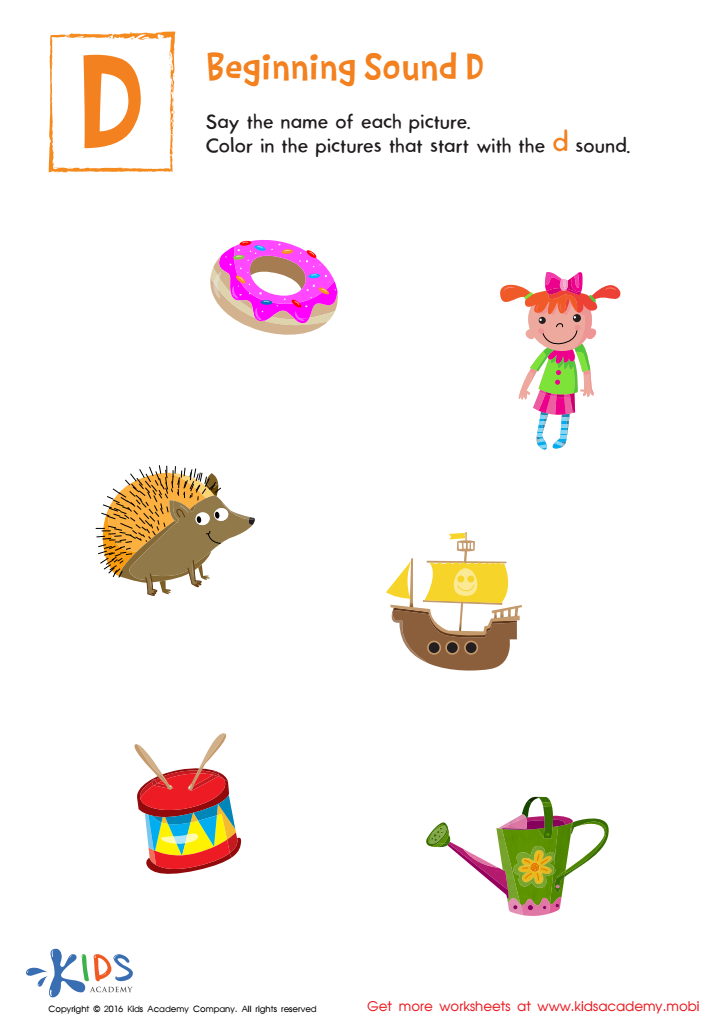
Beginning Sound D Worksheet








Vocabulary expansion and mastery of phonics at ages 4-8 are vital for several compelling reasons. First, this critical developmental window is optimal for language acquisition. Children’s brains are highly receptive to new information, making it an ideal time to introduce and reinforce vocabulary. A rich vocabulary enables clearer communication and better comprehension, setting a strong foundation for future learning.
Secondly, phonics instruction helps children understand the relationship between sounds and letters, which is essential for reading and writing. When children learn phonics, they can decode new words, improving reading fluency and confidence. Without a strong grasp of phonics, they may struggle to read and interpret unfamiliar words, hindering their academic progress.
Moreover, early vocabulary and phonics skills contribute to cognitive development, enhancing memory, attention, and critical thinking. These skills boost academic performance across subjects, as understanding and instructions become more accessible. They also foster a love for reading by making the process enjoyable and less frustrating.
Social and emotional development is another consideration. Children with a strong vocabulary can express their needs, feelings, and ideas more effectively, reducing frustration and improving interactions with peers and adults.
In summary, emphasizing vocabulary expansion and phonics for young children lays the groundwork for academic success, cognitive development, and social skills, all of which are crucial for lifelong learning and personal growth.







