Letter recognition Normal Upper & Lowercase Letters Worksheets for Ages 4-8
22 filtered results
-
From - To
Engage your little learners with our delightful Letter Recognition Worksheets designed for ages 4-8! These beautifully crafted activities focus on normal upper and lowercase letters, ensuring a fun and effective way to develop foundational literacy skills. Each worksheet encourages children to identify, trace, and practice letter formation, reinforcing their recognition abilities. Ideal for parents and educators alike, our interactive resources provide endless opportunities for hands-on learning, helping children build confidence in their reading and writing skills. With colorful illustrations and engaging exercises, your students will be inspired to explore the world of letters while enhancing their cognitive development today!

Find Lowercase Letters g h i Worksheet
 Assign to My Students


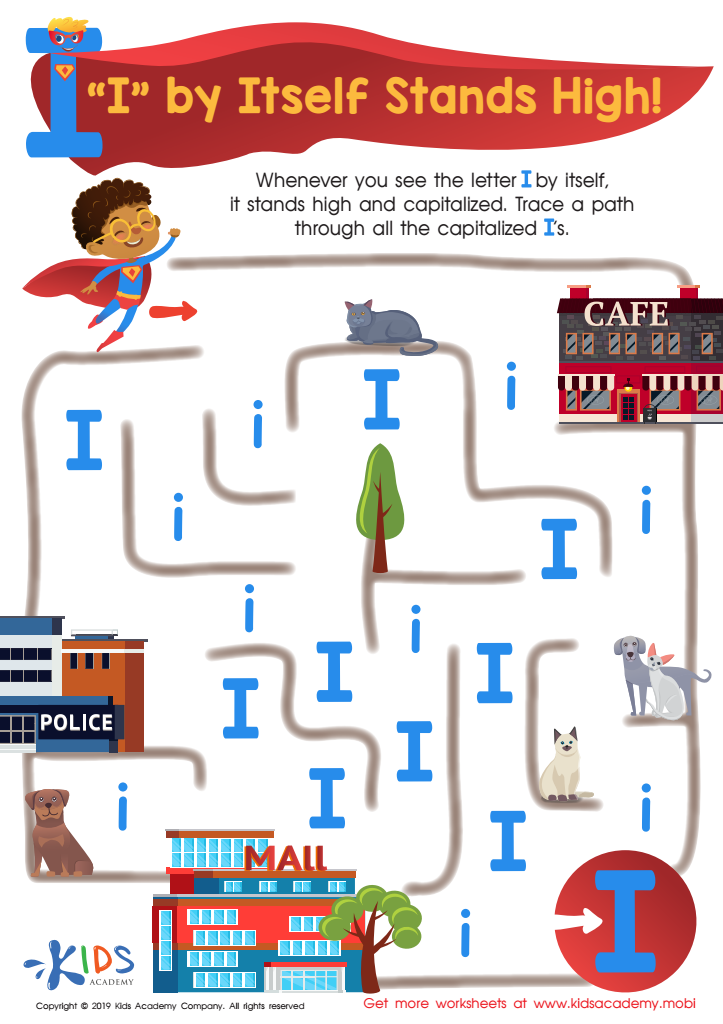
I Stands High Worksheet
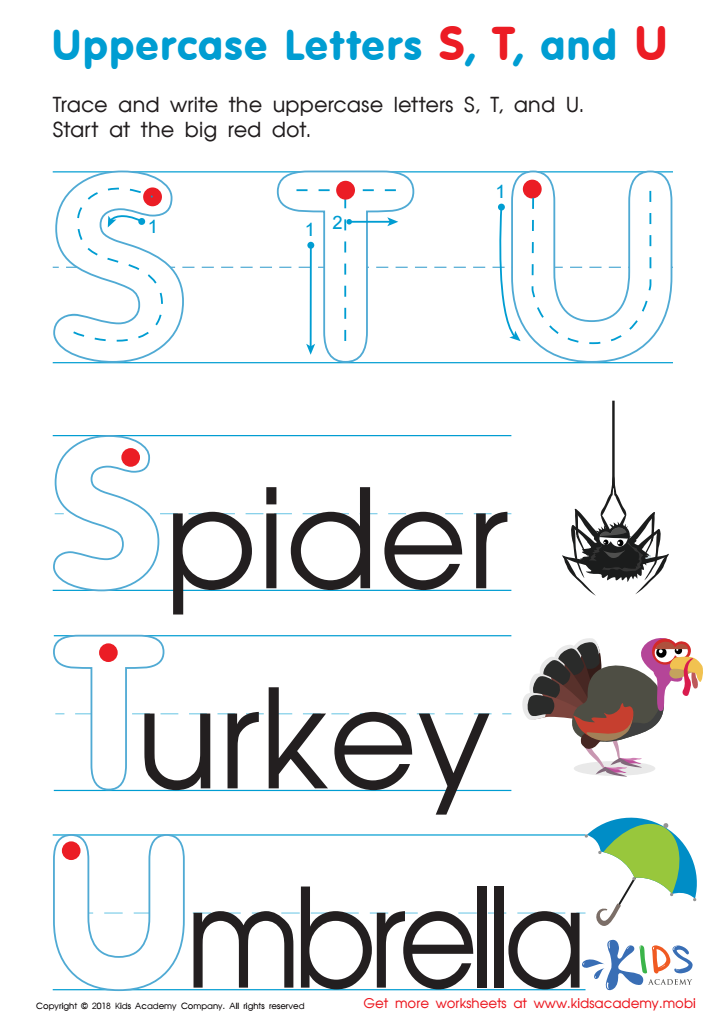
Uppercase Letters S, T, and U Worksheet
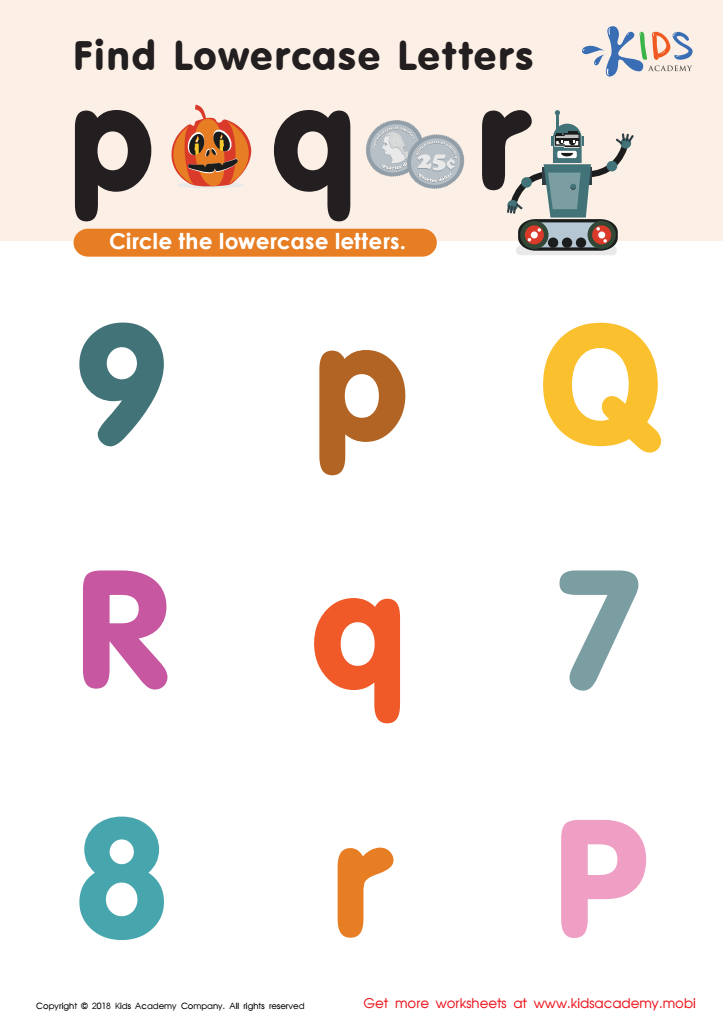
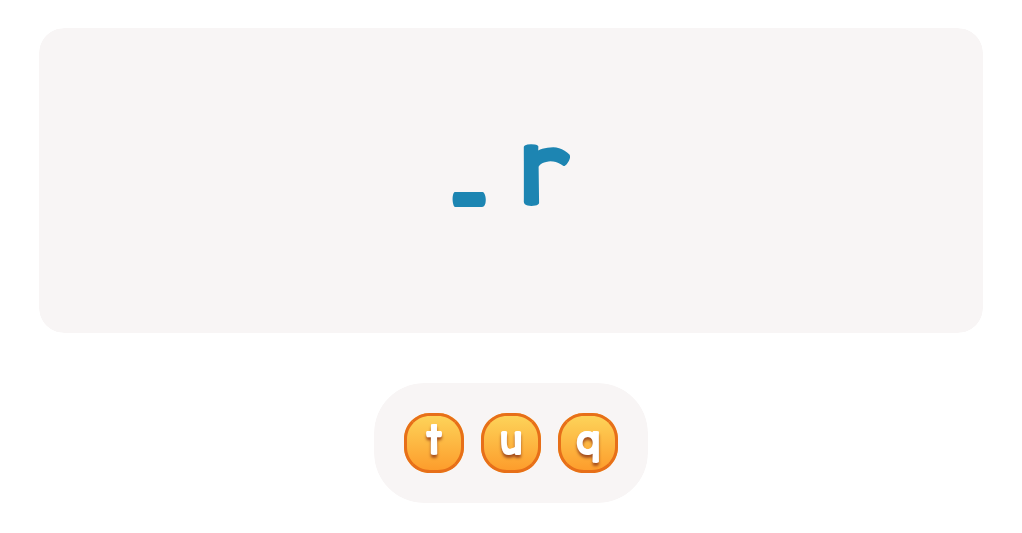
Find lowercase Letters p q r Worksheet
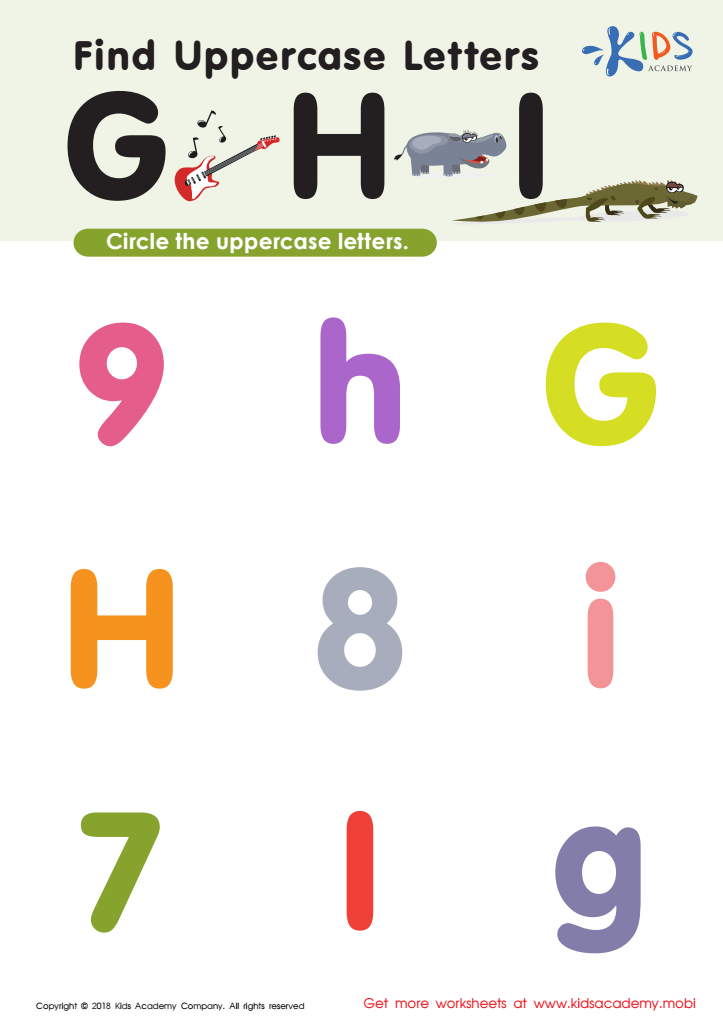
Find Uppercase Letters G, H, and I Worksheet
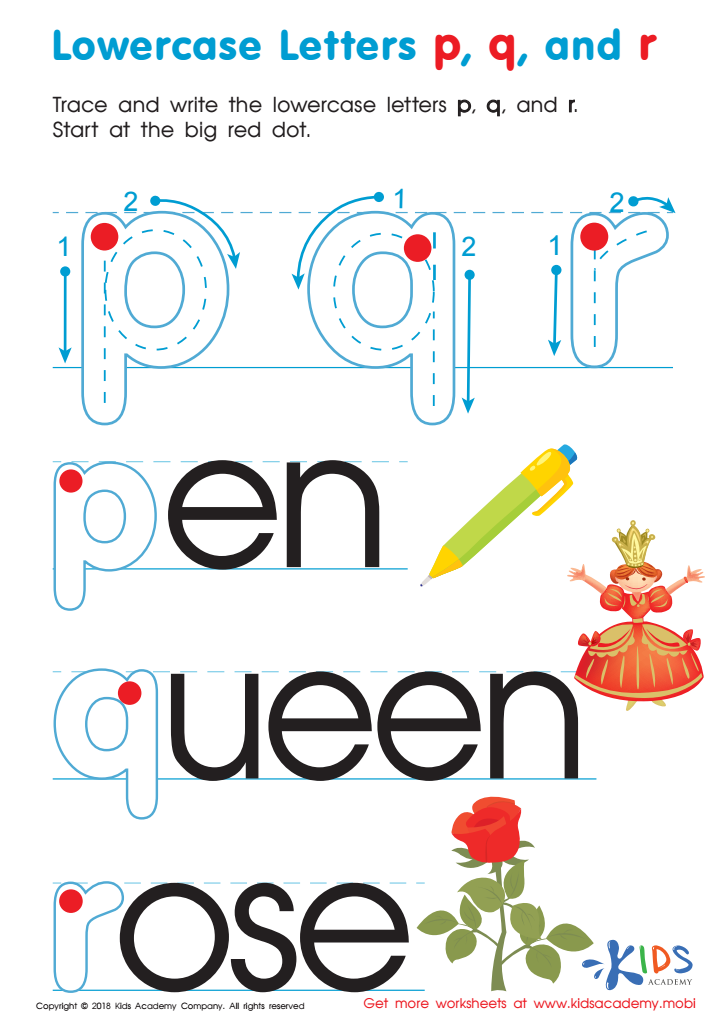
Lowercase Letters p q r Worksheet
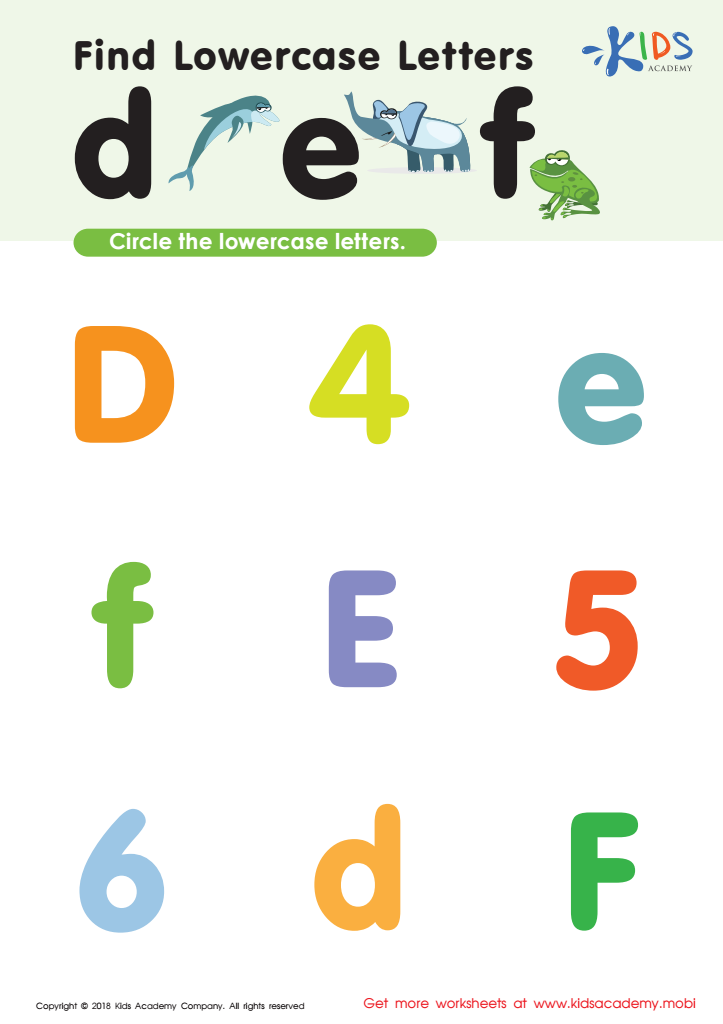
Find Lowercase Letters d e f Worksheet
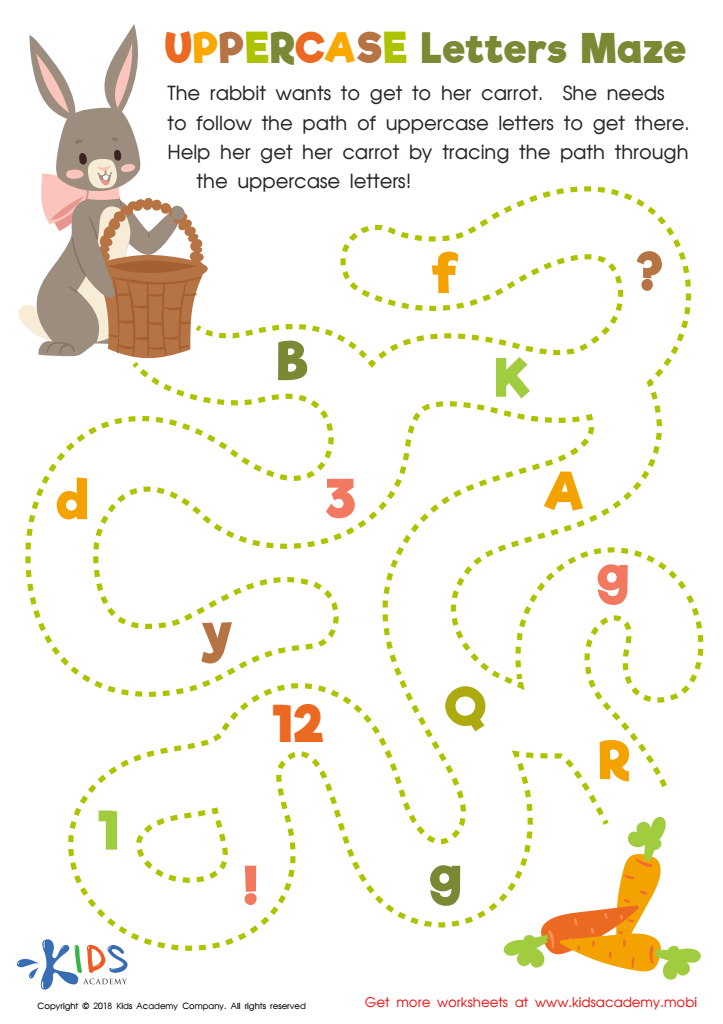
Uppercase Letters Maze Worksheet
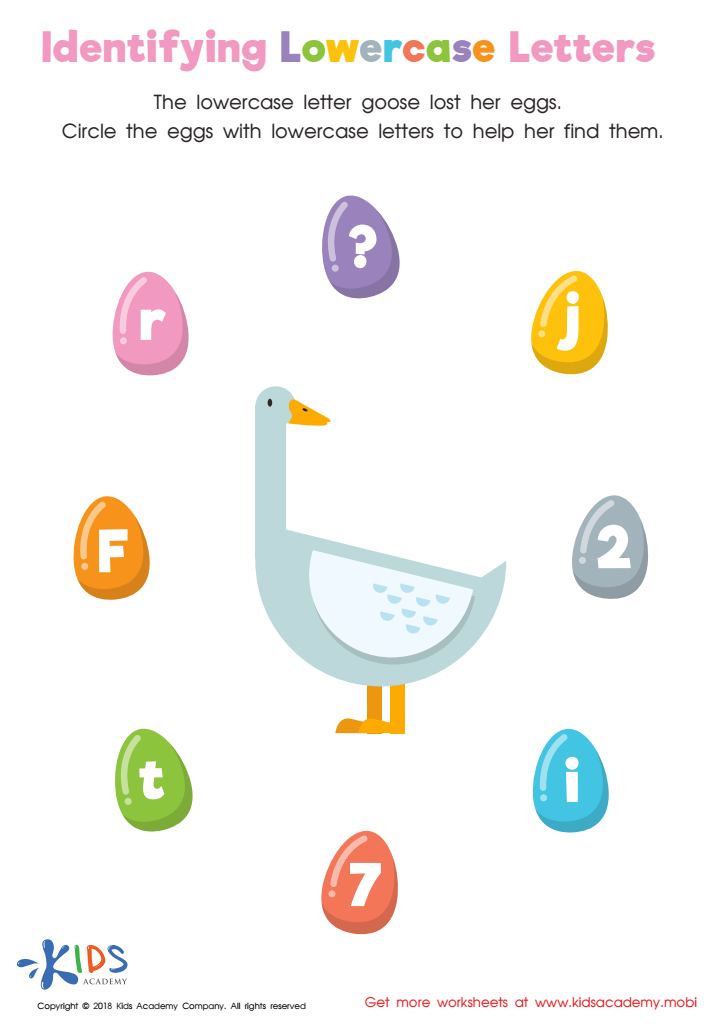
Identifying Lowercase Letters Worksheet
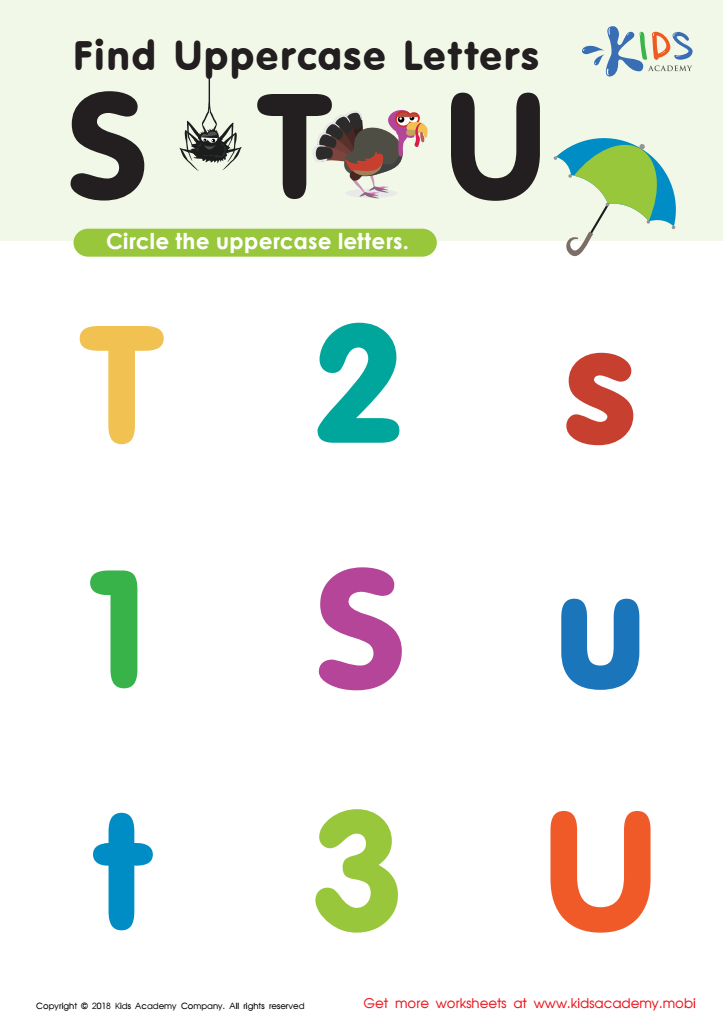
Find Uppercase Letters Worksheet
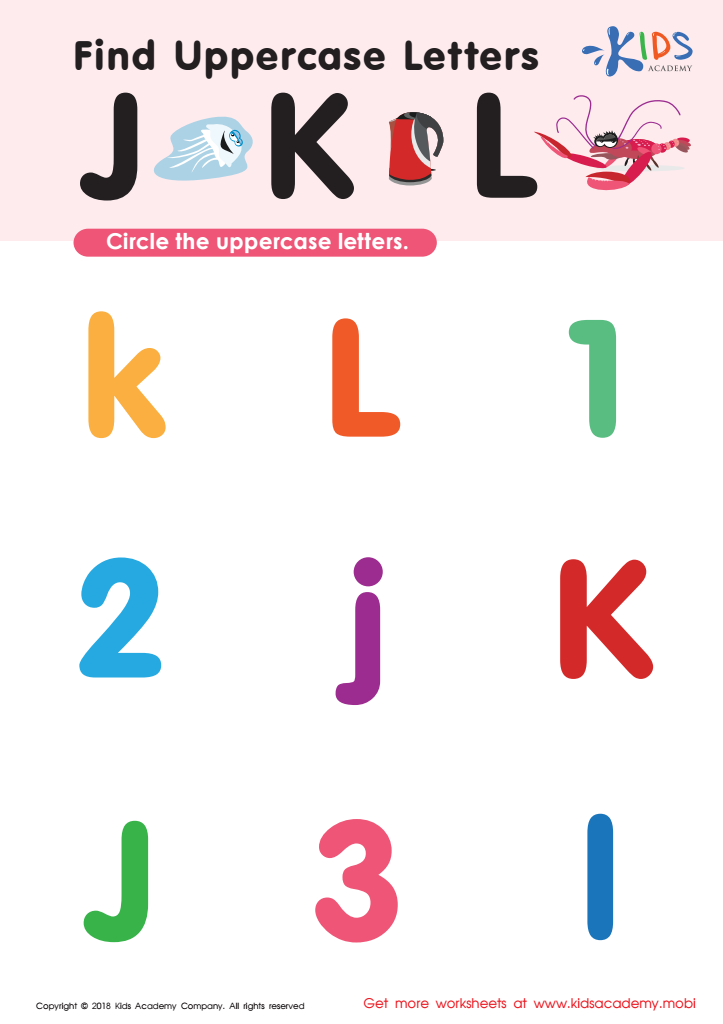
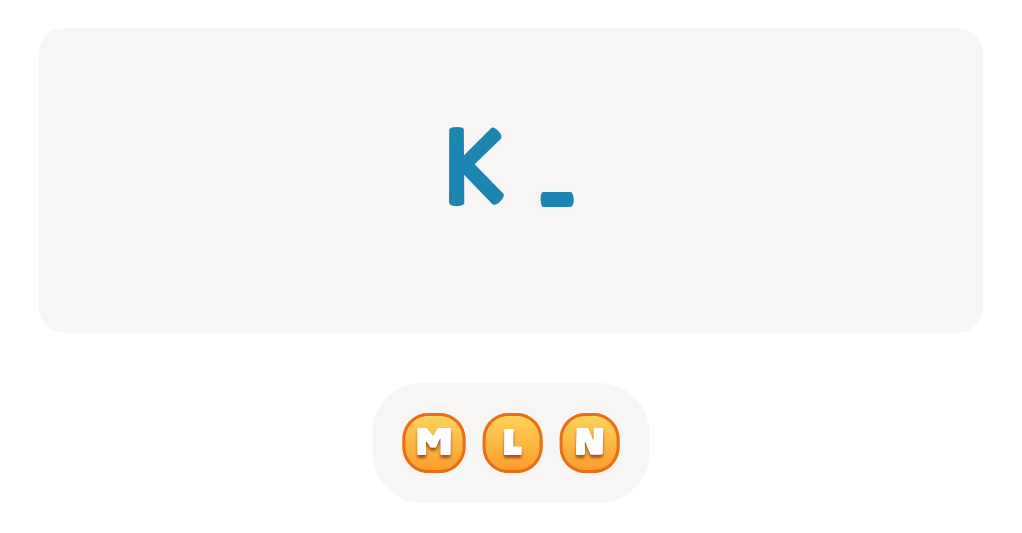
Find Uppercase Letters J, K, and L Worksheet
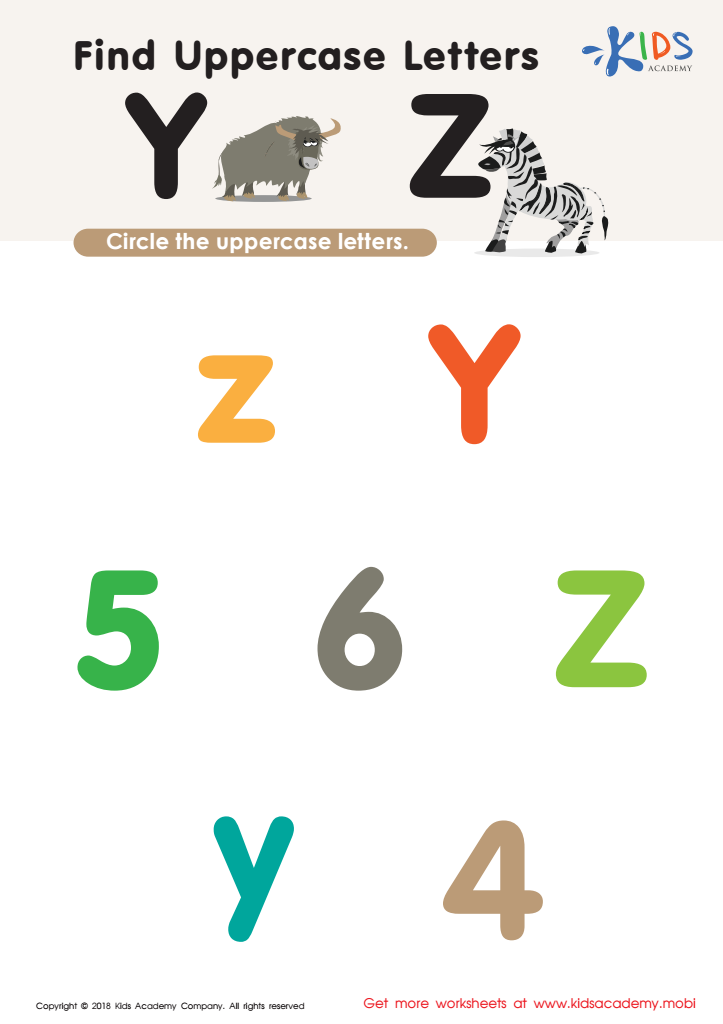
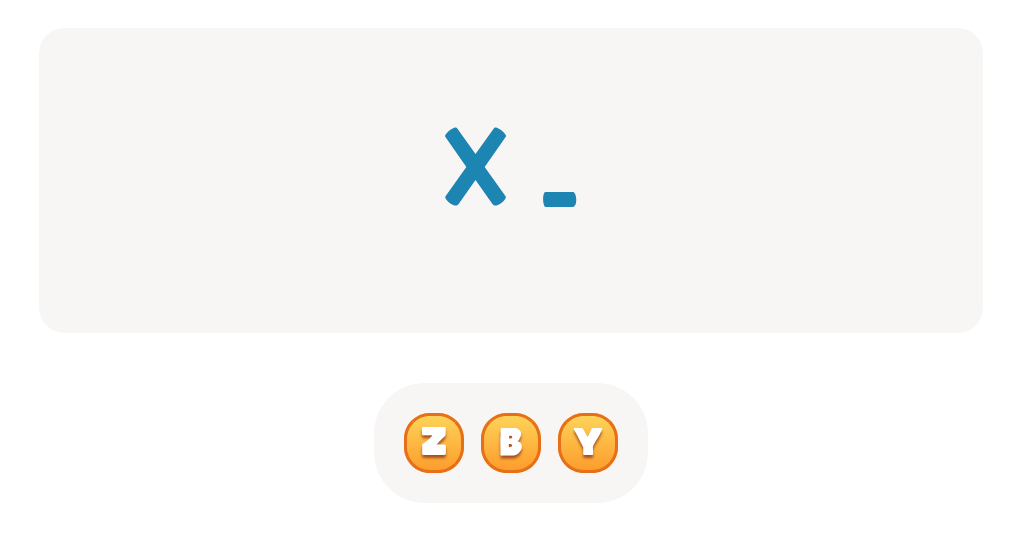
Find Uppercase Letters Y Z Worksheet
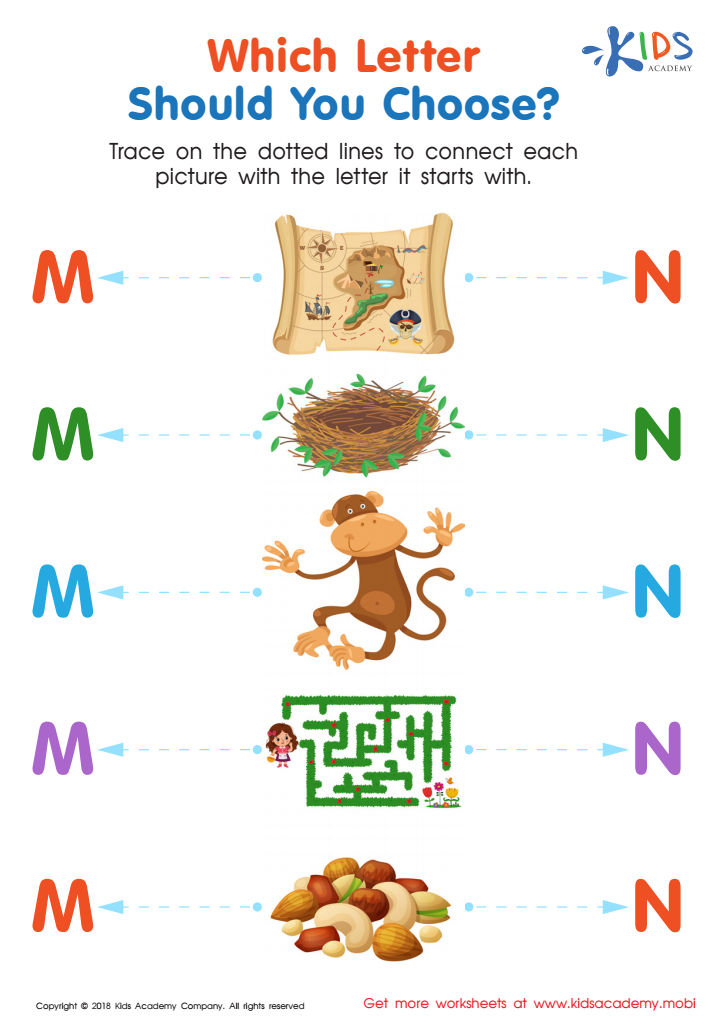
Which Letter Should you Choose? Worksheet
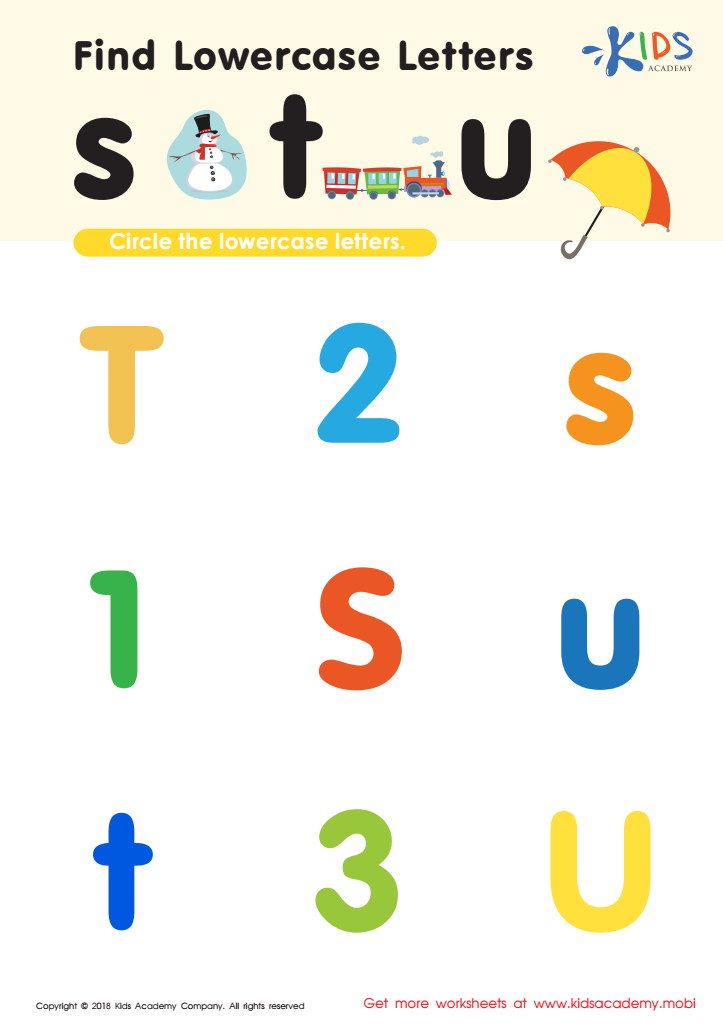
Find lowercase Letters s t u Worksheet
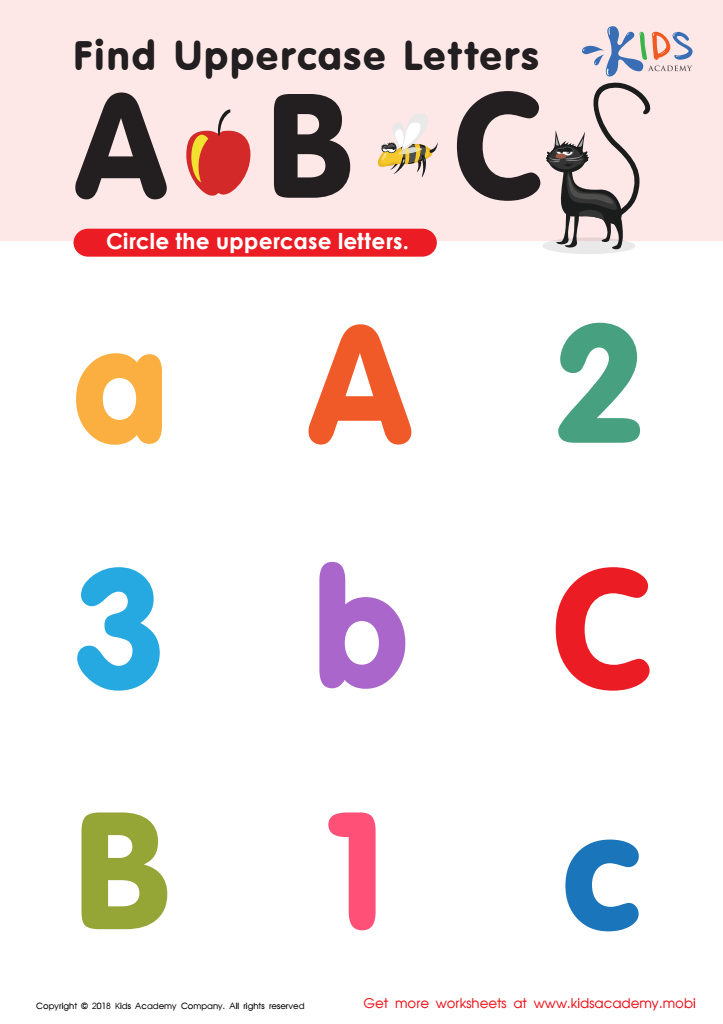
Find Uppercase Letters A, B, and C Worksheet
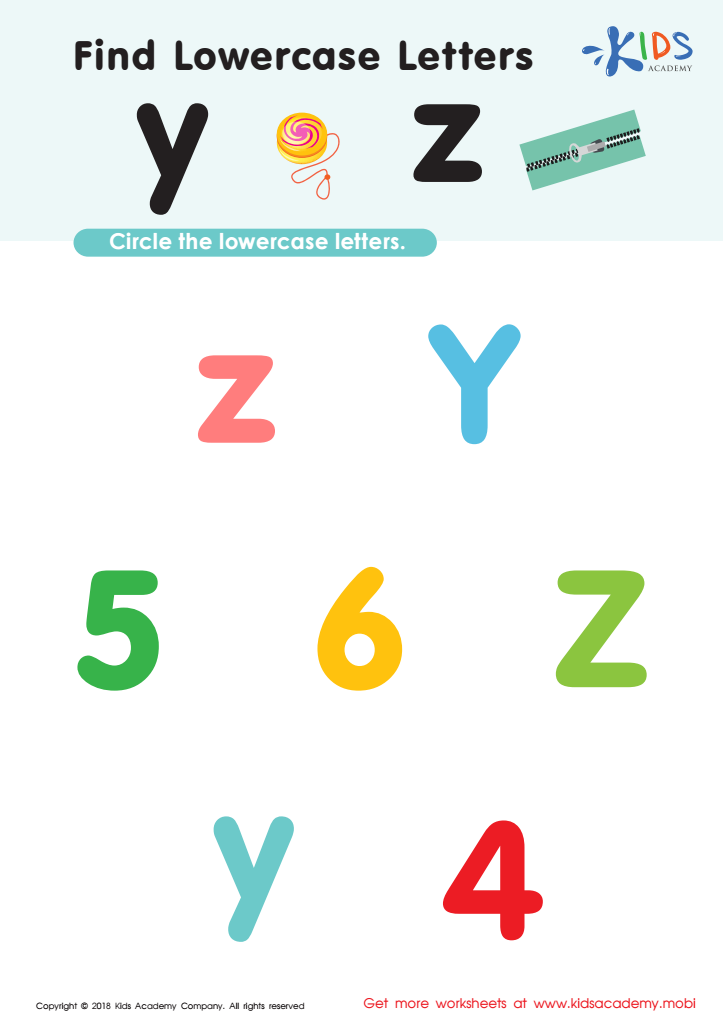
Find Lowercase Letters y z Worksheet
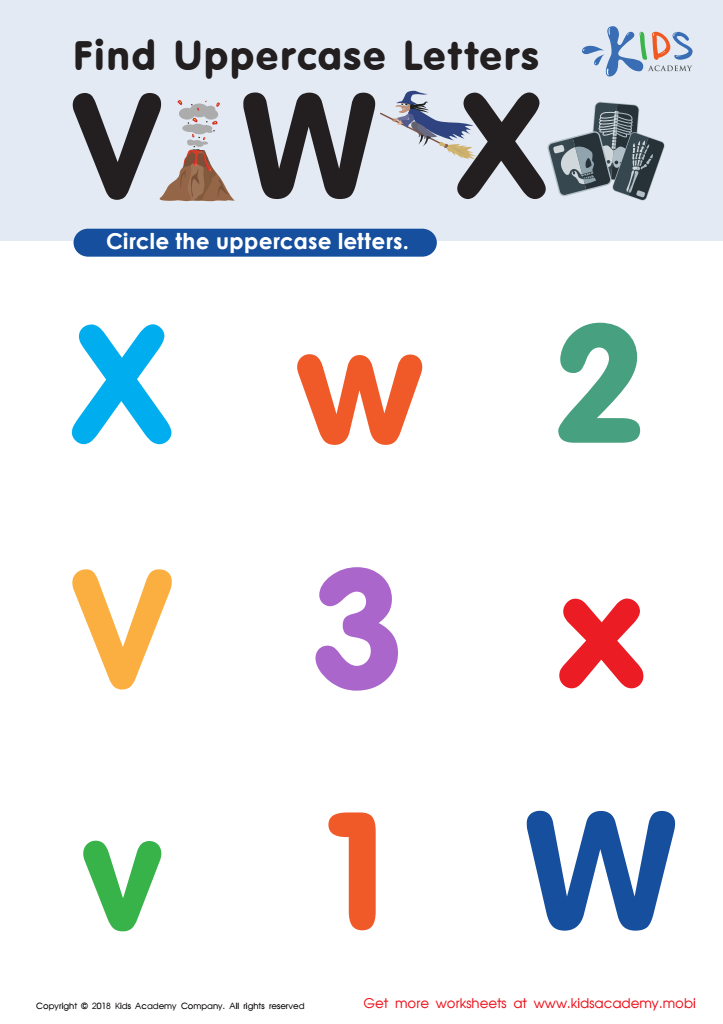
Find Uppercase Letters V, W, X Worksheet
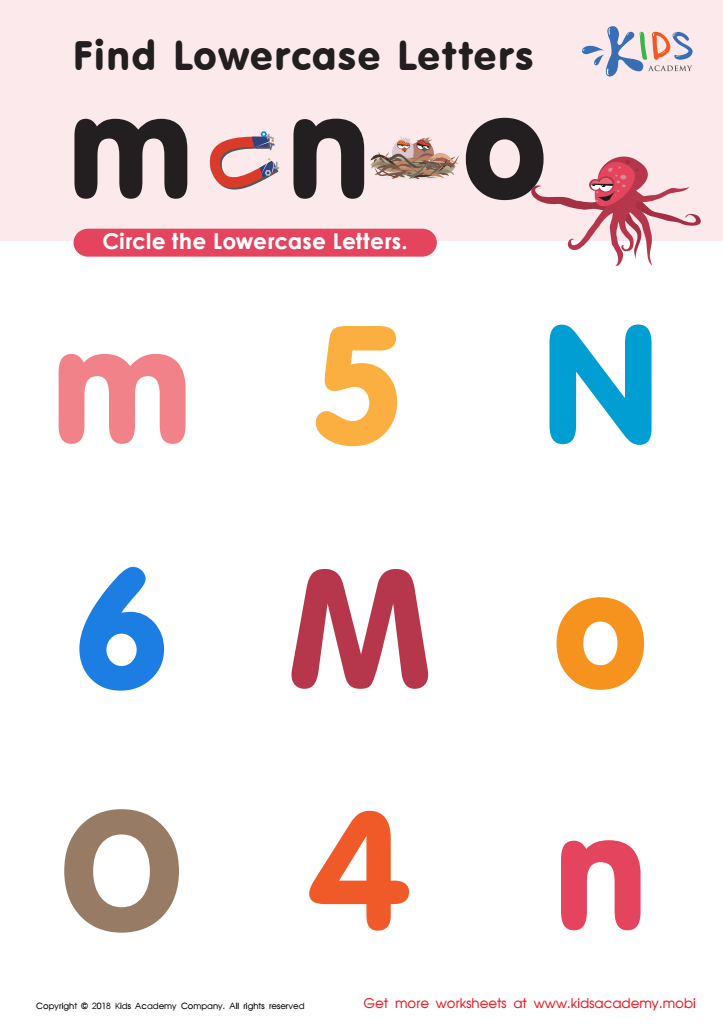
Find Lowercase Letters m n o Worksheet
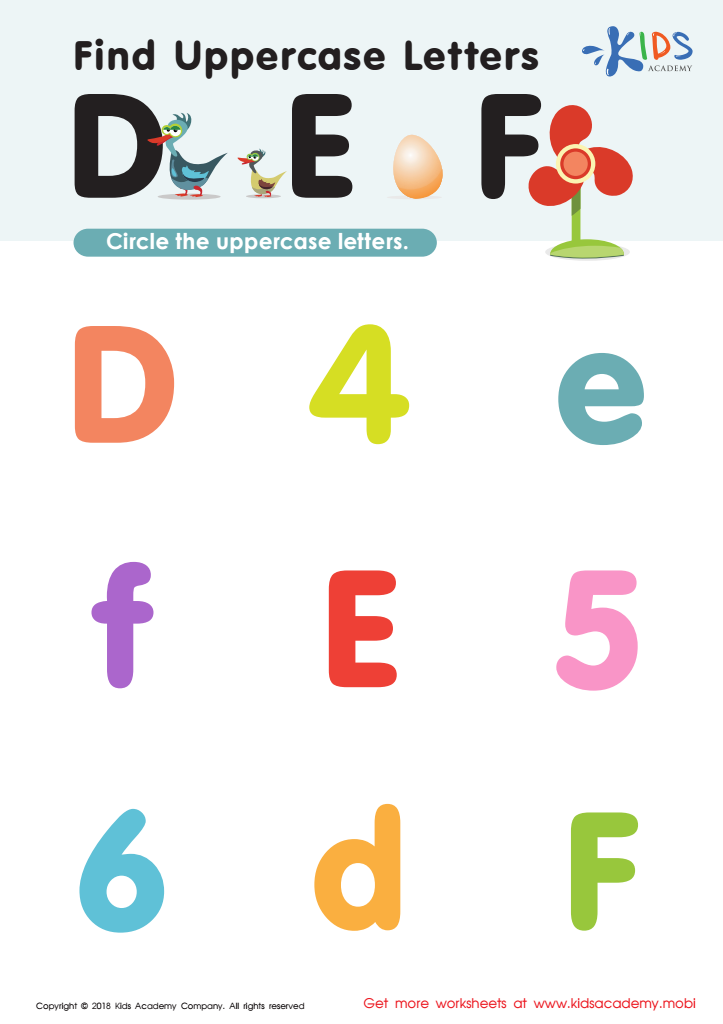
Find Uppercase Letters D, E, and F Worksheet
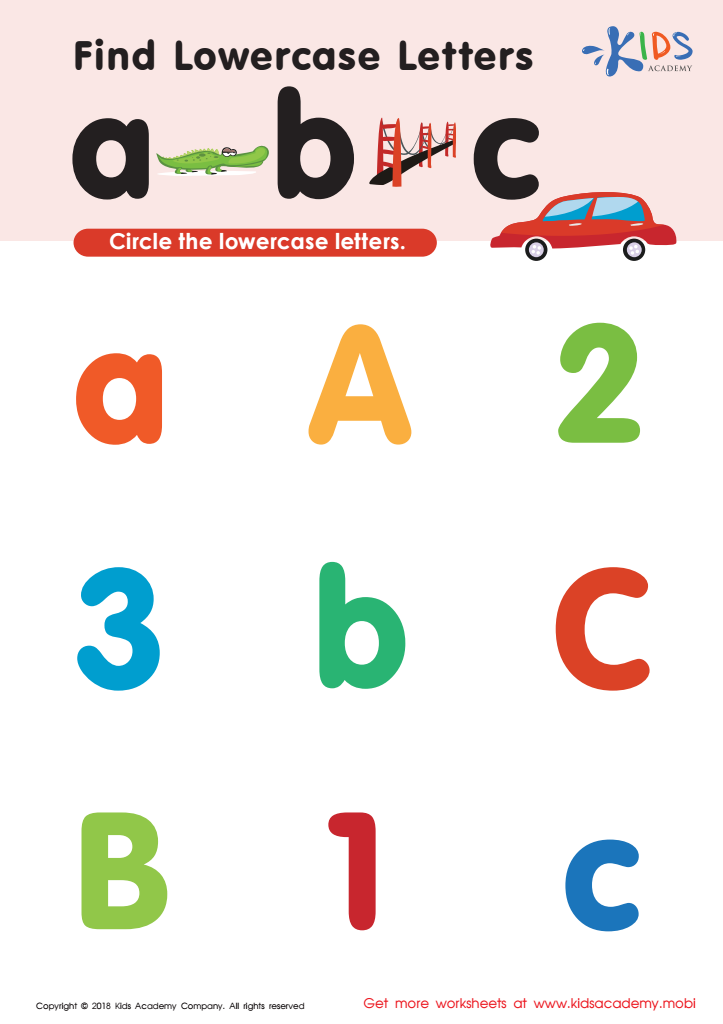
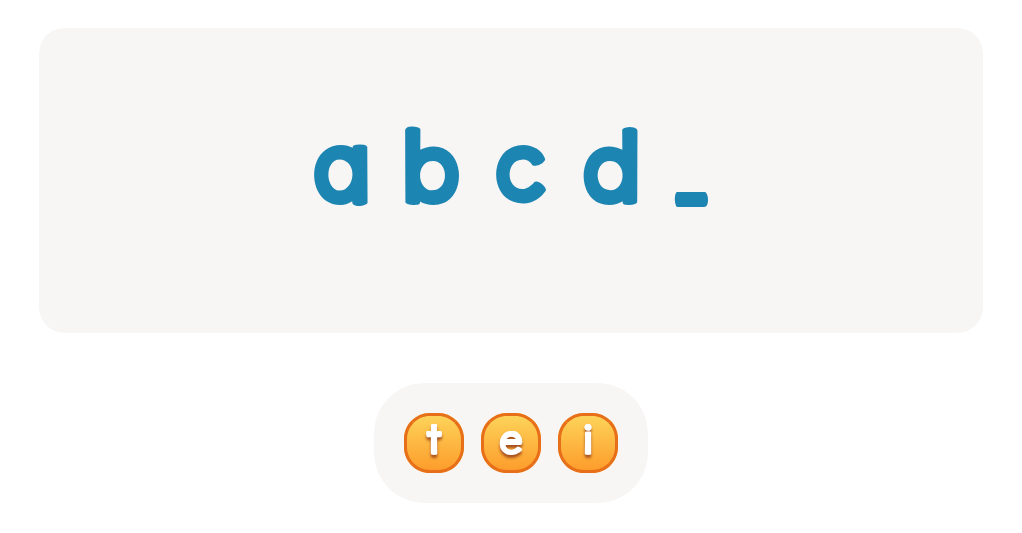
Find lowercase letters a b c Worksheet
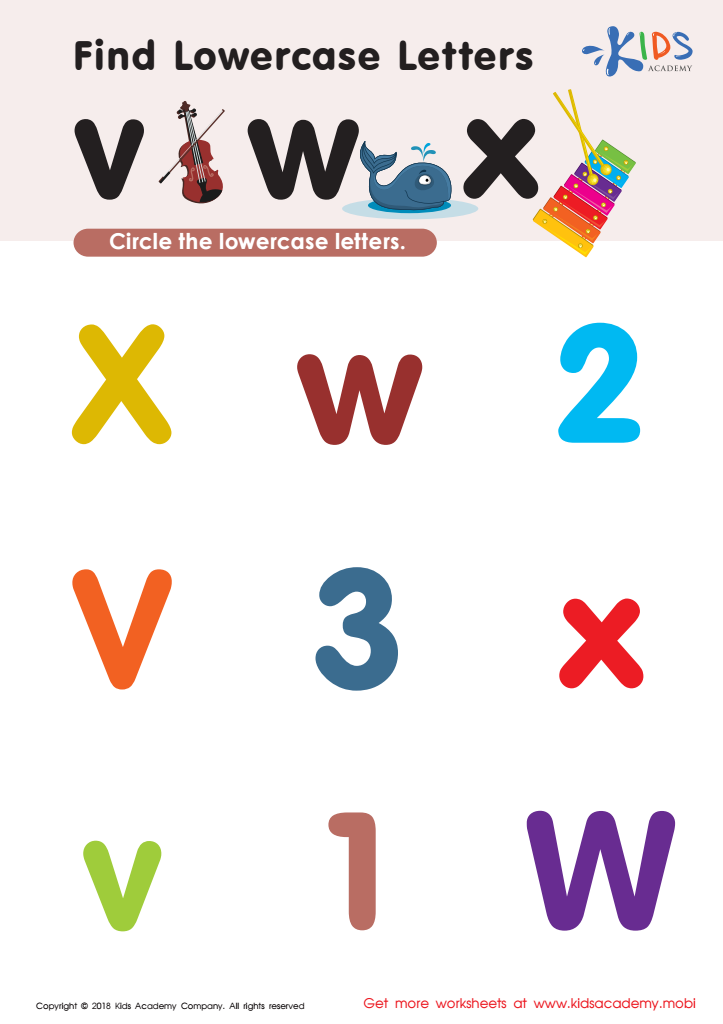
Find Lowercase Letters v w x Worksheet
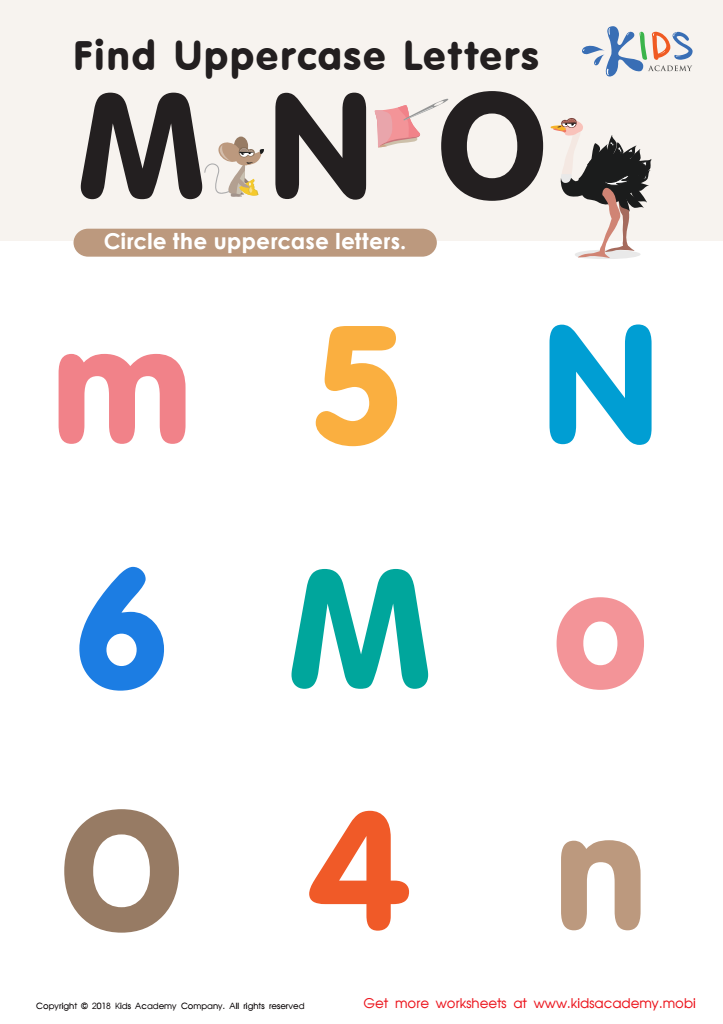
Find Uppercase Letters M, N, and O Worksheet






Letter recognition, both uppercase and lowercase, is fundamental for children aged 4-8 as it serves as the building block for literacy development. Understanding letters is crucial for students to learn how to read and write, which are essential skills for their academic success. When children can recognize letters, they can identify words, enabling them to connect sounds with symbols—an important step in phonics instruction.
Moreover, recognizing both uppercase and lowercase letters helps children understand the consistency in the language. Uppercase letters are often used at the beginning of sentences and for proper nouns, while lowercase letters make up the majority of texts. This dual recognition fosters better reading comprehension and aids in writing skills, allowing children to create sentences and express themselves.
Additionally, letter recognition can influence a child's self-confidence in their ability to engage with text, encouraging a love of reading. Parents and teachers play a crucial role in nurturing this skill through play-based activities, reading aloud, and structured learning. By prioritizing letter recognition, caregivers can set the foundation for lifelong literacy, critical thinking, and communication skills—key elements that will benefit children throughout their education and beyond.







