Basic Arithmetic Normal Worksheets for Ages 4-8
11 filtered results
-
From - To
Explore our "Basic Arithmetic Normal Worksheets for Ages 4-8", specially designed to foster mathematical skills in young learners. Our engaging, colorful printables focus on foundational arithmetic concepts like addition, subtraction, counting, and number recognition. Perfect for classroom activities or at-home learning, these worksheets help children develop critical thinking and problem-solving abilities. Each sheet is carefully curated to combine fun with education, ensuring a seamless learning experience. Boost your child's confidence in math with accessible, eye-catching resources suited for early grade students. Visit Kids Academy to download and print today!
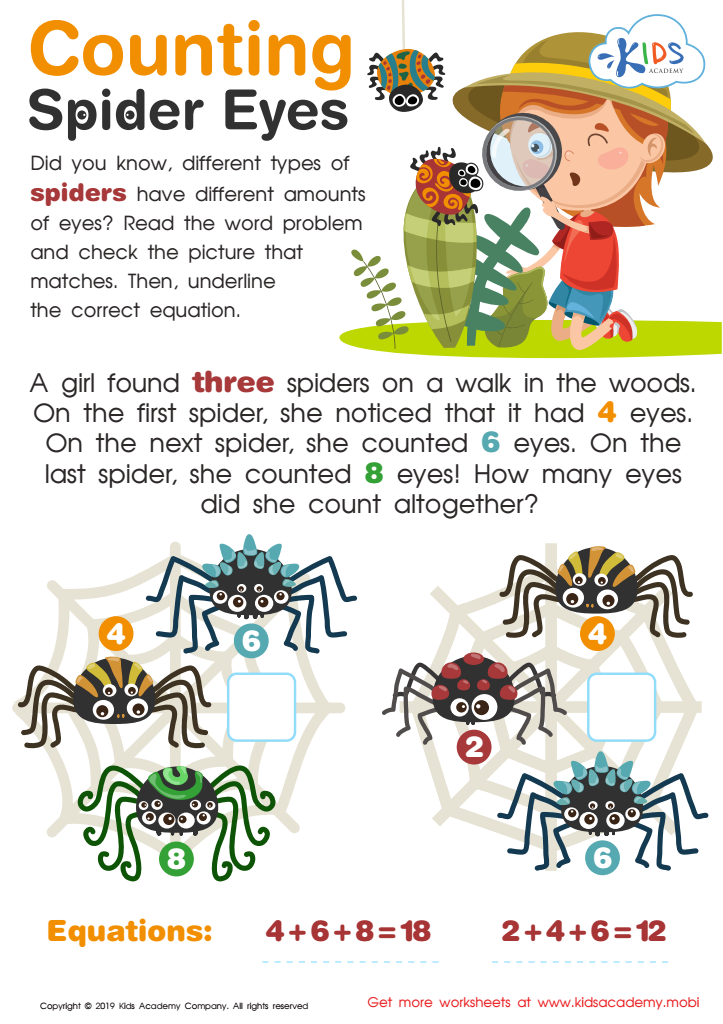
Counting Spider Eyes Worksheet
 Assign to My Students
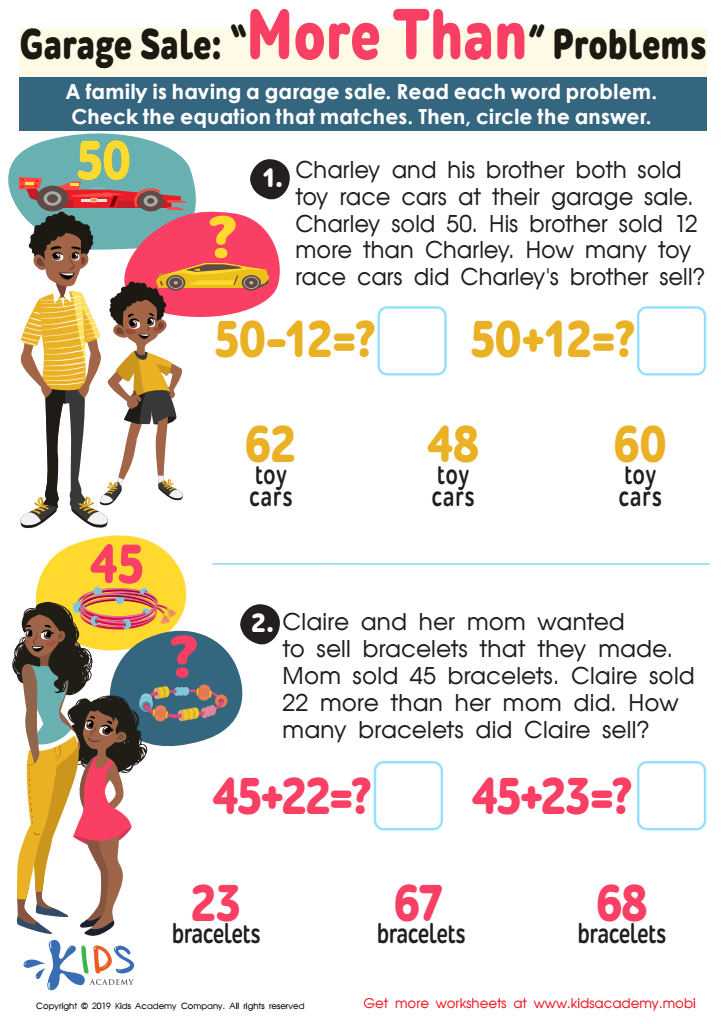
Garage Sale - More yhan Worksheet
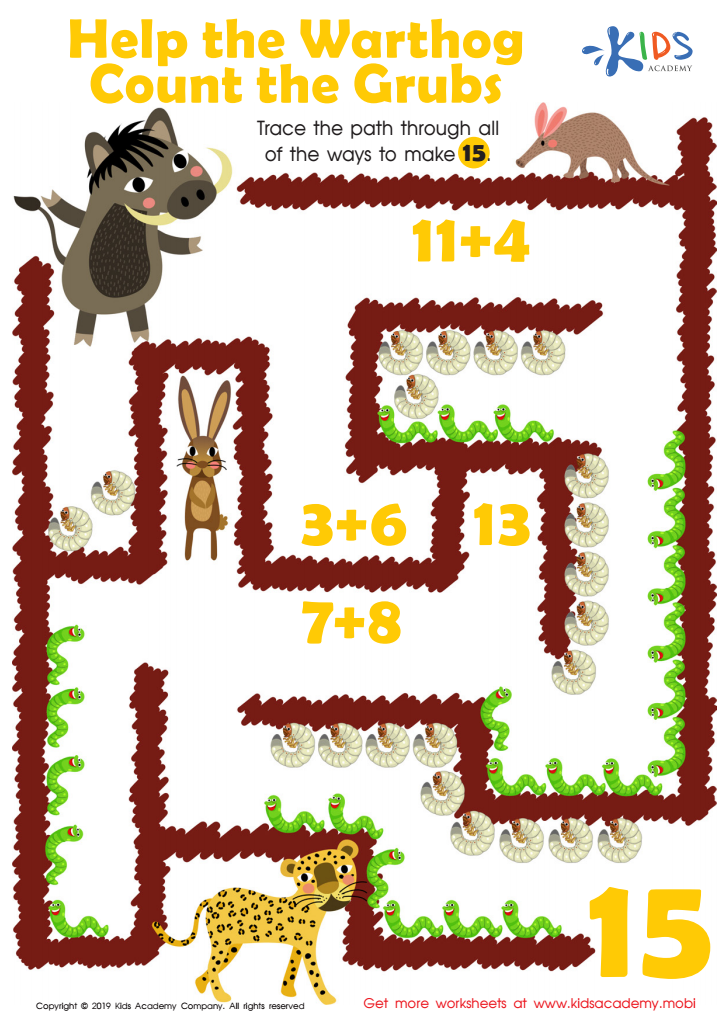
Help the Warthog Count the Grubs Worksheet
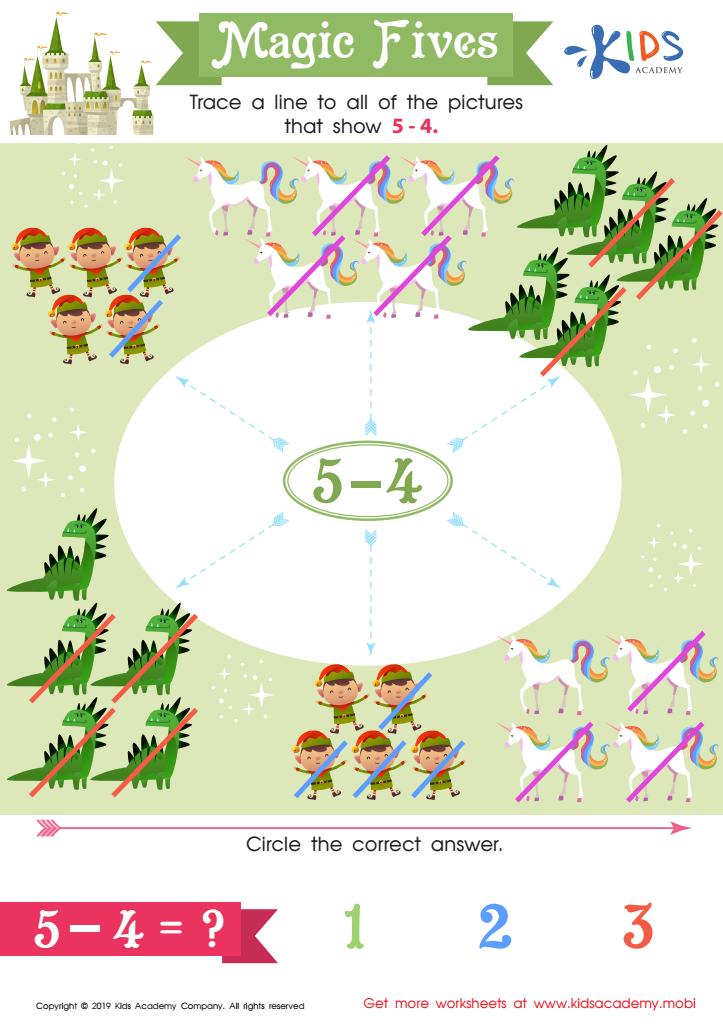
Magic Fives Worksheet
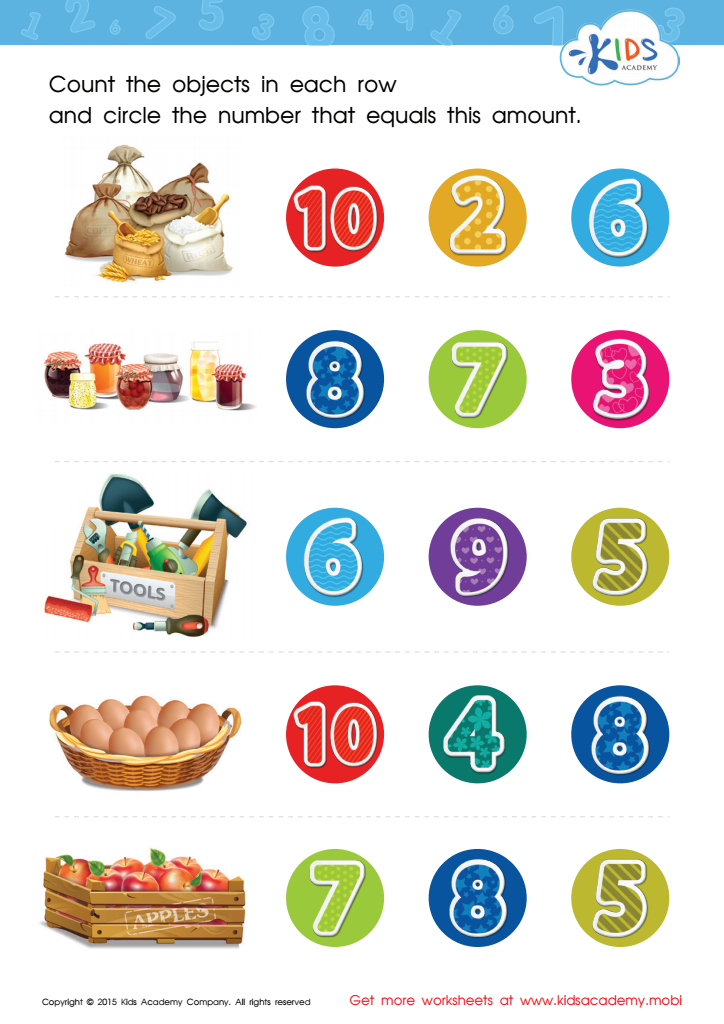
Count and Match 6 – 10 Math Worksheet
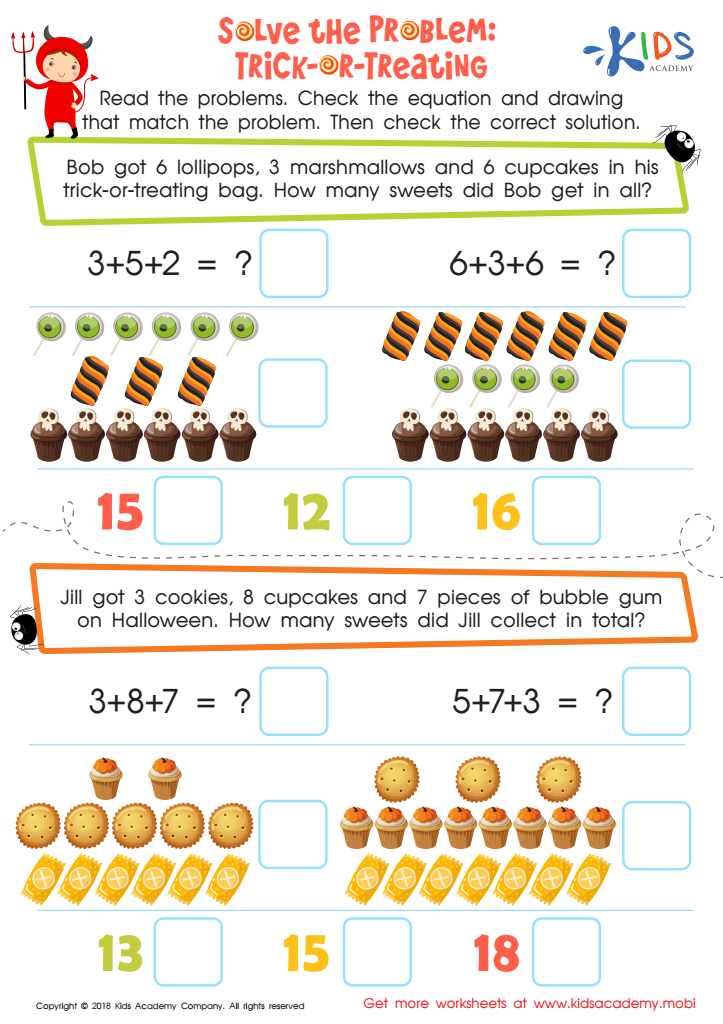
Solve the Problem: Trick–or–treating Worksheet
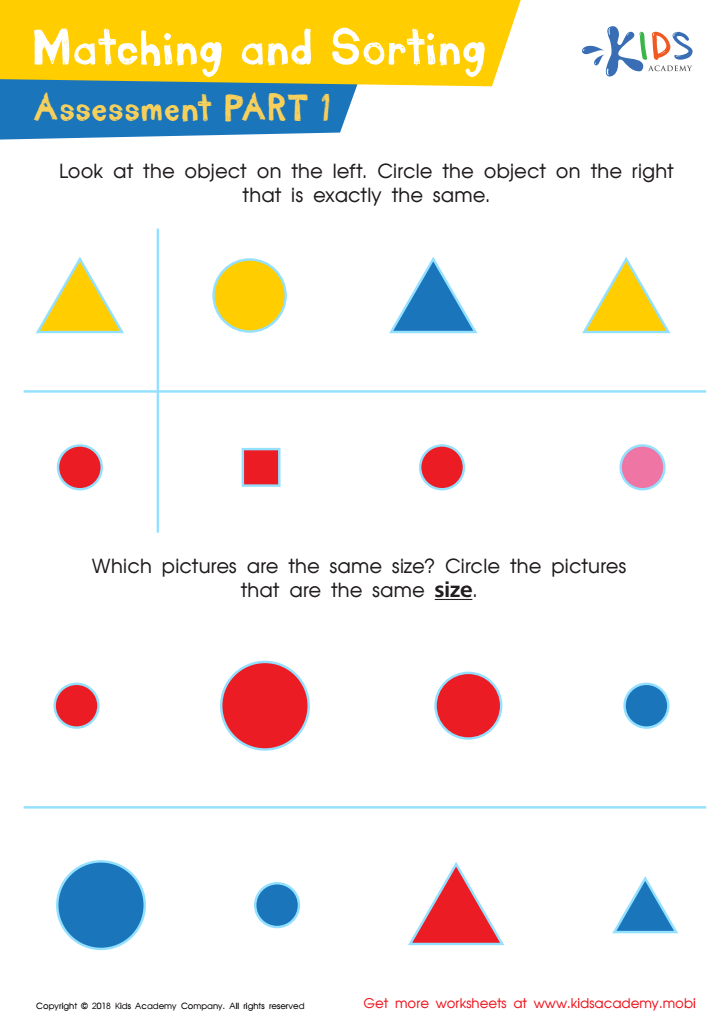
Matching and Sorting for Kindergarten: Assessment 1 Worksheet
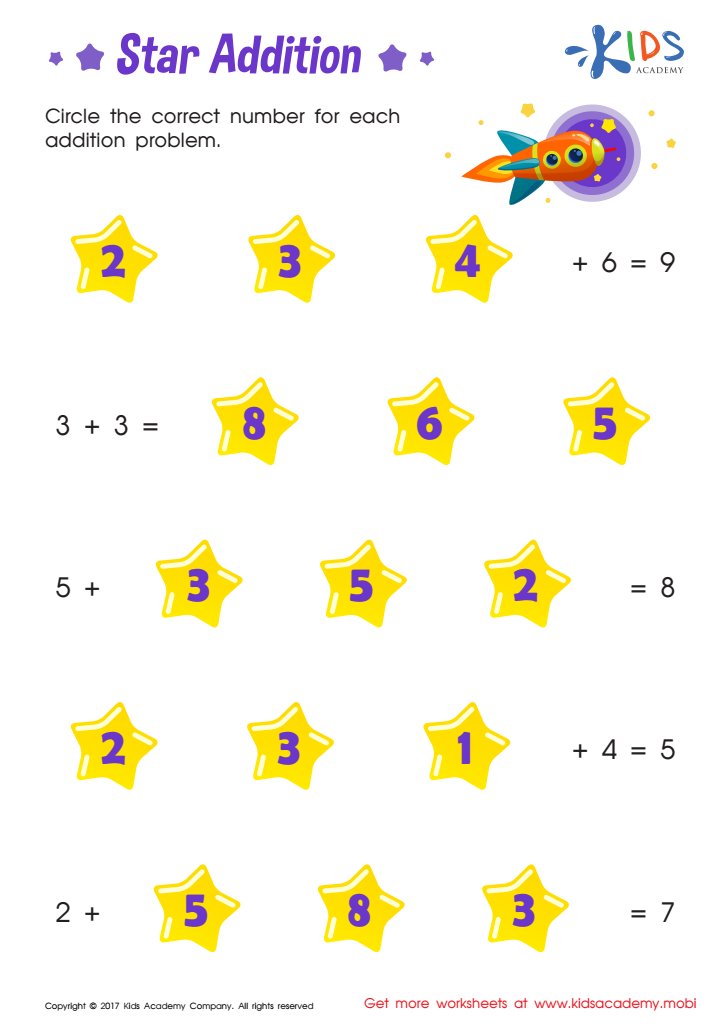
Star Addition Printable
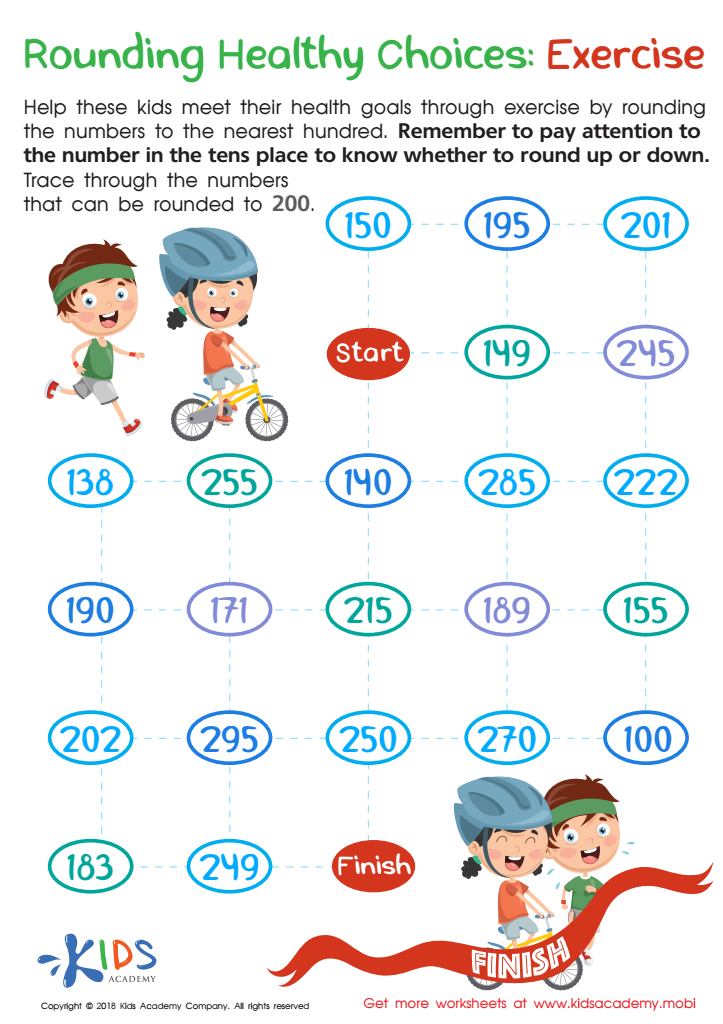
Rounding Healthy Choices Exercise Worksheet
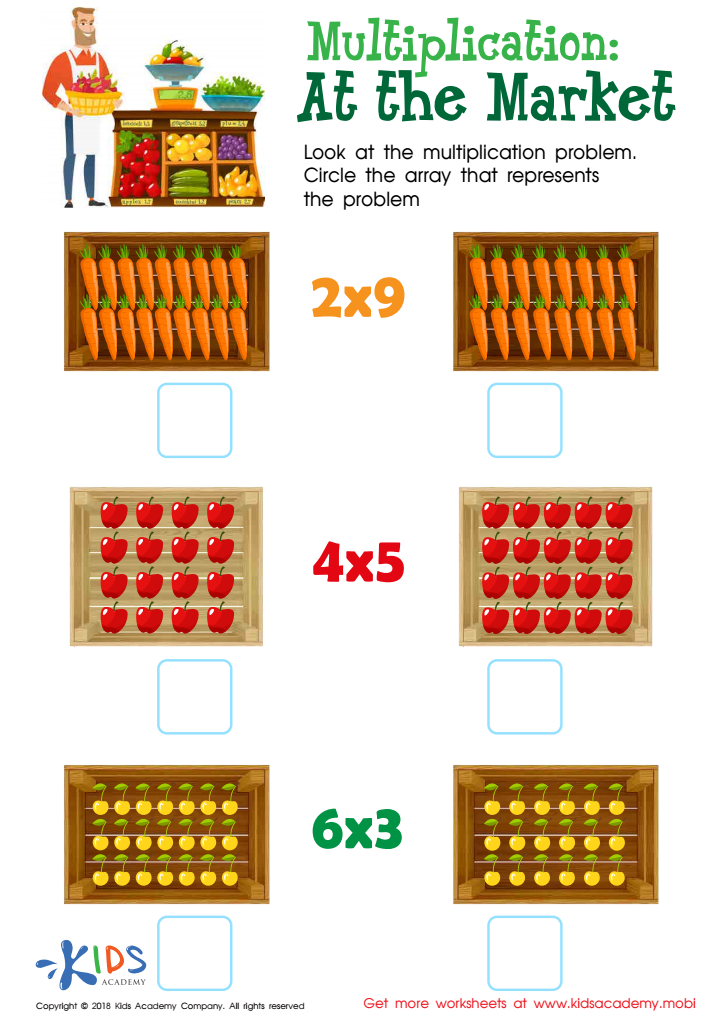
At the Market Worksheet
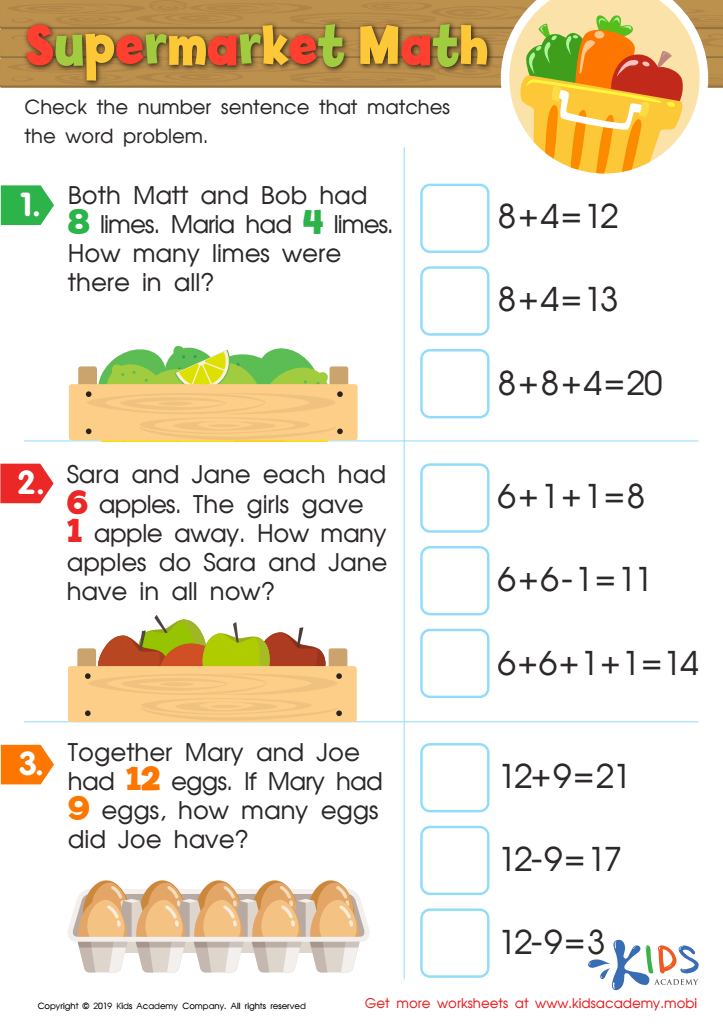
Supermarket Math Worksheet








Parents and teachers have a pivotal role in nurturing the foundational skills of children, and basic arithmetic for ages 4-8 is paramount among these. At this stage, children's brains are highly receptive and can absorb new concepts quickly. Mastery of basic arithmetic, such as addition, subtraction, simple multiplication, and division, lays down the groundwork for more complex mathematical ideas they will tackle in later years.
By understanding and practicing basic arithmetic, children develop critical thinking and problem-solving skills that transcend the realm of mathematics. These intellectual abilities are essential for everyday tasks, from handling money to time management. Early proficiency in arithmetic also builds confidence and foster a positive attitude toward learning math, reducing anxiety that can arise from struggling with these concepts later on.
Furthermore, arithmetic provides a way to strengthen cognitive processes like memory, attention, and logical reasoning. These are crucial for academic success across all subjects. Teachers and parents should, therefore, encourage hands-on, fun learning experiences with numbers through games, practical examples, and interactive activities, making arithmetic an engaging and integral part of children’s daily lives. Ignoring basic arithmetic at this critical age can lead to learning gaps and future academic difficulties, affecting children's overall educational trajectory and confidence.








