Developing analytical thinking Normal Worksheets for Ages 4-8
5 filtered results
-
From - To
Foster your child's analytical thinking skills with our engaging Normal Worksheets designed for ages 4-8. These printable resources encourage young learners to explore, reason, and problem-solve through fun activities tailored to their developmental stage. Our worksheets incorporate colorful illustrations and interactive exercises to keep children motivated while improving critical thinking abilities. Whether identifying patterns, matching shapes, or solving puzzles, each worksheet is created to enhance cognitive skills and promote creative expression. Perfect for homeschoolers, educators, or parents looking to provide enriching activities, our worksheets make learning analytical thinking enjoyable and impactful. Start your child's journey to becoming a confident thinker today!
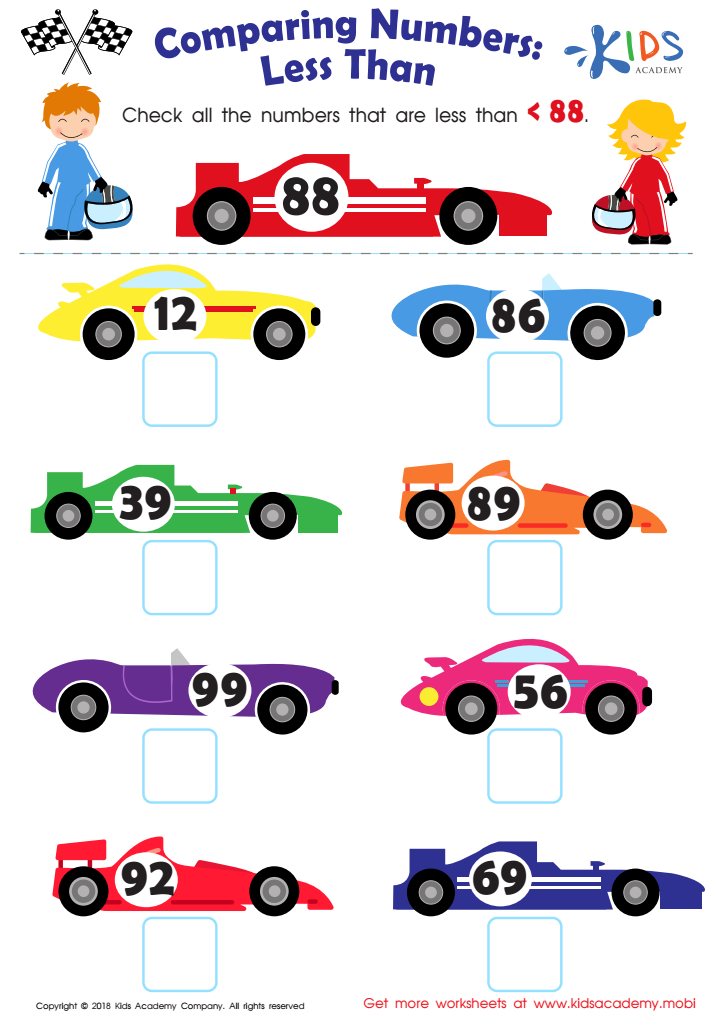
Less Than Worksheet
 Assign to My Students
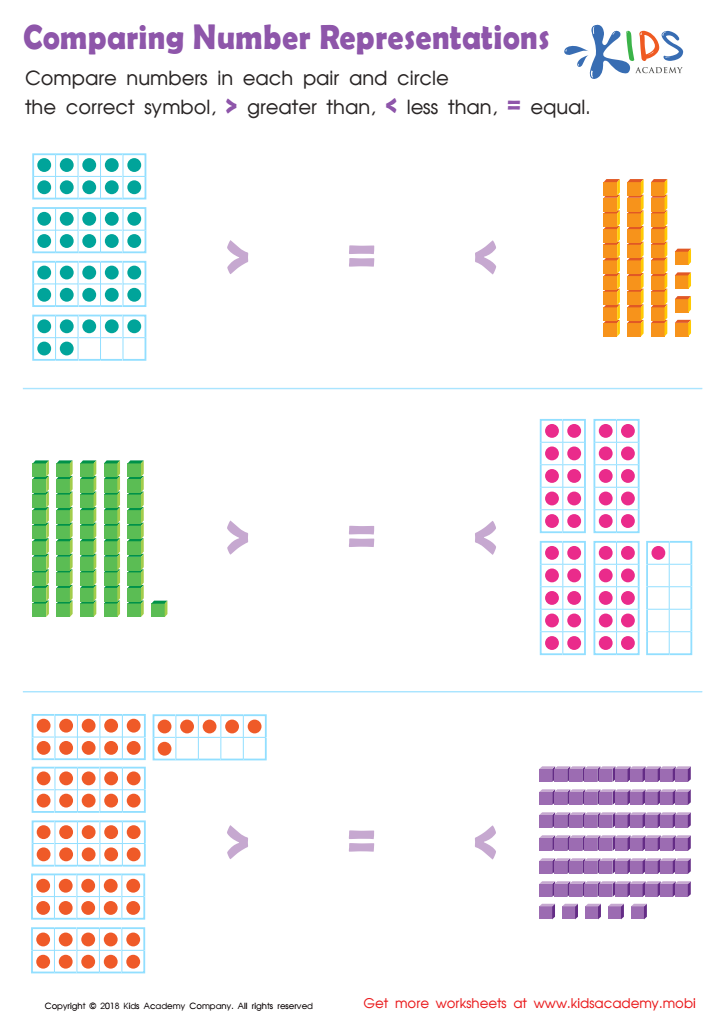
Comparing Number Representations Worksheet
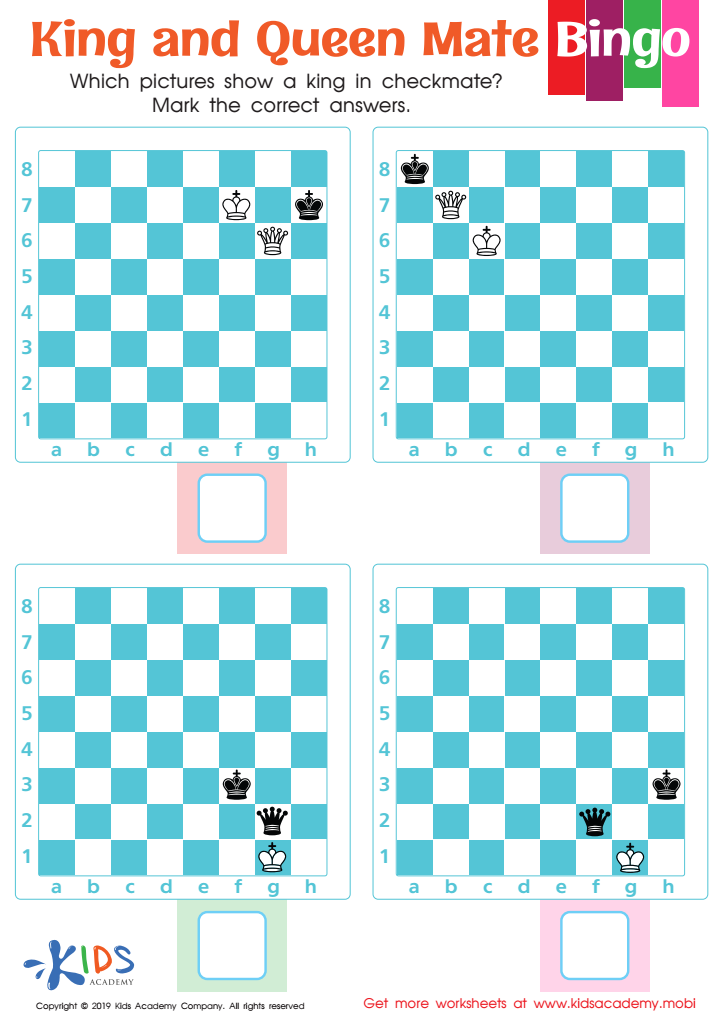
King and Queen Mate: Bingo Worksheet
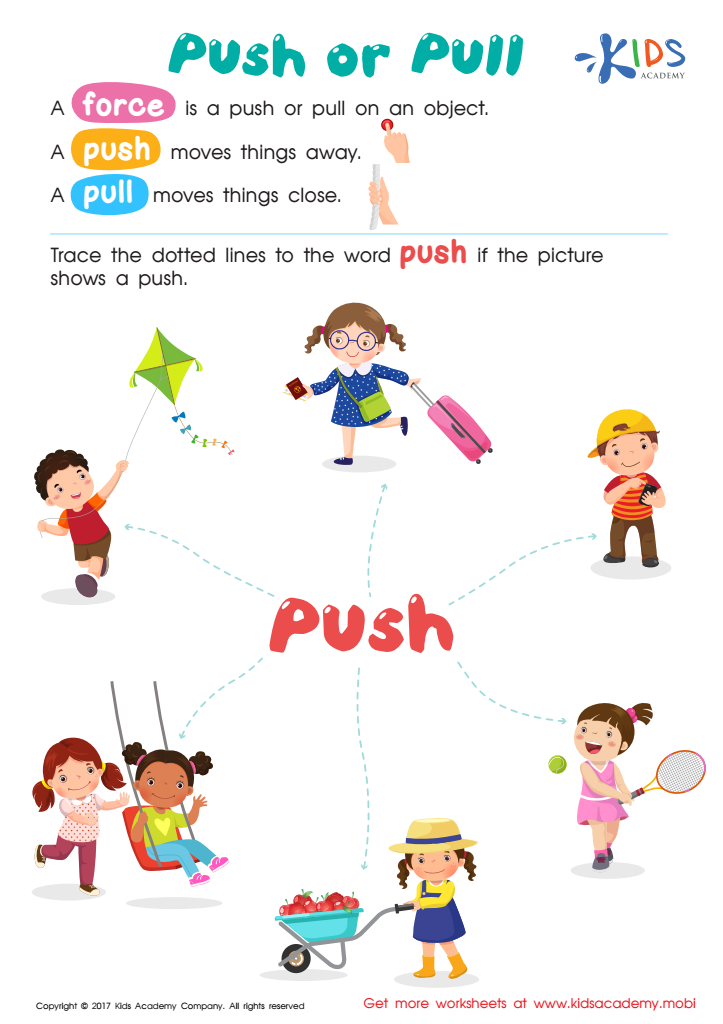
Push or Pull Worksheet
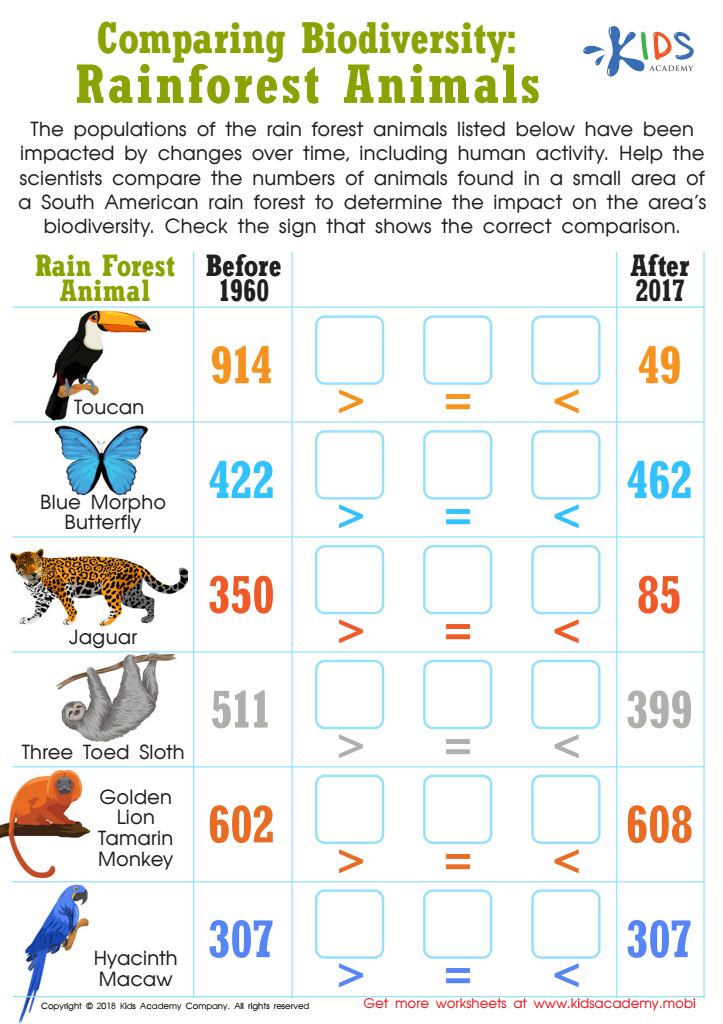
Comparing Biodiversity: Rainforest Animals Worksheet







Developing analytical thinking skills in children aged 4-8 is crucial for their cognitive growth and future success. During these formative years, children's brains are highly adaptable, making it an ideal time to cultivate critical thinking abilities. Analytical thinking involves the capacity to assess information, identify relationships, and make reasoned decisions.
For parents and teachers, fostering these skills encourages children to approach problems methodically, enhancing their ability to navigate academic challenges and everyday situations. Engaging in activities that promote questioning, experimentation, and evaluation helps children learn how to construct arguments, solve problems, and understand the consequences of their choices.
Moreover, analytical thinking nurtures curiosity, leading to a lifelong love of learning. Children learn to analyze information, discern between useful and unnecessary data, and think independently, thus preparing them for future educational environments. Additionally, strong analytical skills contribute to social-emotional development, as children learn to empathize, collaborate, and understand diverse perspectives.
In a rapidly changing world, equipping children with these essential skills lays a foundation for adaptability and resilience, ensuring they are prepared for both academic and life challenges ahead. Therefore, prioritizing the development of analytical thinking in early childhood education is a critical investment in their overall growth.








