Reading development Normal Worksheets for Ages 4-8
5 filtered results
-
From - To
Discover our engaging "Reading Development Normal Worksheets" designed for children aged 4-8! These printable resources focus on enhancing key reading skills through fun activities suited for early learners. Our worksheets cover essential topics such as vocabulary building, phonics, comprehension, and oral reading fluency, ensuring a well-rounded approach to literacy. Each worksheet is thoughtfully crafted to foster a love for reading while promoting critical thinking and language skills. Perfect for teachers, parents, or homeschoolers, these worksheets provide an effective way to support your child's educational journey. Explore our collection today and watch your child's reading confidence soar!
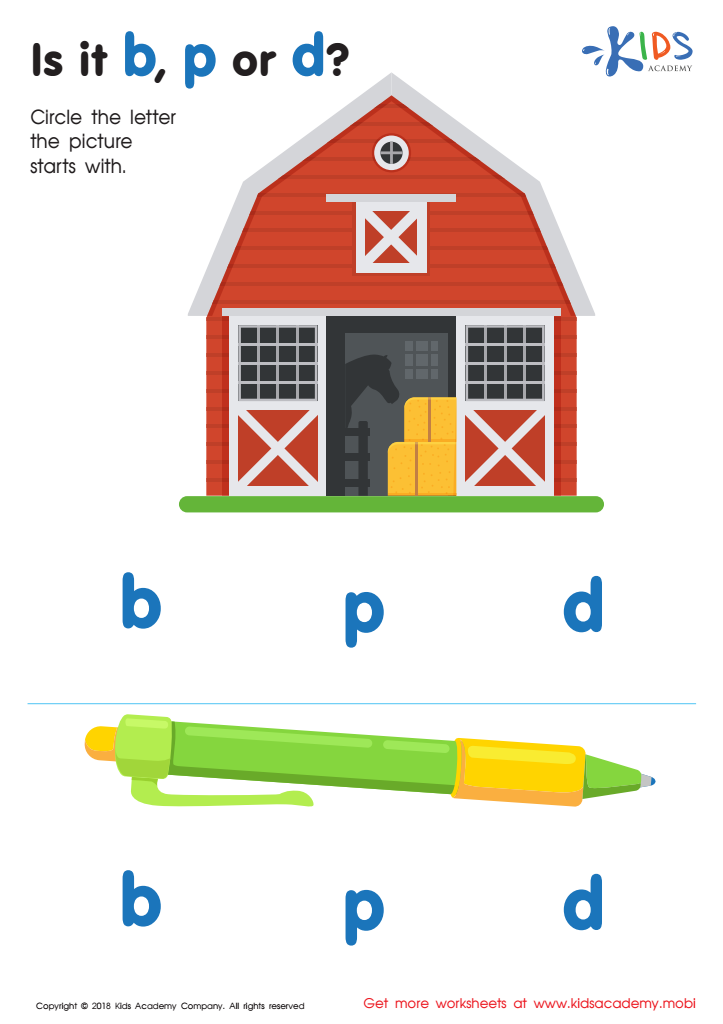
Is it b, p or d? Worksheet
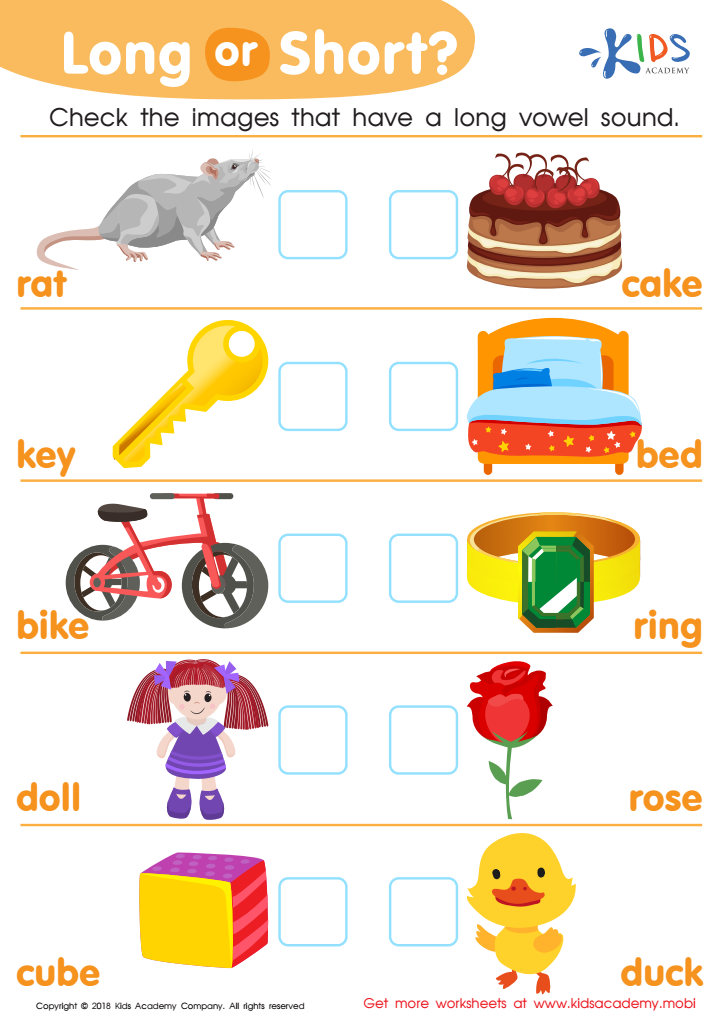
Long or Short Reading Worksheet
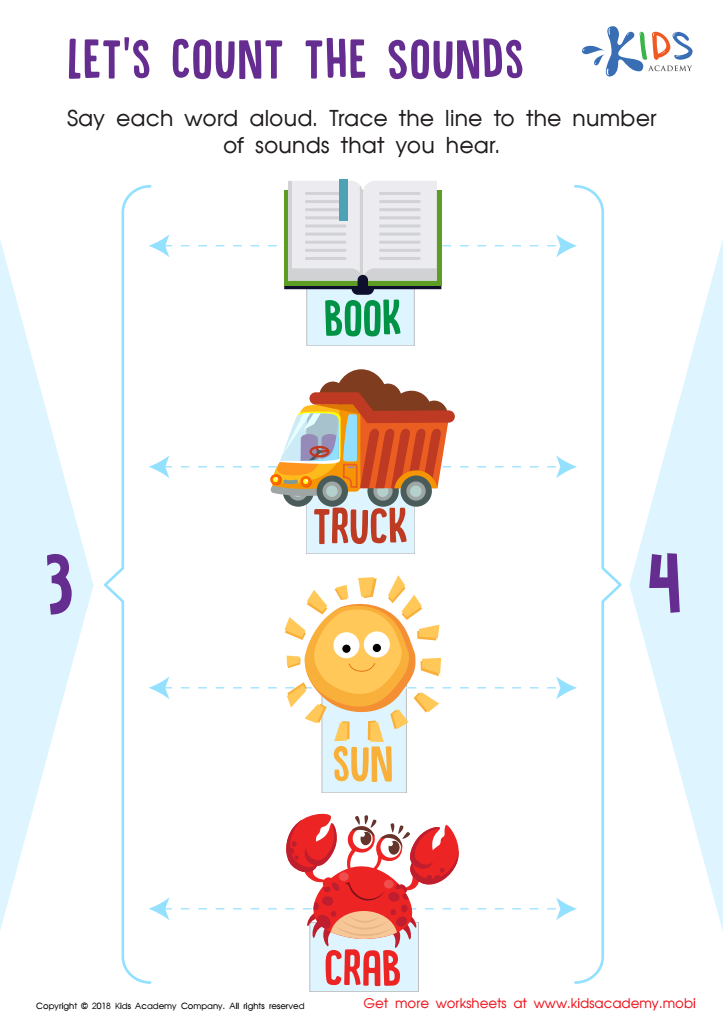
Let's Count the Sounds Worksheet
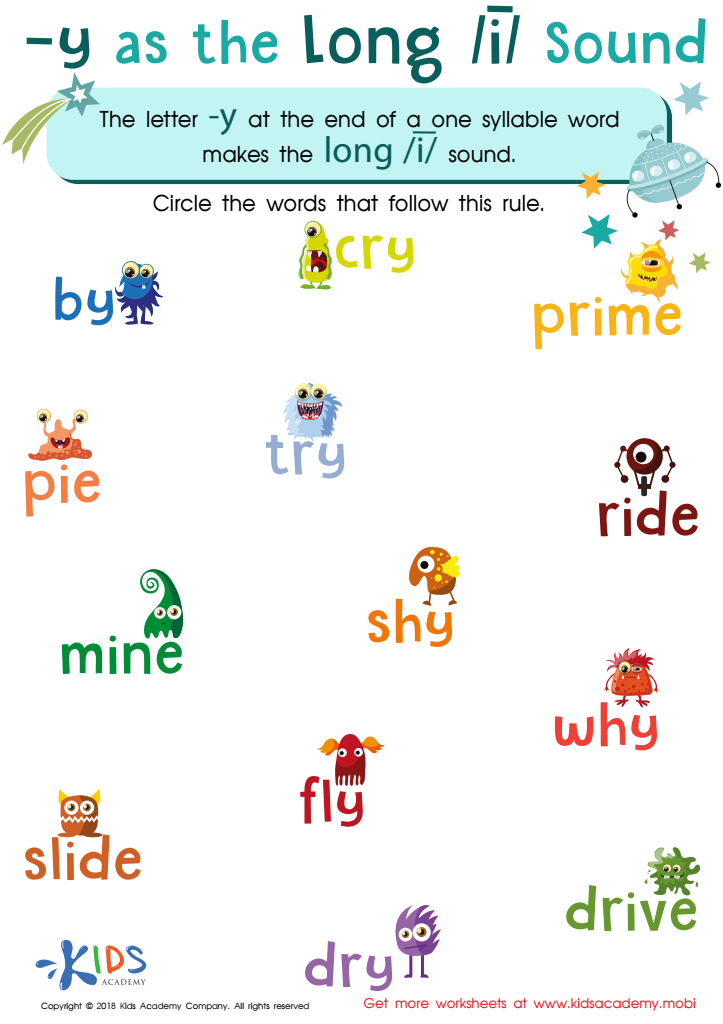
Reading: Y as Long I Worksheet
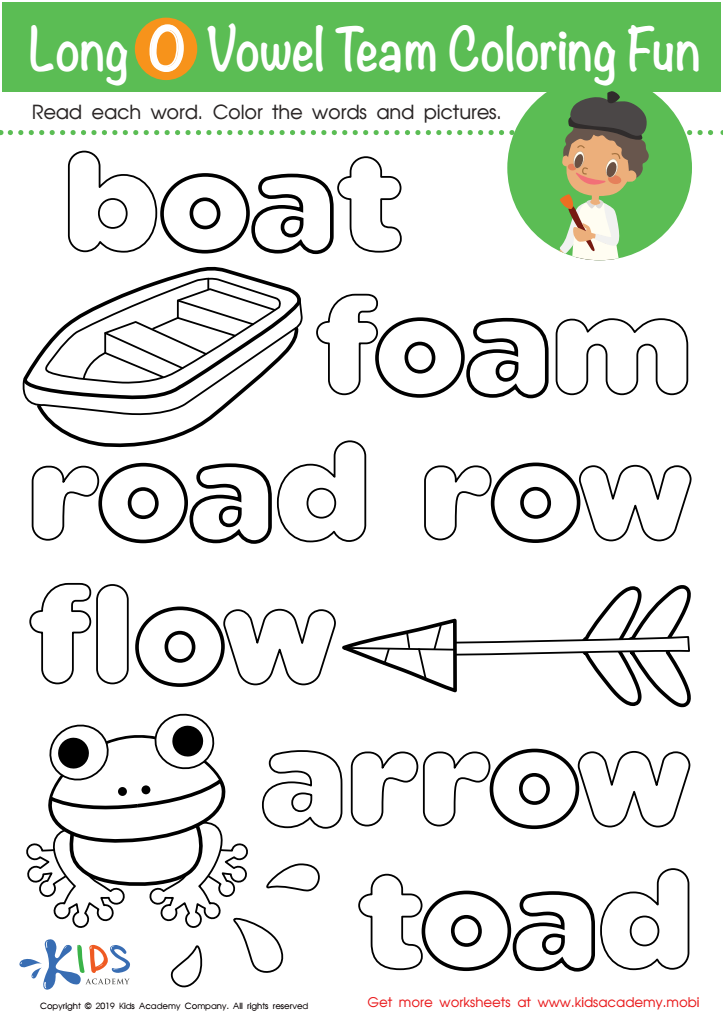
Long O Vowel Team Coloring Worksheet
 Assign to My Students








Reading development in children aged 4-8 forms the foundation for their future academic success and lifelong learning. At this critical stage, children are making the transition from learning to read to reading to learn. Parents and teachers play crucial roles in nurturing this skill, as early reading experiences significantly influence language development, cognitive abilities, and critical thinking.
Engaging children with stories enhances vocabulary, comprehension, and fluency—skills essential for effective communication. Additionally, reading improves attention span and fosters a love for literature, promoting creativity and imagination. By cultivating a supportive reading environment, adults help build self-confidence and encourage a positive attitude toward learning.
Furthermore, research indicates that students who read proficiently by the end of third grade are more likely to succeed academically in subsequent years. Early intervention can identify and address potential reading challenges, ensuring that no child falls behind. Educators and parents can enrich this experience through interactive activities—such as discussing stories, asking open-ended questions, and modeling reading themselves.
In conclusion, prioritizing reading development in young children is essential not only for immediate educational outcomes but also for nurturing thoughtful, informed, and articulate individuals. Investing time and resources in reading during these formative years pays dividends in a child's future.








