Sound-letter association Normal Worksheets for Ages 4-8
4 filtered results
-
From - To
Explore our engaging Sound-Letter Association Normal Worksheets, specially designed for children ages 4-8. These interactive worksheets help young learners build essential literacy skills by connecting sounds with their corresponding letters. Packed with fun activities, your child will enjoy matching letters to pictures, tracing letters, and completing creative exercises that enhance phonemic awareness. Our resources support early reading development and foster a love for learning. Perfect for homeschooling or classroom settings, these worksheets provide a systematic approach to mastering sound-letter relationships. Empower your child’s learning journey with our thoughtfully crafted worksheets and watch their confidence grow as they read!
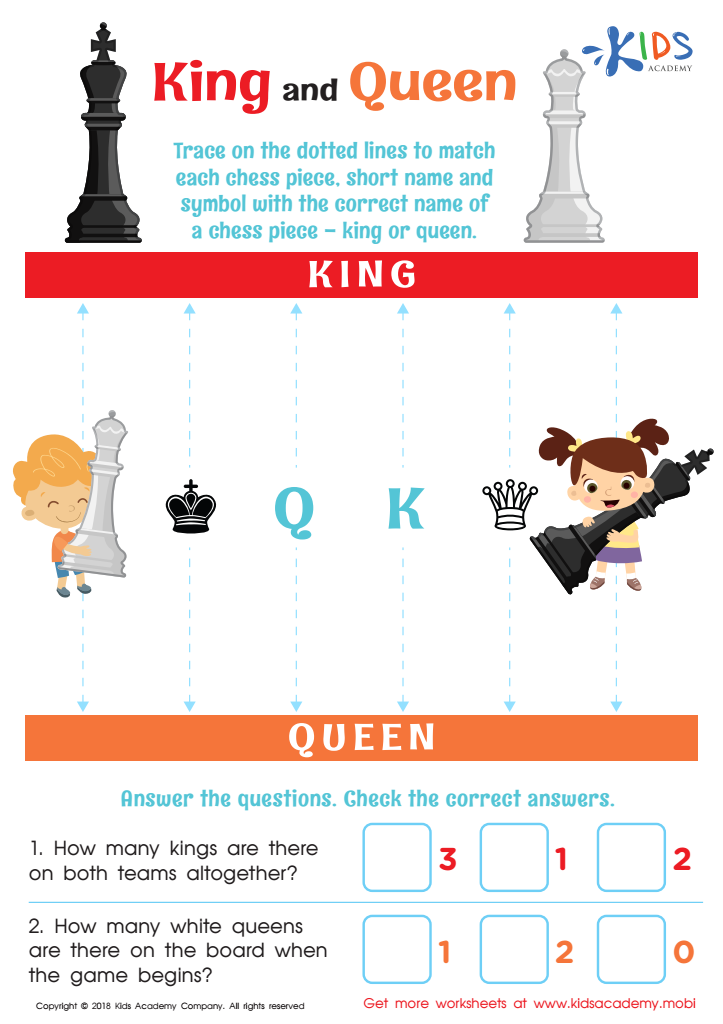
King and Queen Worksheet
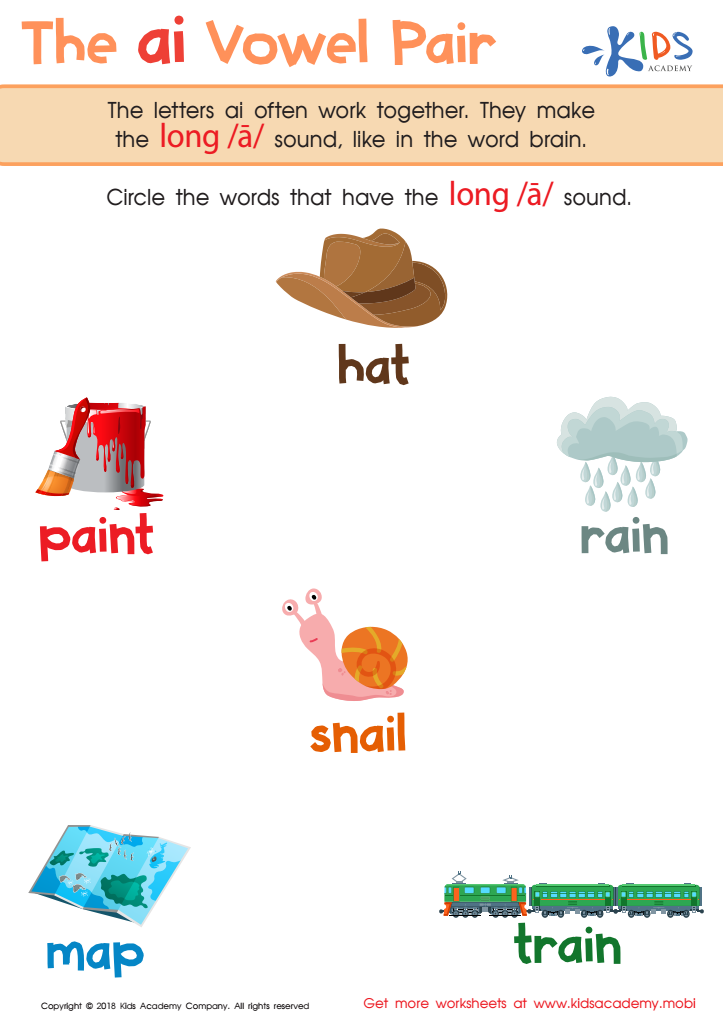
The AI Vowel Pair Worksheet
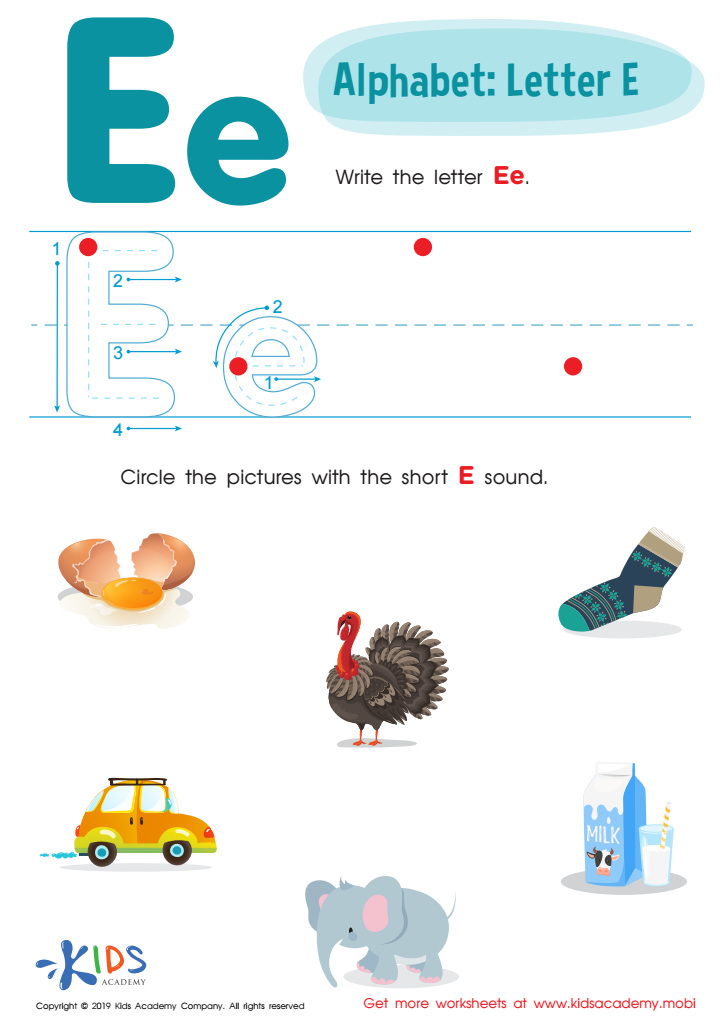
Letter E Tracing Worksheet
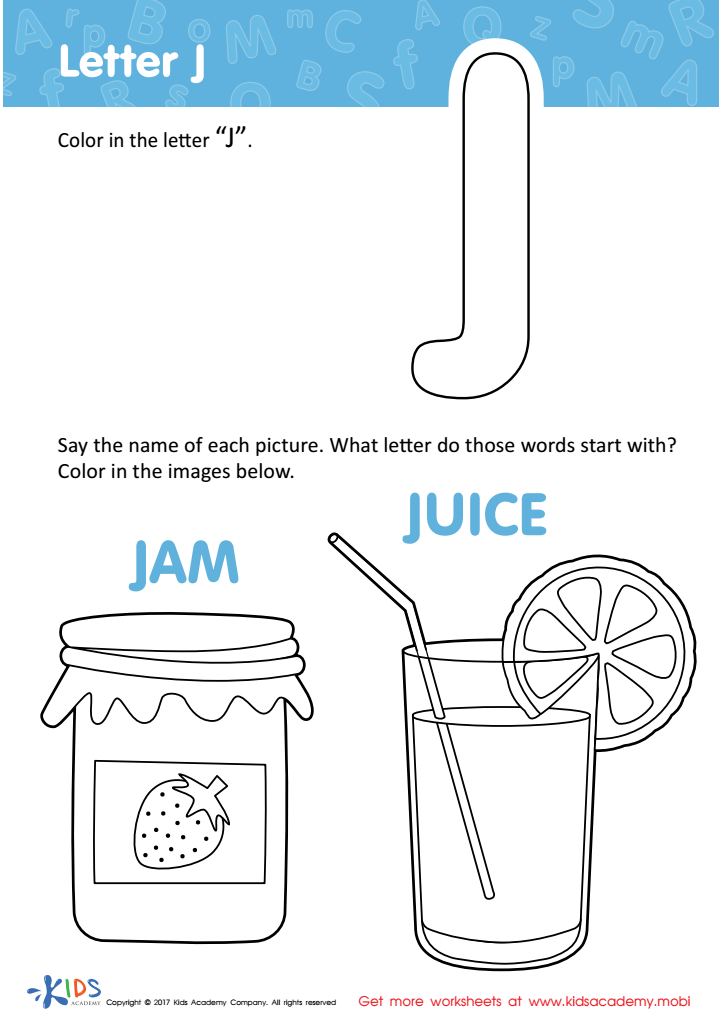
Letter J Coloring Sheet
 Assign to My Students







Sound-letter association, often referred to as phonemic awareness, is crucial for children aged 4-8 as they begin their literacy journey. This skill involves recognizing the relationship between sounds and their corresponding letters, laying the groundwork for reading and writing proficiency. Parents and teachers should prioritize this area of development because it significantly influences a child's ability to decode words and understand the alphabetic principle.
During these formative years, children are naturally curious, making it an ideal time to instill a love for language and reading. Proficiency in sound-letter association not only boosts confidence in early readers but also enhances vocabulary development and comprehension skills. Engaging with sound-letter activities promotes critical thinking and memory skills, aiding overall academic success.
Moreover, children who struggle with sound-letter associations are at a higher risk for reading difficulties, which can lead to challenges in other areas of learning. By fostering early sound-letter recognition through games, songs, and interactive exercises, parents and teachers empower children to become confident readers and lifelong learners. Ultimately, an emphasis on this foundational skill ensures a smoother transition into more complex literacy tasks and enhances overall educational outcomes.








