Understanding place value Normal Worksheets for Ages 4-8
10 filtered results
-
From - To
Explore our "Understanding Place Value Normal Worksheets for Ages 4-8," designed to help young learners grasp the concept of place value through fun and engaging activities. These worksheets provide a variety of exercises that reinforce the importance of tens and units, making it easier for children to develop foundational math skills. Suitable for both classroom and at-home learning, each worksheet promotes critical thinking and enhances comprehension. With colorful visuals and user-friendly formats, our worksheets cater to diverse learning styles, making math exciting for kids! Start your child's journey to mastering place value today and watch their confidence soar!
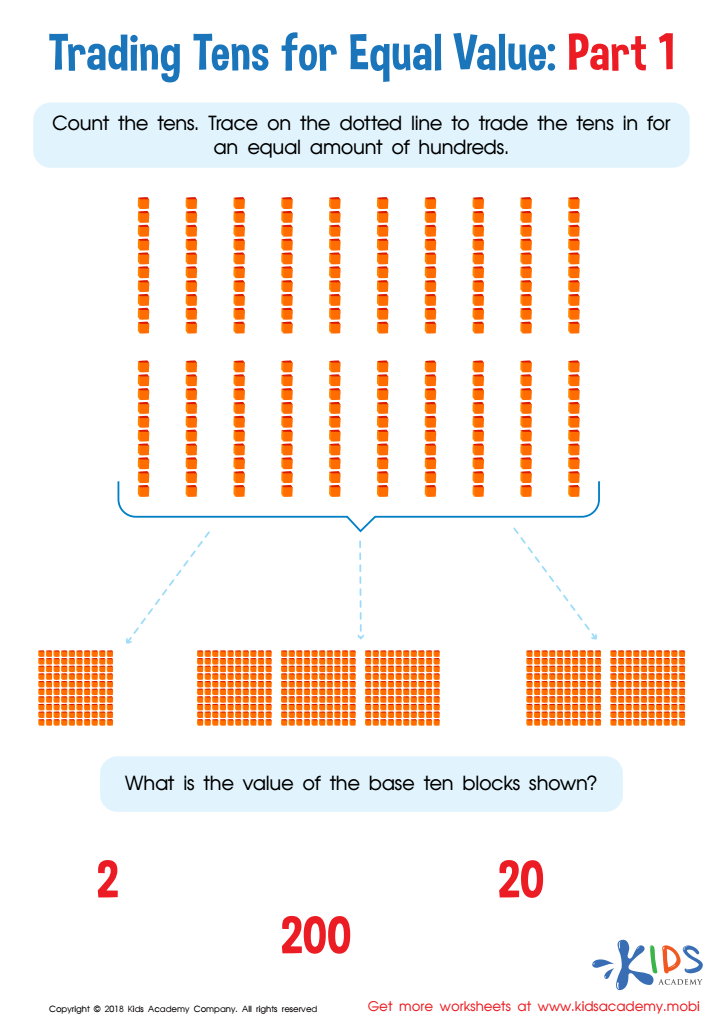
Trading Tens for Equal Value Worksheet: Part 1
 Assign to My Students
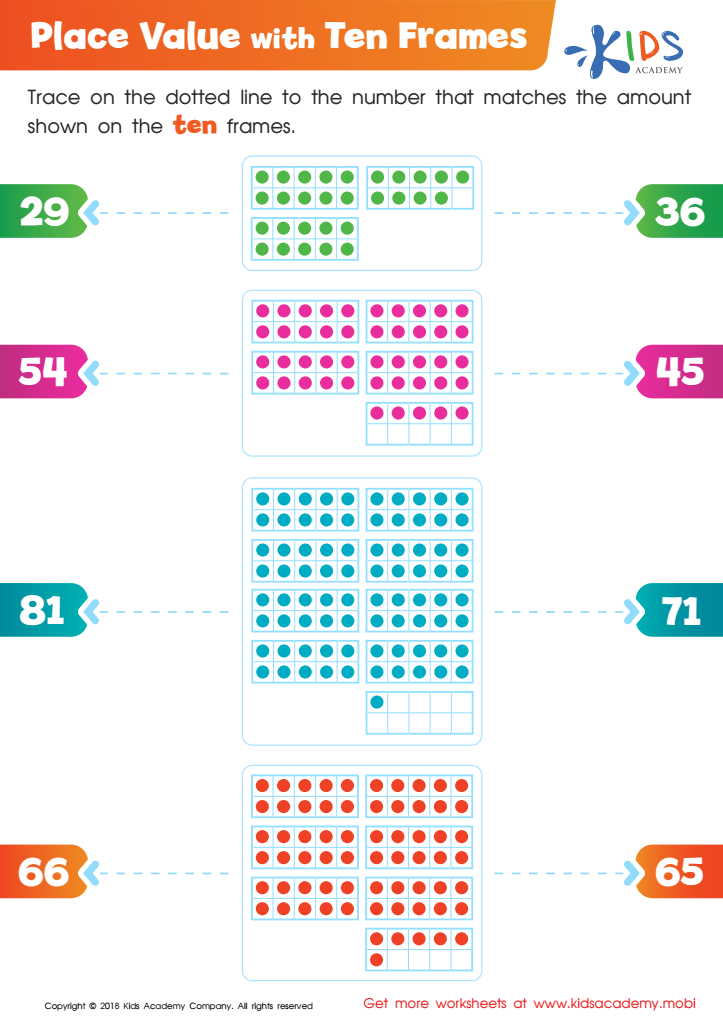
Place Values with Ten Frames Worksheet
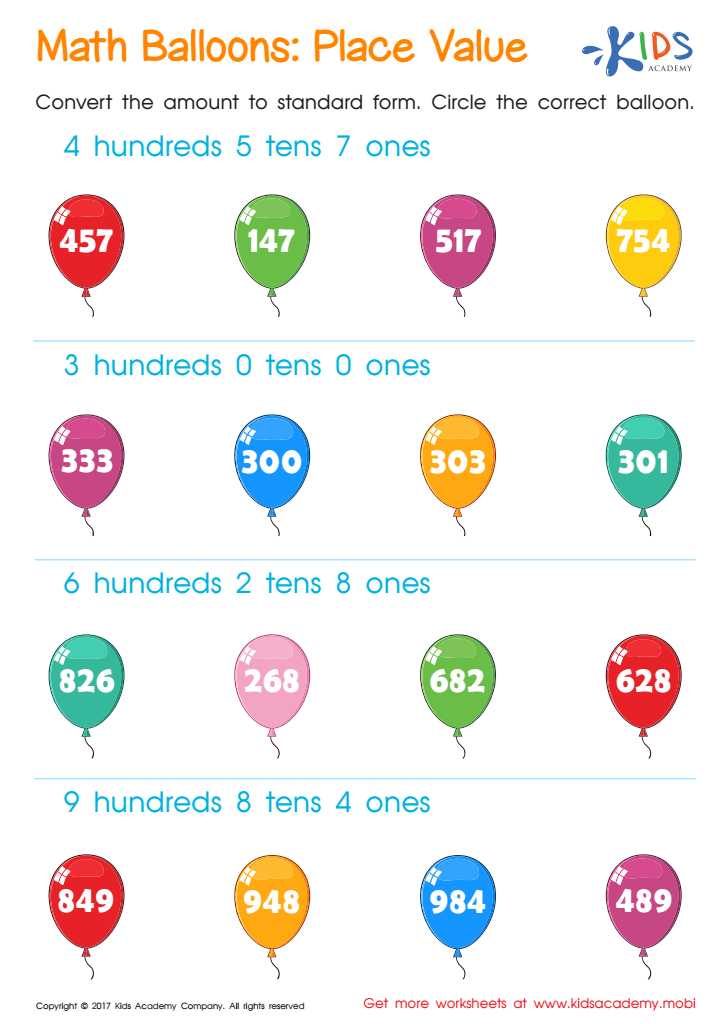
Place Value Printable Worksheet
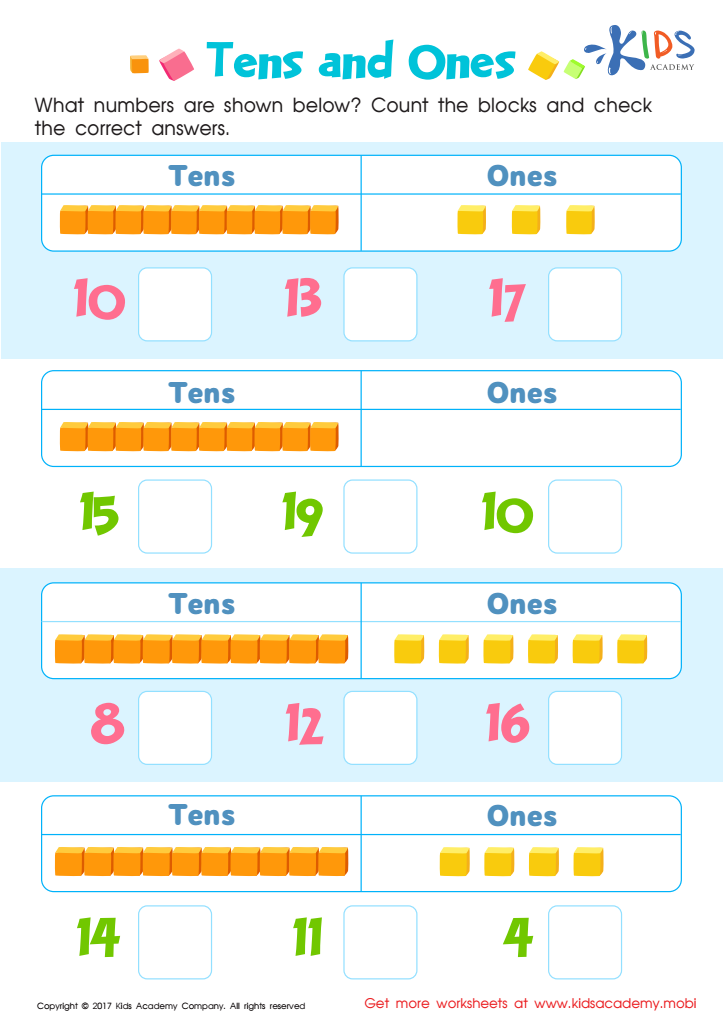
Tens and Ones Worksheet
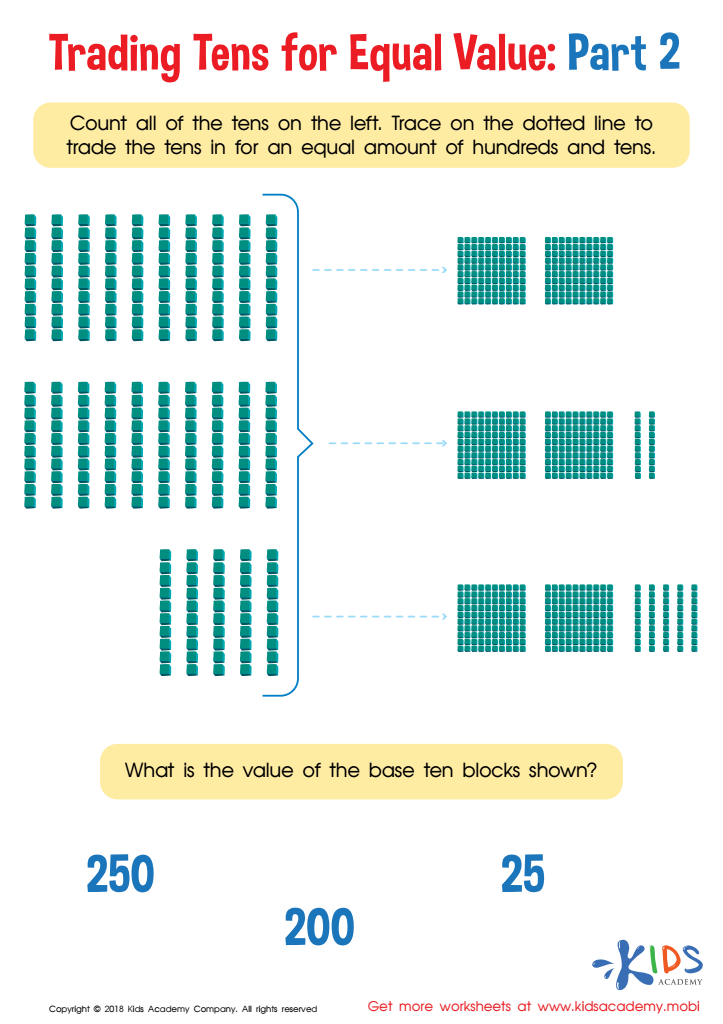
Trading Tens for Equal Value Worksheet: Part 2
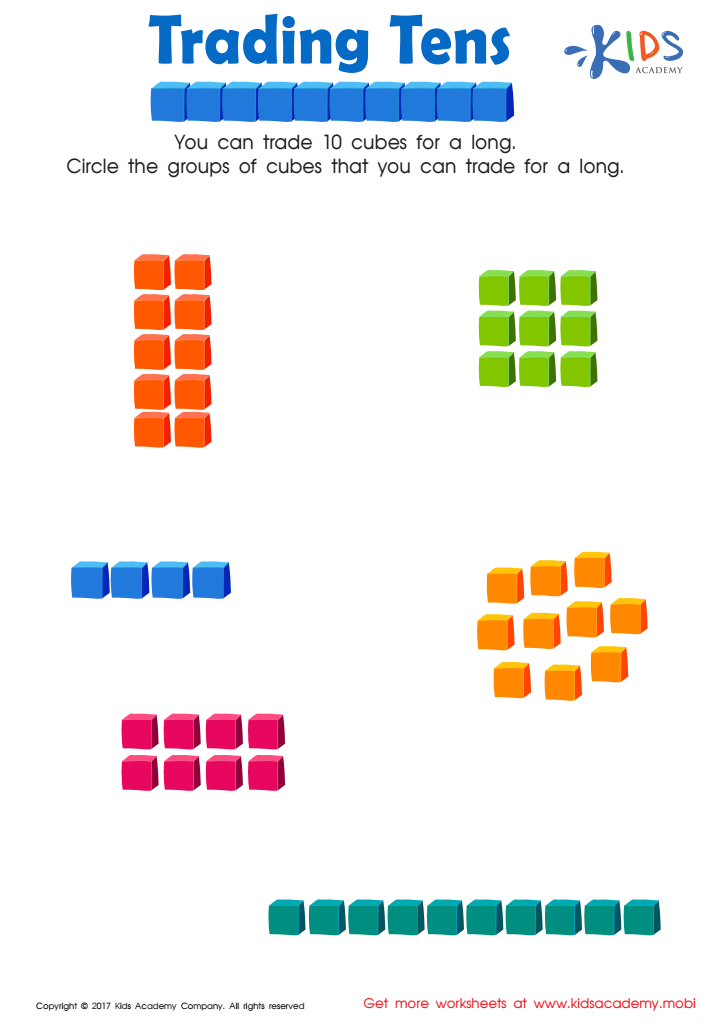
Trading Tens Worksheet
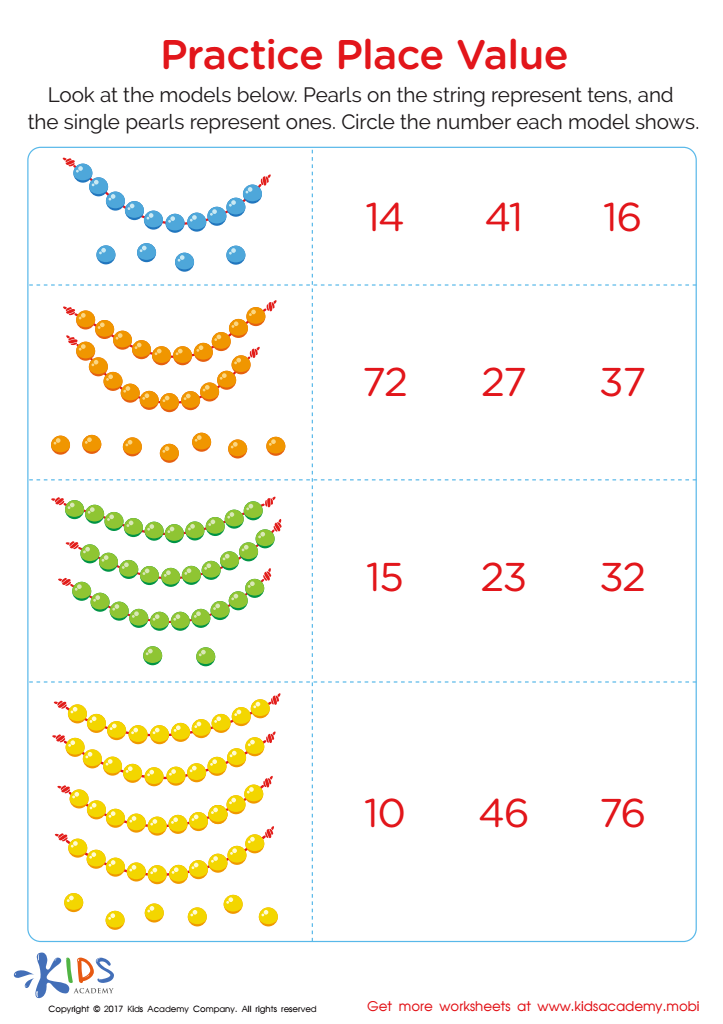
Practice Place Value Printable
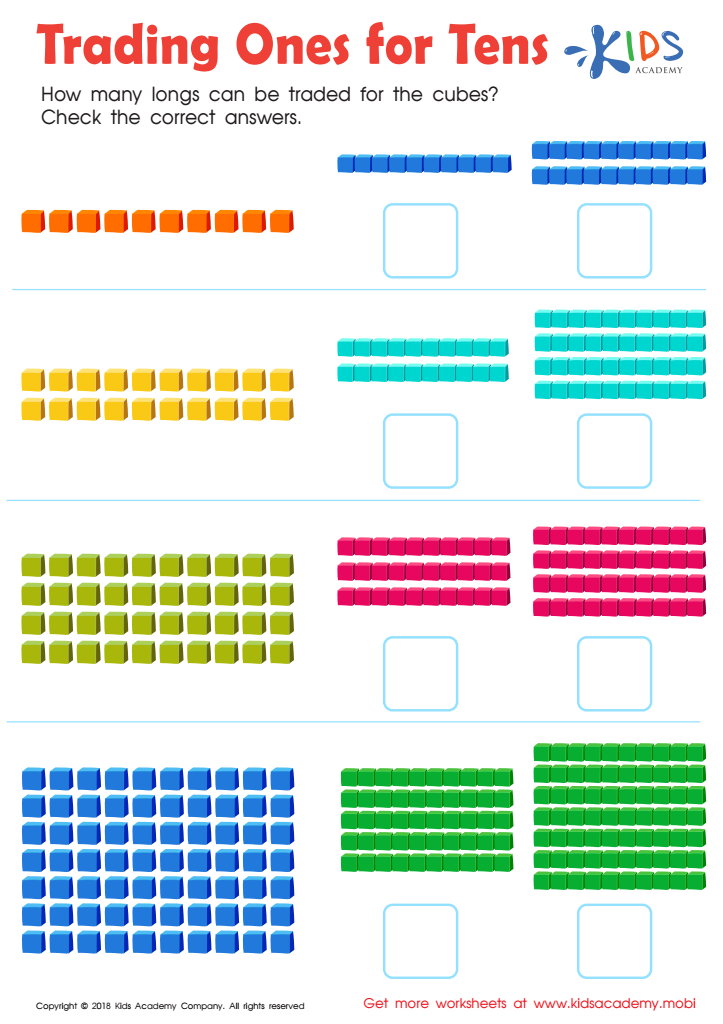
Trading Ones for Tens Worksheet: Part 2
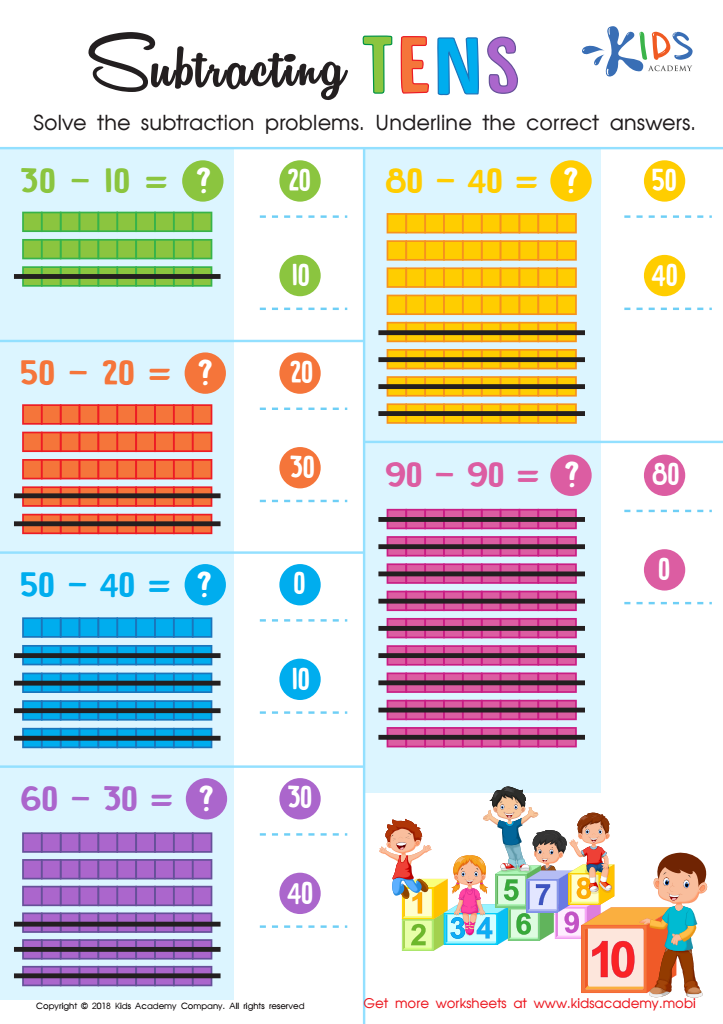
Subtracting Tens Worksheet
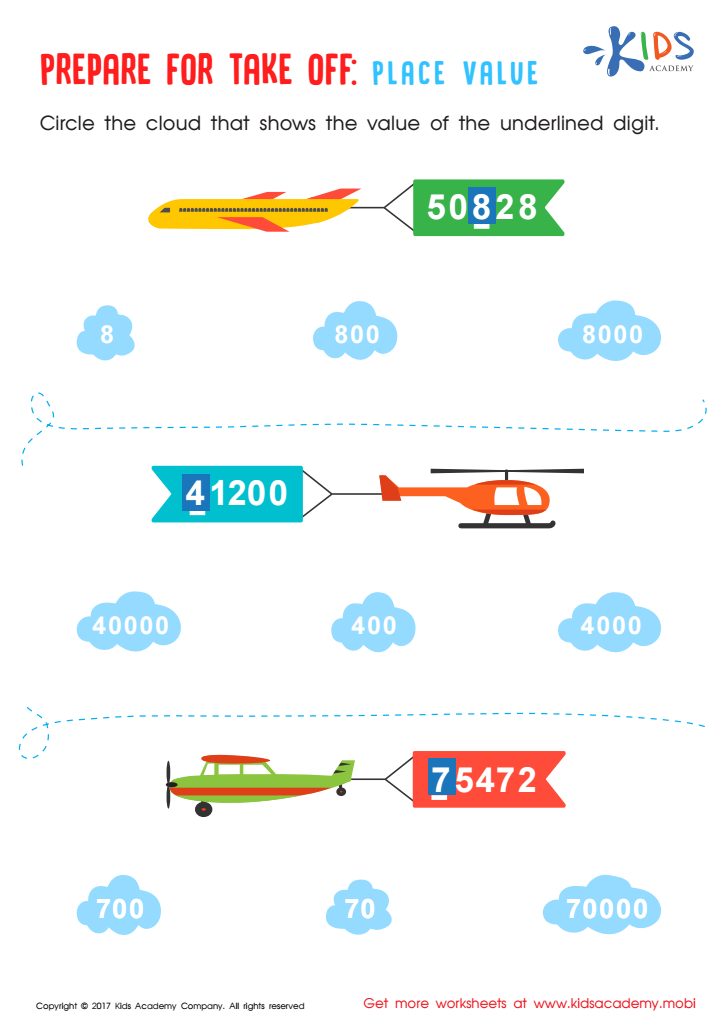
Free Place Value Worksheet for 3rd Grade





Understanding place value is crucial for early learners, typically ages 4 to 8, as it serves as the foundation for their mathematical skills. When children grasp the concept of place value, they begin to understand that the position of a digit in a number affects its value— for example, in the number 42, the '4' represents 40, while the '2' represents 2. This knowledge is essential for understanding larger numbers, performing arithmetic operations, and developing effective problem-solving skills.
Parents and teachers should care about place value because it's not just a one-time lesson; it's a building block for future mathematical concepts such as addition, subtraction, multiplication, and division. By fostering an early understanding of place value, children can develop stronger numerical fluency, which translates into greater confidence in their mathematical abilities.
Additionally, place value awareness supports logical thinking and reasoning, enabling children to make connections between different mathematical ideas. Ultimately, a strong understanding of place value sets the stage for lifelong learning and appreciation for mathematics, equipping young learners to tackle more complex concepts as they progress in their education. Supporting this foundational skill prepares them for success in school and beyond.








