Visual Perception Skills Normal Worksheets for Ages 4-8
9 filtered results
-
From - To
Boost your child's visual perception skills with our engaging worksheets designed for ages 4-8. These exciting and interactive activities foster essential visual processing abilities, helping young learners identify shapes, patterns, and positions. Our collection includes a variety of exercises that promote visual discrimination, memory, and spatial awareness, all tailored for early childhood development. Perfect for use at home or in the classroom, these worksheets nurture hand-eye coordination and cognitive skills in a fun, accessible format. Invest in your child's learning journey today with our user-friendly resources that make skill-building an enjoyable experience! Explore our Visual Perception Skills Normal Worksheets now!
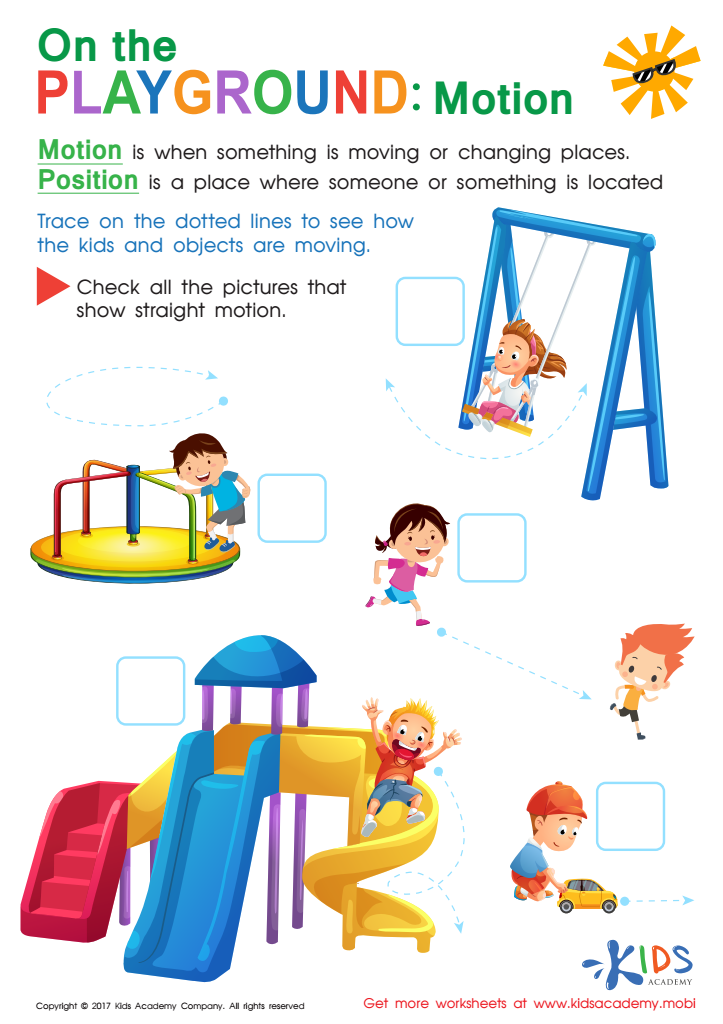
Position and Motion Worksheet
 Assign to My Students
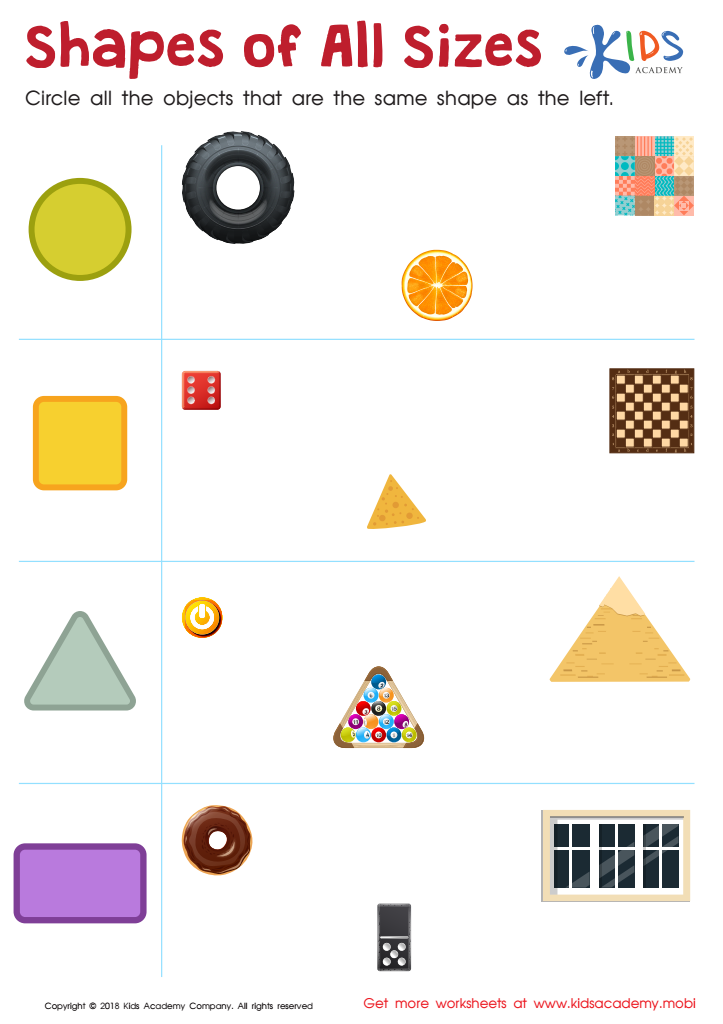
Shapes of All Sizes Worksheet
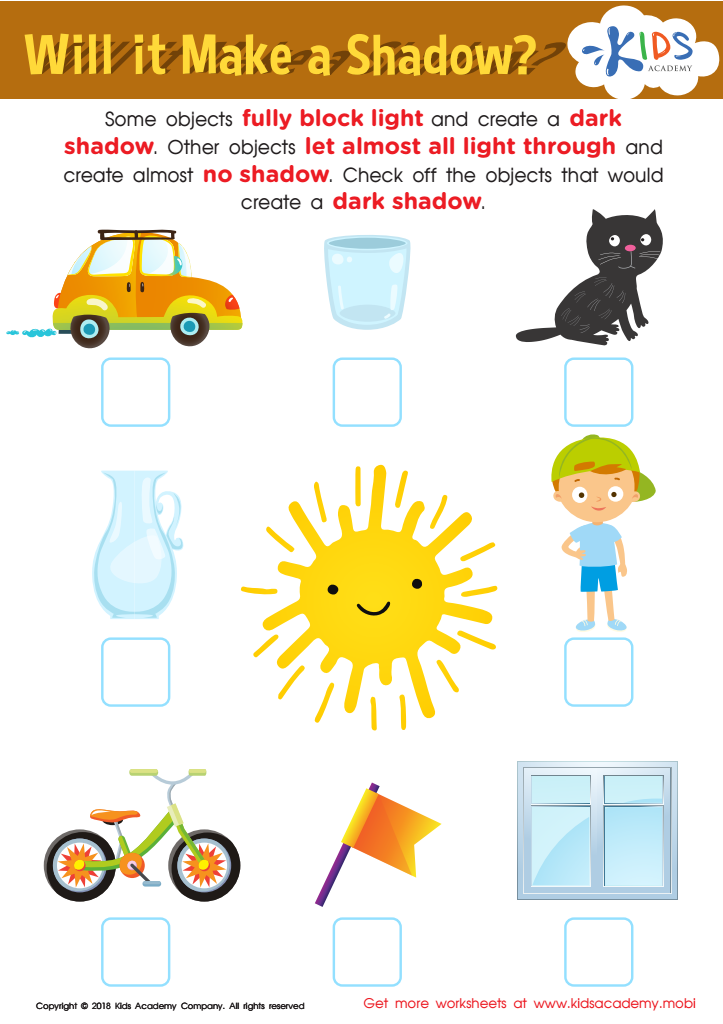
Will It Make a Shadow? Worksheet
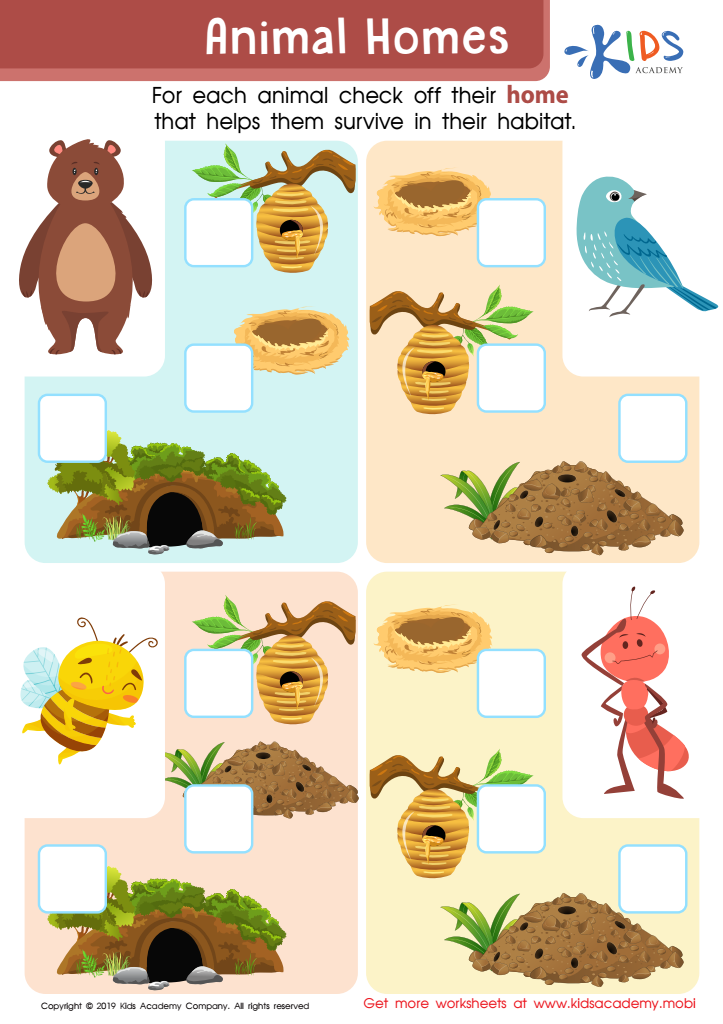
Animal Homes Worksheet
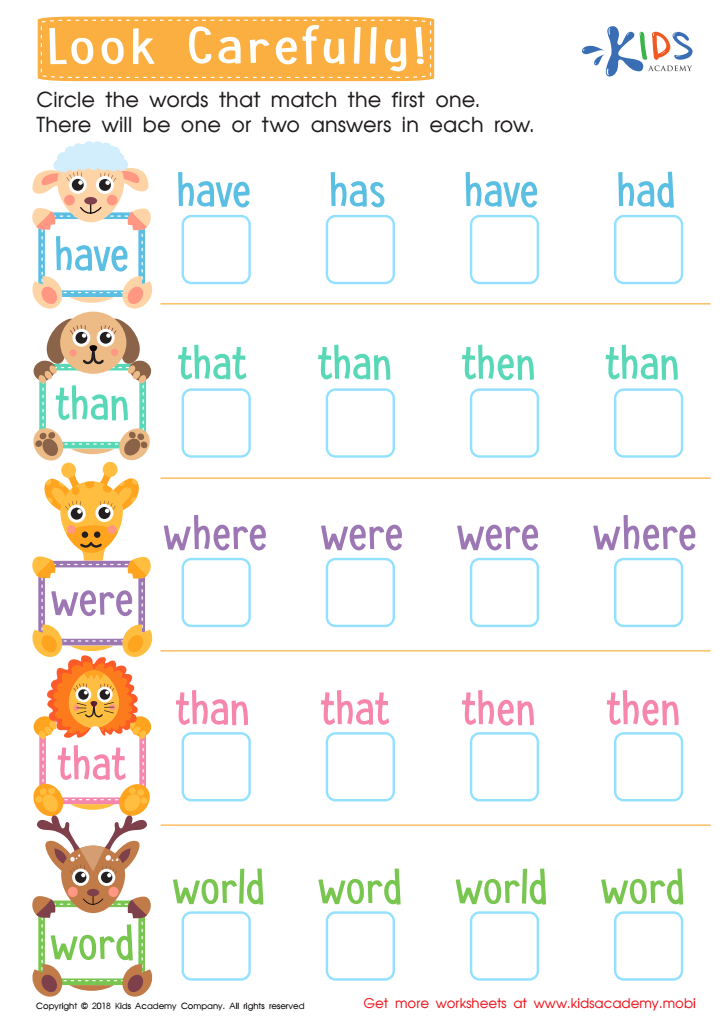
Look Carefully Worksheet
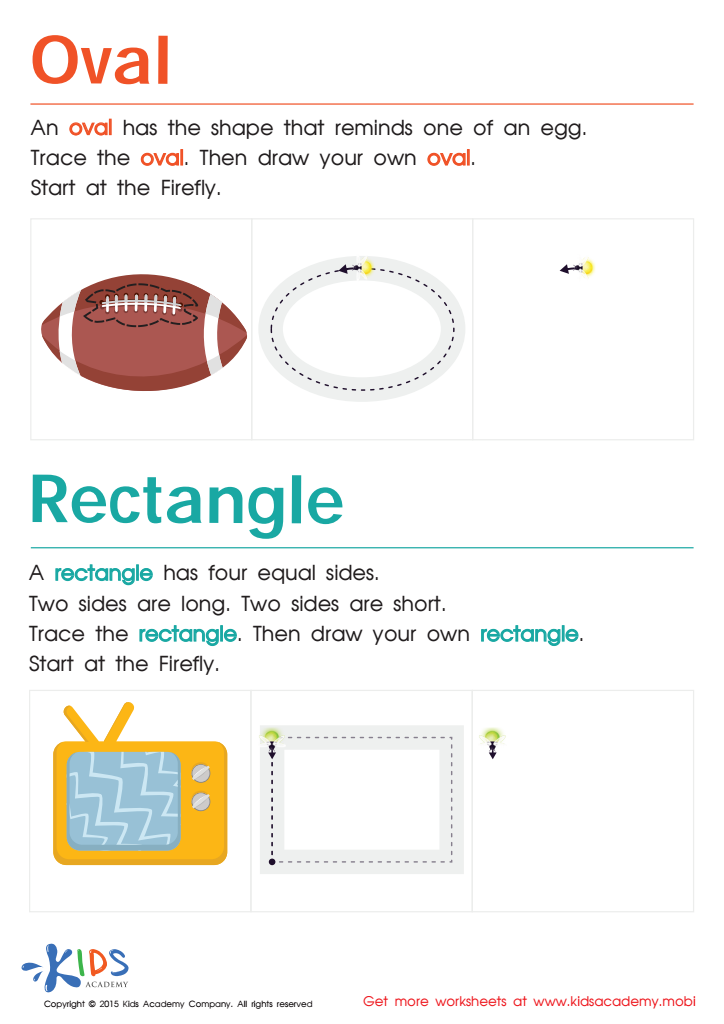
Easy Drawing of Ovals And Rectangles Worksheet
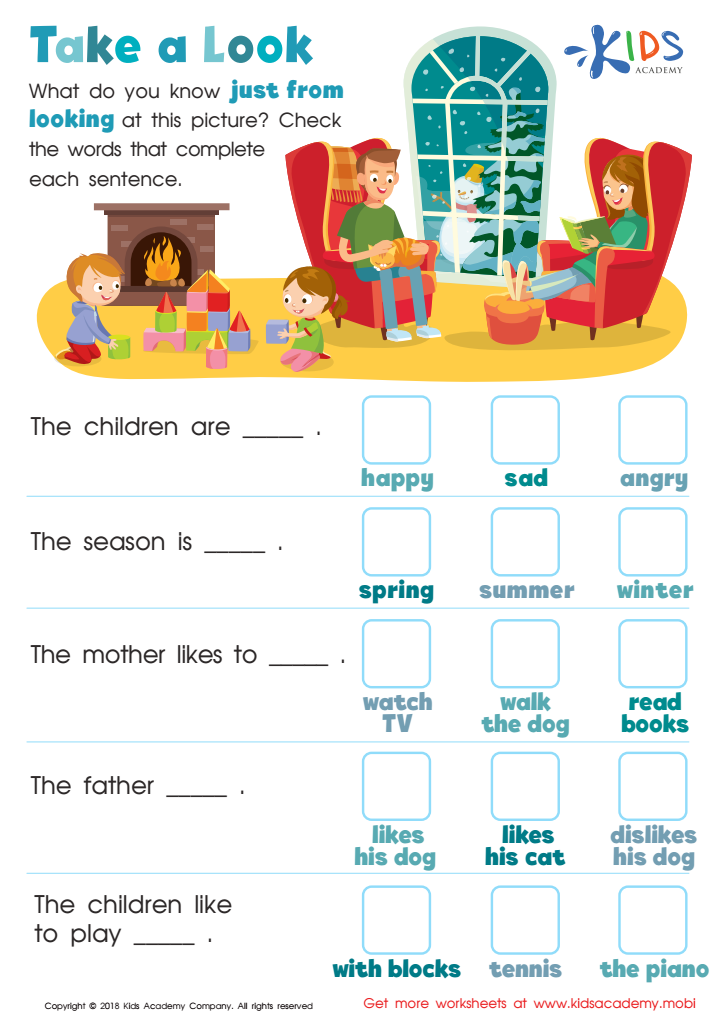
Take a Look - Part 1 Worksheet
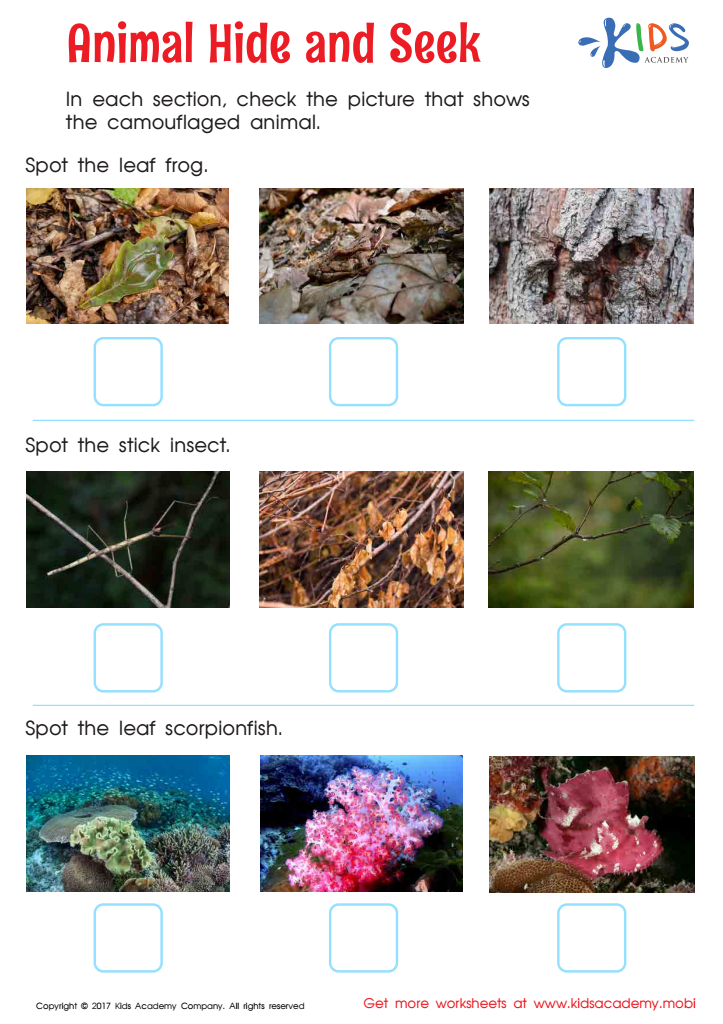
Animal Hide and Seek Worksheet
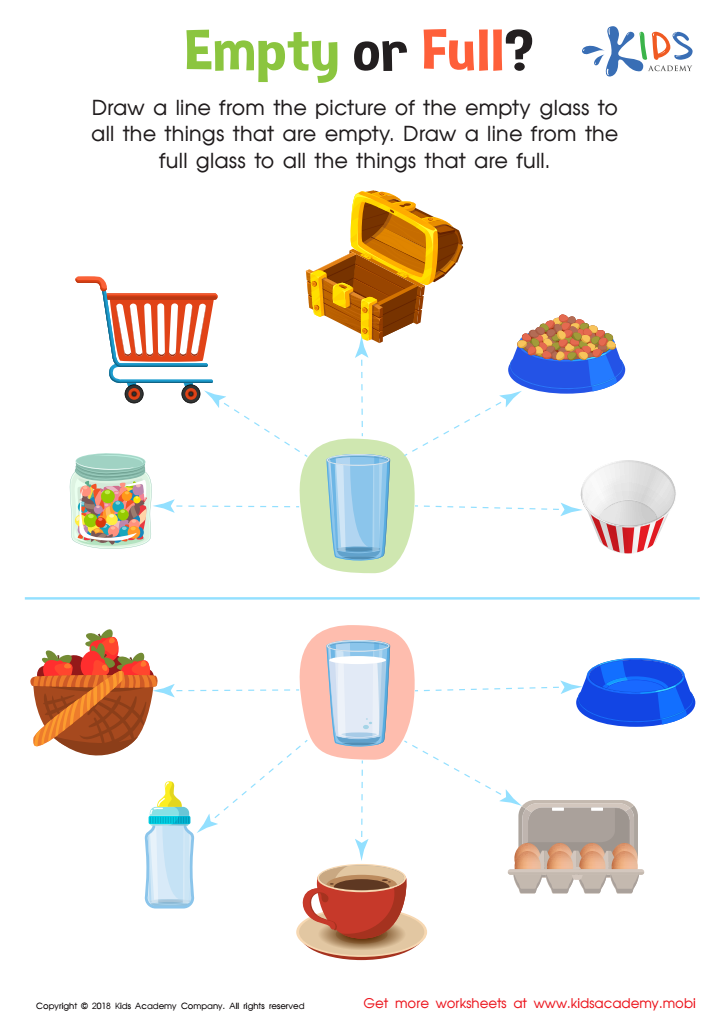
Empty or Full? Worksheet








Visual perception skills are crucial for children aged 4-8 as they significantly influence learning and development. At this stage, children begin to encounter more complex tasks that require the ability to interpret and analyze visual information, such as reading, writing, and math. Strong visual perception enables children to recognize letters, shapes, and numbers, fostering their literacy and numeracy skills.
Parents and teachers should be attentive to these skills as difficulties in this area can lead to challenges in academic achievement and self-esteem. Children with weak visual perception may struggle to follow instructions, recognize patterns, or understand visual concepts, putting them at a disadvantage in classroom settings. Early identification and support can enhance a child's learning experience immensely.
Additionally, improving visual perception can contribute to overall cognitive development and fine motor skills, as these skills are interrelated. Engaging children in visually stimulating activities—such as puzzles, drawing, and interactive games—can further enhance these skills while making learning enjoyable. Ultimately, investing in children’s visual perception not only prepares them for academic success but also lays the foundation for lifelong learning and confidence in their abilities. Hence, the involvement of parents and teachers in this aspect is vital.








