Reading comprehension Normal 2D Shapes Worksheets for Ages 4-8
4 filtered results
-
From - To
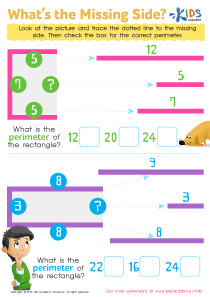
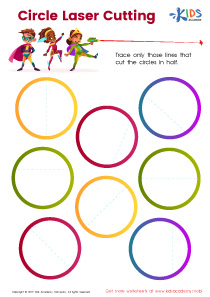
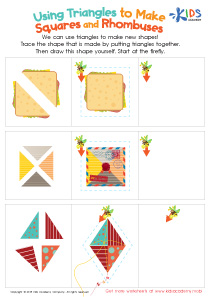
Our "Reading Comprehension Normal 2D Shapes Worksheets for Ages 4-8" help young learners master essential math skills while boosting their reading comprehension. Designed for children aged 4-8, these engaging worksheets integrate basic reading passages with simple exercises on 2D shapes such as circles, squares, and triangles. Each worksheet blends colorful illustrations with interactive tasks to reinforce shape recognition and vocabulary. Perfect for classroom and at-home learning, these resources support foundational skills in both math and literacy, helping children confidently read and understand descriptions while identifying everyday shapes. Enhance your child's learning journey with these fun, educational activities!
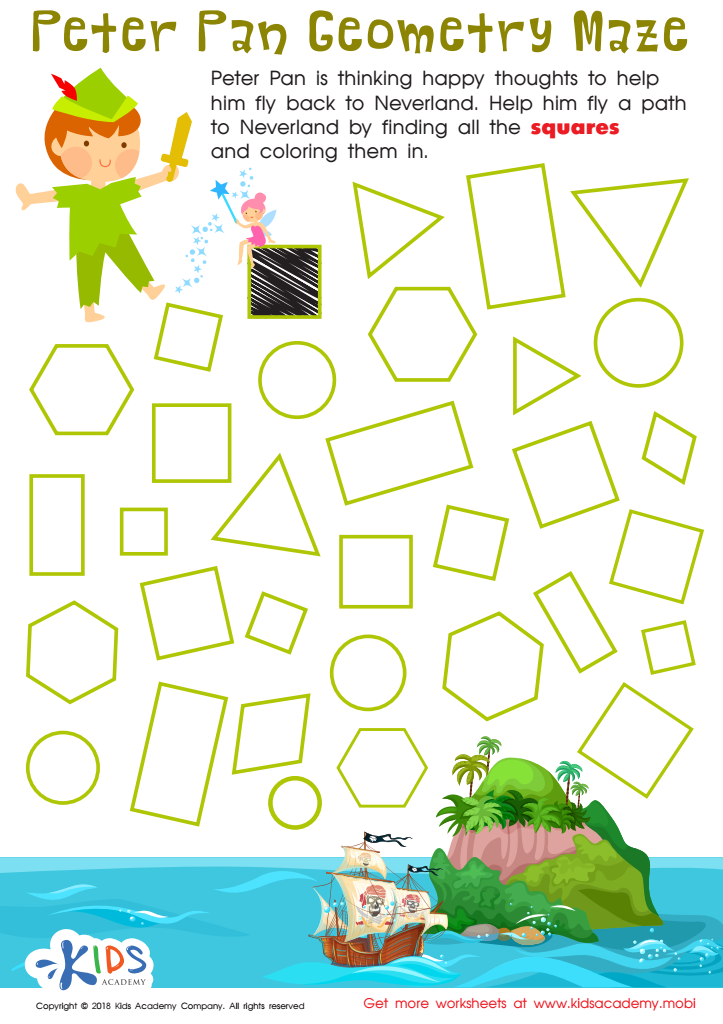
Peter Pan Worksheet
 Assign to My Students

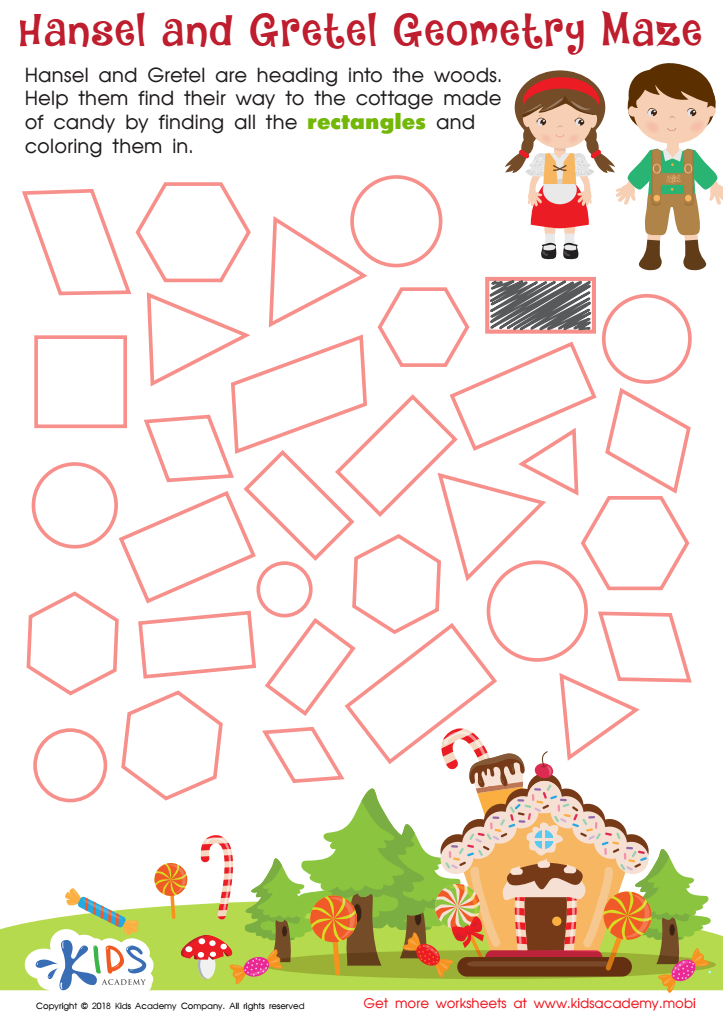
Hansel and Gretel Geometry Maze Worksheet
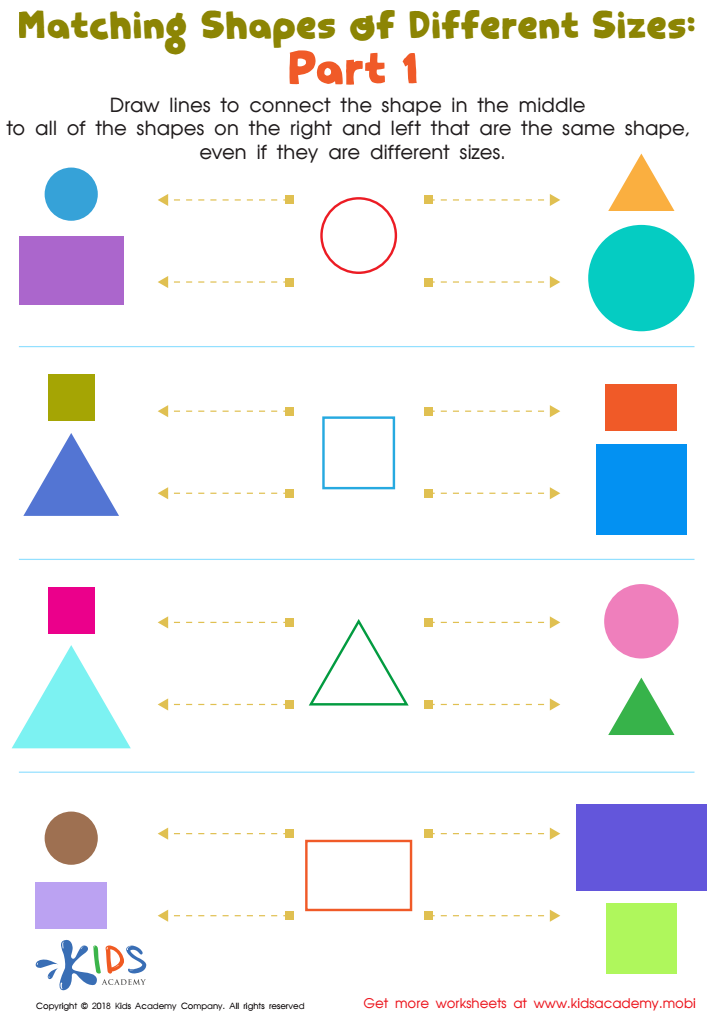
Geometry: part 1 Worksheet
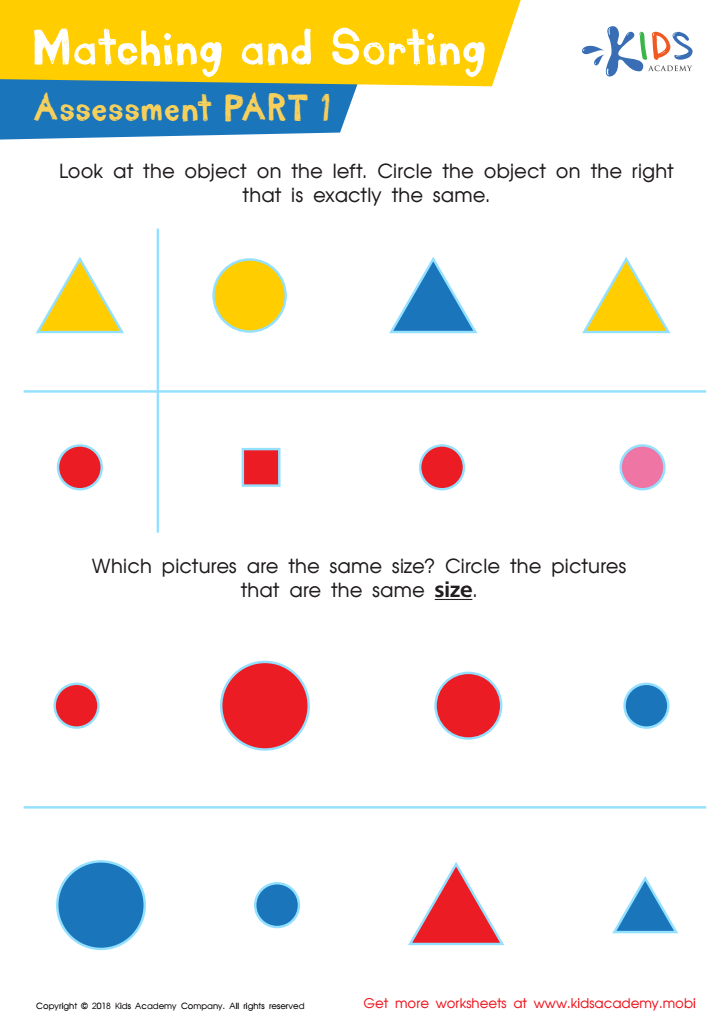
Matching and Sorting for Kindergarten: Assessment 1 Worksheet








Understanding reading comprehension and normal 2D shapes in early childhood is crucial for a child's holistic development. At ages 4-8, children are developing foundational skills that will support their future learning. Reading comprehension is not just about recognizing words; it's about understanding the meaning behind them, following a story, and connecting ideas. This fundamental skill helps children gain knowledge from texts, enhances their ability to think critically, and fosters imagination. When children comprehend what they read, they can enjoy stories more deeply, relate them to their own experiences, and learn new information efficiently.
Simultaneously, learning about normal 2D shapes—such as circles, squares, triangles, and rectangles—builds a solid foundation in geometry and spatial awareness. Recognizing and differentiating these shapes enables children to understand basic math concepts, develop problem-solving skills, and interpret the world around them. Shapes are not just academic concepts; they're a part of everyday life from the traffic signs they see, to the slices of pizza they eat.
By ensuring children grasp reading comprehension and 2D shapes knowledge, parents and teachers set the stage for academic success, boost confidence, and nurture a lifelong curiosity and love for learning. These skills underpin essential cognitive processes, making them indispensable in early education.