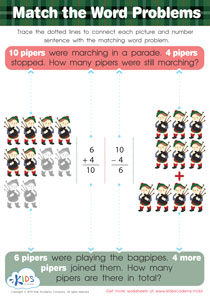
Logical thinking development Normal Addition Worksheets for Ages 4-8
3 filtered results
-
From - To
Welcome to our collection of Normal Addition Worksheets designed to nurture logical thinking skills in children aged 4-8. These engaging worksheets provide a fun and interactive way for young learners to practice basic addition while developing critical reasoning abilities. With a variety of colorful illustrations and age-appropriate challenges, these activities not only reinforce mathematical concepts but also encourage problem-solving and analytical thinking. Each worksheet is crafted to keep children motivated and excited about learning. Empower your child’s educational journey today by exploring our Logical Thinking Development Normal Addition Worksheets, setting the foundation for a successful future in math and beyond!
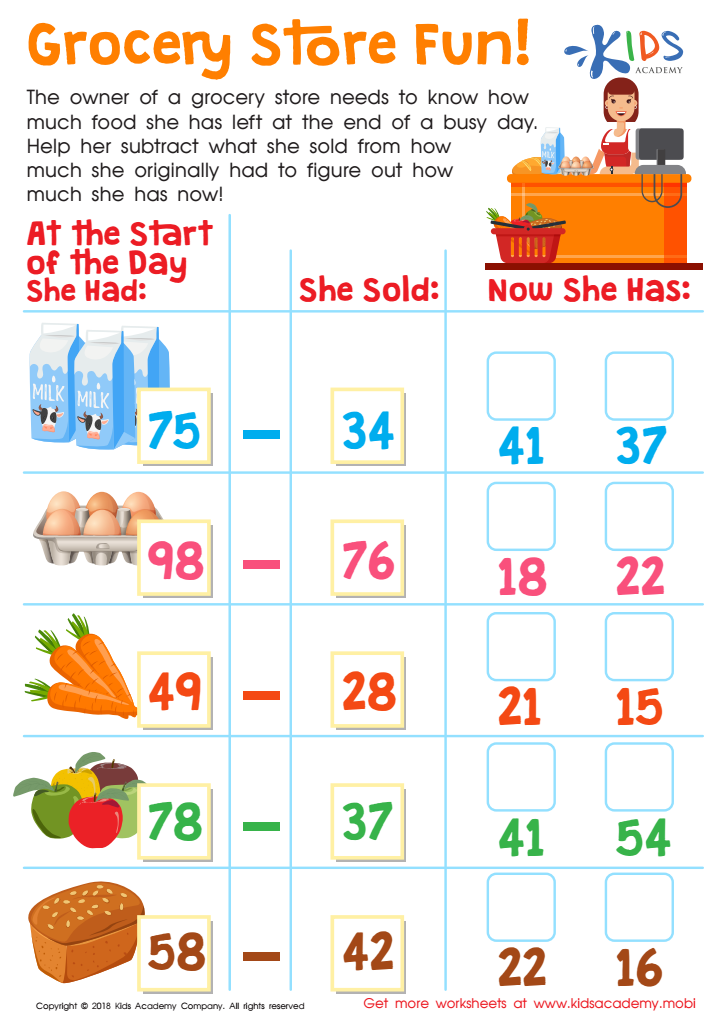
Grocery Store Fun! Worksheet
 Assign to My Students
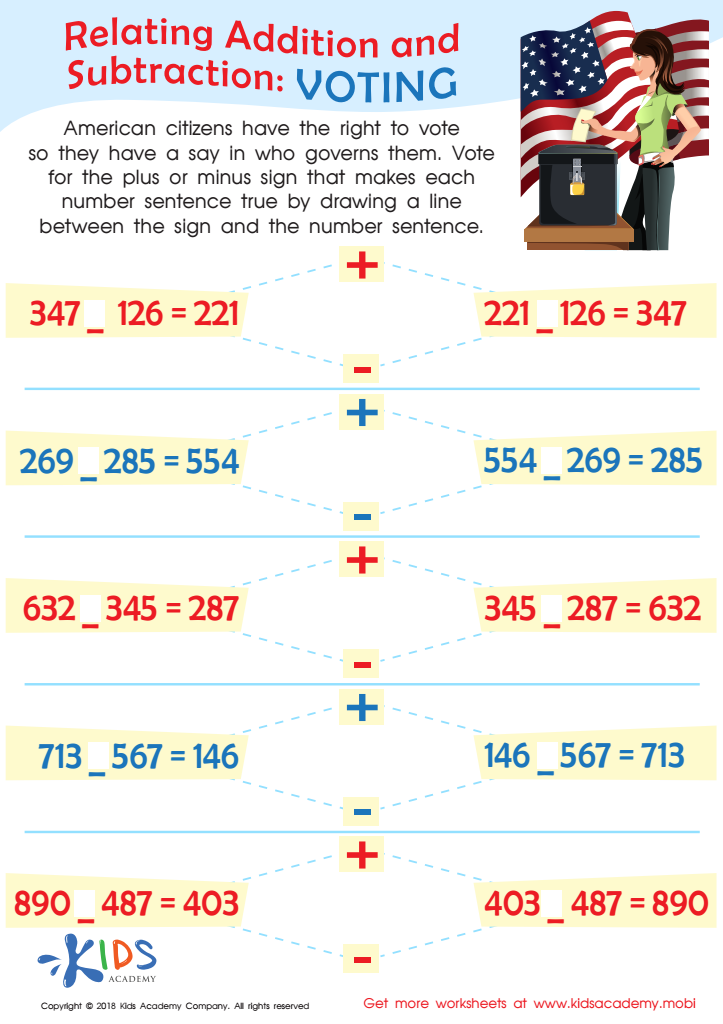
Voting Worksheet
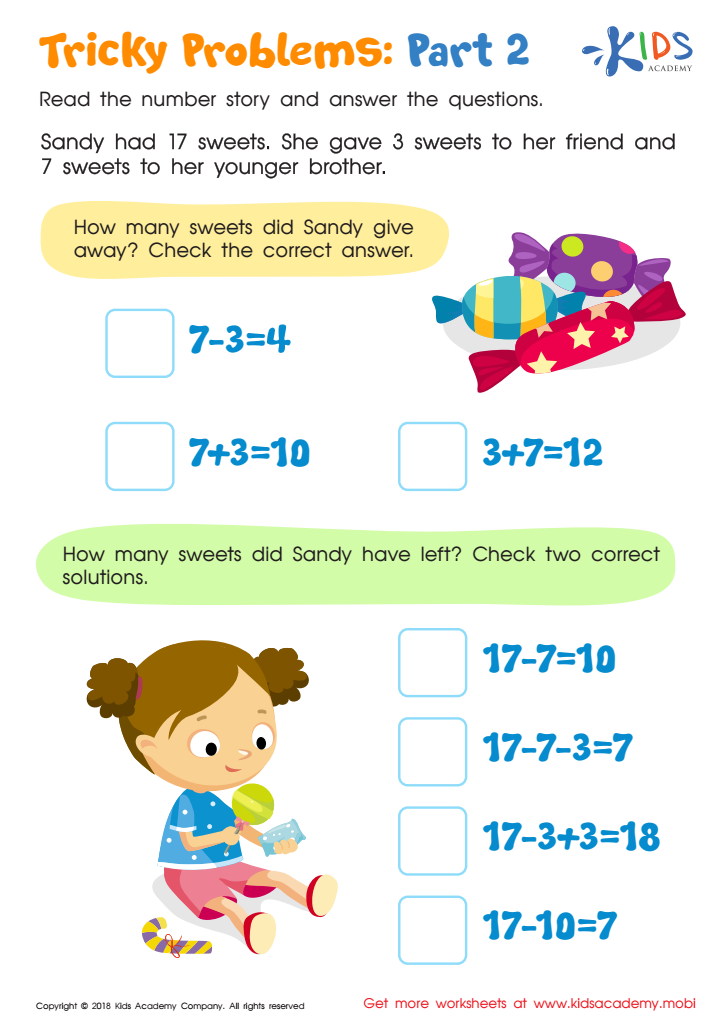
Tricky Problems Worksheet: Part 2








Logical thinking and the development of addition skills in children aged 4-8 are crucial for their overall cognitive growth. During these formative years, children begin to form the foundations of their mathematical understanding, which plays a vital role in problem-solving and critical thinking. When children grasp normal addition, they learn to recognize patterns, make connections, and understand relationships between numbers. This skill not only prepares them for more complex mathematical concepts in later grades but also enhances their logical reasoning abilities.
Moreover, logical thinking and addition are intertwined with everyday decision-making and practical life skills. For instance, managing money, measuring ingredients in cooking, or even organizing play activities rely on these concepts. As such, parents and teachers should prioritise engaging children in activities that promote these skills, like games involving counting, puzzles, and interactive story problems. This approach fosters a love for learning and empowers children to feel confident in their abilities.
Investing time in nurturing logical thinking and addition skills during early education creates a strong academic foundation. Children who master these skills often display greater confidence, curiosity, and adaptability as they progress through their educational journey, ultimately setting them up for success in future learning environments.