Improving math skills Normal Numbers Worksheets for Ages 4-8
7 filtered results
-
From - To
Improve your child's math skills with our engaging Normal Numbers Worksheets designed specifically for ages 4-8. These worksheets provide a fun and interactive way for young learners to master essential math concepts. With a variety of activities focusing on number recognition, counting, and basic addition, children can build a strong foundation in mathematics while developing critical thinking skills. Perfect for both classroom and home learning, our worksheets cater to diverse learning styles, keeping children motivated and eager to explore numbers. Give your child the tools they need to succeed in math with our age-appropriate and enjoyable worksheet collection!
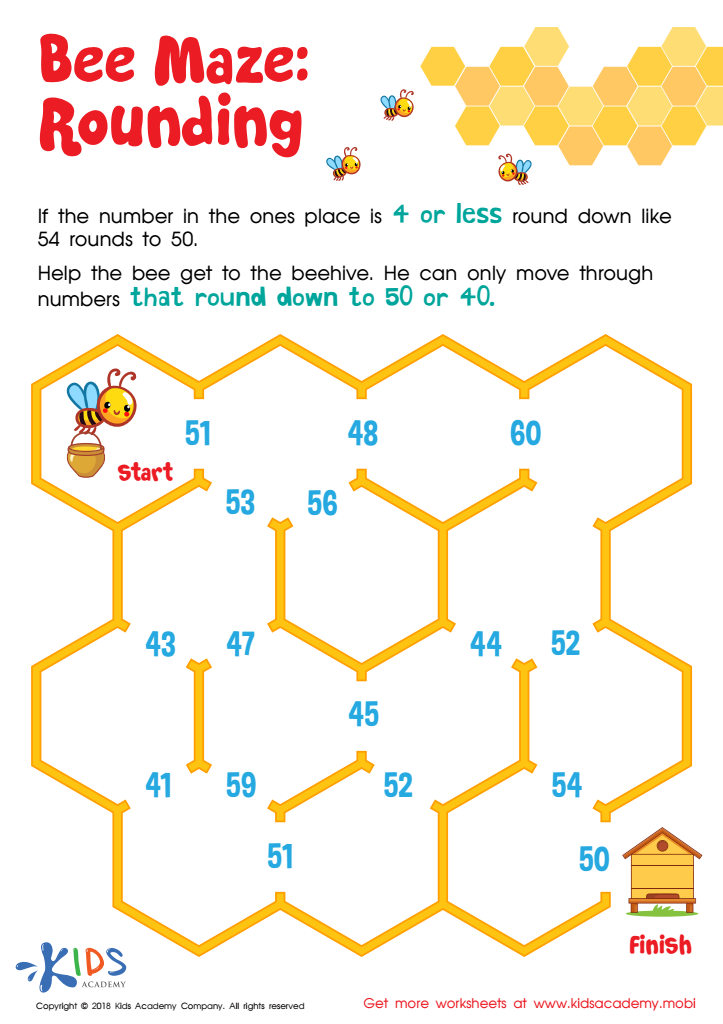
Rounding Down Printable Worksheet
 Assign to My Students
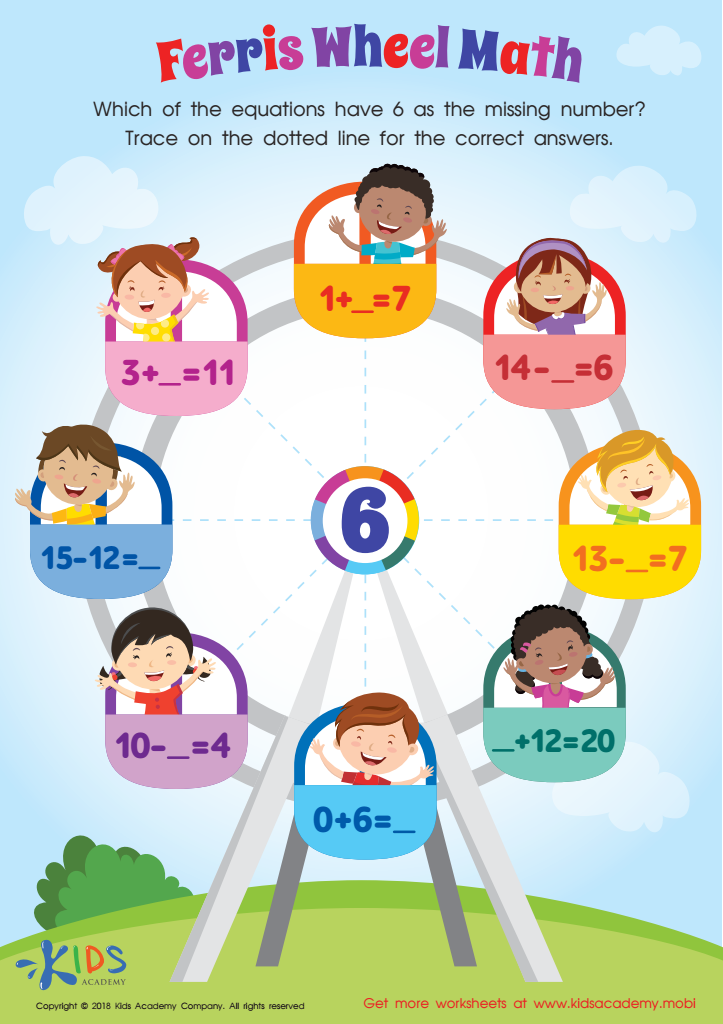
Missing Number: Ferris Wheel Math Worksheet
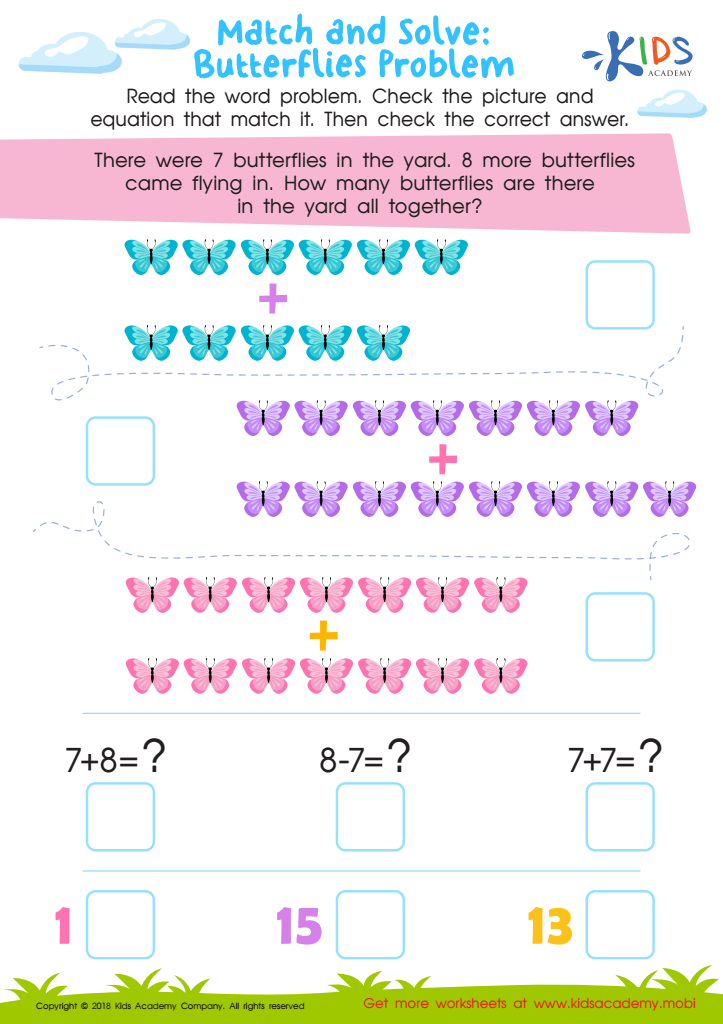
Match and Solve: Butterfly Problem Worksheet
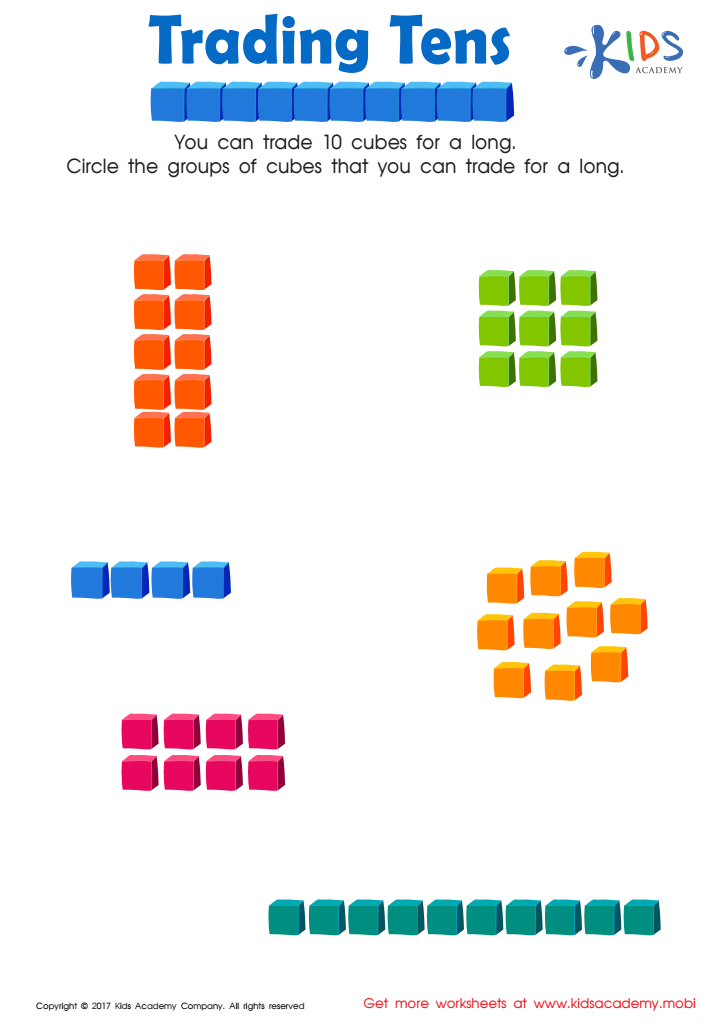
Trading Tens Worksheet
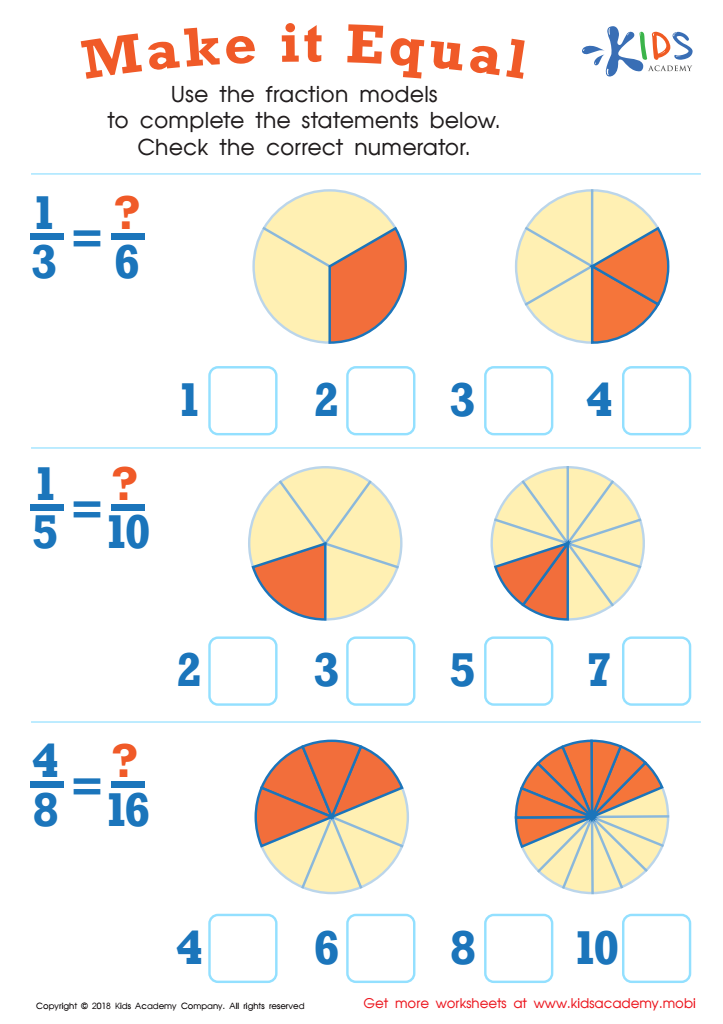
Make It Equal Worksheet
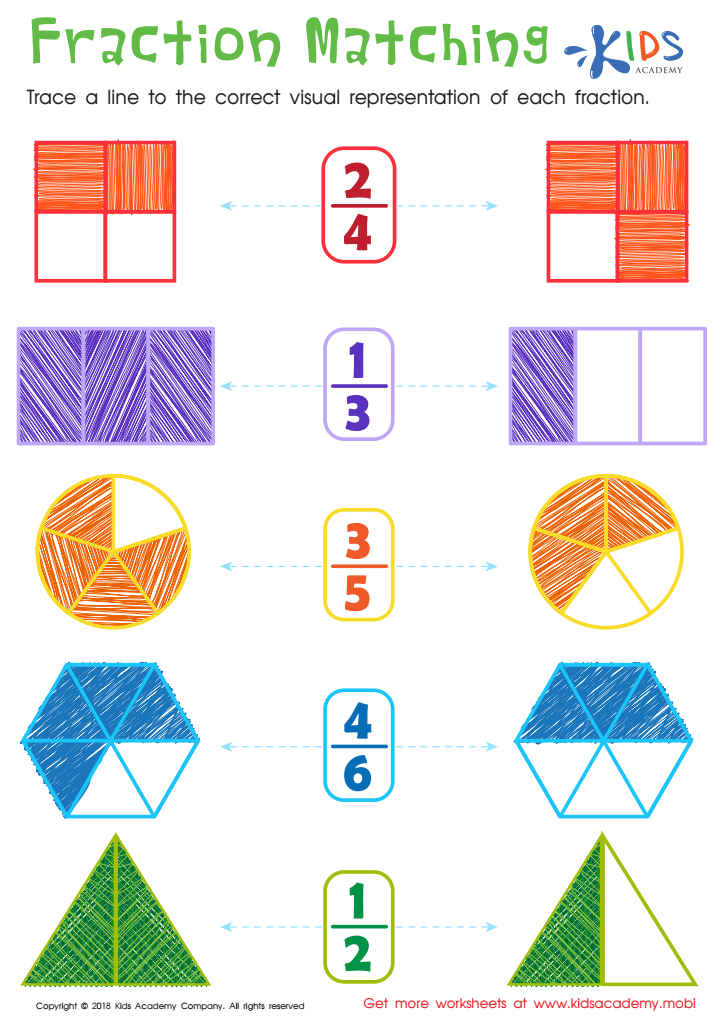
Fraction Matching Worksheet
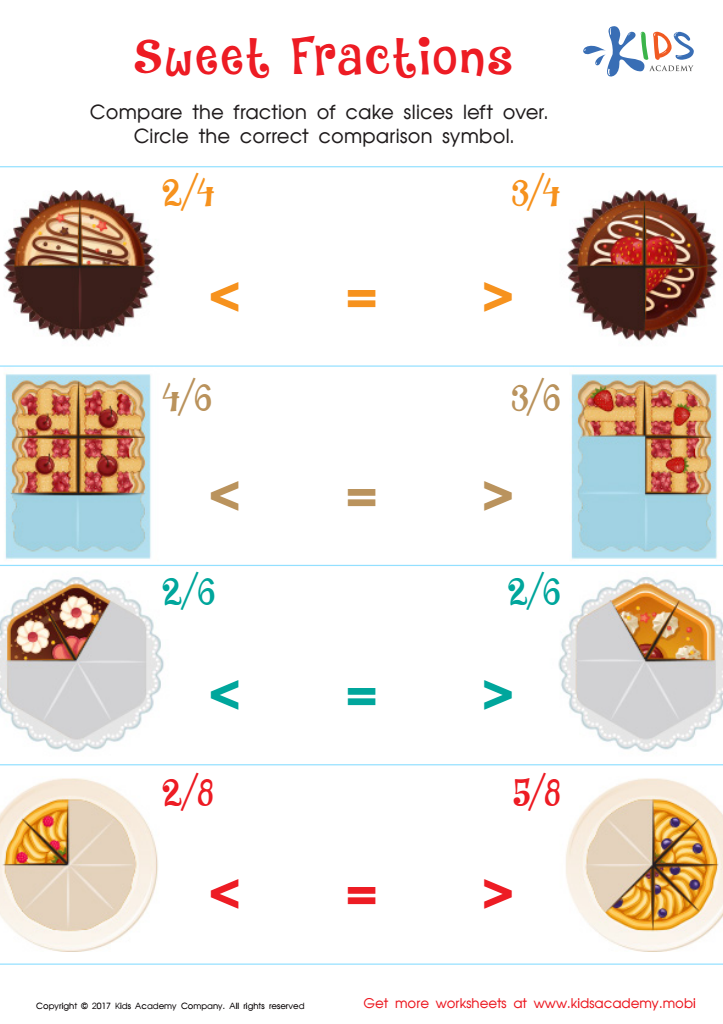
Compare Fractions Worksheet




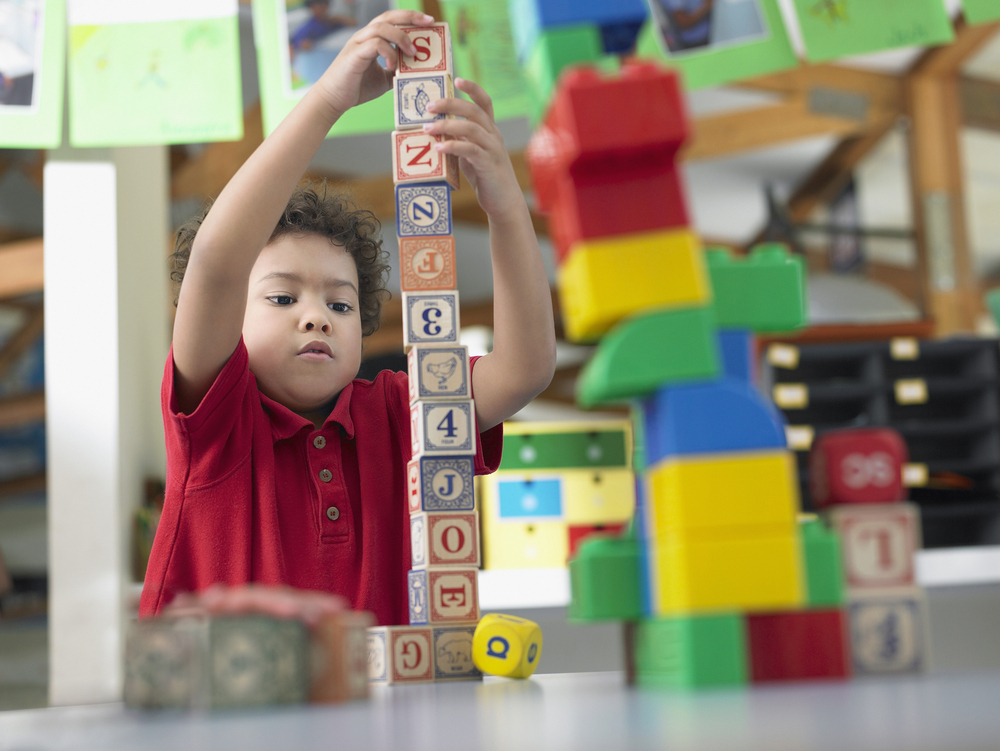



Improving math skills in the early years, particularly with normal numbers for children aged 4-8, is crucial for several reasons. First, this foundational stage heavily influences a child’s future learning and academic confidence. Mastery of basic numerical concepts, such as counting, addition, and subtraction, lays the groundwork for more complex mathematical operations introduced later. When children develop a strong understanding of numbers, they are more likely to excel in school and engage positively with math as they grow.
Furthermore, early math skills are closely linked to cognitive development. Engaging with numbers helps enhance critical thinking, problem-solving, and reasoning abilities. Parents and teachers play a vital role in facilitating this engagement through fun and interactive activities, such as games and hands-on learning experiences.
Additionally, children's attitudes towards math are shaped early on, often in these formative years. A positive experience with numbers can contribute to lifelong skills and an appreciation for math, impacting their future educational choices and career opportunities. Building these skills early helps to create competent, confident learners, ensuring they are well-equipped to tackle the challenges of higher math as they progress in their education. In short, promoting math skills now benefits children both academically and personally throughout their lives.








