Comparative analysis Normal Math Worksheets for Ages 4-8
3 filtered results
-
From - To
Explore our “Comparative Analysis Normal Math Worksheets for Ages 4-8” page, designed to enhance kids' early math skills through engaging and interactive content. Our worksheets focus on key concepts such as comparisons, numbers, shapes, and basic operations, providing a comprehensive approach to math learning. Tailored for children aged 4-8, these materials promote cognitive development and encourage critical thinking. Parents and educators can easily access and print these resources to support a fun and effective learning experience at home or in the classroom. Dive into our collection today to help young learners build a solid math foundation with ease and enjoyment!
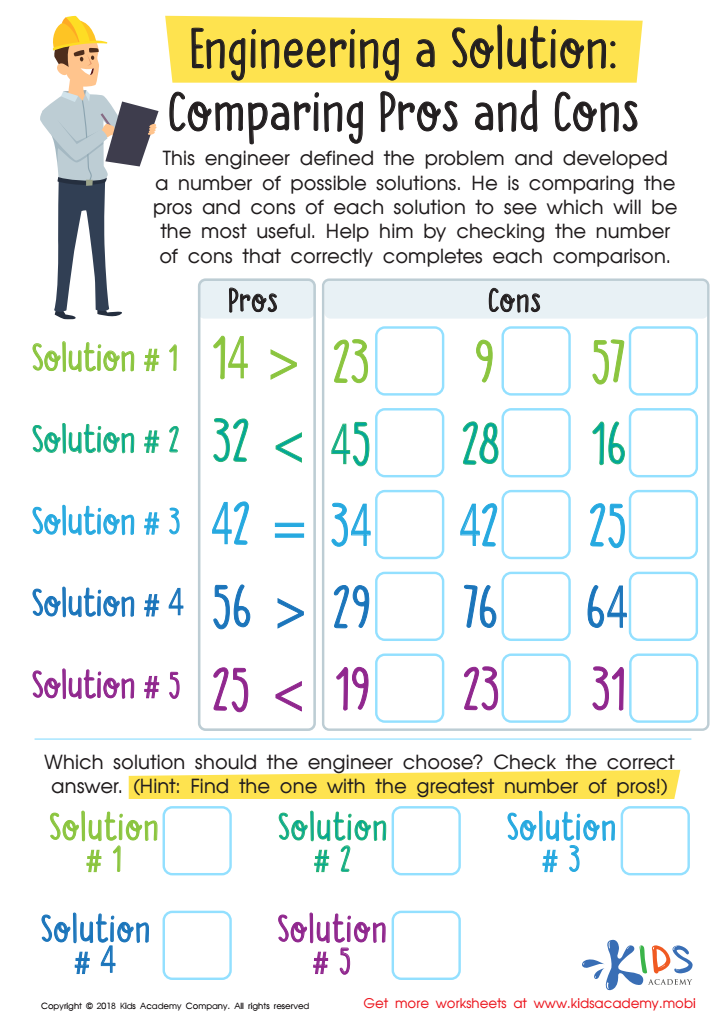
Engineering a Solution: Comparing Pros and Cons Worksheet
 Assign to My Students
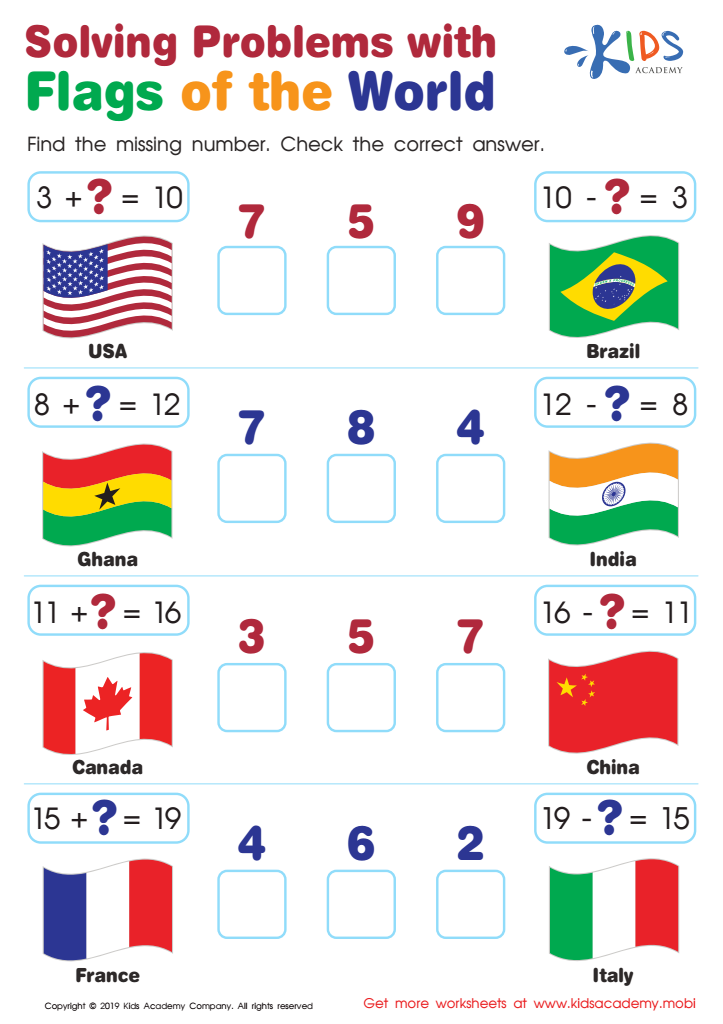
Solving Problems with Flags of the World Worksheet
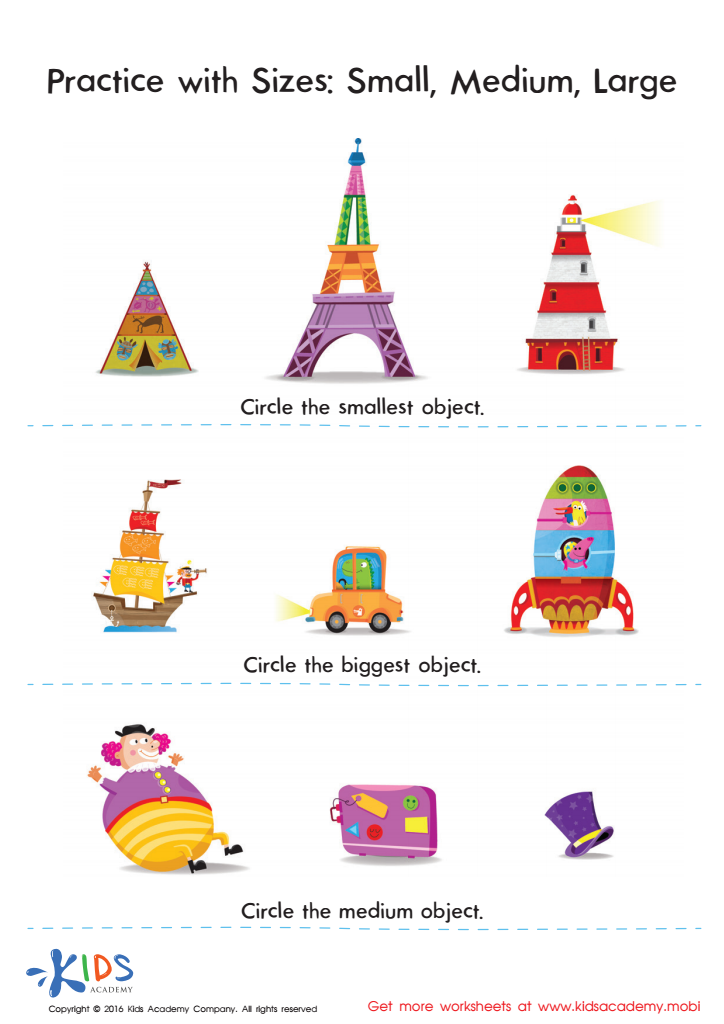








Comparative analysis of normal math instruction for children aged 4-8 is crucial for parents and teachers as it provides insights into effective teaching strategies and learning outcomes. At this developmental stage, children are forming foundational mathematical concepts, which are essential for their future academic success. Understanding different instructional approaches—such as hands-on activities, interactive games, or traditional worksheets—allows educators to identify methods that resonate with young learners and adapt their teaching accordingly.
Parents can play a supportive role by embracing these insights, using home-based activities that reinforce skills in fun and engaging ways. This dual involvement promotes a cohesive learning environment. Comparative analysis also sheds light on potential gaps in teaching practices, enabling educators to refine their curriculum to better accommodate diverse learning styles within the classroom. Ultimately, prioritizing effective early math education through comparative analysis fosters a positive attitude toward learning, encourages critical thinking, and builds a strong mathematical foundation for children—skills they will carry throughout their educational journey. By giving attention to this aspect of early education, we invest not just in knowledge, but in a child's confidence and overall academic success.








