Counting practice Normal Math Worksheets for Ages 4-8 - Page 2
28 filtered results
-
From - To
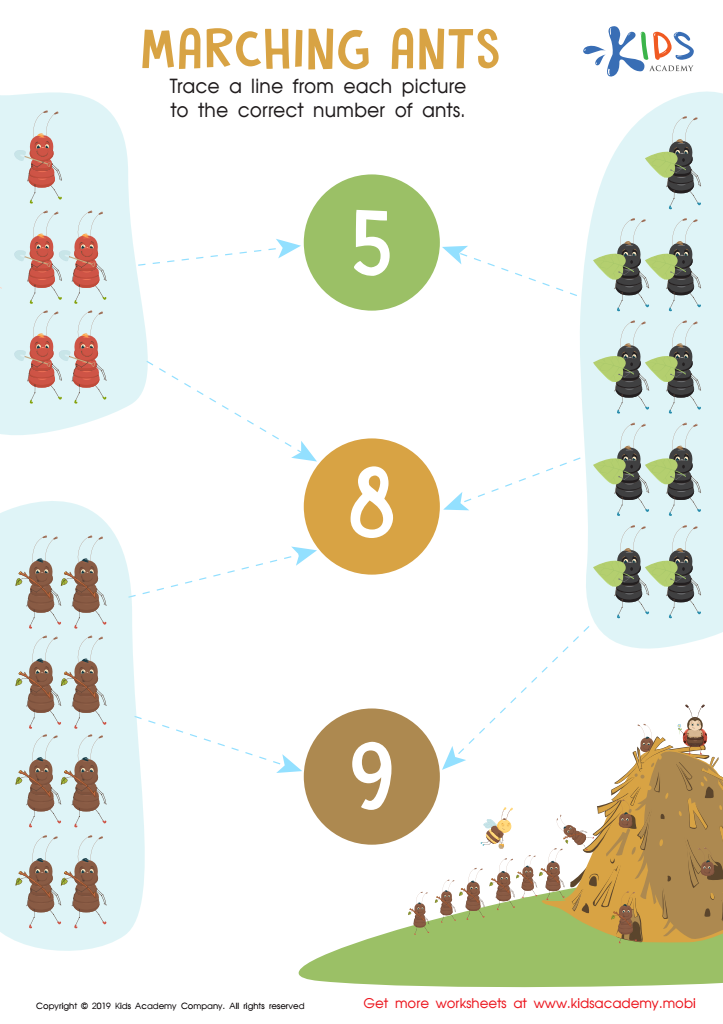
Marching Ants Worksheet
 Assign to My Students
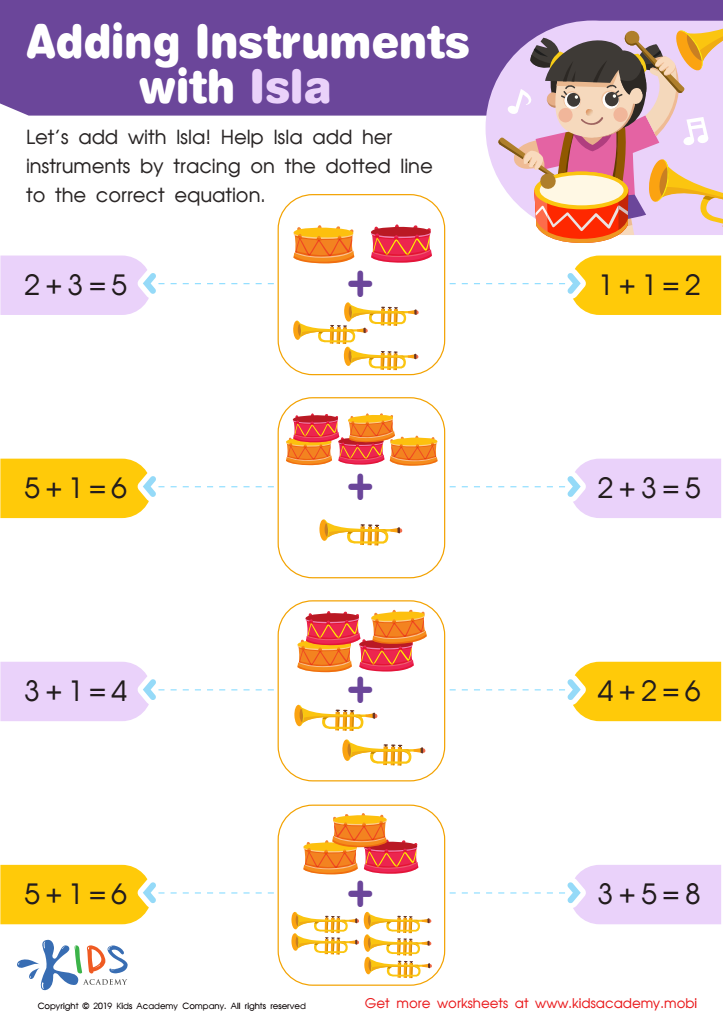
Adding Instruments with Isla Worksheet
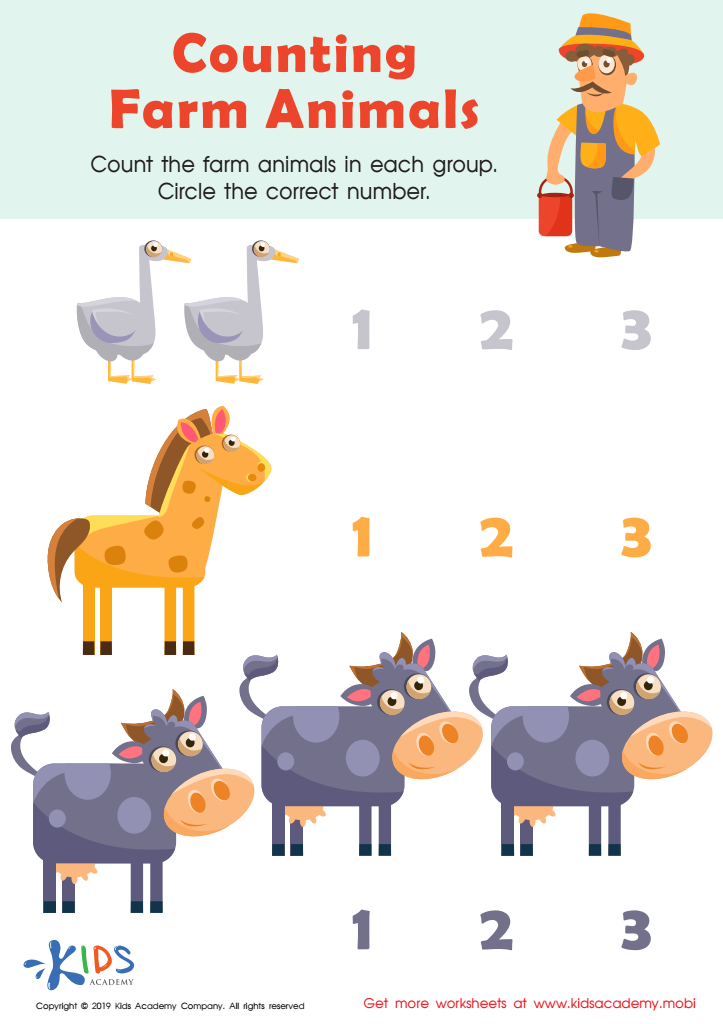
Counting Farm Animals Worksheet
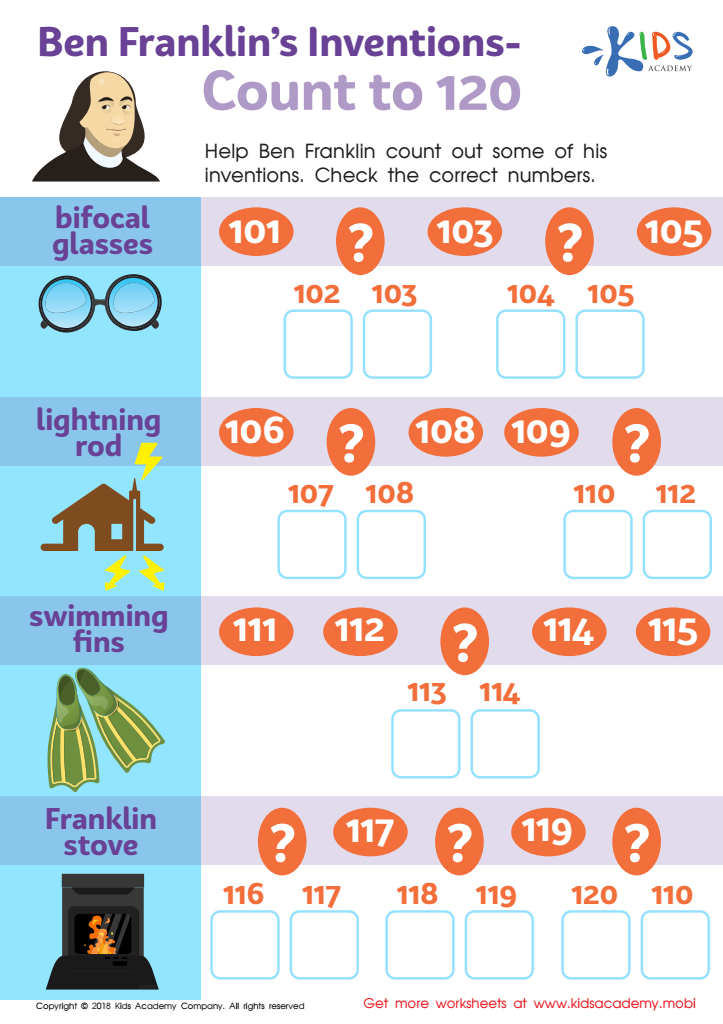
Ben Franklin’s Inventions – Count to 120 Worksheet


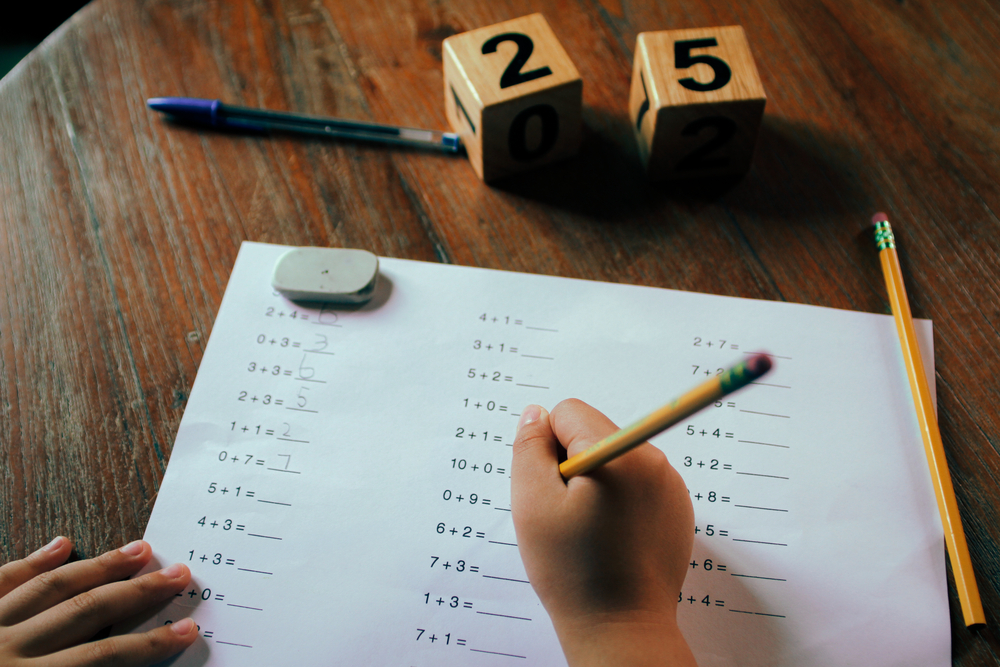




Counting practice is essential for children aged 4-8 as it lays the foundation for their mathematical understanding. During these formative years, children develop critical cognitive skills, and counting serves as a fundamental gateway to concepts such as addition, subtraction, and numbers. Engaging in normal math through counting teaches children about number relationships and builds their confidence in navigating math-related tasks.
Parents and teachers should care about integrating counting activities into daily routines because it not only enhances children’s numerical skills but also promotes other attributes like patience and perseverance. Moreover, counting practice hones children's fine motor skills and enhances their ability to focus and concentrate, benefiting their overall learning experiences.
Additionally, fun counting activities can increase motivation and help create a positive attitude towards math, countering the common anxieties associated with the subject as they grow older. By fostering a supportive environment where counting is celebrated, adults play a crucial role in shaping children’s attitudes towards learning and numerical literacy. The skills practiced during these early years are vital building blocks that turn into advanced mathematical concepts, influencing their academic trajectories in profound ways. Teacher and parental support in this early stage can encourage lifelong positive attitudes towards math.








