Understanding patterns Normal Math Worksheets for Ages 4-8
10 filtered results
-
From - To
"Understanding Patterns" Normal Math Worksheets for Ages 4-8 on Kids Academy help young learners recognize and create patterns, which are fundamental for developing math skills. These engaging, age-appropriate activities include colorful sequences and interactive exercises that make learning fun and effective. By working on these worksheets, children enhance their ability to identify, predict, and extend patterns, set a strong foundation for future mathematical learning. Perfect for both classroom and at-home practice, these worksheets empower children through hands-on learning experiences that build confidence and mastery in early math concepts. Start exploring our comprehensive collection to support your child's math journey!
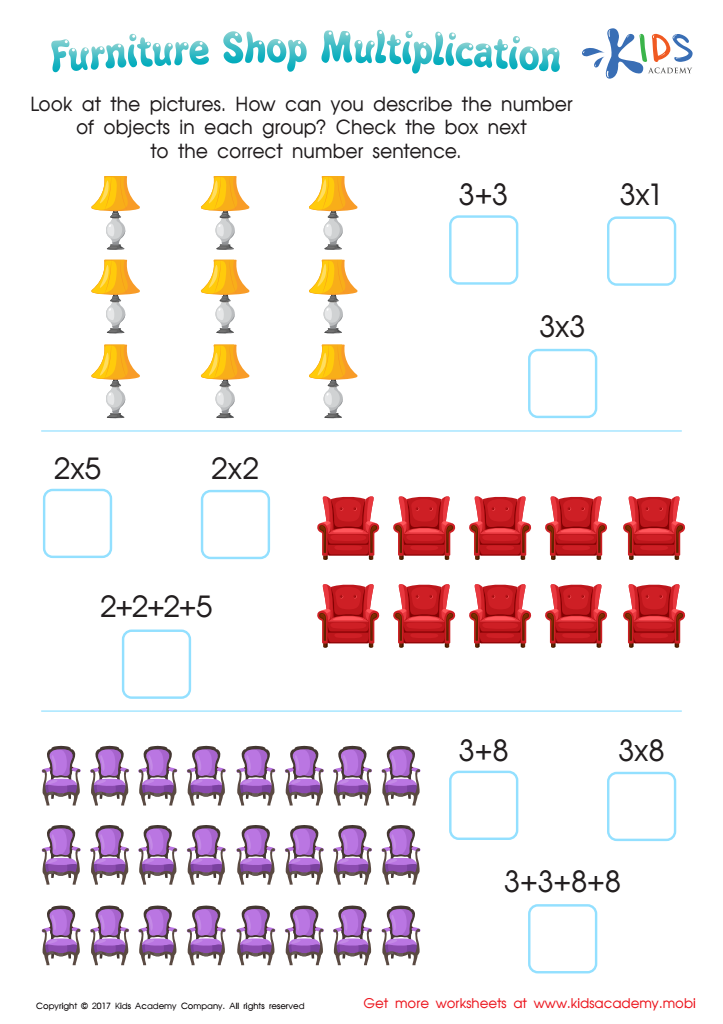
Furniture Shop Worksheet
 Assign to My Students
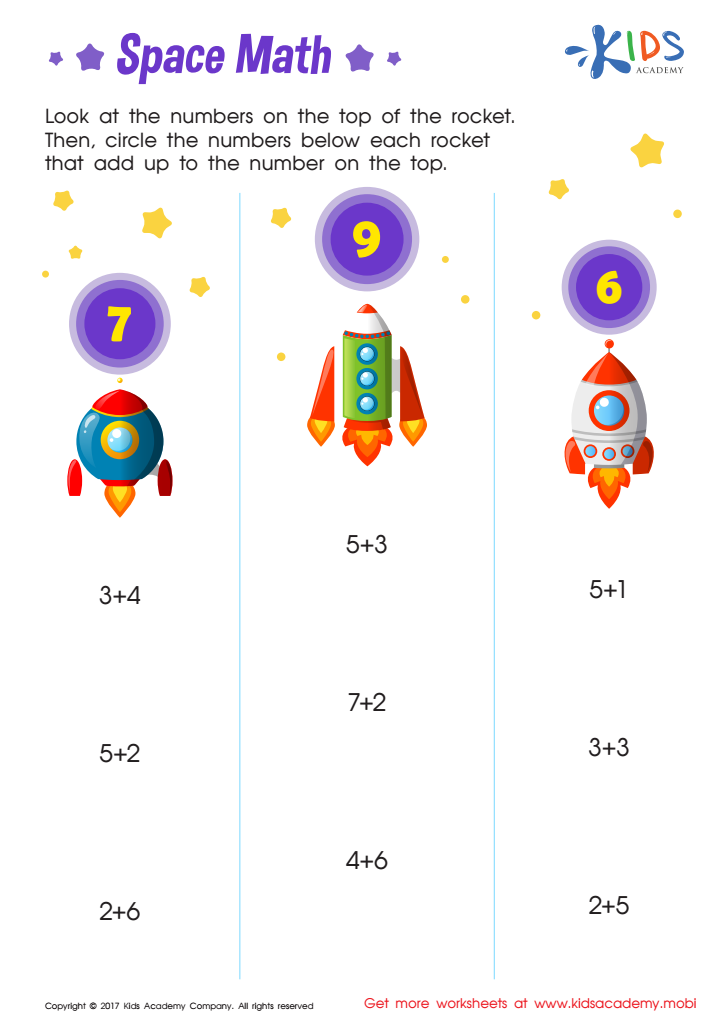
Addition: Space Math Worksheet
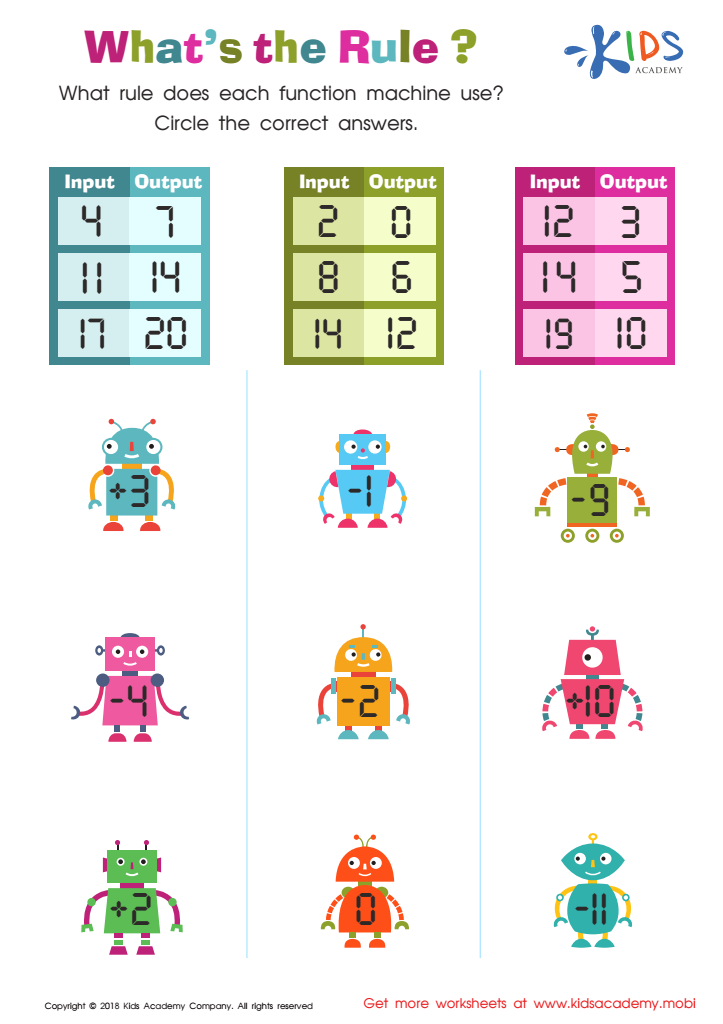
What's the Rule Worksheet
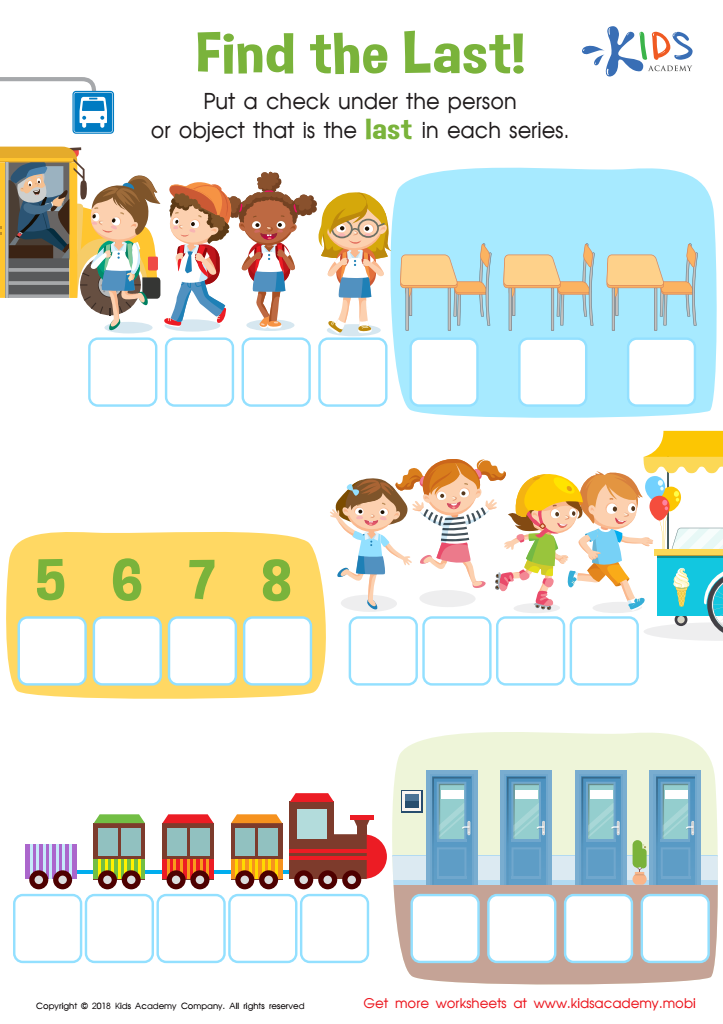
Find the Last! Worksheet
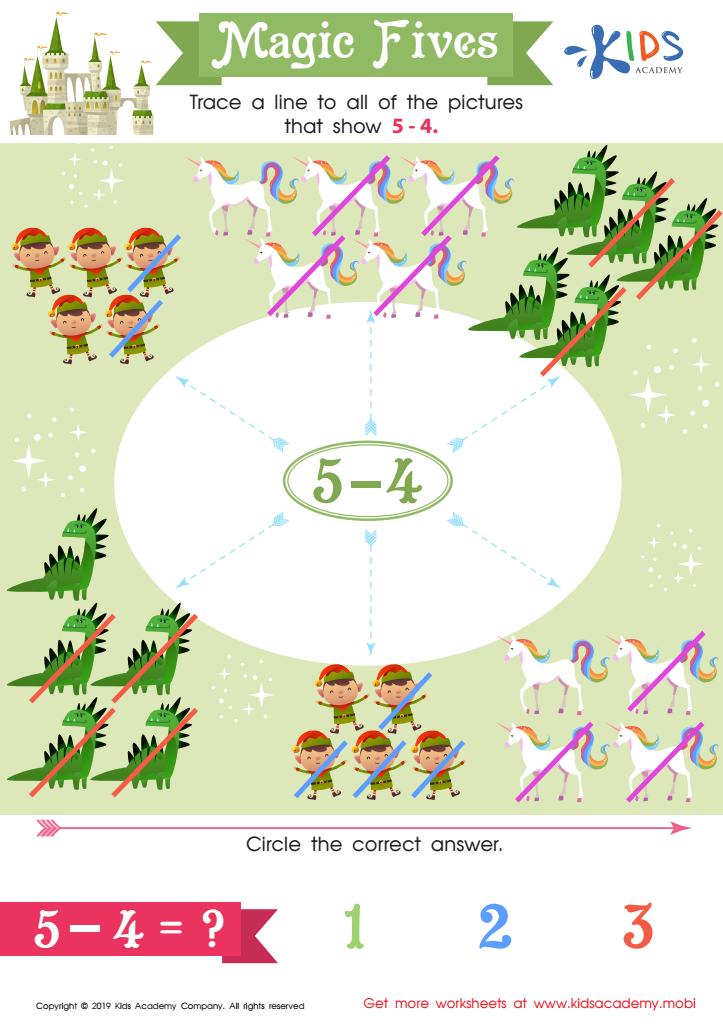
Magic Fives Worksheet
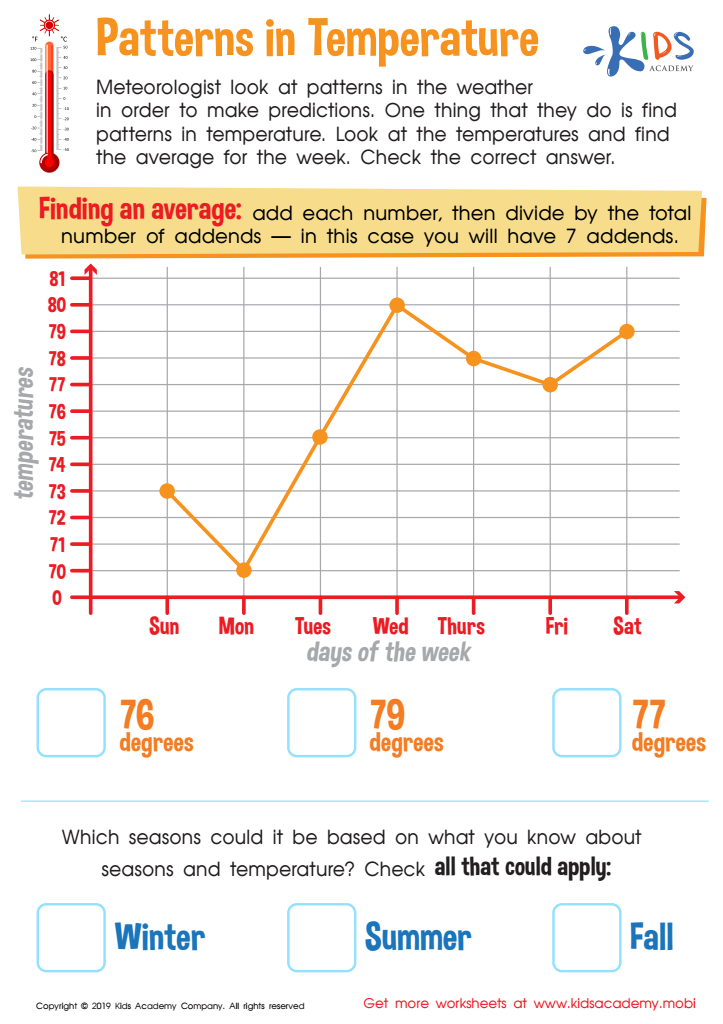
Patterns in Temperature Worksheet
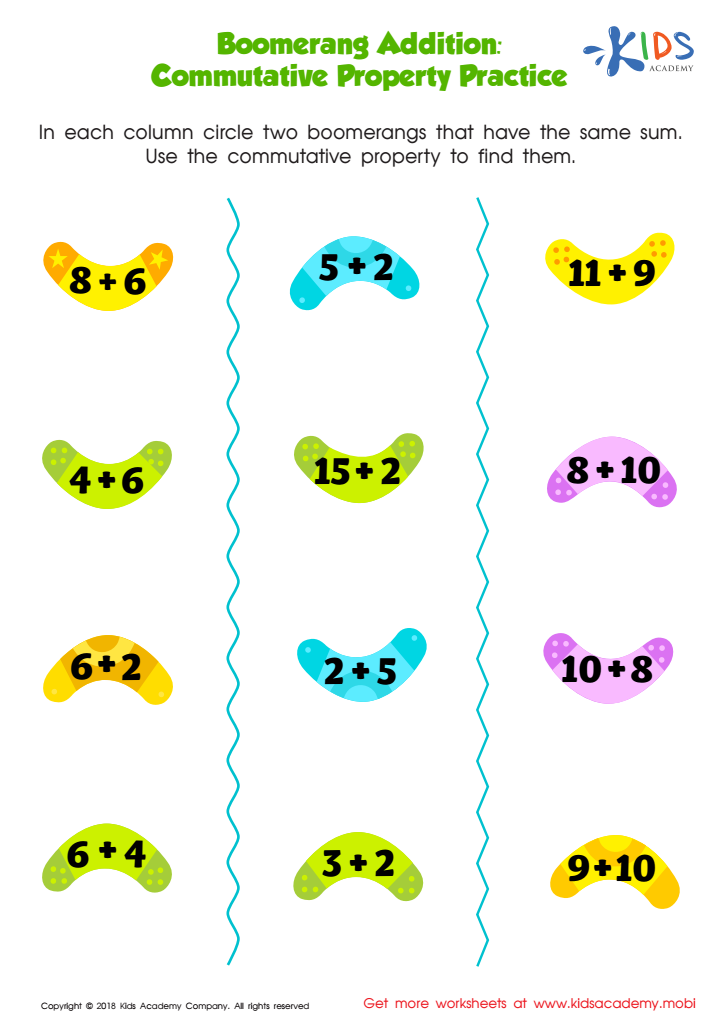
Boomerang Addition Worksheet
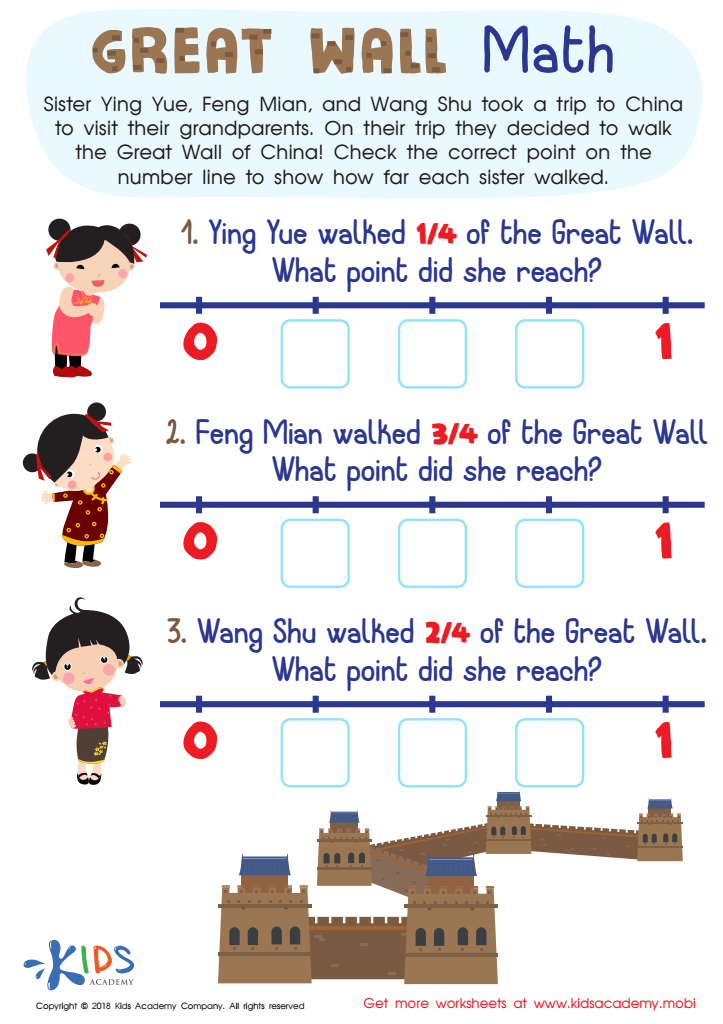
Great Wall Math Worksheet
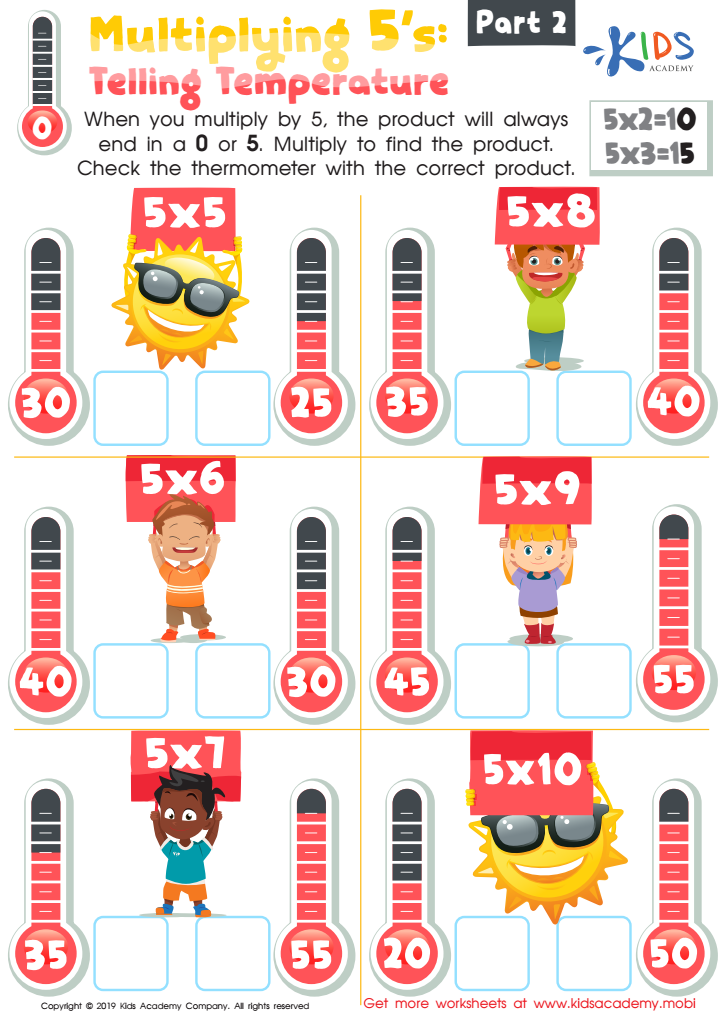
Multiplying 5’s: Telling Temperature Part 2 Worksheet
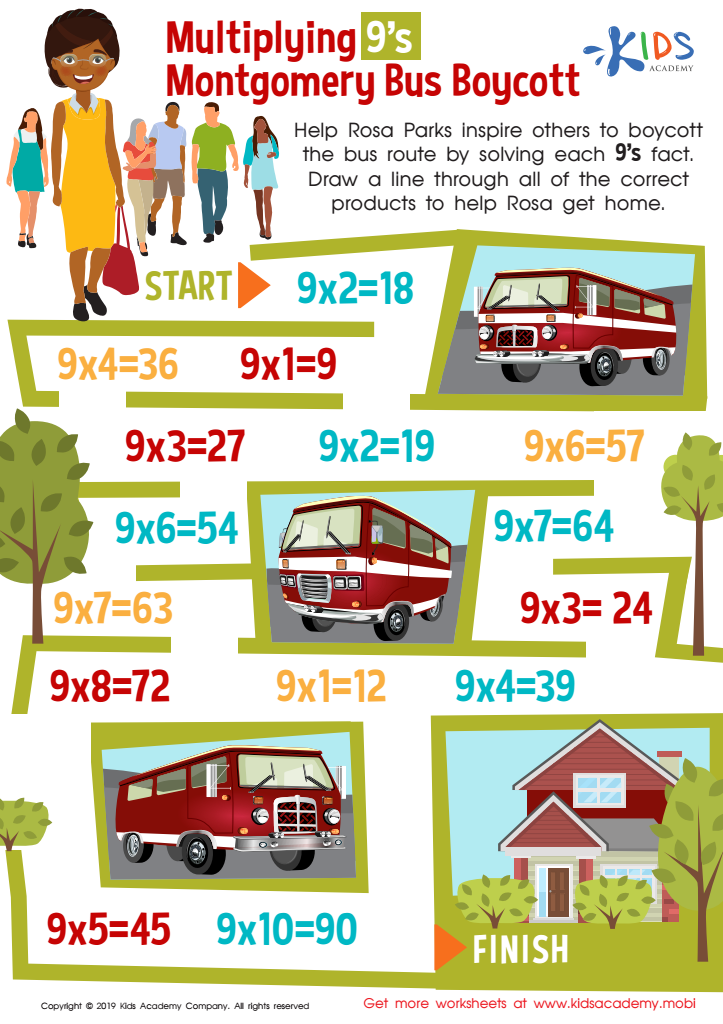
Multiplying 9’s Montgomery Bus Boycott Worksheet








Understanding patterns plays a key role in early math education and in a child's cognitive development. For children ages 4-8, harnessing pattern recognition is foundational for higher-level math skills and overall problem-solving ability.
To begin with, recognizing and creating patterns helps young learners establish a sense of order and predictability. This skill is essential for arithmetic, where they will use those pattern-based abilities to add, subtract, multiply, and divide numbers efficiently. For example, knowing that after 2+3 comes 2+4 is part of recognizing numerical patterns.
Moreover, understanding patterns enhances memory and brain function. When children can see sequences both in numbers and shapes, they learn to categorize information more effectively. This ability to sort and interpret data applies not only to math but also to reading, science, and other subjects.
Patterns also introduce children to the concept of variables and functions, foundational pillars of algebra. Simplified, early experiences with patterns allow children to transition smoothly to more complex mathematical concepts in future grades.
For parents and teachers, fostering an environment where children explore and understand patterns enables not just a better grasp of math, but accelerates cognitive abilities that will support learning across all academic disciplines. Encouraging pattern recognition engages curiosity and sets children on a path to academic success and critical thinking.








