Understanding symmetry Normal Math Worksheets for Ages 4-8
3 filtered results
-
From - To
Explore our "Understanding Symmetry" Normal Math Worksheets tailored for ages 4-8! These engaging resources help young learners grasp the concept of symmetry through fun, interactive activities. Designed to blend learning with play, our worksheets include vibrant visuals and step-by-step instructions, making it easy for children to identify symmetrical objects and create their own symmetrical designs. Perfect for reinforcing classroom learning or enhancing at-home education, these worksheets cater to various skill levels. Foster your child's critical thinking and creativity while developing their mathematical skills in an enjoyable way. Dive into the world of symmetry and watch their understanding flourish!
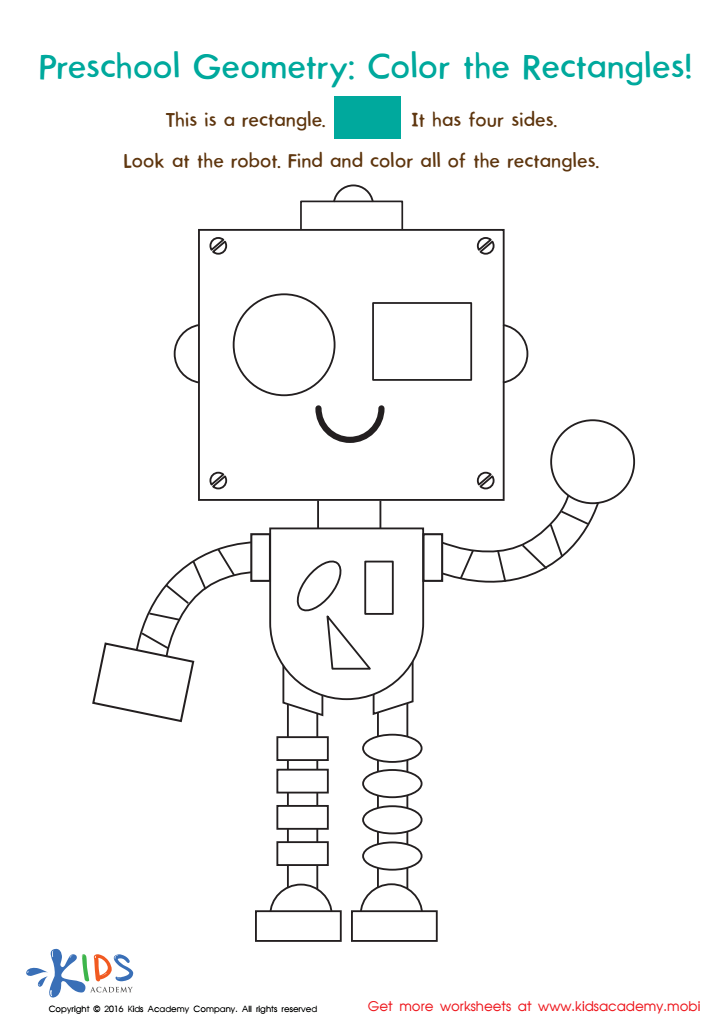
Geometry Worksheet
 Assign to My Students
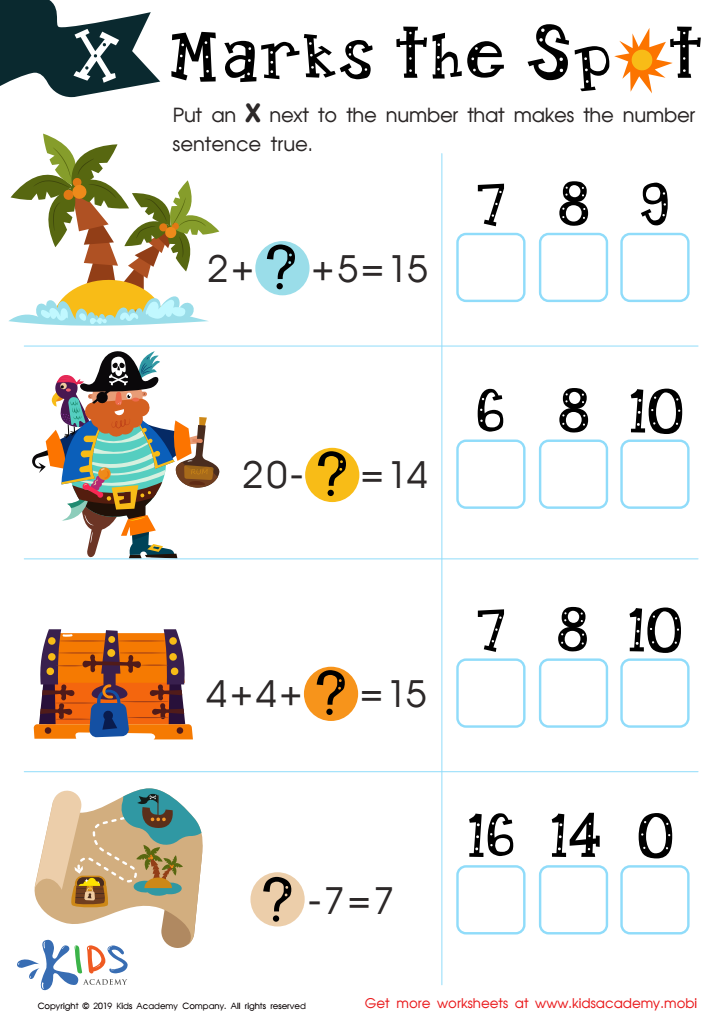
X Marks the Spot Worksheet
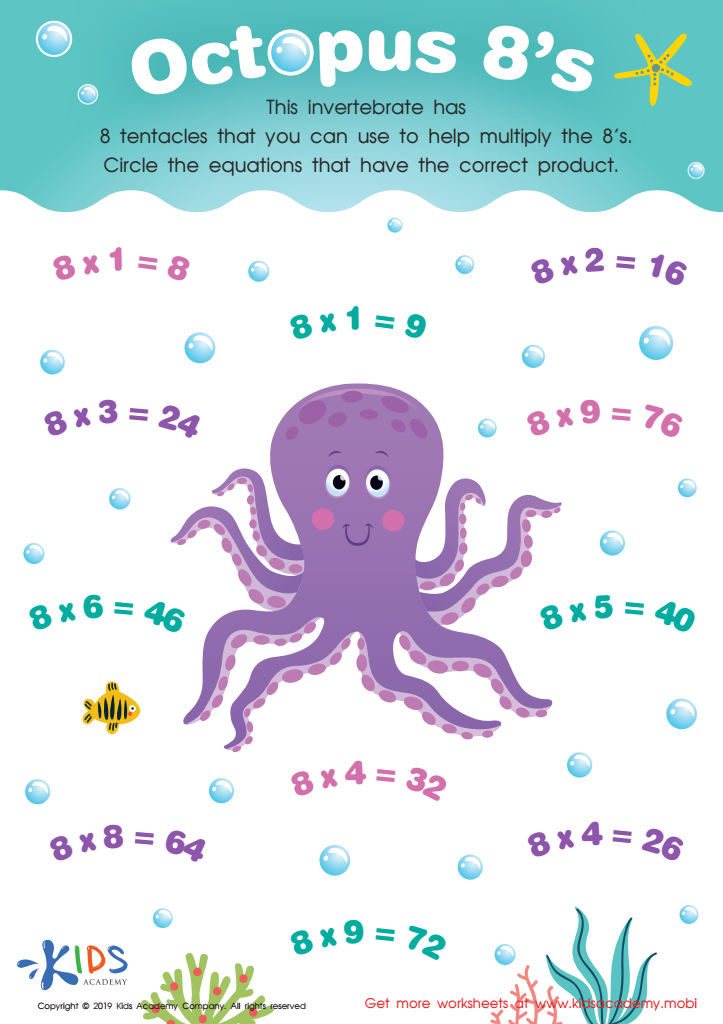
Octopus 8’s Worksheet








Understanding symmetry is essential for children aged 4-8, as it lays the foundation for critical mathematical and spatial reasoning skills. When parents and teachers prioritize symmetry in early math education, they encourage a deeper comprehension of shapes, patterns, and even real-world objects. Children learn to identify symmetrical figures, understand balanced compositions, and engage with concepts like mirror images and rotations.
At this age, children are naturally curious and inquisitive about their environment. Introducing symmetry through playful activities—like using blocks, crafting, or drawing—makes learning enjoyable and interactive. This hands-on approach fosters creativity and enhances fine motor skills, as children manipulate objects to create and recognize symmetrical forms.
Moreover, symmetry plays a crucial role in problem-solving abilities. It encourages logical thinking and helps children develop reasoning skills that are applicable in various mathematical contexts. As they move through education, these foundational experiences will support more complex concepts in geometry and algebra.
Ultimately, an early understanding of symmetry promotes cognitive development, boosts confidence in math, and nurtures a positive attitude towards learning—benefits that will carry far beyond the classroom. Therefore, parents and educators should take an active interest in fostering this essential aspect of early math education.








