Visual discrimination Normal Math Worksheets for Ages 4-8
8 filtered results
-
From - To
Enhance your child's learning with our Visual Discrimination Normal Math Worksheets designed for ages 4-8. These engaging worksheets focus on improving visual processing skills, helping kids identify similarities, differences, and patterns in numbers, shapes, and objects. By making math fun and interactive, we encourage early learners to develop essential skills that underpin their future academic success. With a variety of colorful activities tailored to young minds, children will enjoy practicing visual discrimination while reinforcing their math abilities. Perfect for both classroom and home use, these worksheets foster confidence and critical thinking, setting the foundation for lifelong learning in mathematics.
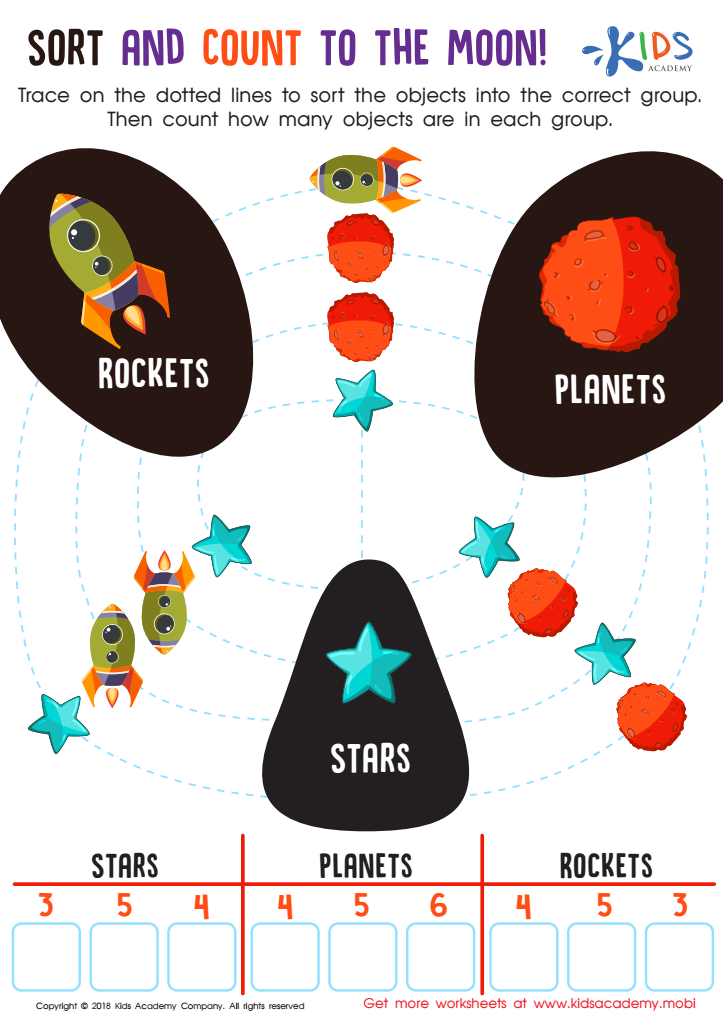
Sort and Count to the Moon Worksheet
 Assign to My Students
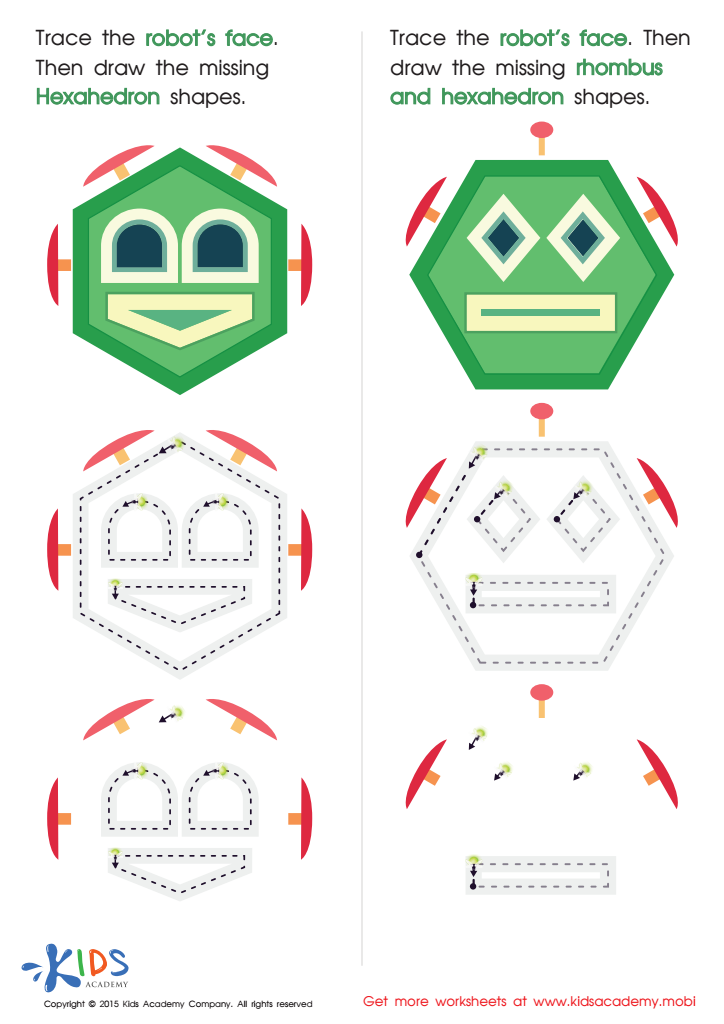
Practice Drawing Hexahedrons And a Rhombus Worksheet
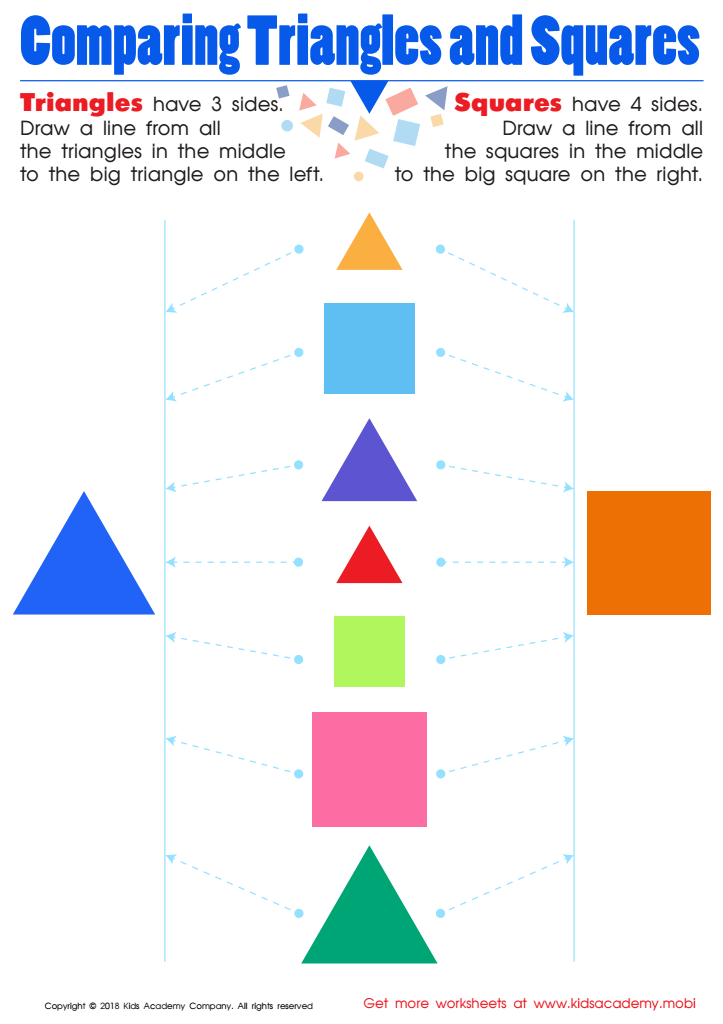
Comparing Triangles Squares Worksheet
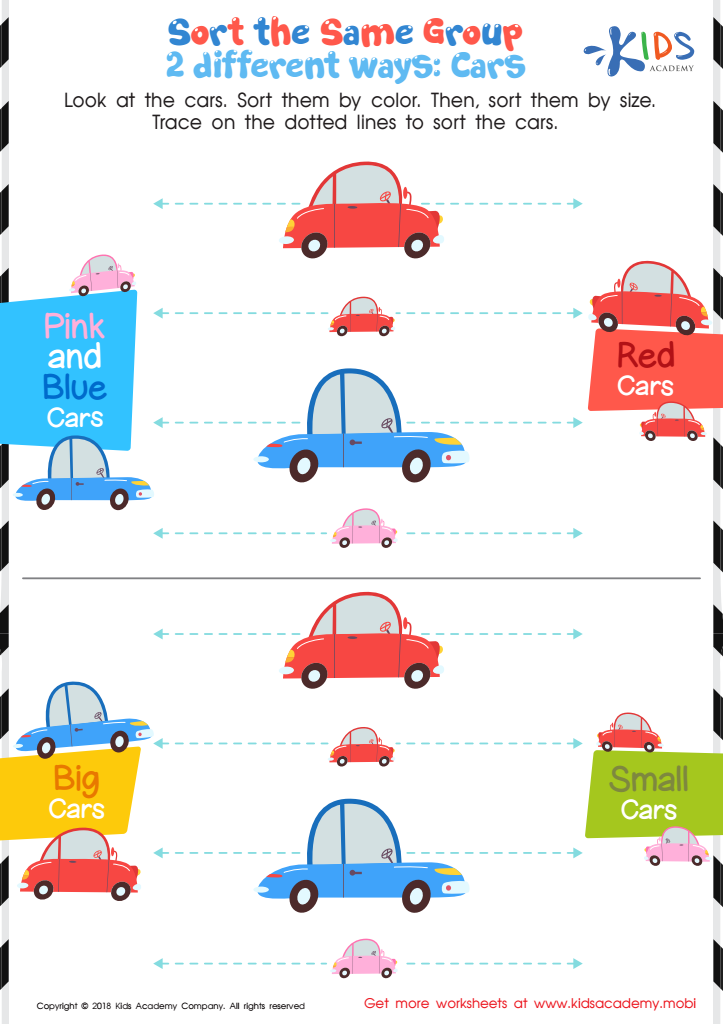
Sort the Same Group 2 Different Ways: Cars Worksheet
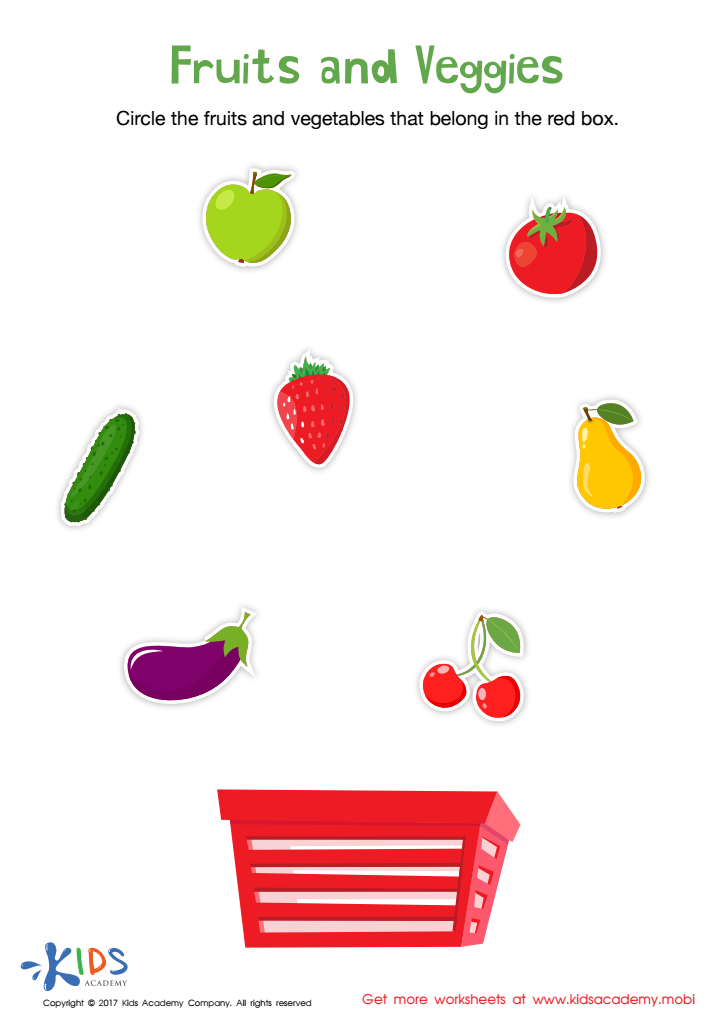
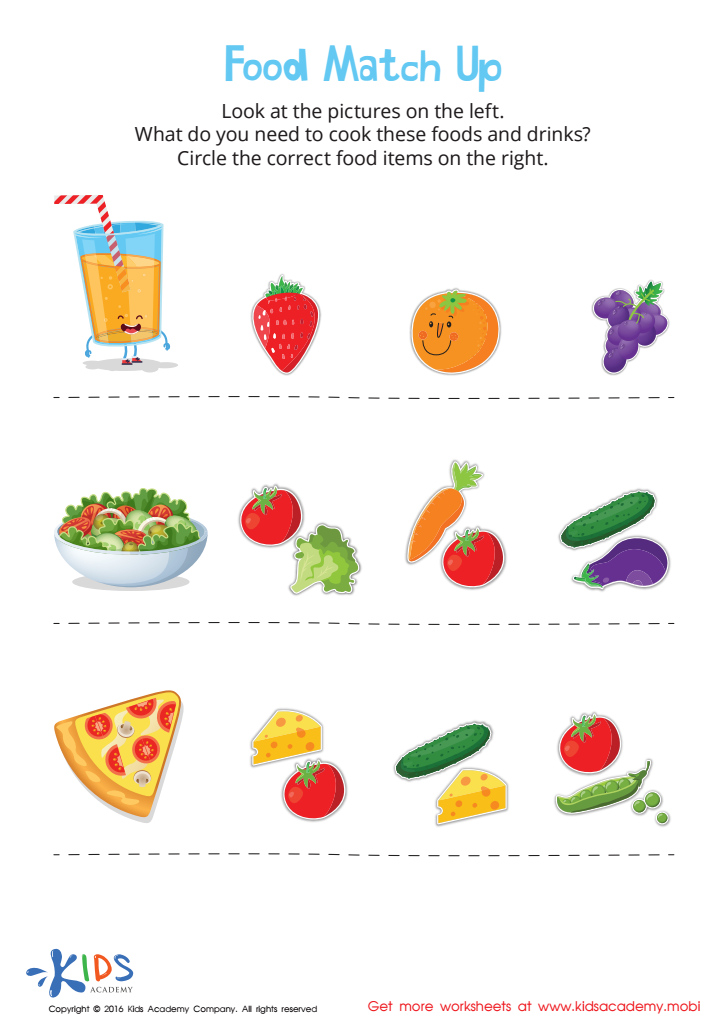
Food Match Up Worksheet
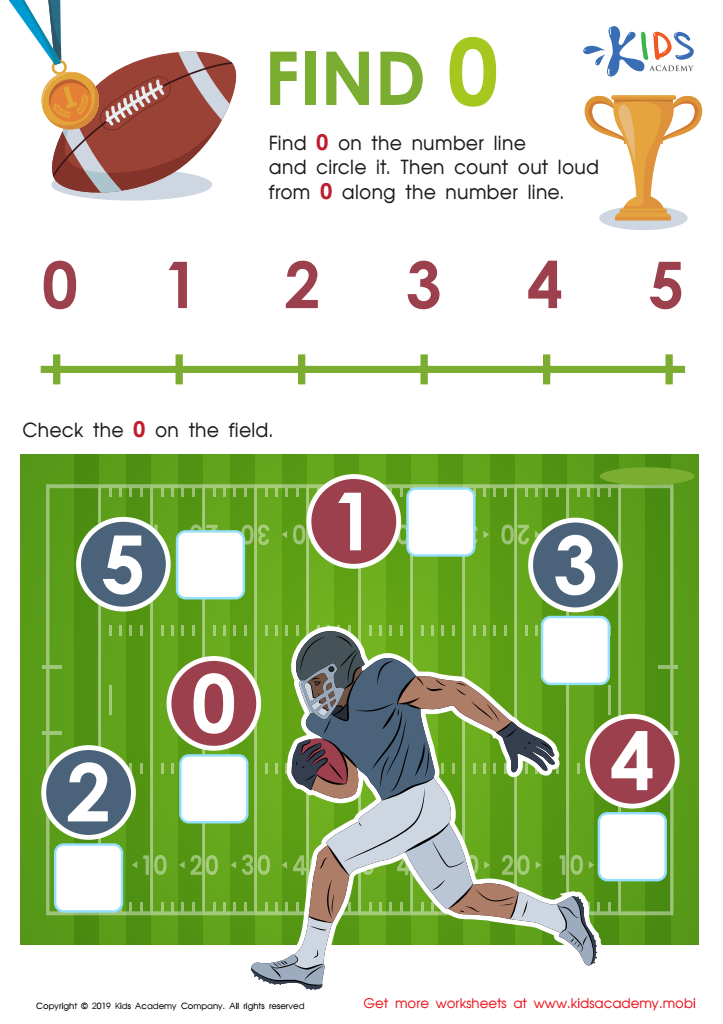
Find 0 Worksheet
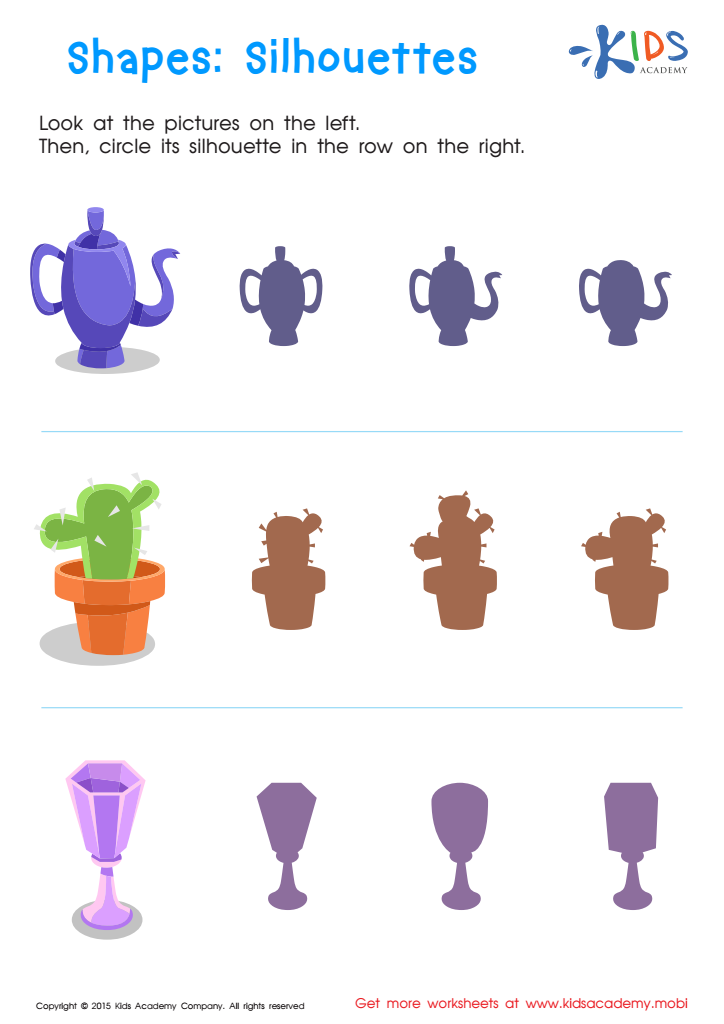
Silhouettes – Shapes Worksheet








Visual discrimination is a crucial cognitive skill that allows children aged 4-8 to recognize and differentiate between shapes, colors, numbers, and patterns. This skill is foundational for mathematical understanding and problem-solving. Parents and teachers should prioritize visual discrimination in early math learning because it directly influences a child's ability to follow directions, categorize objects, and complete tasks accurately.
By honing visual discrimination skills, children learn to identify similarities and differences, which is essential when they begin to tackle more complex math concepts like addition and subtraction. This ability aids them in recognizing numbers and understanding quantity, which are vital for success in math-oriented activities. Furthermore, engaging in activities that promote visual discrimination—such as matching games, puzzles, or sorting exercises—fosters not only mathematical skills but also enhances critical thinking and cognitive development.
Encouraging visual discrimination at this early stage prepares children for future learning and helps build confidence in their mathematical abilities. When parents and teachers focus on cultivating these skills, they set a strong foundation for a positive relationship with math, making it more likely for children to pursue and excel in more advanced math concepts as they progress.








