Visual perception improvement Normal Math Worksheets for Ages 4-8
4 filtered results
-
From - To
Enhance your child's visual perception skills with our engaging Normal Math Worksheets designed specifically for ages 4-8! These thoughtfully crafted worksheets incorporate fun, interactive activities that support children's critical thinking and strengthen their ability to interpret visual information. By completing these exercises, young learners will improve their focus, shape recognition, and spatial awareness, laying a solid foundation for future math learning. Ideal for home or classroom use, our worksheets make learning math enjoyable while fostering essential visual perception skills. Empower your child's educational journey and encourage a love for mathematics with these valuable resources! Explore and download them today!
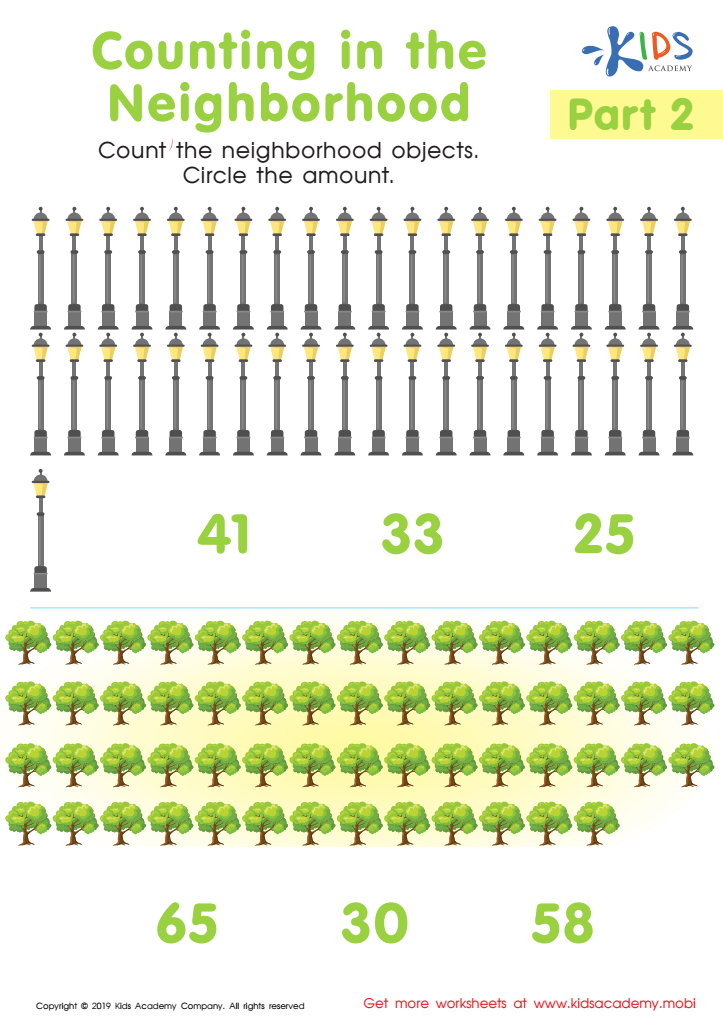
Counting In The Neighborhood Part 2 Worksheet
 Assign to My Students
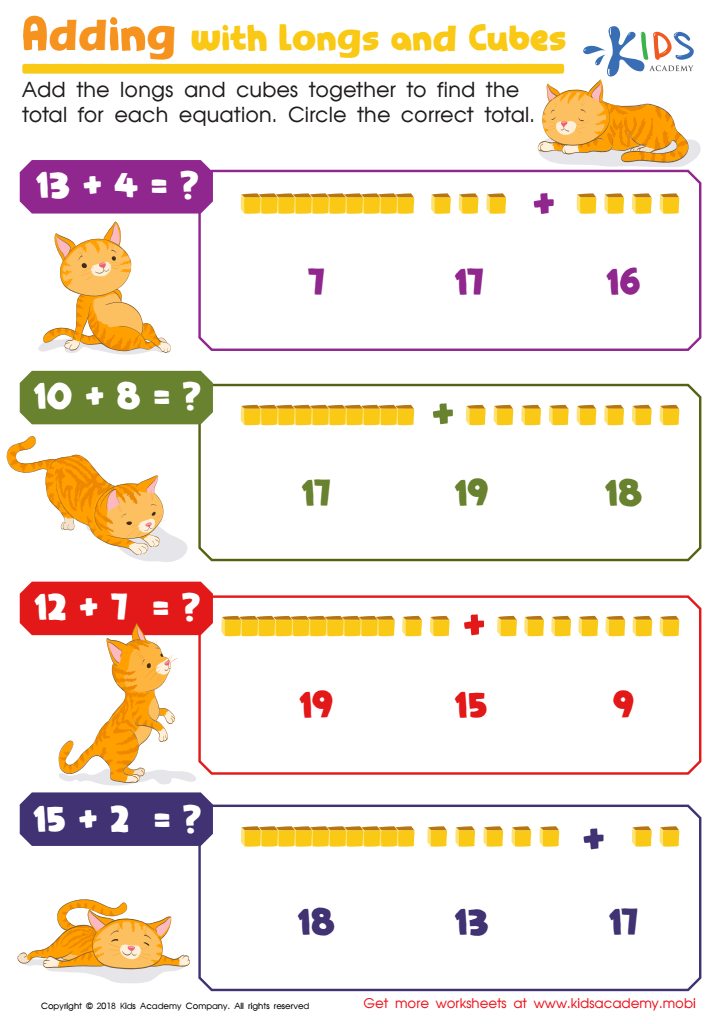
Adding With Longs and Cubes Worksheet
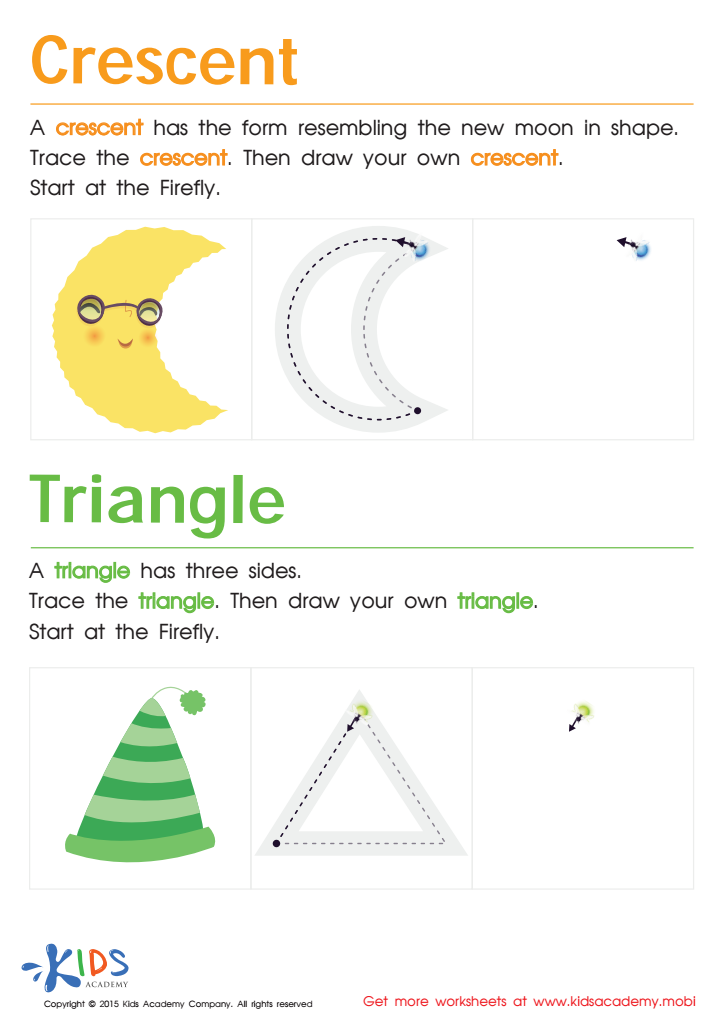
Learning to Draw Crescents And Triangles Worksheet
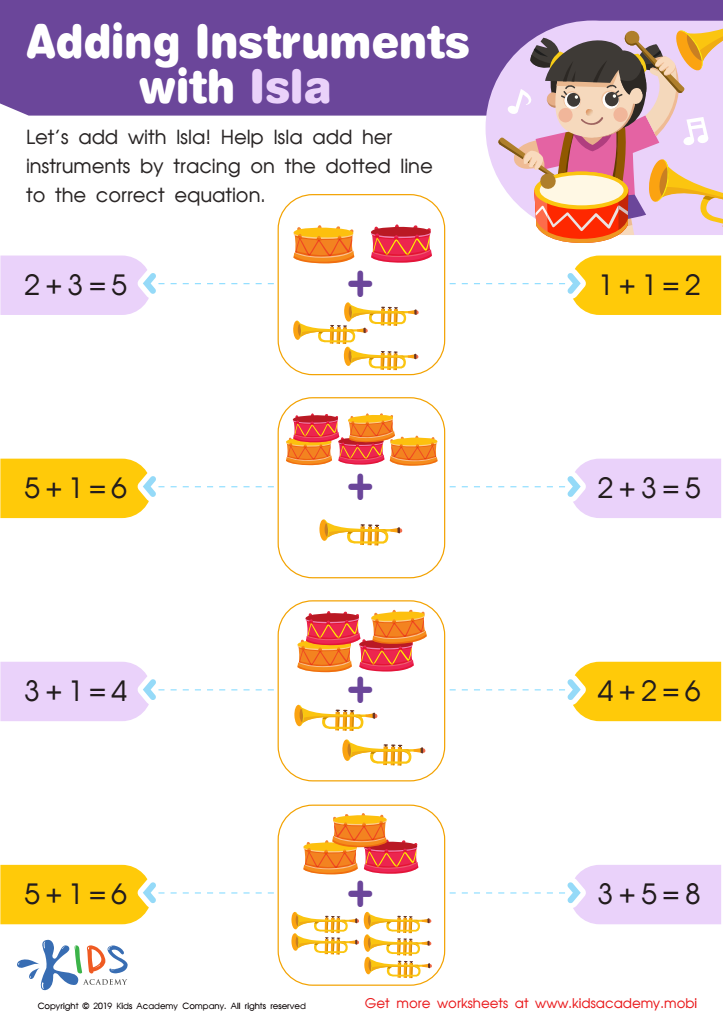
Adding Instruments with Isla Worksheet





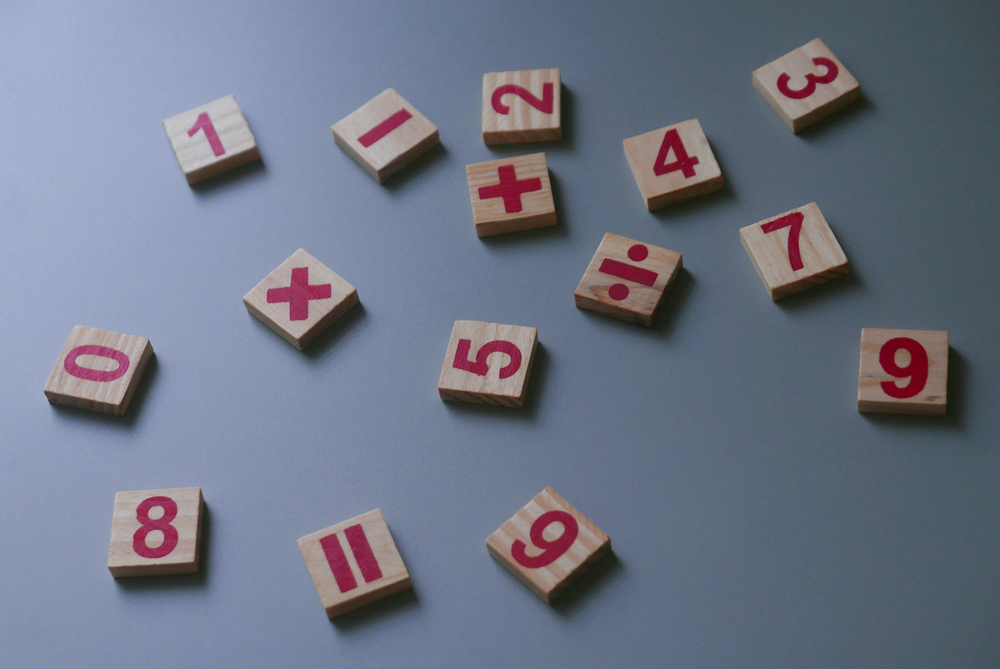


Visual perception is crucial for children aged 4-8 as it forms the foundation for their learning and development, particularly in subjects like math. Effective visual perception allows young learners to interpret and understand visual information, which is essential for recognizing numbers, shapes, patterns, and spatial relationships. Improving visual perception can enhance a child's ability to follow along with math concepts, perform tasks like counting, sorting, measuring, and executing complex problem-solving skills.
Parents and teachers should care about this developmental area as it directly impacts a child's mathematical competence and overall academic success. Enhanced visual perception is linked to better comprehension and retention of information, resulting in increased confidence and motivation in learning. When visual skills are strengthened, children can process visual data more efficiently, leading to improved performance in assessments and less frustration during tasks, making learning more enjoyable.
Additionally, supporting visual perception improvement aligns with building critical cognitive skills that transcend math, such as attention to detail, memory, and spatial awareness. Ultimately, by focusing on visual perception improvement, parents and teachers contribute to rounded developmental growth, better preparedness for advanced concepts, and a lifelong inclination towards learning.








