Filters

7 filtered results

Clear all filters
Favorites
With answer key
Interactive

7 filtered results

Difficulty Level

Grade


Welcome to our Vocabulary Development Normal Math Worksheets, specifically designed for children aged 4-8! These engaging worksheets blend math concepts with vocabulary enhancement, allowing young learners to explore numbers, shapes, and patterns while expanding their word knowledge. Each worksheet features fun activities that promote critical thinking, creativity, and language skills. Our materials are perfect for both classroom use and at-home learning, ensuring that your child develops a solid foundation in math and language. Ideal for parents and teachers, these worksheets make learning enjoyable and effective. Start fostering your child's vocabulary and math abilities today! Explore our collection now!

Check out this FREE Trial Lesson on Math for age 4-8!

Match Objects that Fit Together

Favorites
With answer key
Interactive
  • 4-8
  • Vocabulary development
  • Math
  • Normal
Food Matching Worksheet

Food Match Up Worksheet

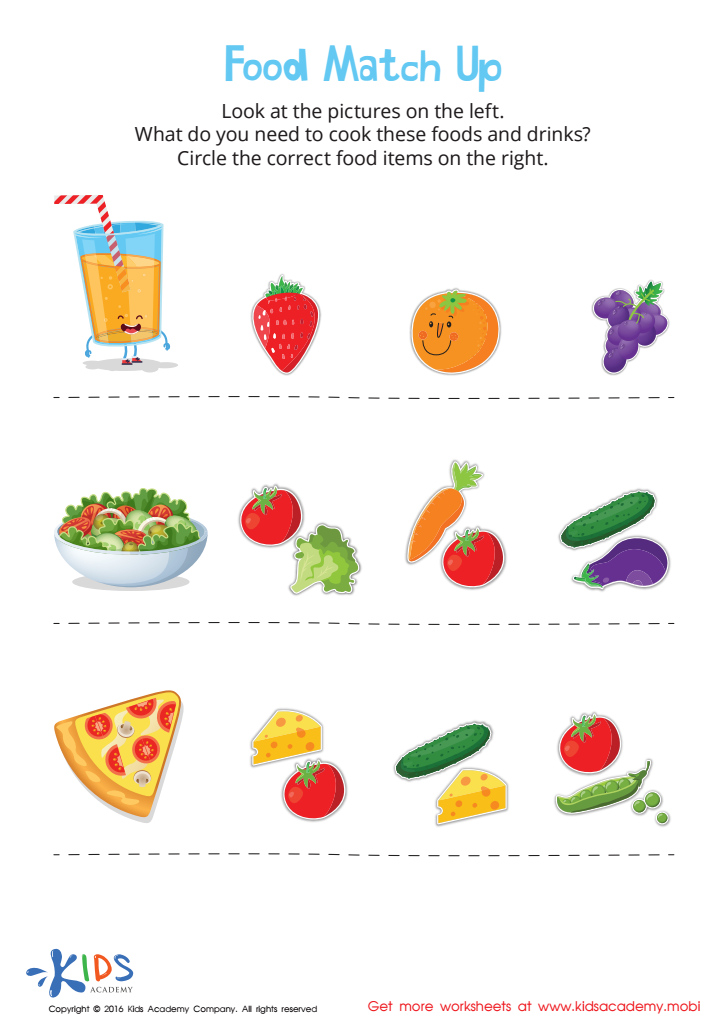
This worksheet will help your preschooler develop early math and cognitive skills. It challenges them to pay attention to details, understand how smaller parts make a whole, and increase important matching skills. Use it to give them a hands-on learning experience in the kitchen, and watch them understand how ingredients come together to make something delicious!
Food Match Up Worksheet
Worksheet
In Front or Behind Worksheet

In Front or Behind Worksheet

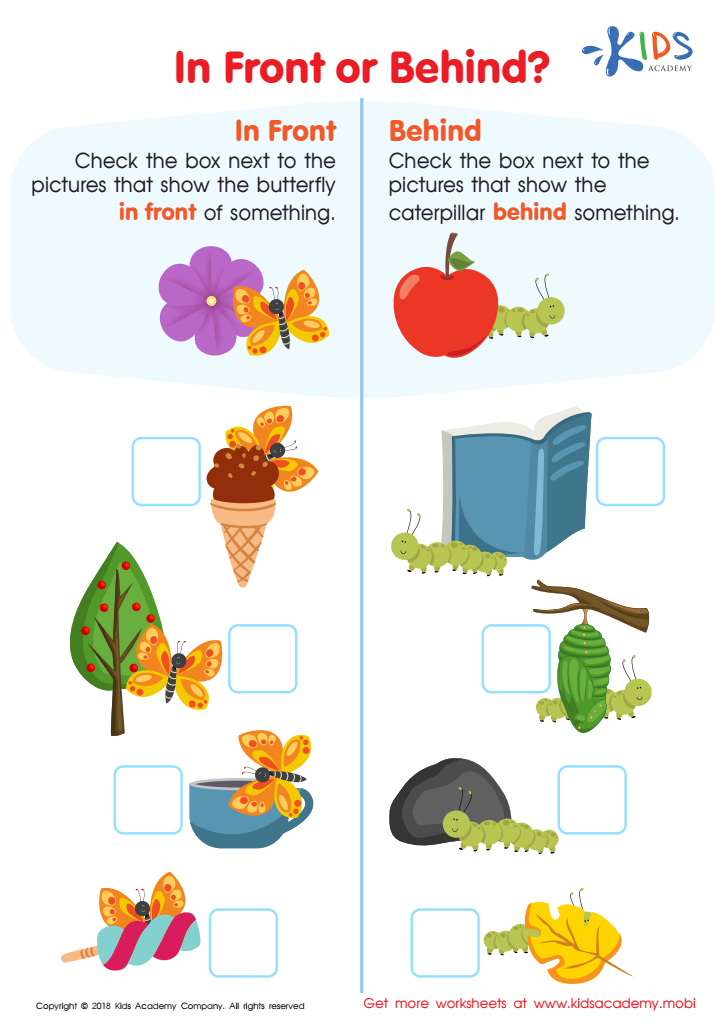
Hone your child's spatial skills with 'in front' and 'behind'! This knowledge is essential for communication and study. Get them started with this free PDF worksheet - check off the pictures that show the butterfly in front and caterpillar behind!
In Front or Behind Worksheet
Worksheet
What Sports Do You Like to Play Worksheet

What Sports Do You Like to Play Worksheet

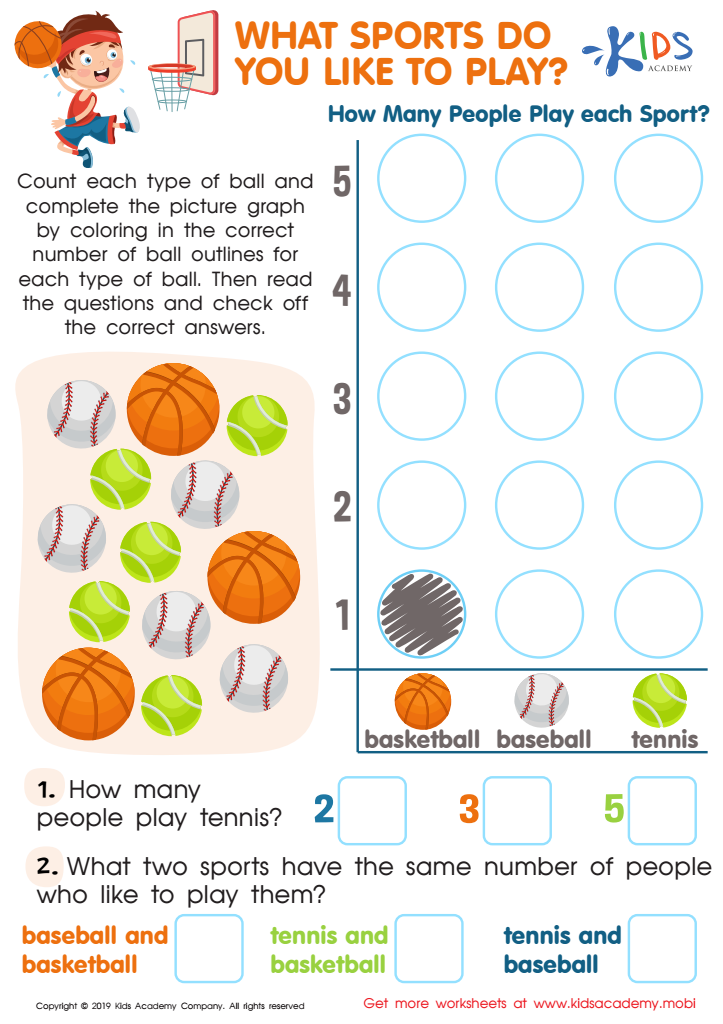
Encourage your kids to complete this fun sports-themed math worksheet! Count each type of ball then help them complete the picture graph. It's a great way to make math a fun, tear-free activity. Download our printable PDF to get started!
What Sports Do You Like to Play Worksheet
Worksheet
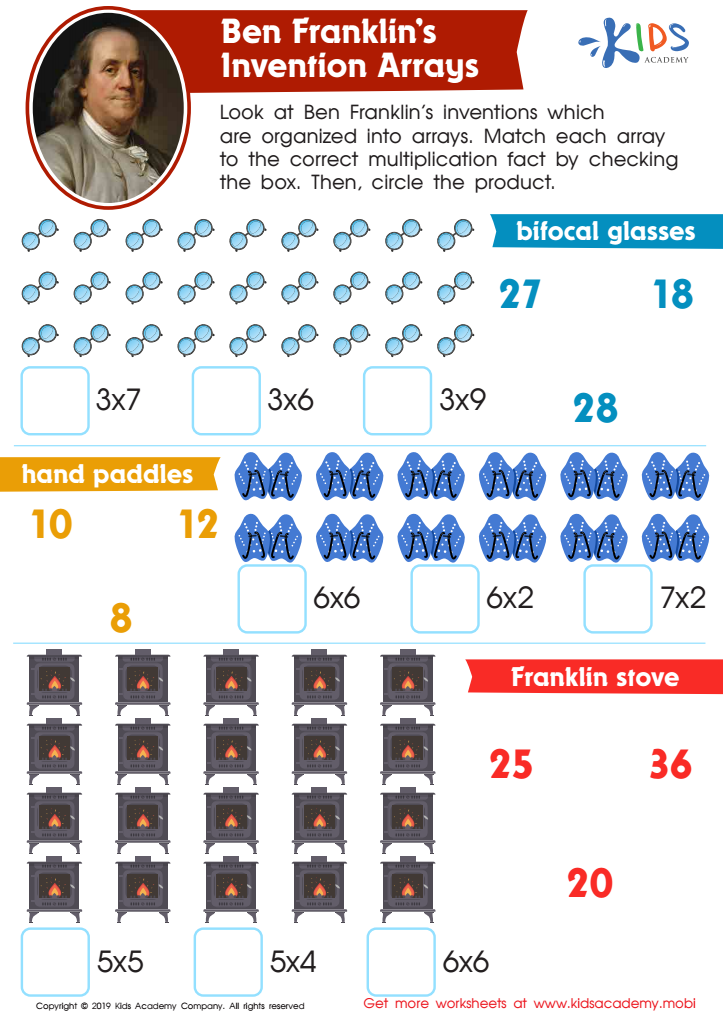
Ben Franklin’s Invention Arrays Worksheet

Ben Franklin’s Invention Arrays Worksheet

Have your child guess some of the inventors of the popular items we use today. For instance, the light bulb was invented by Thomas Edison. Look at Ben Franklin's inventions and help your kids match the arrays to the correct multiplication fact. Check the box and circle the product.
Ben Franklin’s Invention Arrays Worksheet
Worksheet
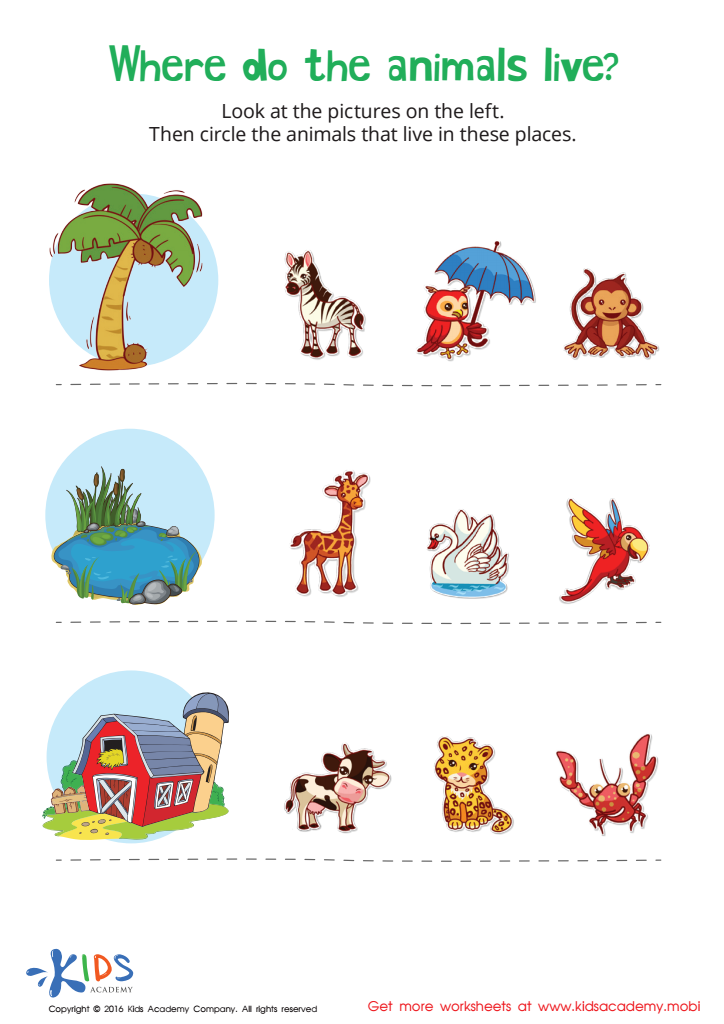
Where Animals Live PDF Worksheet

Where Animals Live Worksheet
Teaching early reading and math skills is important, but don't forget about science. With the Where Animals Live PDF worksheet, kids can identify their favorite animals and the environments they live in. Ask them what type of environment the animals like and introduce them to geography. It's great for logical reasoning and classification skills. Your kid will practice with their favorite animals and love the trip to the zoo afterwards!
Where Animals Live Worksheet
Worksheet
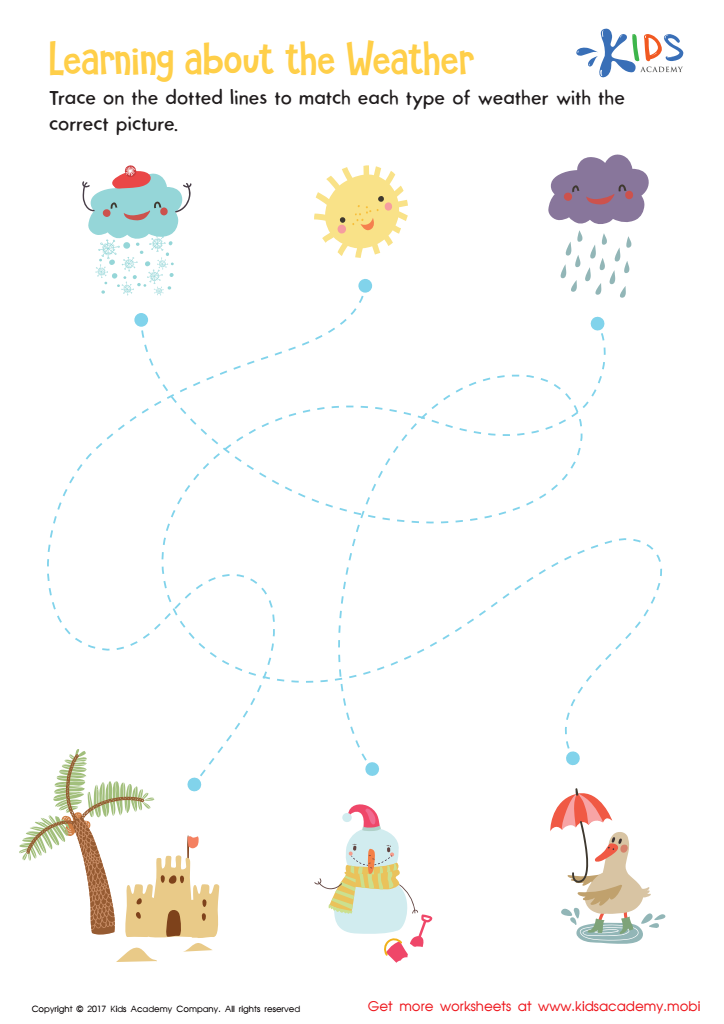
Weather Matching Worksheet

Learning About the Weather Worksheet

Learning About the Weather Worksheet
Worksheet
Parts of the Body: Polar Body Worksheet


Parts of the Body: Polar Body Worksheet

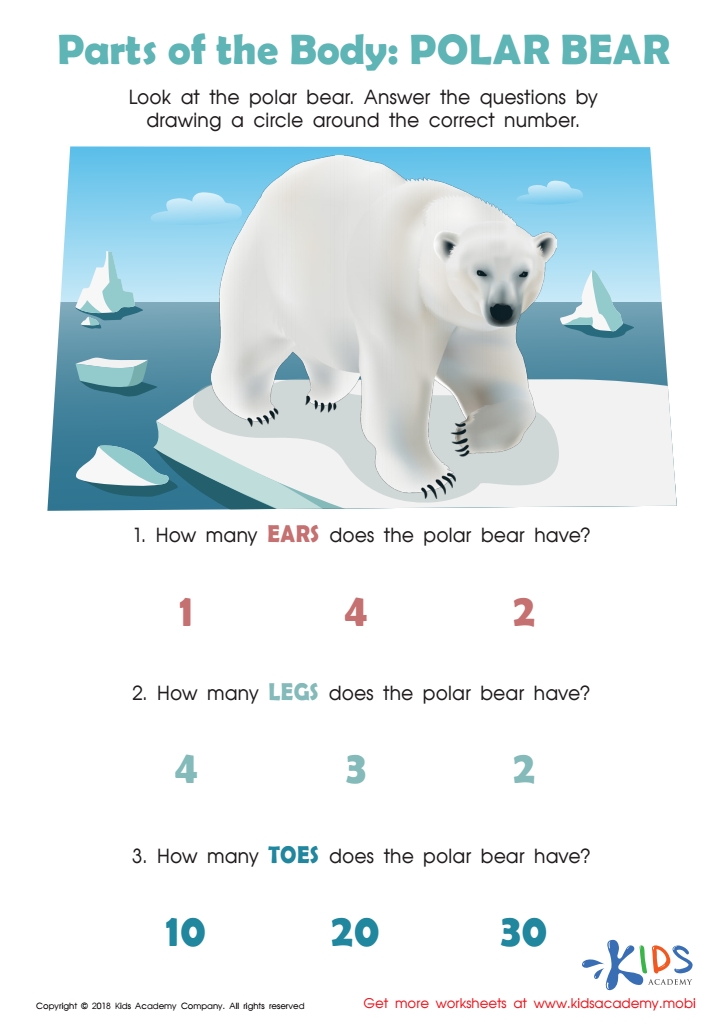
Start by showing your kid a picture of a Polar Bear. Explain that it's a member of the bear family with white fur and a large size. Use this worksheet to teach them more about the animal. Go through the questions together and have them draw a circle around the correct number for each one.
Parts of the Body: Polar Body Worksheet

Worksheet


Vocabulary development is crucial for children aged 4-8, as it lays the foundation for successful learning across all subjects, including math. During these formative years, children expand their understanding of words related to mathematical concepts, enabling them to communicate their thoughts clearly and solve problems effectively. Strong vocabulary skills help them comprehend instructions, questions, and terminology like "addition," "subtraction," or "more", which are essential in understanding basic math problems.

Teachers and parents should care about vocabulary development in early math education because it fosters critical thinking and boosts self-confidence in children. When kids can articulate their understanding of math concepts, they are more likely to engage, ask questions, and explore new ideas. This involvement nurtures a positive attitude toward learning and improves academic performance.

Furthermore, vocabulary isn’t just about learning words; it’s about making connections between ideas. A strong mathematical vocabulary equips children to describe relationships and articulate solutions, setting the stage for more advanced mathematical reasoning later on. In essence, prioritizing vocabulary development in early math creates a supportive learning environment, promotes academic achievement, and cultivates essential life skills that will benefit children in their future educational endeavors and everyday problem-solving.