Problem-Solving Skills Normal Measurement Worksheets for Ages 4-8
5 filtered results
-
From - To
Boost your child's problem-solving skills with our engaging Normal Measurement Worksheets, tailored for ages 4-8. These thoughtfully designed worksheets provide a fun and interactive way for young learners to explore measurement concepts through practical problem-solving scenarios. Children will gain hands-on experience with various measurement units, enhancing their critical thinking and analytical abilities. Our worksheets encourage creative solutions while making math enjoyable and accessible. Ideal for home or classroom use, these resources empower educators and parents to foster mathematical confidence in early learners. Download now and watch your child's problem-solving skills flourish as they master the fundamentals of measurement!
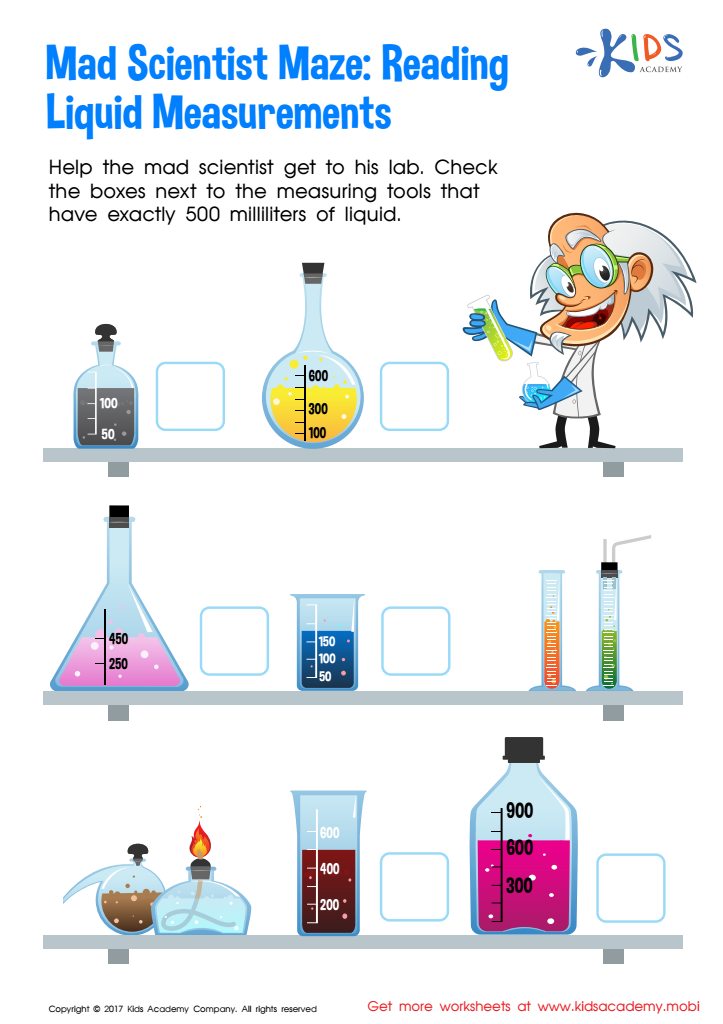
Reading Liquid Measurement Worksheet
 Assign to My Students
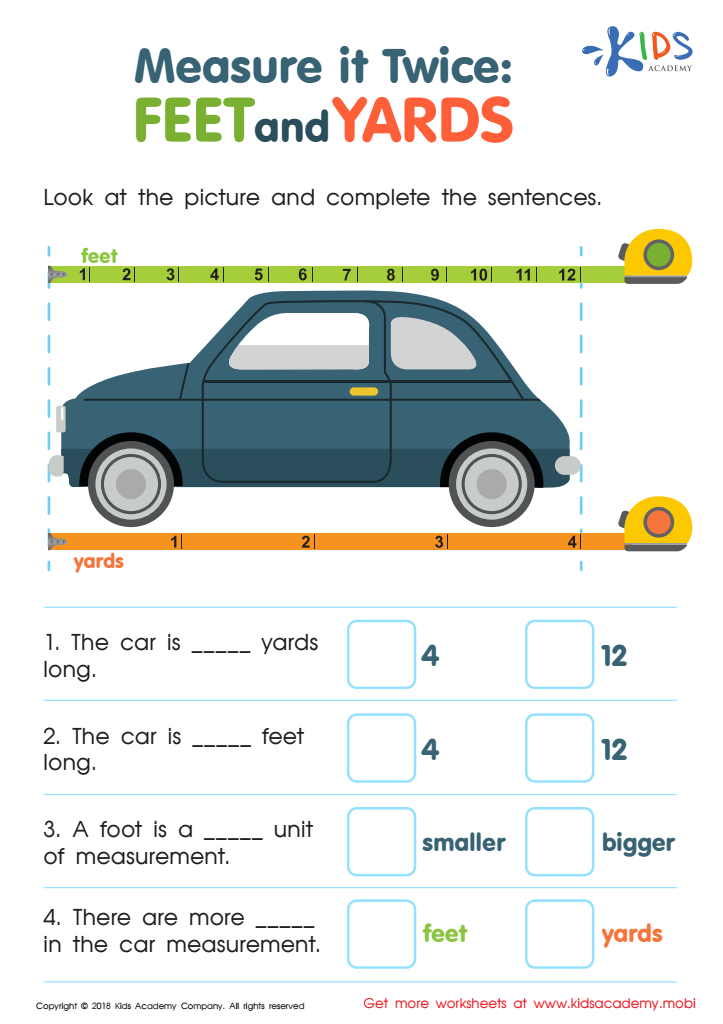
Measure It Twice: Feet and Yards Worksheet
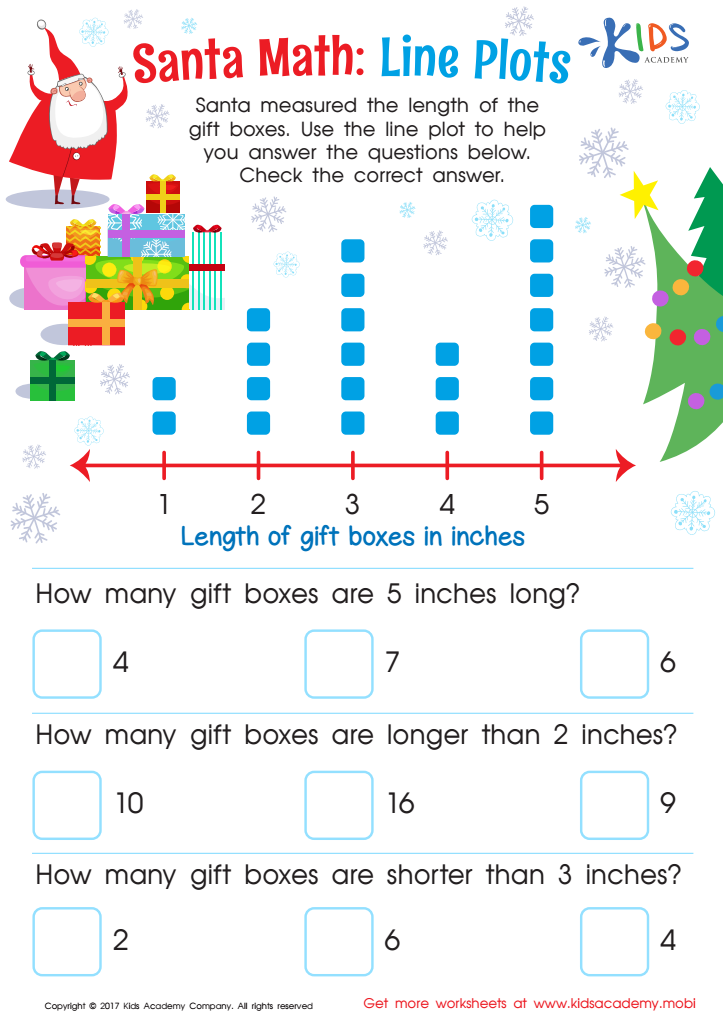
Line Plot Worksheet
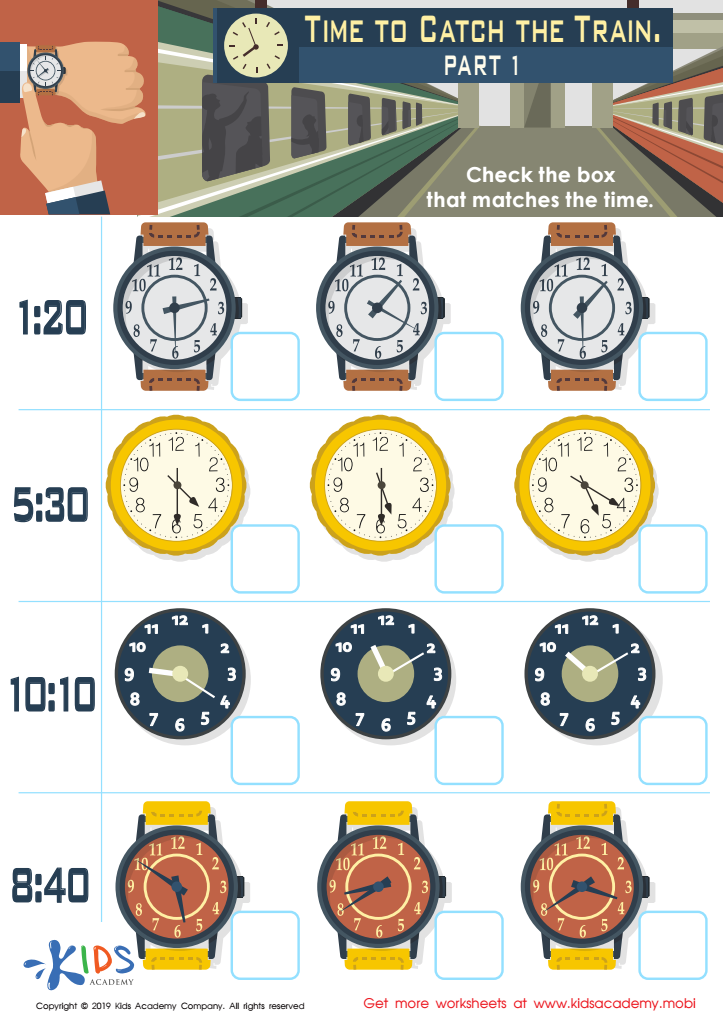
Time to Catch the Train Part 1 Worksheet
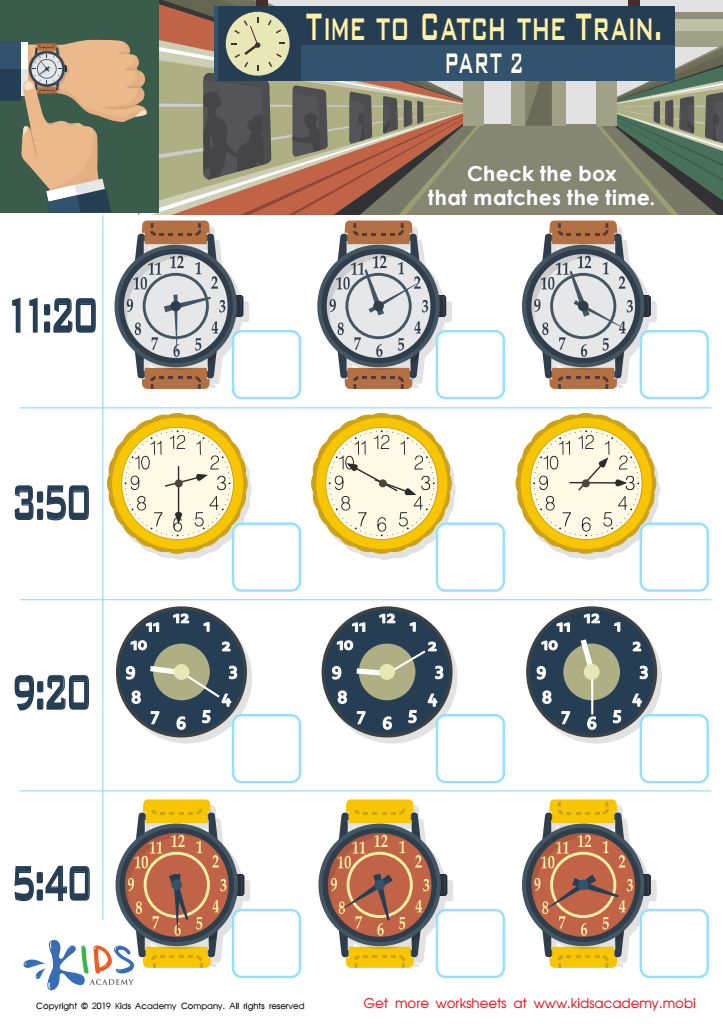
Time to Catch the Train Part 2 Worksheet








Parents and teachers should care about assessing Problem-Solving Skills during ages 4-8 because these skills are foundational for future academic success and overall life competence. This stage is crucial for cognitive development, where children begin to develop critical thinking, creativity, and logical reasoning. Normal measurement of these skills allows educators and parents to understand children’s cognitive abilities, helping them identify strengths and areas for improvement.
By tracking problem-solving competencies, parents and teachers can create targeted strategies for support. For instance, children who excel in this area may benefit from more complex challenges, while those struggling can receive guidance and tailored activities to strengthen their skills.
Moreover, early problem-solving abilities are essential for promoting resilience and independence in children; they learn to navigate challenges, make decisions, and troubleshoot conflicts. Curriculum that fosters these skills can lead to increased engagement and motivation for learning.
Ultimately, nurturing problem-solving skills in young children not only prepares them for academic success but also equips them with vital life skills, enabling them to become confident and capable individuals in a rapidly changing world. Monitoring and improving these skills should be a priority for both educators and families alike.








