Shape Recognition Normal Reading Worksheets for Ages 4-8
3 filtered results
-
From - To
Discover engaging Shape Recognition Normal Reading Worksheets designed for children aged 4-8! These worksheets provide young learners with an interactive way to identify and understand shapes, enhancing their reading and comprehension skills. Each activity encourages hands-on learning through fun exercises that combine visual recognition and vocabulary development. Suitable for classroom use or home practice, these worksheets help solidify foundational concepts in an enjoyable manner, making learning exciting. As children complete the worksheets, they will boost their cognitive skills while gaining confidence in their ability to recognize and describe various shapes. Dive into a world of learning with these delightful resources today!
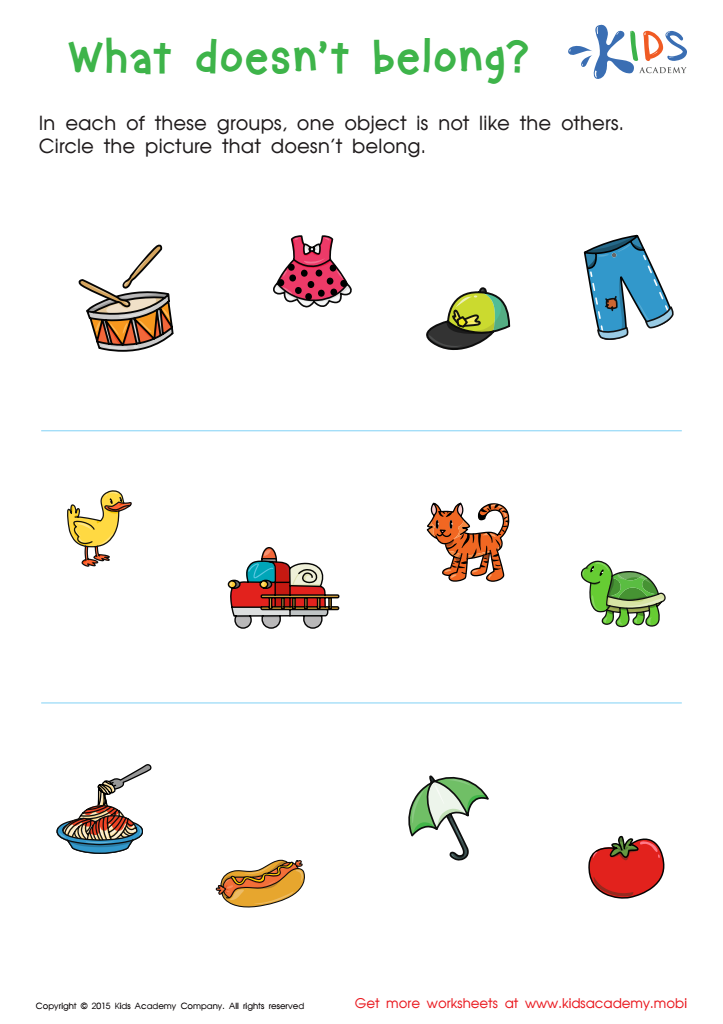
First Words: What Doesn't Belong Worksheet
 Assign to My Students
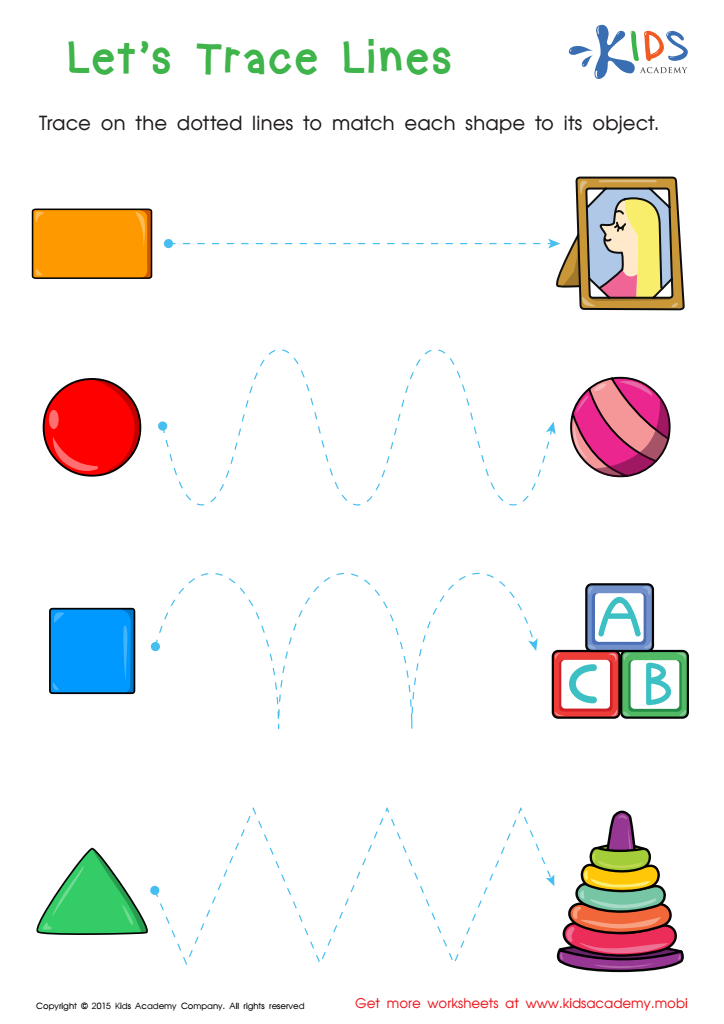
First Words: Let's Trace Lines Worksheet
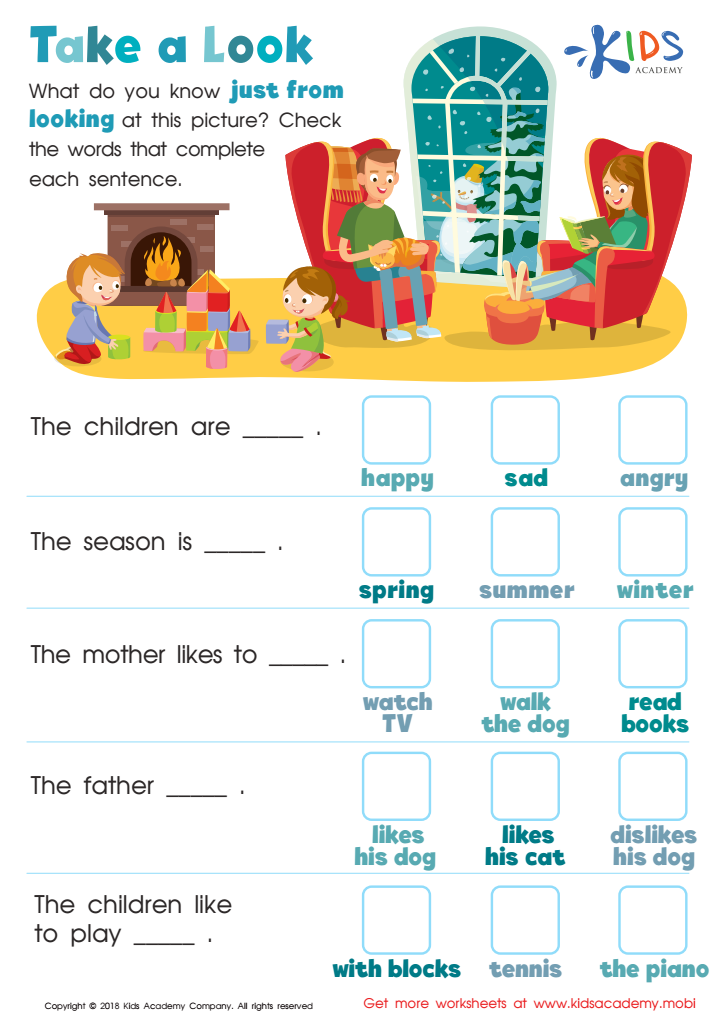
Take a Look - Part 1 Worksheet








Shape recognition is a vital foundational skill for children aged 4-8, bridging the gap between early learning and more advanced cognitive abilities. Understanding shapes fosters a child's capacity for problem-solving and critical thinking, serving as a precursor to geometry and mathematical concepts they will encounter later in their education. Parents and teachers should prioritize this developmental milestone, as it helps enhance spatial awareness and boosts fine motor skills through activities that involve tracing, drawing, or manipulating shapes.
Furthermore, shape recognition contributes to language development, as children learn to articulate and describe different shapes, expanding their vocabulary. Activities focused on shapes can encourage interactive learning, promoting collaboration among peers which is essential for social development at this age.
In addition, integrating shape recognition into everyday experiences—like identifying shapes in the environment—makes learning engaging and relevant. This holistic approach can spark a child's natural curiosity about the world and its patterns. For these reasons, parents and teachers play a crucial role in nurturing shape recognition skills, laying the groundwork for academic success and cognitive growth. Understanding shapes ultimately shapes a child’s confidence in learning, making it essential for their future educational journey.








