Word Recognition Normal Reading Worksheets for Ages 4-8
19 filtered results
Difficulty Level
Grade
Age
-
From - To
Subject
Activity
Standards
Unlock the magic of literacy with our Word Recognition Normal Reading Worksheets for ages 4-8! Designed to captivate young minds, these engaging worksheets help children enhance their vocabulary and understanding of word structure. By focusing on phonics, sight words, and context clues, students develop critical reading skills in a fun, interactive way. Perfect for early grade readers, parents, and teachers yearning to boost reading confidence, these worksheets pave the path for lifelong learning. Explore a wealth of activities that make reading exciting and educational, ensuring your child excels in their early academic journey. Start now to inspire a love for reading!
Favorites
With answer key
Interactive
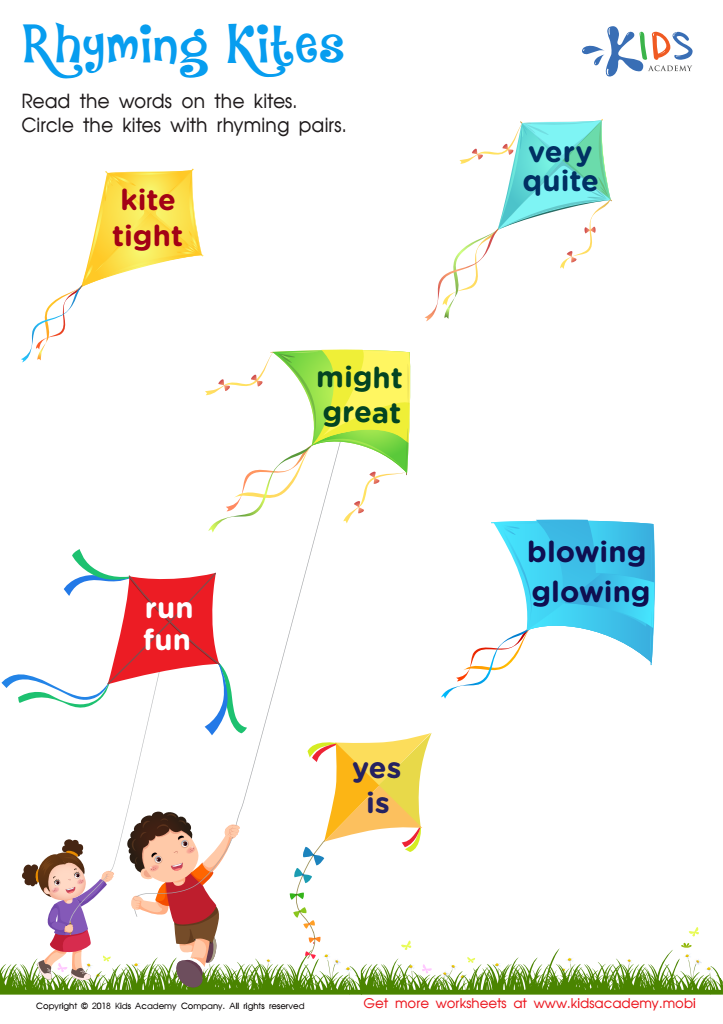
Rhyming Kites Worksheet
On a spring day, fly a kite! Kids Academy has a rhyming worksheet to boost your child's skills. Read the pairs of words aloud. Circle the kites if they rhyme, leave them blank if they don't. Listen carefully and find all the rhyming word pairs to complete this sheet!
 Assign to My Students
Rhyming Kites Worksheet
Worksheet
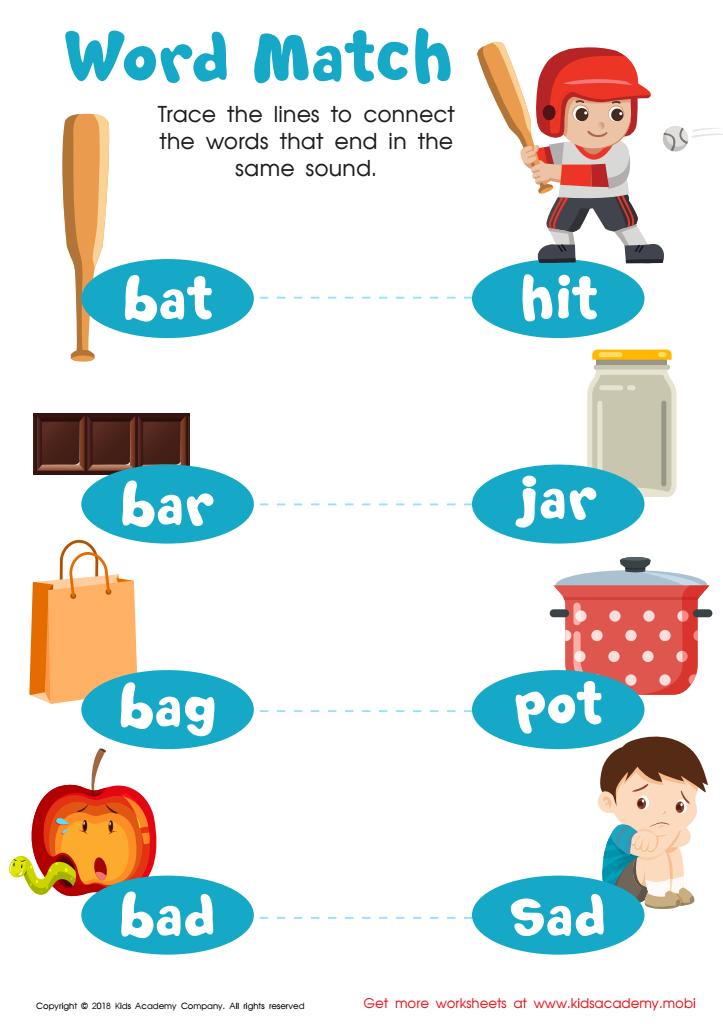
Word Match Reading Worksheet
This printout helps children learn to read fluently by connecting words with the same sound. Colorful pictures aid understanding and context for kindergarten-level students. Tracing lines, they learn to identify the sounds made by letters of the alphabet and deepen their knowledge of phonics.
Word Match Reading Worksheet
Worksheet
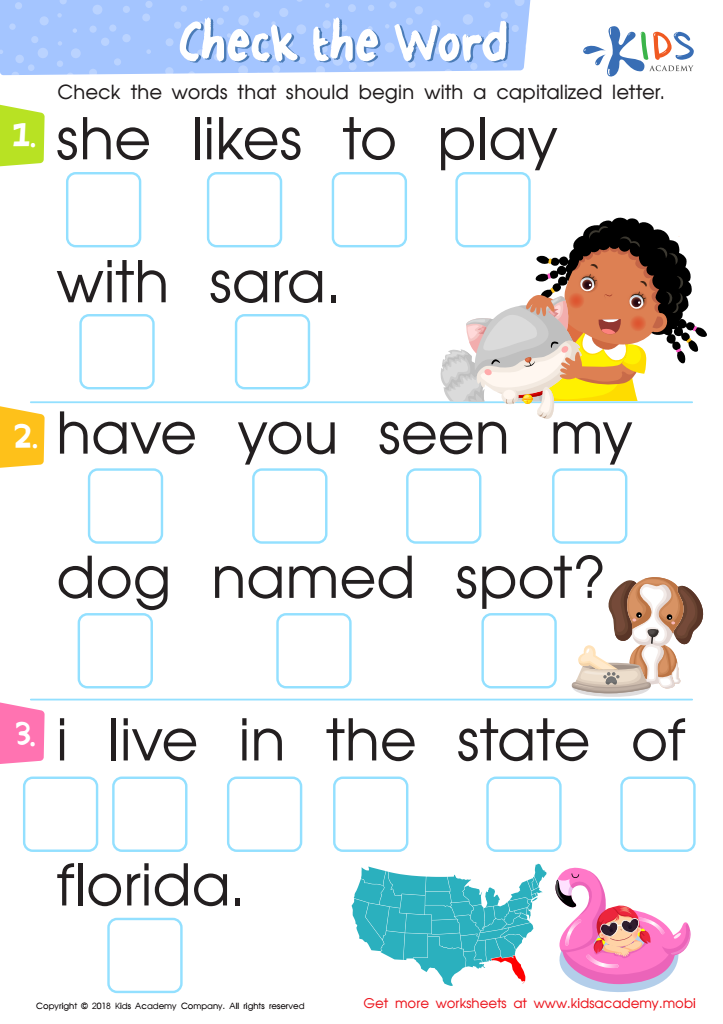
Check the Word Worksheet
Help your kids learn the rules of capitalisation - that the first word of each sentence and nouns must start with a capital letter. Use this worksheet to test their understanding: ask them to identify which words should begin with a capital.
Check the Word Worksheet
Worksheet
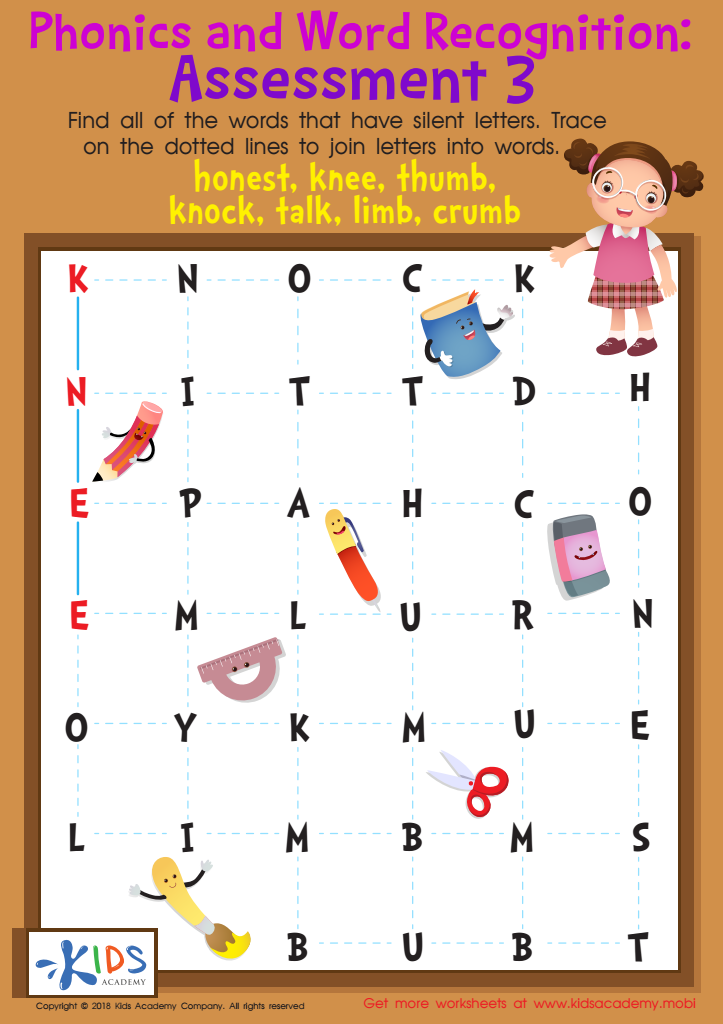
Phonics and Word Recognition: Assessment 3 Worksheet
Silent letters can be tricky for kids learning to read and write. Show them how they work with words like 'knee' and 'dumb'. Then, challenge them to come up with their own. Give them a worksheet with silent letters and trace the lines to join the letters into words.
Phonics and Word Recognition: Assessment 3 Worksheet
Worksheet
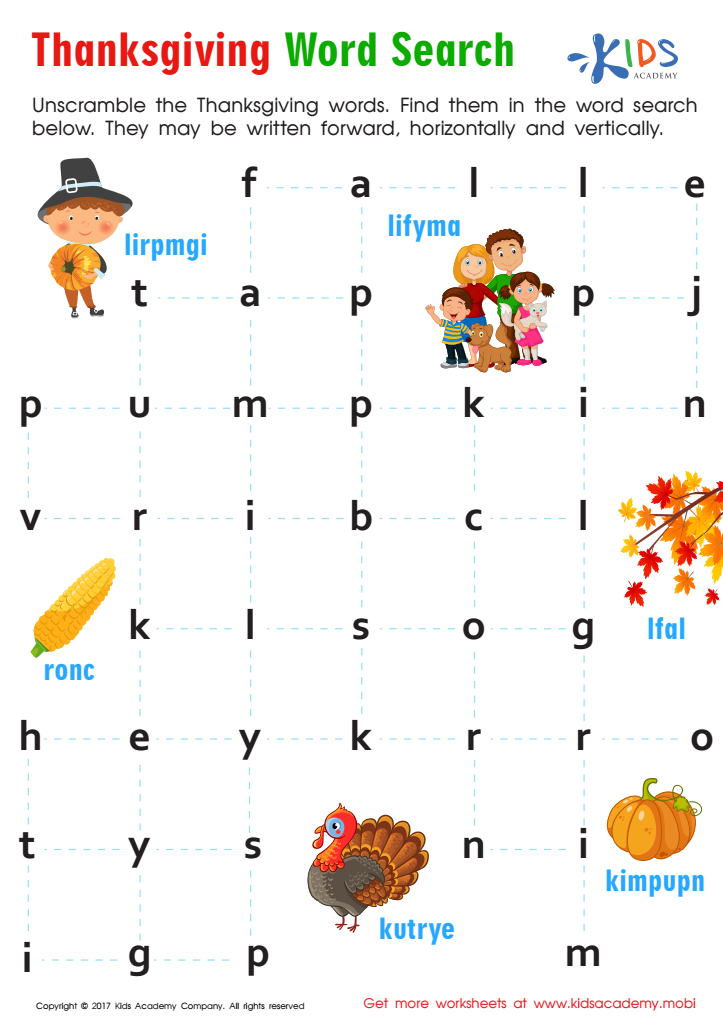
Thanksgiving Word Search Sight Words Worksheet
Unscramble letters to find Thanksgiving-themed sight words with this free worksheet! It's an exciting way to boost your child's reading skills. Download the PDF and enjoy!
Thanksgiving Word Search Sight Words Worksheet
Worksheet
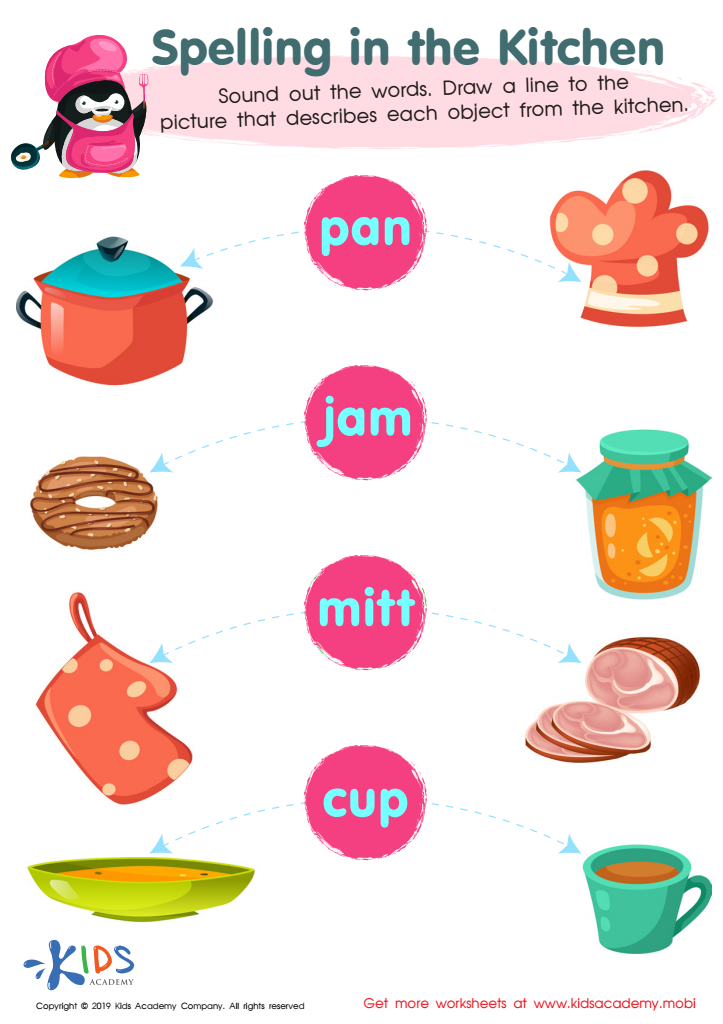
Spelling in the Kitchen Worksheet
Your little ones can learn a lot if they help in the kitchen. Get them to identify and say the name of each item in the picture in this worksheet. Sound out the words for them and help draw a line to the right picture. It's a great way for them to learn about kitchen items!
Spelling in the Kitchen Worksheet
Worksheet
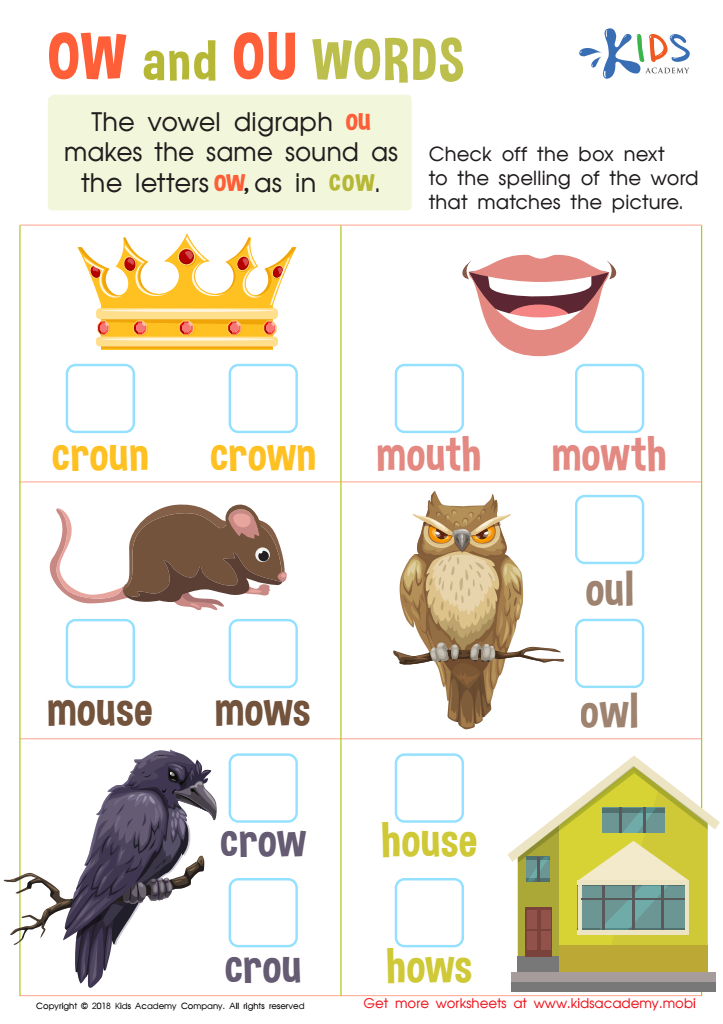
Reading: OW and OU Words Worksheet
Help your kids learn phonetics! Explain the different sounds and long/short variations. Emphasize that some vowel sounds are the same, e.g. ou = ow in cow. For practice, have them read aloud the words in the worksheet and check the box next to the spelling that matches the picture.
Reading: OW and OU Words Worksheet
Worksheet
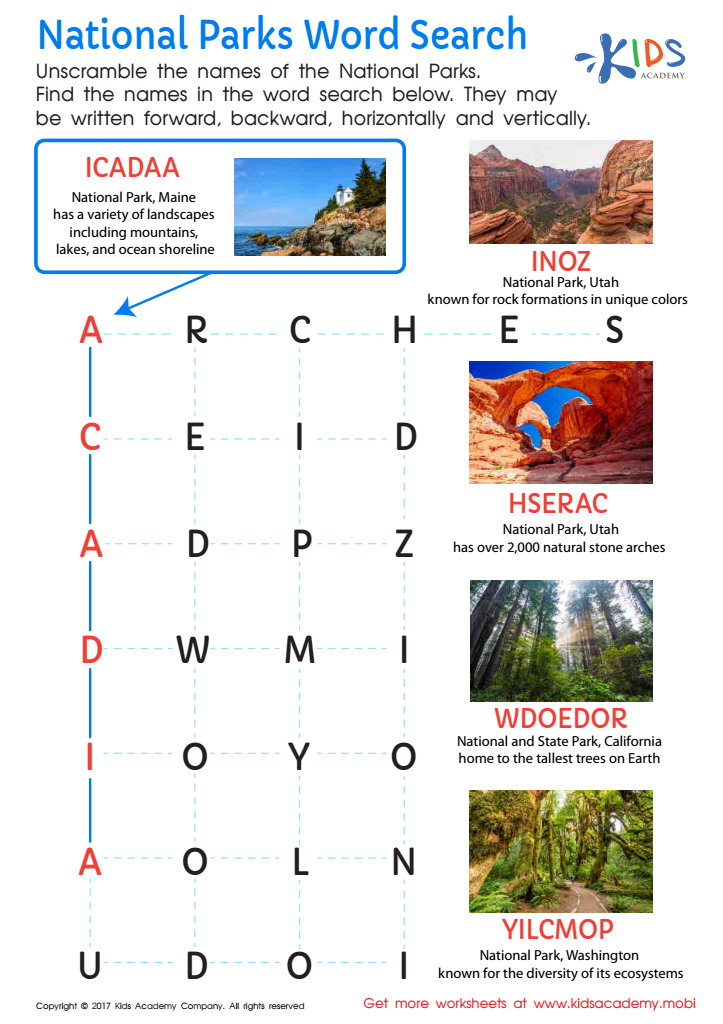
National Parks Word Search Worksheet
Explore the beauty of the USA’s national parks with this fun National Parks word search! Learn more about these majestic sites and boost your knowledge. Take a trip through the sights and sounds of our country with this motivating worksheet.
National Parks Word Search Worksheet
Worksheet
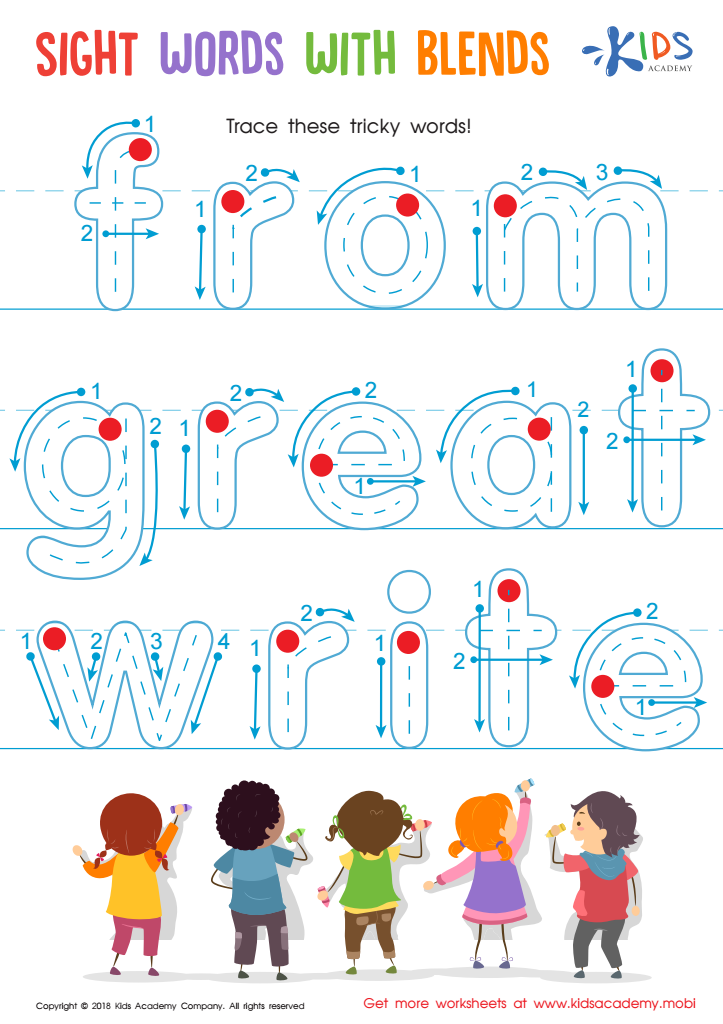
Sight Words with Blends Worksheet
This free PDF lets your children trace and write sight words with tricky blends. The guide numbers help them start from the top, building fine motor skills and enhancing sight word vocab. It's a great way to give your kids a solid foundation for reading!
Sight Words with Blends Worksheet
Worksheet
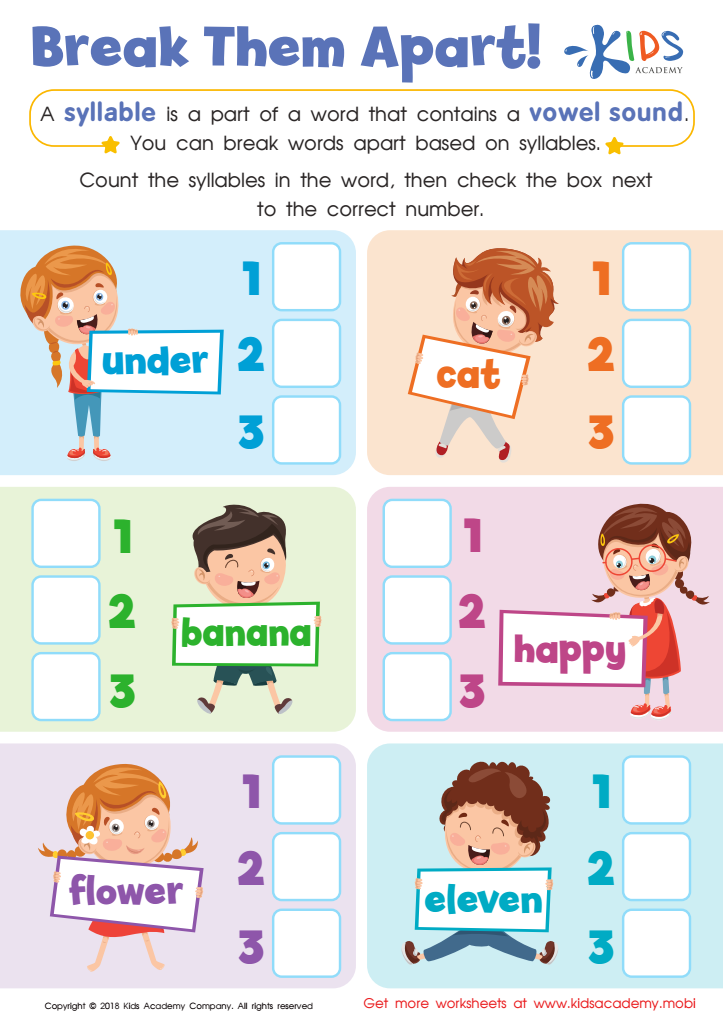
Reading: Break Them Apart Worksheet
See if students understand syllables with this fun worksheet. It teaches them that a syllable is a word part with a vowel sound. Kids read each word and choose how many parts it has. Doing this often helps them decode new words and gain confidence.
Reading: Break Them Apart Worksheet
Worksheet
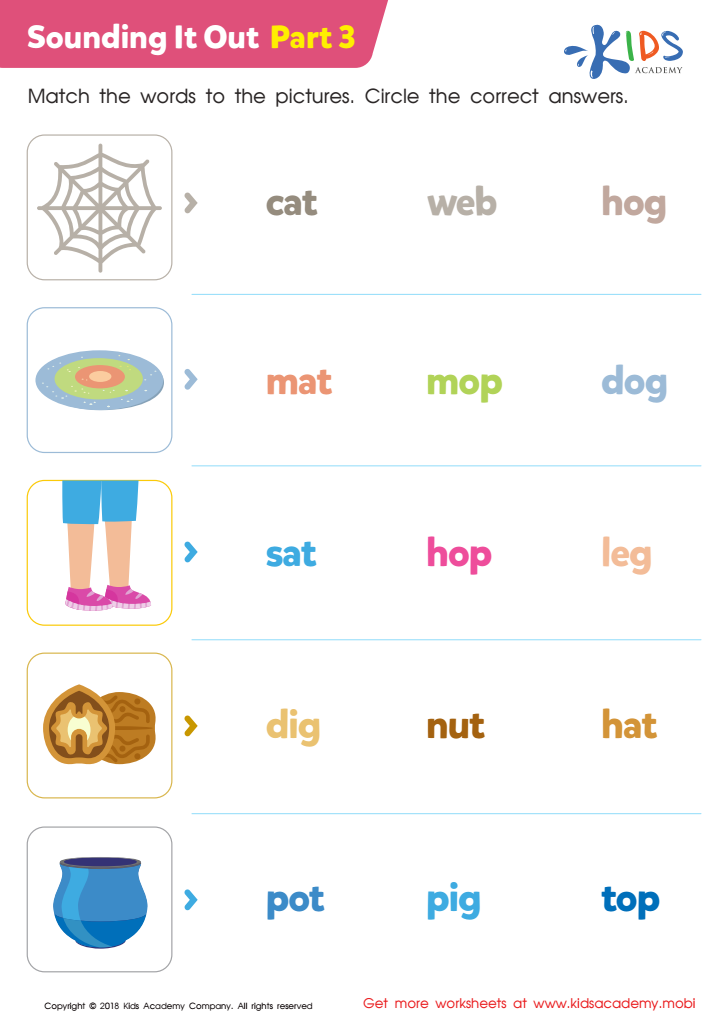
Sounding it Out: Part 3 Worksheet
Once Parts 1 and 2 are complete, this printable phonics worksheet will help kids take their reading skills to the next level! As they gain confidence, give them hints less often and direct their attention to three words in a row. Ask them to read and circle the correct word to complete!
Sounding it Out: Part 3 Worksheet
Worksheet
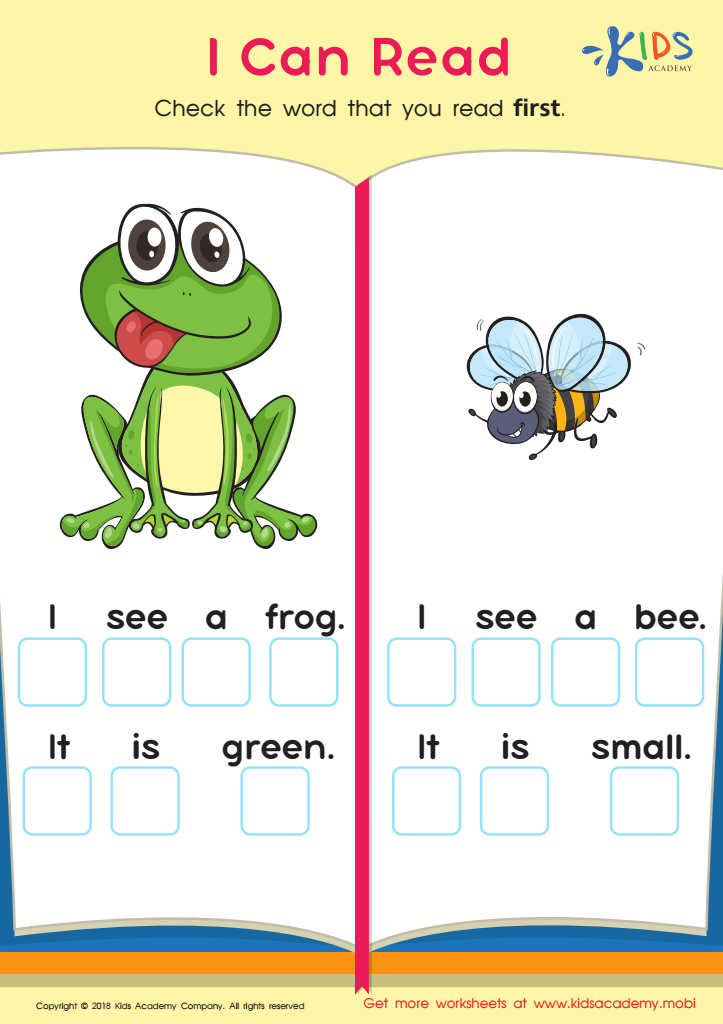
I Can Read Worksheet
Test your child's reading skills with this fun worksheet. See how well they know one-letter, two-letter, and five-letter words. Ask your little one to read the sentences and tick the word they identify first. It's a great way to track their progress and help them become more confident readers.
I Can Read Worksheet
Worksheet
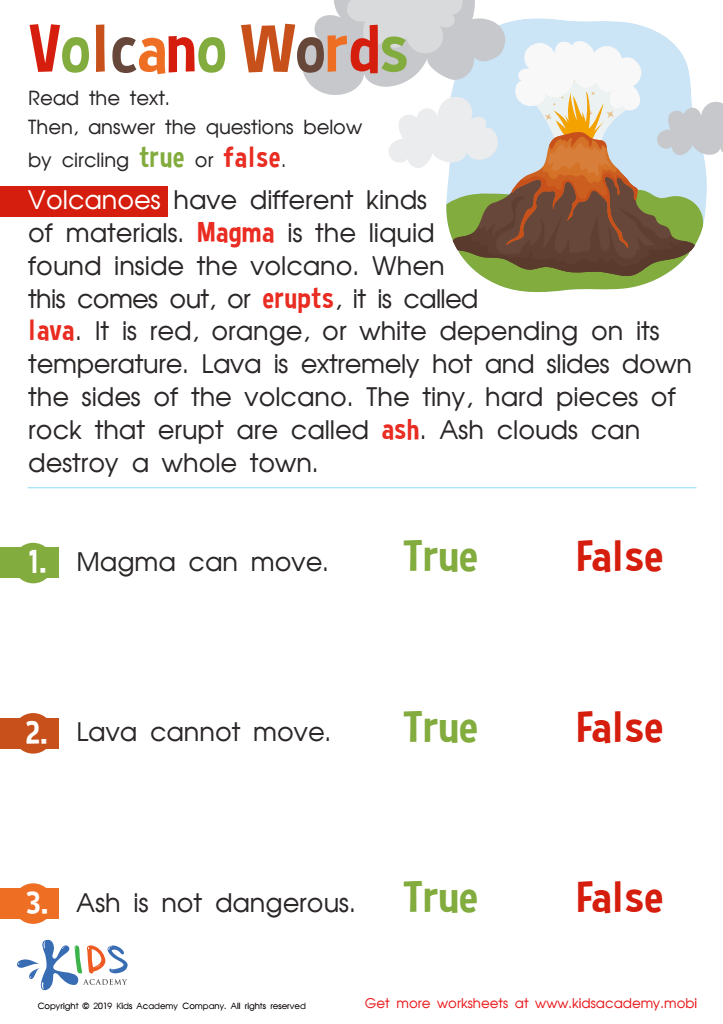
Volcano Words Worksheet
This worksheet helps kids focus and improve their reading comprehension skills. Start by reading a passage about volcanos and noting the bolded red words. Then answer true/false statements below, double-checking in the text if needed.
Volcano Words Worksheet
Worksheet
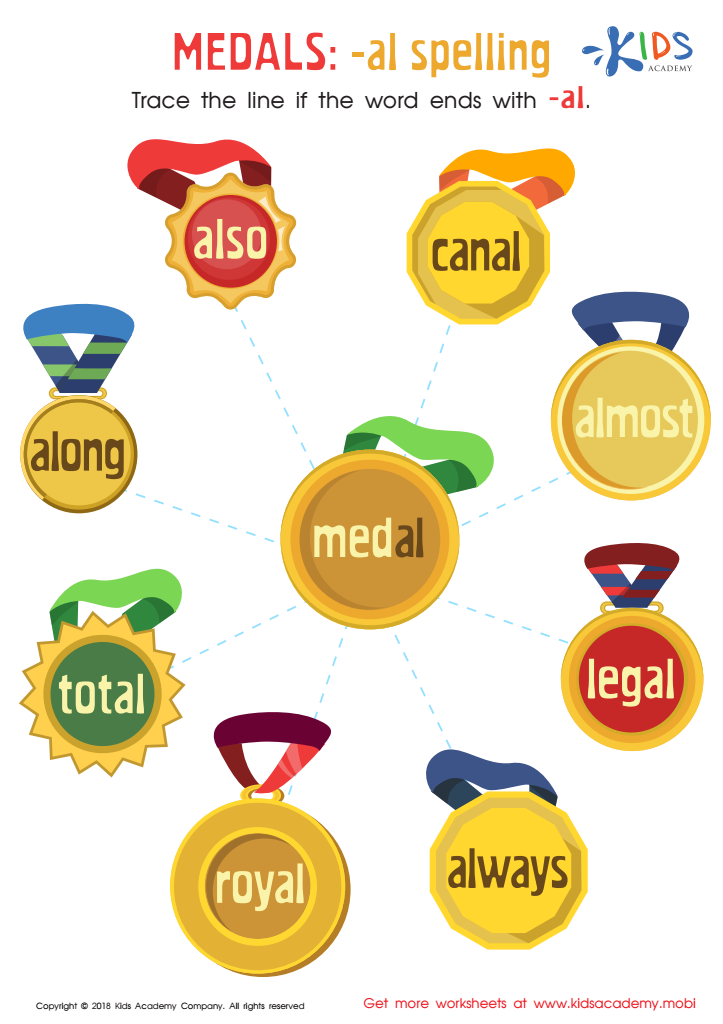
Medals: Al Spelling Worksheet
Have your students list common words ending with -al. See how many they can give and spell. Give examples of your own, assisting with spelling. Now review the words in the worksheet. Guide students to trace the line for each word ending with -al. 80 words
Medals: Al Spelling Worksheet
Worksheet
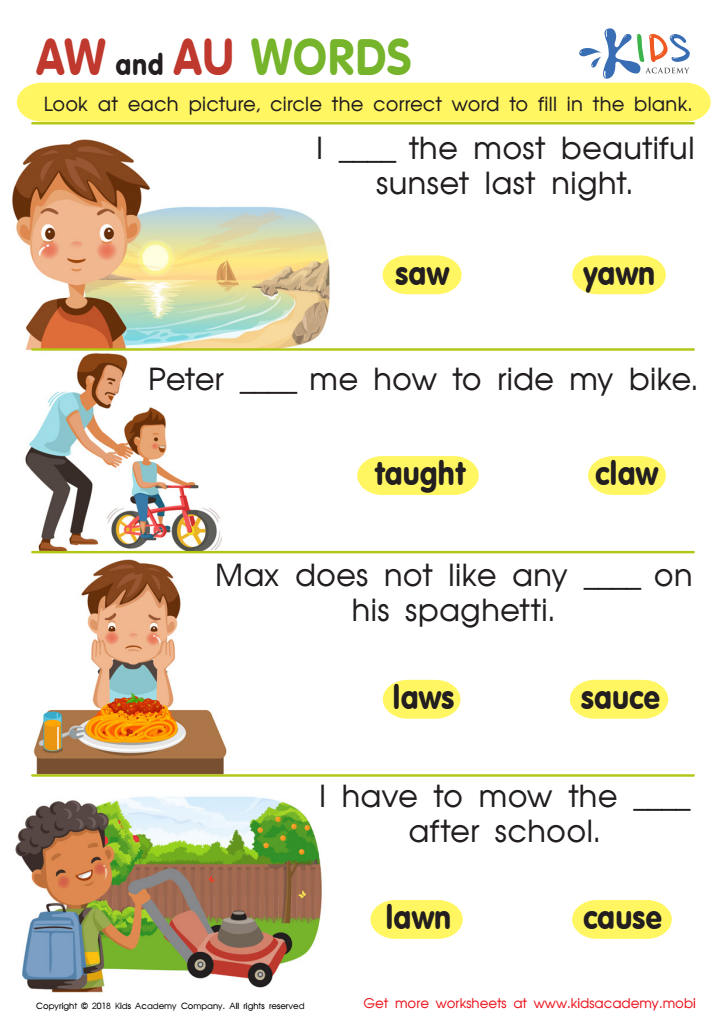
Reading: AW and AU Words Worksheet
This worksheet helps kids recognize that /au/ and /aw/ can make the same sound. Students read sentences and pick the correct word with one of the digraphs. Understanding digraphs improves decoding and reading fluency. Perfect for reading and phonics classes.
Reading: AW and AU Words Worksheet
Worksheet
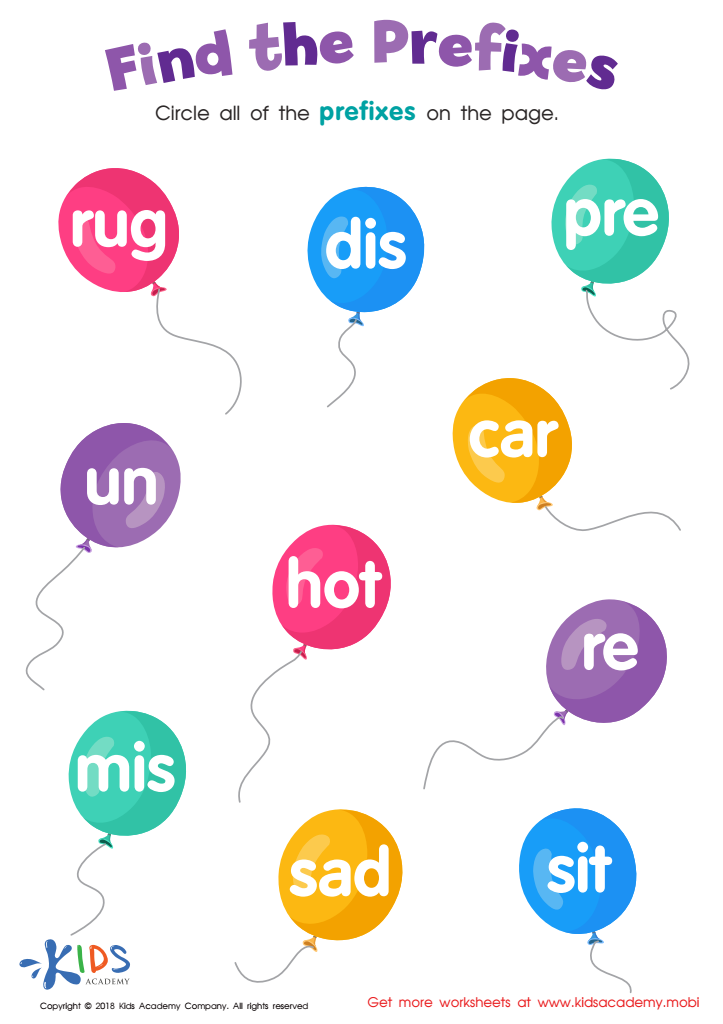
Reading: Find the Prefixes Worksheet
Students are asked to circle all prefixes on this worksheet and brainstorm a list of words that have them. It's a great tool for teaching vocabulary and helps students understand new and unfamiliar words by recognizing how prefixes change meaning.
Reading: Find the Prefixes Worksheet
Worksheet
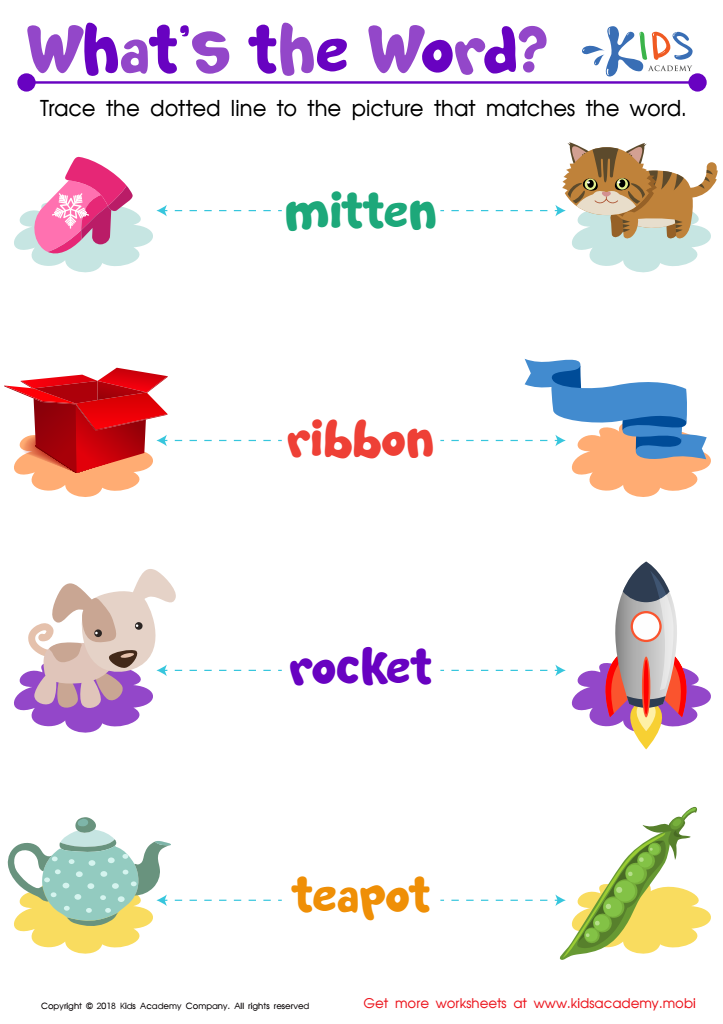
Reading: What's Word Worksheet
Teaching reading? This worksheet can help! Students read the word and draw a line to the picture for clues if needed. This will boost their vocabulary and fluency, increasing confidence and reading skills. Watch their progress as new words are added!
Reading: What's Word Worksheet
Worksheet
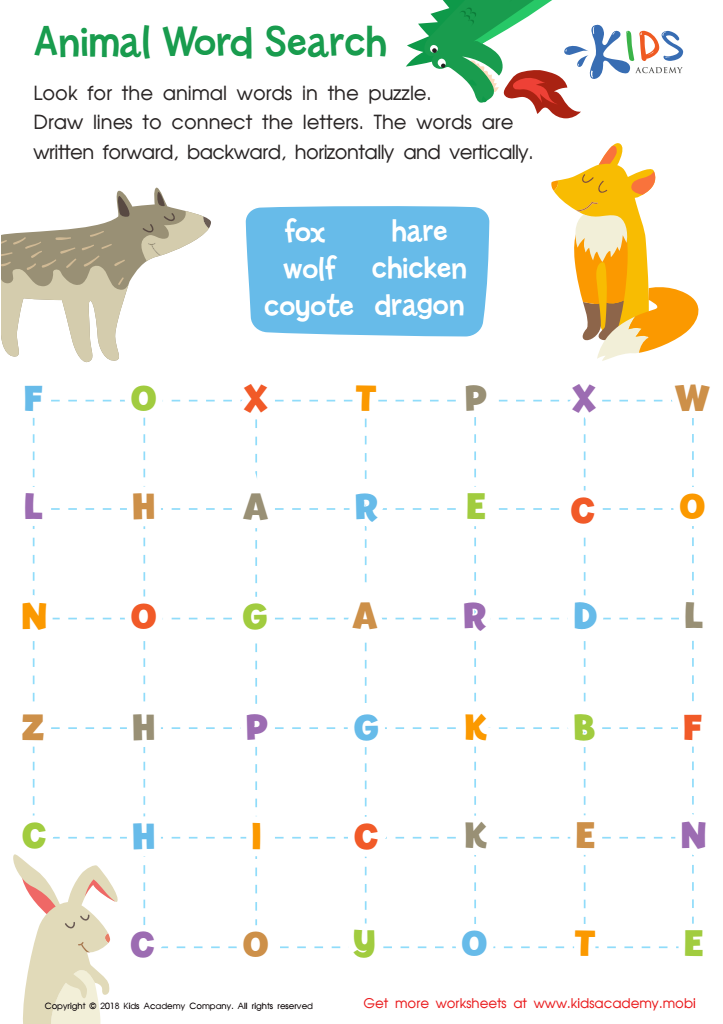
Animal Word Search Worksheet
Students can have fun and strengthen spelling and vocabulary skills with this word search worksheet. Search for animal words and circle the letters in the puzzle. Words can be found forwards, backwards, horizontally or vertically, providing a great challenge to foster critical thinking skills. An enriching activity for all ages!
Animal Word Search Worksheet
Worksheet
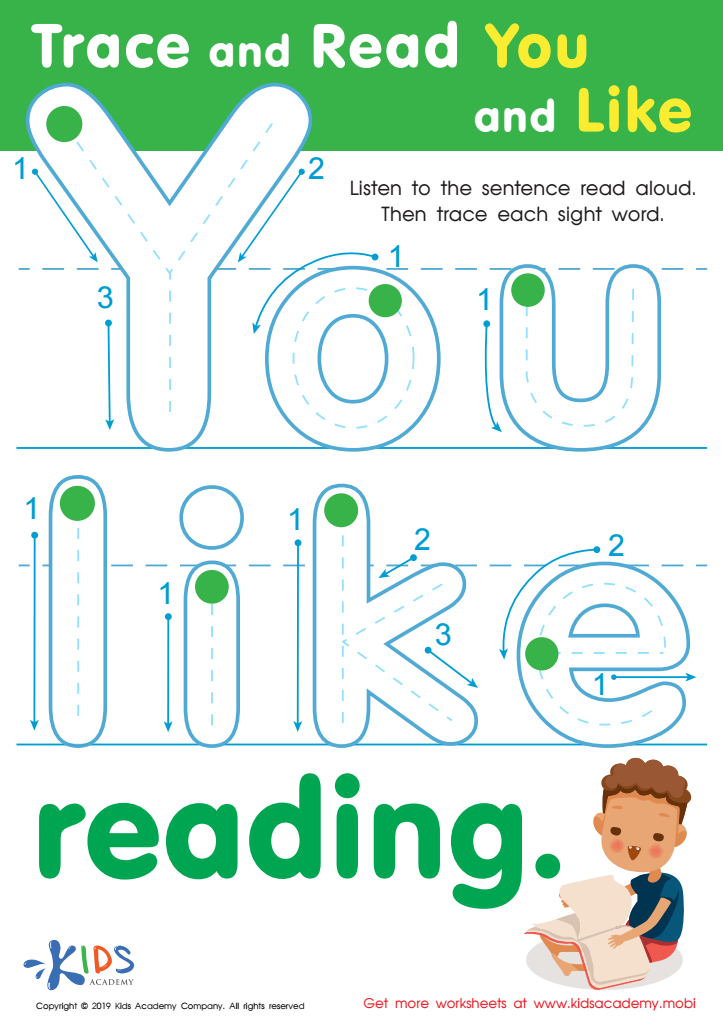
Trace Read You Like Worksheet
Sight words help children become confident and fluent readers. This free worksheet encourages success with basic 'you' and 'like' words. Writing them with traceable lines and green dots shows motion and builds sight word vocabulary. Help your child master the basics and boost their reading progress!
Trace Read You Like Worksheet
Worksheet
Join Kids Academy for Free
Who is primarily going to use this learning content?







Parents and teachers play a crucial role in fostering early literacy skills in children aged 4-8, a critical developmental window for word recognition and normal reading. At this stage, young minds are typically highly receptive to new information and abilities, such as recognizing shapes, symbols, and eventually, words. Encouraging word recognition during these years lays the foundation for fluency in reading, comprehension, and overall academic success.
Word recognition is integral because it allows children to move from laboriously decoding each letter or sound to smoothly recognizing words as whole units. This shift enables quicker and more efficient reading, crucial for absorbing content, enhancing enjoyment of reading, and improving focus on more complex tasks like comprehension and critical analysis. When children struggle with word recognition, they may experience delays in reading development, which can have wider implications for their confidence, motivation, and long-term educational achievement.
By emphasizing word recognition skills, parents and teachers help bridge the gap between spoken language and written text, equipping children with the tools they need for effective communication. Furthermore, early success in reading can foster a lifelong love of learning and literature. Consequently, engaging activities like phonics games, reading aloud, and word-matching exercises should form a consistent part of early childhood education to ensure robust literacy development.