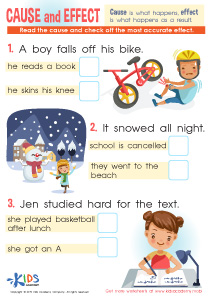
Reading comprehension Normal Reading Non-Fiction Worksheets for Ages 4-8 - Page 2
33 filtered results
-
From - To
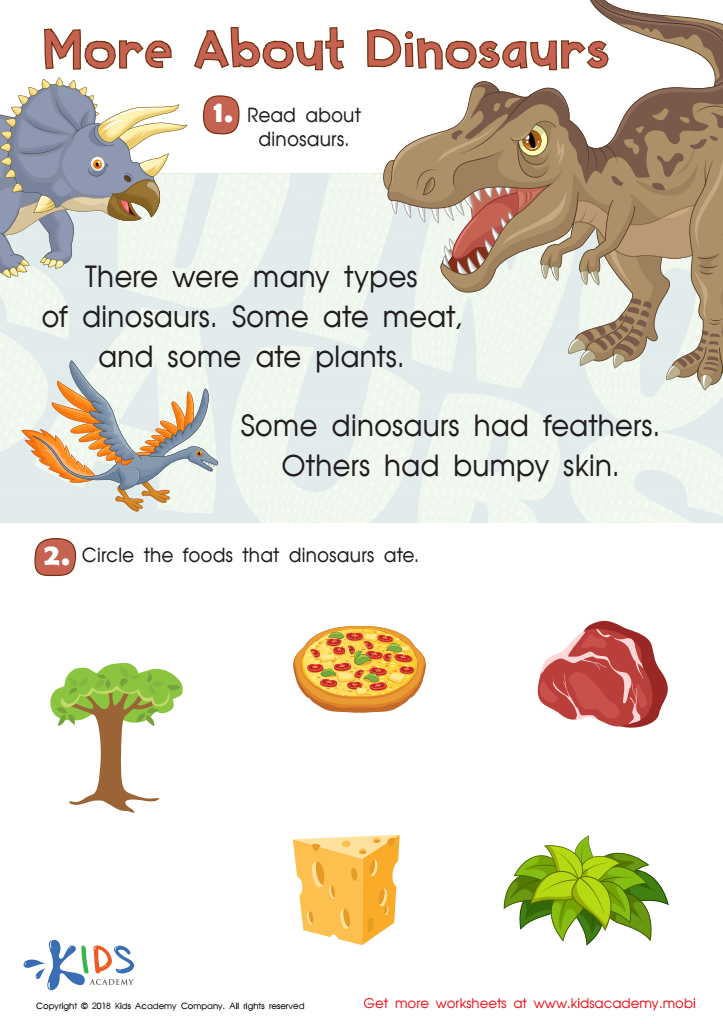
More About Dinosaurs Worksheet
 Assign to My Students
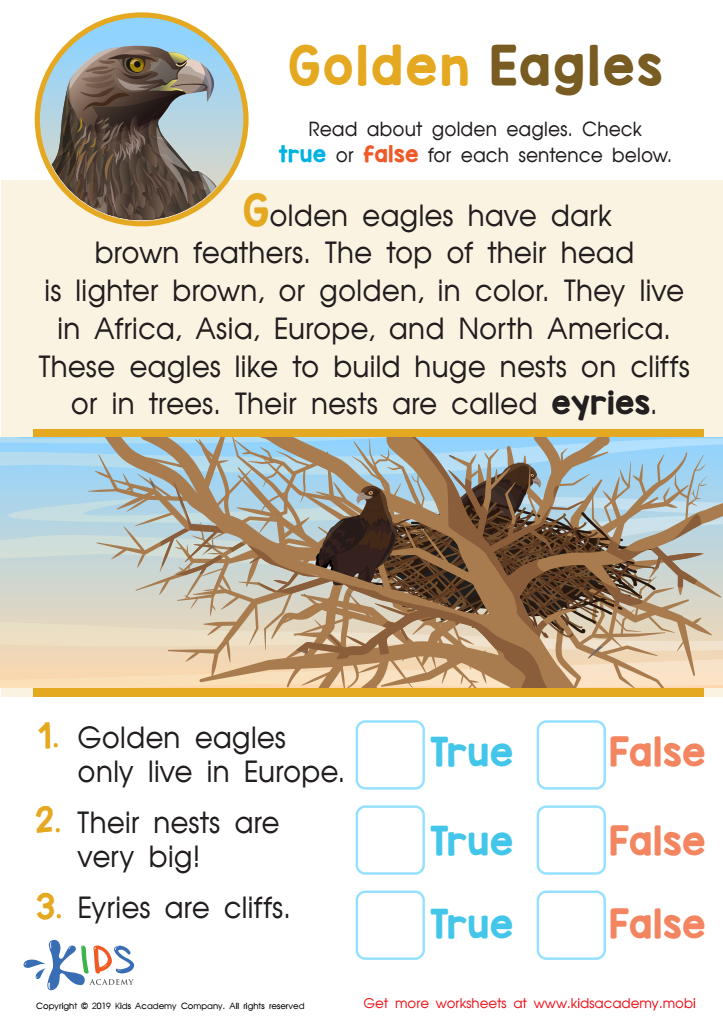
Golden Eagles Worksheet
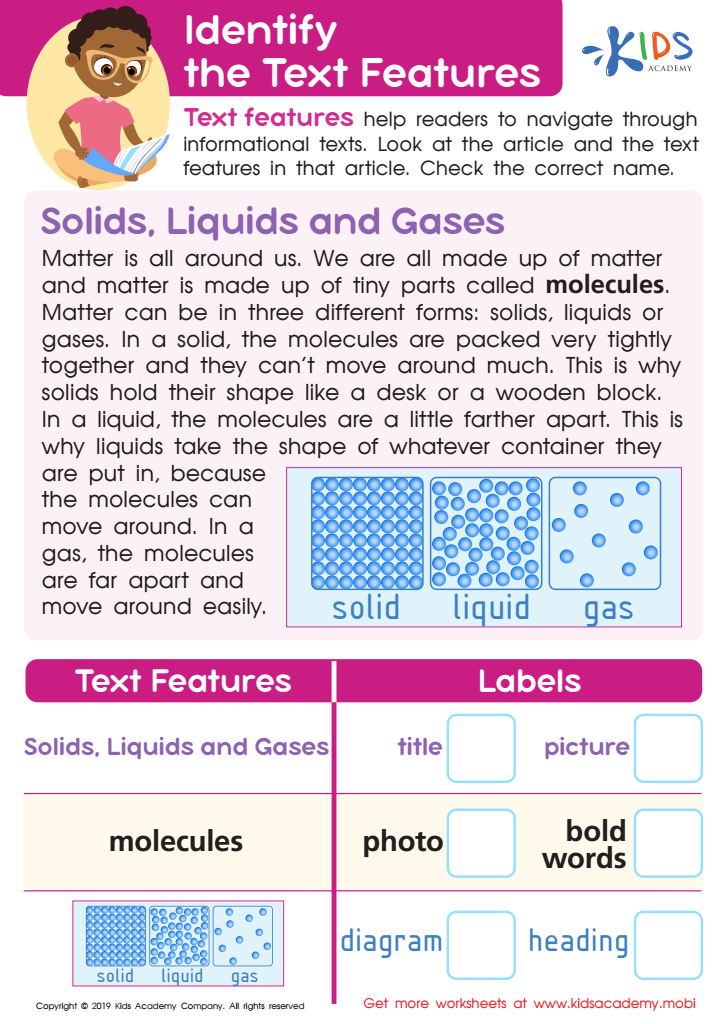
Identify the Text Features Worksheet
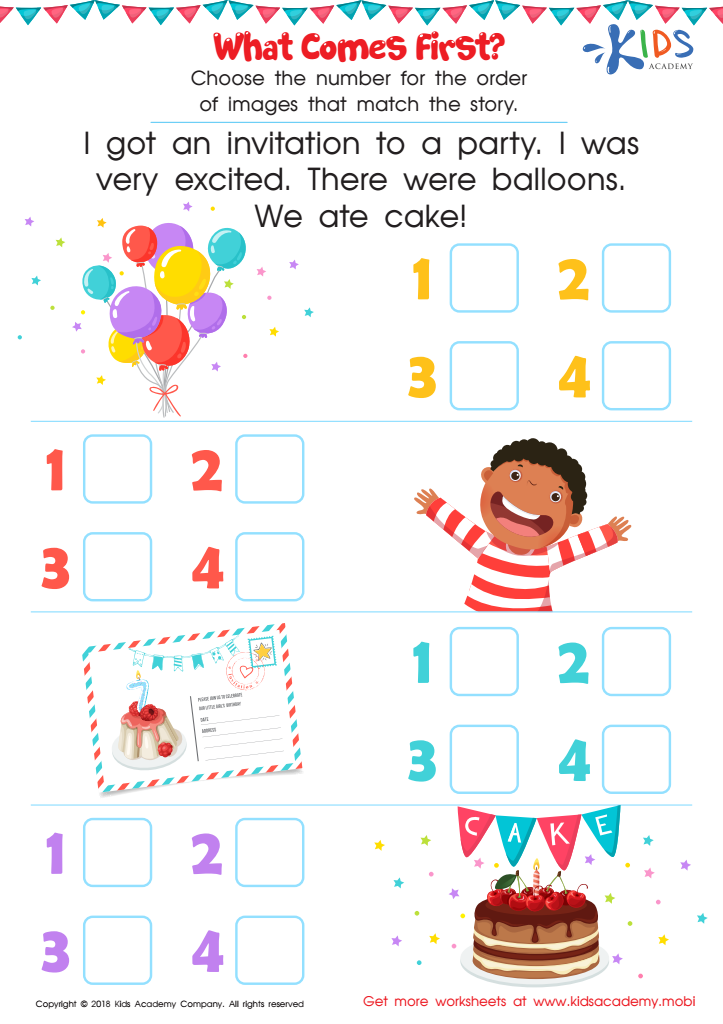
What Comes First Worksheet
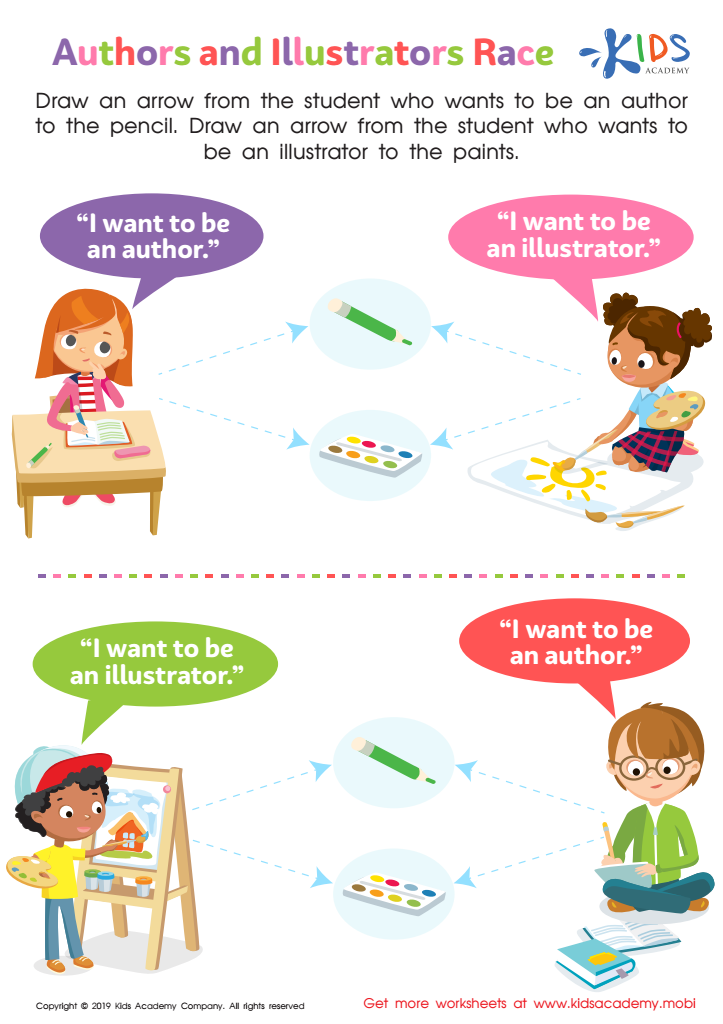
Authors and Illustrators Race Worksheet
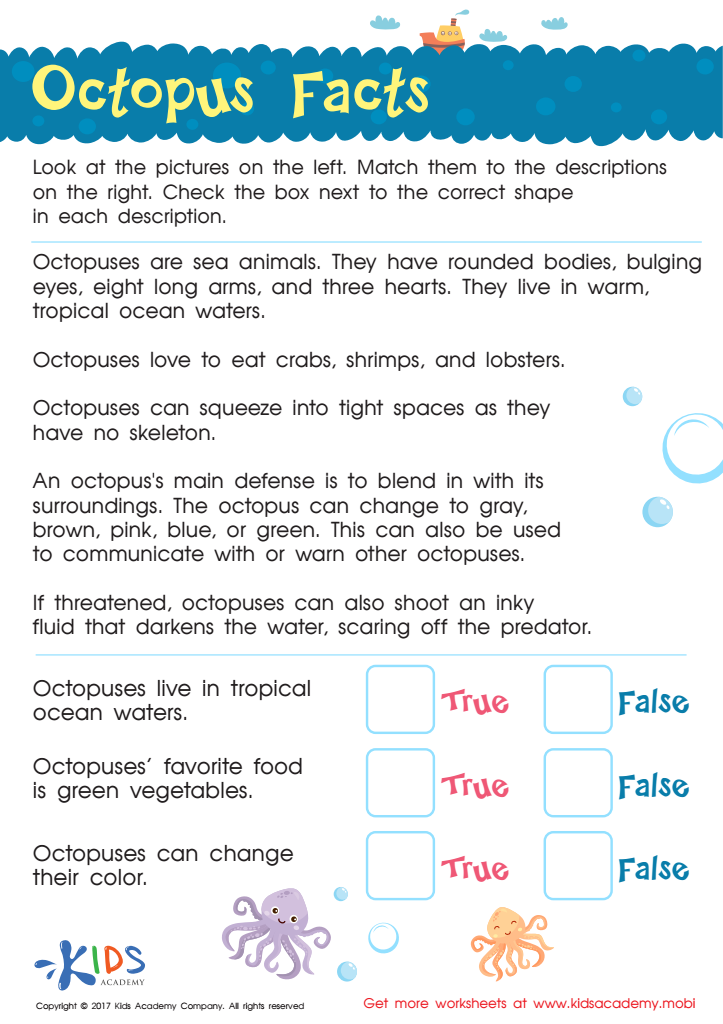
Octopus Facts Worksheet For Kids
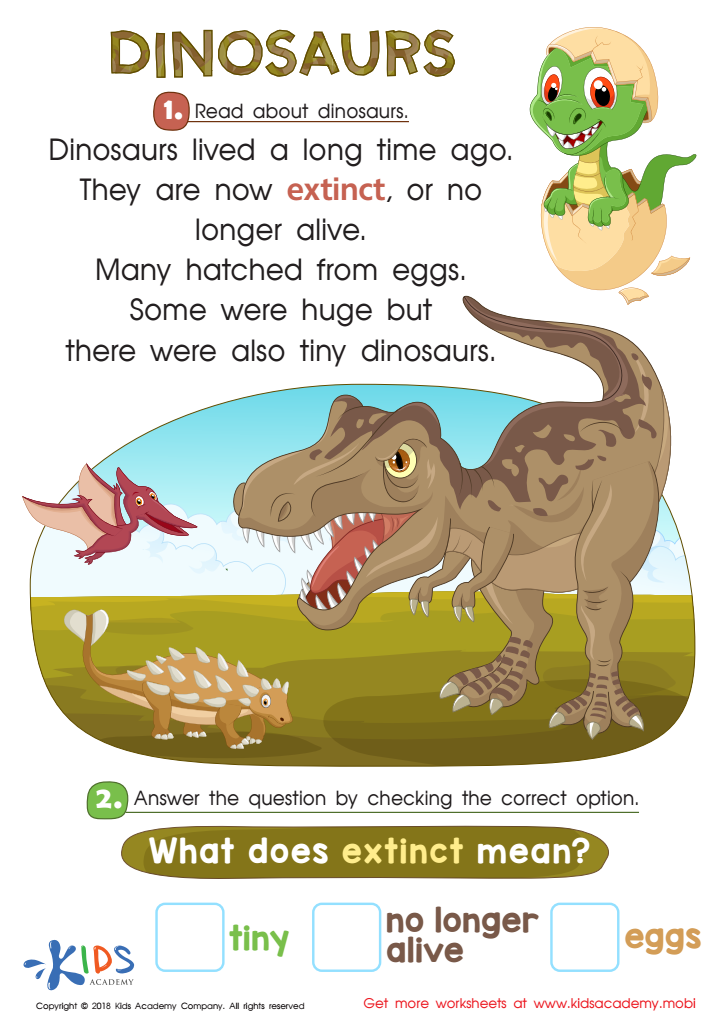
Dinosaurs Worksheet
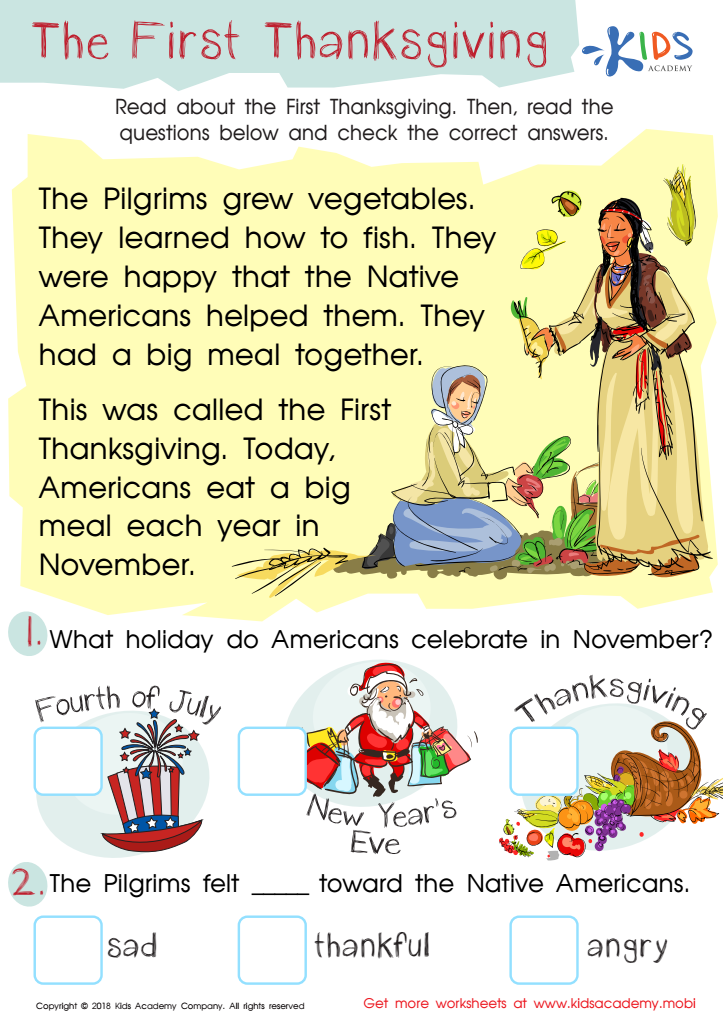
Assessment: First Thanksgiving Worksheet
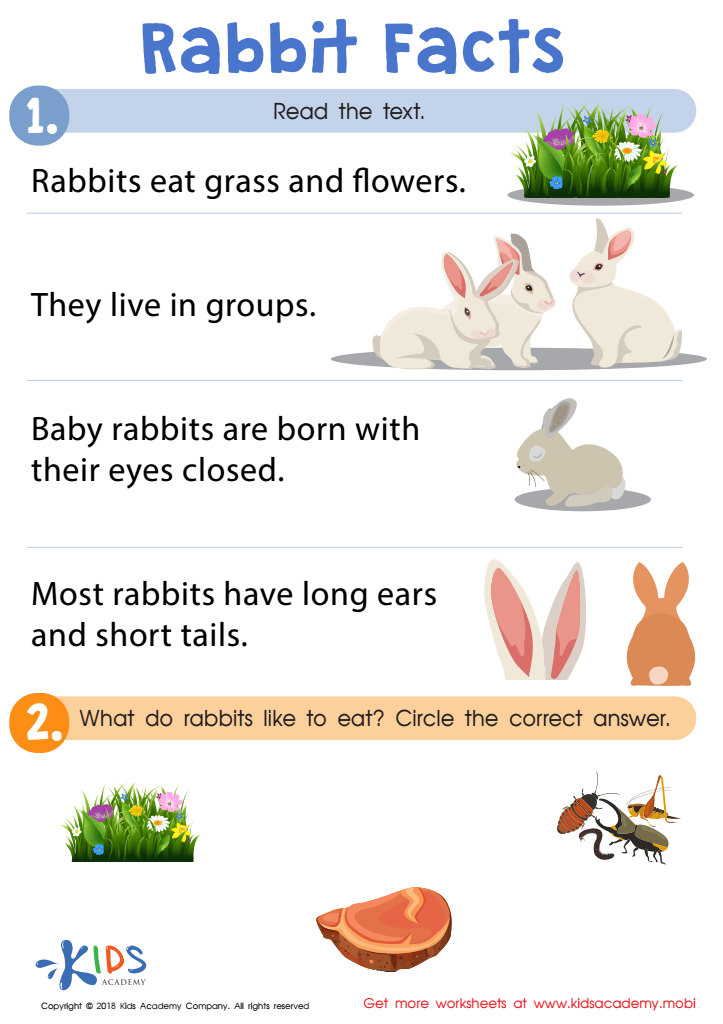
Rabbit Facts Worksheet







Reading comprehension is foundational for children's academic and personal growth, especially when it involves non-fiction for ages 4-8. Non-fiction texts offer unlimited possibilities for expanding children's knowledge base about the natural world, cultures, science, and real-life facts, laying a strong foundation for lifelong learning.
In early grades, fostering reading comprehension ensures that children not only decode words but also grasp the context, main ideas, and details. This skill is crucial for understanding instructions, succeeding in school assessments, and solving problems creatively. Sets a precedent for higher levels of critical thinking and learning across all subjects; math, science, and even physical education.
By comprehending non-fiction, young learners develop analytical and critical thinking skills needed to differentiate between fiction and factual information, a vital competency in our information-rich planet. Moreover, such comprehension encourages curiosity, motivating kids to explore subjects like history and ecology more deeply.
Non-fiction reading also complements vocabulary development and language skills, enriching children’s communication abilities. These early skills are foundational for later academic success, employment opportunities, and effective, informed citizenship.
Parents and teachers investing in developing reading comprehension with non-fiction materials ensure that children have the opportunity to understand their world better from a young age, thus preparing them for future scholarly and real-world challenges.