
Animal identification Normal Science Worksheets for Ages 4-8
6 filtered results
Difficulty Level
Grade
Age
-
From - To
Subject
Activity
Standards
Discover our engaging Animal Identification Normal Science Worksheets designed specifically for kids aged 4-8! These worksheets provide young learners with interactive opportunities to explore various animal species, enhancing their observation and identification skills. Perfect for homeschooling or classroom activities, our resources include fun illustrations and stimulating questions that captivate children's attention while promoting critical thinking. Each worksheet encourages creativity and deepens understanding of the animal kingdom, with topics ranging from habitats to characteristics. Make learning enjoyable and foster a lifelong love for science with our specially crafted worksheets that spark curiosity and excitement about the natural world!
Favorites
With answer key
Interactive
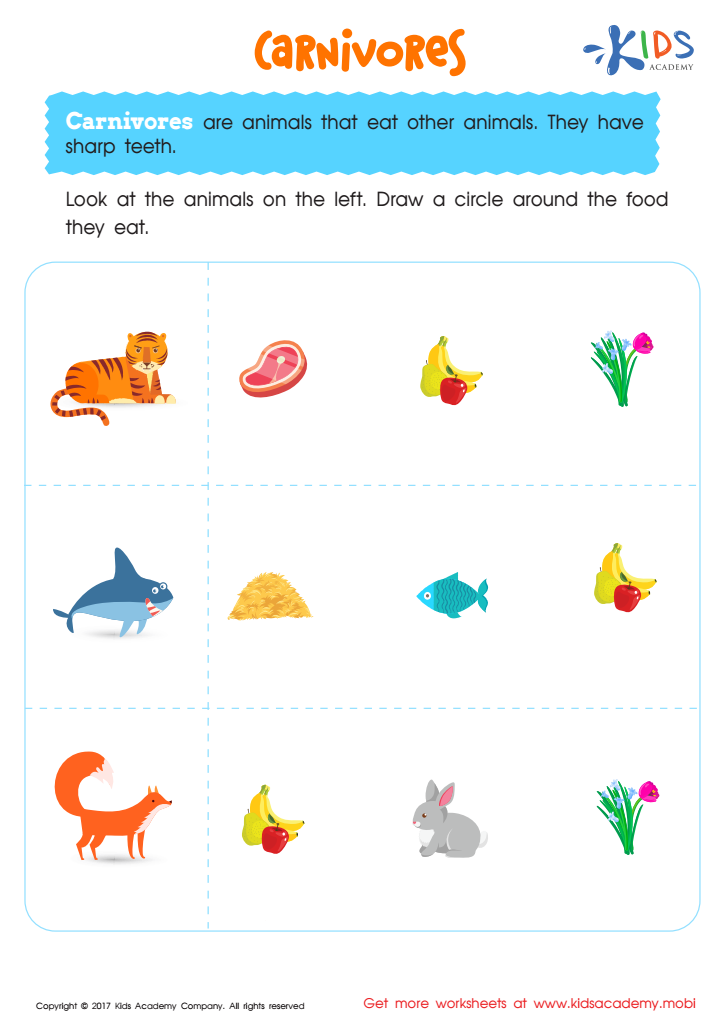
Carnivores Worksheet
Boost their vocabulary and help them explore the incredible world of carnivores.
 Assign to My Students
Carnivores Worksheet
Worksheet
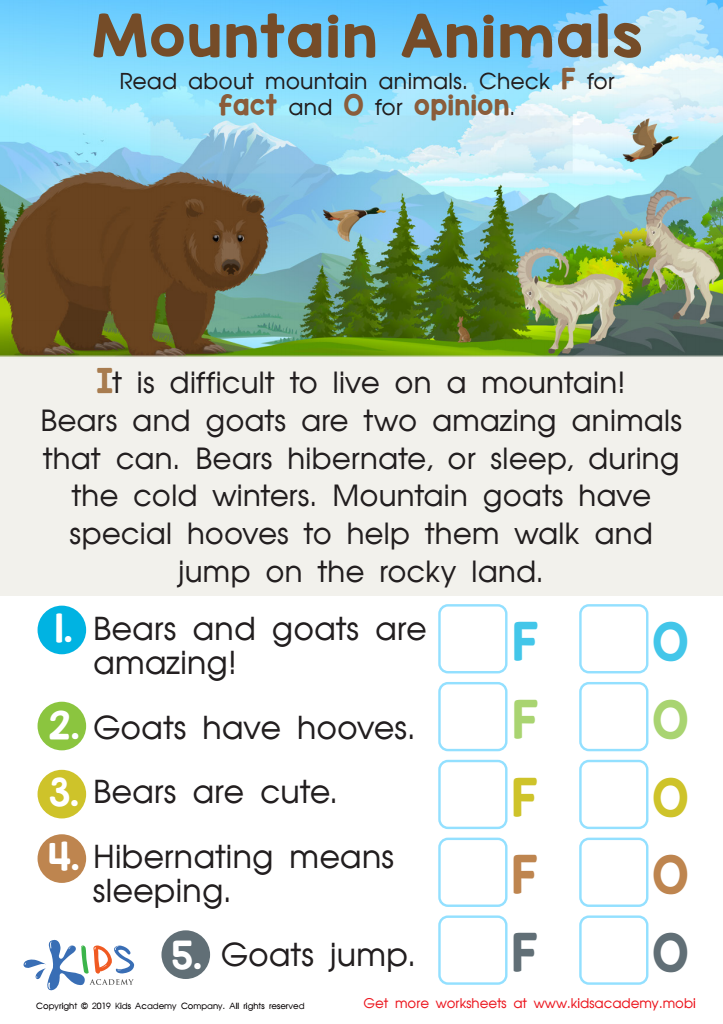
Mountain Animals Worksheet
Is mountain wildlife amazing? Fact or fiction? Help your child sharpen critical-thinking skills with this engaging worksheet. Featuring a fun nonfiction passage about animals like bears and goats, your child will read through the text and identify each statement as fact or fiction. Perfect for boosting reading comprehension and analytical abilities!
Mountain Animals Worksheet
Worksheet
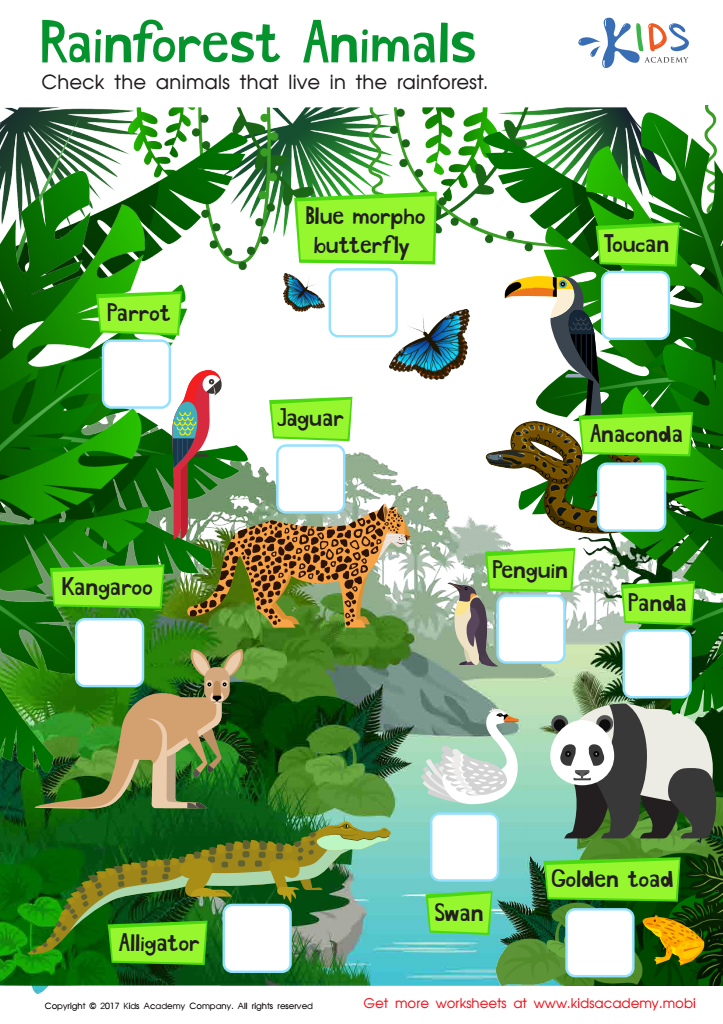
Rainforest Animals Worksheet
Kids love the bright, vivid pics of rainforest animals in this worksheet. It fuels their interest in life science and brings joy to their learning. It encourages them to study these animals in detail.
Rainforest Animals Worksheet
Worksheet
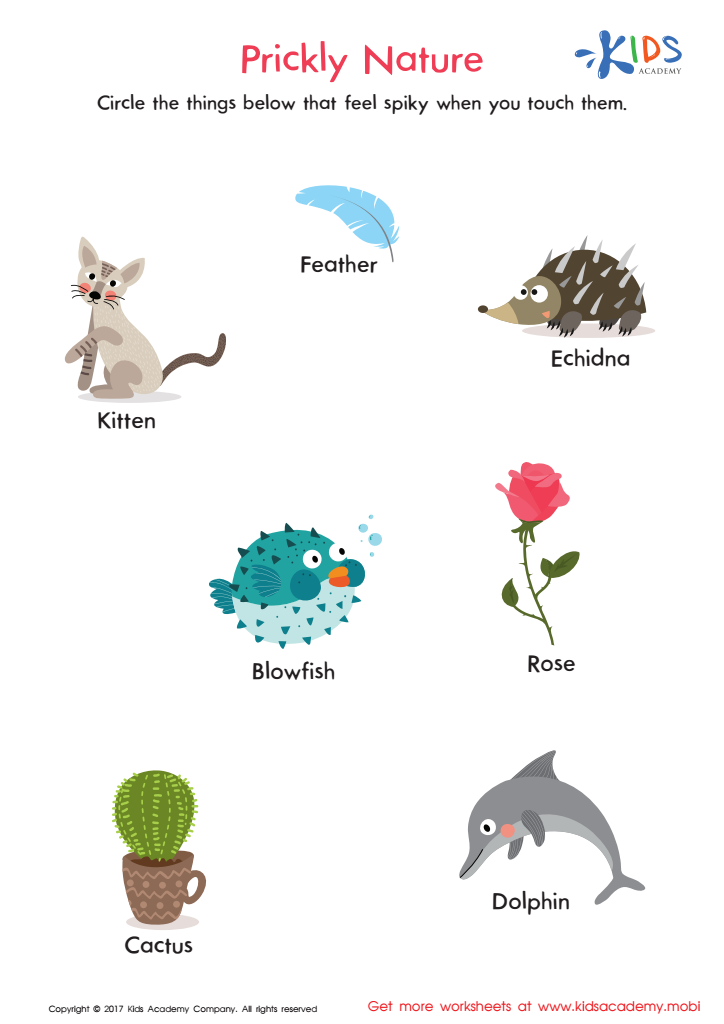
Prickly Nature Worksheet
Help your child stay safe and enhance critical thinking skills with this prickly nature worksheet. It can help them recognize spiky objects in their environment by teaching them to differentiate between prickly and soft textures. Plus, your kid will learn how to admire and avoid them. Get started today!
Prickly Nature Worksheet
Worksheet
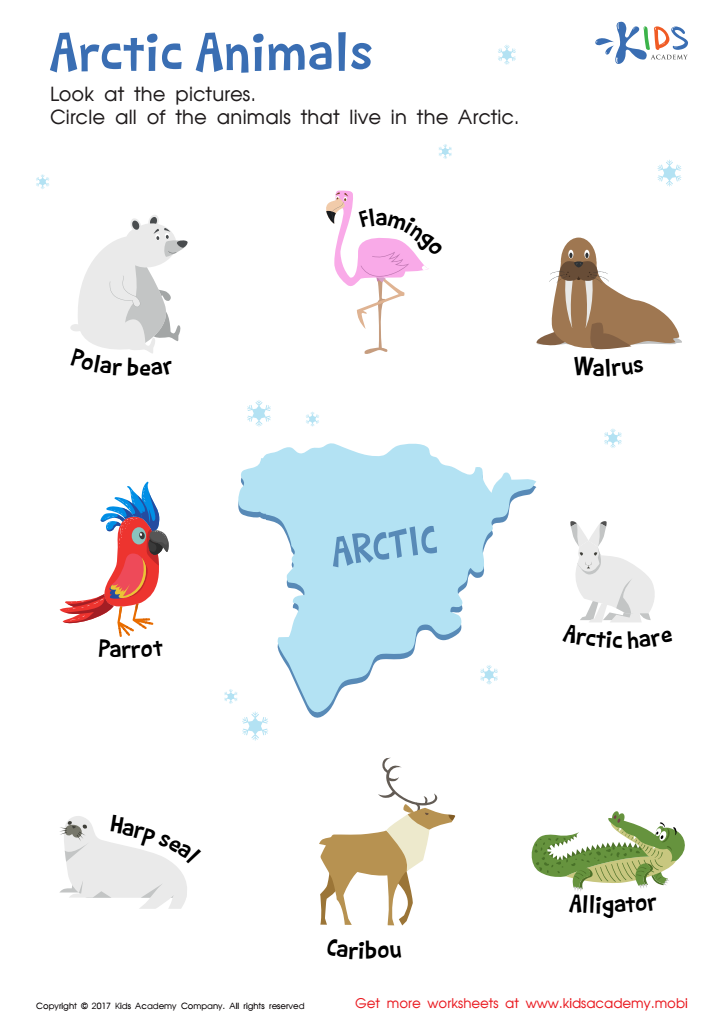
Arctic Animals Worksheet
Kids love animals and this worksheet is a great way to teach them where they live. It reinforces classification skills and introduces new animals, like the Arctic hare. Use it to discuss the Arctic climate and how these animals live, then ask your child where other animals live to keep the conversation going.
Arctic Animals Worksheet
Worksheet
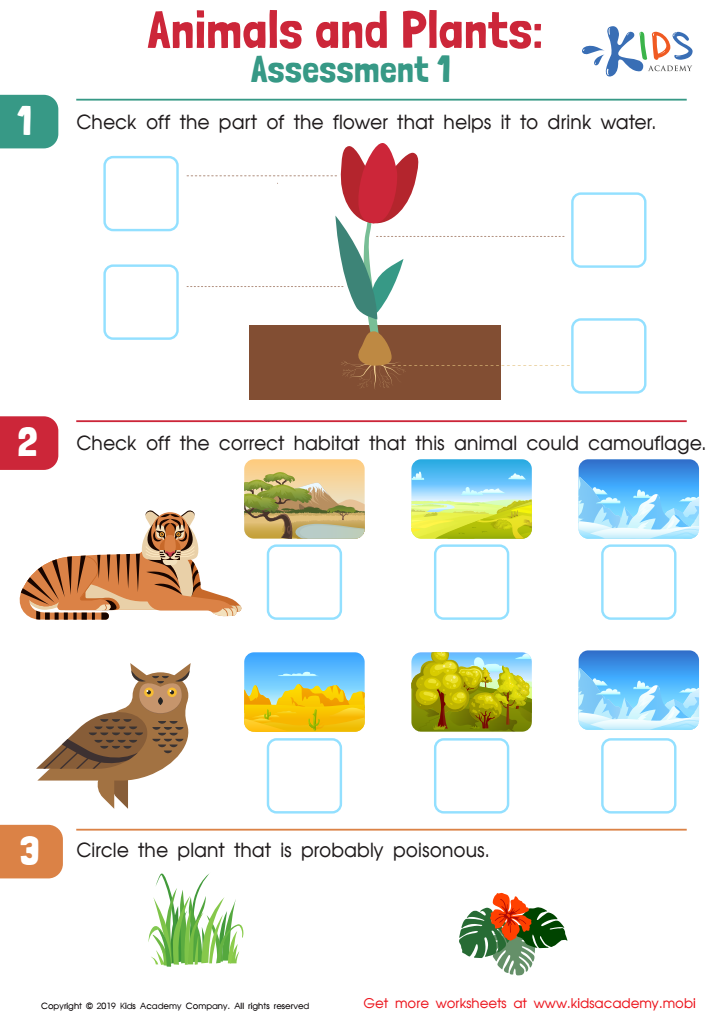
Animals and Plants: Assessment 1 Worksheet
Do you want to easily assess your child's understanding of basic science concepts? This colorful PDF offers a free opportunity for them to test their knowledge about parts of a flower, poisonous plants, animal habitats and more! Bright pictures make it fun and easy for you to see what they know.
Animals and Plants: Assessment 1 Worksheet
Worksheet
Join Kids Academy for Free
Who is primarily going to use this learning content?







Animal identification is crucial for children aged 4-8 as it fosters a sense of curiosity and connection to the natural world. When parents and teachers emphasize this science, they not only enhance children's understanding of biodiversity but also develop their observation and critical thinking skills. By learning to identify various animals, children become more aware of their environment, promoting both environmental stewardship and empathy for living creatures.
Engaging with animal identification encourages hands-on exploration, whether through field trips, nature walks, or educational games, helping children cultivate a love for learning. Recognizing different species also lays the groundwork for understanding ecosystems and the roles animals play within them, which is essential for fostering an appreciation of nature's balance and interconnectivity.
Moreover, discussing animal characteristics, habitats, and behaviors boosts vocabulary and communication skills, contributing to language development. It creates opportunities for discussions about respect and kindness towards all living things, which are essential values to instill early on. Ultimately, parental and teacher involvement in animal identification enriches children's learning experiences, making science engaging and relevant, while nurturing responsible global citizens who appreciate the importance of caring for the environment.







