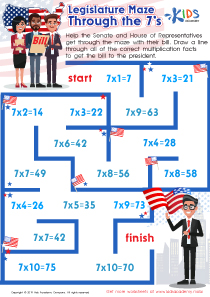
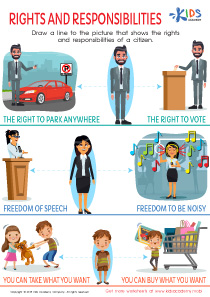
Problem-Solving Skills Normal History Worksheets for Ages 4-8
3 filtered results
-
From - To
Discover our engaging "Problem-Solving Skills Normal History Worksheets" tailored for children aged 4-8. These worksheets are designed to encourage critical thinking and enhance problem-solving abilities while exploring historical concepts. Through fun activities and interactive exercises, young learners can connect with history and develop essential skills in a structured yet enjoyable manner. Each worksheet incorporates age-appropriate themes and scenarios that motivate children to think creatively and come up with solutions. Ideal for home or classroom use, these resources promote a love for learning and empower kids to tackle challenges. Spark your child's curiosity and cognitive growth with our thoughtfully crafted history worksheets!
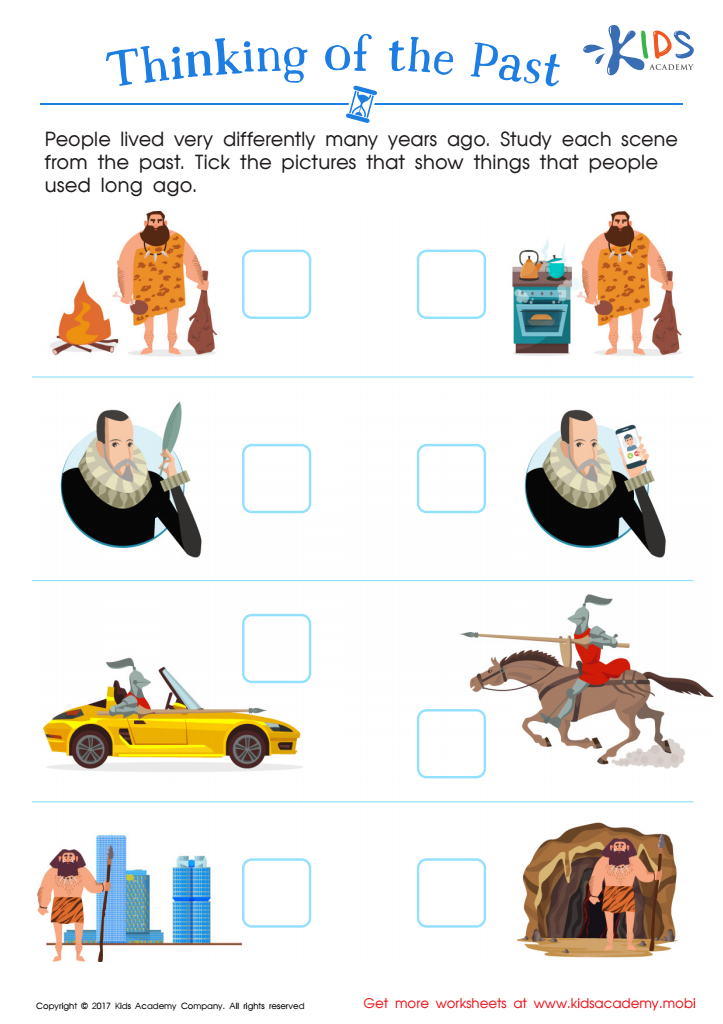
Thinking Past Printable
 Assign to My Students
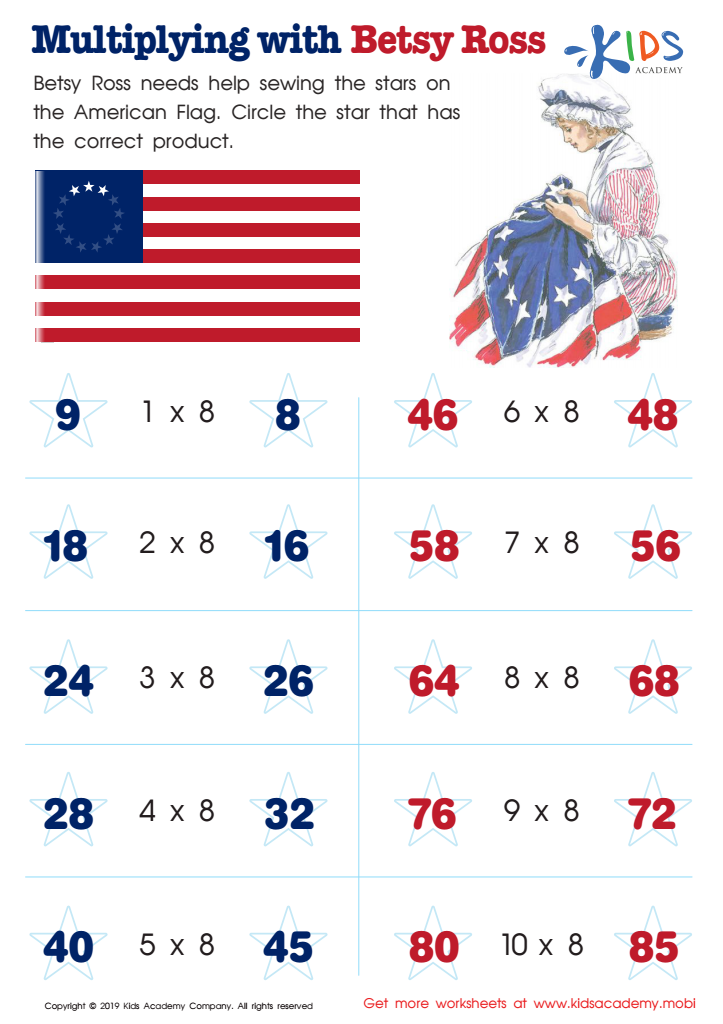
Multiplying with Betsy Ross Worksheet
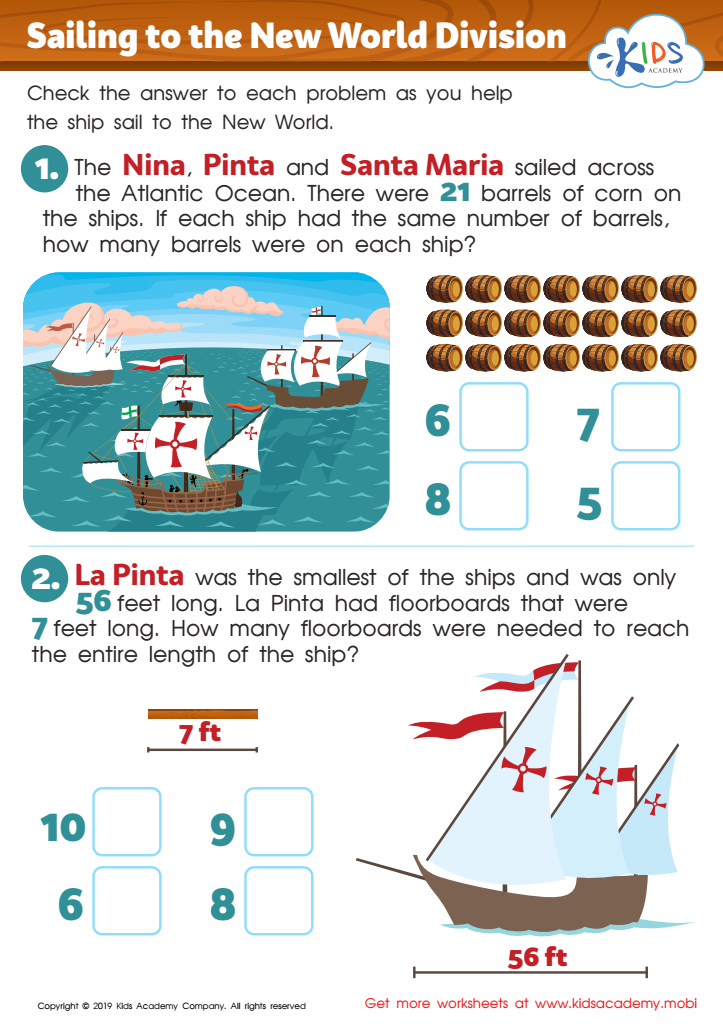
Sailing to the New World Division Worksheet







.jpg)
Problem-solving skills are essential for children aged 4-8 as they lay the foundation for critical thinking, creativity, and resilience. During these formative years, kids encounter various challenges that require them to think through problems and find solutions. Engaging in problem-solving activities helps enhance cognitive development, promoting analytical thinking as they learn to assess situations, explore possible solutions, and make decisions.
Parents and teachers should care about fostering these skills because they directly influence academic success and emotional intelligence. Children who develop strong problem-solving abilities are more likely to tackle schoolwork confidently, collaborate effectively with peers, and manage social situations positively. These skills extend beyond academics into real-life scenarios, such as playing sports, resolving conflicts, and adapting to change.
Moreover, instilling problem-solving skills at an early age cultivates a growth mindset, encouraging children to approach challenges as opportunities for learning rather than obstacles. It equips them with the tools needed to navigate an increasingly complex world, fostering independence and resilience. By emphasizing problem-solving through creative play, hands-on activities, and guided discussions, parents and teachers can better prepare children for future challenges, ensuring they grow into capable, adaptable individuals.