Vocabulary expansion Normal History Worksheets for Ages 4-8
5 filtered results
-
From - To
Discover engaging "Vocabulary Expansion History Worksheets" designed for ages 4-8, aimed at enhancing historical knowledge and vocabulary skills. These fun-filled worksheets from Kids Academy incorporate visually appealing activities focused on historical concepts and terms, fostering an enriching learning experience. Help children expand their vocabulary while delving into fascinating historical periods, figures, and events, perfect for young learners. Our expert-crafted resources ensure that education blends seamlessly with enjoyment, meeting educational standards and presenting challenges that stimulate curiosity and growth. Ideal for parents and teachers alike, these worksheets make history entertaining and educational for young minds.
Discover our "Vocabulary Expansion History Worksheets" for ages 4-8 through your free Kids Academy account by following this link.
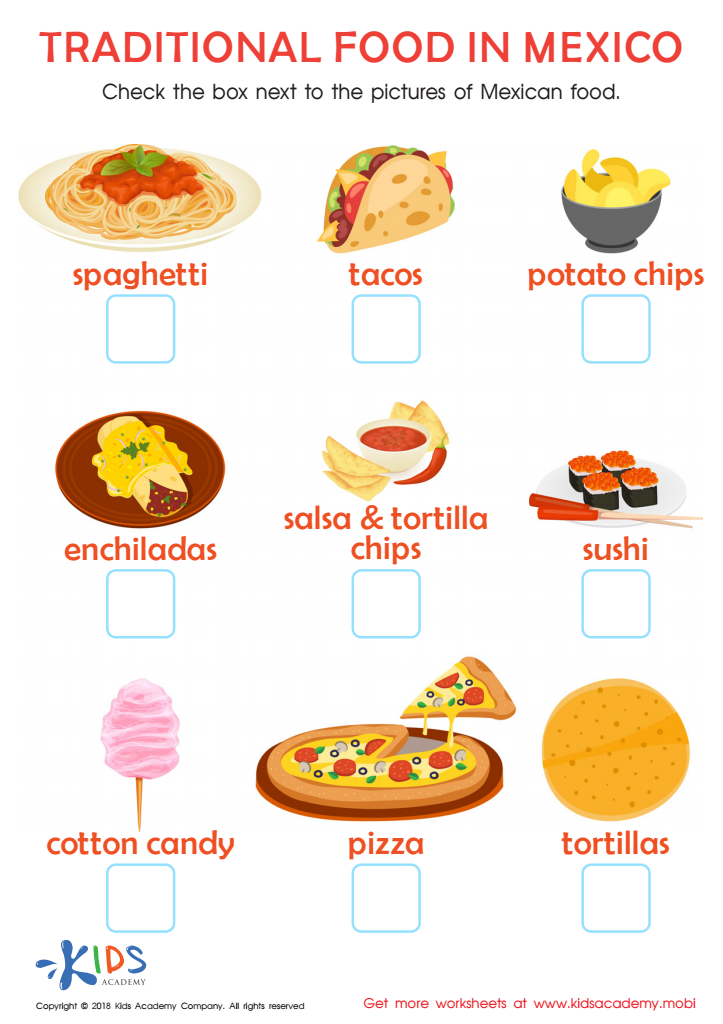
Traditional Food in Mexico Worksheet
 Assign to My Students
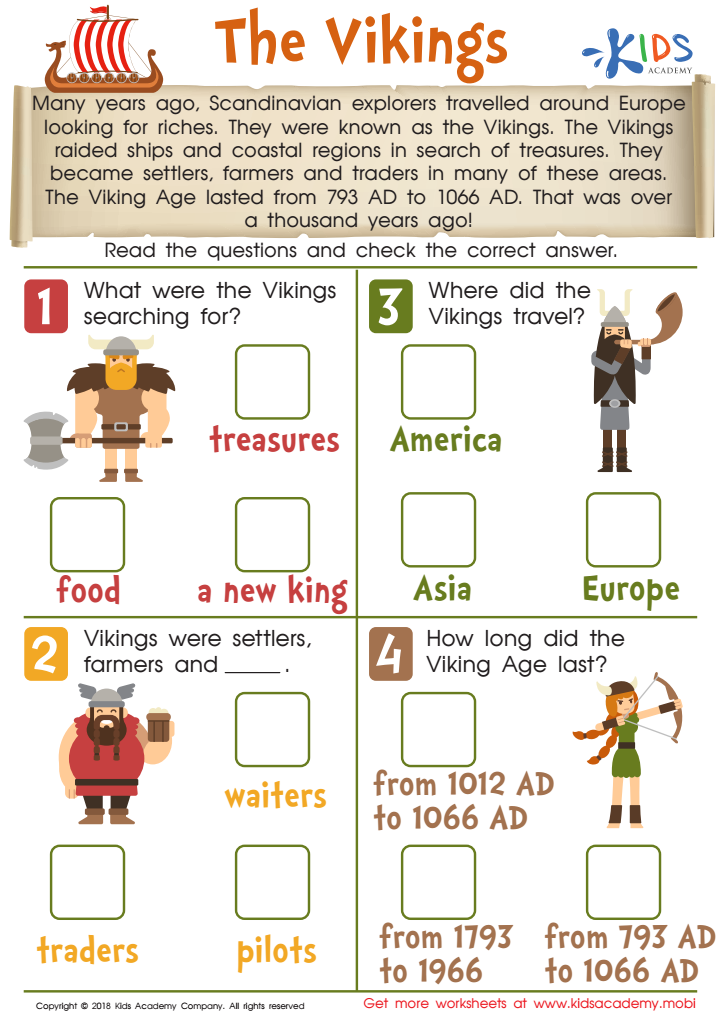
The Vikings Worksheet
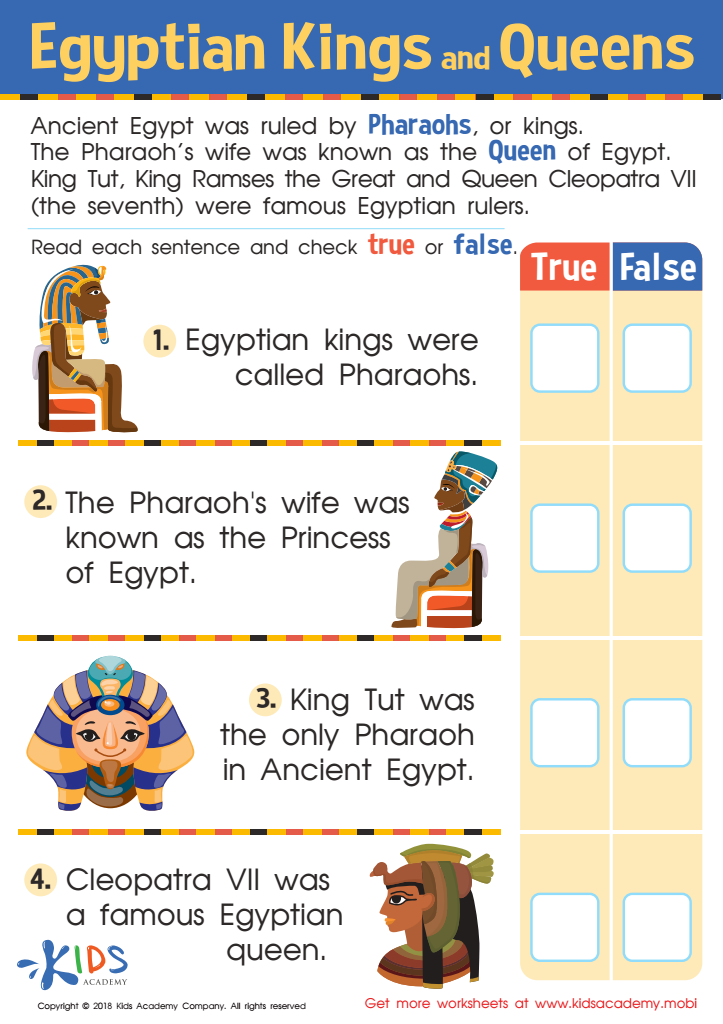
Egyptian Kings and Queens Worksheet
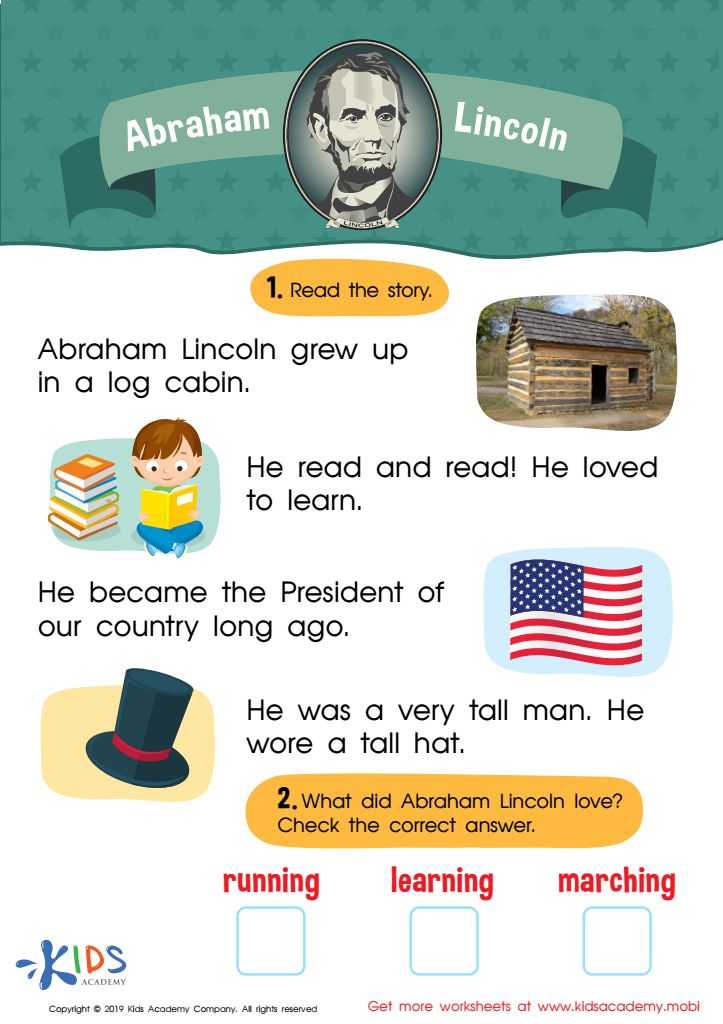
Abraham Lincoln Worksheet
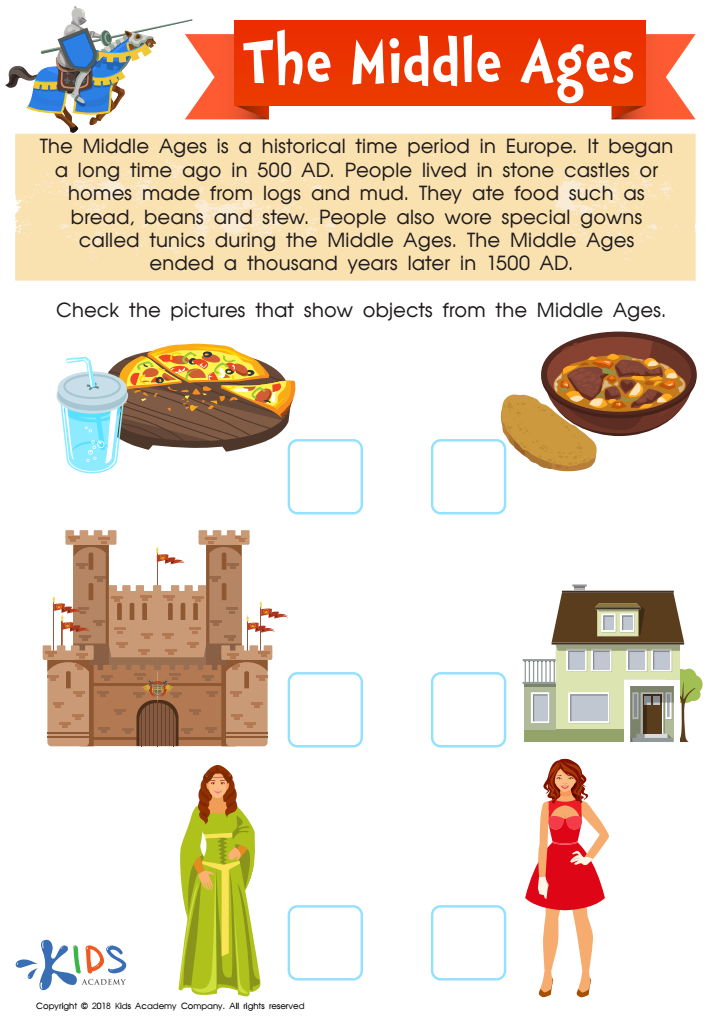
The Middle Ages Worksheet







.jpg)
Vocabulary expansion is crucial for children aged 4-8, as this formative period lays the foundational blocks for their cognitive, social, and academic development. Firstly, a robust vocabulary enhances communication skills, enabling children to express their thoughts, emotions, and experiences more effectively. This improved ability to articulate fosters better interpersonal interactions and reduces frustration that may arise from miscommunication.
Moreover, vocabulary growth is linked to academic success. Children with a rich vocabulary are better equipped to understand and engage with complex texts, instructions, and educational content, leading to higher reading comprehension and overall academic achievement. It also contributes to lifelong learning by fostering curiosity and a love for reading.
Socially, a well-developed vocabulary aids in the development of empathy and social skills. As children learn new words, they also learn about the concepts and nuances those words represent, which can deepen their understanding of the people and world around them.
Additionally, early vocabulary expansion is a predictor of future literacy skills. Studies show that children who enter school with a large vocabulary are more likely to read proficiently by third grade, a critical milestone for ongoing educational success.
By focusing on vocabulary growth during these early years, parents and teachers can provide children with tools essential for their long-term intellectual, social, and emotional well-being.