Geographic knowledge Normal Social Studies Worksheets for Ages 4-8
3 filtered results
-
From - To
Our Geographic Knowledge Normal Social Studies Worksheets for ages 4-8 are expertly designed to spark curiosity and teach young learners about the world around them. Featuring interactive maps, engaging activities, and age-appropriate challenges, these worksheets help children grasp basic geographic concepts, identify continents and countries, and understand their place in the world. Perfect for reinforcing classroom lessons or exploring new topics, our worksheets improve spatial thinking, cultural awareness, and critical thinking skills. Turn geography learning into an exciting adventure with fun activities that make exploring the world enjoyable for young minds.
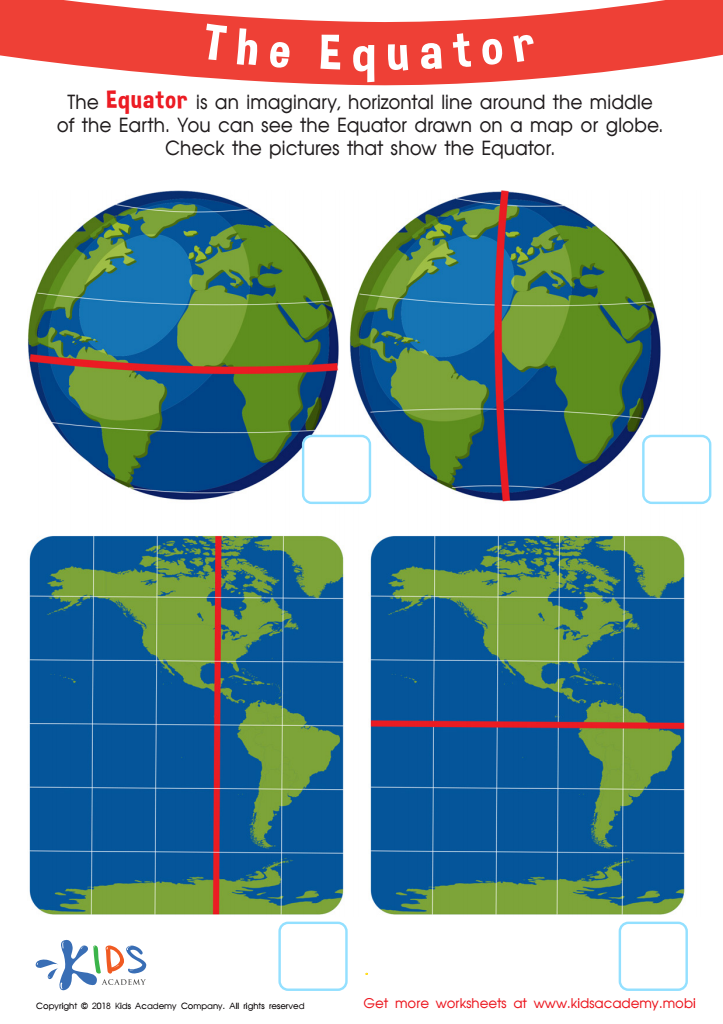
The Equator Worksheet
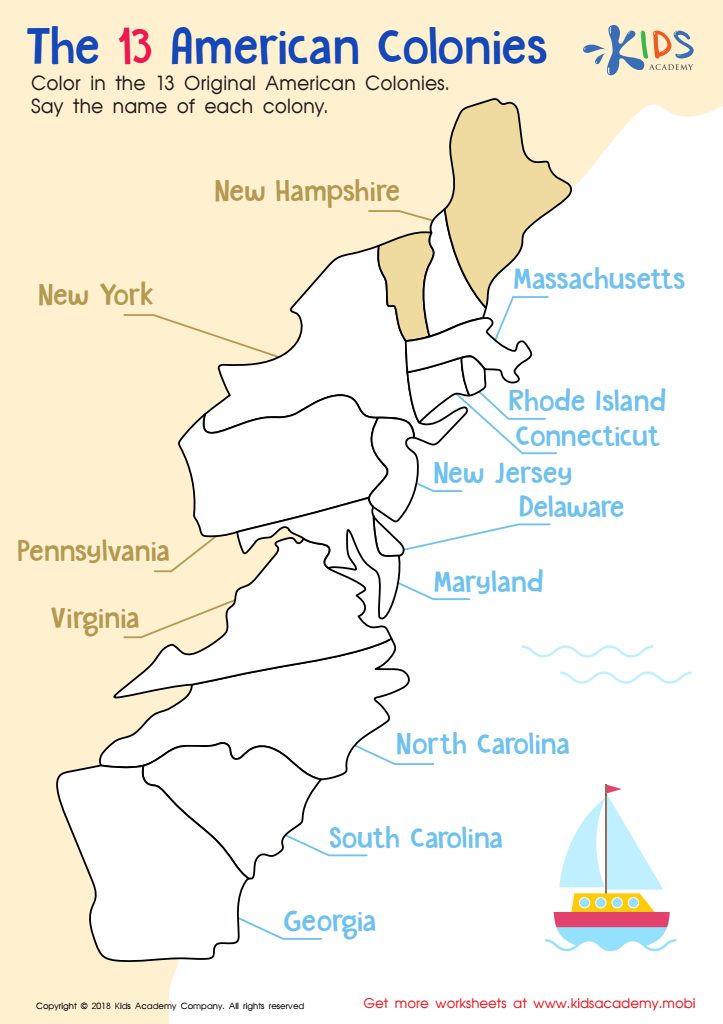
The 13 American Colonies Worksheet
 Assign to My Students
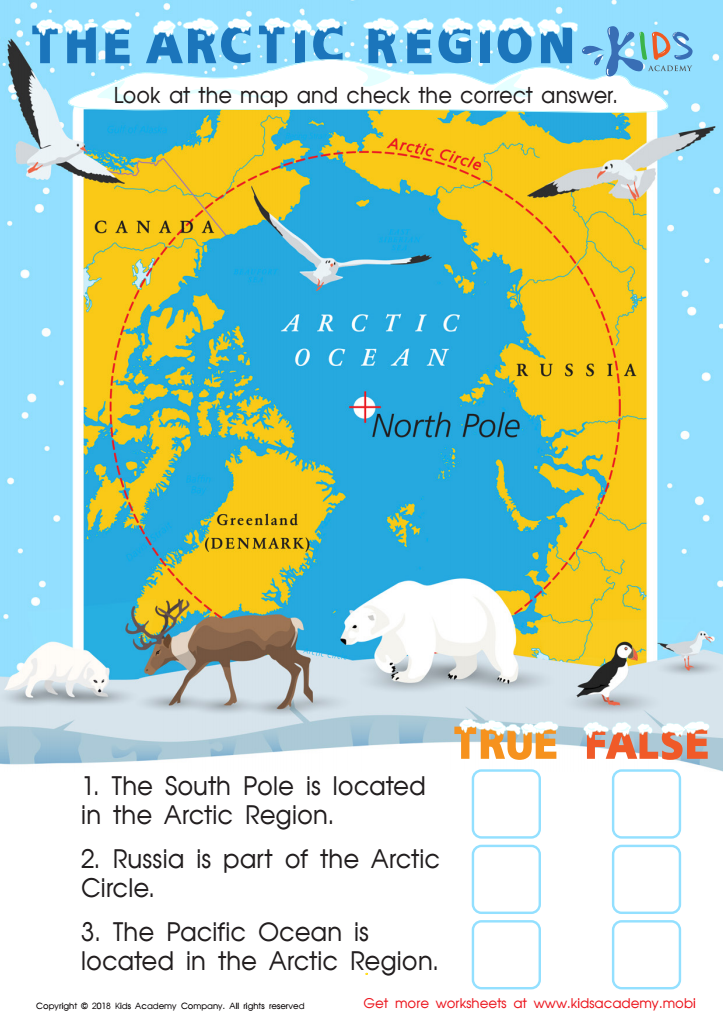
The Arctic Region Worksheet





Parents and teachers should prioritize geographic knowledge in early social studies education for children aged 4-8 because it lays a crucial foundation for their understanding of the world. At this stage, children's brains are highly receptive to new information, and learning about geography helps them develop essential cognitive and analytical skills.
Firstly, geographic knowledge helps young learners comprehend basic concepts about the world, such as the different countries, landscapes, and cultures. This awareness fosters their curiosity and broadens their perspective beyond their immediate surroundings. When children explore maps, globes, and cultural stories, they cultivate an appreciation for diversity and learn to respect differences, which is vital in today’s globalized society.
Secondly, early exposure to geography supports other areas of learning. It enhances spatial awareness, which is crucial for subjects like math and science. Understanding geographic terms and concepts also improves literacy as children encounter new vocabulary.
Moreover, geographic knowledge encourages critical thinking and problem-solving skills. It helps children understand natural phenomena, like weather patterns and seasons, which lays groundwork for environmental education and awareness about sustainability.
In summary, incorporating geography into social studies for young learners enriches their educational experience, promotes cross-disciplinary skills, and prepares them to become informed and compassionate global citizens.