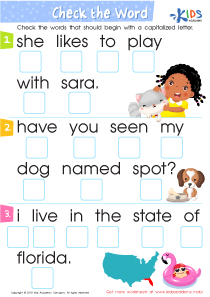
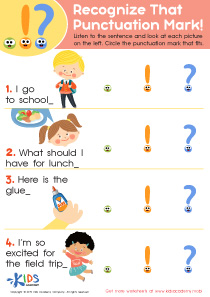
Noun identification Normal Writing Worksheets for Ages 4-8
3 filtered results
-
From - To
Enhance your child's language skills with our engaging Noun Identification Normal Writing Worksheets designed for ages 4-8. These interactive resources make learning fun and effective by helping young learners recognize and categorize nouns through a variety of playful and educational activities. Perfect for early-grade students, our worksheets aim to build a strong foundation in grammar and communication. With vibrant illustrations and easy-to-follow instructions, children will enjoy exploring the world of nouns, preparing them for more advanced writing tasks. Foster a love for learning and watch your child excel with our expertly crafted writing worksheets.
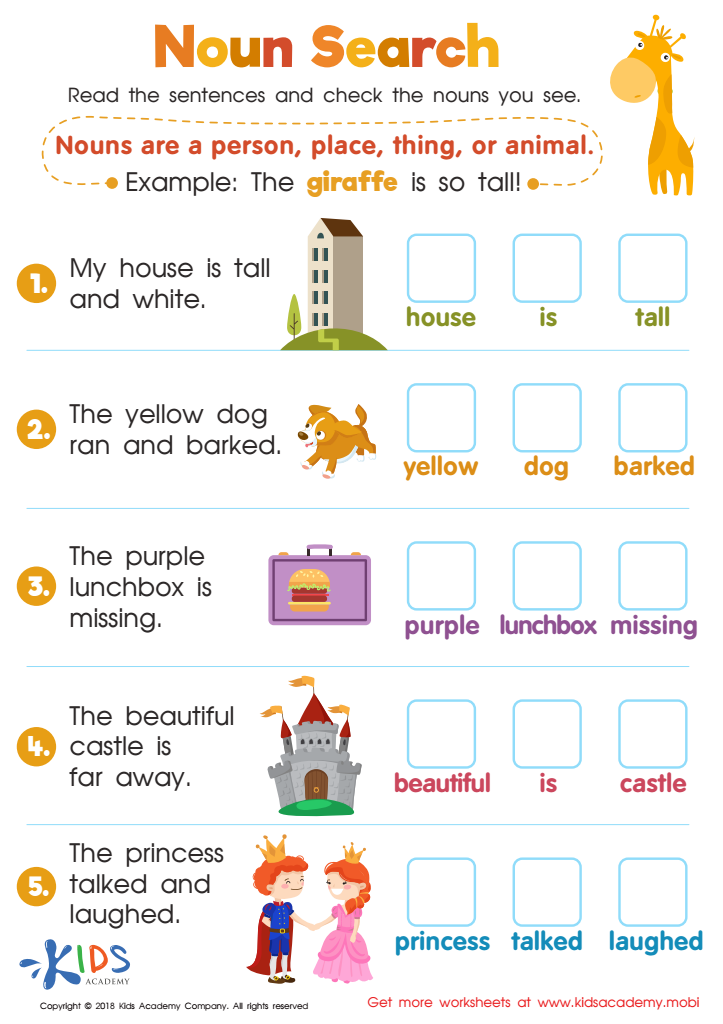
Noun Search Worksheet
 Assign to My Students
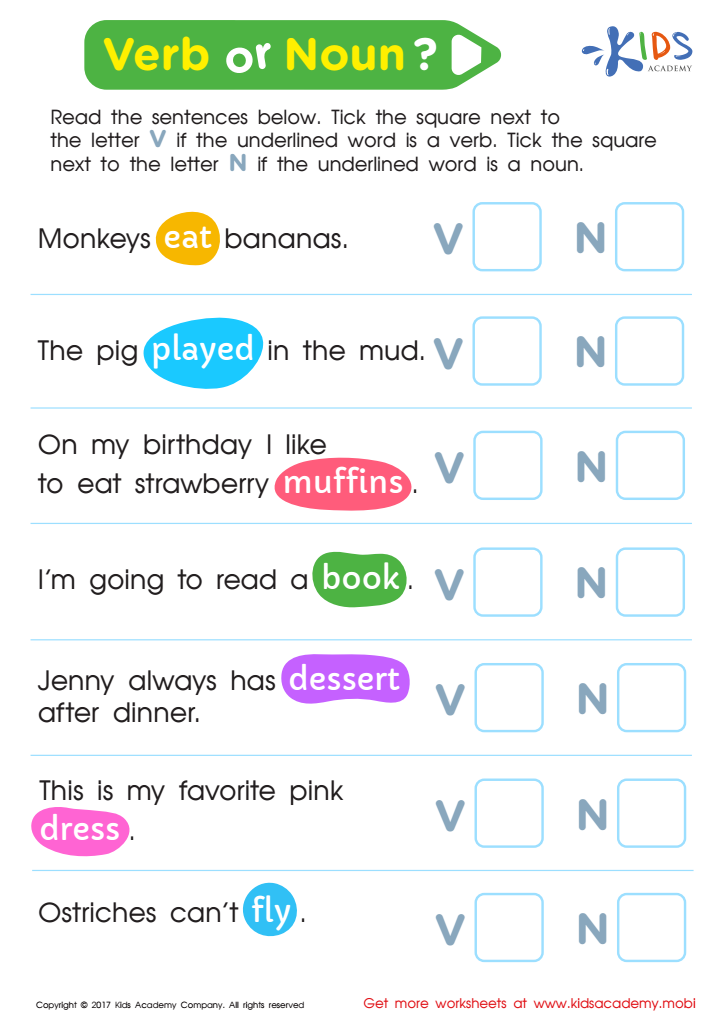
Verb or Noun Worksheet
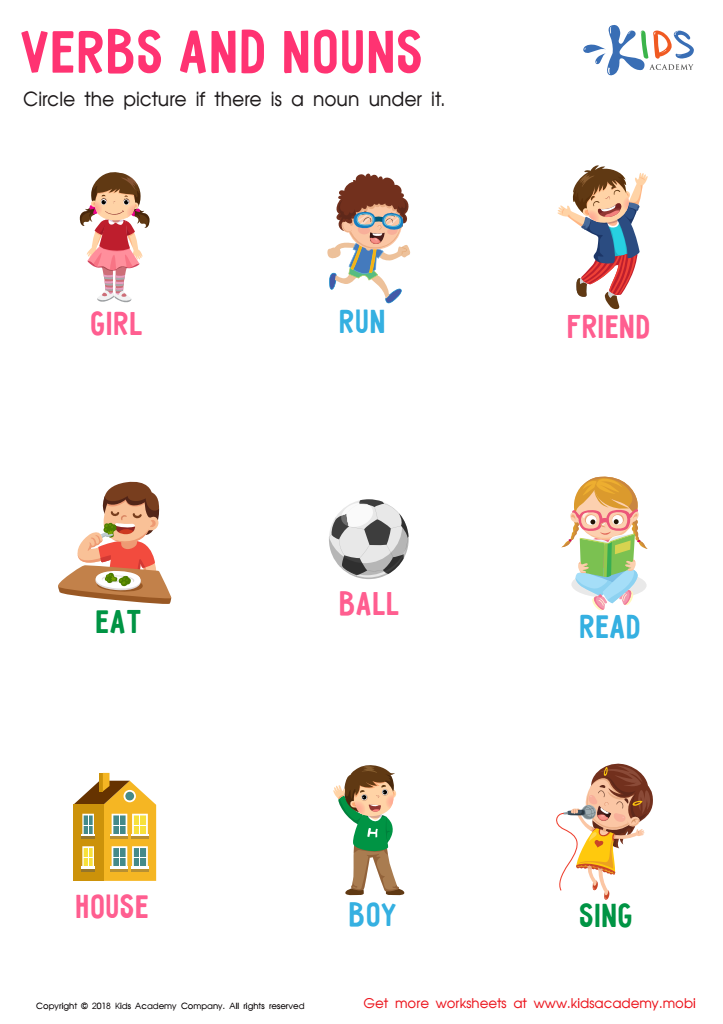
Verbs and Nouns Worksheet


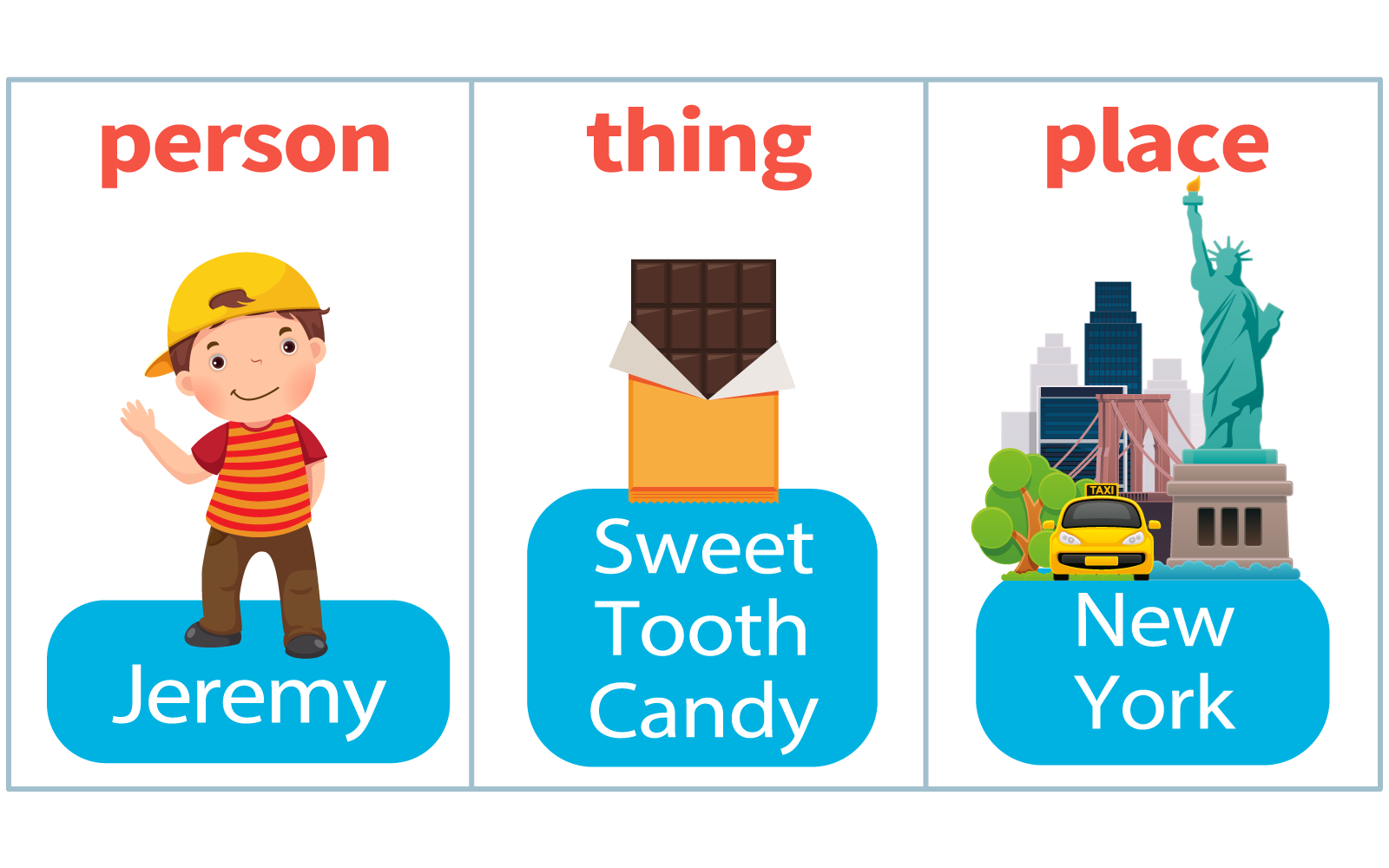



Understanding nouns and their identification is foundational to early language development in children aged 4-8. Nouns - words that name people, places, things, or ideas - form the building blocks of communication and literacy. When young learners can identify nouns, they can better comprehend and construct sentences. This foundational grammar skill bolsters their ability to express thoughts clearly and accurately.
Parents and teachers play pivotal roles in nurturing this skill, as early mastery of noun identification can spark improved reading comprehension, leading to more enjoyable and meaningful reading experiences. Children who are adept at recognizing nouns are often more confident in their verbal interactions, both in the classroom and in everyday conversations. This confidence promotes a positive attitude towards learning and reduces frustration associated with literacy challenges.
Furthermore, understanding nouns supports cognitive development as children categorize and connect information, enhancing memory and organizational skills. Recognizing this significance, attentive adults can incorporate engaging activities, such as reading stories, interactive games, and everyday conversations, to spotlight nouns and enrich their language environment. By investing time in this area, parents and teachers provide children with essential tools that pave the way for future academic success and effective communication.