Phonics recognition Normal Writing Worksheets for Ages 4-8
3 filtered results
Difficulty Level
Grade
Age
-
From - To
Subject
Activity
Standards
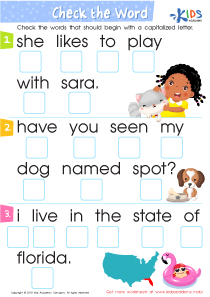
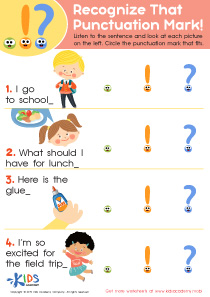
Enhance your child’s literacy skills with our Phonics Recognition Normal Writing Worksheets for ages 4-8! Designed to support young learners, these engaging worksheets help kids master phonics through fun exercises that blend learning and creativity. Each activity focuses on recognizing sounds, building vocabulary, and improving writing abilities, making phonics enjoyable and accessible. Our worksheets are tailored to fit the developmental stages of early readers, ensuring they gain confidence in their reading and writing skills. Perfect for home or classroom use, these resources provide a solid foundation for lifelong learning. Start your child’s literacy journey today with our comprehensive phonics worksheets!
Favorites
With answer key
Interactive
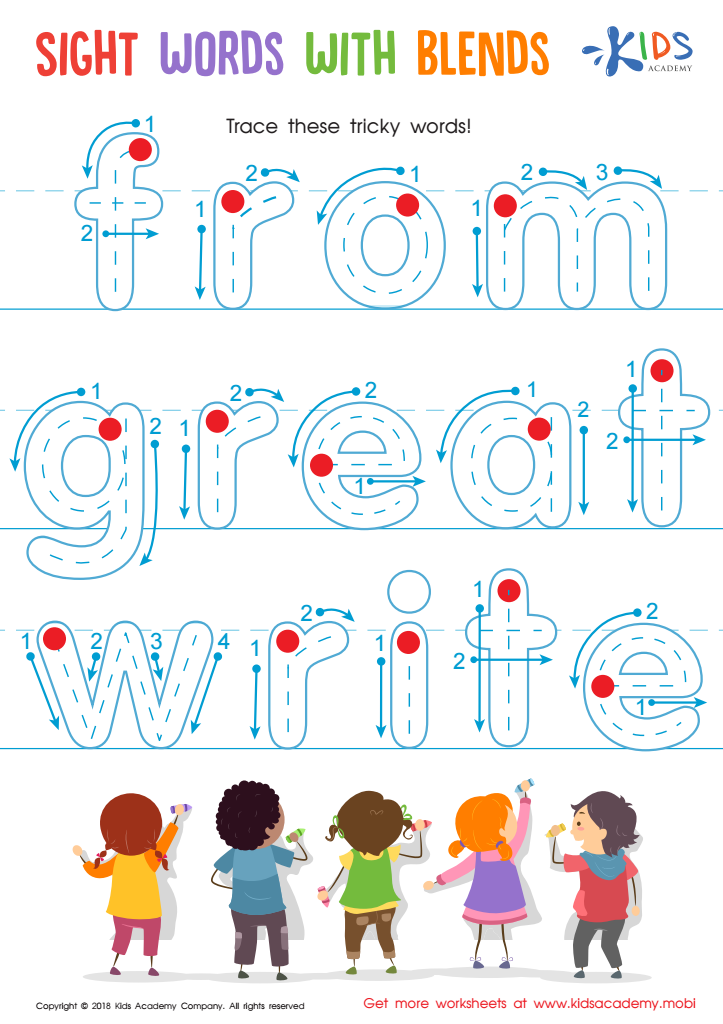
Sight Words with Blends Worksheet
This free PDF lets your children trace and write sight words with tricky blends. The guide numbers help them start from the top, building fine motor skills and enhancing sight word vocab. It's a great way to give your kids a solid foundation for reading!
 Assign to My Students
Sight Words with Blends Worksheet
Worksheet
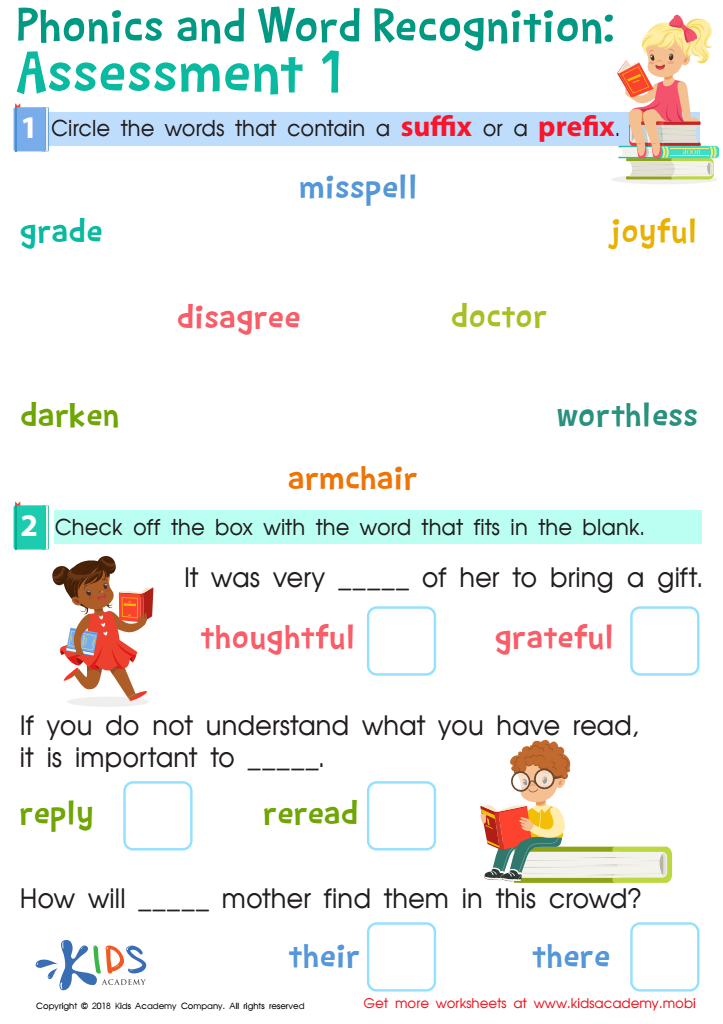
Phonics and Word Recognition: Assessment 1 Worksheet
Explain prefixes (words added to start of another word to give it a new meaning) and suffixes (added to end of word to change its meaning) to your kids with examples like 'unhappy' (prefix) and 'forgetful' (suffix). Now, help your child complete this worksheet, including circling words and checking boxes.
Phonics and Word Recognition: Assessment 1 Worksheet
Worksheet
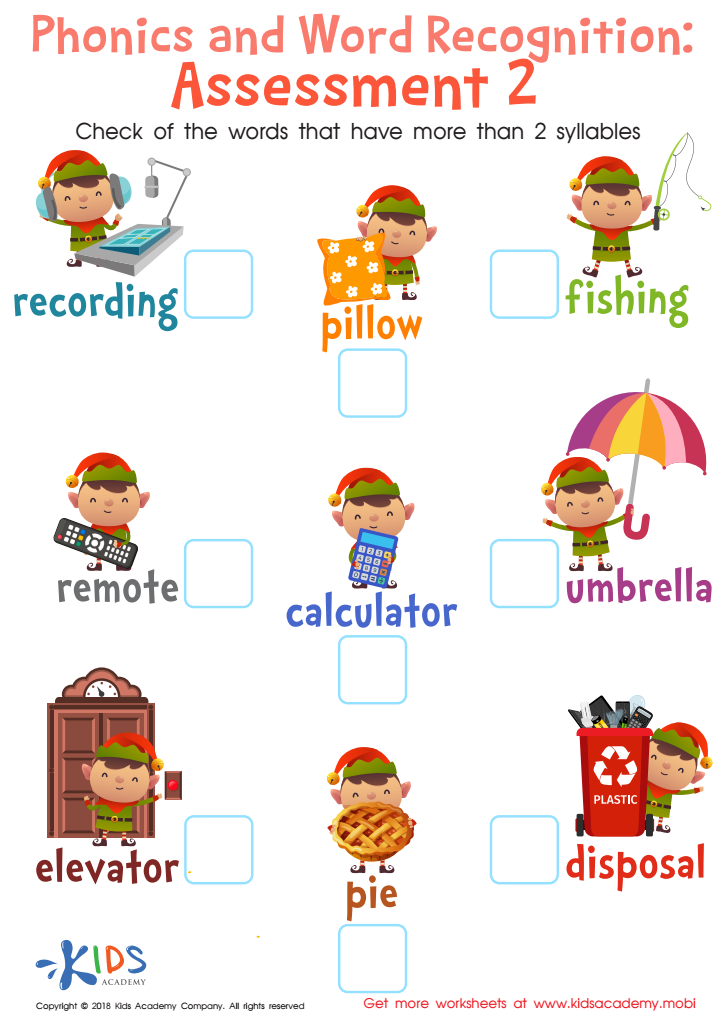
Phonics and Word Recognition: Assessment 2 Worksheet
Help your kids learn proper pronunciation by counting syllables. Most words they'll encounter have 1-3 syllables, making them simple to say. Have them repeat the words in your worksheet after you. Focus on longer words with more than two syllables.
Phonics and Word Recognition: Assessment 2 Worksheet
Worksheet
Join Kids Academy for Free
Who is primarily going to use this learning content?








Phonics recognition is a crucial aspect of early literacy for children aged 4-8, and both parents and teachers should prioritize it. Understanding phonics—the relationship between letters and their sounds—enables young learners to decode words and improve their reading skills. Mastery of phonics lays the foundation for developing fluency, comprehension, and vocabulary, which are essential for academic success.
By embracing phonics, parents and teachers can help children develop confidence in reading. This confidence often translates into a greater love for reading, encouraging lifelong learning and curiosity. Furthermore, with family involvement in phonics education, children receive reinforcement at home, creating a cohesive learning environment.
Teachers equipped with strong phonics teaching strategies can better support diverse learners, as phonics instruction can be tailored to individual needs. Additionally, providing consistent feedback and encouragement fosters a positive learning experience.
In today’s screen-filled world, the ability to read opens doors to countless resources and experiences. By emphasizing phonics recognition, parents and teachers are not only enhancing reading skills but also empowering children to navigate the world more effectively, fostering independence and critical thinking. Ultimately, promoting phonics recognition is essential for paving the way for a child’s future academic and personal success.