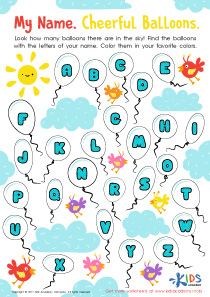
Fine Motor Skills Normal ABC Order Worksheets for Ages 4-9
11 filtered results
-
From - To
Introducing our "Fine Motor Skills Normal ABC Order Worksheets" for children aged 4-9! These engaging worksheets are designed to enhance fine motor skills while teaching the foundational concepts of the alphabet. Each worksheet features fun and interactive activities, including tracing, coloring, and cutting, which promote hand-eye coordination and dexterity. Perfect for early learners, these worksheets provide a balanced approach to learning ABC order while keeping kids entertained. Whether at home or in the classroom, your little ones will enjoy mastering their letters in a fun way. Download now and make learning letters a joyful experience!
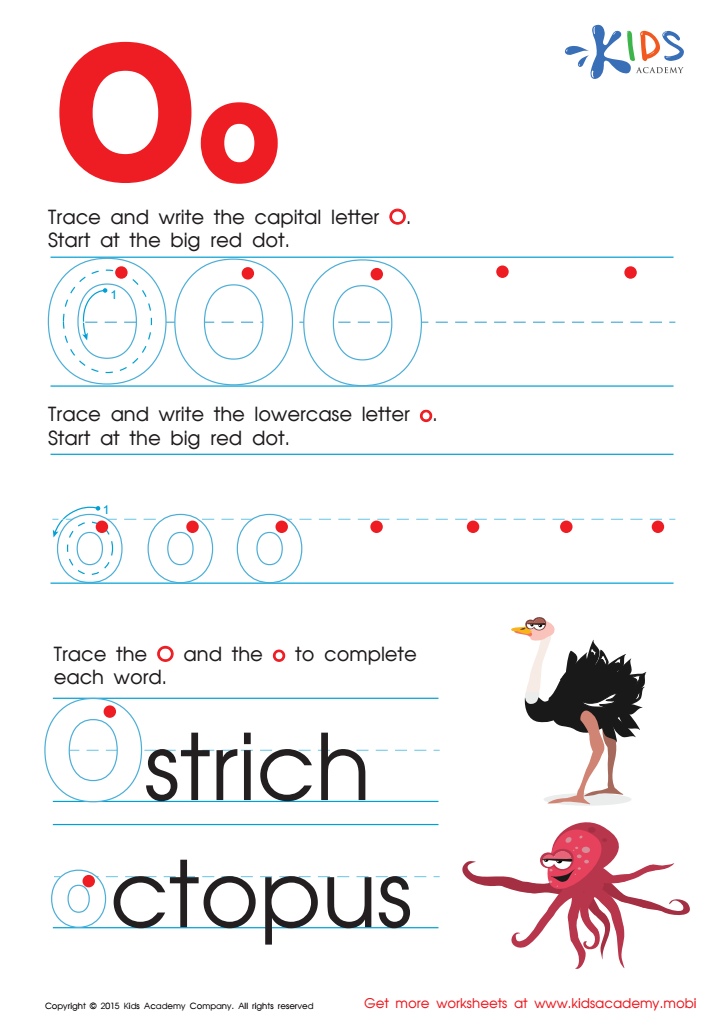
Letter O Tracing Page
 Assign to My Students











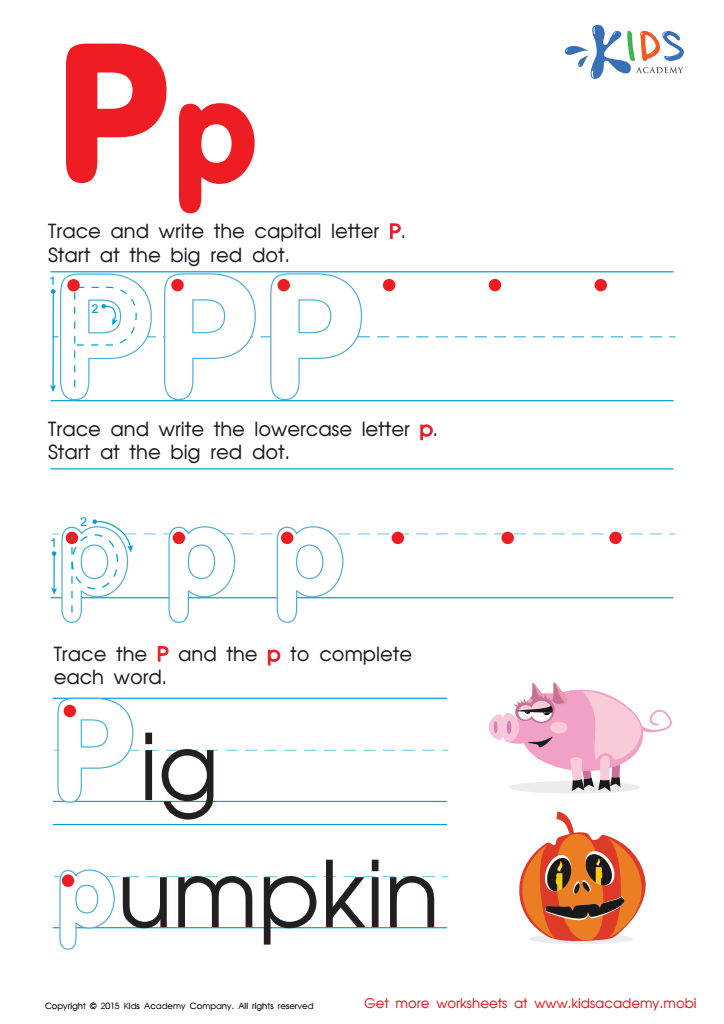
Letter P Tracing Page
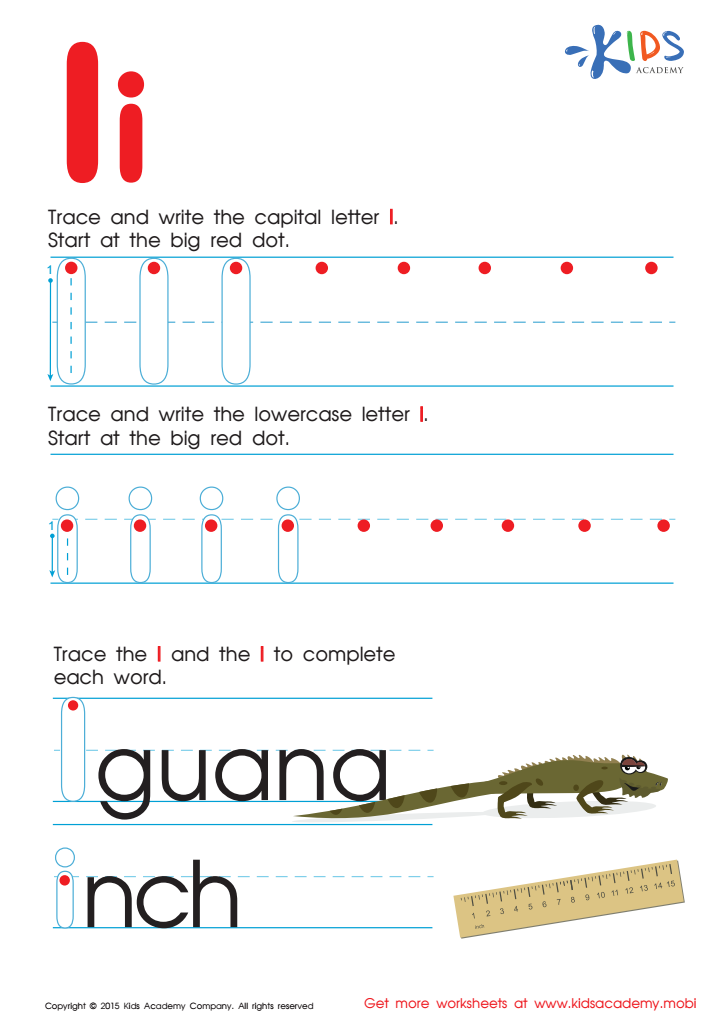
Letter I Tracing Page
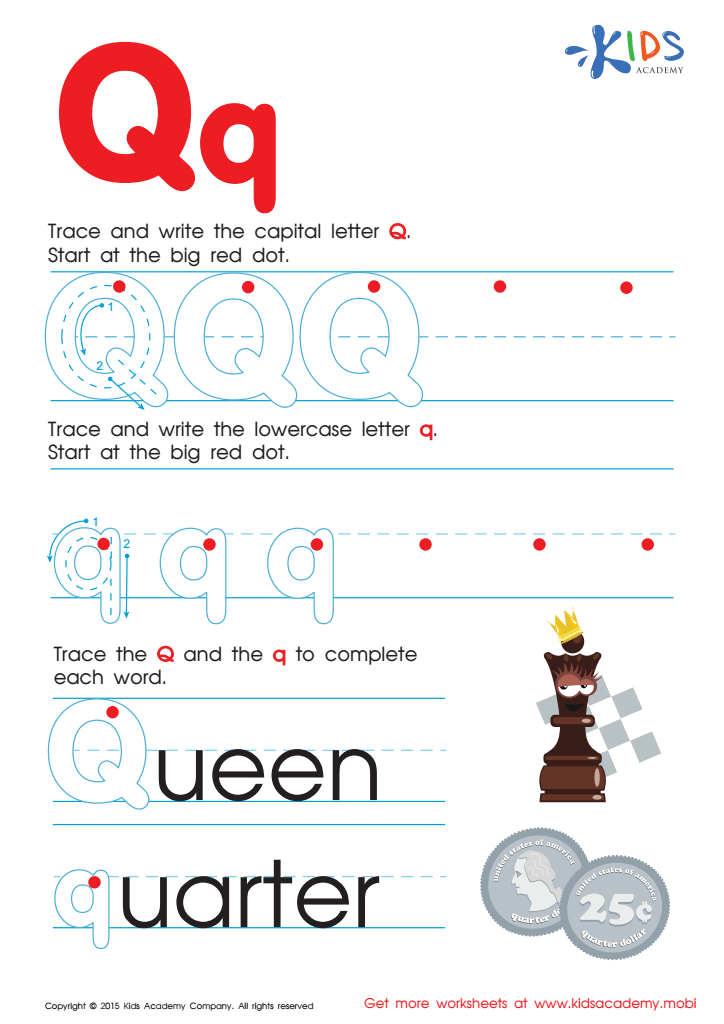
Letter Q Tracing Page
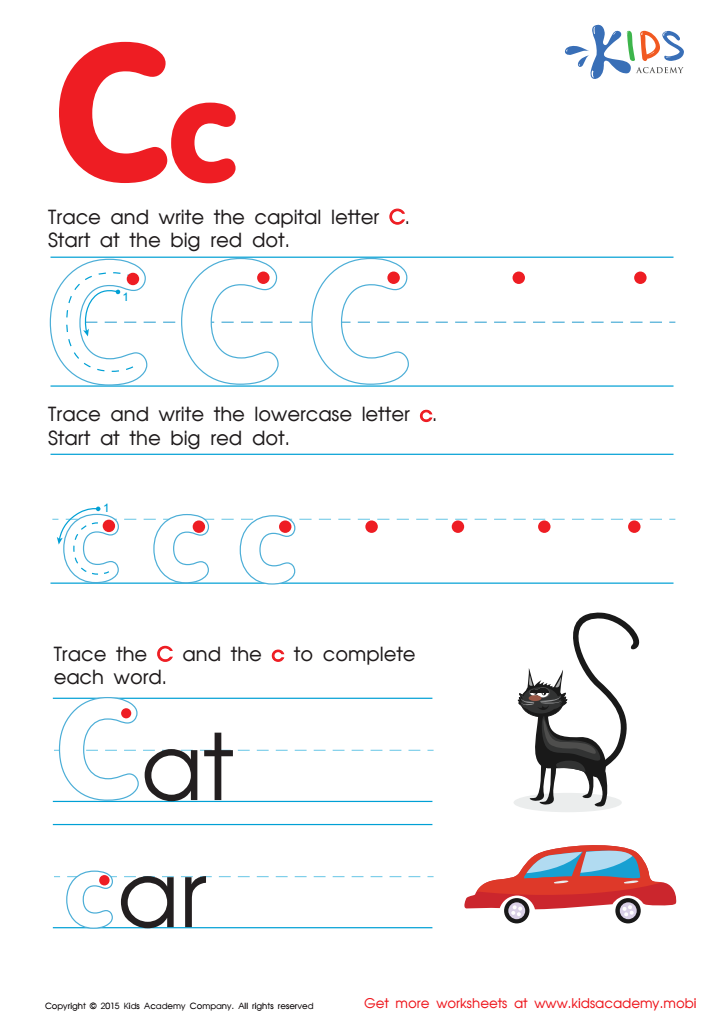
Letter C Tracing Page
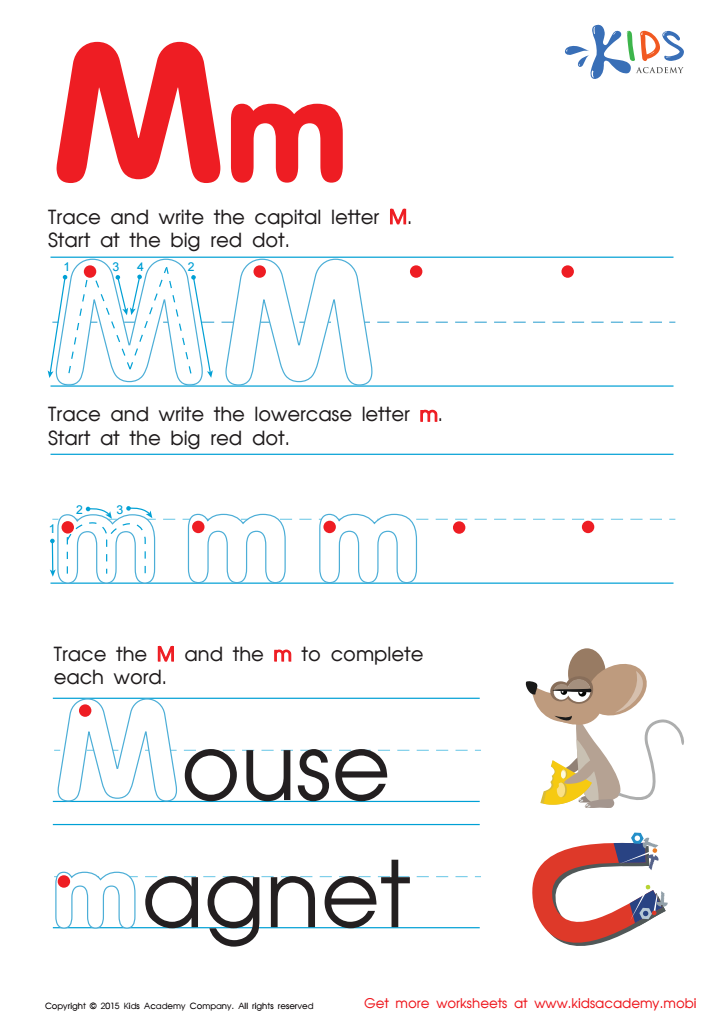
Letter M Tracing Page
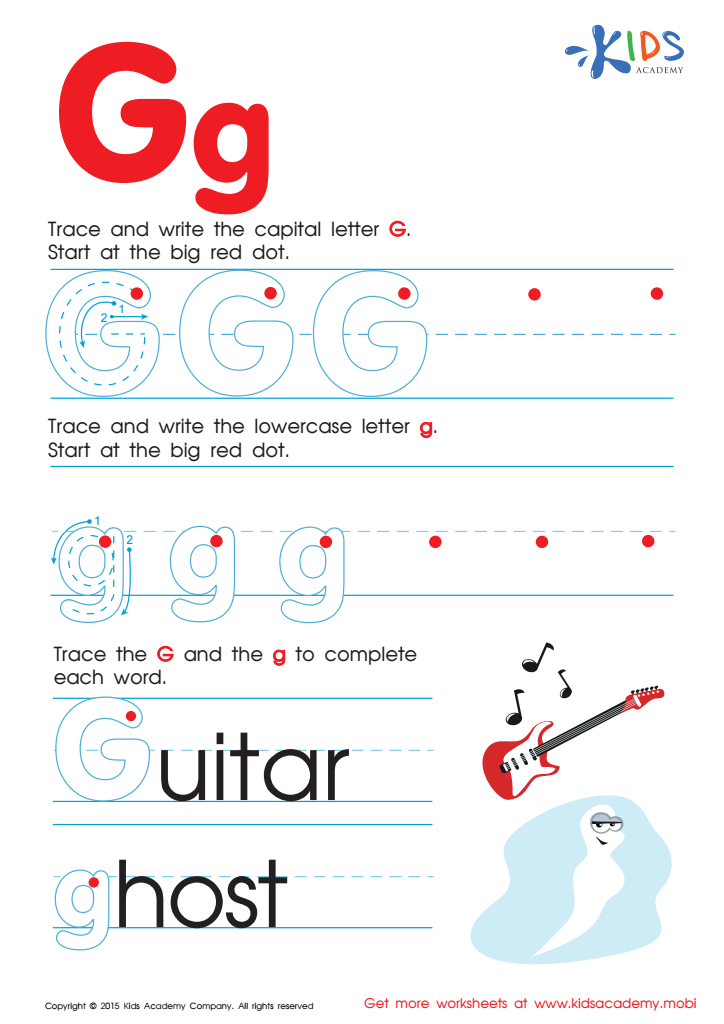
Letter G Tracing Page
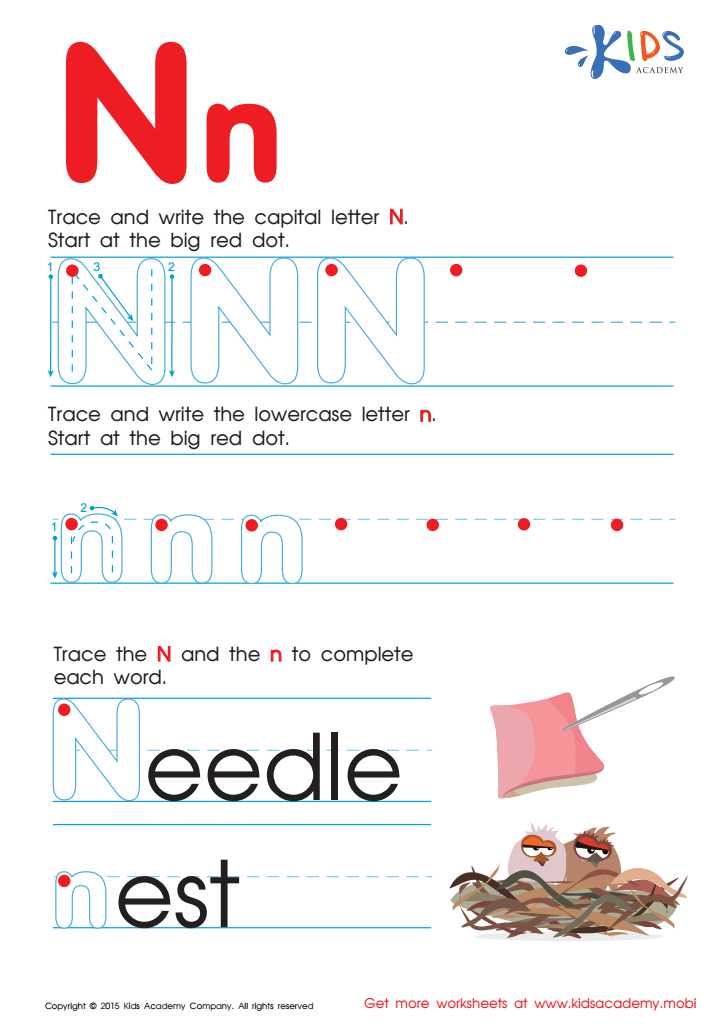
Letter N Tracing Page
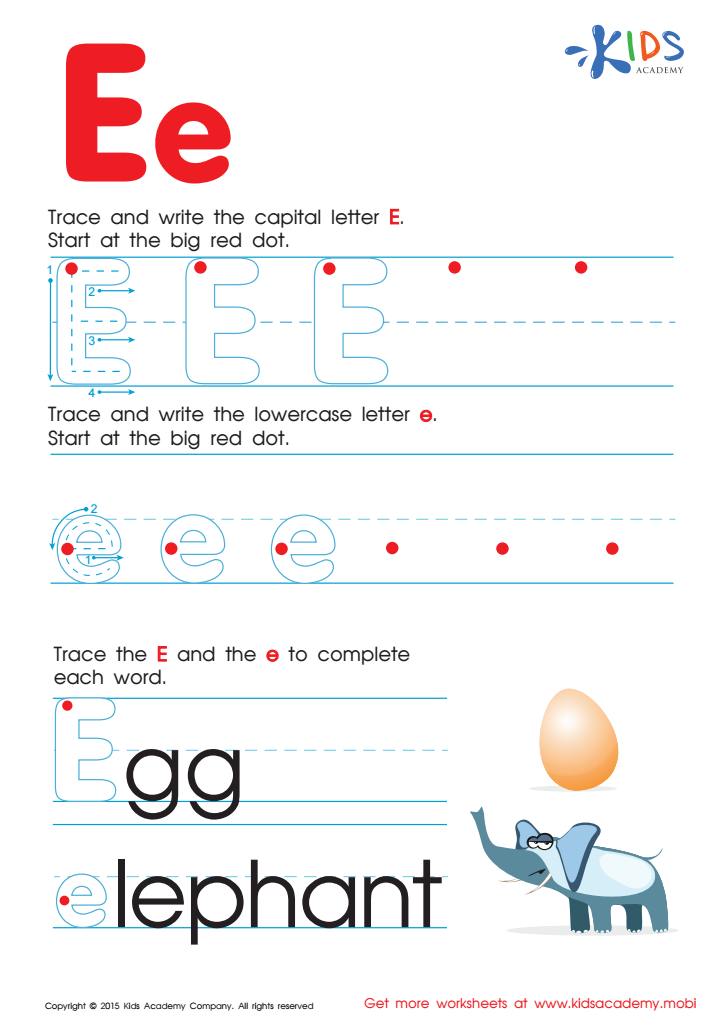
Letter E Tracing Page
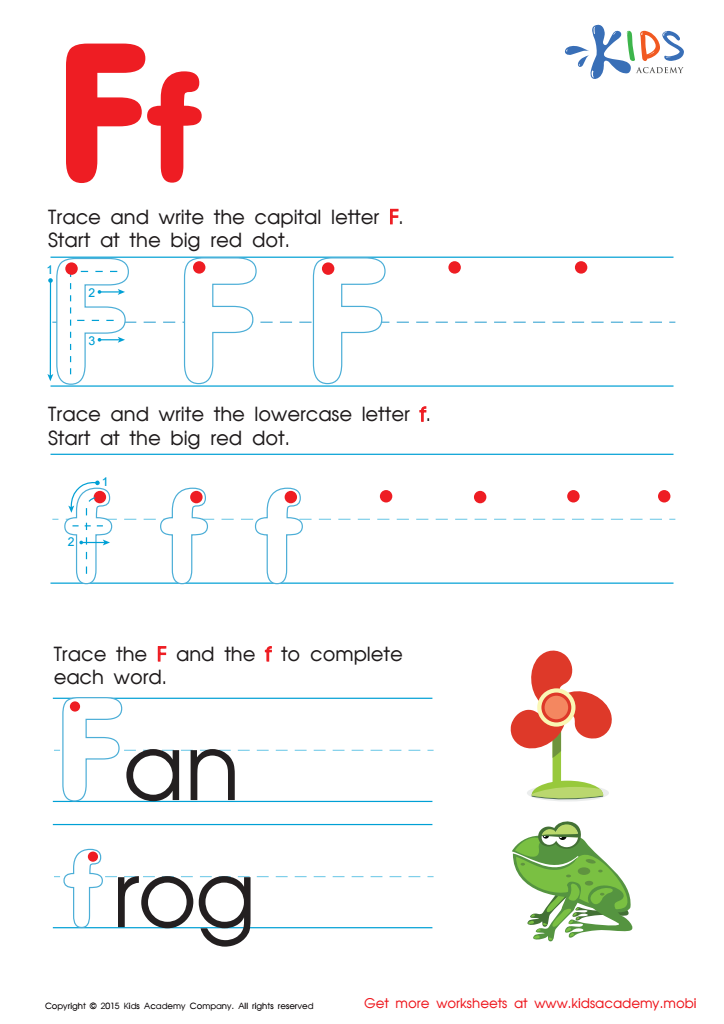
Letter F Tracing Page

Letter D Tracing Page







Fine motor skills are essential for children aged 4-9 as they form the foundation for numerous everyday tasks and academic activities. These skills involve the coordination of small muscle movements in hands and fingers, enabling children to perform actions like writing, using scissors, buttoning shirts, and tying shoelaces. Parents and teachers should prioritize fine motor skills development for several reasons.
First, fine motor skills are crucial for academic success. Writing, drawing, and manipulating classroom materials require dexterity that can profoundly affect a child's ability to express themselves and engage with learning activities. Second, these skills promote independence; as children master tasks like self-feeding or dressing, they gain confidence and a sense of achievement.
Moreover, finely tuned motor skills can enhance cognitive development, as activities involving hands and fingers often correlate with problem-solving and critical thinking. Engaging in a variety of hands-on experiences fosters creative thinking and adaptability. Lastly, with the rise of technology, developing fine motor skills also allows children to effectively interact with various tools, from tablets to traditional learning materials.
In summary, nurturing fine motor skills is vital for helping children navigate their world more effectively, both academically and socially. Parents and teachers can foster these skills through fun, engaging activities that support holistic development.