Phonics recognition Normal Alphabet Worksheets for Ages 4-9
14 filtered results
-
From - To
Discover our engaging Phonics Recognition Normal Alphabet Worksheets designed specifically for children ages 4-9. These printable worksheets offer a fun and interactive way to enhance phonics skills, helping young learners recognize letters, sounds, and build essential reading foundations. Each worksheet is thoughtfully crafted to cater to different learning levels, ensuring kids stay motivated while mastering the alphabet. With lively illustrations and activities, children will enjoy practicing phoneme segmentation, letter sounds, and word recognition. Perfect for homeschooling, classroom use, or supplemental learning, our worksheets provide an enjoyable learning experience that lays the groundwork for literacy success. Start your child’s phonics journey today!
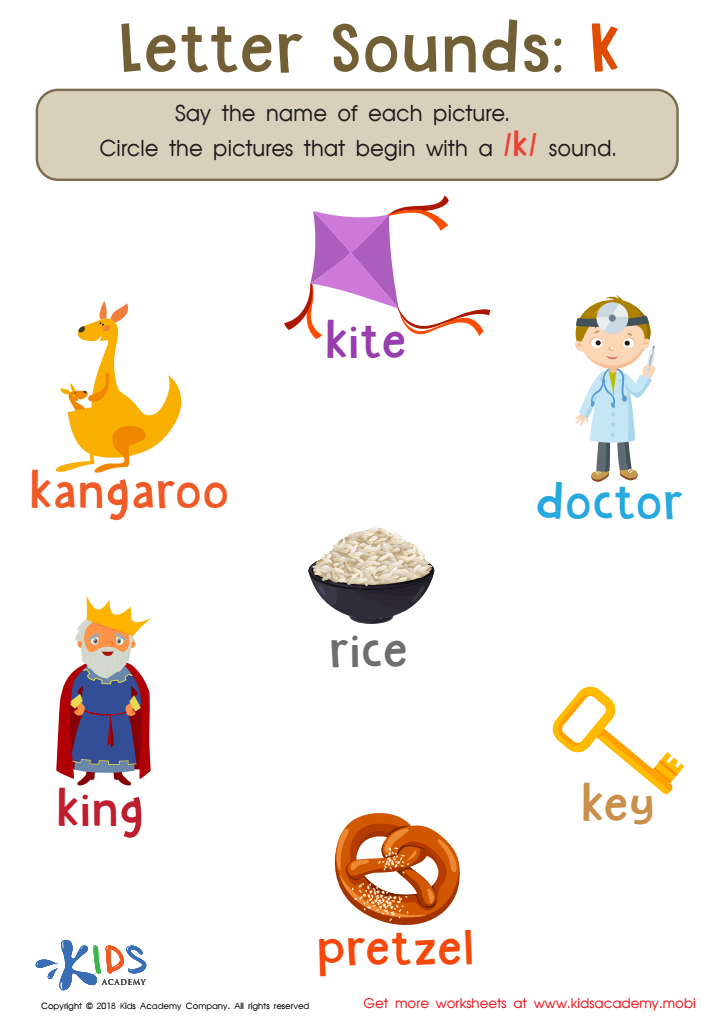
Letter K Sounds Worksheet
 Assign to My Students
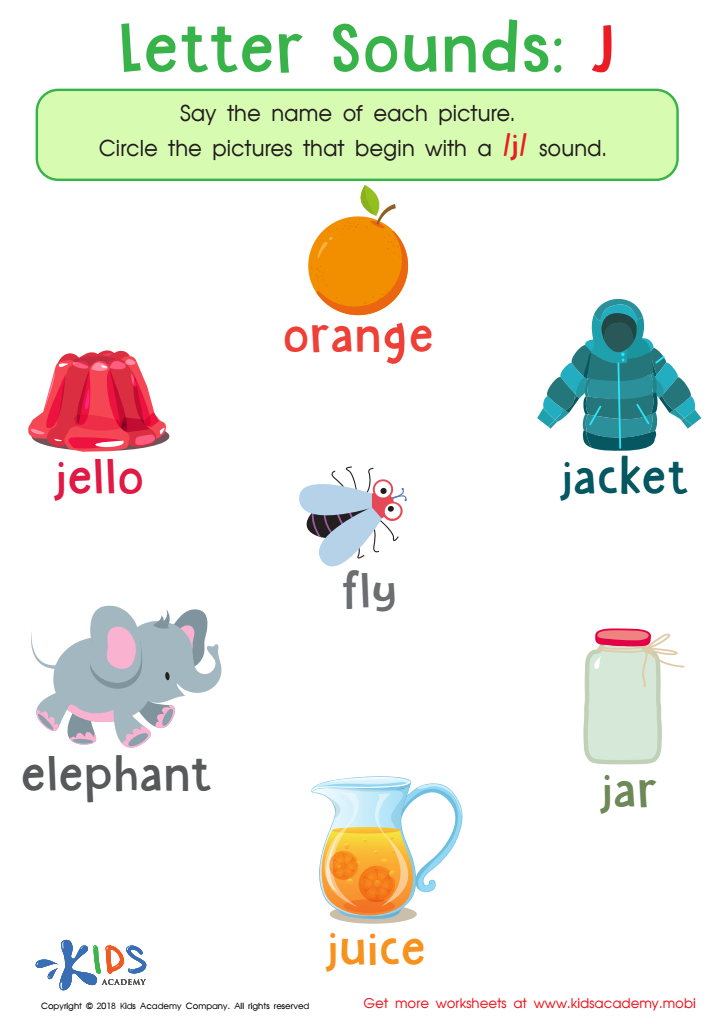
Letter Sounds: J Printable Worksheet
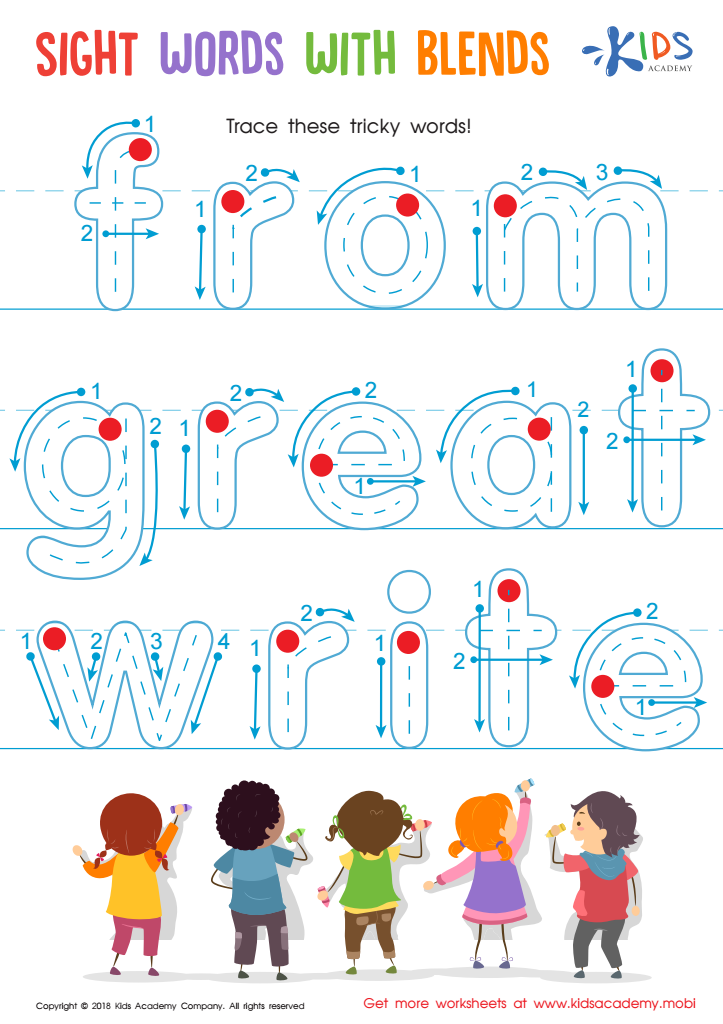
Sight Words with Blends Worksheet
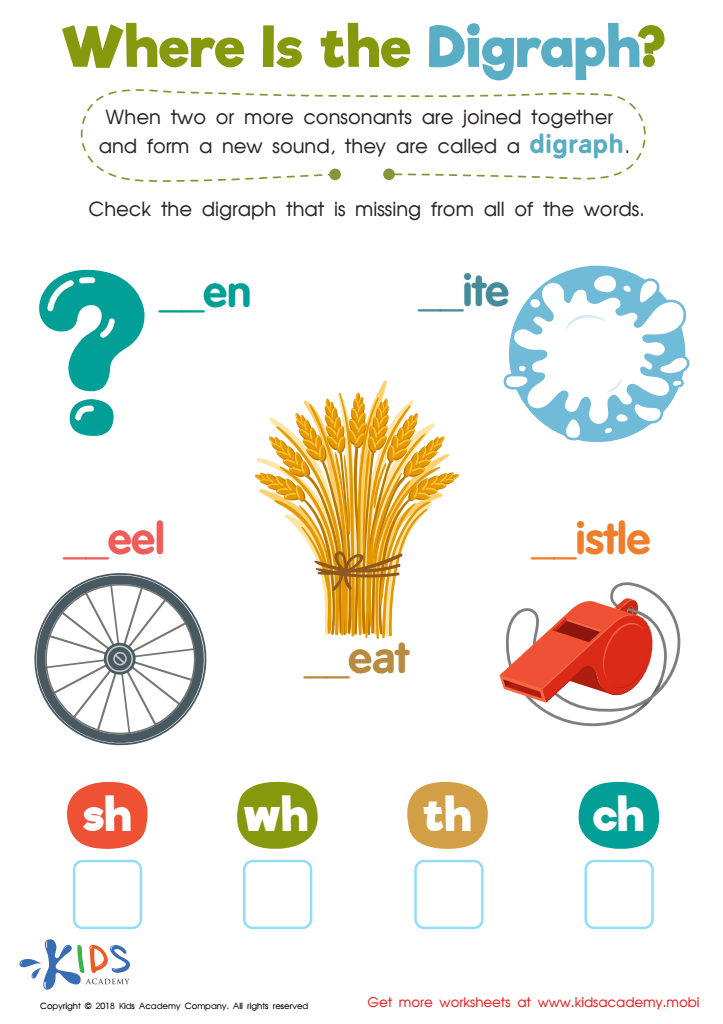
Where Is the Digraph? Worksheet
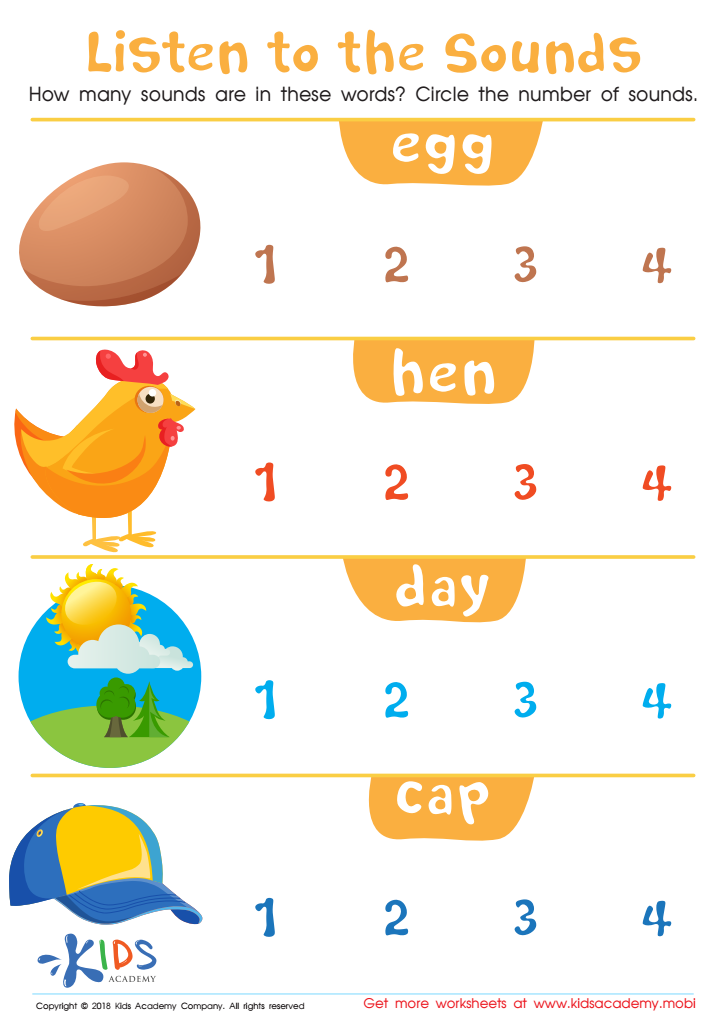
Listen to the Sounds Worksheet
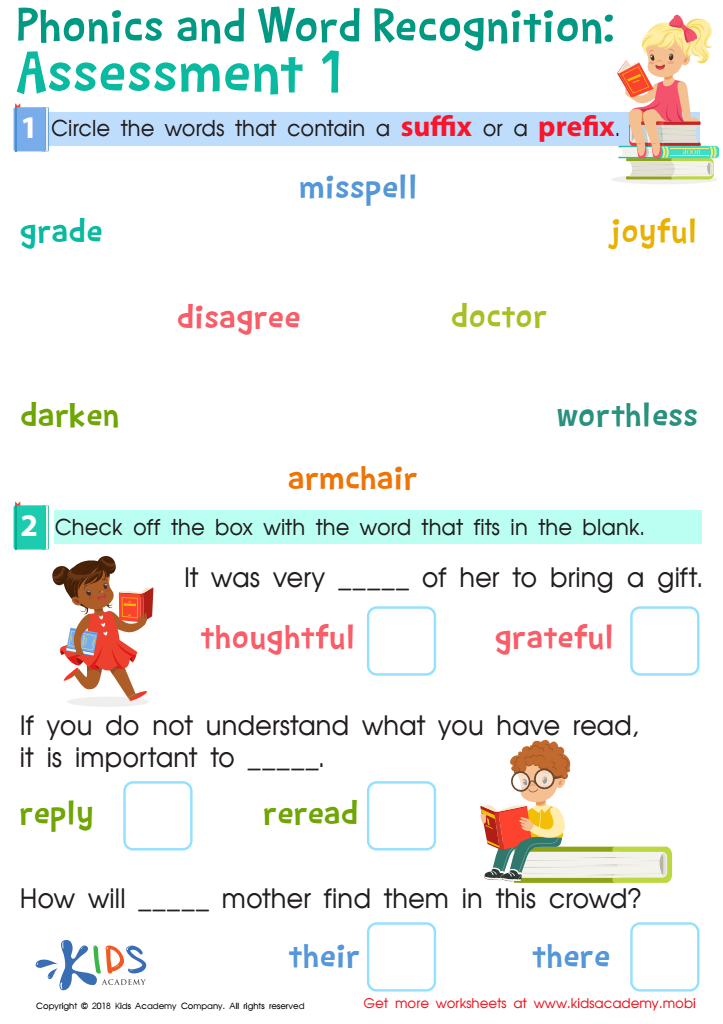
Phonics and Word Recognition: Assessment 1 Worksheet
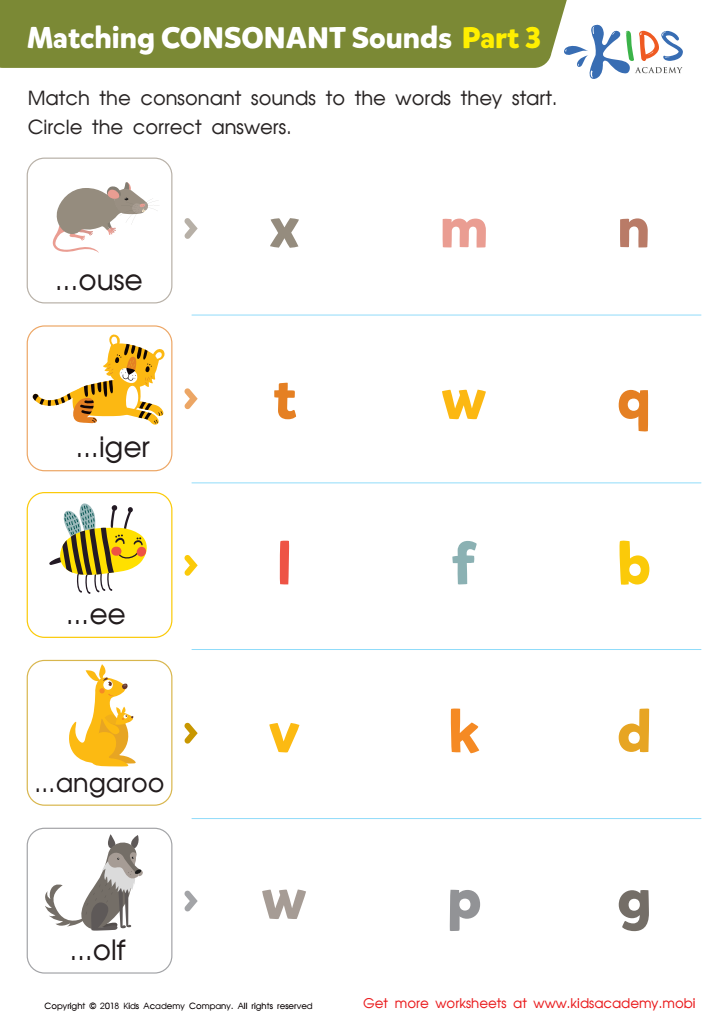
Matching Consonant Sounds: Part 3 Worksheet
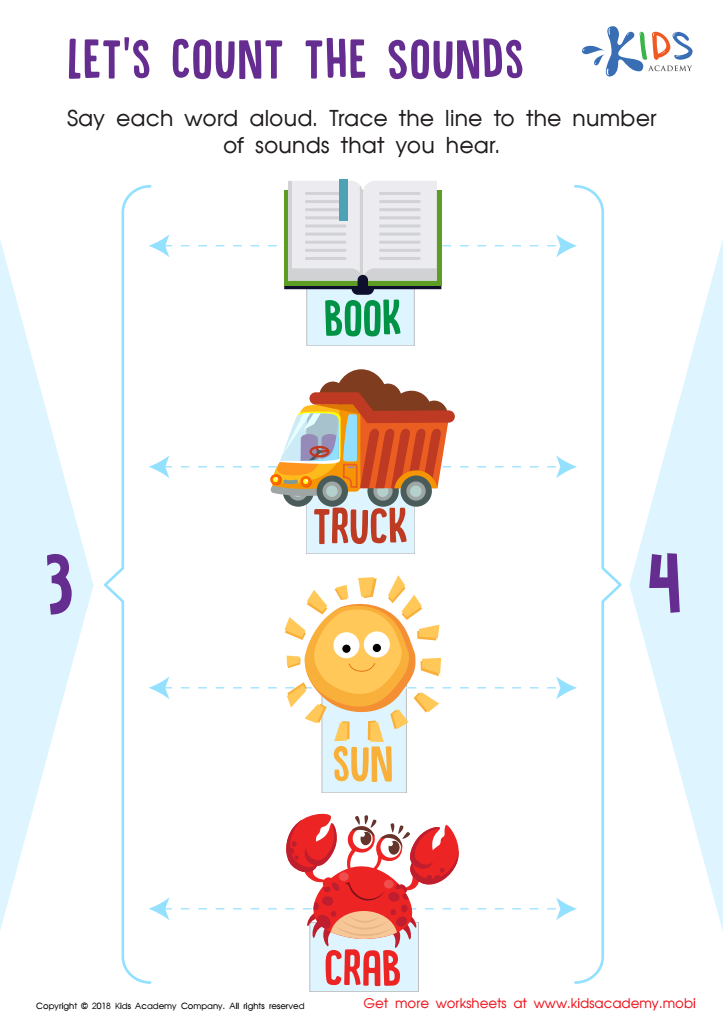
Let's Count the Sounds Worksheet
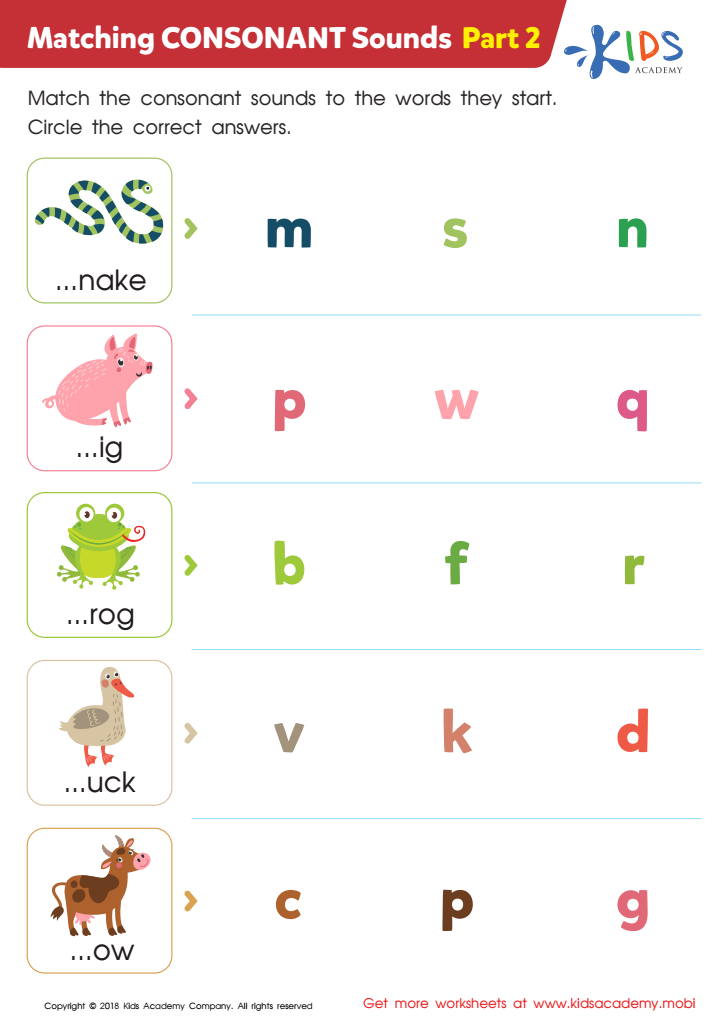
Matching Consonant Sounds: Part 2 Worksheet
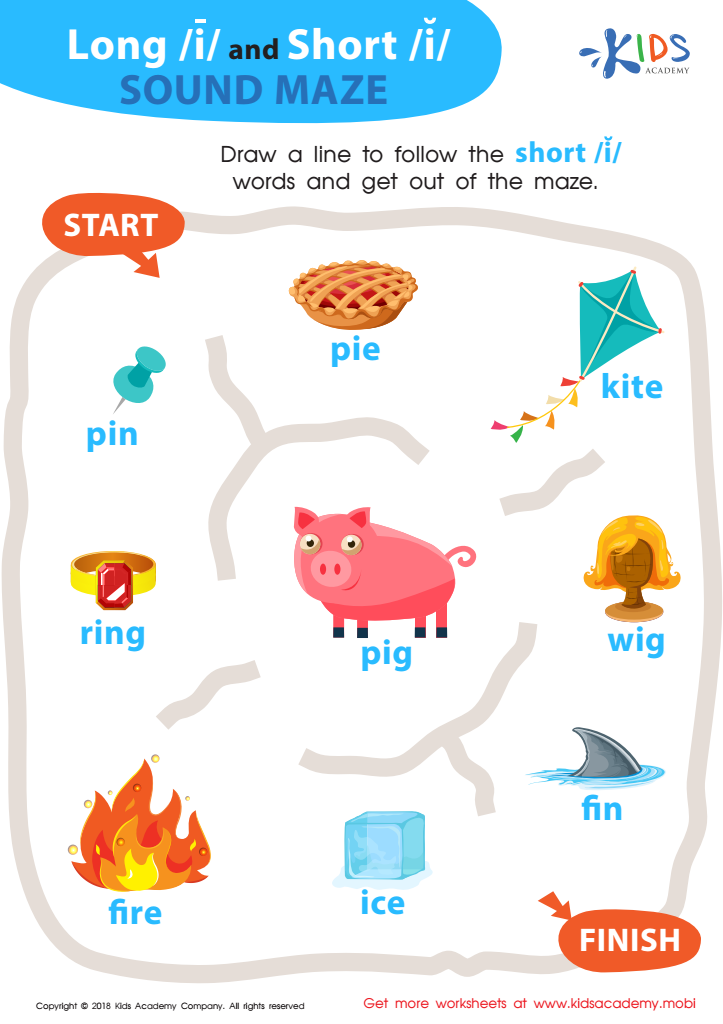
Reading: Long I and Short I Sound Maze Worksheet
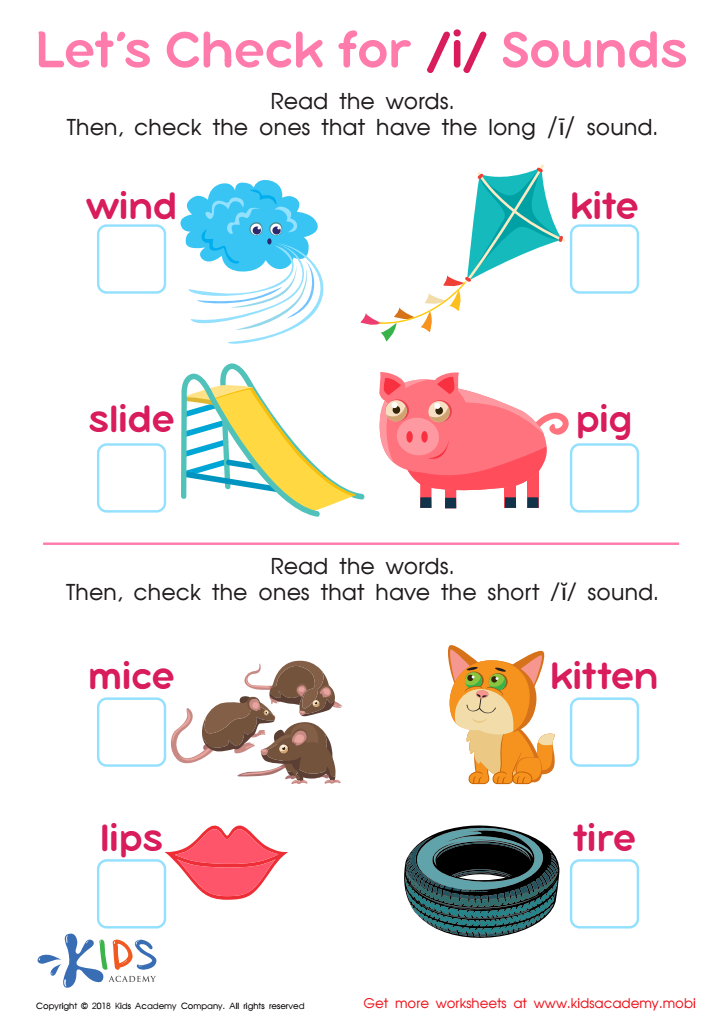
Let's Check for «i» Sounds Worksheet
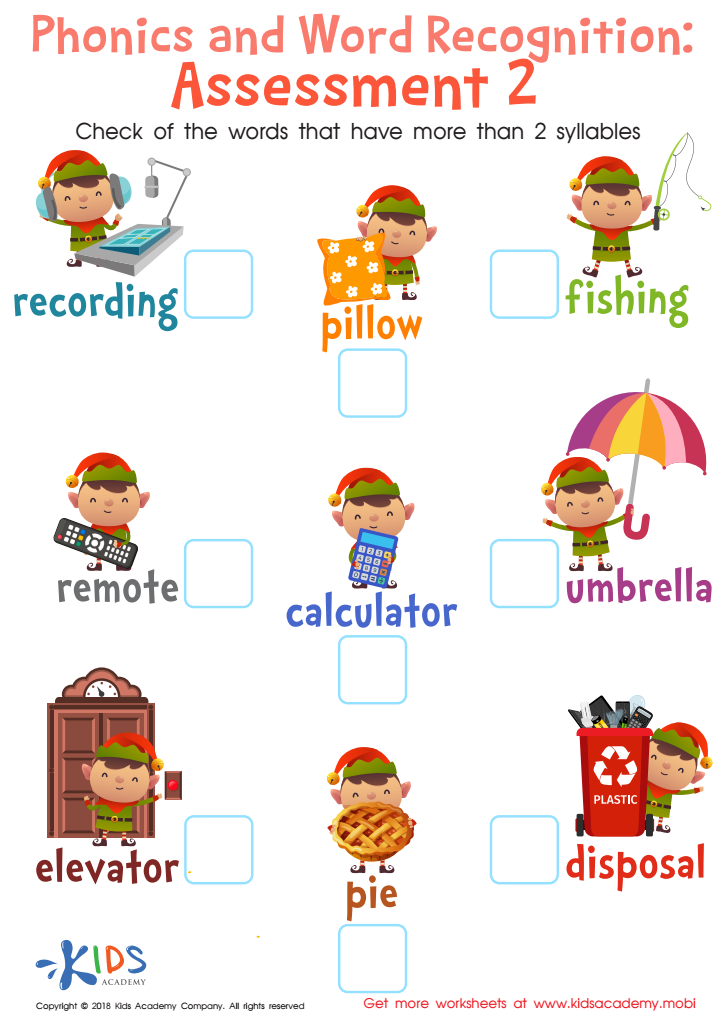
Phonics and Word Recognition: Assessment 2 Worksheet
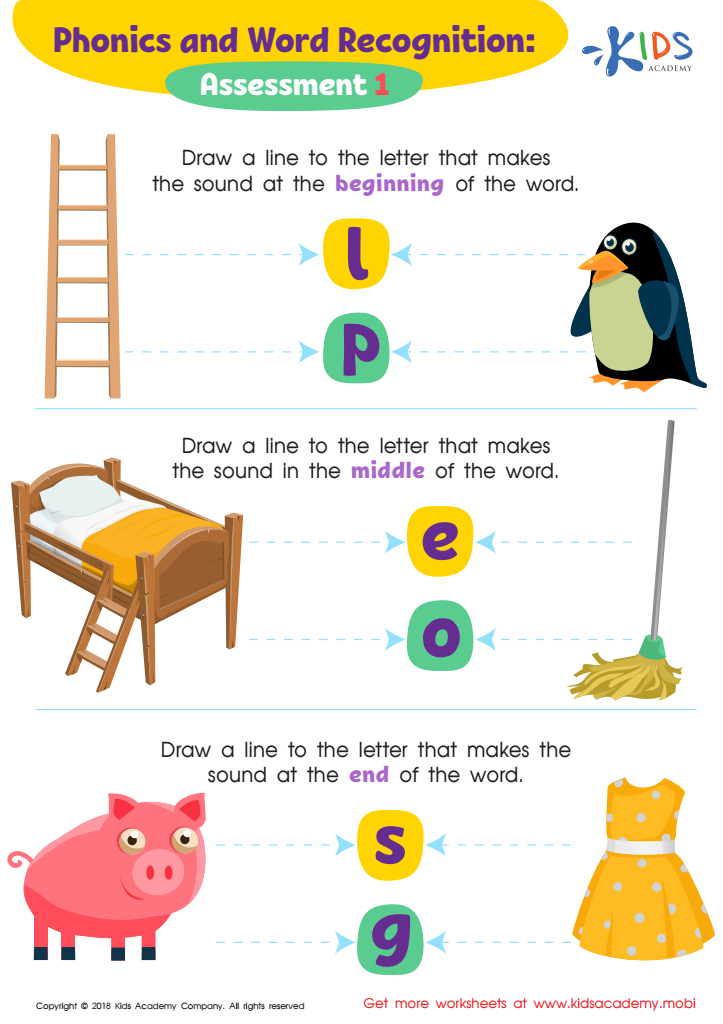
Phonics and Word Recognition: Assessment 1 ELA Worksheet
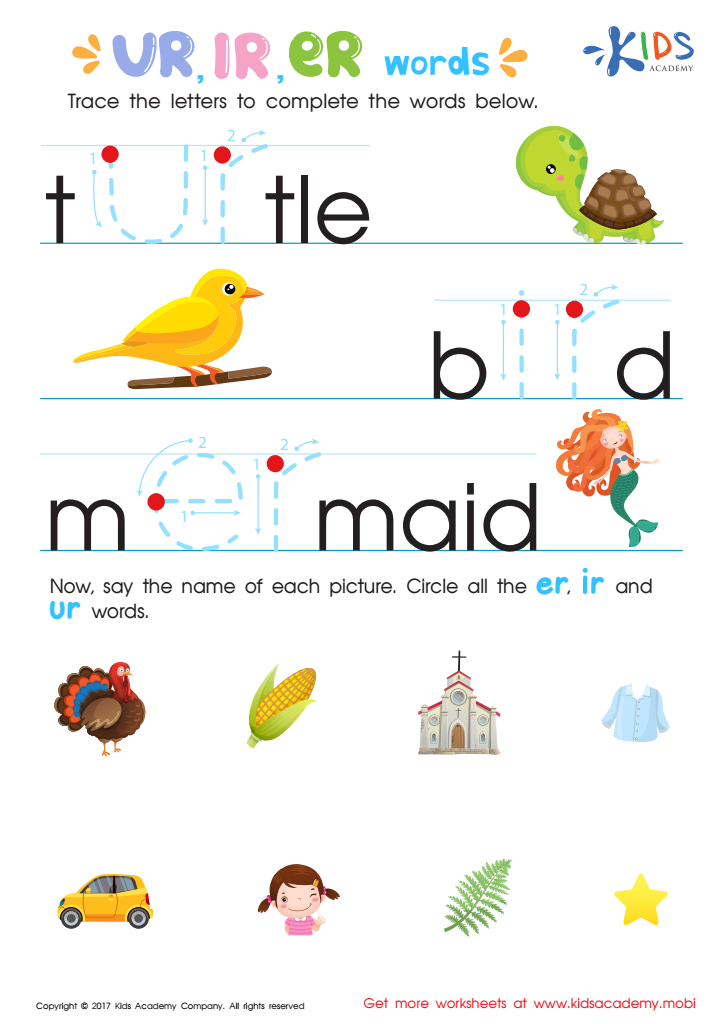
IR UR ER Words Worksheet







Phonics recognition of the normal alphabet is vital for children aged 4-9, laying the foundation for reading and literacy skills that will serve them throughout their lives. Understanding phonics helps children associate letters with the corresponding sounds, enabling them to decode words efficiently. When parents and teachers prioritize phonics recognition, they empower children to tackle reading with confidence and competence.
At this age, children are particularly receptive to learning sounds and visualizing letters. Mastery of phonics not only aids in reading but also enhances spelling and writing abilities, contributing to overall literacy development. Improved phonics skills can lead to better academic performance, fostering a lifelong love for reading.
Additionally, phonics recognition supports cognitive development. Children engage in critical thinking and problem-solving as they learn to connect sounds with letters to form words. It also promotes effective communication skills, essential for social interactions.
Furthermore, encouraging phonics at home and in the classroom can motivate struggling readers. When they gain the tools to decode words successfully, it boosts their self-esteem and encourages a positive attitude toward learning.
In summary, phonics recognition is crucial for children's literacy, cognitive growth, emotional confidence, and overall well-being; efforts to cultivate these skills can have lasting impacts.







