Normal Letter Recognition Worksheets for Ages 4-9 - Page 4
83 filtered results
-
From - To
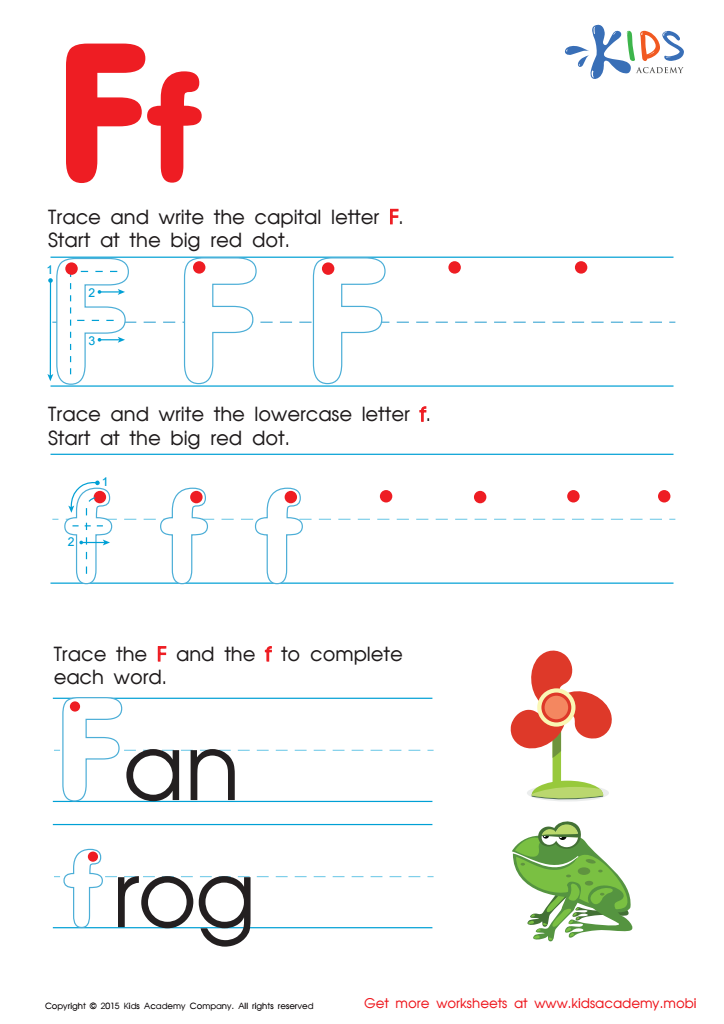
Letter F Tracing Page
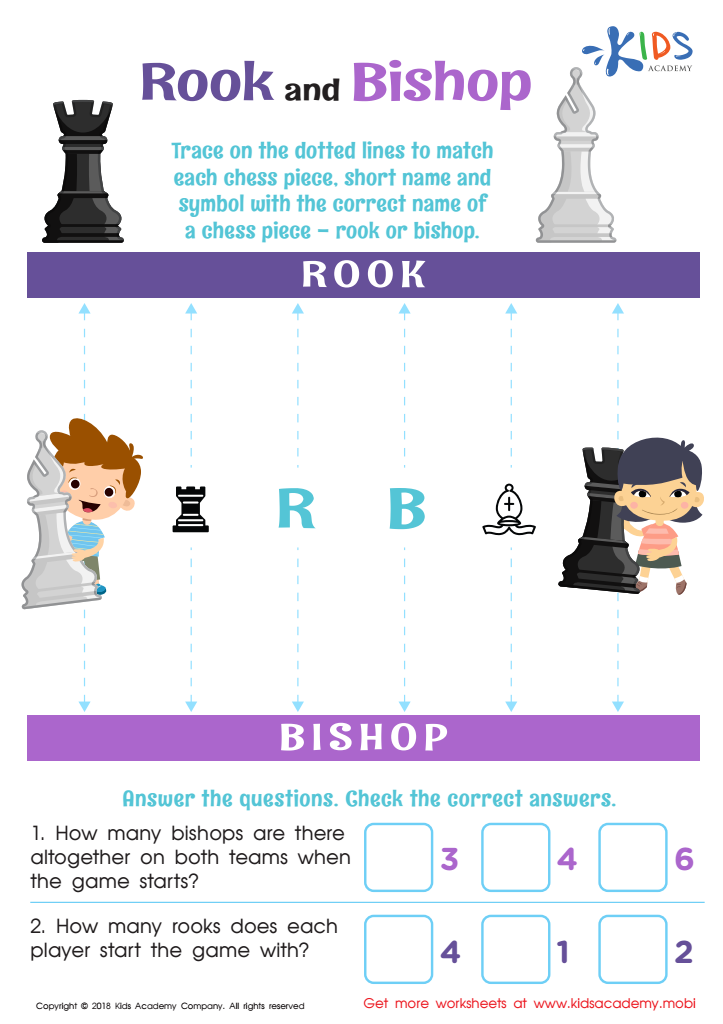
Rook and Bishop Worksheet
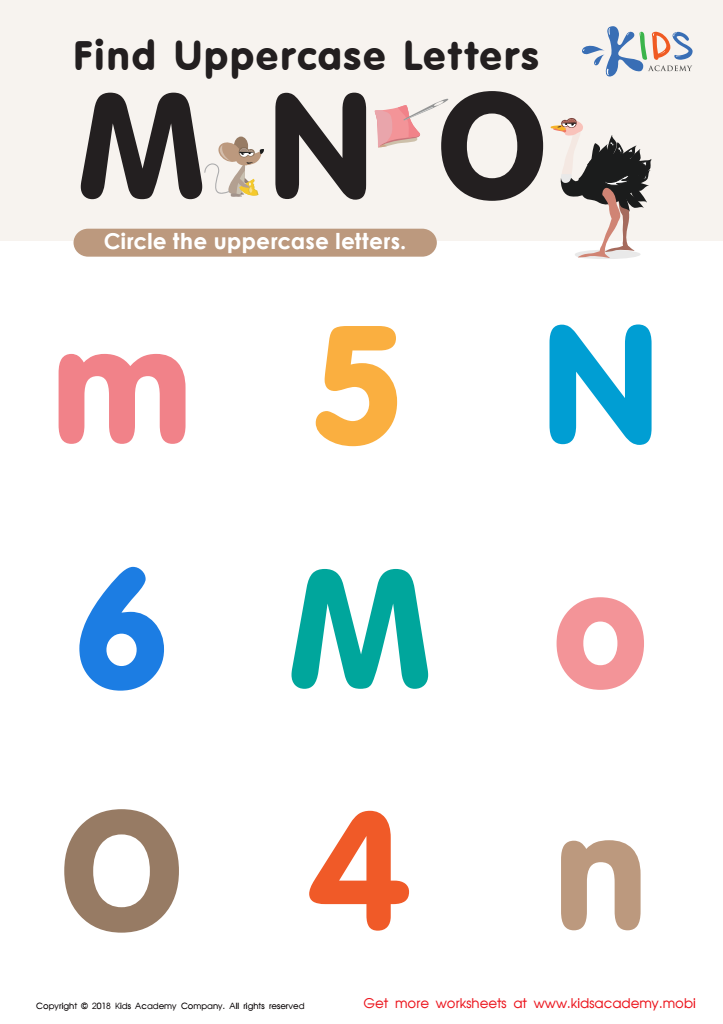
Find Uppercase Letters M, N, and O Worksheet
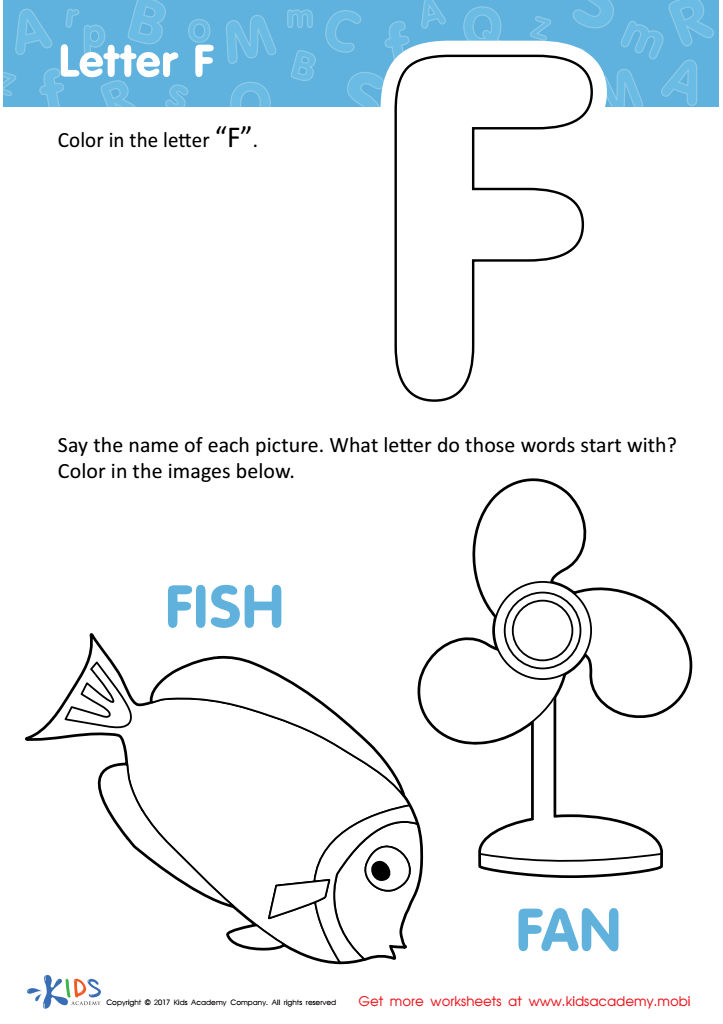
Letter F Coloring Sheet
 Assign to My Students
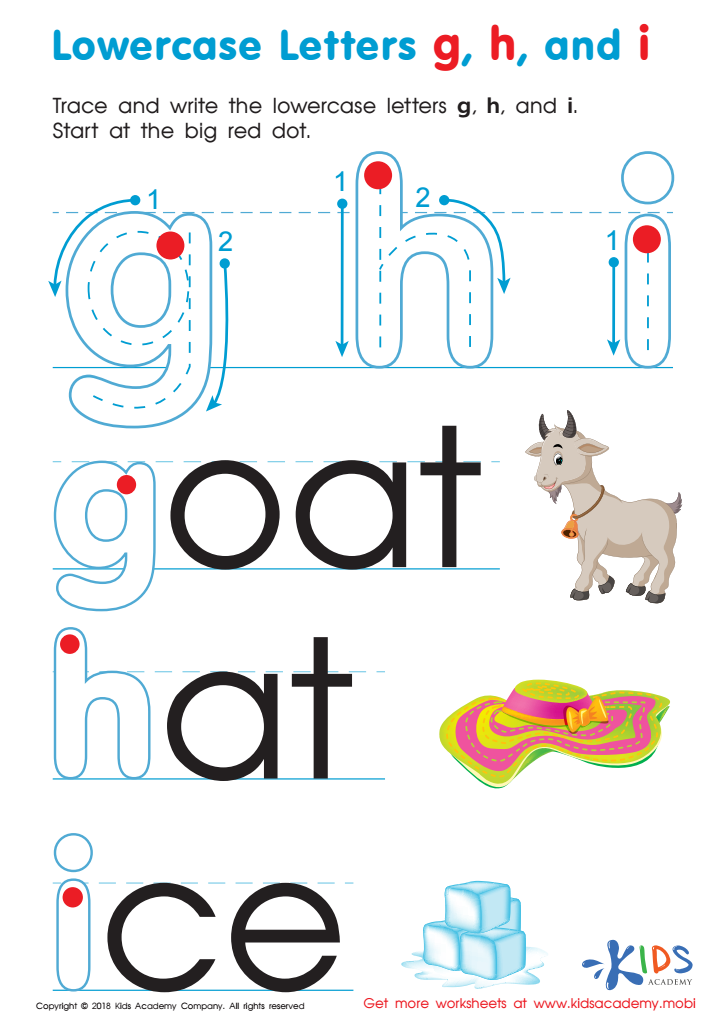
Lowercase Letters g h i Worksheet
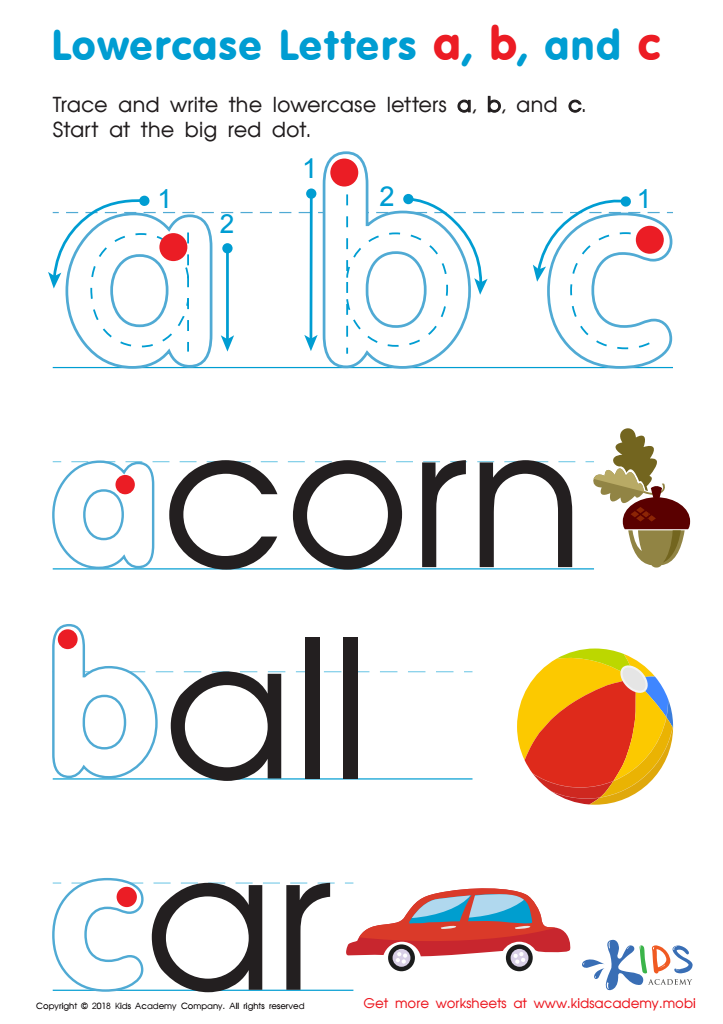
Lowercase Letters a b c Worksheet
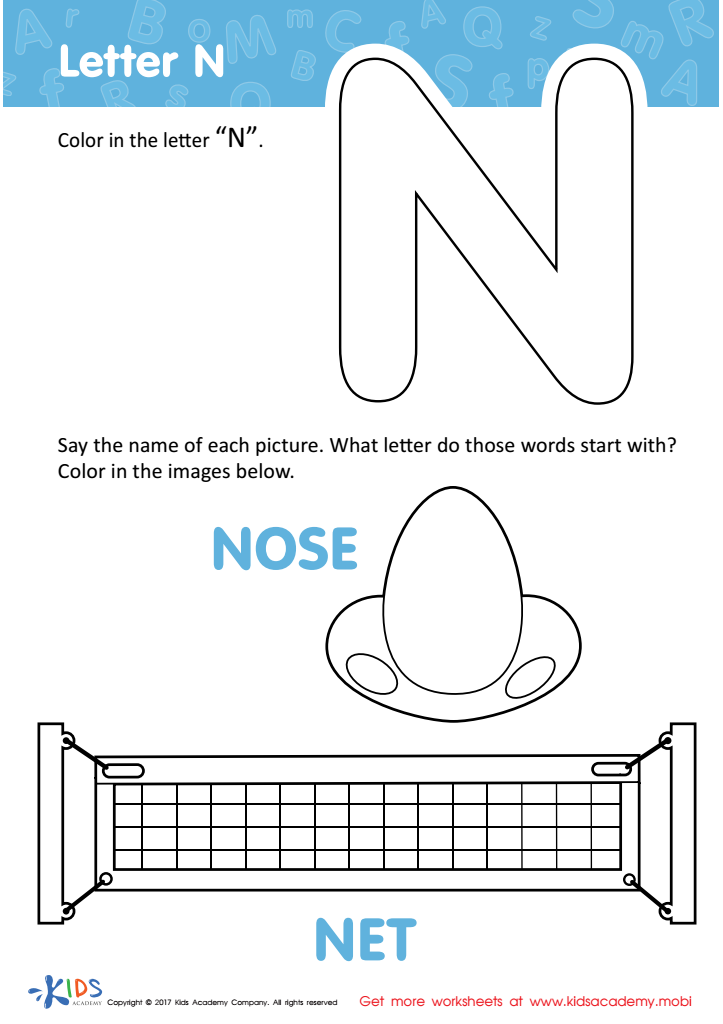
Letter N Coloring Sheet
Assign to My Students
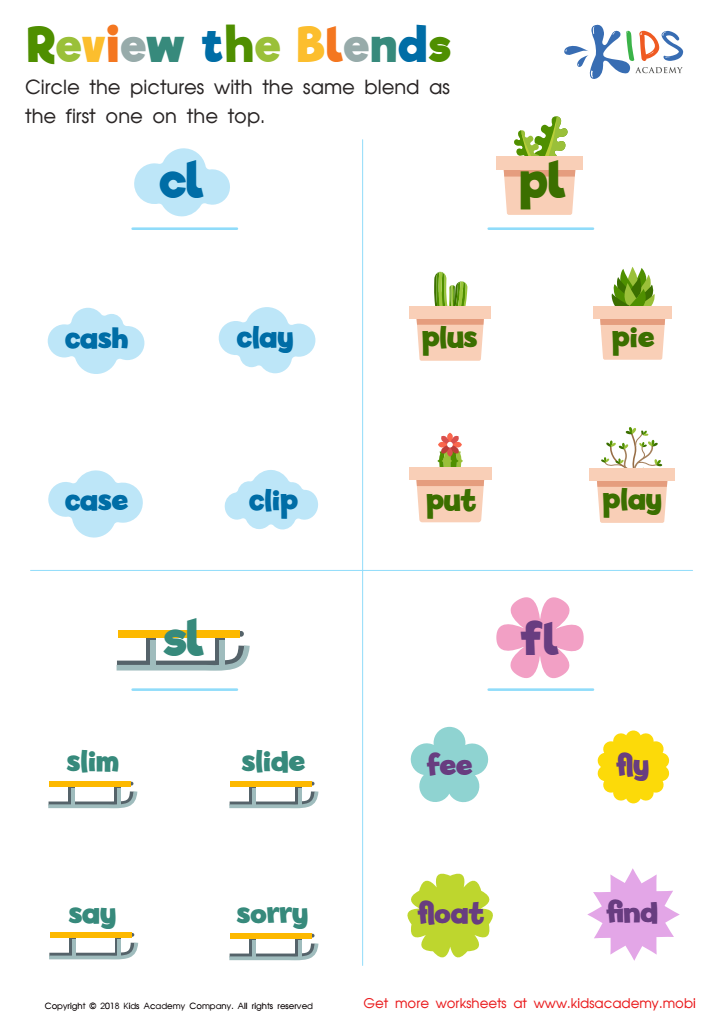
Review the Blends Worksheet
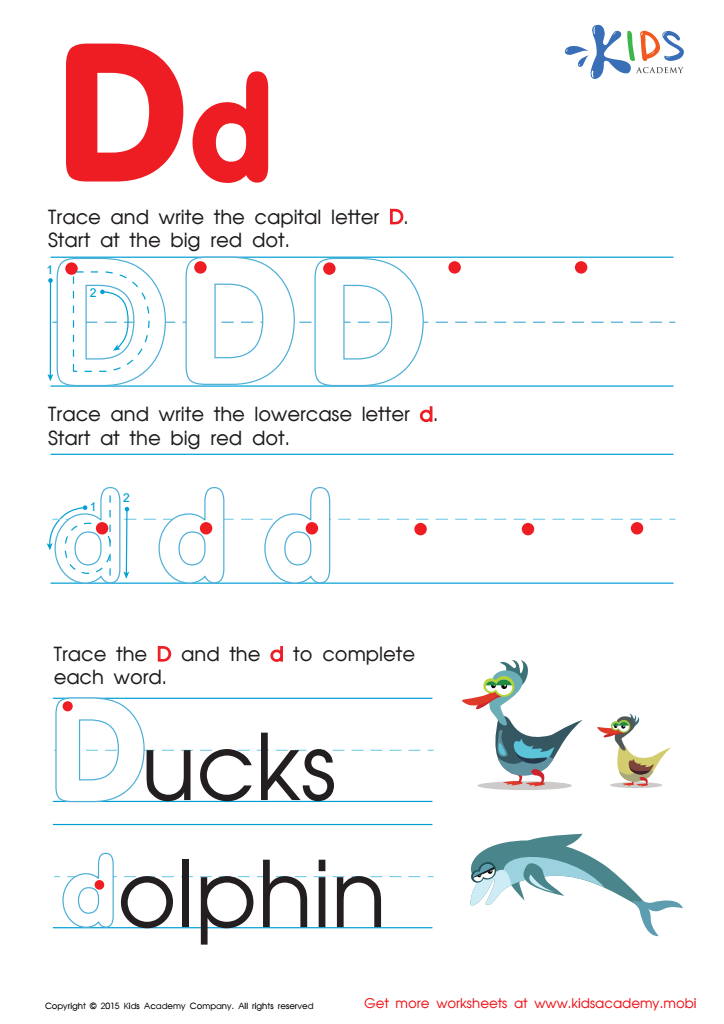
Letter D Tracing Page
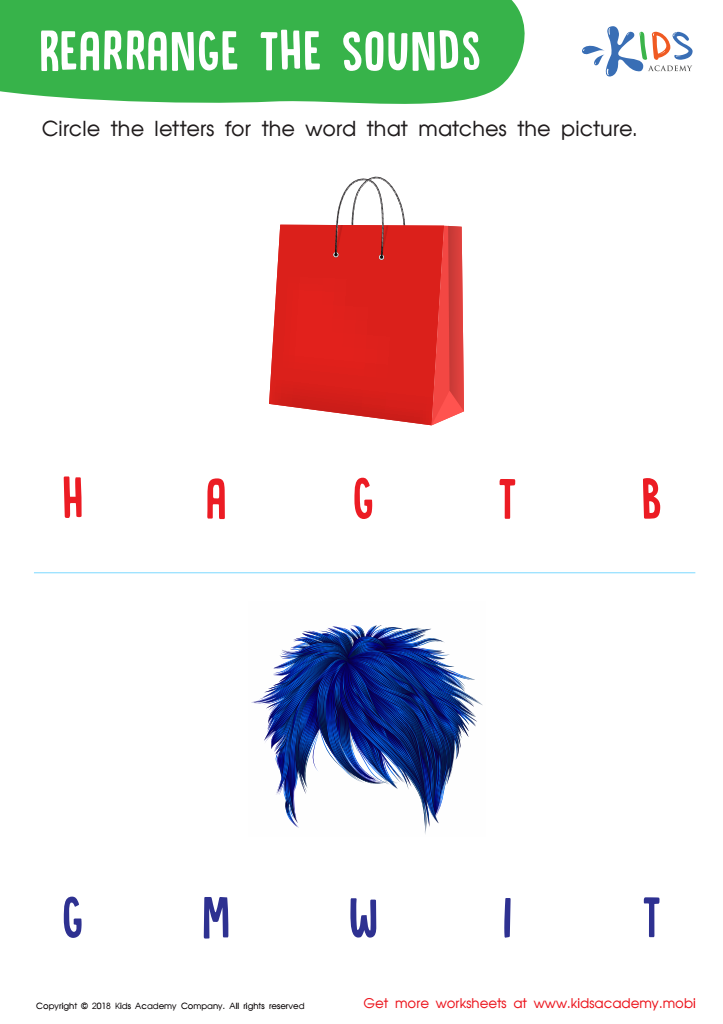
Rearrange the Sounds Worksheet
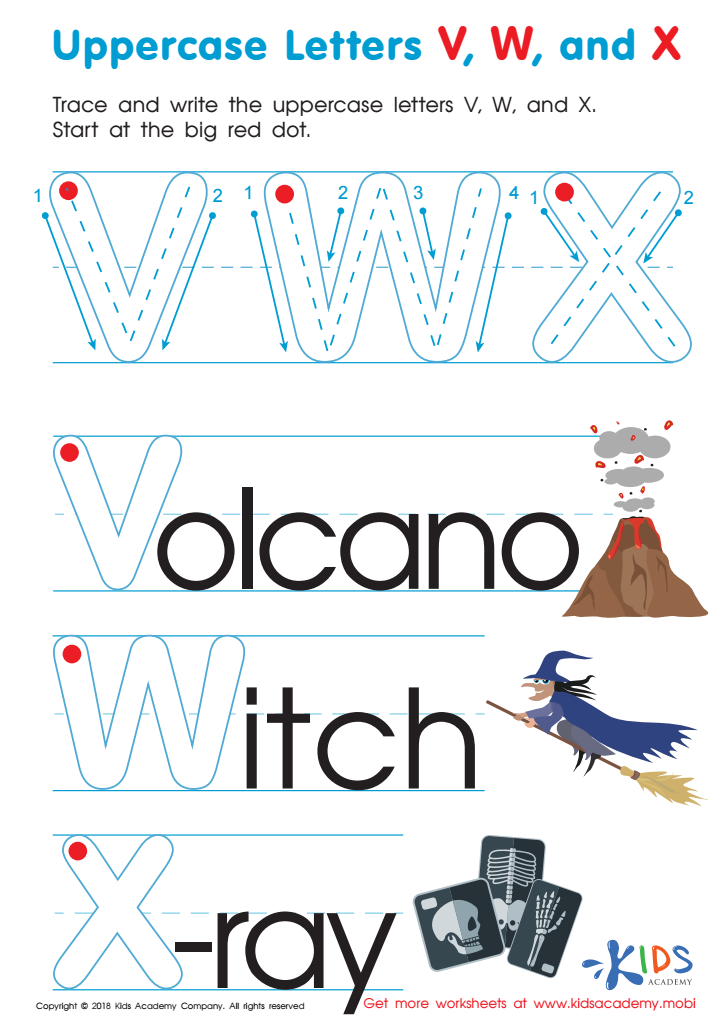
Uppercase Letters V, W, and X Worksheet








Normal Letter Recognition is crucial for children ages 4-9 as it serves as a foundational skill for literacy development. During this formative period, children are acquiring the basic building blocks of reading and writing. Mastering letter recognition not only helps children learn the alphabet but also lays the groundwork for understanding phonics—how letters correspond to sounds—which is vital for decoding words.
Parents and teachers should be concerned about letter recognition because it directly impacts a child's ability to read fluently and comprehend texts as they progress through school. Early literacy skills can significantly influence a child’s academic success, self-confidence, and enthusiasm for learning. In today’s digital age, strong reading abilities are increasingly important for navigating various forms of information and communication.
Additionally, fostering letter recognition can enhance a child's cognitive and motor skills as they engage in activities like writing and manipulating letter blocks. Teachers can incorporate fun, interactive games and activities to make learning enjoyable, while parents can reinforce these skills at home through everyday interactions. Overall, prioritizing letter recognition paves the way for lifelong literacy and learning success, emphasizing its importance in early childhood education.








