Handwriting practice Normal Tracing Letters Worksheets for Ages 4-9
15 filtered results
-
From - To
Our "Handwriting Practice Normal Tracing Letters Worksheets for Ages 4-9" are designed to help young learners master the fundamentals of writing. These engaging worksheets provide age-appropriate tracing activities to enhance motor skills, letter recognition, and handwriting fluency. Each worksheet promotes fine motor development and instills confidence as children trace and write uppercase and lowercase letters. Perfect for classroom use or at-home practice, these resources support early literacy and early learners (Ages 4 to 9) towards writing independently. Quality and user-friendly, these worksheets make learning to write an enjoyable and rewarding experience for every child.
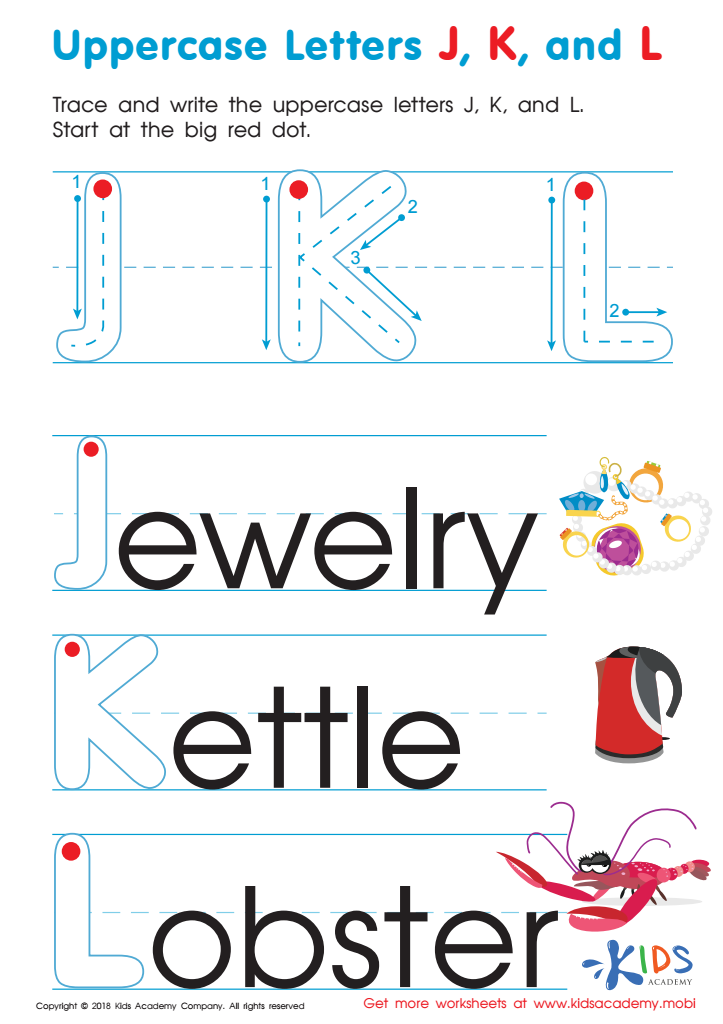
Uppercase Letters J, K, and L Worksheet
 Assign to My Students
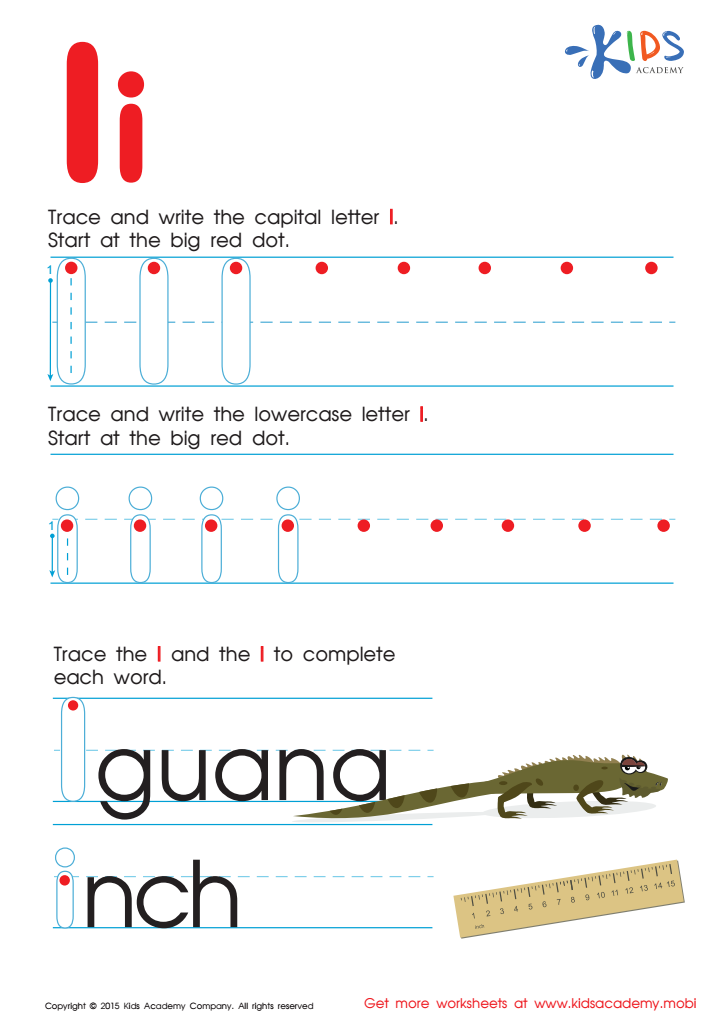
Letter I Tracing Page
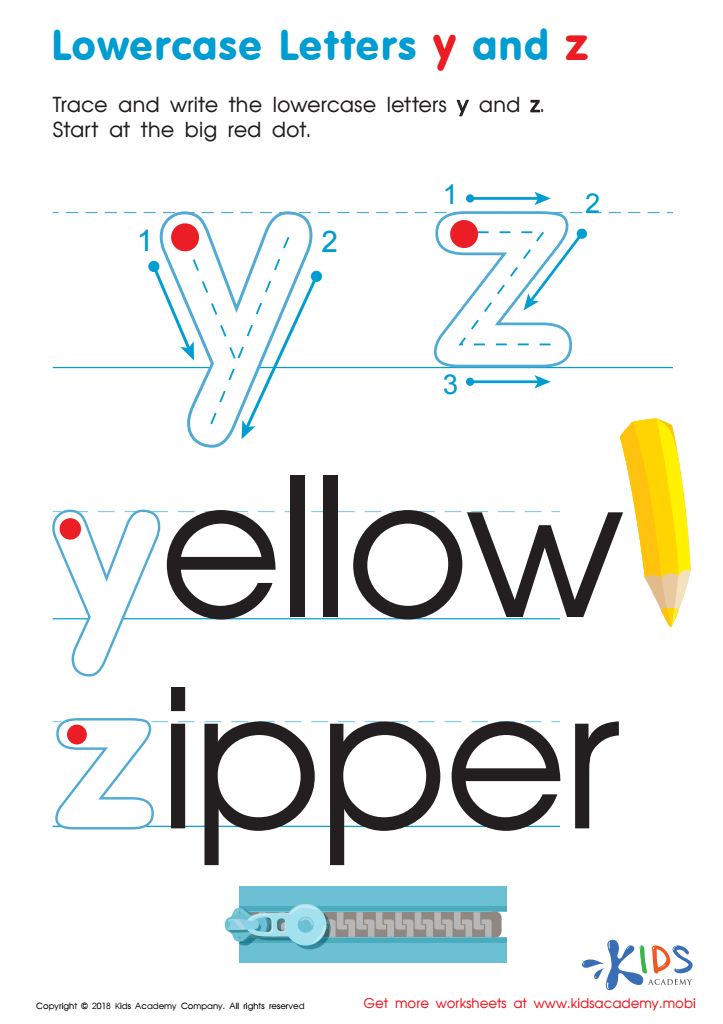
Lowercase Letters y z Worksheet
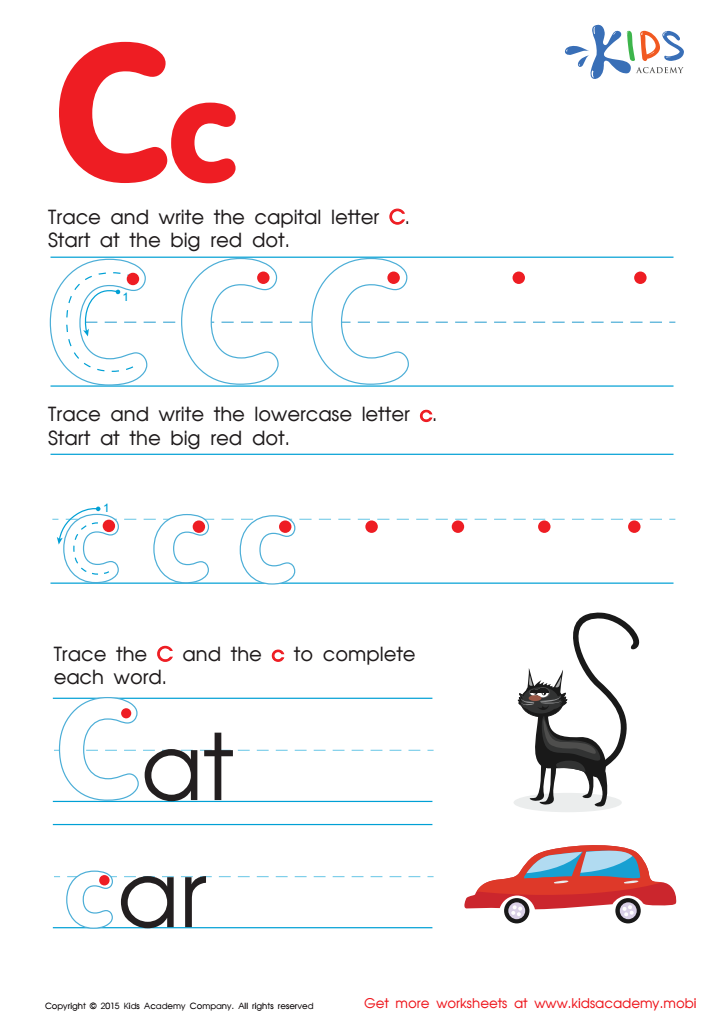
Letter C Tracing Page
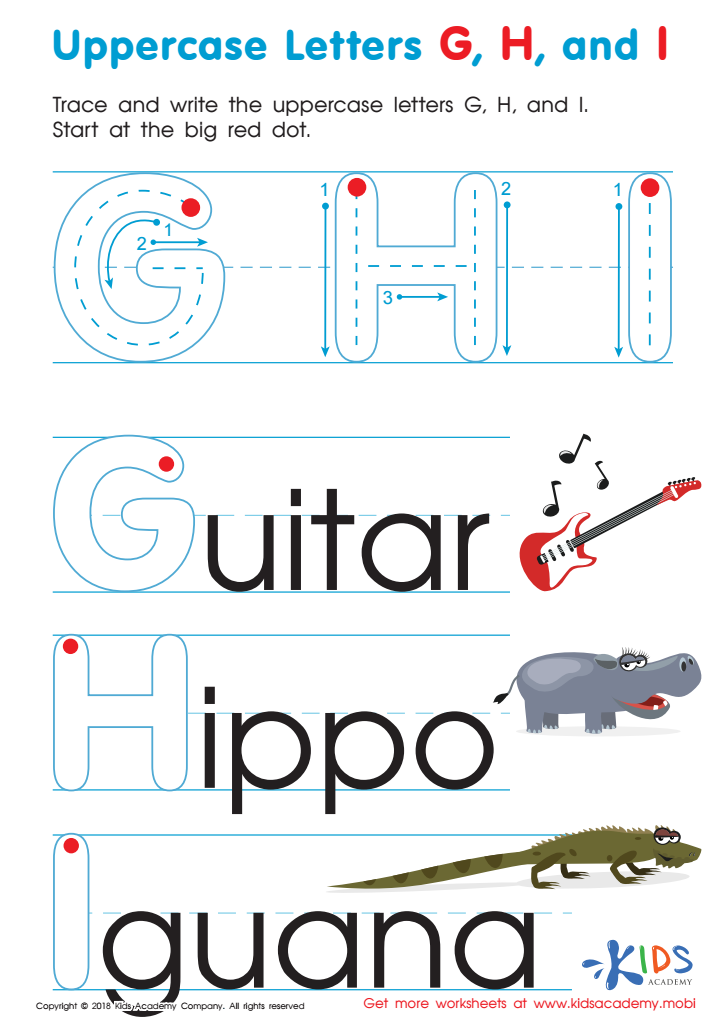
Uppercase Letters G, H, and I Worksheet

Letter G Tracing Page
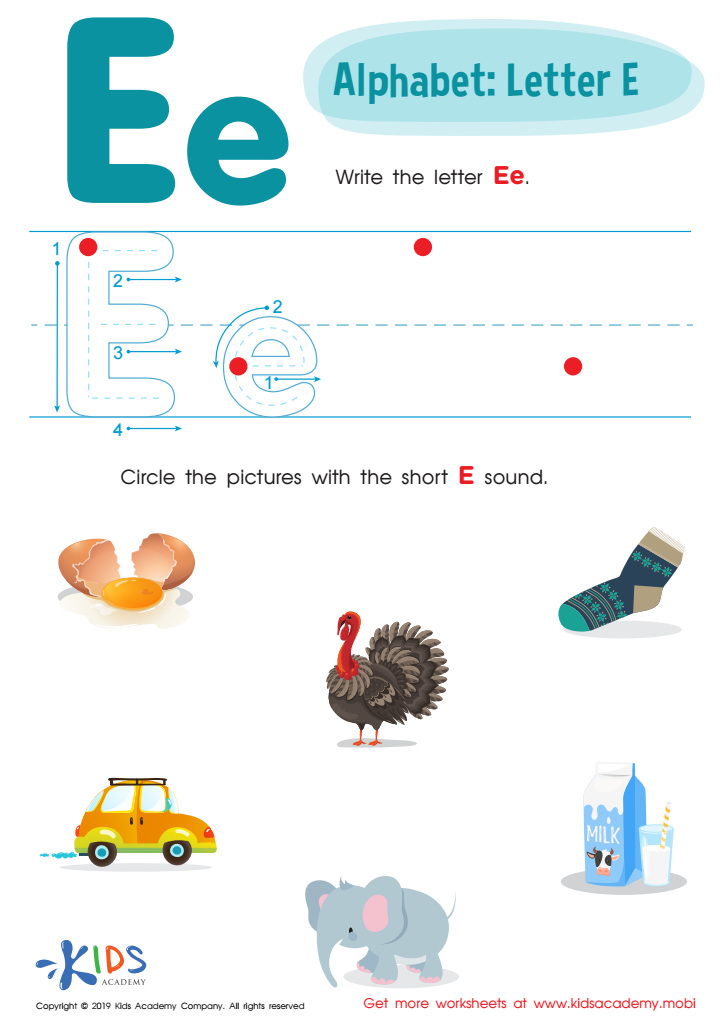
Letter E Tracing Worksheet
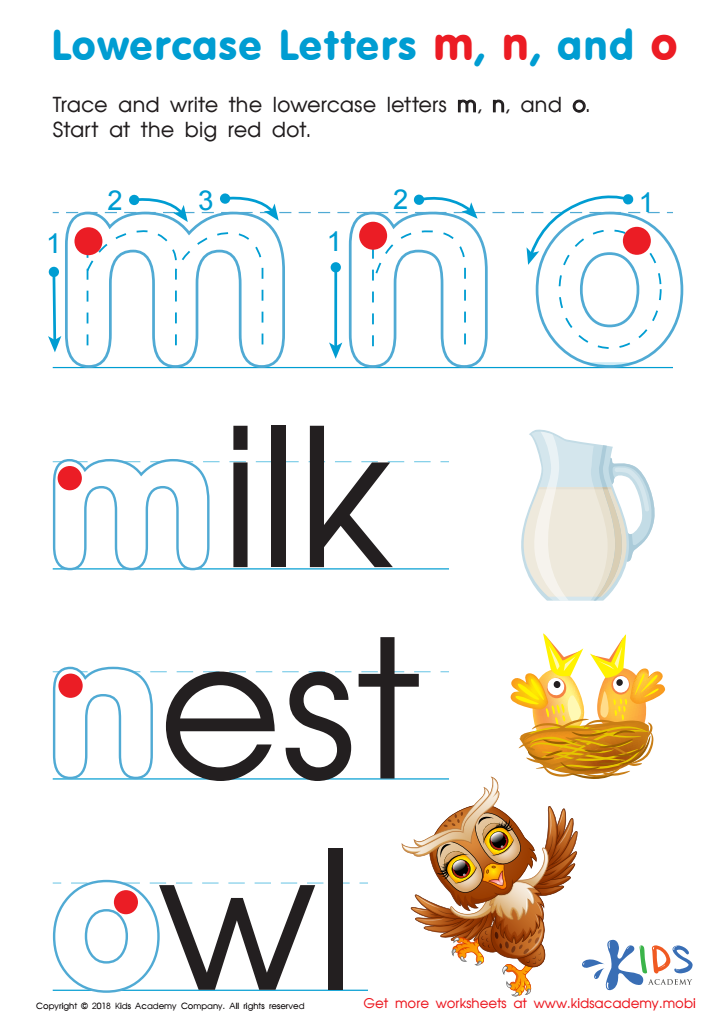
Lowercase Letters m n o Worksheet
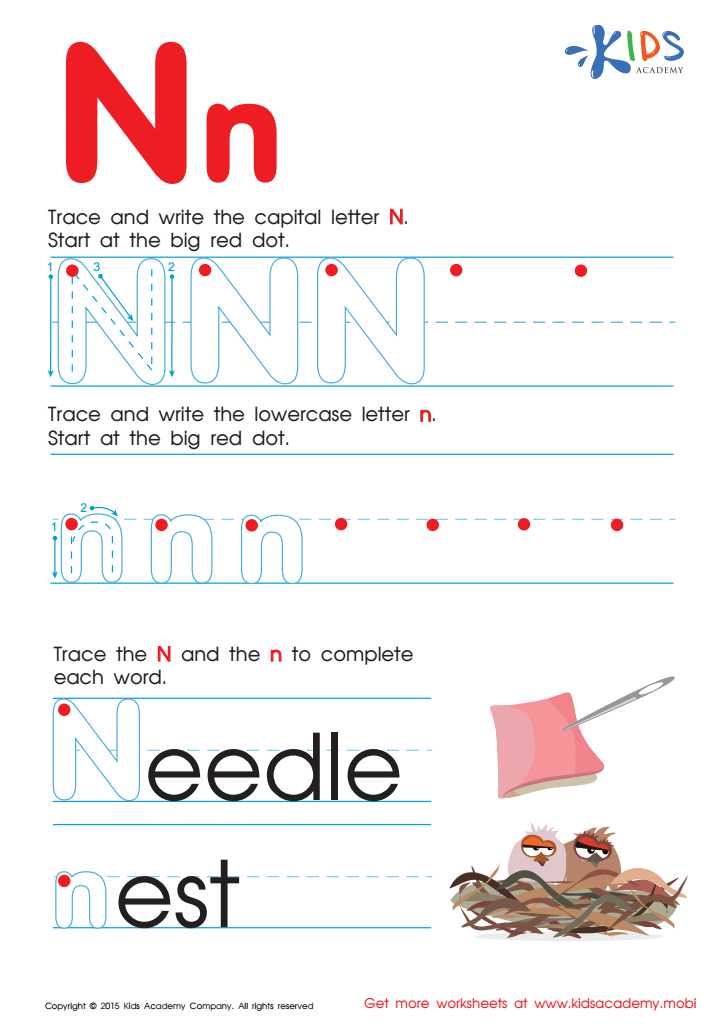
Letter N Tracing Page
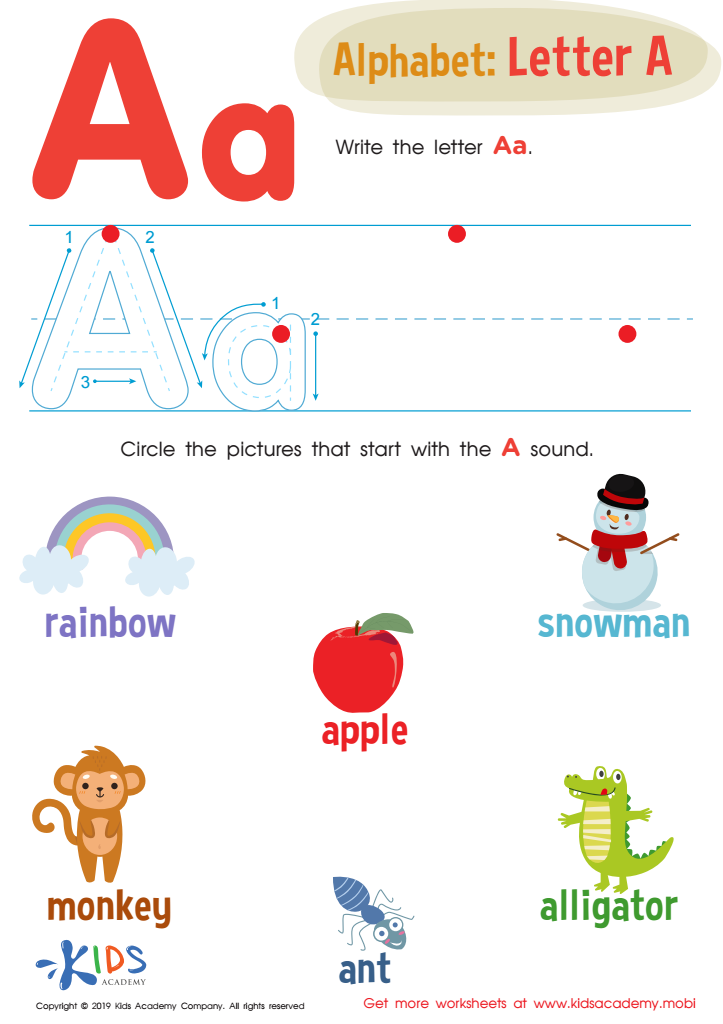
Letter A Tracing Worksheet
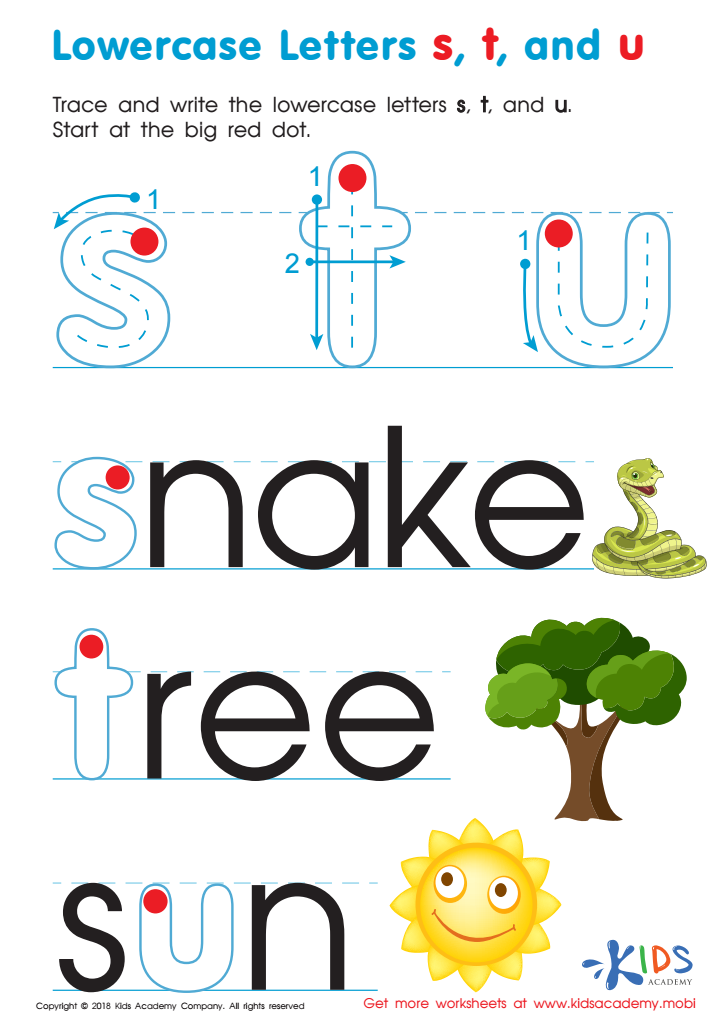
Lowercase Letters s t u Worksheet
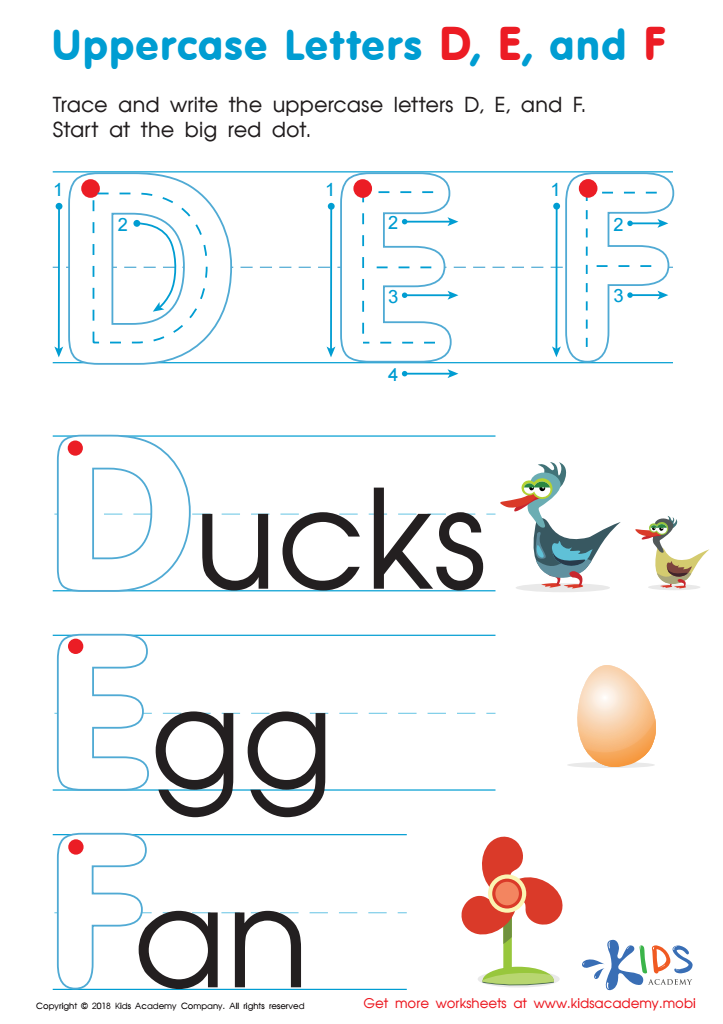
Uppercase Letters D, E, and F Worksheet
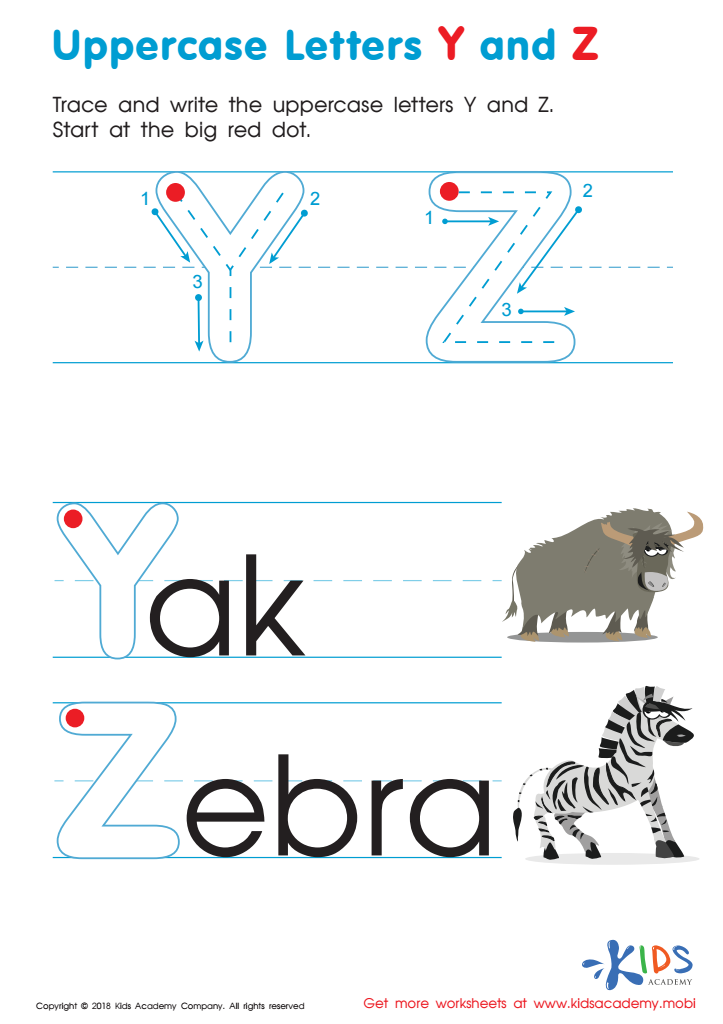
Uppercase Letters Y Z Worksheet
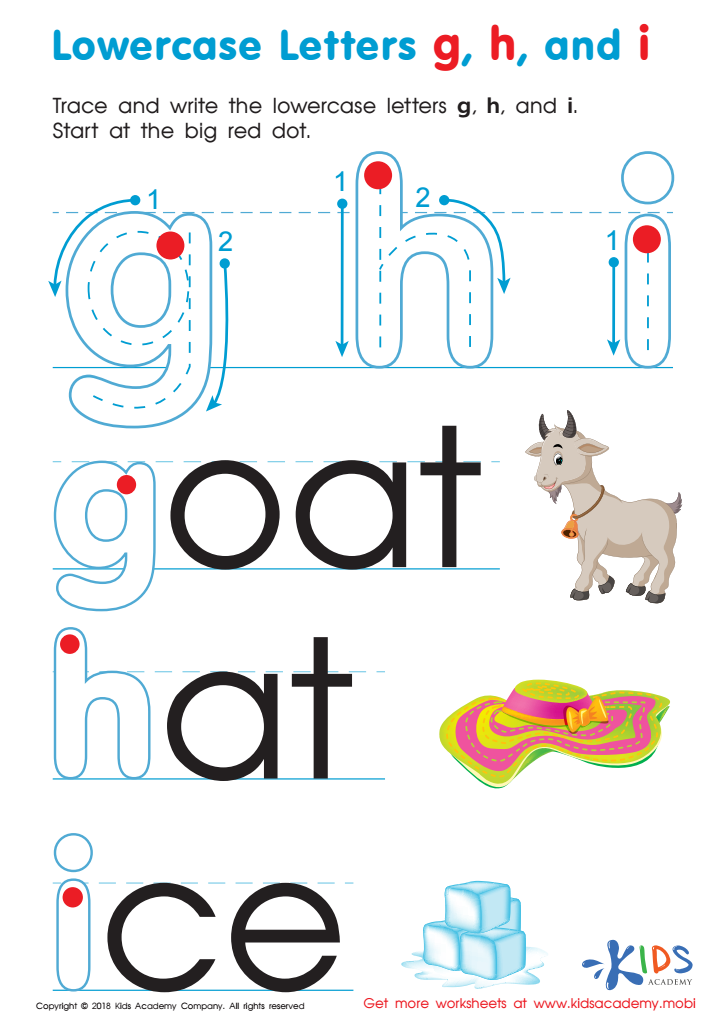
Lowercase Letters g h i Worksheet
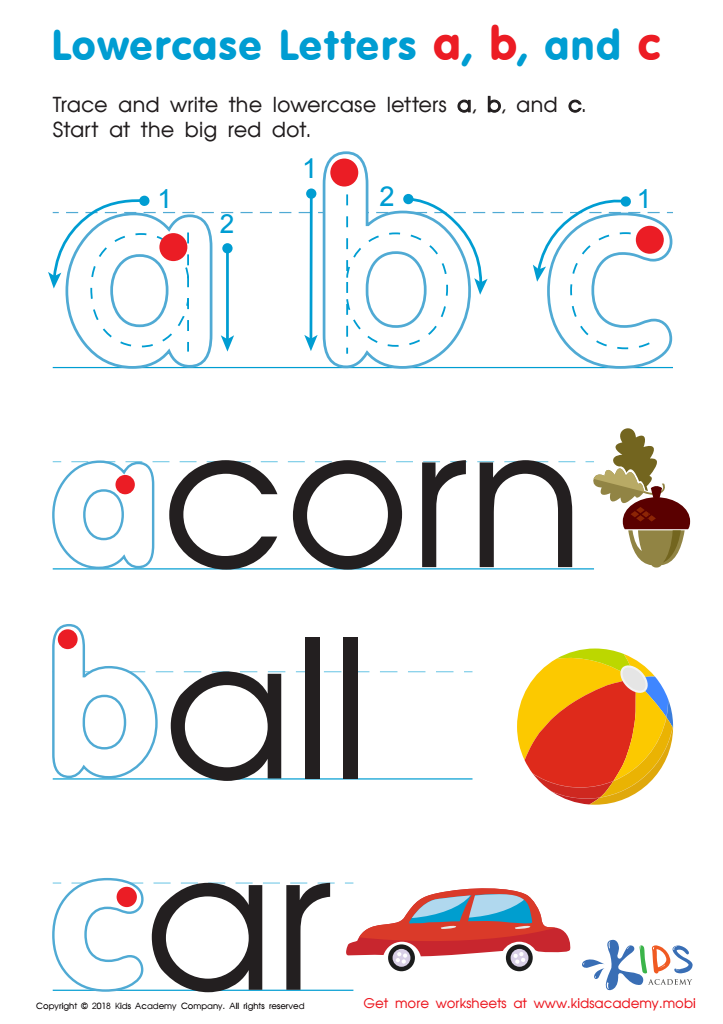
Lowercase Letters a b c Worksheet








Handwriting practice through normal tracing letters is crucial for children aged 4-9 because it forms the foundation for many of their future academic and life skills. Firstly, tracing letters helps improve fine motor skills, which are essential for tasks such as buttoning clothes, using silverware, and most importantly, writing. The act of holding a pencil and moving it in a controlled manner strengthens hand muscles and enhances hand-eye coordination.
Additionally, consistent handwriting practice enhances cognitive development, as it assists in the recognition of letters and words, facilitating early reading skills. This recognition translates into improved literacy, making it easier for children to understand and process written information. Clear and consistent handwriting also contributes to better communication. When children can write clearly, they can more effectively express their thoughts, perspectives, and creativity.
Moreover, handwriting can aid memory and information retention. Research suggests that the physical act of writing activates regions of the brain involved in thinking, short-term memory, and comprehension. This practice encourages focus and attention to detail, which benefits the child across various subjects.
In essence, tracing letters is more than just penmanship; it lays a strong groundwork for academic success, cognitive skills, and everyday functional ability, offering children indispensable tools for their overall development.








