Letter recognition Normal Upper & Lowercase Letters Worksheets for Ages 4-9
22 filtered results
-
From - To
Boost your child’s literacy skills with our Letter Recognition Normal Upper & Lowercase Letters Worksheets. Designed for ages 4-9, these engaging and educational printables help children identify and differentiate between uppercase and lowercase letters. Support early reading and writing development with fun activities that enhance letter recognition, basic writing abilities, and reading readiness. Ideal for both classroom and home use, these worksheets provide hands-on practice to solidify foundational literacy skills. Increase your child's confidence and engage them in activities that mix learning with play. Unlock the joy of learning with our expertly crafted resources!
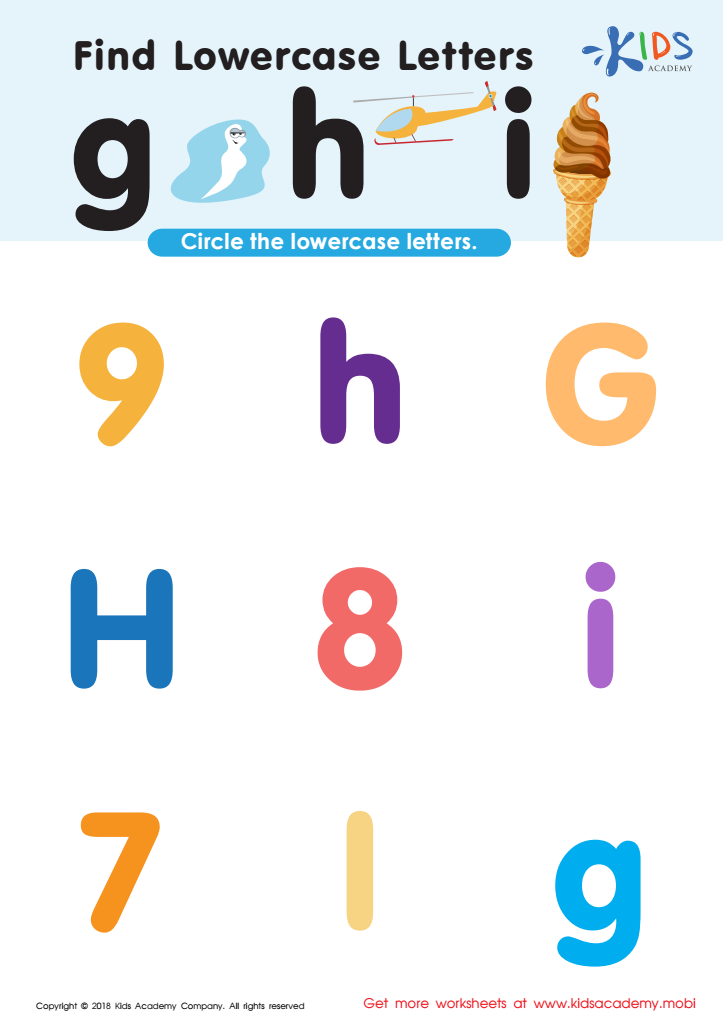
Find Lowercase Letters g h i Worksheet
 Assign to My Students

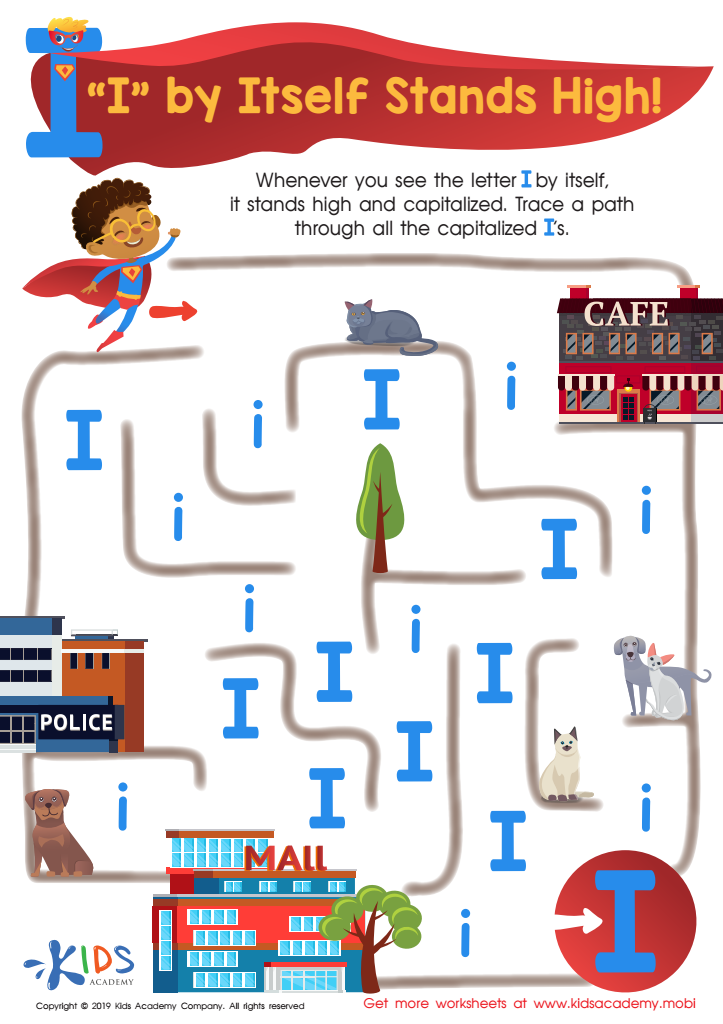
I Stands High Worksheet
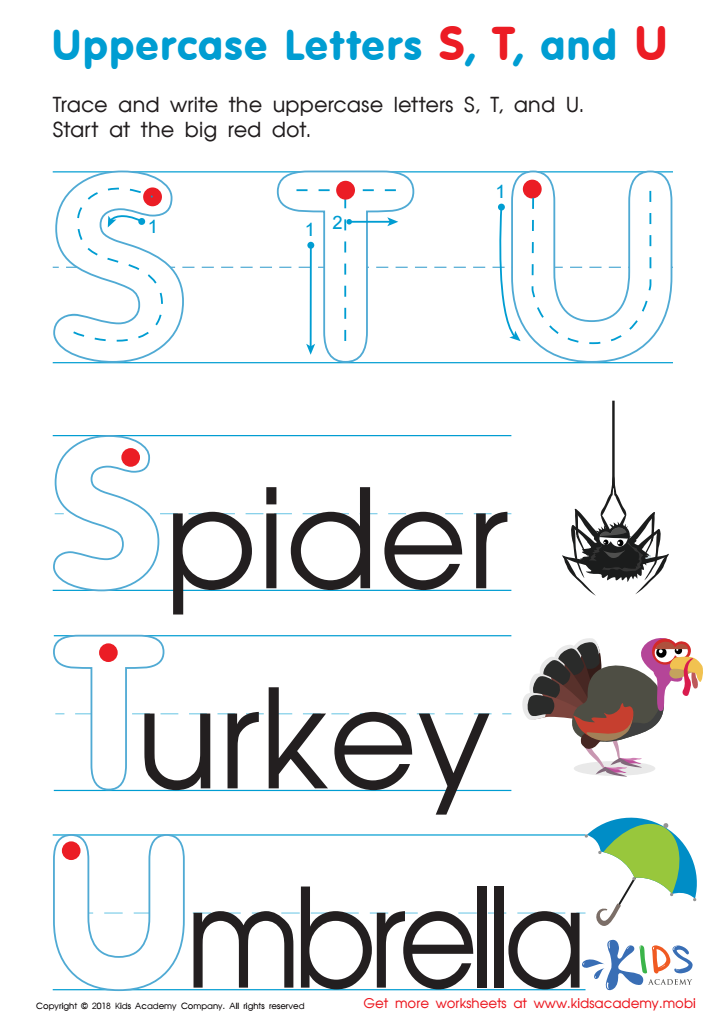
Uppercase Letters S, T, and U Worksheet
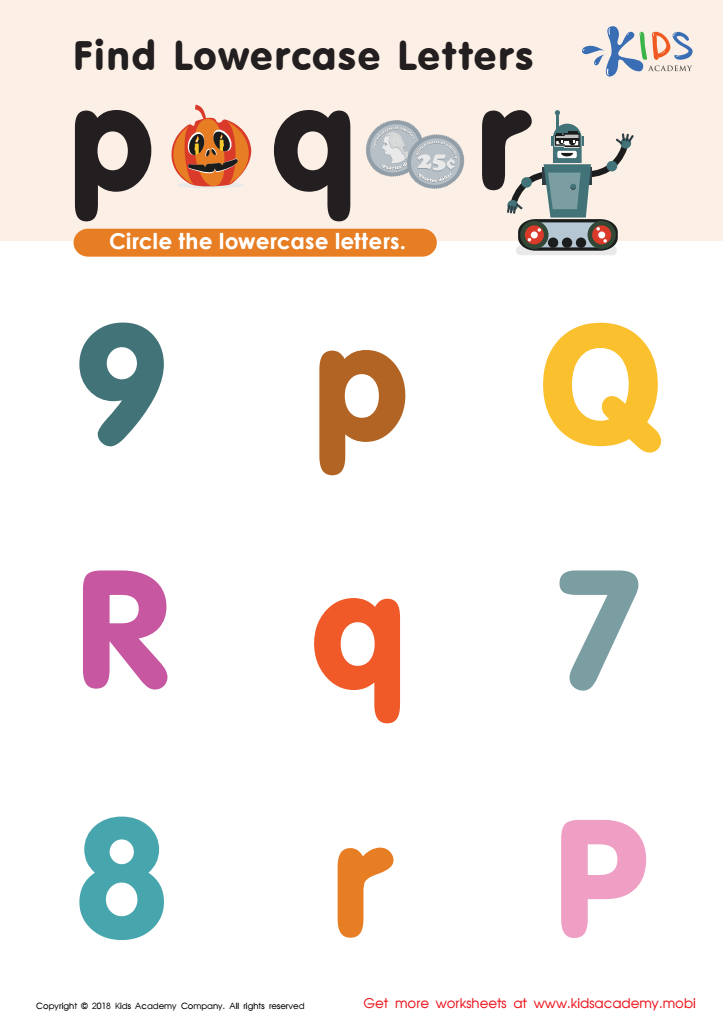
Find lowercase Letters p q r Worksheet
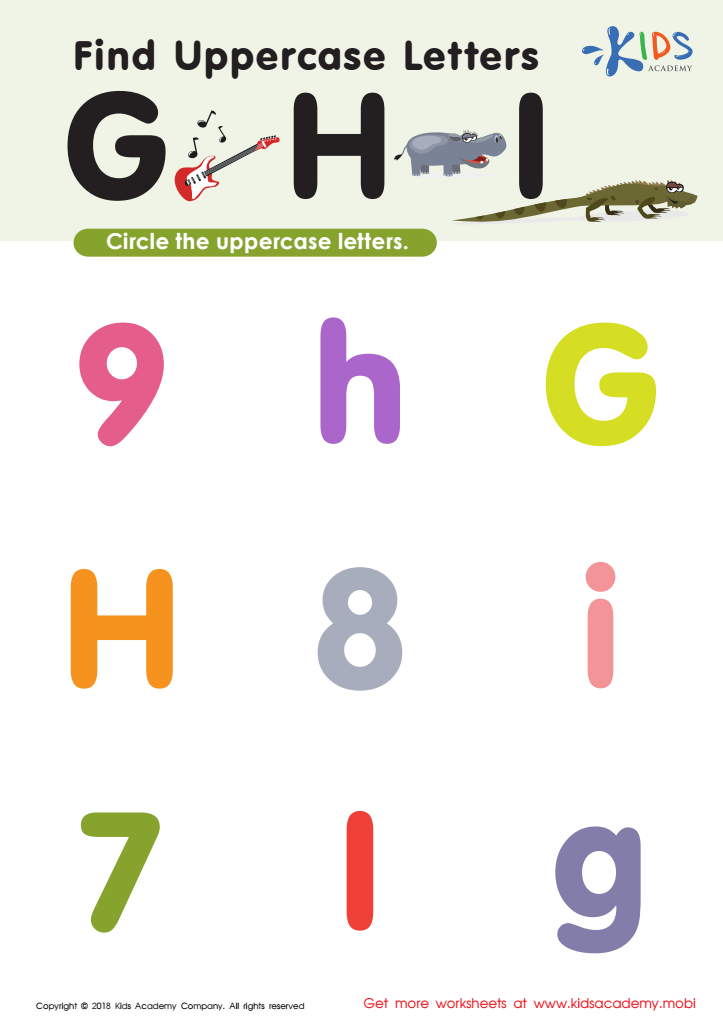
Find Uppercase Letters G, H, and I Worksheet
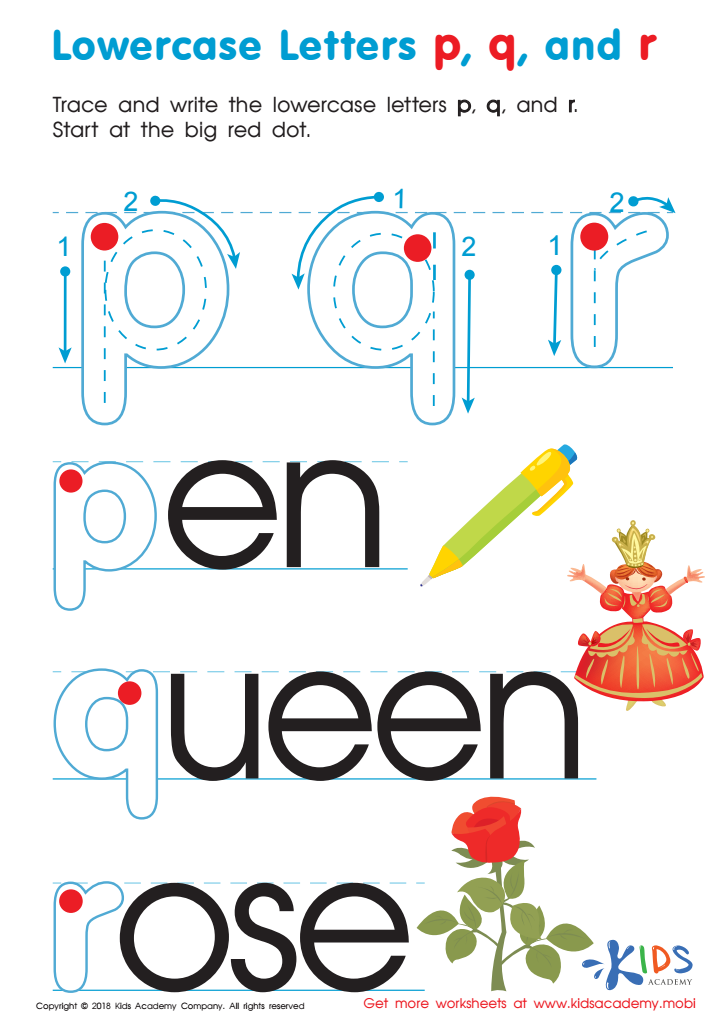
Lowercase Letters p q r Worksheet
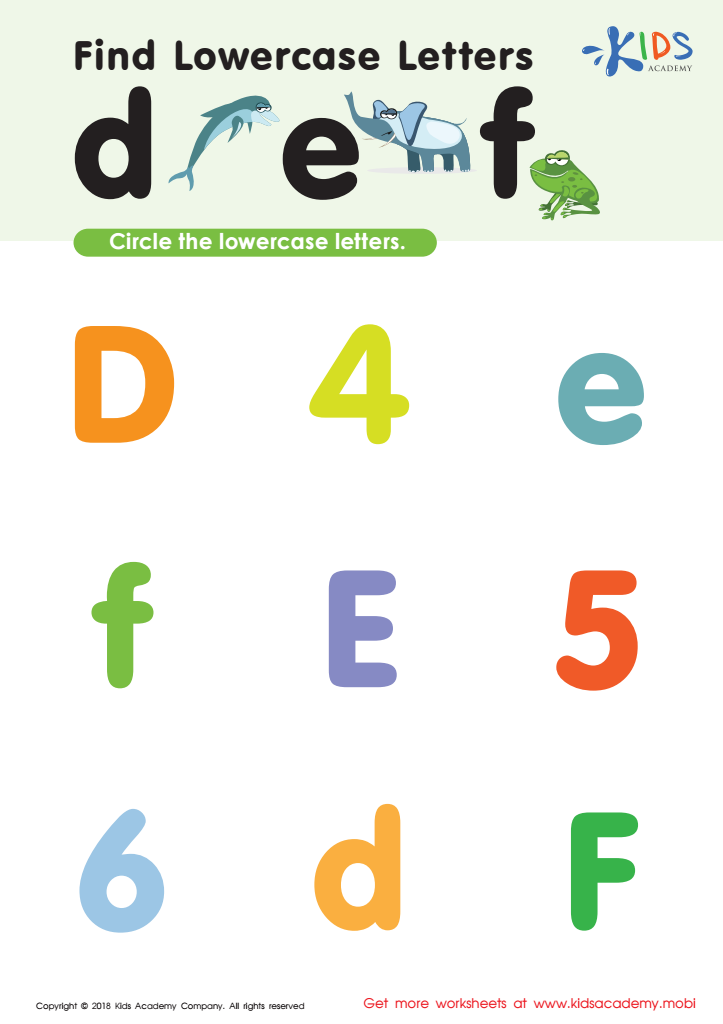
Find Lowercase Letters d e f Worksheet
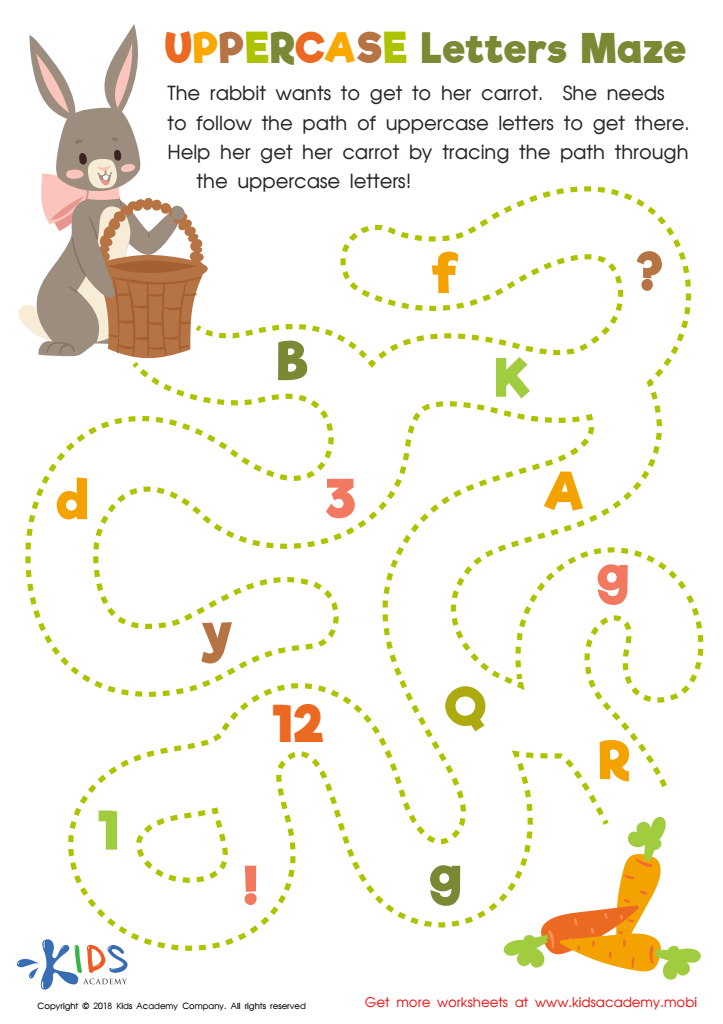
Uppercase Letters Maze Worksheet
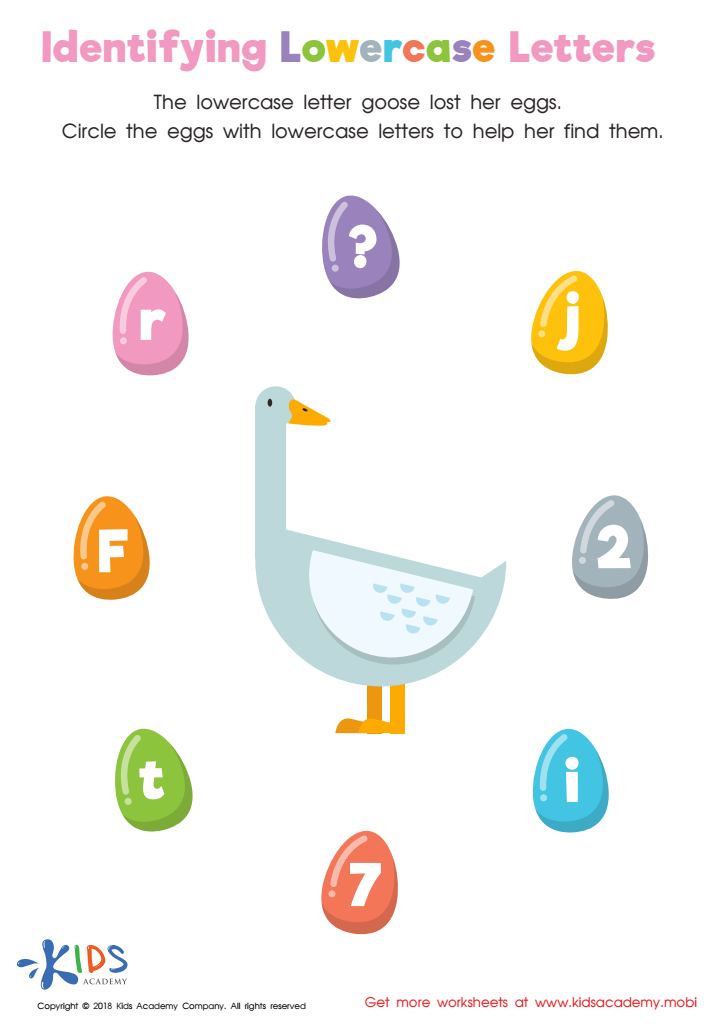
Identifying Lowercase Letters Worksheet
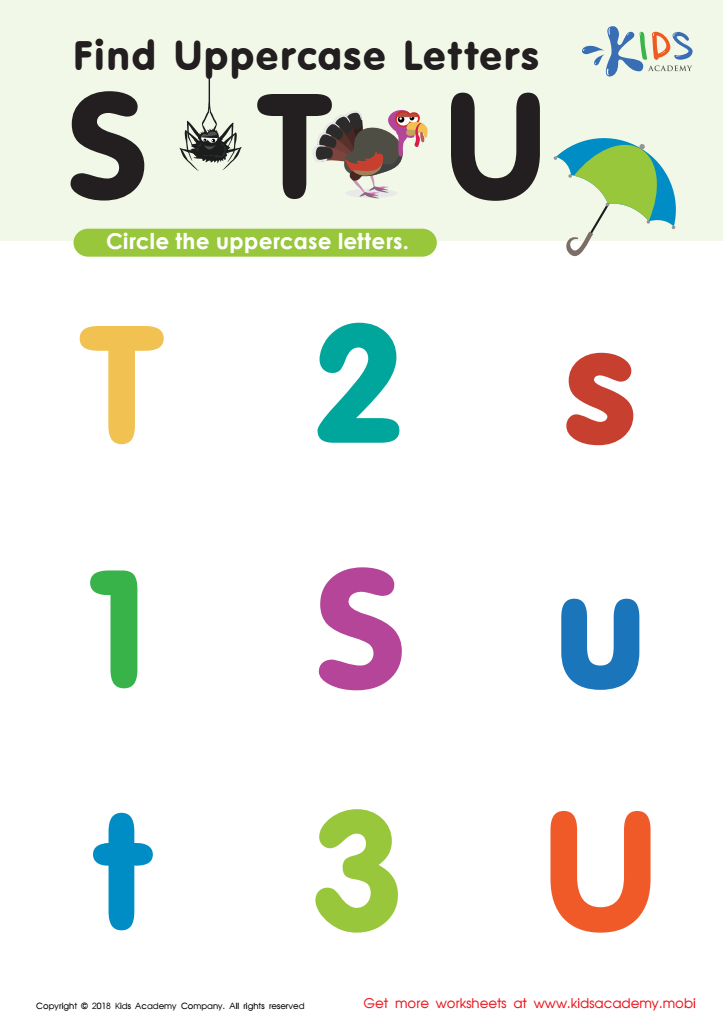
Find Uppercase Letters Worksheet
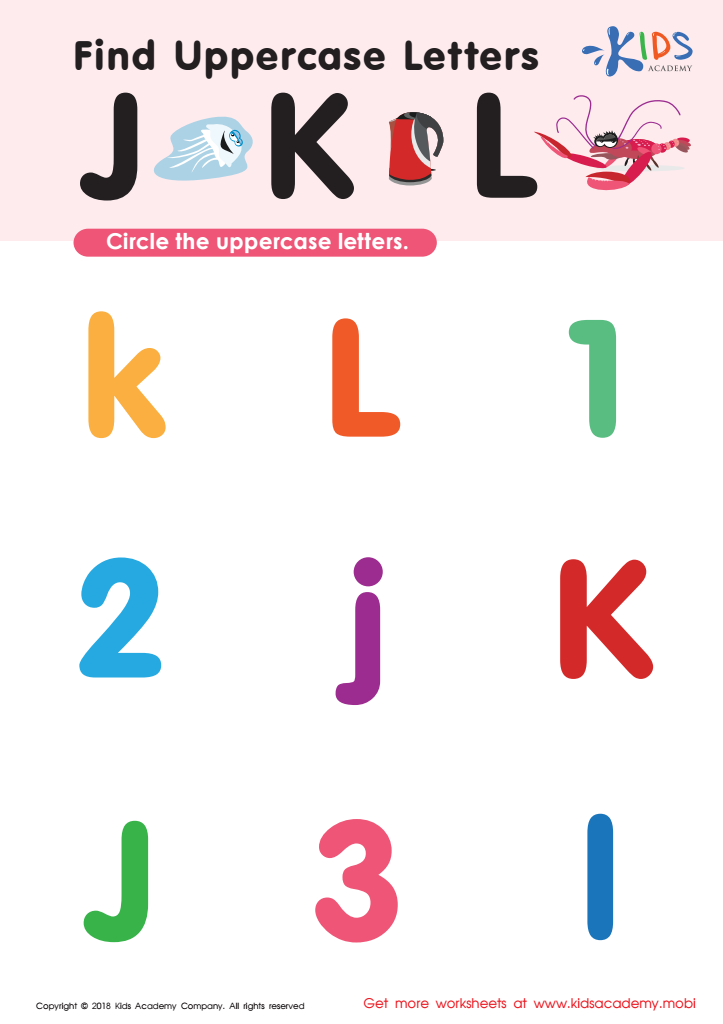
Find Uppercase Letters J, K, and L Worksheet
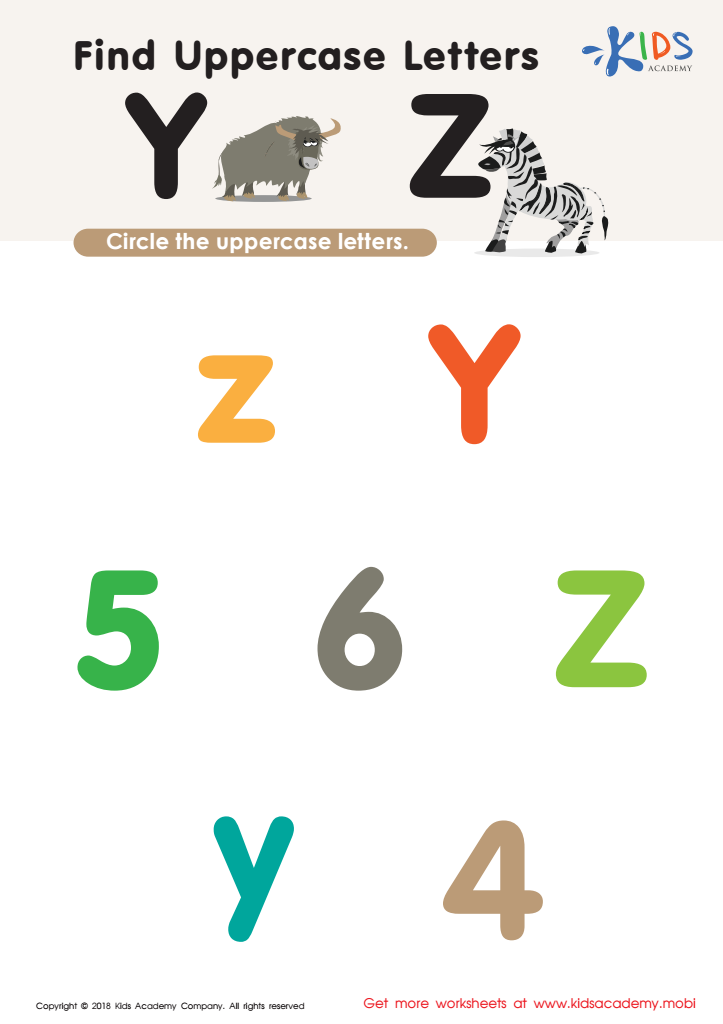
Find Uppercase Letters Y Z Worksheet
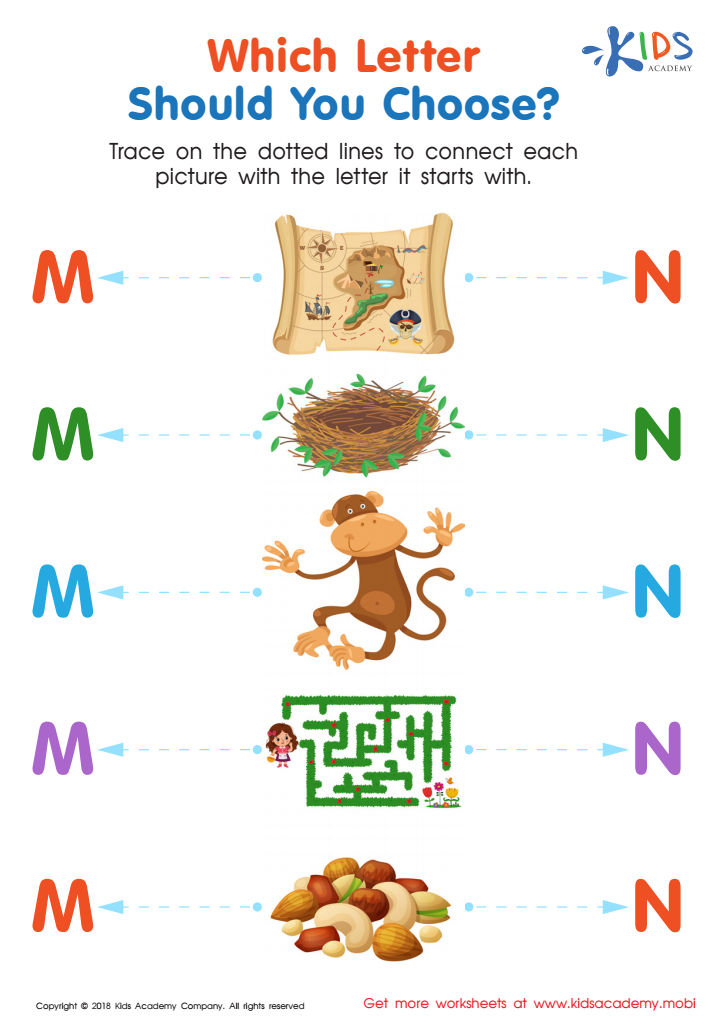
Which Letter Should you Choose? Worksheet
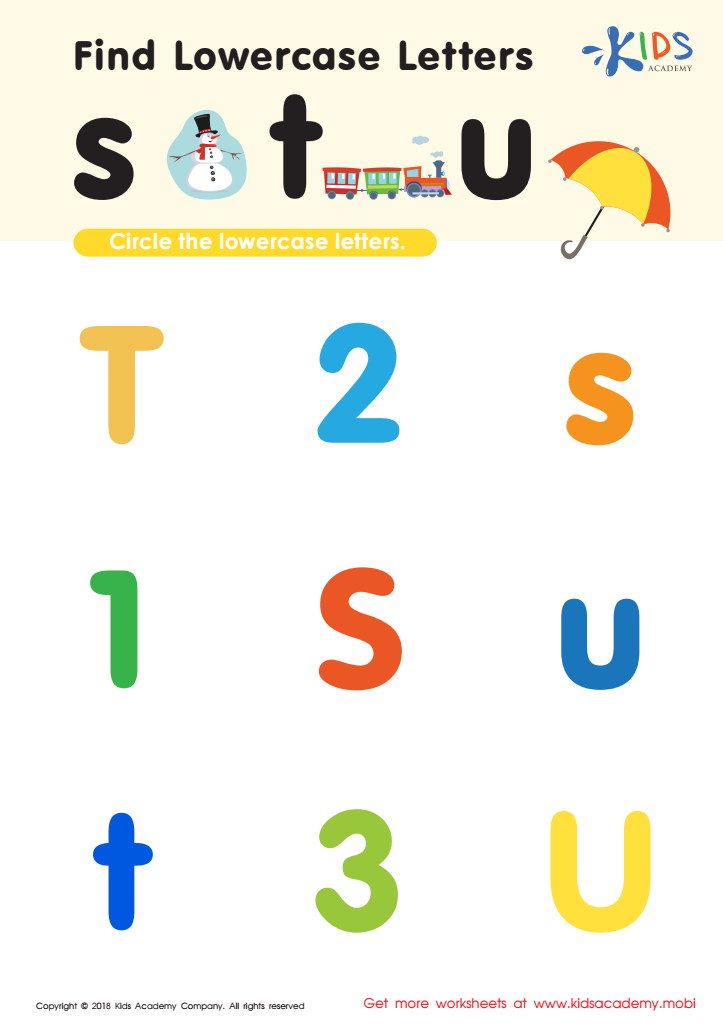
Find lowercase Letters s t u Worksheet

Find Uppercase Letters A, B, and C Worksheet
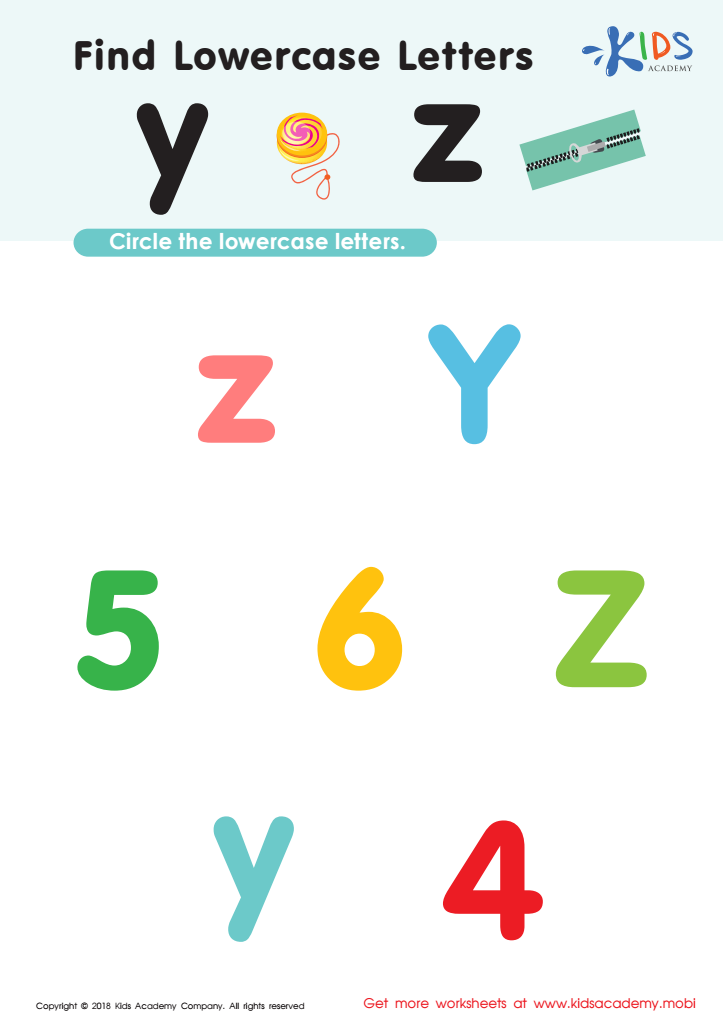
Find Lowercase Letters y z Worksheet
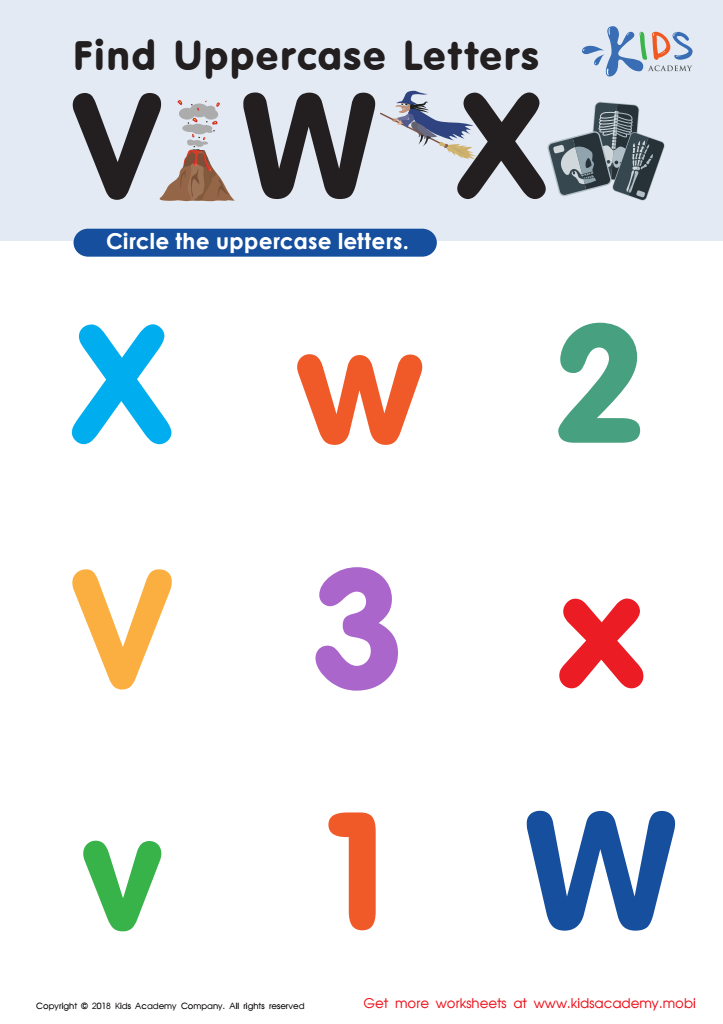
Find Uppercase Letters V, W, X Worksheet
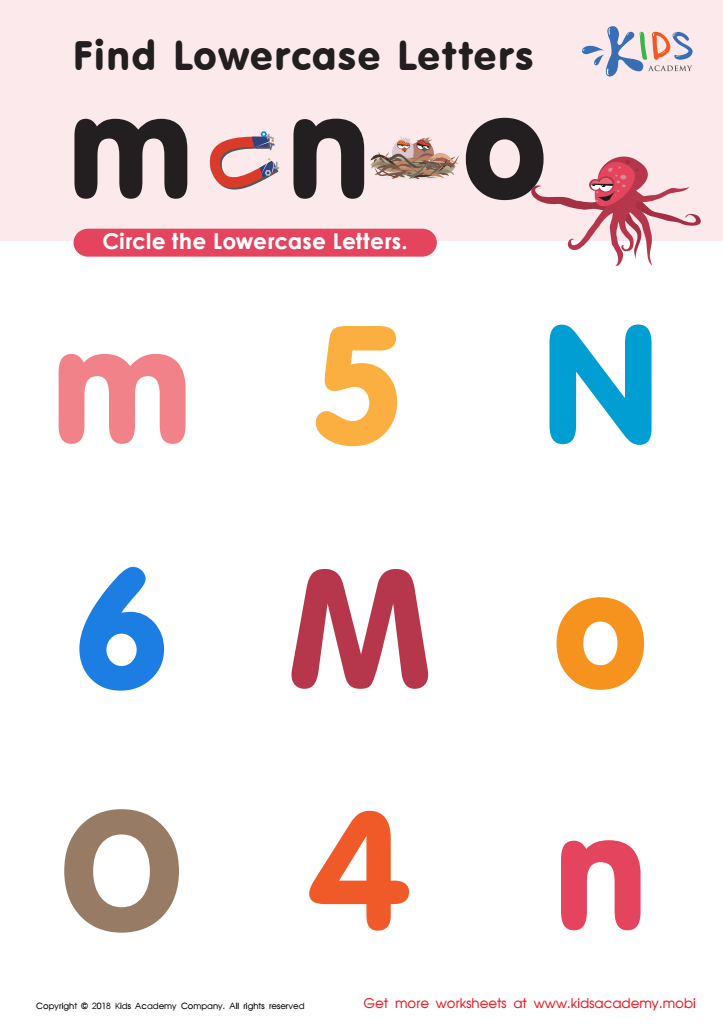
Find Lowercase Letters m n o Worksheet
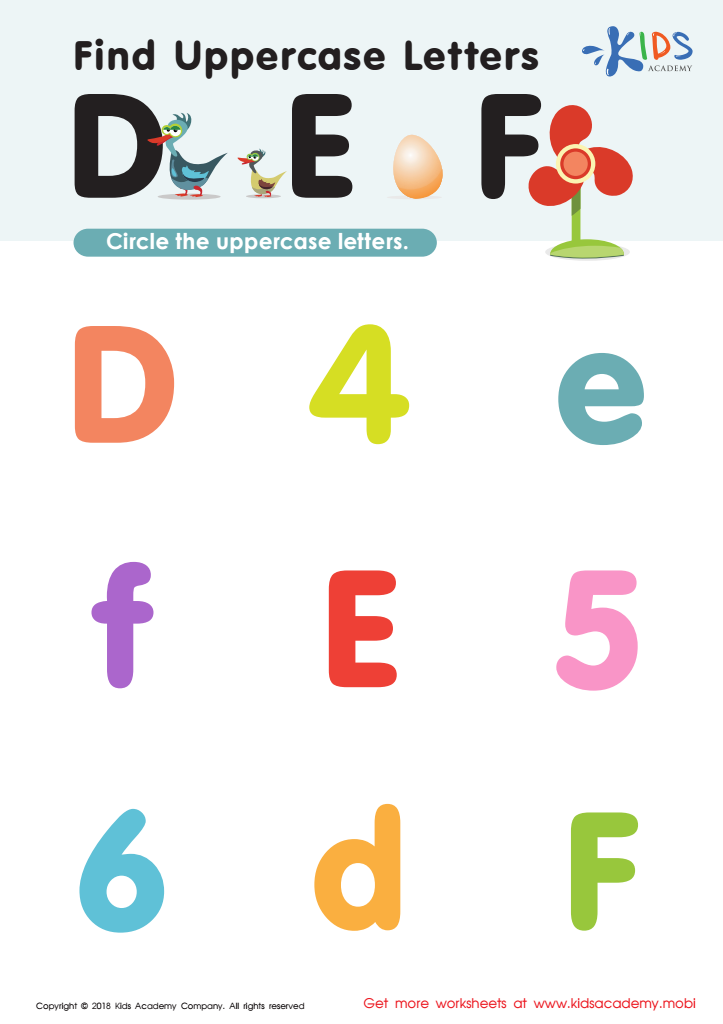
Find Uppercase Letters D, E, and F Worksheet
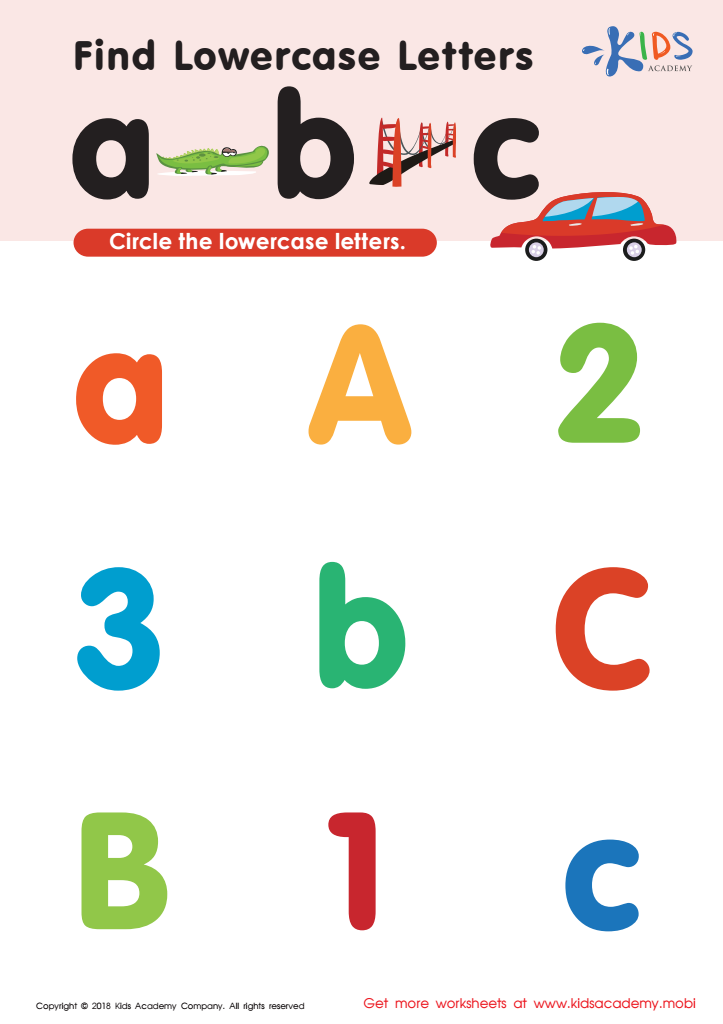
Find lowercase letters a b c Worksheet
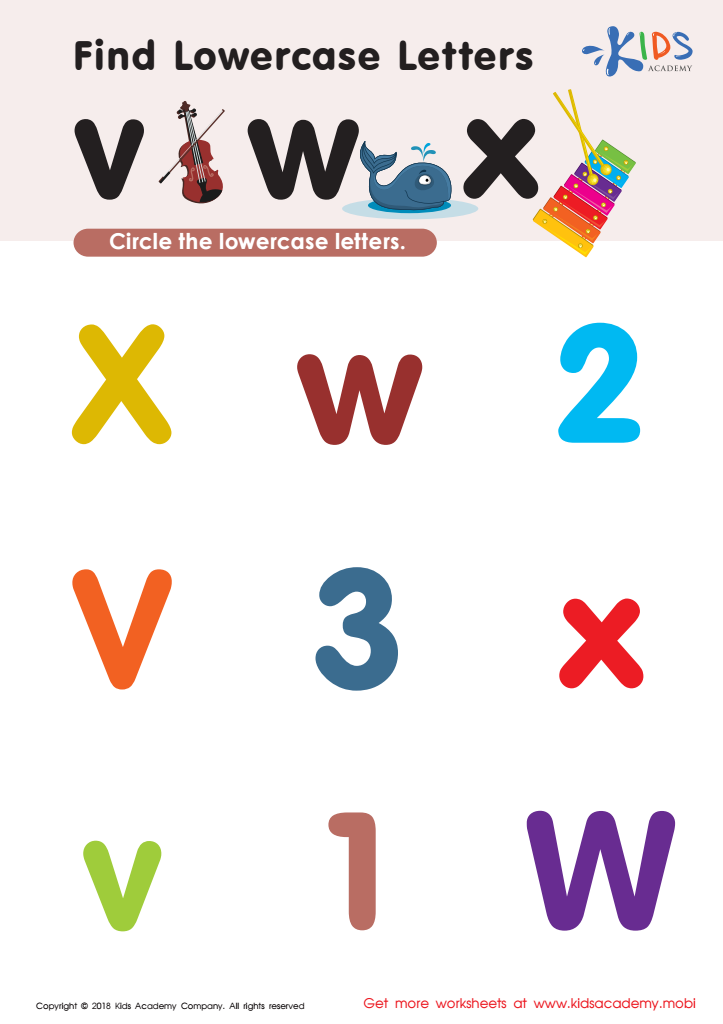
Find Lowercase Letters v w x Worksheet
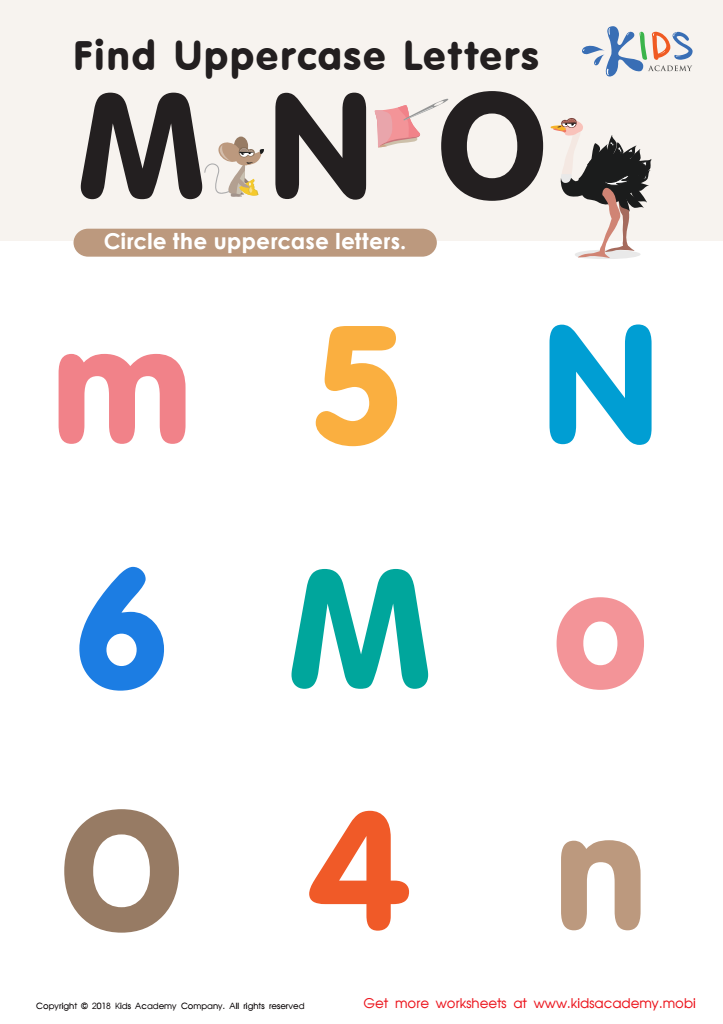
Find Uppercase Letters M, N, and O Worksheet






Letter recognition of both normal uppercase and lowercase letters is essential for early childhood education, specifically for children ages 4-9. This skill serves as the bedrock of literacy, acting as a crucial stepping stone to reading fluency and comprehension. When children can easily recognize letters, they can more readily learn to associate these symbols with corresponding sounds, forming phonemic awareness. This relationship between letters and sounds is foundational for decoding words, spelling, and ultimately, reading comprehension.
Furthermore, recognizing both uppercase and lowercase letters ensures that children can navigate written text more confidently. Often, beginning reading materials mix uppercase and lowercase letters. By being proficient in recognizing both forms, children can shift focus from merely identifying letters to actually understanding the meaning of the words and sentences they read.
Letter recognition also supports motor skills through activities like tracing and writing the alphabet, enhancing fine motor control and hand-eye coordination. Engaging in these activities can make the learning process enjoyable and interactive, fostering a positive attitude towards education.
In essence, letter recognition is not just about knowing the alphabet; it is about enhancing a child’s overall language skills and providing them with the tools necessary for academic success. Parents and teachers who prioritize this skill are setting their children up for future accomplishments in reading, writing, and beyond.







