Associative learning Normal Worksheets for Ages 4-9
5 filtered results
-
From - To
Discover our comprehensive range of Associative Learning Worksheets designed for children aged 4-9! These engaging activities help young learners develop vital cognitive skills by teaching them to connect related concepts and ideas. Our user-friendly worksheets feature vibrant illustrations and interactive elements to capture children's attention while making learning fun. Each activity is tailored to reinforce associative learning in a playful manner, fostering critical thinking and problem-solving abilities. Perfect for teachers and parents, these worksheets can enhance classroom lessons or be used at home. Encourage your child's growth in a meaningful way with our expertly crafted Associative Learning Worksheets today!
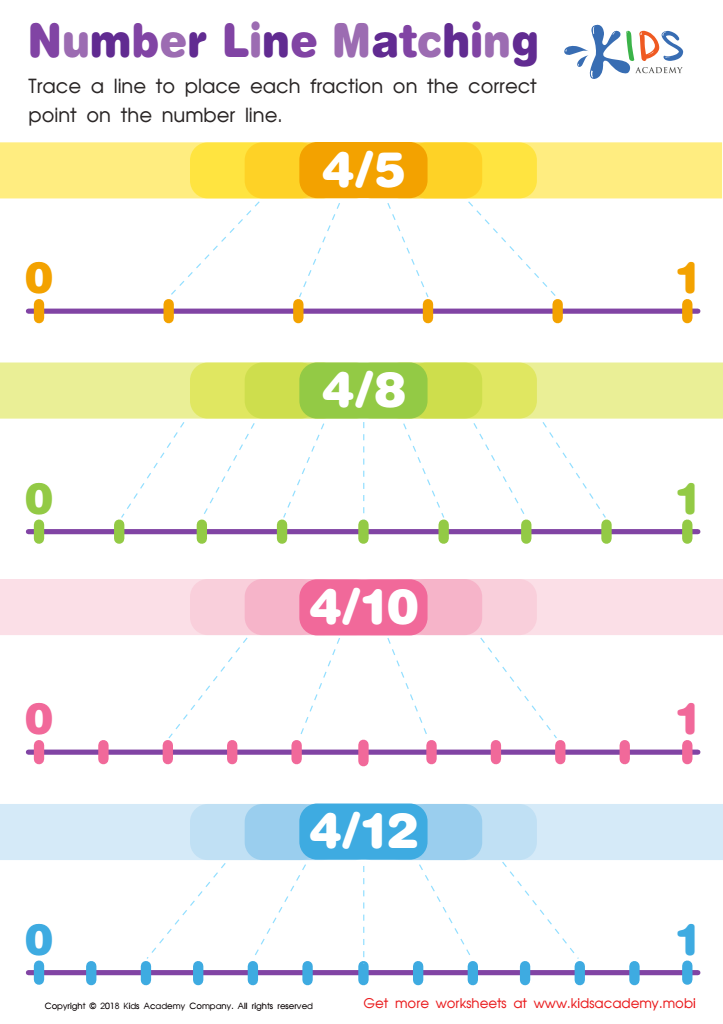
Number Line Matching Worksheet
 Assign to My Students
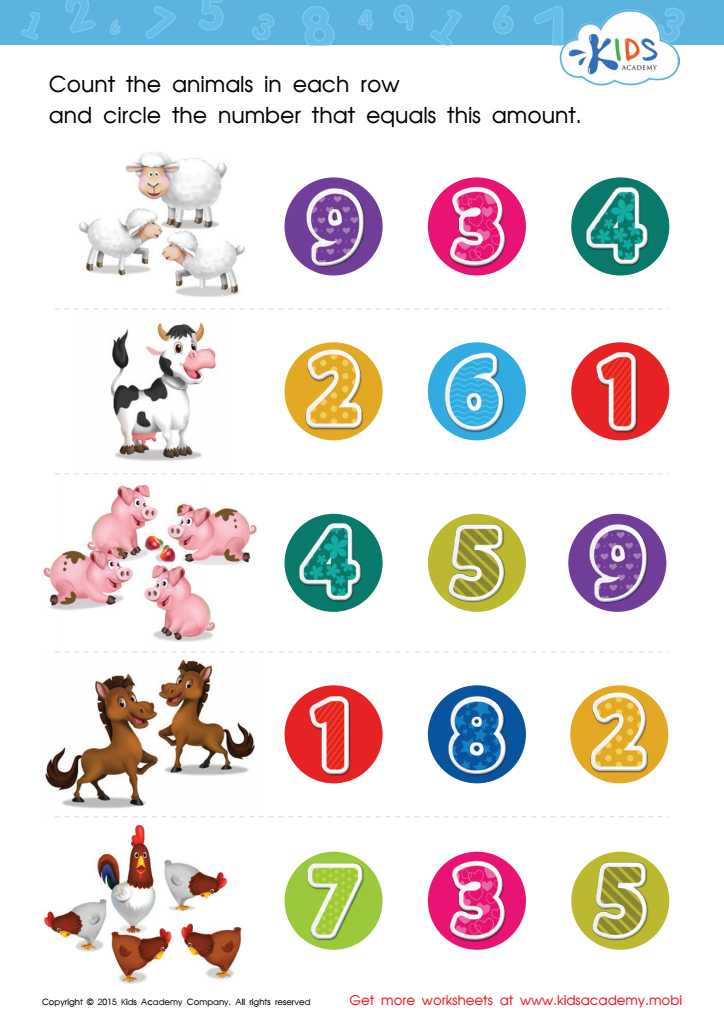
Count and Match 1 – 5 Math Worksheet
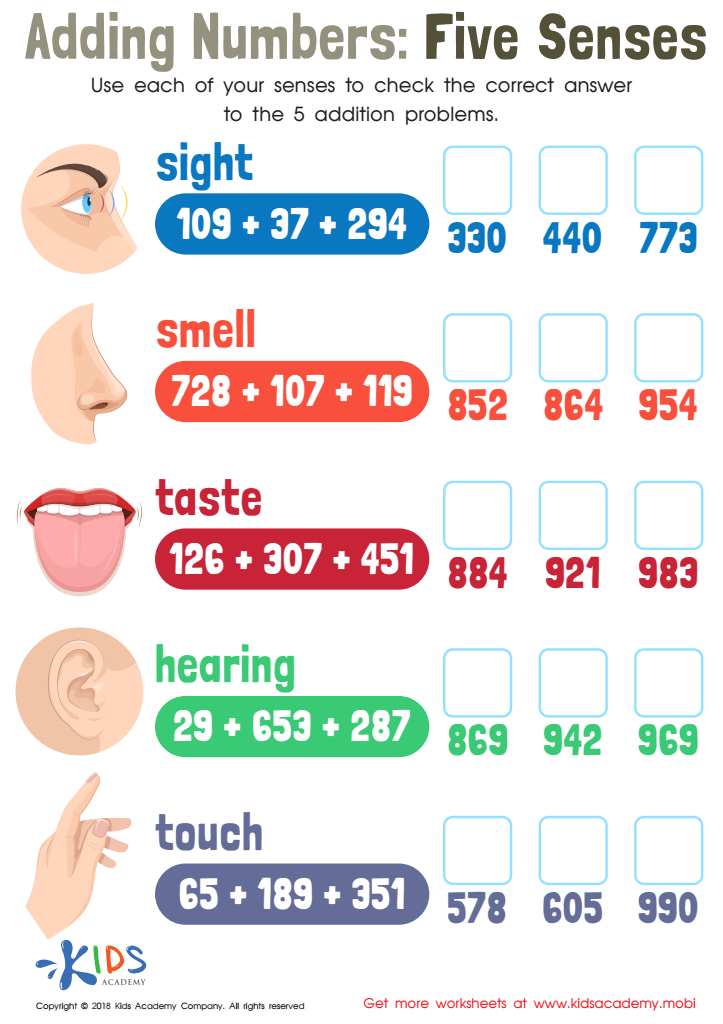
Adding Numbers: Five Senses Worksheet
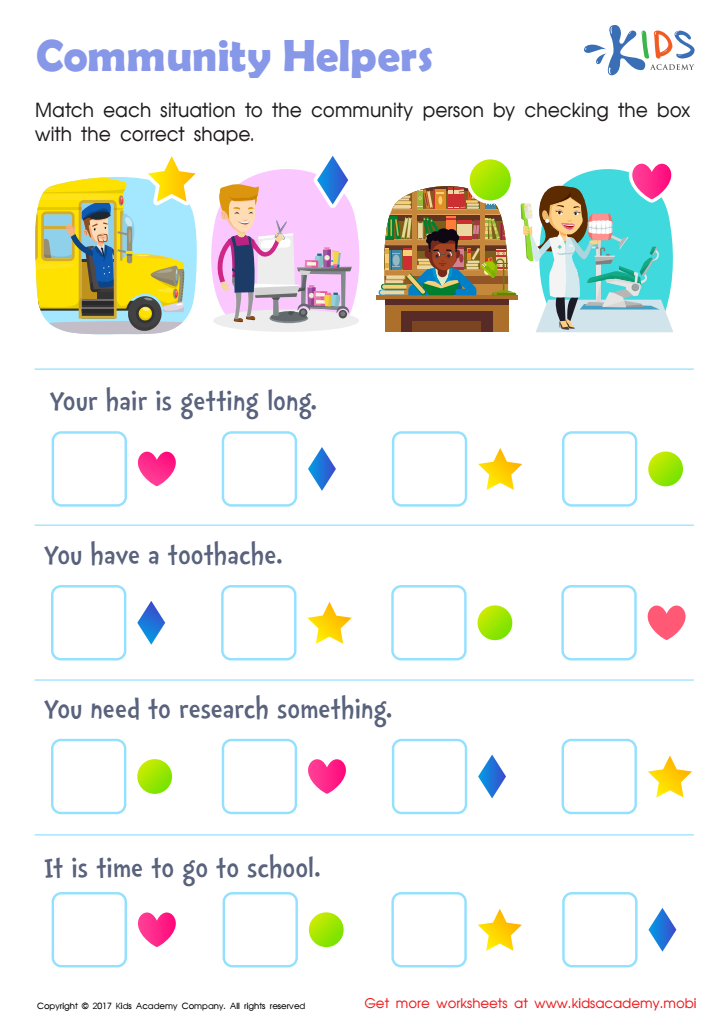







Associative learning, especially for children aged 4-9, is a critical aspect of cognitive development that parents and teachers should prioritize. This type of learning involves the connections children make between different concepts, events, or behaviors. For example, a child might learn to associate the sound of a bell with the end of recess, facilitating behavioral responses, such as transitioning back to class.
Understanding associative learning has significant implications for educational practices and parenting strategies. For teachers, recognizing how children build connections can guide curriculum design, enabling them to create lessons that reinforce these associations through play, storytelling, or hands-on activities. It promotes engagement, as children are more likely to retain information they have connected to prior experiences.
For parents, being aware of associative learning can enhance support at home. By creating a rich sensory environment and interactive experiences, parents can help children form meaningful associations—whether it’s linking words with their meanings through daily conversation or connecting new vocabulary with familiar objects.
Ultimately, fostering associative learning aids in language development, critical thinking, and emotional intelligence, equipping children with foundational skills they will rely on throughout their academic journeys and life. Recognizing its importance allows adults to better nurture curiosity and academic growth in young learners.








