Color recognition Normal Worksheets for Ages 4-9 - Page 2
34 filtered results
-
From - To
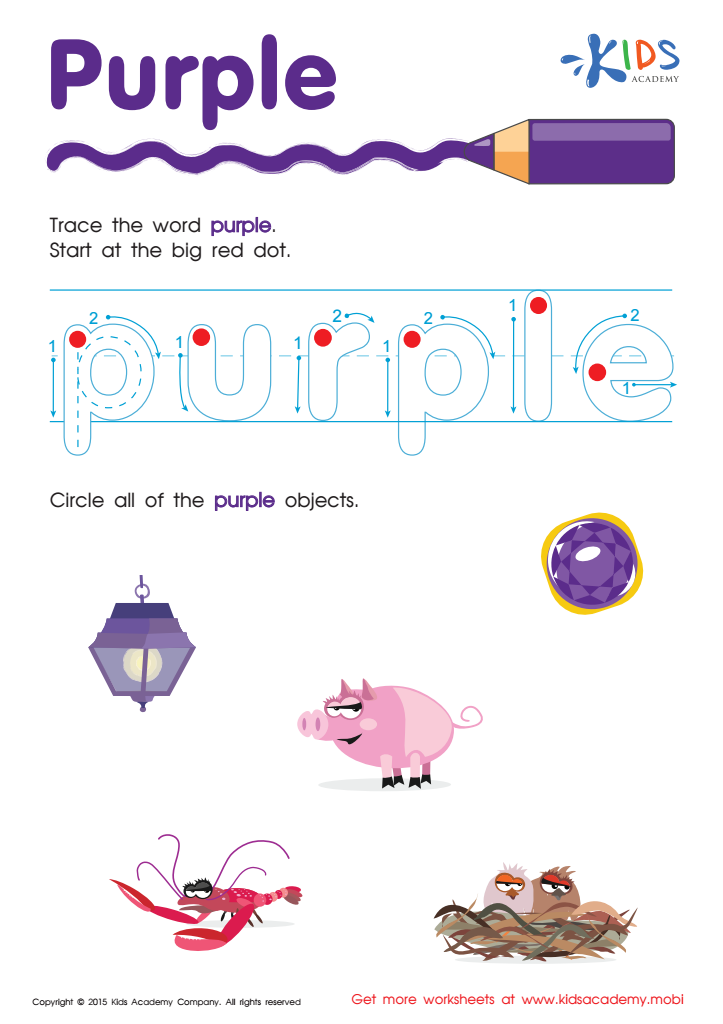
Purple Tracing Color Words Worksheet
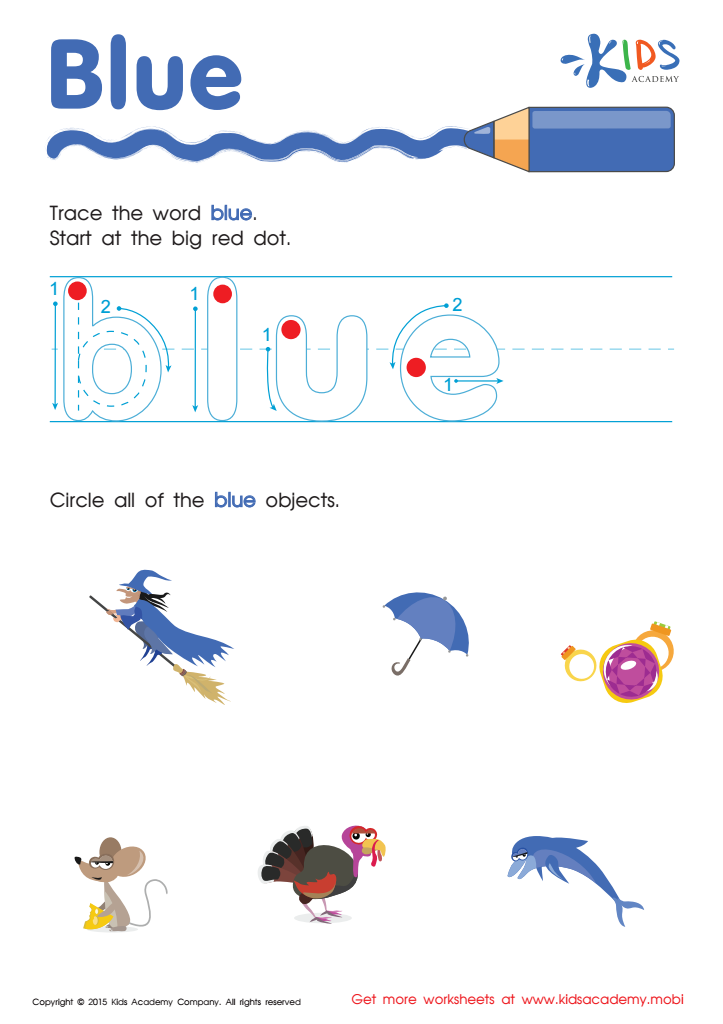
Blue Tracing Color Words Printable
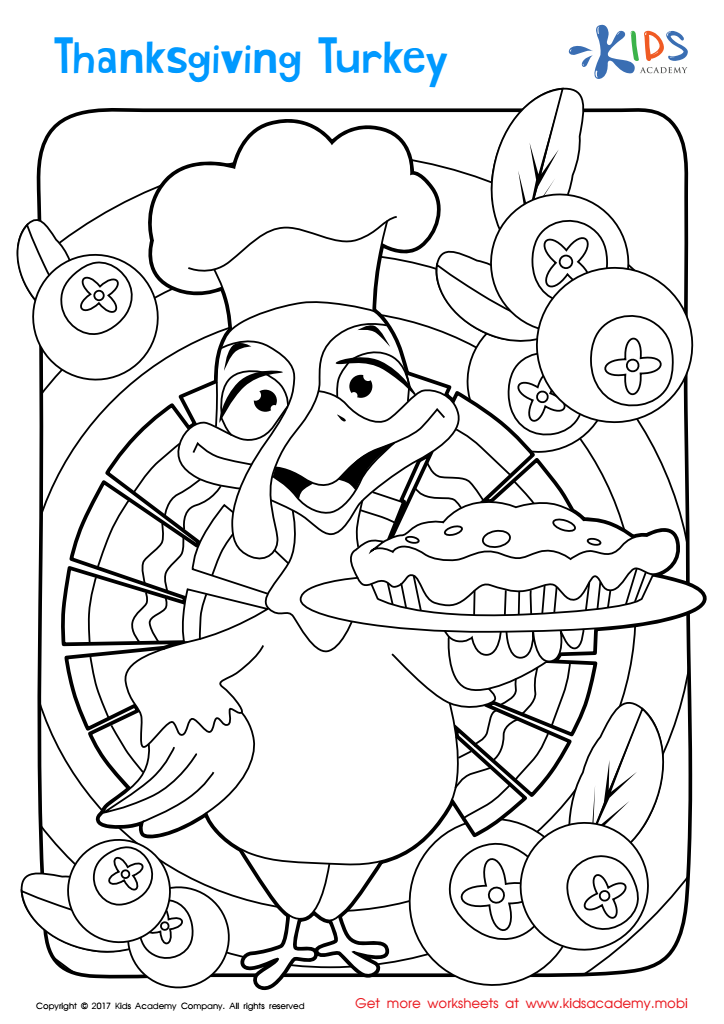
Turkey Thanksgiving Day Worksheet
 Assign to My Students
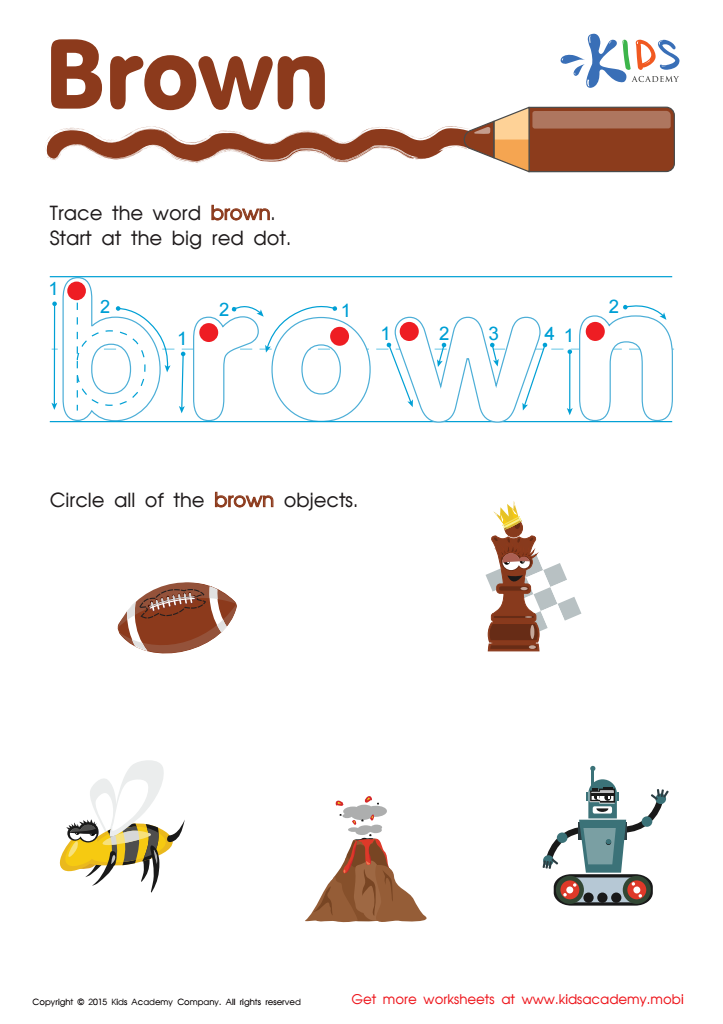
Brown Tracing Color Words Worksheet
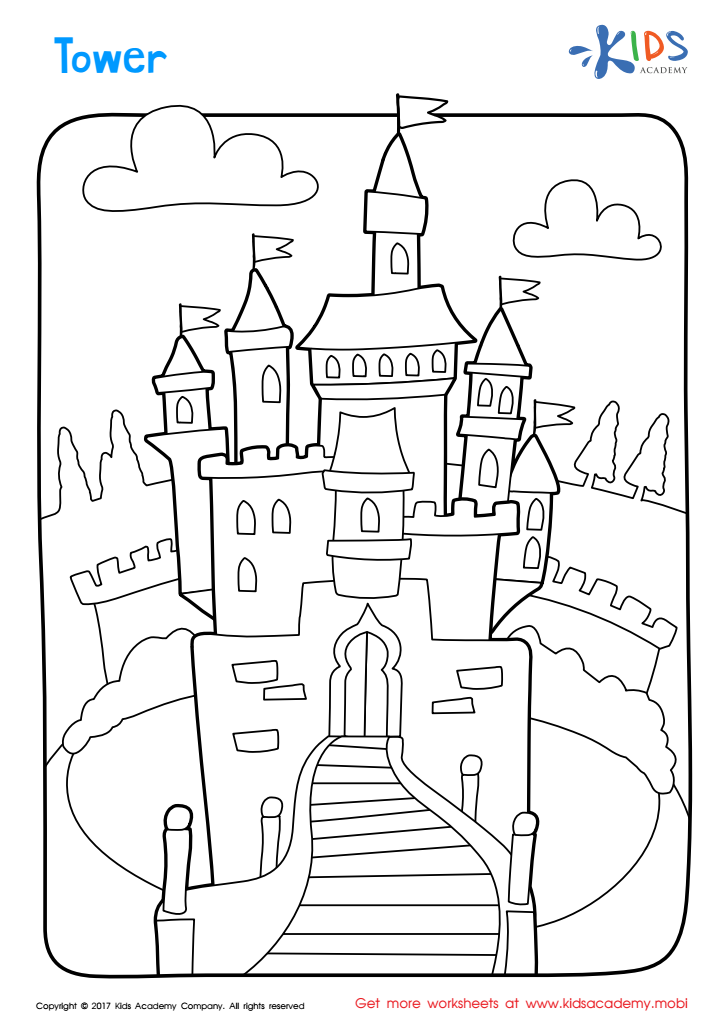
Tower Coloring Page
Assign to My Students
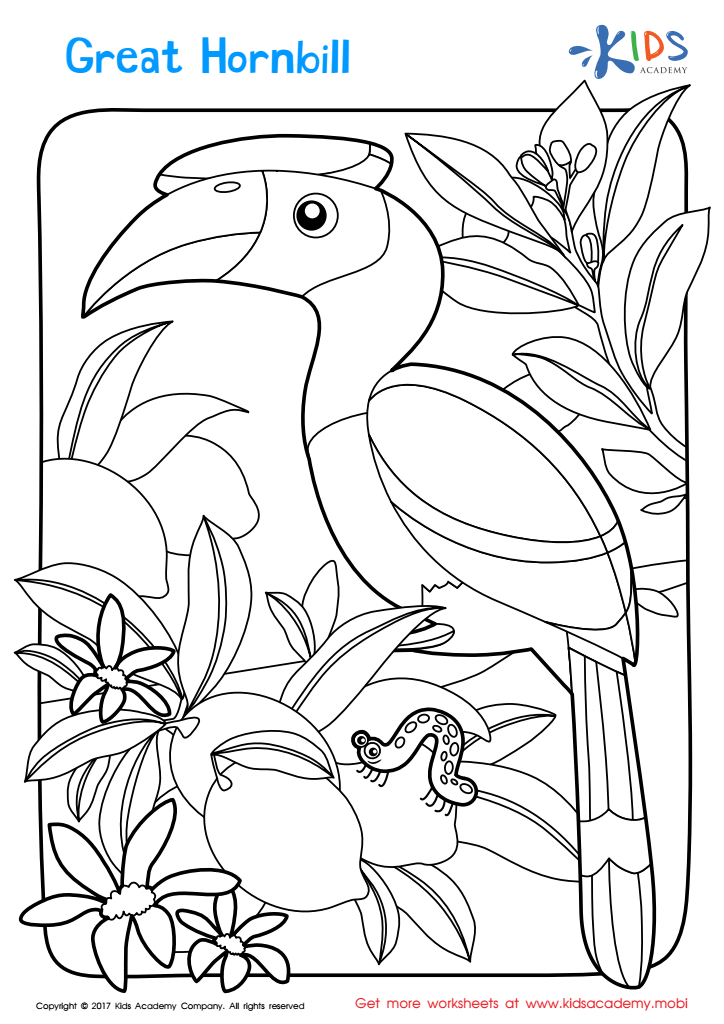
Great Hornbill Worksheet
Assign to My Students
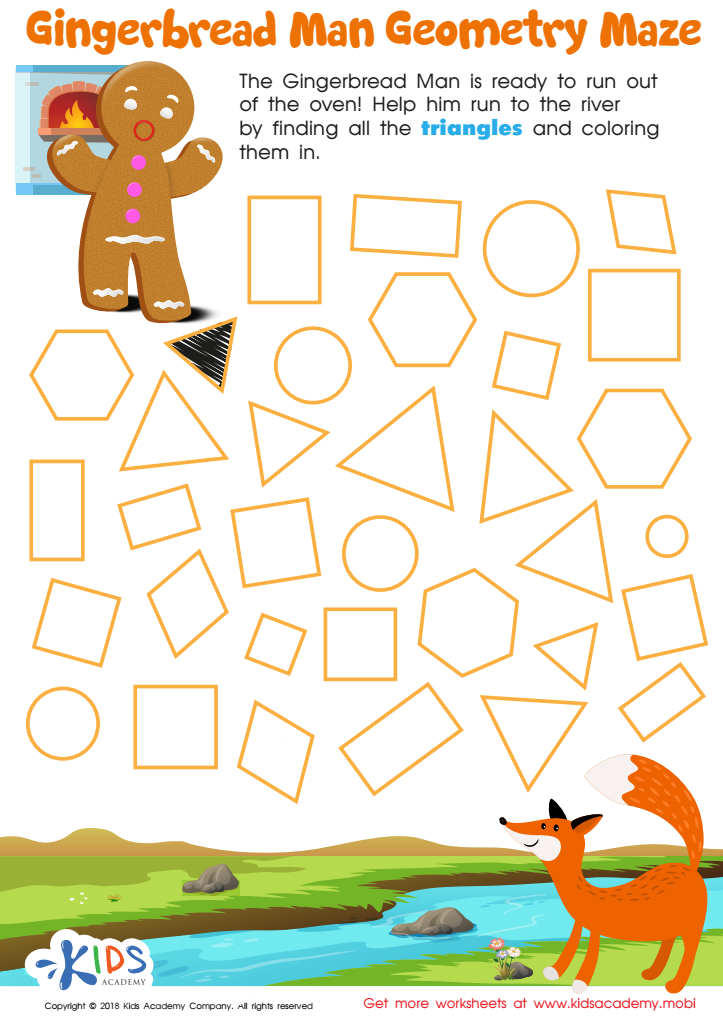
Gingerbread Man Geometry Maze Worksheet
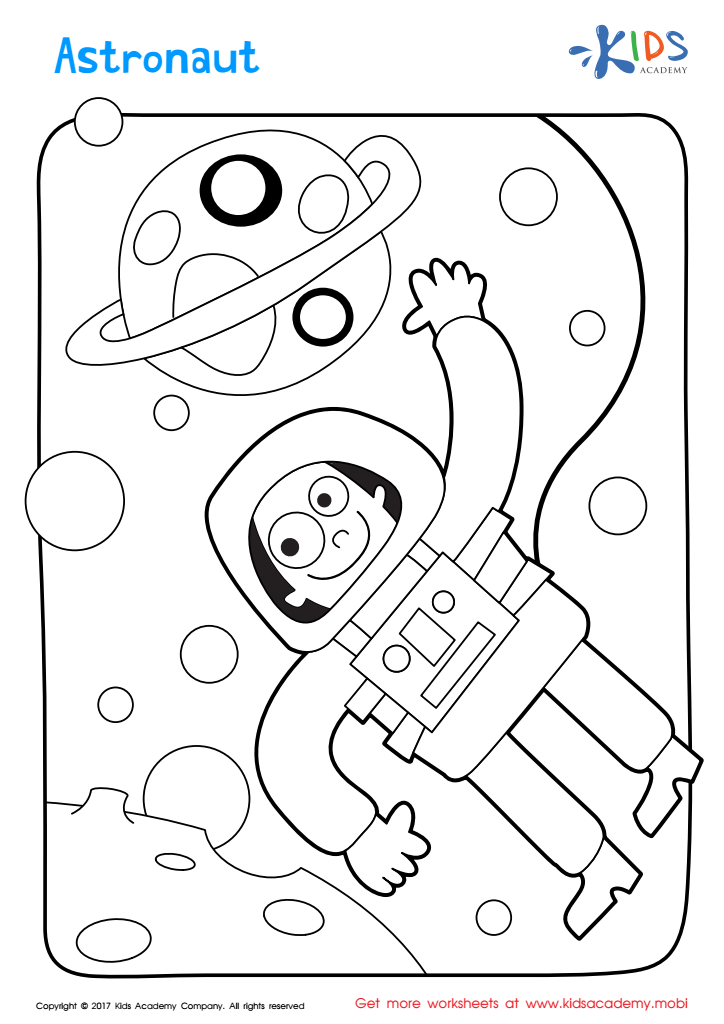
Astronaut Coloring Page
Assign to My Students
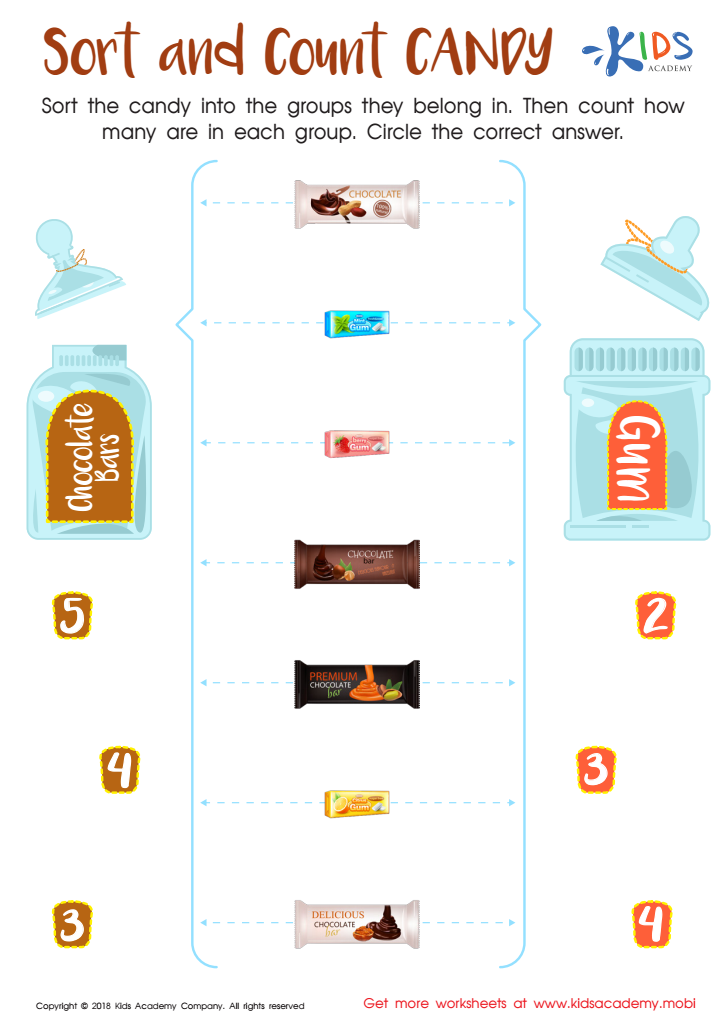
Sort and Count Candy Worksheet
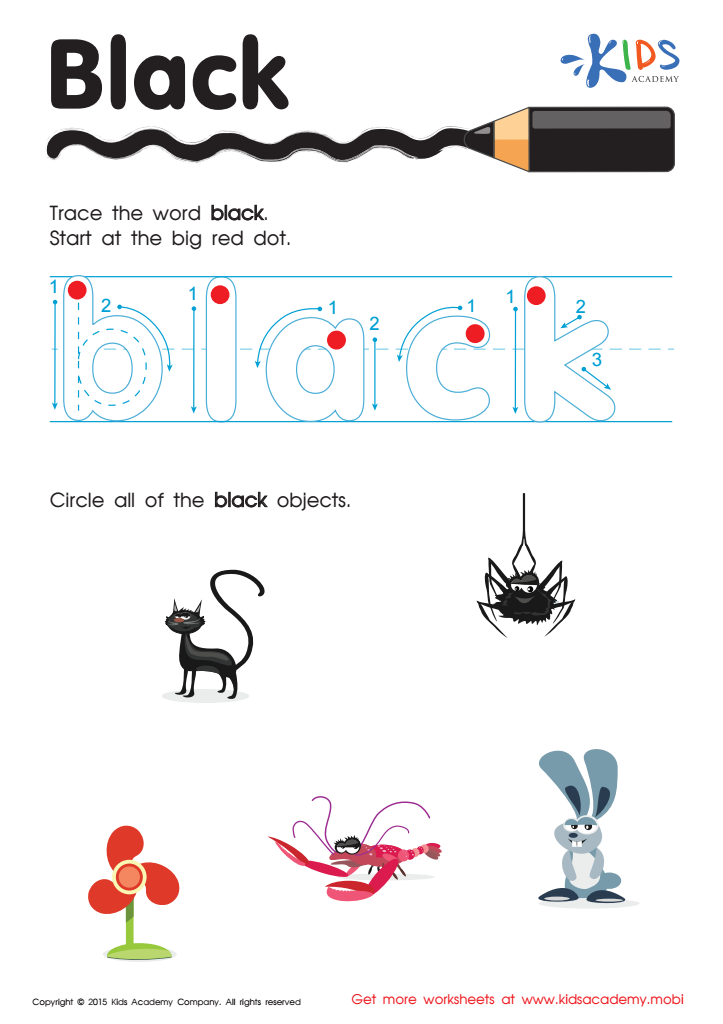
Black Tracing Color Words Printable







Color recognition is a fundamental skill for children aged 4 to 9, crucial for their cognitive and emotional development. Parents and teachers should prioritize this skill for several reasons.
Firstly, color recognition enhances language development. As children learn to identify colors, they expand their vocabulary, experiencing words associated with colors, such as "bright," "dark,” or "shades." This enrichment aids their overall communication skills.
Secondly, color recognition plays a vital role in early mathematics. Recognizing colors can help children understand patterns and groupings, laying the groundwork for mathematical concepts like sorting and classification.
Additionally, colors have significant emotional and psychological connotations. By helping children recognize and articulate their feelings about colors, adults can empower children to express themselves better and understand their emotions.
Moreover, this skill is often tied to learning in various subjects, including art and science. For example, discussing color in nature can lead to exploration in biology, or using colors in artwork can foster creativity.
Overall, promoting color recognition is impactful in shaping children’s academic skills, emotional intelligence, and social interactions, making it an essential focus for both parents and educators.








