Comparative analysis Normal Worksheets for Ages 4-9
6 filtered results
-
From - To
Explore our engaging selection of Comparative Analysis Worksheets tailored for children ages 4-9. Designed to develop critical thinking skills, these worksheets encourage young learners to analyze similarities and differences between various items, concepts, and scenarios. With vibrant visuals and age-appropriate challenges, these interactive exercises foster cognitive growth while making learning enjoyable. Our comprehensive resources cover key topics suitable for early grade levels, providing a solid foundation in reasoning and problem-solving. Ideal for both classroom use and at-home practice, these worksheets help children to build essential analytical skills critical for their educational journey. Download and get started today!
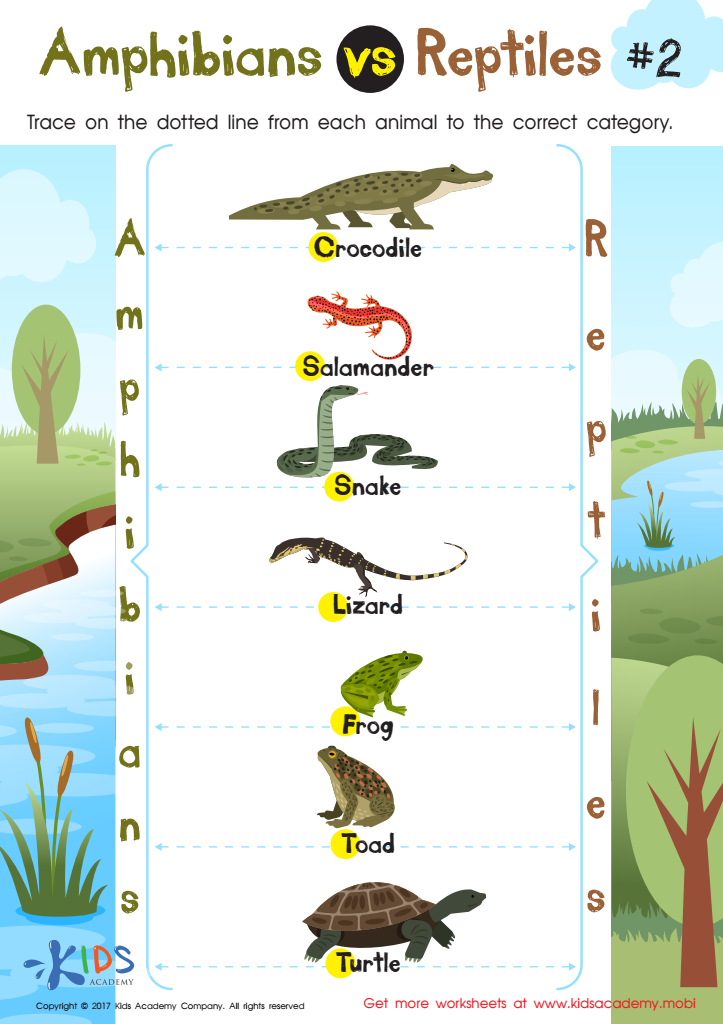
Amphibians vs Reptiles Worksheet for 3rd Grade
 Assign to My Students
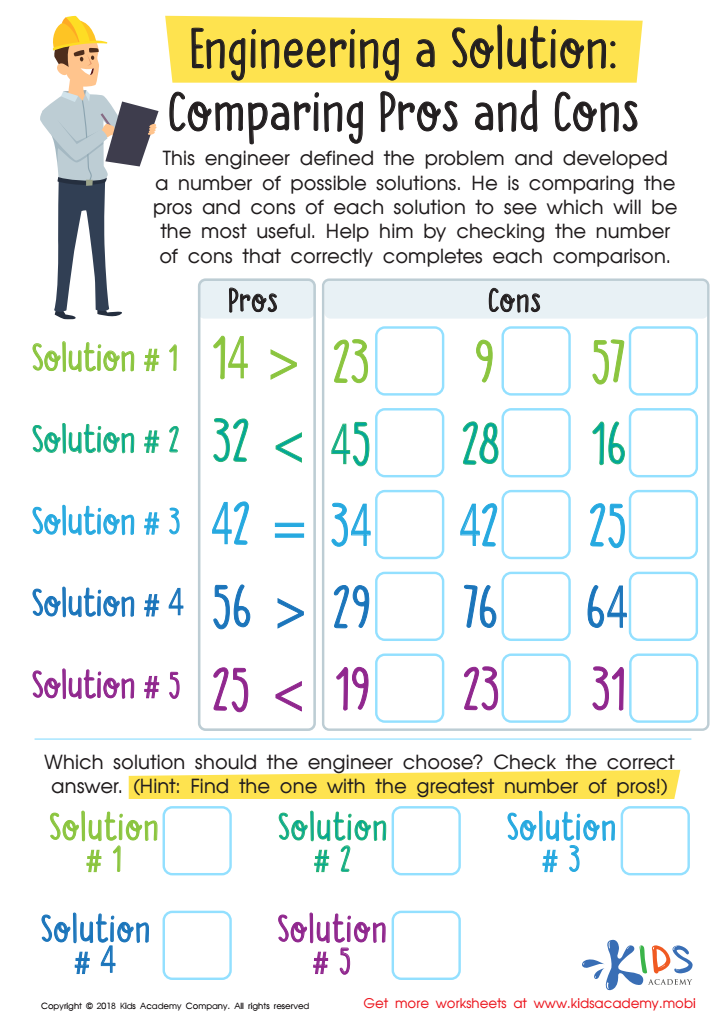
Engineering a Solution: Comparing Pros and Cons Worksheet
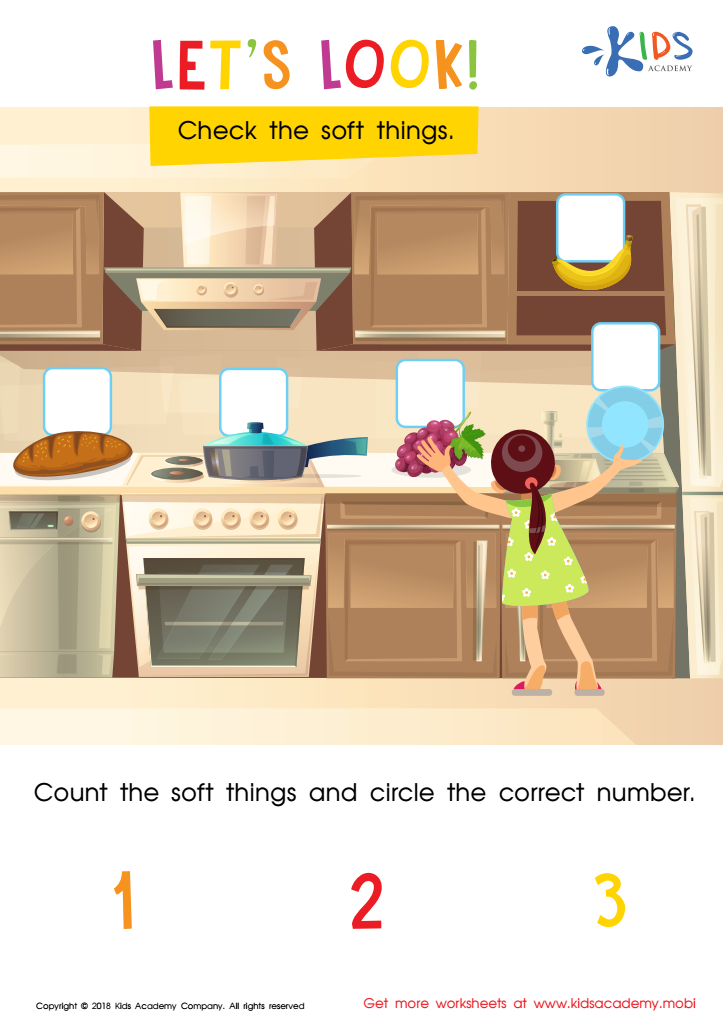
Let's Look! Assessment Worksheet
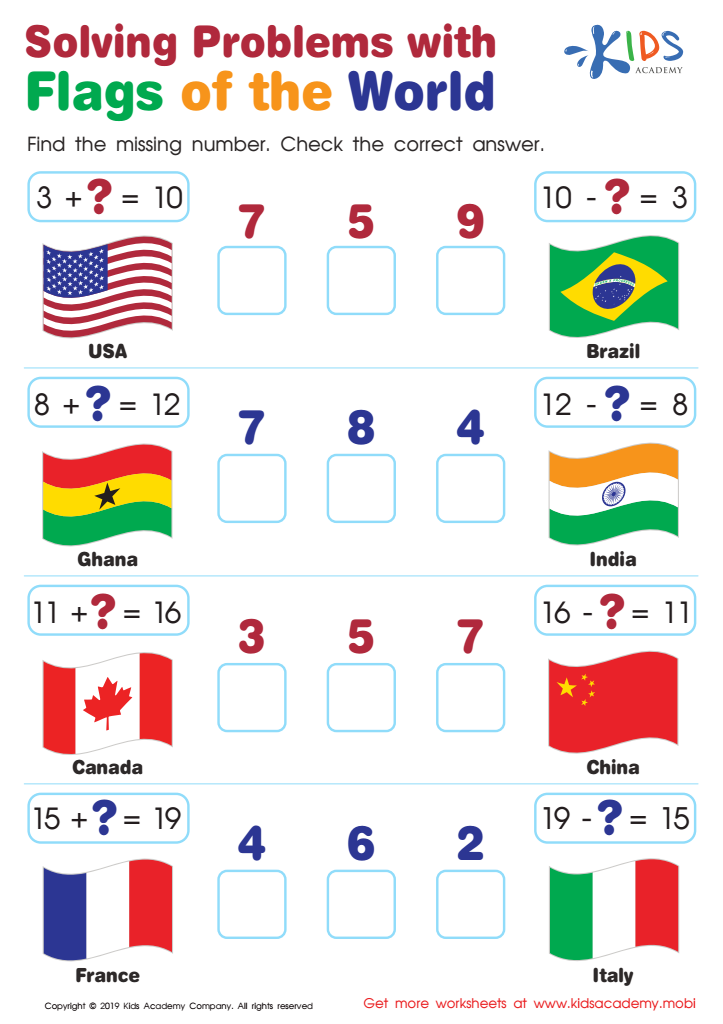
Solving Problems with Flags of the World Worksheet
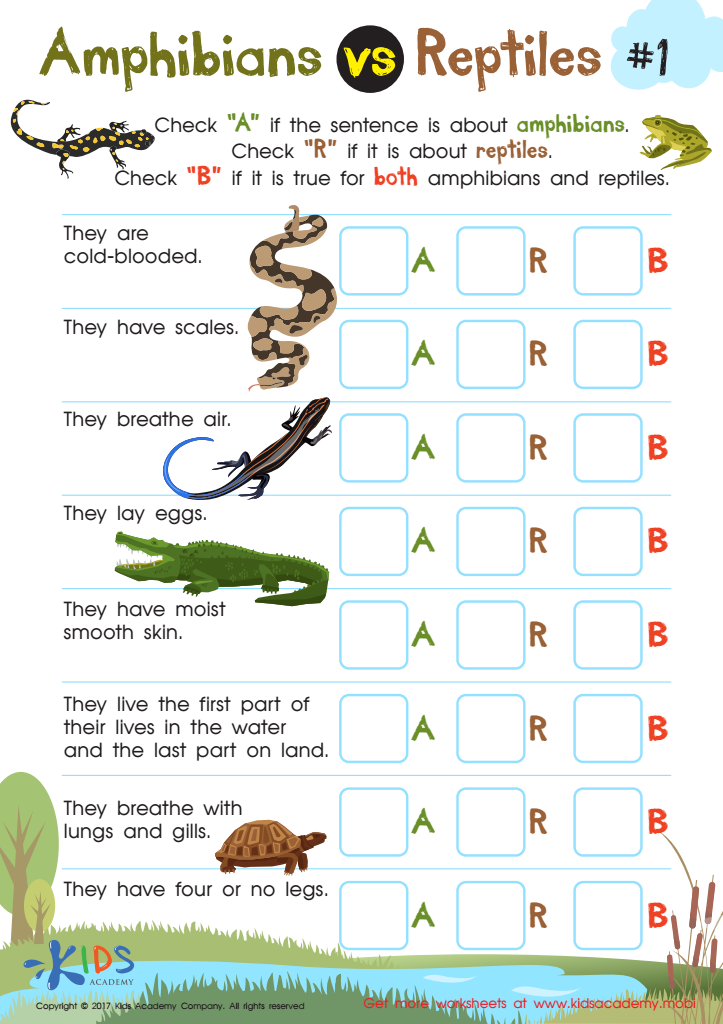
Amphibians vs Reptiles Worksheet
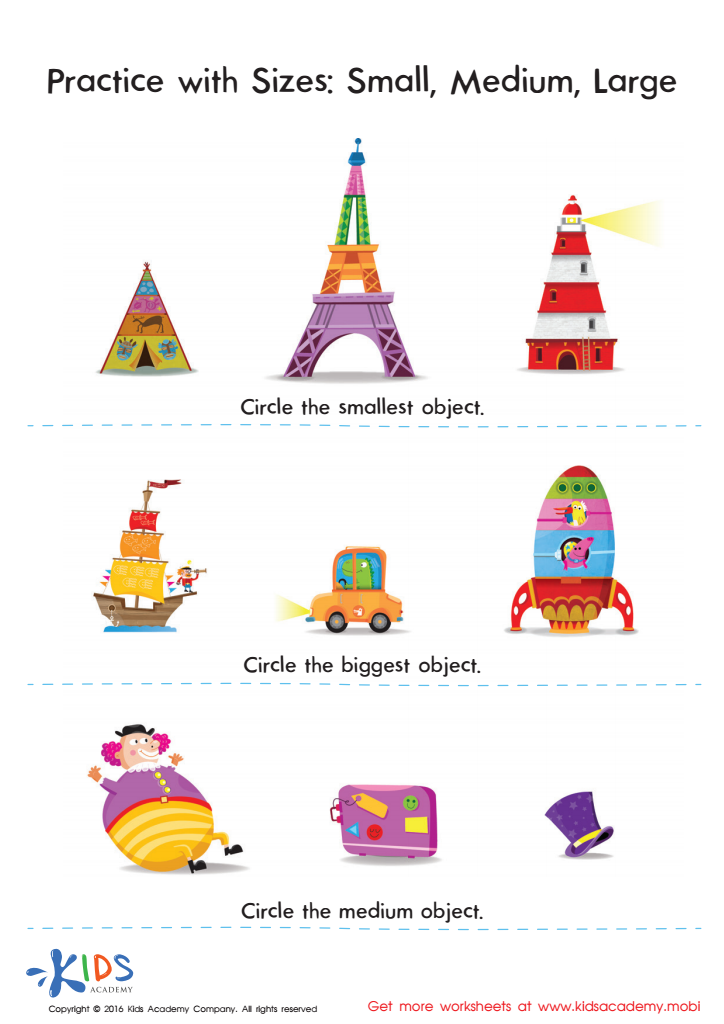







Parents and teachers should pay attention to comparative analysis norms for children aged 4-9 to ensure that every child's development is on track. These norms serve as benchmarks that highlight typical developmental milestones across various domains such as cognitive skills, language, social-emotional capabilities, and physical growth. Understanding these benchmarks allows adults to identify any early signs of potential delays or challenges a child may face.
For educators, this analysis offers insights for tailoring instructional strategies to meet the diverse needs of students. A teacher can adjust teaching methods and provide additional support or enrichment activities so that each child can reach their full potential.
For parents, understanding these norms helps them feel confident about their child's progress or know when it's time to seek additional resources or guidance, such as specialized educational support or medical advice.
Moreover, comparative analysis serves as a tool for fostering effective communication between parents and teachers, helping build a partnership that supports furthering the child's overall well-being. Early identification and intervention can make a significant difference, giving every child a better chance to thrive academically, socially, and emotionally during these formative years.








